
The Role of Gurus in the Interpretation of Vedic Texts


Welcome to Ancient India History, where we delve deep into the rich tapestry of civilizations that have shaped the Indian subcontinent. In our featured article, "The Role of Gurus in the Interpretation of Vedic Texts," we uncover the profound influence that these revered teachers had on ancient Indian thought and spirituality. What wisdom did they impart, and how did their interpretations mold the very essence of Vedic philosophy?
Join us on this captivating journey to explore the pivotal contributions of gurus in the sacred texts of ancient India, and ignite your curiosity about the legacies that continue to resonate today. Dive in and discover!
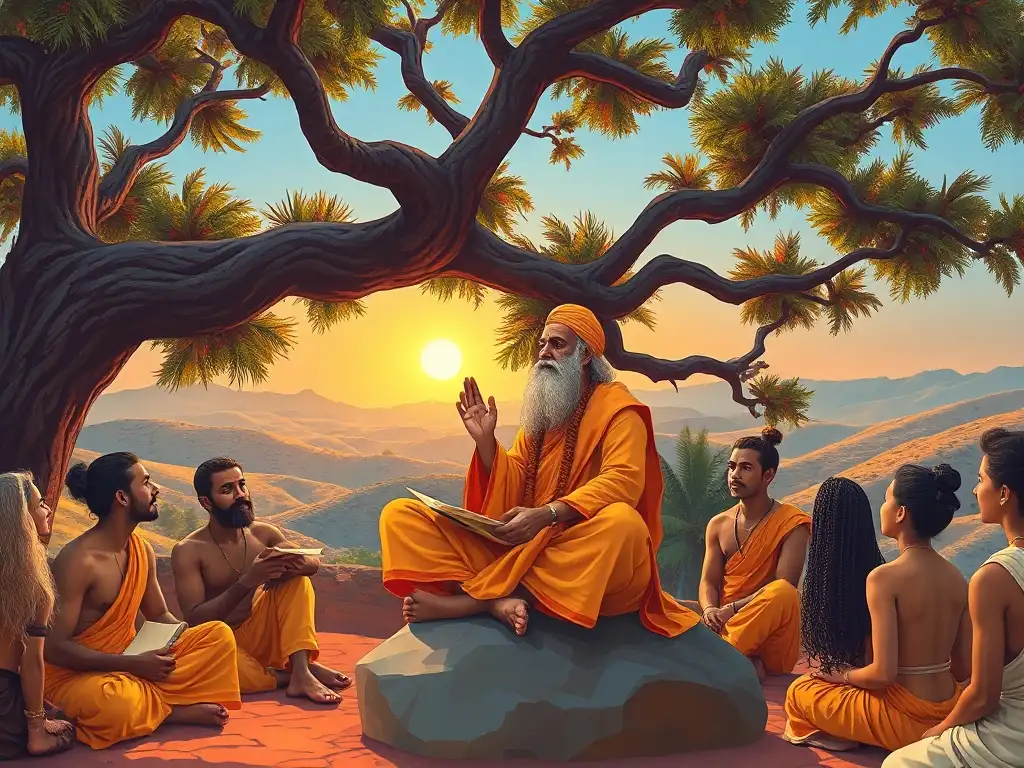
Introduction to Gurus and Vedic Texts
The Role of Gurus in Vedic texts is a profound aspect of Hindu philosophy and spirituality that underscores the importance of spiritual teachers in the transmission of ancient wisdom. Gurus are not merely educators; they serve as guiding lights, illuminating the paths of knowledge and understanding that are often obscured by the complexities of life.
The Vedic texts, which include the four Vedas—Rigveda, Samaveda, Yajurveda, and Atharvaveda—are among the oldest sacred scriptures in India, encompassing a vast array of hymns, rituals, philosophies, and teachings that form the foundation of Hindu thought. The interplay between the gurus and these texts fosters a deep exploration of spiritual truths and ethical principles that have shaped Hindu culture for millennia.
Introduction to Gurus and Vedic Texts
Definition of Gurus in Hindu Tradition
In Hindu tradition, a guru is more than just a teacher; the term derives from the Sanskrit words "gu," meaning darkness, and "ru," meaning light. Thus, a guru is one who dispels darkness and ignorance, leading disciples towards enlightenment. Gurus possess profound knowledge and spiritual insight, which they impart to their students, often through direct interaction and personal guidance. This relationship is characterized by deep respect and devotion, as the disciple relies on the guru's wisdom to navigate the complexities of life and spirituality.
Overview of Vedic Texts and Their Significance
The Vedic texts are a collection of hymns, mantras, and philosophical discourses that constitute the bedrock of Hindu spiritual literature. Composed in ancient Sanskrit, these texts articulate the rituals, cosmology, and ethical teachings integral to Vedic society. Their significance extends beyond mere religious practices; they embody the cultural and philosophical ethos of ancient India. The Vedas explore themes such as dharma (duty/righteousness), artha (prosperity), kama (pleasure), and moksha (liberation), forming a holistic framework for human existence. Understanding these texts is crucial for grasping the evolution of Indian thought and spirituality.
Historical Context of Gurus in Vedic Literature
The Emergence of Gurus in Ancient India
The role of gurus in the interpretation of Vedic texts can be traced back to ancient India, where the transmission of knowledge was predominantly oral. Early sages, known as rishis, were revered as the original authors of the Vedas, and their insights were preserved through generations by devoted disciples. This tradition of mentorship established the groundwork for the guru-shishya (teacher-student) relationship, wherein knowledge was not just taught but experienced and internalized. The emergence of gurus was pivotal in ensuring that the spiritual and philosophical tenets of the Vedas remained alive and relevant amid changing societal dynamics.
Influence of Gurus on Vedic Scholarship
Throughout history, gurus have played a critical role in the scholarship and interpretation of Vedic texts. Their commentaries, teachings, and discourses have shaped the understanding of these scriptures, allowing for diverse interpretations that resonate with different eras and contexts. Notable gurus, such as Adi Shankaracharya and Ramanuja, have made significant contributions to Vedic scholarship, offering insights that bridge the ancient texts with contemporary thought. Their interpretations not only elucidate the complexities of the Vedas but also adapt them to address the spiritual needs of their followers, ensuring the enduring legacy of Vedic wisdom in the modern world.
The Role of Gurus in Vedic Texts Interpretation
The role of gurus in the interpretation of Vedic texts is pivotal, as they serve as the primary conduits through which profound philosophical and spiritual teachings are transmitted. In ancient India, the guru-shishya (teacher-student) relationship was deeply revered, emphasizing a personal and transformative learning experience. Gurus were not merely instructors of texts; they were spiritual guides who embodied the principles of the Vedas.
Their interpretations shaped the understanding and practice of Vedic philosophy, ensuring that these ancient teachings remained relevant across generations. The insights of these gurus often reflect a synthesis of their personal spiritual experiences and the traditional texts, leading to diverse interpretations that enriched the Vedic tradition.
Teaching Methods of Gurus in Vedic Traditions
Gurus employed various teaching methods rooted in the oral tradition of ancient India. One of the most significant methods was dialogue, where the guru would engage students in discussions, encouraging critical thinking and personal reflection. This Socratic method fostered a deeper understanding of complex concepts found in the Vedic texts.
Another essential approach was ritualistic practice. Gurus would often integrate the teachings with practical rituals, demonstrating how Vedic principles could be applied in daily life. This experiential learning helped students grasp abstract philosophical ideas through tangible practices.
Additionally, storytelling played a crucial role in transmitting knowledge. Through narratives, gurus illustrated moral lessons and philosophical principles, making the teachings more relatable and memorable. This method not only facilitated retention but also enabled the transmission of cultural values associated with Vedic teachings.
Transmission of Knowledge: Oral vs. Written
The transmission of knowledge in the context of Vedic texts predominantly favored the oral tradition, where teachings were memorized and recited. This method ensured accuracy and fidelity to the original texts, as the oral recitation required meticulous attention to pronunciation and intonation. The use of mnemonic devices, such as chants and rhythms, helped in preserving the integrity of the Vedic verses over centuries.
With the advent of writing, a significant shift occurred. While written texts provided a means for broader dissemination of Vedic knowledge, they also brought challenges, such as misinterpretations or loss of context. The written form often lacked the nuances conveyed through oral teaching, which relied heavily on the guru's presence and personal interaction. Thus, the balance between oral and written transmission has been a topic of discussion among scholars, highlighting the strengths and limitations of each method.
Critical Analysis: Gurus as Interpreters of Vedic Philosophy
Gurus have historically acted as critical interpreters of Vedic philosophy, navigating the complexities and ambiguities present in the texts. Their interpretations are often shaped by their individual experiences, cultural contexts, and the spiritual needs of their students. This subjectivity can lead to a rich diversity of thought within the Vedic tradition.
Scholars have noted that certain gurus emphasized different aspects of Vedic philosophy, such as ritualistic practices, metaphysical inquiries, or ethical teachings. For instance, some gurus may focus on the Upanishads, which delve into the nature of reality and the self, while others might prioritize the Brahmanas, which elaborate on the rituals and their significance. This critical analysis underscores the importance of the guru's role not only as a teacher but also as a philosopher who interprets, contextualizes, and sometimes redefines Vedic teachings for successive generations.
The Impact of Gurus on Vedic Texts
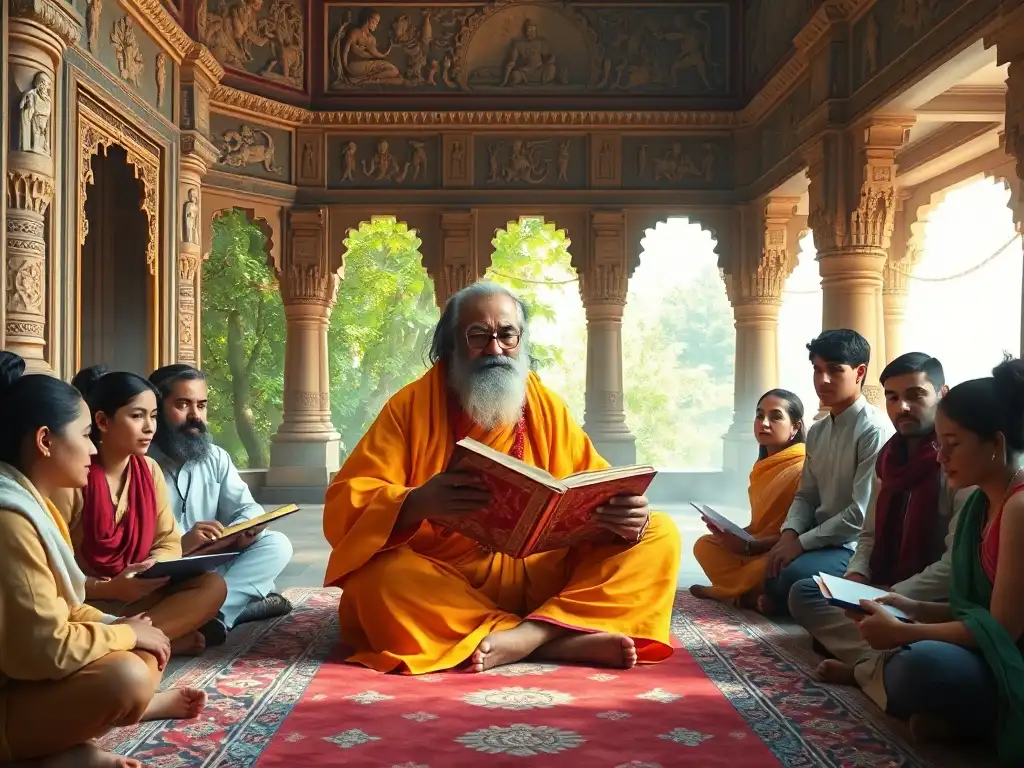
The influence of gurus on Vedic texts extends beyond mere interpretation; it encompasses preservation, commentary, and the evolution of philosophical thought. Their contributions have played a vital role in shaping the trajectory of Hindu philosophy and spirituality, ensuring that the teachings of the Vedas remain vibrant and applicable.
Preservation of Vedic Knowledge through Gurus
Gurus have been instrumental in the preservation of Vedic knowledge, particularly during periods of socio-political upheaval. By maintaining rigorous oral traditions and establishing Gurukuls (traditional schools), they safeguarded the integrity of Vedic scriptures. The commitment of gurus to teaching their students without alteration ensured that the core teachings of the Vedas were consistently transmitted, allowing them to withstand the test of time.
Moreover, the establishment of lineages (sampradayas) by various gurus helped in fostering communities devoted to preserving specific interpretations of Vedic texts. These lineages often included strict practices for maintaining the purity of teachings, further solidifying the role of gurus as guardians of Vedic knowledge.
Gurus' Contributions to Vedic Commentaries
Throughout history, many esteemed gurus have contributed significantly to Vedic commentaries, providing interpretations that have enriched the understanding of these ancient texts. Notable figures such as Adi Shankaracharya, Ramanuja, and Madhva have written extensive commentaries that elucidate the meanings of Vedic verses, making them accessible to broader audiences.
These commentaries often reflect the philosophical inclinations of the gurus — for example, Shankaracharya's Advaita Vedanta emphasizes non-dualism, while Ramanuja's Vishishtadvaita promotes a qualified non-dualism. Such interpretations not only clarify the texts but also stimulate scholarly debate and spiritual inquiry, leading to a flourishing of thought within the Vedic tradition.
Case Studies: Prominent Gurus and Their Interpretations
The interpretations of prominent gurus provide compelling case studies that highlight the diversity and depth of Vedic philosophy.
- Adi Shankaracharya (788–820 CE) is renowned for his non-dualistic interpretation of the Vedas. His commentaries on the Upanishads and the Brahma Sutras established the foundation for Advaita Vedanta, emphasizing the identity of the individual self (Atman) with the ultimate reality (Brahman).
- Ramanuja (1017–1137 CE), on the other hand, offered a qualified non-dualistic perspective through his Vishishtadvaita philosophy. His interpretations focused on the importance of devotion (bhakti) and the personal relationship between the individual and the divine, as articulated in texts like the Bhagavad Gita.
- Madhvacharya (1238–1317 CE) took a different approach by advocating for Dvaita (dualism), which emphasizes the distinction between the individual soul and the Supreme Being. His commentaries challenged previous interpretations and provided a robust framework for devotional practices centered on a personal god.
These case studies illustrate how individual gurus not only interpreted Vedic texts but also shaped the spiritual landscape of their times, creating enduring legacies that continue to influence contemporary Hindu thought.
The Guru-Shishya Tradition
The Guru-Shishya tradition, rooted deeply in ancient Indian culture, embodies a unique educational framework that emphasizes the transmission of knowledge from teacher (guru) to student (shishya). This relationship is not merely academic; it encompasses spiritual, moral, and ethical dimensions, making it a cornerstone of Vedic learning. Through this tradition, the profound teachings of the Vedic texts were preserved and interpreted, ensuring their relevance across generations.
In the context of Vedic scriptures, the guru's role extends beyond that of an instructor to that of a spiritual guide. Gurus were often seen as embodiments of wisdom and divine insight, holding a pivotal place in the spiritual and intellectual development of their disciples. The essence of the guru-shishya relationship lies in absolute trust and faith, where the shishya seeks enlightenment and understanding through the guru's teachings.
This tradition also underscores the importance of personal interaction and experiential learning, as teachings were often conveyed through direct dialogue, meditation, and rituals. Such methods not only facilitated the retention of knowledge but also fostered a deep connection between the guru and the shishya, establishing a lineage of thought that has influenced many aspects of Hindu philosophy and spirituality.
Understanding the Guru-Shishya Relationship
The Guru-Shishya relationship is characterized by a profound bond of respect and devotion, where the shishya recognizes the guru as a source of spiritual authority and guidance. This relationship is often likened to that of a parent and child, emphasizing care and nurturing. The shishya is expected to approach the guru with humility and a willingness to learn, while the guru, in turn, is tasked with imparting not only knowledge but also wisdom and ethical guidance.
Within the framework of Vedic texts, this relationship becomes particularly significant. The complexities of the Vedas, which encompass philosophy, rituals, and ethics, require a nuanced understanding that only a seasoned guru can provide. Through personal instruction, the guru interprets the texts and elucidates their meanings, often tailoring the teachings to the individual needs and capacities of the shishya. This personalized approach ensures that the teachings resonate deeply, leading to transformative learning experiences.
Additionally, the guru serves as a mediator between the shishya and the divine, facilitating spiritual practices that cultivate inner knowledge and self-realization. This dynamic not only enriches the shishya's understanding of the Vedic texts but also instills a sense of responsibility to carry forward the teachings, thus perpetuating the cycle of knowledge transmission.
Importance of Mentorship in Vedic Learning
Mentorship is a critical component of Vedic learning, as it fosters a context in which knowledge can be shared, debated, and expanded upon. The mentor-student model encourages active engagement with the texts, promoting critical thinking and personal exploration. This is essential in the interpretation of Vedic scriptures, where meanings can vary based on context, tradition, and individual insight.
Through mentorship, students are guided to explore the layers of meaning within the Vedic texts. They learn to approach scriptures not just as historical documents but as living texts that offer insights into the human condition and the nature of reality. The importance of mentorship is further highlighted in the practice of sadhana (spiritual discipline), where the guru provides essential guidance on meditation, rituals, and ethical living, ensuring that the teachings are integrated into daily life.
Moreover, mentorship in Vedic learning emphasizes the importance of community. Gurus often create learning environments where shishyas can engage with one another, fostering dialogue and collaboration. This communal aspect enhances understanding and creates a supportive atmosphere conducive to spiritual growth.
Modern Relevance of Guru-Shishya Practices
The relevance of the Guru-Shishya tradition persists in contemporary society, where mentorship remains a vital aspect of education and personal development. As modern learners navigate complex spiritual landscapes, the insights gained from this ancient practice can offer valuable guidance. Many spiritual organizations today continue to embrace the guru-shishya model, adapting it to modern contexts while maintaining its core principles.
In the realm of Vedic studies, modern interpretations often draw on the guru-shishya tradition to address contemporary issues. Gurus today are tasked with not only imparting traditional knowledge but also contextualizing it in ways that resonate with modern audiences. This involves integrating ancient teachings with contemporary practices, making Vedic wisdom accessible and relevant to a broader audience.
Additionally, the principles of mentorship derived from this tradition can be applied across various fields, including leadership, education, and personal development. The emphasis on trust, respect, and personal connection fosters environments that encourage growth, learning, and ethical living, reflecting the timeless wisdom embedded in the guru-shishya relationship.
Challenges in the Interpretation of Vedic Texts by Gurus
Despite the profound impact of the Guru-Shishya tradition, challenges persist in the interpretation of Vedic texts by gurus. As with any ancient documents, the complexity and ambiguity of the Vedic scriptures can lead to varying interpretations, sometimes resulting in misunderstandings or misapplications of the teachings. These challenges underline the necessity for careful and critical engagement with the texts.
One significant challenge lies in the potential for dogmatism. As gurus interpret the Vedas, there is a risk that personal biases or cultural contexts may color their teachings, leading to interpretations that may stray from the original intent of the texts. This can create divisions among followers, with differing understandings of core principles and practices.
Furthermore, the vastness of Vedic literature, encompassing numerous texts and commentaries, can overwhelm even the most dedicated scholars. The nuances of language, context, and historical background require a high level of expertise. Inadequate comprehension may lead to errors in interpretation, potentially distorting the teachings and their application in modern life.
Misinterpretations and Their Consequences
Misinterpretations of Vedic texts by gurus can have significant consequences, not only for individual practitioners but also for the broader community. When teachings are misrepresented, they can lead to the adoption of practices that diverge from the original spiritual intentions, potentially causing confusion and disillusionment among followers.
For example, certain interpretations may promote exclusivity or elitism, undermining the inclusive ethos of Vedic philosophy. This can alienate individuals who may seek spiritual guidance but feel unwelcome due to misaligned teachings. Additionally, misinterpretations can contribute to the perpetuation of myths or inaccuracies about Vedic texts, leading to a distorted understanding of Hindu philosophy as a whole.
Moreover, in an age of information accessibility, erroneous teachings can spread rapidly through social media and other digital platforms. This poses challenges for responsible scholarship and underscores the importance of critical engagement with the Vedic texts. It is crucial for both gurus and practitioners to foster a culture of inquiry and dialogue, encouraging the examination of teachings in light of historical and contextual factors.
Contemporary Critiques of Gurus' Roles in Vedic Texts
In contemporary discourse, the roles of gurus in the interpretation of Vedic texts have come under scrutiny. Critics argue that the hierarchical nature of the guru-shishya relationship may inhibit independent thought and critical engagement with the texts. This dynamic can create a dependency on the guru for spiritual insights, potentially stifling individual exploration and understanding.
Furthermore, the commercialization of spirituality has led to questions about the authenticity of some modern gurus. As the spiritual marketplace evolves, there is concern that some interpretations may prioritize personal gain over genuine spiritual transmission. This raises ethical considerations regarding the responsibilities of gurus in preserving the integrity of Vedic teachings.
Critiques also highlight the necessity for inclusivity and diversity in the interpretation of Vedic texts. The voices of marginalized communities and women have historically been underrepresented in these discussions. Contemporary dialogues advocate for a broader range of perspectives in interpreting the Vedas, ensuring that the teachings resonate with and are accessible to a wider audience.
While the role of gurus in the interpretation of Vedic texts remains significant, it is essential to approach this tradition with a critical lens, ensuring that the teachings are preserved, understood, and applied in ways that honor their original intent while addressing contemporary realities.
Conclusion: The Enduring Legacy of Gurus in Vedic Interpretation
The role of gurus in the interpretation of Vedic texts has profoundly shaped the landscape of Hindu philosophy and spirituality. From ancient times to the present day, gurus have been the custodians of Vedic wisdom, ensuring its preservation and transmission across generations. Their interpretative efforts not only elucidate the complex meanings embedded in the Vedas but also adapt these teachings to the evolving contexts of society. The legacy of gurus continues to resonate, as they serve as spiritual guides and educators, fostering an environment where Vedic knowledge can thrive and evolve.
Furthermore, the enduring influence of these spiritual leaders is evident in various aspects of Hindu practices, rituals, and education. The methodologies employed by gurus in imparting Vedic wisdom—ranging from oral traditions to modern pedagogical approaches—demonstrate their adaptability and relevance in contemporary discourse. As such, the role of gurus remains pivotal in the ongoing engagement with Vedic texts, showcasing a dynamic interplay between tradition and innovation.
Summary of the Role of Gurus in Vedic Texts
Gurus have played a critical role in the interpretation and dissemination of Vedic texts throughout history. They serve as intermediaries between the sacred scriptures and the layperson, providing essential insights and explanations that make the profound teachings of the Vedas accessible. Historically, gurus have been responsible for:
- Teaching and Guiding: They have established formal and informal educational institutions, where students, or shishyas, learn the intricacies of Vedic knowledge, including philosophy, rituals, and ethical principles.
- Commentary and Interpretation: Gurus have authored numerous commentaries that explore the philosophical and spiritual dimensions of the Vedas, offering diverse perspectives that enrich the understanding of these texts.
- Spiritual Leadership: Beyond academic interpretation, gurus have provided spiritual guidance, helping individuals navigate personal and communal challenges through Vedic teachings.
This multifaceted role not only emphasizes their authority as scholars but also underscores their significance as spiritual leaders, shaping the moral and ethical frameworks within which communities operate.
Future Perspectives on Gurus and Vedic Scholarship
As we look to the future, the role of gurus in Vedic scholarship is poised to evolve amidst changing cultural and technological landscapes. Several trends may influence this evolution:
- Digital Transformation: With the rise of online education and digital platforms, gurus may expand their reach beyond traditional settings, utilizing technology to disseminate Vedic knowledge to a global audience.
- Interdisciplinary Approaches: Future scholarship may witness increasing collaboration between Vedic scholars and experts from various fields, such as psychology, environmental studies, and comparative religion, allowing for nuanced interpretations of ancient texts in contemporary contexts.
- Revitalization of Oral Traditions: As modern audiences seek authenticity, there may be a resurgence in the appreciation of oral traditions, with gurus emphasizing personal storytelling and experiential learning as vital components of Vedic education.
While the essence of the guru's role in Vedic interpretation remains steadfast, the methods and approaches will likely continue to adapt, ensuring that the wisdom of the Vedas remains relevant and influential in shaping future generations.
- Introduction to Gurus and Vedic Texts
- Introduction to Gurus and Vedic Texts
- Historical Context of Gurus in Vedic Literature
- The Role of Gurus in Vedic Texts Interpretation
- The Impact of Gurus on Vedic Texts
- The Guru-Shishya Tradition
- Challenges in the Interpretation of Vedic Texts by Gurus
- Conclusion: The Enduring Legacy of Gurus in Vedic Interpretation
- What is the significance of gurus in Vedic texts?
- How did the guru-shishya tradition influence ancient Indian education?
- What are some key contributions of gurus to ancient Indian culture?
- How do modern interpretations of Vedic texts relate to the role of gurus?
- Can you name some influential gurus from ancient India?
Frequently Asked Questions
What is the significance of gurus in Vedic texts?
Gurus play a crucial role as spiritual guides and teachers, helping students interpret and understand the complexities of Vedic texts and their teachings.
How did the guru-shishya tradition influence ancient Indian education?
The guru-shishya tradition emphasized a mentorship model, where knowledge was passed down through personal relationships, fostering deep understanding and commitment to learning.
What are some key contributions of gurus to ancient Indian culture?
Gurus contributed significantly to the preservation and interpretation of sacred texts, ensuring that philosophical concepts were transmitted across generations, shaping Indian thought.
How do modern interpretations of Vedic texts relate to the role of gurus?
Modern interpretations often build upon the foundational teachings of historical gurus, highlighting their insights and adapting them to contemporary spiritual and philosophical discussions.
Can you name some influential gurus from ancient India?
Prominent gurus like Veda Vyasa, who compiled the Vedas, and Patanjali, known for the Yoga Sutras, significantly influenced the understanding and teaching of Vedic literature.
Final Reflection: The Enduring Influence of Gurus in Vedic Texts
The role of gurus in Vedic texts is not merely a historical concept but a living tradition that continues to shape spiritual and philosophical discourse today. As we navigate an increasingly complex world, the teachings and interpretations of these revered figures provide a guiding light, reminding us of the profound wisdom embedded in ancient texts. The relevance of this topic resonates deeply, as we seek clarity and understanding in our own lives amidst the chaos of modernity.
The influence of gurus extends far beyond the pages of Vedic scriptures; they serve as cultural anchors, bridging the past with the present. Their interpretations foster a sense of community and continuity, allowing ancient wisdom to flourish in contemporary society. As the philosopher J. Krishnamurti once said, The ability to observe without evaluating is the highest form of intelligence.
This notion encapsulates the essence of the guru's role—encouraging us to engage with the teachings of Vedic texts without preconceived notions, fostering a deeper understanding of ourselves and the universe.
As you reflect on the teachings of gurus and their interpretations of Vedic texts, I invite you to consider how these ancient insights can inform your own journey. Embrace the wisdom of the past as a source of inspiration for your present and future. Whether through meditation, study, or simply seeking guidance from those who embody these teachings, let the role of gurus in Vedic texts encourage you to explore your own path with curiosity and openness. The journey of understanding is ongoing, and each step you take can lead to profound personal transformation.
Unveil the Wisdom of Vedic Texts Today!
Thank you for diving into the fascinating world of Vedic interpretations with us! We hope you've gained a deeper appreciation for the vital role **spiritual teachers** play in understanding these ancient teachings. Now it’s time for you to take action and explore this rich legacy further.
Here are a few steps you can take right away:
- Engage with a local or online community focused on Vedic studies to deepen your understanding and share insights.
- Read a book or watch a lecture by a renowned spiritual leader to experience their unique perspective on the Vedas.
- Explore related resources and workshops that encourage you to practice the teachings you've learned.
What insights from this article resonate the most with you, and how do you plan to implement them in your spiritual journey?