
Upanishads and Meditation: Techniques for Inner Peace in Ancient Texts

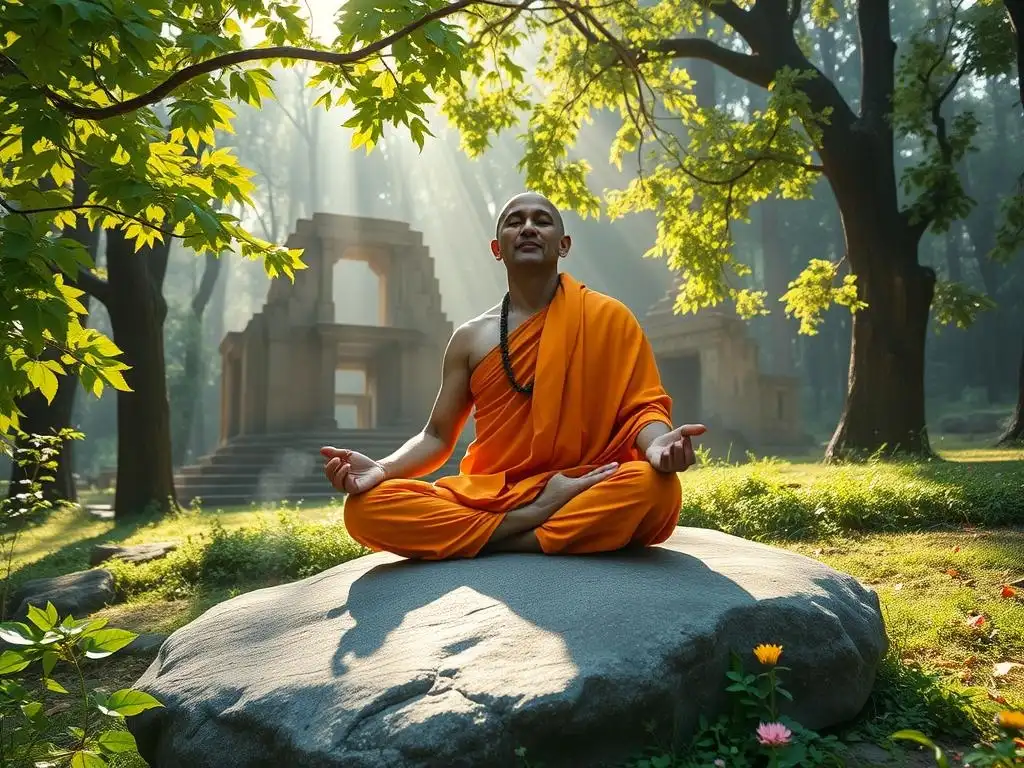
Welcome to Ancient India History, where we embark on a fascinating journey through the rich tapestry of ancient Indian civilizations! Delve into the profound wisdom of Upanishads and meditation, uncovering the transformative ancient Indian meditation techniques that have shaped spiritual practices for millennia. What secrets do these time-honored texts hold for achieving inner peace? Join us as we explore the depths of ancient wisdom and its relevance in today’s world, igniting your curiosity to learn more about this incredible heritage.
- Introduction to Upanishads and Meditation
- Ancient Indian Meditation Techniques
- Techniques for Inner Peace in Upanishadic Texts
- The Impact of Upanishadic Meditation on Modern Practices
- Conclusion
-
Frequently Asked Questions
- What are the Upanishads and their significance in meditation?
- How did ancient Indian civilizations contribute to meditation techniques?
- What are some key meditation techniques mentioned in the Upanishads?
- How can modern practitioners benefit from ancient Indian meditation techniques?
- Are there any specific Upanishads that focus on meditation?
- Final Reflection: Embracing Ancient Wisdom for Modern Serenity
- Embrace Your Inner Peace: Start Your Meditation Journey Today!
Introduction to Upanishads and Meditation
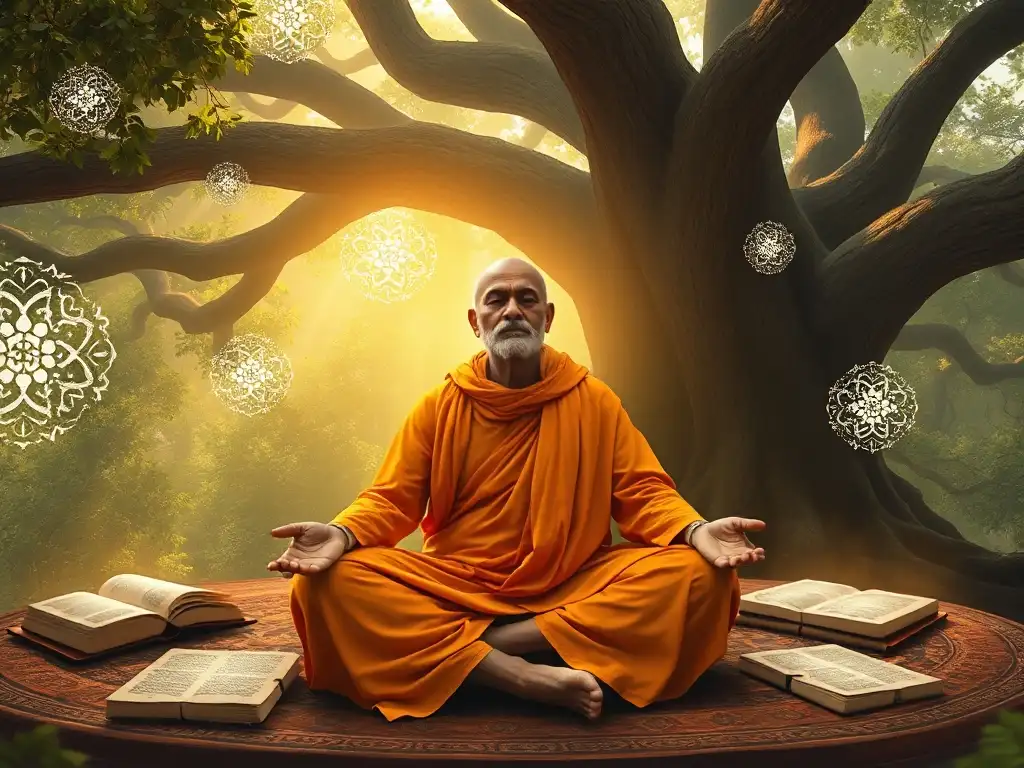
The Upanishads, a collection of philosophical texts that form the concluding part of the Vedas, offer profound insights into the nature of reality, consciousness, and the self. These ancient scriptures not only delve into metaphysical inquiries but also lay the groundwork for various ancient Indian meditation techniques that have been practiced for millennia.
As seekers of inner peace and spiritual enlightenment turn to these texts, they find a rich tapestry of knowledge that guides them towards self-realization and tranquility. This article explores the essence of the Upanishads and their teachings on meditation, highlighting their significance in the broader landscape of ancient Indian religions, particularly Hinduism.
Overview of Upanishads
The Upanishads are revered as the culmination of Vedic thought, composed between 800 and 200 BCE. They consist of over 200 texts, with the principal Upanishads being around 10 to 15 in number, including the Chandogya, Brihadaranyaka, and Taittiriya. These texts are characterized by:
- Philosophical Exploration: The Upanishads engage in profound discussions about the nature of Brahman (the ultimate reality) and Atman (the individual self), exploring their interconnectedness.
- Dialogical Form: Many Upanishads take the form of dialogues between teacher and student, facilitating a deep inquiry into spiritual concepts.
- Mystical Insights: They present various mystical experiences and metaphors, urging practitioners to look beyond the material world to discover deeper truths.
Through their teachings, the Upanishads emphasize the importance of self-knowledge and the realization of one's true nature, which are foundational to the practice of meditation.
Significance of Meditation in Ancient Indian Philosophy
Meditation, or dhyana, is a central theme in the Upanishads, viewed as a vital practice for attaining inner peace and enlightenment. The significance of meditation can be understood through several key points:
- Path to Self-Realization: The Upanishads advocate meditation as a means to transcend the ego and realize the unity of Atman and Brahman. This self-realization is considered the ultimate goal of human existence.
- Techniques and Practices: Ancient texts describe various meditation techniques, such as:
- Breath Awareness: Focusing on the breath to calm the mind and gain insight.
- Mantra Meditation: Repeating sacred sounds or phrases to align with spiritual vibrations.
- Visualization: Imagining divine forms or light to deepen concentration and devotion.
- Holistic Benefits: The practice of meditation is believed to bring about not only spiritual benefits but also physical and mental health improvements, contributing to overall well-being.
Through these teachings, the Upanishads underscore the transformative power of meditation as a tool for achieving inner peace, elevating spiritual consciousness, and fostering a profound connection with the universe. In an era where stress and chaos dominate, revisiting these ancient Indian meditation techniques offers timeless wisdom for seekers on the path to tranquility.
Ancient Indian Meditation Techniques
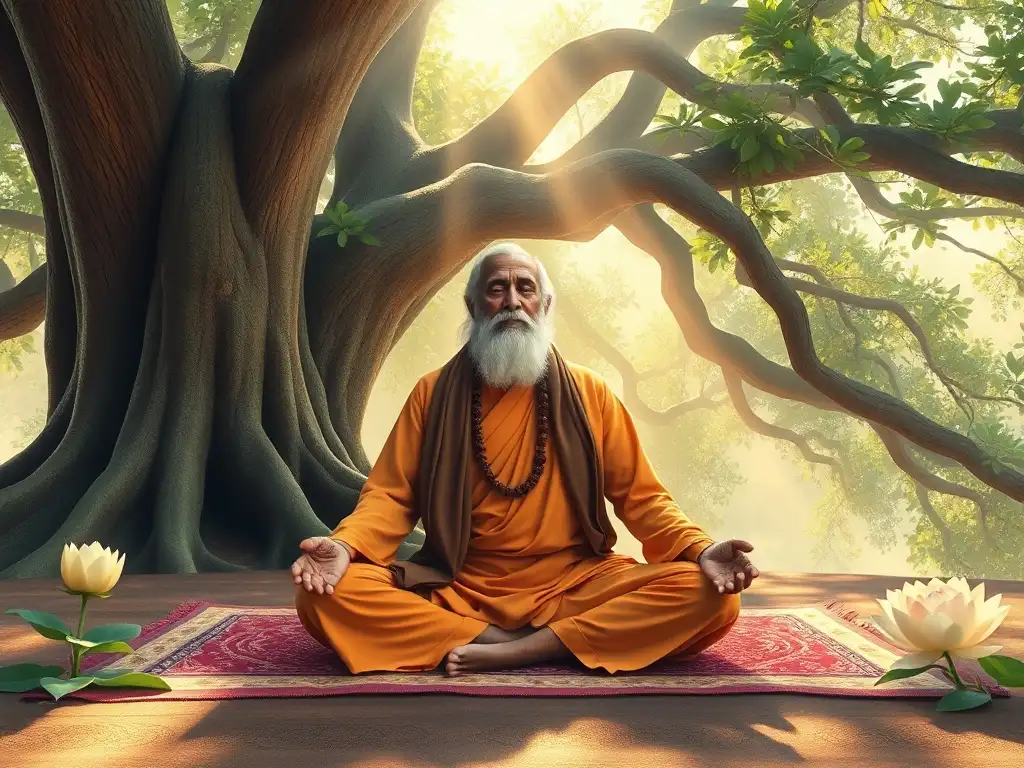
The exploration of meditation within the ancient Indian context is deeply rooted in the philosophical and spiritual teachings found in texts such as the Upanishads. These texts not only highlight the practices of meditation but also articulate the goals and principles that underpin these techniques. The meditation practices described in the Upanishads are essential for understanding how ancient Indian civilizations sought inner peace and spiritual enlightenment.
Types of Meditation in the Upanishads
The Upanishads describe various forms of meditation, each aimed at achieving different states of consciousness. Among these, two primary types stand out: Dhyana and Samadhi.
Dhyana (Meditative Absorption)
Dhyana refers to a profound state of focused meditation, where the practitioner absorbs themselves completely in the object of meditation. This practice is essential for attaining a deeper understanding of the self and the universe.
- Process of Dhyana
- Preparation: The practitioner finds a quiet space and assumes a comfortable posture, often sitting cross-legged.
- Focus: Attention is directed towards a single point, which could be a mantra (sacred sound), a deity, or the breath.
- Absorption: As concentration deepens, the distinction between the meditator and the object of meditation begins to dissolve, leading to a state of oneness.
- Benefits of Dhyana
- Reduces stress and anxiety
- Enhances mental clarity
- Fosters emotional stability
- Cultivates a sense of connection to the cosmos
Samadhi (State of Meditative Consciousness)
Samadhi represents the culmination of meditation, a state of blissful awareness where the individual transcends the ego and experiences unity with the universe. This state is often considered the ultimate goal of meditation in the Upanishadic tradition.
- Stages of Samadhi
- Savikalpa Samadhi: The initial stage where thoughts may still arise, but the practitioner maintains focus on the object of meditation.
- Nirvikalpa Samadhi: The advanced stage characterized by a complete absence of thought, leading to a profound experience of unity and bliss.
- Impact of Samadhi
- Profound inner peace
- A transformative understanding of existence
- Liberation from the cycle of birth and rebirth (moksha)
Key Principles of Ancient Indian Meditation
The practice of meditation in ancient India is grounded in several key principles that guide practitioners toward achieving spiritual goals. These principles include:
- Self-Realization: Understanding one's true nature beyond the physical form and mental constructs.
- Detachment (Vairagya): Cultivating a sense of detachment from worldly desires and distractions to foster deeper meditation.
- Mindfulness (Sati): Maintaining awareness of the present moment as a means to anchor the mind during meditation.
- Integration of Breath: Utilizing breath control (pranayama) to enhance concentration and calm the mind, facilitating deeper states of meditation.
These ancient Indian meditation techniques, as elucidated in the Upanishads, continue to resonate today, offering profound insights into achieving inner peace and spiritual awakening. By understanding and practicing Dhyana and Samadhi, individuals can embark on a transformative journey toward self-discovery and enlightenment, reflecting the timeless wisdom of ancient Indian spiritual traditions.
Techniques for Inner Peace in Upanishadic Texts
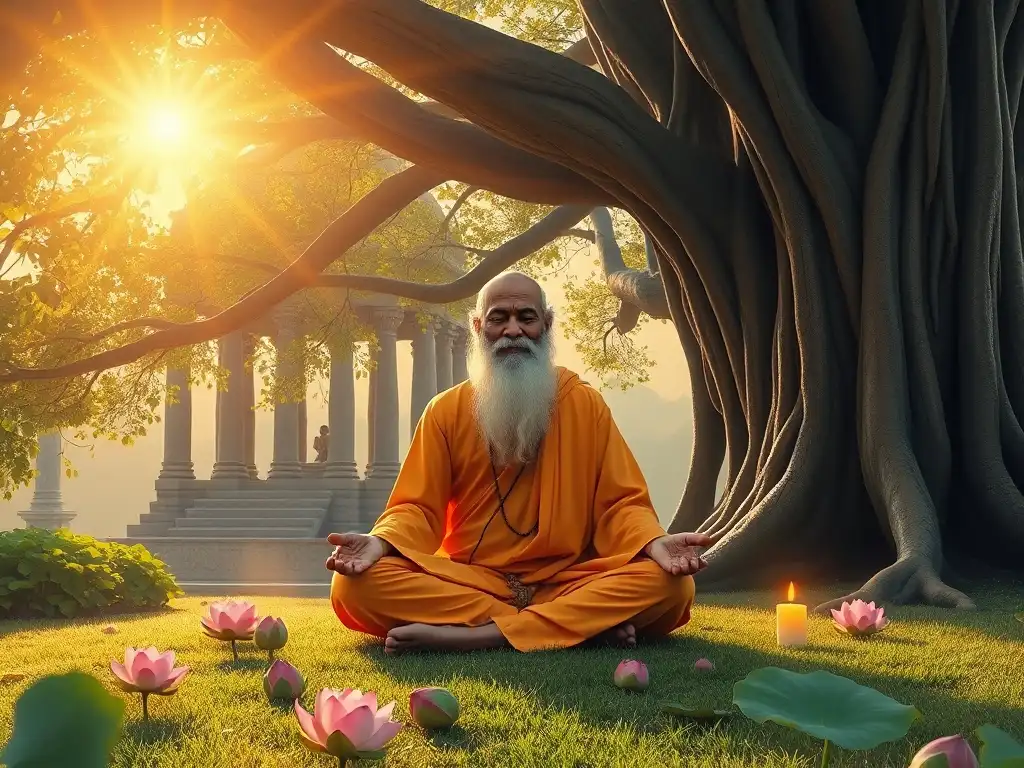
The Upanishads, ancient texts foundational to Hindu philosophy, provide profound insights into meditation techniques aimed at achieving inner peace. These texts emphasize the importance of self-realization and the connection between the individual soul (Atman) and the universal consciousness (Brahman). Through various meditation techniques, the Upanishads guide practitioners toward a tranquil state of mind, fostering clarity and spiritual awakening.
Pranayama (Breath Control) as a Meditation Technique
Pranayama, or breath control, is a central practice in the Upanishadic tradition, integral to ancient Indian meditation techniques. This practice involves regulating the breath to enhance the flow of prana (life force) in the body, which is believed to purify the mind and lead to elevated states of consciousness.
- Types of Pranayama:
- Ujjayi: Often referred to as "victorious breath," Ujjayi involves a gentle constriction of the throat, creating a soothing sound during inhalation and exhalation. This technique calms the nervous system and aids concentration.
- Nadi Shodhana: Also known as alternate nostril breathing, this technique balances the left and right hemispheres of the brain, promoting mental clarity and emotional stability.
- Kapalabhati: This energizing breath technique consists of short, forceful exhalations followed by passive inhalations. It invigorates the mind and body, clearing stagnant energy.
Research indicates that regular practice of pranayama can lead to significant reductions in stress and anxiety levels, promoting a deeper sense of inner peace.
Mantra Meditation and Its Role in Inner Peace
Mantra meditation is a vital aspect of ancient Indian meditation techniques, frequently highlighted in the Upanishads. A mantra is a sacred sound or phrase repeated during meditation to focus the mind and invoke spiritual energies.
- Significance of Mantras:
- Vibrational Frequency: Each mantra carries a unique vibrational frequency that aligns with specific spiritual intentions, aiding in the transformation of consciousness.
- Mindfulness and Focus: Repeating a mantra helps to anchor the mind, diverting it from distractions and negative thoughts, fostering a sense of inner calm.
- Common Mantras in the Upanishads:
- Om: Often considered the primordial sound, it represents the essence of the universe. Chanting "Om" is believed to connect the practitioner with the cosmic consciousness.
- So Hum: This translates to "I am that," affirming the unity of the individual self with the universal spirit.
Mantra meditation not only cultivates concentration but also invokes a profound sense of peace, reducing mental chatter and promoting emotional well-being.
Visualization Techniques Found in Upanishads
Visualization techniques, while less prominent than pranayama and mantra meditation, are also present in the Upanishads. These techniques involve creating mental images to aid in meditation and foster inner peace.
- Imagining Light:
- Practitioners are encouraged to visualize a radiant light within themselves, representing purity and divine consciousness. This light serves as a focal point during meditation, dispelling darkness and negativity.
- Chakra Visualization:
- The Upanishads often reference the energy centers (chakras) in the body. Visualizing these chakras while meditating can enhance energy flow and promote emotional balance. For instance, focusing on the heart chakra can evoke feelings of love and compassion.
- Nature Imagery:
- Visualizing serene natural landscapes, such as a tranquil river or a peaceful forest, can evoke feelings of peace and grounding, helping to cultivate a meditative state.
These visualization techniques encourage practitioners to connect deeply with their inner selves, facilitating a journey toward lasting inner peace.
The Upanishads offer a rich tapestry of ancient Indian meditation techniques, including pranayama, mantra meditation, and visualization practices. By integrating these techniques into daily life, individuals can cultivate inner peace and enhance their spiritual journey.
The Impact of Upanishadic Meditation on Modern Practices
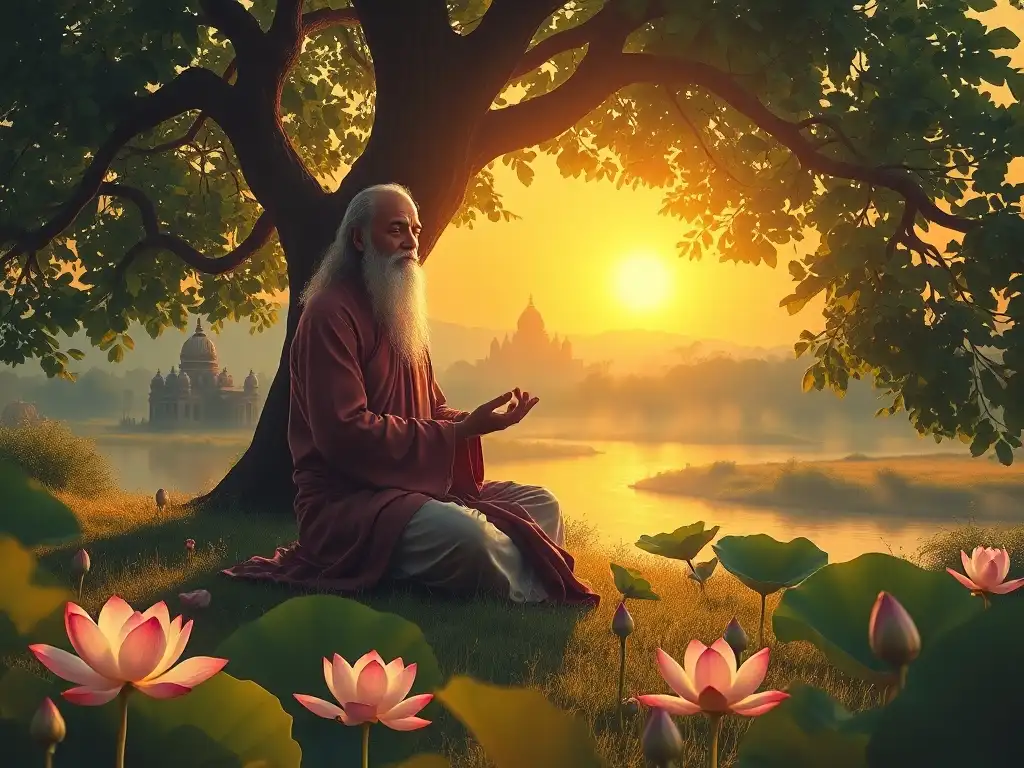
The Upanishads, ancient Indian texts that form the philosophical backbone of Hinduism, have significantly influenced contemporary meditation practices. These texts encapsulate profound insights into the nature of reality, self, and the universe, laying the foundation for various meditation techniques that promote inner peace and self-realization. The meditative practices described in the Upanishads emphasize the importance of introspection, self-awareness, and the pursuit of ultimate truth, which resonate deeply with modern seekers of tranquility and mindfulness.
Integration of Ancient Indian Meditation Techniques in Contemporary Yoga
In recent years, there has been a notable resurgence of interest in ancient Indian meditation techniques, particularly within the context of yoga. The Upanishads advocate for a holistic approach to meditation, intertwining physical postures, breath control (pranayama), and mental focus.
Key Elements of Integration:
- Pranayama:
- The Upanishads emphasize breath as a means to connect the body and mind. Modern yoga classes often include pranayama techniques to enhance the meditative experience, promoting relaxation and mental clarity.
- Dhyana (Meditation):
- The practice of dhyana, or focused meditation, is central to the Upanishadic tradition. Contemporary yoga incorporates dhyana as a vital element, encouraging practitioners to cultivate a deep state of stillness and awareness.
- Self-Inquiry:
- Techniques such as self-inquiry (Atma Vichara) are rooted in Upanishadic philosophy. Modern practitioners are encouraged to ask profound questions about their existence and purpose, fostering a deeper connection with the self.
- Mindfulness:
- The Upanishads advocate for mindfulness in daily activities, a concept that has been embraced by contemporary meditation practices. Mindful living, derived from ancient teachings, promotes awareness of thoughts, feelings, and sensations.
The Relevance of Upanishads in Today’s Meditation Practices
The relevance of the Upanishads in today's meditation practices cannot be overstated. As society becomes increasingly fast-paced and technology-driven, the quest for inner peace and mental clarity is more vital than ever.
Core Teachings and Their Modern Implications:
-
Unity of Existence:
The Upanishadic assertion of the interconnectedness of all beings encourages practitioners to cultivate compassion and empathy, which are essential for personal and social harmony.
-
Self-Realization:
Meditation techniques derived from the Upanishads aim at achieving self-realization, helping individuals transcend their ego and recognize their true nature. This is particularly relevant in today's context, where many seek purpose and fulfillment beyond material pursuits.
-
Inner Peace:
The techniques espoused in the Upanishads are designed to calm the mind and bring about a state of inner peace. This focus on serenity is increasingly sought after in modern stressful lifestyles, making these ancient practices particularly relevant for emotional and mental well-being.
-
Holistic Wellness:
The Upanishads promote a holistic view of health that encompasses physical, mental, and spiritual aspects. Today, many meditation programs draw upon this holistic approach, integrating various elements of well-being into their curricula.
The teachings of the Upanishads continue to serve as a guiding light for individuals seeking effective ancient Indian meditation techniques that promote inner peace and personal growth. By integrating these timeless principles into contemporary practices, modern seekers can embark on a transformative journey towards self-discovery and tranquility.
Conclusion
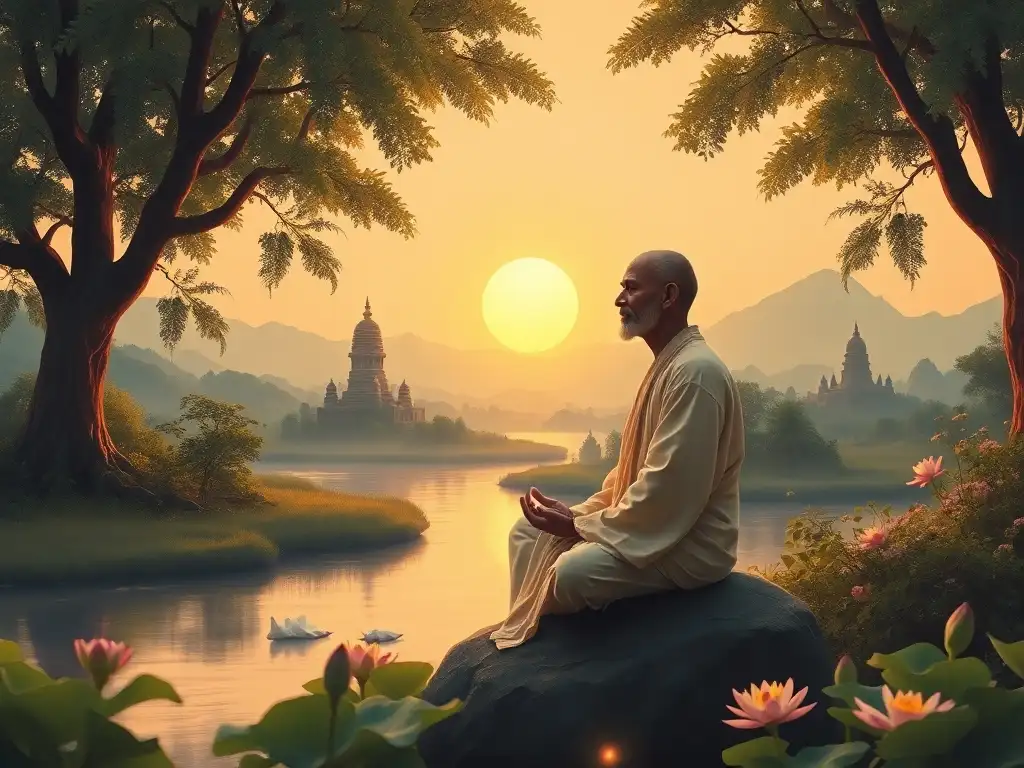
The Timeless Wisdom of Upanishads and Its Contribution to Inner Peace
The Upanishads, often regarded as the culmination of Vedic thought, offer profound insights into the nature of reality, self, and the universe. These ancient texts emphasize the importance of self-realization and the pursuit of knowledge, laying the groundwork for various ancient Indian meditation techniques. The Upanishads articulate concepts such as Brahman (the ultimate reality) and Atman (the individual self), suggesting that understanding the connection between these two is essential for achieving inner peace.
Central to the teachings of the Upanishads is the practice of Dhyana (meditation), which serves as a means to quiet the mind and attain a state of deep concentration. The texts describe various meditation techniques, including Mantra Japa (repetition of sacred sounds) and Pranayama (breath control), which facilitate a deeper connection with the divine. These techniques are not merely ritualistic; they are practical tools designed to cultivate mindfulness and awareness, enabling practitioners to transcend the chaos of external stimuli and discover the stillness within.
Moreover, the Upanishadic wisdom underscores the significance of ethical living and the practice of Ahimsa (non-violence) as foundational to inner peace. By aligning one's actions with these principles, individuals can create a harmonious environment conducive to meditation. The interplay of thought, action, and meditation as described in the Upanishads remains relevant today, offering timeless guidance for those seeking tranquility in a turbulent world.
Encouragement to Explore Ancient Indian Meditation Techniques
As we delve deeper into the realm of ancient Indian meditation techniques, it's essential to recognize the rich tapestry of practices that have emerged from the teachings of the Upanishads and other texts. These techniques are not only historical artifacts but also dynamic methods that hold the potential to transform our modern lives.
Practices such as Vipassana, Zazen, and Yoga Nidra draw inspiration from ancient principles and are designed to foster mindfulness and relaxation. Engaging with these techniques can lead to profound insights and a heightened sense of self-awareness. Here are some key practices to consider:
- Mindfulness Meditation: Focus on the present moment, observing thoughts and sensations without judgment.
- Breath Awareness: Concentrate on the breath to anchor the mind and cultivate a sense of calm.
- Visualization: Use imagery to create a peaceful mental space, facilitating relaxation and focus.
Incorporating these techniques into daily life can lead to remarkable benefits, including reduced stress, enhanced emotional well-being, and a deeper connection to the self. We encourage readers to explore these ancient practices, allowing the wisdom of the Upanishads to guide them on their journey toward inner peace and self-discovery. Embrace the transformative power of ancient Indian meditation techniques and uncover the tranquility that lies within.
Frequently Asked Questions
What are the Upanishads and their significance in meditation?
The Upanishads are ancient Indian texts that form the philosophical basis of Hinduism. They explore the nature of reality and the self, offering insights into meditation techniques for achieving inner peace.
How did ancient Indian civilizations contribute to meditation techniques?
Ancient Indian civilizations, particularly through texts like the Upanishads, developed various meditation techniques aimed at fostering spiritual growth and understanding the nature of existence.
What are some key meditation techniques mentioned in the Upanishads?
The Upanishads highlight techniques such as pranayama (breath control), dhyana (meditative concentration), and mantra recitation, which are essential for achieving inner tranquility.
How can modern practitioners benefit from ancient Indian meditation techniques?
Modern practitioners can incorporate these ancient meditation techniques to enhance their mental clarity, reduce stress, and cultivate a deeper sense of spiritual awareness and inner peace.
Are there any specific Upanishads that focus on meditation?
Yes, texts like the Mandukya Upanishad and the Brahma Sutras emphasize meditation, providing insights into techniques that promote a connection with the universal consciousness and self-realization.
Final Reflection: Embracing Ancient Wisdom for Modern Serenity
In our fast-paced world, the teachings of the Upanishads and ancient Indian meditation techniques resonate more than ever. These timeless texts offer profound insights into achieving inner peace, reminding us that the quest for tranquility is not a modern invention but a journey rooted in centuries of wisdom. As we navigate the complexities of contemporary life, it becomes increasingly clear that these ancient practices hold the key to cultivating a sense of calm and clarity amidst chaos.
The influence of these teachings is palpable in today’s cultural and social landscape, where mindfulness and meditation have gained significant traction. The Upanishads encourage us to look inward, fostering a deep connection with ourselves and the universe. This ongoing dialogue between ancient wisdom and modern practice underscores the relevance of these techniques in our lives. As the renowned philosopher Alan Watts once said, The more a thing tends to be permanent, the more it tends to be lifeless.
This serves as a reminder that embracing change and seeking inner peace through meditation can breathe life into our existence, allowing us to flourish in a world that often feels overwhelming.
As we conclude this exploration of ancient Indian meditation techniques, I invite you to reflect on how these practices can enrich your daily life. Consider integrating moments of stillness and contemplation into your routine, allowing the wisdom of the Upanishads to guide you toward a deeper understanding of yourself. Remember, the journey to inner peace is not a destination but a continuous process of growth and discovery. Embrace this journey, and let the ancient teachings illuminate your path to serenity and fulfillment.
Embrace Your Inner Peace: Start Your Meditation Journey Today!
Thank you for taking the time to explore the profound teachings of the Upanishads and their insightful connection to meditation. We hope you’ve discovered valuable techniques that can transform your path to inner calm and self-awareness. Now, it's your turn to put this ancient wisdom into practice!
Here are some actionable steps you can take right now:
- Begin a daily meditation practice using techniques inspired by the Upanishads. Start with just 5 minutes a day, focusing on your breath and the essence of your being.
- Explore local meditation groups or online communities to connect with like-minded individuals who are also on their journey towards peace.
- Share your insights with friends or on social media—your experience might inspire someone else to embark on their own meditation journey!
What’s the first step you’re excited to take on your journey towards inner peace? We’d love to hear your thoughts in the comments below!