
The Teachings of the 41st Patriarch: Key Figures in the Continuation of Buddhism


Welcome to Ancient India History, where we embark on a captivating journey through the rich tapestry of India's ancient civilizations. In this exploration, we delve deep into the profound contributions and vibrant culture that have shaped the subcontinent's identity. Today, we shine a light on “Key Figures in Buddhism History,” focusing on the teachings of the 41st Patriarch and his pivotal role in the continuation of this influential faith.
Prepare to unlock the mysteries of Buddhism and discover how these remarkable figures have left an indelible mark on history. Join us as we uncover the stories that resonate through time and inspire the present.

Introduction to Buddhism and Its Historical Context
Buddhism, a profound spiritual tradition that emerged in ancient India, has significantly shaped the cultural and philosophical landscape both within the region and across the globe. Originating with the teachings of Siddhartha Gautama, known as the Buddha, this religion emphasizes the path to enlightenment through ethical conduct, meditation, and wisdom. As Buddhism spread over centuries, it not only adapted to diverse cultures but also inspired countless followers, resulting in a rich tapestry of beliefs and practices.
Understanding the history of Buddhism requires an exploration of its key figures—individuals who have played pivotal roles in its development and dissemination. From early disciples who preserved the Buddha's teachings to later patriarchs who interpreted and expanded upon those teachings, these figures have been instrumental in the evolution of Buddhist thought. This article delves into the life and contributions of the 41st Patriarch, a significant figure in the lineage of Buddhist teachers, and highlights the broader context of key figures in Buddhism history.
Overview of Buddhism's Origins and Development
Buddhism traces its origins back to the 5th century BCE in the northeastern region of India. The Buddha's enlightenment under the Bodhi tree marked the beginning of a new spiritual path that challenged the existing religious paradigms of the time. The core principles of the Four Noble Truths and the Eightfold Path form the foundation of Buddhist teachings, emphasizing the nature of suffering and the means to achieve liberation.
As Buddhism began to spread through trade routes and missionary activities, it evolved into various schools and traditions, including Theravada, Mahayana, and Vajrayana. Each school interprets the Buddha's teachings uniquely, contributing to a diverse religious landscape. Key figures, such as the Buddha himself, his immediate disciples, and later patriarchs, have played crucial roles in preserving and propagating these teachings across different regions, including Asia, where Buddhism flourished.
Importance of Key Figures in Buddhism History
Key figures in Buddhism history serve as conduits for the transmission of teachings and practices. They not only preserve the original teachings of the Buddha but also adapt them to meet the needs of contemporary followers. These individuals often embody the principles of Buddhism in their lives and teachings, providing practical examples for practitioners.
- Preservation of Teachings: Many key figures have been responsible for compiling scriptures and commentaries that ensure the continuity of Buddhist teachings through generations.
- Cultural Adaptation: As Buddhism spread to different cultures, key figures have facilitated the integration of local practices and beliefs, allowing Buddhism to resonate more deeply with diverse populations.
- Spiritual Leadership: Key figures often serve as spiritual leaders, guiding followers on the path to enlightenment through teachings, rituals, and personal example.
The Role of Patriarchs in Buddhism
Definition and Significance of Patriarchs in Buddhist Tradition
In the context of Buddhism, a patriarch is a revered teacher who plays a critical role in maintaining and transmitting the teachings of the Buddha. Patriarchs serve as spiritual leaders and exemplars of the Buddhist path, providing guidance to their followers. Their teachings often focus on the interpretation of Buddhist texts, meditation practices, and ethical conduct, ensuring that the core principles of Buddhism remain relevant through time.
The significance of patriarchs lies in their ability to bridge the historical teachings of the Buddha with contemporary practice. They are vital in fostering a sense of community and continuity within the Buddhist tradition, often establishing lineages that connect modern practitioners with the past.
Historical Context of the 41st Patriarch within Buddhist Lineage
The 41st Patriarch occupies a crucial position in the historical lineage of Buddhism, representing a continuation of the teachings handed down from the Buddha through various generations of teachers. While specific details about the 41st Patriarch may vary across different traditions, his role is often associated with key developments in Buddhist philosophy and practice.
Understanding the contributions of the 41st Patriarch involves exploring his teachings, the socio-political context of his time, and the impact he had on the evolution of Buddhism. By examining his life and work, we can gain insight into how key figures have shaped the course of Buddhism and contributed to its enduring legacy.
Life and Teachings of the 41st Patriarch
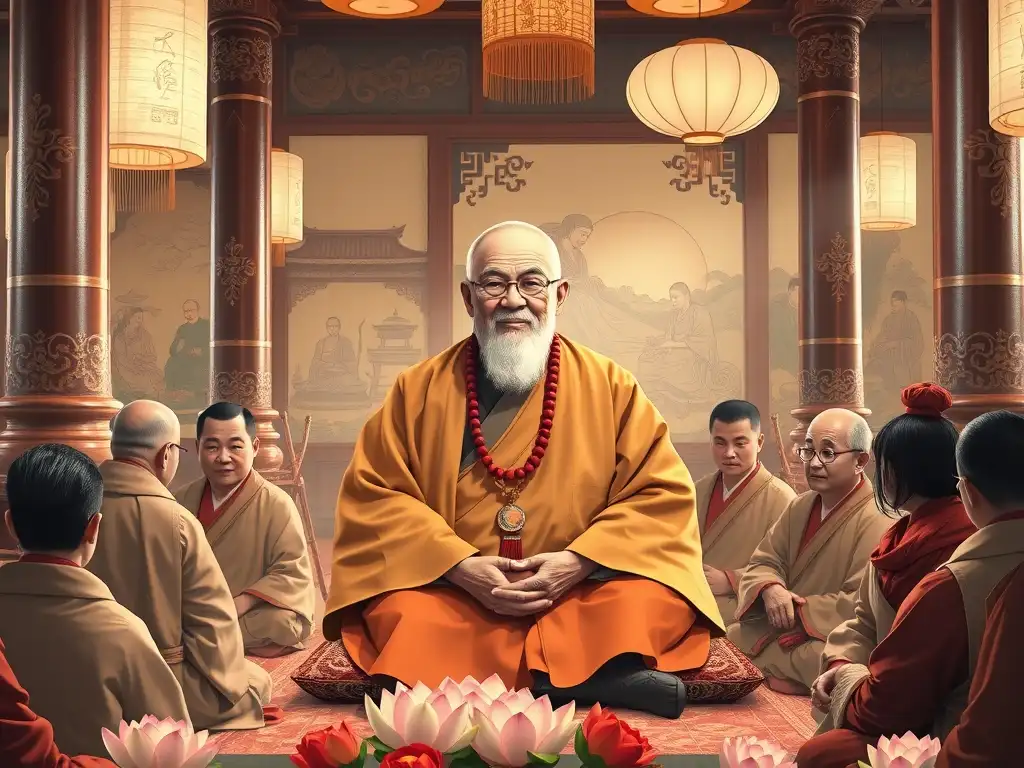
The 41st Patriarch of Buddhism, revered for his contributions to the development and spread of Buddhist philosophy, played an instrumental role in shaping the teachings that resonate with practitioners today. His life story is not just a narrative of personal achievements but also a reflection of the socio-political and religious landscape of his time. This section delves into his biographical details, core teachings, and the lasting impact he had on Buddhist thought.
Biographical Overview of the 41st Patriarch
The 41st Patriarch, often identified with the name of Bodhidharma, was a pivotal figure in the transmission of Buddhism from India to China during the 6th century CE. He is traditionally believed to have been born in southern India and is credited with founding the Zen school of Buddhism, known as Chan in China. His early life remains shrouded in mystery, with many accounts suggesting he was a prince who renounced worldly life to seek enlightenment.
Bodhidharma traveled to China, where he became the first patriarch of Chan Buddhism. His teachings emphasized direct experience and meditation, diverging from the more doctrinal approaches of previous Buddhist schools. He is often depicted in art and literature as a figure of profound meditation, often characterized by his intense focus and deep understanding of the essence of Buddhism.
Core Teachings and Philosophical Contributions
The core teachings of the 41st Patriarch revolve around the concepts of meditation, mindfulness, and the nature of reality. He emphasized that understanding one's mind is crucial to achieving enlightenment. Some of his key philosophical contributions include:
- Direct Experience: Bodhidharma taught that enlightenment comes not through scriptures or doctrines but through direct experience and realization of one's true nature.
- Non-Dualism: His teachings often reflected a non-dualistic approach, suggesting that the distinction between self and other is an illusion.
- Meditation Practice: He introduced rigorous meditation practices, including the famous "wall-gazing" technique, which encouraged practitioners to focus inward and attain deep states of awareness.
These teachings laid the groundwork for the development of Zen Buddhism, which continues to influence countless practitioners around the world.
Influence of the 41st Patriarch on Later Buddhist Thought
The influence of the 41st Patriarch on later Buddhist thought is profound and extensive. His approach to Buddhism, particularly the emphasis on meditation and personal insight, led to a shift in how teachings were transmitted and understood. His legacy can be seen in several key areas:
- Zen Buddhism: As the founder of Chan/Zen, his methods significantly shaped the practices of meditation and mindfulness that are central to Zen traditions.
- Integration of Cultural Elements: Bodhidharma's teachings facilitated the integration of Chinese cultural elements with traditional Indian Buddhism, resulting in a unique synthesis that enriched both traditions.
- Focus on Individual Practice: His teachings fostered a culture that values individual experience over institutional authority, paving the way for diverse interpretations and practices within Buddhism.
The 41st Patriarch is not an isolated figure in the annals of Buddhism; rather, he is part of a lineage of influential individuals who have shaped its history. Understanding these key figures provides context to his teachings and their enduring legacy.
Overview of Influential Buddhist Figures
Several influential figures in Buddhism history have connections to the teachings of the 41st Patriarch, either through direct lineage or philosophical alignment. Notable figures include:
- Huineng (638–713 CE): The sixth patriarch of Chan Buddhism, Huineng expanded on Bodhidharma's teachings, emphasizing sudden enlightenment and the idea that all beings possess inherent Buddha nature.
- Dōgen (1200–1253 CE): A Japanese Zen master who founded the Sōtō school, Dōgen integrated the principles of Bodhidharma into his teachings, particularly focusing on zazen (seated meditation).
- Thich Nhat Hanh (1926–2022 CE): A contemporary Zen master whose teachings on mindfulness and peace echo the core messages of Bodhidharma, emphasizing the importance of present-moment awareness.
These figures illustrate the continuity and evolution of Buddhist thought stemming from the foundational teachings of the 41st Patriarch.
Contemporary Figures Influenced by the 41st Patriarch
In modern times, the influence of the 41st Patriarch continues to resonate through various contemporary Buddhist leaders and practitioners. Among them are:
- Pema Chödrön: A renowned Tibetan Buddhist nun and teacher whose teachings on compassion and mindfulness are rooted in the meditative practices championed by Bodhidharma.
- Jon Kabat-Zinn: A pioneer in the field of mindfulness-based stress reduction, he has popularized meditation practices that align closely with the core teachings of Zen Buddhism.
- Sharon Salzberg: A leading meditation teacher and author, whose work in loving-kindness meditation reflects the compassionate aspect of Bodhidharma’s teachings.
These individuals exemplify how the teachings of the 41st Patriarch continue to inspire and inform modern practices, ensuring that the philosophical contributions of Buddhism remain relevant in today’s world.
Legacy of the 41st Patriarch in Buddhism History
The 41st Patriarch of Buddhism, traditionally known as the successor to the lineage of Buddhist teachings, holds a significant place in the history of Buddhism. His contributions not only helped preserve the core tenets of Buddhism but also played a pivotal role in its evolution as a major world religion. His teachings emphasized compassion, mindfulness, and the pursuit of enlightenment, which resonated deeply with followers and influenced subsequent generations of monks and lay practitioners.
This patriarch is often credited with systematizing teachings that were previously transmitted orally. By establishing a written record of these teachings, he ensured the survival of Buddhist philosophy and practice throughout the centuries. His legacy includes a refined interpretation of the Dharma, which continues to serve as a guiding framework for Buddhists around the globe. Many sects trace their doctrinal roots back to his interpretations, showcasing the enduring relevance of his insights in both historical and contemporary contexts.
The Continuation of His Teachings in Modern Buddhism
The teachings of the 41st Patriarch have not only survived but thrived in modern Buddhism. Various schools of thought, including Zen and Theravada, have integrated his philosophies into their practices, reflecting a remarkable adaptability to changing societal contexts. His concepts of meditation and ethical living remain foundational in modern Buddhist education, emphasizing the importance of personal experience in the path to enlightenment.
Modern Buddhist teachers often cite the 41st Patriarch as a source of inspiration, drawing from his teachings to address contemporary issues such as mental health, ecological sustainability, and social justice. This adaptation signifies the patriarch's teachings are not merely historical artifacts but living principles that continue to shape the lives of millions. Furthermore, the proliferation of Buddhist centers and organizations worldwide can be traced back to the dissemination of his teachings, which have catalyzed a global interest in Buddhism.
Influence on Buddhist Practices and Communities Today
The influence of the 41st Patriarch on Buddhist practices and communities today is profound. His emphasis on community engagement and collective practice has fostered a sense of unity among practitioners. Many modern Buddhist communities incorporate rituals and teachings that echo his approach, particularly in group meditation and communal gatherings, which strengthen social bonds and enhance spiritual growth.
Additionally, his teachings have sparked the growth of various social initiatives within Buddhist communities, focusing on humanitarian efforts and the promotion of peace. For instance, organizations inspired by his legacy engage in activities aimed at alleviating poverty and promoting education, embodying the compassionate spirit that he championed. This outreach not only honors his teachings but also revitalizes the role of Buddhism in addressing current global challenges, demonstrating the adaptability and relevance of his legacy in contemporary society.
Conclusion
Recap of the 41st Patriarch's Impact on Buddhism
The 41st Patriarch's impact on Buddhism is multifaceted and profound. His teachings laid the groundwork for future generations, ensuring that the essence of Buddhism—compassion, mindfulness, and the quest for enlightenment—remains vibrant. By establishing a coherent system of thought and practice, he fortified the Buddhist lineage and facilitated its spread across different cultures and regions.
His influence extends beyond historical significance; it is felt in the practices, communities, and teachings that define modern Buddhism. The ongoing relevance of his insights highlights the importance of recognizing key figures in Buddhism history, who have shaped the path of this ancient religion.
The Importance of Understanding Key Figures in Buddhism History
Understanding key figures in Buddhism history, such as the 41st Patriarch, is crucial for both practitioners and scholars alike. These figures serve as anchors in the vast ocean of Buddhist thought, providing context and continuity to the teachings that have evolved over centuries. By studying their lives and contributions, one gains insight into the development of Buddhist philosophy and its practical applications in the modern world.
Moreover, acknowledging these pivotal figures enriches our appreciation of Buddhism as a living tradition, illustrating how its core principles adapt to various cultural and historical contexts. This understanding fosters deeper engagement with the teachings, encouraging practitioners to embody the values espoused by these influential leaders in their daily lives. Ultimately, the study of Buddhism's key figures illuminates the path of personal and communal growth that defines the essence of this ancient religion.
- Introduction to Buddhism and Its Historical Context
- Overview of Buddhism's Origins and Development
- Importance of Key Figures in Buddhism History
- The Role of Patriarchs in Buddhism
- Life and Teachings of the 41st Patriarch
- Key Figures in Buddhism History Related to the 41st Patriarch
- Legacy of the 41st Patriarch in Buddhism History
- Conclusion
- What is the significance of the 41st Patriarch in Buddhism?
- Who are some key figures in the history of Buddhism?
- How did the Indus Valley civilization influence Buddhism?
- What role did the Gupta Empire play in Buddhism?
- How do the teachings of Buddhist Patriarchs differ from those of Gautama Buddha?
Frequently Asked Questions
What is the significance of the 41st Patriarch in Buddhism?
The 41st Patriarch is crucial in continuing the teachings of Buddhism, serving as a bridge between traditional practices and modern interpretations.
Who are some key figures in the history of Buddhism?
Key figures include Gautama Buddha, the founder, and subsequent leaders like Bodhidharma and the Dalai Lama, who have shaped Buddhist thought and practice.
How did the Indus Valley civilization influence Buddhism?
The Indus Valley civilization laid the groundwork for spiritual practices and urban culture, which later influenced Buddhist teachings and community structures.
What role did the Gupta Empire play in Buddhism?
The Gupta Empire was a golden age for Buddhism, promoting art, literature, and philosophy, leading to a flourishing of Buddhist monasteries and texts.
How do the teachings of Buddhist Patriarchs differ from those of Gautama Buddha?
While the teachings of Buddhist Patriarchs often build on Buddha's original principles, they introduce interpretations and practices that address contemporary issues and contexts.
Final Reflection: Embracing the Wisdom of Key Figures in Buddhism History
The teachings of the 41st Patriarch resonate profoundly in today's world, reminding us that the wisdom of key figures in Buddhism history is not just a relic of the past but a guiding light for contemporary society. In an era marked by rapid change and uncertainty, the principles imparted by these influential leaders serve as a foundation for mindfulness, compassion, and understanding. Their teachings encourage us to navigate our lives with intention and awareness, illuminating the path toward inner peace and collective harmony.
The impact of these key figures extends far beyond their time, shaping cultural and social landscapes across generations. Their legacies continue to inspire countless individuals to seek enlightenment and foster community. As we reflect on their teachings, we recognize that their influence is woven into the fabric of our daily lives. The mind is everything. What you think you become.
This quote encapsulates the essence of their teachings, urging us to cultivate positive thoughts and actions that can transform our world.
As we conclude this exploration of the 41st Patriarch and other pivotal figures in Buddhism history, I invite you to take a moment for personal reflection. Consider how the teachings of these leaders can be integrated into your own life. Whether it's through practicing mindfulness, showing compassion to others, or seeking wisdom in your daily choices, each of us has the power to embody these teachings. Let us carry forward their legacy, allowing their insights to inspire our actions and shape a brighter future for ourselves and our communities.
Embrace the Wisdom of Buddhism Today!
Thank you for exploring the profound teachings of the 41st Patriarch and the pivotal figures in Buddhism. We hope you found inspiration and understanding in their timeless messages. Now, it's time to take these insights and put them into action. Here are a few practical steps you can take to connect more deeply with this ancient wisdom:
- Dive Into Daily Reflection: Set aside ten minutes each day to meditate or reflect on a particular teaching that resonates with you. This practice can help you integrate these lessons into your daily life.
- Join a Local Buddhist Community: Seek out and connect with a nearby Buddhist group or center. Engaging with others allows for shared experiences and a deeper understanding of the teachings.
- Share and Discuss: Consider initiating a discussion group with friends or family about the teachings of Buddhism. Sharing insights can lead to valuable conversations and diverse perspectives.
What aspect of the 41st Patriarch’s teachings resonates most with you, and how will you incorporate it into your life?