
The Vedas and Upanishads: Keys to Unlocking Ancient Indian Wisdom

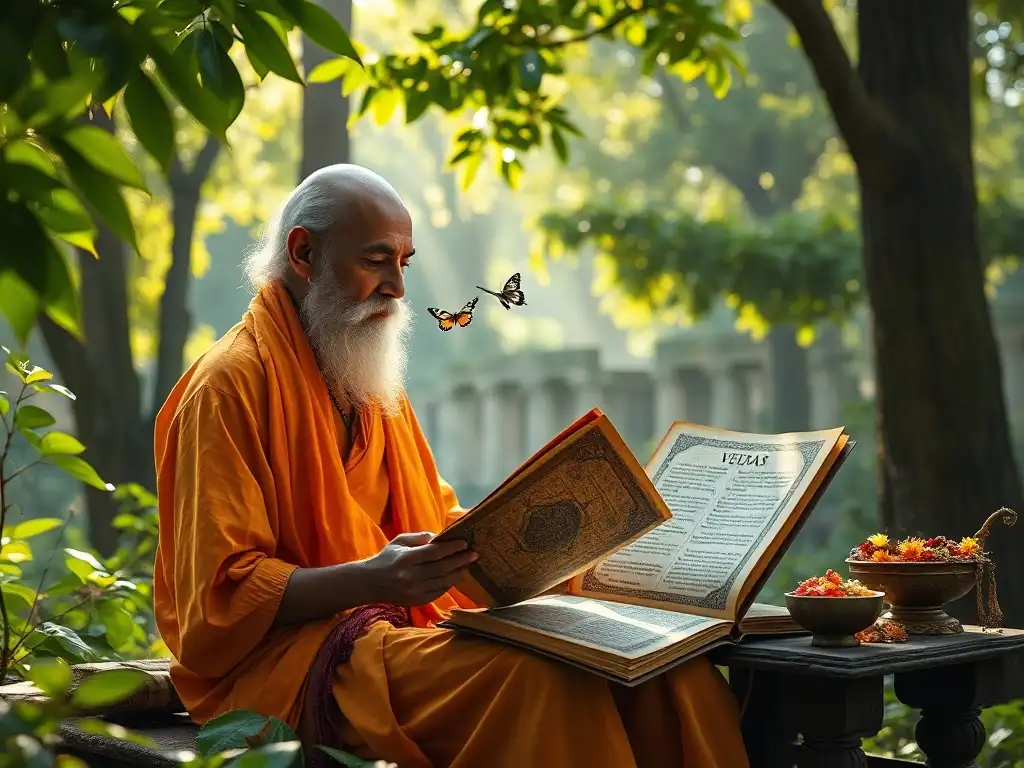
Welcome to Ancient India History, where we embark on an enthralling journey through the rich tapestry of ancient Indian civilizations. Here, we delve into the profound wisdom captured in ancient Indian texts and philosophy, exploring their significance and impact on modern thought. In our featured article, "The Vedas and Upanishads: Keys to Unlocking Ancient Indian Wisdom," we invite you to unravel the secrets of these sacred scriptures and discover how they illuminate the spiritual and philosophical landscape of ancient India.
Prepare to be captivated as we unlock the doors to a world of knowledge that has shaped cultures and beliefs for centuries. Join us as we explore the essence of ancient Indian religions and their timeless relevance!
Introduction to Ancient Indian Texts and Philosophy
Ancient Indian texts, particularly the Vedas and Upanishads, serve as monumental pillars of knowledge that have significantly shaped the philosophical landscape of Hinduism and the broader spectrum of Indian thought. These scriptures not only encapsulate spiritual insights and rituals but also delve into profound inquiries about existence, consciousness, and the nature of reality. The Vedas, composed around 1500-500 BCE, are the oldest sacred texts of Hinduism, while the Upanishads, emerging between 800-200 BCE, represent the philosophical culmination of Vedic thought.
Together, they form a rich tapestry of ancient wisdom that continues to influence contemporary philosophy and spirituality. Understanding these texts is crucial for anyone interested in ancient Indian history, as they provide key insights into the beliefs, practices, and intellectual discourse of early civilizations.
Overview of the Vedas and Upanishads
The Vedas are divided into four primary collections: the Rigveda, Samaveda, Yajurveda, and Atharvaveda. Each Veda comprises hymns, rituals, and philosophical discussions, reflecting the multifaceted nature of Vedic society. The Upanishads, often referred to as Vedanta or "the end of the Vedas," shift focus from external rituals to internal contemplation and metaphysical inquiry. They introduce concepts such as Brahman (the ultimate reality) and Atman (the individual self), prompting readers to explore the relationship between the two.
- Vedas:
- Rigveda: Collection of hymns.
- Samaveda: Melodic chants.
- Yajurveda: Ritualistic formulas.
- Atharvaveda: Spells and incantations.
- Upanishads:
- Philosophical texts exploring metaphysics and ethics.
- Importance of meditation and self-realization.
Importance of Ancient Indian Texts in Philosophical Discourse
Ancient Indian texts are crucial for understanding not only religious practices but also the philosophical frameworks that have influenced various schools of thought throughout history. The teachings found in the Vedas and Upanishads have prompted extensive discussions about ethics, cosmology, and epistemology. They have been interpreted and reinterpreted over centuries, leading to the emergence of diverse philosophical traditions within Hinduism, including Advaita Vedanta, Dvaita, and Samkhya.
The impact of these texts extends beyond Hinduism, influencing other religions and philosophies in India and beyond. Key philosophical tenets, such as karma, dharma, and moksha, find their roots in these ancient scriptures, shaping the moral and ethical frameworks of countless individuals and communities.
The Vedas: Foundations of Ancient Indian Philosophy
The Vedas are often regarded as the foundational texts of ancient Indian philosophy, serving as the earliest documented expressions of spiritual thought. Their significance lies not only in their religious content but also in their philosophical inquiries that question the essence of life, the universe, and the self.
Structure and Composition of the Vedas
The Vedas are composed in a highly structured format, utilizing a variety of literary forms, including hymns, prose, and poetry. Each Veda consists of four primary sections:
- Samhitas: Collections of hymns and mantras.
- Brahmanas: Texts that explain the rituals and their meanings.
- Aranyakas: Philosophical discussions and meditative practices.
- Upanishads: The philosophical core, exploring metaphysical concepts.
This layered structure allows for a comprehensive understanding of both the ritualistic and philosophical aspects of Vedic thought.
Key Themes and Concepts in the Vedas
The Vedas encompass a myriad of themes and concepts that are foundational to ancient Indian philosophy. Some of the key themes include:
- Rituals and Sacrifice: The importance of Yajna (sacrifice) in maintaining cosmic order.
- Cosmology: Exploration of the origins of the universe and the divine.
- Ethics and Morality: Guidelines for righteous living and societal duties.
These themes not only reflect the spiritual beliefs of ancient Indian society but also provide a framework for understanding human existence and the universe.
Influence of Vedic Texts on Later Philosophical Thought
The philosophical insights contained within the Vedas have profoundly influenced later thinkers and schools of thought. The concepts of Brahman and Atman introduced in the Upanishads laid the groundwork for various philosophical schools, such as Advaita Vedanta, which posits non-dualism. Additionally, the emphasis on meditation and self-inquiry has permeated various spiritual practices, shaping the trajectory of Indian philosophy through the ages.
The enduring significance of the Vedas is evident in their continued relevance in contemporary discussions around spirituality, ethics, and the nature of reality, making them essential not only for scholars but for anyone seeking to understand the depth of ancient Indian wisdom.
The Upanishads: The Philosophical Core of Ancient India
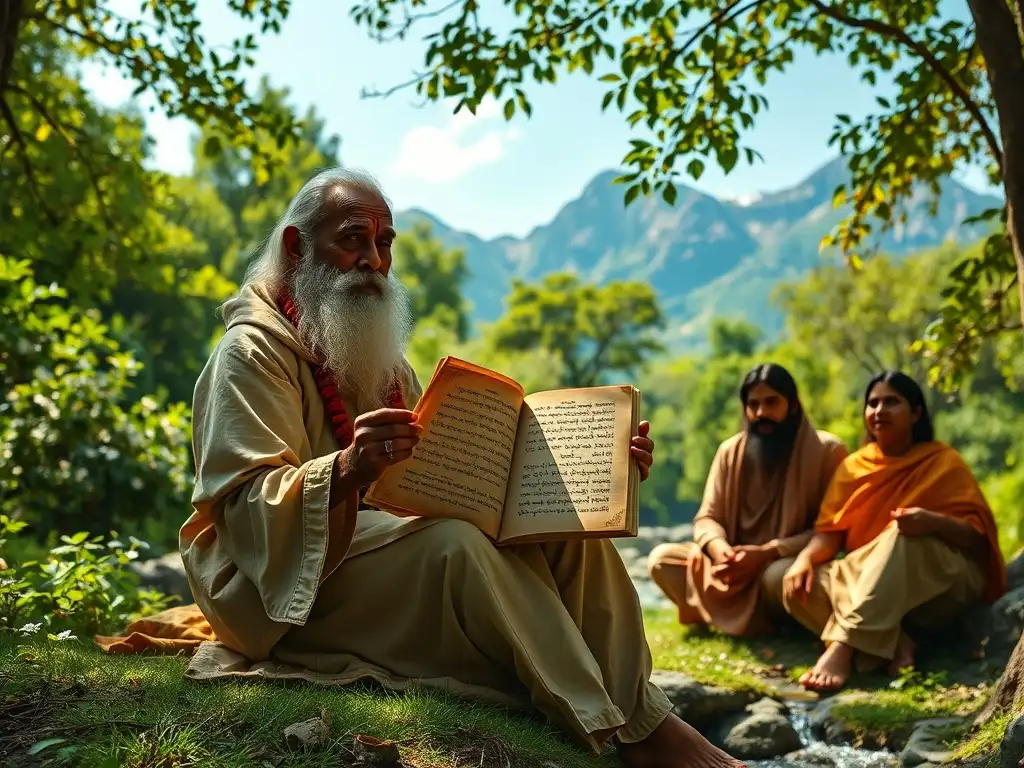
The Upanishads, often regarded as the philosophical heart of ancient Indian wisdom, represent a significant transition from the ritualistic focus of the Vedas to profound inquiry into the nature of reality and the self. Composed between 800 and 400 BCE, these texts explore metaphysical concepts and provide insights into the human experience, existence, and ultimate reality, known as Brahman. The Upanishads delve deep into the pursuit of knowledge, emphasizing the importance of personal experience and introspection in discovering the truth. They are pivotal in shaping Hindu philosophy and spirituality, influencing various schools of thought and practices throughout Indian history.
Understanding the Upanishads and Their Structure
The Upanishads are comprised of over 200 texts, with approximately 13 considered principal Upanishads. These texts are typically structured as dialogues, often between a teacher (guru) and a student (shishya), where profound philosophical questions are addressed. The language of the Upanishads is primarily in Sanskrit, employing metaphorical and symbolic expressions to convey complex ideas.
Key features of the Upanishadic structure include:
- Dialogical Form: Many texts are presented as conversations, enabling a dynamic exploration of philosophical concepts.
- Narrative Elements: They often incorporate stories and parables to illustrate abstract ideas.
- Verses and Prose: The Upanishads utilize a blend of poetic verses and prose, enhancing their accessibility and depth.
Through this structure, the Upanishads facilitate a comprehensive understanding of philosophical themes, inviting readers to engage with the text on a personal level.
Major Philosophical Ideas in the Upanishads
The Upanishads introduce several profound philosophical concepts that have shaped Indian thought. Some of the major ideas include:
- Brahman: The ultimate, unchanging reality that underlies and transcends the universe. It is the source of all existence and consciousness.
- Atman: The individual self or soul, which is ultimately identified with Brahman. The realization of this unity is central to Upanishadic philosophy.
- Maya: The illusion or ignorance that obscures the true nature of reality, causing individuals to perceive the world as separate from Brahman.
- Karma and Rebirth: The belief in the law of cause and effect, where actions in this life influence future incarnations, emphasizing moral responsibility.
These philosophical insights not only challenge individuals to reflect on their existence but also offer a framework for understanding the self's relation to the cosmos.
The Relationship Between the Upanishads and the Vedas
The Upanishads are often considered the culmination of Vedic thought, serving as a bridge between ritualistic practices and philosophical inquiry. While the Vedas primarily focus on hymns, rituals, and ceremonies, the Upanishads shift the emphasis towards understanding the principles behind these rituals.
The relationship can be summarized as follows:
- Philosophical Evolution: The Upanishads mark a transition from the ritualistic nature of the Vedas to a deeper philosophical exploration.
- Integration of Ritual and Knowledge: They build upon Vedic teachings, interpreting rituals as means to attain higher knowledge rather than mere acts of devotion.
- Continuation of Tradition: The Upanishads maintain the spiritual and cultural lineage of the Vedas while expanding their scope to include metaphysical questions.
This relationship underscores the significance of the Upanishads in the broader spectrum of ancient Indian texts and philosophy.
Comparing the Vedas and Upanishads
The Vedas and Upanishads, while interconnected, exhibit distinct characteristics that define their respective roles in ancient Indian philosophy and spirituality.
Differences in Structure and Purpose
The structural and functional differences between the Vedas and Upanishads are noteworthy:
- Structure:
- Vedas: Composed of four main texts (Rigveda, Samaveda, Yajurveda, Atharvaveda), the Vedas consist of hymns, rituals, and guidelines for ceremonies.
- Upanishads: Typically shorter, the Upanishads are philosophical treatises that focus on metaphysical questions rather than ritual instructions.
- Purpose:
- Vedas: Aim to provide a framework for religious rituals and ceremonies, serving as a guide for practitioners.
- Upanishads: Seek to explore the nature of reality, the self, and the ultimate purpose of life, urging individuals to engage in introspection and philosophical inquiry.
These differences highlight the evolution of thought from ritualism to philosophical exploration in ancient Indian texts.
Contrasting Themes and Philosophical Insights
The thematic contrasts between the Vedas and Upanishads illustrate their unique contributions to ancient Indian philosophy:
- Vedas:
- Focus largely on rituals, hymns, and the worship of deities.
- Emphasize community practices and social order through structured rituals.
- Upanishads:
- Explore themes of self-realization, the nature of reality, and the quest for ultimate truth.
- Encourage individual contemplation and philosophical discourse, prioritizing inner knowledge over external rituals.
These contrasting themes reflect the diverse dimensions of ancient Indian spirituality, catering to both collective practices and personal enlightenment.
The Complementary Nature of Vedic and Upanishadic Wisdom
Despite their differences, the Vedas and Upanishads are complementary, together forming a holistic view of ancient Indian philosophy:
- Integration of Knowledge: The Upanishads build on the Vedic foundation, interpreting rituals as pathways to understanding deeper truths.
- Spiritual Continuity: Both texts address the fundamental questions of existence, albeit from different angles, enriching the spiritual landscape of ancient India.
- Holistic Approach: The combination of ritualistic practices and philosophical inquiry offers a comprehensive framework for understanding human experience and the cosmos.
This complementary nature emphasizes the richness of ancient Indian texts and philosophy, allowing for a multi-faceted exploration of spirituality and wisdom.
The Role of Ancient Indian Texts in Shaping Culture and Society
Ancient Indian texts, particularly the Vedas and Upanishads, have played a crucial role in shaping the cultural and societal framework of India. These texts serve as foundational pillars that not only encapsulate spiritual knowledge but also provide ethical guidelines and philosophical insights that have influenced various aspects of life in ancient India.
The Vedas, composed around 1500 to 500 BCE, are among the oldest sacred texts in the world, embodying hymns, rituals, and philosophical treatises that set the stage for Vedic culture. The Upanishads, emerging later, delve deeper into metaphysical inquiries, emphasizing concepts like Brahman (the ultimate reality) and Atman (the individual soul). Together, these texts fostered a sense of unity and shared identity among diverse communities, emphasizing values such as truth (Satya), non-violence (Ahimsa), and duty (Dharma).
The societal impact of these texts is evident in the establishment of various practices, rituals, and social norms that governed daily life. For instance, the principles derived from the Vedas influenced caste systems and family structures, while the philosophical inquiries of the Upanishads encouraged a reflective approach to life, promoting wisdom and introspection among individuals. Thus, ancient Indian texts not only recorded the spiritual experiences of their time but also actively shaped the cultural ethos and social frameworks that define Indian civilization.
Influence on Ancient Indian Religions
The influence of the Vedas and Upanishads on ancient Indian religions is profound and multifaceted. The Vedic texts laid the groundwork for Hindu religious practices, rituals, and beliefs, serving as a religious canon that guided the spiritual lives of countless individuals. The hymns and rituals contained in the Vedas were central to the worship of various deities, establishing a polytheistic framework that characterized early Hinduism.
In contrast, the Upanishads introduced a more philosophical and introspective approach to spirituality, focusing on the nature of existence and the relationship between the individual and the universe. This transition from ritualistic practices to philosophical inquiry marked the evolution of religious thought in ancient India, paving the way for the development of various schools of Hindu philosophy, including Vedanta and Samkhya.
Furthermore, these texts also contributed to the emergence of other religious movements, such as Buddhism and Jainism, which arose in response to the ideas presented in the Vedas and Upanishads. The emphasis on personal experience, meditation, and ethical living in these texts resonated with reformers who sought to challenge the established norms of Vedic religion. Thus, the impact of ancient Indian texts on religion extends beyond Hinduism, influencing a broad spectrum of spiritual traditions that continue to thrive today.
Impact on Art, Literature, and Science in Ancient India
The Vedas and Upanishads have not only shaped religious practices but have also left an indelible mark on the art, literature, and science of ancient India. Their rich philosophical content inspired a wealth of artistic expression, evident in the intricate sculptures, paintings, and architecture that often depict scenes from Vedic and Upanishadic narratives. Temples dedicated to various deities commonly feature motifs and iconography derived from these sacred texts, illustrating their significance in cultural representation.
In literature, the poetic and philosophical nature of the Vedas and Upanishads laid the groundwork for subsequent literary works in Sanskrit, including the epics like the Mahabharata and Ramayana. The themes of moral dilemmas, duty, and existential inquiries found in the Upanishads influenced the narrative structures and character development in these epic tales, enriching the literary tradition of ancient India.
Moreover, the scientific advancements of ancient India were deeply intertwined with the philosophical inquiries presented in these texts. The concepts of mathematics, astronomy, and medicine were often explored through the lens of Vedic knowledge. Scholars like Aryabhata and Sushruta drew upon the philosophical principles found in the Vedas to develop theories and practices that would lay the foundation for future scientific exploration. Thus, the impact of ancient Indian texts extends beyond the spiritual realm, permeating various aspects of culture, art, and intellectual pursuits.
Key Philosophical Concepts Derived from the Vedas and Upanishads
The Vedas and Upanishads are rich in philosophical concepts that form the bedrock of Indian thought. These texts explore fundamental questions about existence, purpose, and the nature of reality, offering profound insights that continue to resonate in contemporary philosophy.
Dharma: The Principle of Cosmic Order
Dharma, often translated as "duty" or "righteousness," is a central concept in the Vedas and Upanishads, emphasizing moral responsibility and ethical conduct. It signifies the cosmic order that sustains the universe and guides individuals in their actions. In the context of ancient Indian society, Dharma provided a framework for social order, influencing everything from personal behavior to governance.
The texts articulate that each individual has a unique Dharma based on their position in society, age, and circumstances. By adhering to one’s Dharma, individuals contribute to the harmony and stability of the cosmos. This concept underscores the importance of fulfilling one's responsibilities and living in accordance with universal principles, fostering a sense of community and shared values.
Karma: The Law of Cause and Effect
Karma is another pivotal concept derived from ancient Indian texts, encapsulating the idea that every action has consequences. The Vedas and Upanishads present Karma as a fundamental principle governing human existence, where good deeds lead to positive outcomes, and wrongful actions result in suffering.
This philosophical understanding encourages ethical behavior, as individuals recognize that their choices shape not only their current circumstances but also their future experiences. The notion of Karma is intricately linked to the cycle of birth, death, and rebirth (samsara), reinforcing the idea that one's actions in this life will influence their fate in subsequent lives. Thus, Karma serves as both a moral compass and a motivating force for personal growth and accountability.
Moksha: Liberation and Self-Realization
Moksha, often regarded as the ultimate goal of human existence, signifies liberation from the cycle of samsara and the realization of one's true nature. The Upanishads articulate this concept as a profound journey towards self-discovery, where individuals transcend the limitations of the physical world to unite with Brahman, the ultimate reality.
This pursuit of Moksha involves deep philosophical inquiry, meditation, and ethical living, as individuals seek to understand the nature of the self (Atman) and its relationship with the universe. The texts encourage seekers to engage in introspection and spiritual practice, ultimately leading to enlightenment and liberation from worldly attachments. Moksha encapsulates the essence of ancient Indian philosophy, emphasizing the transformative power of knowledge and self-awareness in the quest for spiritual fulfillment.
Conclusion: The Enduring Legacy of Ancient Indian Philosophy
The Vedas and Upanishads represent a cornerstone of ancient Indian philosophy, offering profound insights that continue to resonate through the ages. Their teachings have not only shaped the spiritual landscape of India but have also influenced philosophical thought globally.
The intricate interplay between the concepts of dharma (duty), karma (action), and moksha (liberation) found within these texts provides a framework for understanding the human experience and our relationship with the universe. As we navigate the complexities of modern life, the wisdom encapsulated in these ancient scriptures serves as a guiding light, encouraging introspection and a deeper understanding of our existence.
Moreover, the enduring legacy of Vedic and Upanishadic wisdom is evident in various fields such as ethics, metaphysics, and psychology. The philosophical inquiries presented in these texts challenge readers to explore the nature of reality and consciousness, fostering a rich dialogue between ancient wisdom and contemporary scientific thought. This dialogue allows for a continuous evolution of understanding, bridging the gap between ancient and modern philosophies.
Relevance of Vedic and Upanishadic Wisdom in Contemporary Society
In today’s fast-paced world, the teachings of the Vedas and Upanishads hold significant relevance. Concepts such as mindfulness, self-realization, and the interconnectedness of all beings resonate deeply in contemporary discussions surrounding mental health and well-being. Practices rooted in these ancient texts, such as meditation and yoga, have gained global popularity, promoting a holistic approach to physical, mental, and spiritual health.
Furthermore, the ethical principles derived from Vedic philosophy, such as non-violence (ahimsa) and truthfulness (satya), offer valuable frameworks for addressing modern societal challenges. As we confront issues like environmental degradation and social injustice, the call for a more harmonious existence with nature and fellow beings echoes the teachings of the Upanishads. This relevance underscores the timeless nature of these texts and their capacity to guide humanity toward a more compassionate and sustainable future.
Final Thoughts on the Importance of Ancient Indian Texts and Philosophy
The exploration of ancient Indian texts and philosophy, particularly the Vedas and Upanishads, reveals a rich tapestry of thoughts that transcend time and culture. Their insights into the nature of existence, the self, and the cosmos invite individuals to embark on a journey of discovery and enlightenment. As we delve into these scriptures, we uncover not just historical artifacts but living philosophies that challenge and inspire us to seek deeper truths.
By embracing the wisdom of these ancient writings, contemporary society can cultivate a more profound understanding of life’s mysteries and engage in meaningful dialogue about our place in the universe. Thus, the importance of the Vedas and Upanishads extends far beyond their historical context, providing essential guidance for present and future generations.
References and Further Reading on Ancient Indian Texts and Philosophy
Engaging with the Vedas and Upanishads requires a thoughtful approach to their study, and numerous resources are available to facilitate this exploration. Below is a curated list of suggested books, articles, and online resources that offer insights into ancient Indian texts and philosophy.
Suggested Books and Articles
-
"The Upanishads: A New Translation" by Patrick Olivelle
This translation presents the core philosophical ideas of the Upanishads in an accessible format, making it suitable for both scholars and newcomers to the subject.
-
"The Vedas: An Introduction to Hinduism's Sacred Texts" by Roshen Dalal
A comprehensive guide that provides context and analysis of the Vedas, suitable for readers interested in understanding the foundations of Hindu philosophy.
-
"Ancient Indian Philosophy" by Sarvepalli Radhakrishnan
This classic work explores the various philosophical schools of thought in ancient India, emphasizing their relevance to modern philosophical discourse.
Online Resources for Exploring Vedic and Upanishadic Philosophy
-
Internet Sacred Text Archive
This website hosts a vast collection of sacred texts, including the Vedas and Upanishads, allowing users to read translations and commentaries online.
-
The Vedic Society
An online platform dedicated to the study of Vedic literature, philosophy, and culture, featuring articles, discussions, and educational resources.
-
YouTube Channels on Indian Philosophy
Channels such as "The School of Life" and "The Philosophy Tube" offer engaging videos that break down complex philosophical concepts from the Vedas and Upanishads, making them accessible to a wider audience.
These resources serve as gateways to deeper understanding and appreciation of ancient Indian texts and philosophy, enriching the journey of those interested in exploring this profound heritage.
- Introduction to Ancient Indian Texts and Philosophy
- Overview of the Vedas and Upanishads
- Importance of Ancient Indian Texts in Philosophical Discourse
- The Vedas: Foundations of Ancient Indian Philosophy
- The Upanishads: The Philosophical Core of Ancient India
- Comparing the Vedas and Upanishads
- The Role of Ancient Indian Texts in Shaping Culture and Society
- Key Philosophical Concepts Derived from the Vedas and Upanishads
- Conclusion: The Enduring Legacy of Ancient Indian Philosophy
- References and Further Reading on Ancient Indian Texts and Philosophy
Frequently Asked Questions
What are the Vedas and Upanishads?
The Vedas are the oldest sacred texts of Hinduism, consisting of hymns, rituals, and philosophical teachings. The Upanishads are philosophical texts that explore the concepts of Brahman and Atman, offering deep insights into spirituality and existence.
How do the Vedas influence modern Indian philosophy?
The Vedas lay the groundwork for many aspects of modern Indian philosophy, including concepts of dharma and karma. Their teachings continue to influence contemporary spiritual practices and ethical thought in India and beyond.
What is the significance of the Upanishads in ancient Indian culture?
The Upanishads are significant for their emphasis on meditative practices and self-realization. They encouraged a shift from ritualistic practices to a focus on inner wisdom and the quest for ultimate truth.
How are ancient Indian texts relevant today?
Ancient Indian texts like the Vedas and Upanishads provide a rich foundation for understanding philosophical and spiritual concepts. They remain relevant for those seeking insights into consciousness, morality, and the nature of reality.
What role do the Vedas play in Hindu rituals?
The Vedas play a crucial role in Hindu rituals and ceremonies, as they contain hymns and guidelines for conducting sacrifices and worship. Their recitation is believed to invoke divine blessings and maintain cosmic order.
Final Reflection: Unlocking the Timeless Wisdom of Ancient Indian Texts
The teachings of the Vedas and Upanishads resonate profoundly in today's world, reminding us that the quest for knowledge and understanding transcends time. In an era marked by rapid technological advancement and cultural shifts, the philosophical insights embedded within these ancient Indian texts offer a compass for navigating the complexities of modern life. Their emphasis on self-realization, interconnectedness, and the pursuit of truth serves as a powerful reminder that wisdom is not merely a relic of the past but a vital resource for our present and future.
The influence of the Vedas and Upanishads extends far beyond the realms of religion and spirituality; they have shaped the very fabric of our cultural and social landscapes. Their teachings encourage us to reflect on our place in the universe and our relationships with one another. As we grapple with contemporary challenges, these texts provide a framework for ethical living and personal growth. The Upanishads teach us that the ultimate goal of life is to realize our true nature and our connection to the whole.
This ongoing dialogue between ancient wisdom and modern existence invites us to explore deeper meanings in our lives and fosters a sense of unity in diversity.
As we conclude this exploration of ancient Indian wisdom, I invite you to reflect on how the teachings of the Vedas and Upanishads can enrich your own life. Consider how their principles of self-inquiry, compassion, and holistic understanding can guide your actions and decisions. Embrace the opportunity to integrate these timeless lessons into your daily practices, fostering a deeper connection with yourself and the world around you. In doing so, you not only honor the legacy of these profound texts but also contribute to a more thoughtful and harmonious future.
Unlock the Secrets of Ancient Wisdom Today!
Thank you for journeying through the profound insights of the Vedas and Upanishads! You've explored transformative teachings that have shaped Indian spirituality and philosophy. Now, it's time to engage with this ancient knowledge and let it inspire your own path.
Here are a few ways to connect more deeply with this wisdom:
- Dive Deeper: Read a carefully chosen translation of the Upanishads or the Vedas to uncover personal interpretations that resonate with you.
- Join the Conversation: Share your thoughts on social media using the hashtag #AncientWisdom, or comment below to engage in discussions with fellow enthusiasts.
- Practice Mindfulness: Incorporate daily meditative practices inspired by these texts; it’s a wonderful way to experience the teachings in action.
What insights from the Vedas and Upanishads do you find most relevant to modern life? Let’s discuss!