
The Hidden Secrets of Ancient Indian Inscriptions: Unlocking Historical Significance

Welcome to Ancient India History, where we embark on a fascinating journey through the vibrant tapestry of ancient Indian civilizations. Here, you'll uncover the hidden secrets of ancient Indian inscriptions and their profound significance in understanding our past. These inscriptions are not merely relics; they are the keys to unlocking the stories of cultures that flourished from the Indus Valley to the Gupta Empire. Join us as we delve deeper into this captivating topic, revealing the intricate connections between language, culture, and history that still resonate today. Are you ready to unlock the mysteries that await? Let's explore!
- Introduction to Ancient Indian Inscriptions Significance
- The Historical Context of Ancient Indian Inscriptions
- Key Features of Ancient Indian Inscriptions
- Unlocking the Historical Significance of Ancient Indian Inscriptions
- Challenges in Understanding Ancient Indian Inscriptions
- Conclusion: The Lasting Legacy of Ancient Indian Inscriptions
- References and Further Reading on Ancient Indian Inscriptions Significance
- Frequently Asked Questions
- Final Reflection: Unveiling the Significance of Ancient Indian Inscriptions
- Unveil the Secrets and Connect with Ancient Wisdom!
Introduction to Ancient Indian Inscriptions Significance
Ancient Indian inscriptions are invaluable treasures that unlock the rich tapestry of India’s historical narrative. Spanning several millennia, these inscriptions serve as silent witnesses to the cultural, political, and social dynamics of ancient civilizations, providing insights that are crucial for understanding the evolution of Indian society.
From the sophisticated urban planning of the Indus Valley Civilization to the philosophical depth of the Gupta Empire, inscriptions offer a direct connection to the thoughts, beliefs, and events that shaped ancient India. This article delves into the significance of these inscriptions, exploring their historical value and the profound implications they hold for both scholars and enthusiasts of ancient history.
Overview of Ancient Indian Inscriptions
Ancient Indian inscriptions can be broadly categorized into various scripts and languages, reflecting the linguistic diversity and cultural richness of the region. The most notable scripts include:
- Brahmi: Considered one of the earliest scripts, it laid the foundation for many Indian writing systems.
- Kharosthi: Used primarily in the northwest regions, this script has a distinct style and historical context.
- Devanagari: This script has evolved over time and continues to be in use today.
These inscriptions are found on a variety of materials, including stone, metal, and clay, and they often feature a range of content, such as religious texts, royal edicts, and commemorative inscriptions. Noteworthy examples include the Edicts of Ashoka, which outline the moral and ethical principles of Buddhism, and inscriptions from the Gupta period that celebrate achievements in art and science.
Importance of Inscriptions in Historical Research
The significance of ancient Indian inscriptions extends beyond mere documentation; they are crucial for reconstructing historical events and understanding socio-political contexts. Key reasons for their importance include:
- Authenticity: Inscriptions provide primary evidence of historical facts, making them more reliable than secondary sources.
- Cultural Insights: They offer a glimpse into the beliefs, practices, and everyday life of ancient societies, revealing the intricacies of their culture.
- Chronological Framework: Inscriptions help establish timelines for historical events, allowing researchers to piece together the chronology of ancient Indian history.
- Language Evolution: They serve as critical markers for the evolution of languages and scripts, reflecting the linguistic shifts that occurred over time.
By studying these inscriptions, historians can unlock a wealth of knowledge that enriches our understanding of ancient Indian civilizations and their lasting impact on contemporary society.
The Historical Context of Ancient Indian Inscriptions
The historical context of ancient Indian inscriptions is a fascinating exploration of how writing emerged as a crucial tool for communication, record-keeping, and cultural expression. Dating back to as early as 2500 BCE, inscriptions provide invaluable insights into the socio-political, religious, and economic dynamics of ancient Indian civilizations.
Inscriptions were typically carved on various materials, including stone, metal, clay, and even wood. The practice of inscribing messages reflects the sophistication of the societies that produced them, as well as their capacity for abstraction and symbolism. Over centuries, the development of these inscriptions reveals the evolution of language, script, and the complexities of governance and society.
The significance of these inscriptions extends beyond mere historical records; they are pivotal in understanding ancient Indian thought, cultural values, and the interactions between different regions and peoples. As we delve deeper into the evolution and major civilizations associated with these inscriptions, we uncover the layers of meaning embedded within them.
The Evolution of Writing in Ancient India
The evolution of writing in ancient India is marked by several key developments that significantly shaped its historical and cultural landscape.
- Proto-Writing Systems: The earliest forms of writing are seen in the Indus Valley Civilization (c. 2500–1900 BCE), characterized by seals inscribed with short, enigmatic symbols. These proto-writing systems suggest a form of communication, although their exact meanings remain largely undeciphered.
- Brahmi and Kharosthi Scripts: By the 3rd century BCE, the Brahmi and Kharosthi scripts emerged, marking a significant advancement in the complexity and utility of writing. Brahmi is considered the ancestor of many scripts used in South Asia today, while Kharosthi was primarily used in the northwest of the Indian subcontinent.
- Religious Texts and Edicts: The Maurya Empire (c. 322–185 BCE) saw the proliferation of inscriptions, particularly under Emperor Ashoka, who utilized inscriptions to disseminate his edicts, promoting Buddhism and ethical governance. This period emphasized the religious and moral dimensions of writing.
- Cultural Flourishing: The Gupta Empire (c. 320–550 CE) further refined writing practices, with inscriptions often commemorating achievements, patronage of the arts, and religious dedications. This era is regarded as a golden age in Indian history, where writing became a tool for cultural and intellectual flourishing.
The evolution of writing in ancient India not only signifies a transition from simple communication to complex narratives but also highlights the role of inscriptions in shaping identities and preserving legacies.
Major Civilizations and Their Inscriptions
Throughout ancient Indian history, several major civilizations contributed to the richness of inscriptions, each leaving a unique imprint on the historical narrative. Below are some of the most significant civilizations known for their inscriptions.
Indus Valley Civilization Inscriptions
The Indus Valley Civilization is noted for its early and mysterious inscriptions. The seals discovered at various archaeological sites, such as Harappa and Mohenjo-Daro, contain symbols that are yet to be fully deciphered.
- Characteristics:
- Short inscriptions often composed of a combination of pictographs and ideograms.
- Predominantly found on terracotta seals, pottery, and tablets.
- The symbols appear to represent a form of writing unique to this civilization, suggesting a sophisticated means of communication possibly related to trade, administration, or religious practices.
The significance of these inscriptions lies in their potential to unlock the cultural and social dynamics of one of the world's earliest urban societies, despite the challenges posed by their undeciphered nature.
Maurya Empire Inscriptions
The Maurya Empire, particularly under Emperor Ashoka, is renowned for its extensive use of inscriptions for governance and the promotion of Buddhism.
- Key Contributions:
- The Edicts of Ashoka, inscribed on rocks and pillars across the empire, convey messages of moral conduct, non-violence, and Buddhist teachings.
- These inscriptions are significant for their ethical content and the promotion of public welfare, illustrating the role of writing in governance and social responsibility.
Ashoka's inscriptions are crucial for understanding the spread of Buddhism and the administrative strategies of the Mauryan state, marking a pivotal moment in Indian history.
Gupta Empire Inscriptions
The Gupta Empire represents a high point in the use of inscriptions, often celebrating royal patronage and cultural achievements.
- Highlights:
- Inscriptions from this period often commemorate the accomplishments of kings, scholars, and artists, reflecting the flourishing of arts, sciences, and literature.
- Notable examples include the iron pillar of Delhi and inscriptions found in temples, which provide insights into religious practices and societal values.
The Gupta inscriptions are significant not only for their artistic merit but also for their role in documenting the cultural and political landscape of ancient India, showcasing a civilization at the zenith of its power and influence.
By examining these major civilizations and their inscriptions, we gain a deeper understanding of the historical significance of ancient Indian inscriptions and their enduring legacy in the study of history and culture.
Key Features of Ancient Indian Inscriptions
Ancient Indian inscriptions are remarkable artifacts that provide valuable insights into the history, culture, and society of ancient India. These inscriptions were typically engraved on stone, metal, or other durable materials, ensuring their preservation over centuries. The significance of these inscriptions is multifaceted, encompassing linguistic, cultural, political, and religious dimensions. Below are some key features that define ancient Indian inscriptions and their importance.
Language and Script Variations in Inscriptions
Ancient Indian inscriptions exhibit a rich tapestry of languages and scripts, reflecting the linguistic diversity of the subcontinent.
- Languages Used: The primary languages found in these inscriptions include Sanskrit, Prakrit, and Tamil. Each language encapsulates distinct regional and cultural influences. For instance:
- Sanskrit: Predominantly used in religious and royal inscriptions, it signifies the high status of the text.
- Prakrit: Often employed in inscriptions aimed at the common populace, showcasing its accessibility.
- Tamil: Significant for inscriptions in the southern regions, particularly during the Chola and Pandya dynasties.
- Script Variations: Different scripts such as Brahmi, Kharosthi, and Tamil script are evident in ancient inscriptions. For example:
- Brahmi Script: One of the oldest writing systems in India, used in numerous inscriptions across various regions.
- Kharosthi Script: Found mainly in the northwest, it was used in the ancient Gandhara region.
These variations in language and script not only highlight the regional differences but also provide clues to the socio-political dynamics of the time.
Common Themes and Subjects in Inscriptions
Ancient Indian inscriptions encapsulate a wide array of themes and subjects, revealing the priorities and values of historical societies. The content of these inscriptions can be broadly categorized into several significant themes:
Religious Significance of Inscriptions
Inscriptions frequently reflect the religious beliefs and practices of ancient Indian civilizations.
- Dedications to Deities: Many inscriptions are found in temples, dedicated to various deities, showcasing the importance of religion in public life.
- Royal Patronage: Kings often inscribed their devotion to gods, indicating their role as divine rulers. For example, the inscriptions of Ashoka emphasize his commitment to Buddhism and the spread of Dharma.
- Ritual Practices: Some inscriptions provide insights into rituals, festivals, and the socio-religious atmosphere of the time.
These religious inscriptions serve as crucial evidence of the spiritual landscape of ancient India.
Political and Administrative Insights
Political authority and governance are prominently featured in ancient inscriptions, offering a glimpse into the administrative frameworks of various dynasties.
- Royal Edicts: Inscriptions such as those from Emperor Ashoka detail laws, decrees, and moral guidelines, highlighting the governance philosophy of the time.
- Territorial Claims: Many inscriptions demarcate land ownership and territorial boundaries, reflecting the political landscape and conflicts.
- Administrative Structure: Inscriptions often mention various administrative titles and roles, providing insights into the bureaucratic systems in place.
These political inscriptions are invaluable for understanding the governance and power dynamics of ancient Indian states.
Social and Cultural Reflections
Ancient inscriptions also provide a mirror to the social and cultural fabric of the time.
- Caste and Society: Some inscriptions mention social hierarchies and occupations, indicating the structure of society.
- Art and Architecture: Inscriptions often accompany significant architectural works, detailing their significance and the artisans behind them.
- Everyday Life: Certain inscriptions reflect on daily life, commerce, and trade practices, offering a glimpse into the economic activities of ancient societies.
In essence, these inscriptions collectively enhance our understanding of the rich tapestry of life in ancient India, revealing its complexities and nuances.
The study of ancient Indian inscriptions significance continues to be a crucial field for historians and epigraphists aiming to unlock the secrets of India's past.
Unlocking the Historical Significance of Ancient Indian Inscriptions
Ancient Indian inscriptions serve as vital keys to understanding the socio-political, religious, and cultural tapestry of India's past. These inscriptions, etched in stone, copper plates, and other materials, reveal insights into governance, societal norms, and the dissemination of religious beliefs. They encapsulate the philosophies of rulers, the languages spoken, and the interactions among diverse communities.
Methodologies for Analyzing Inscriptions
The study of ancient Indian inscriptions requires a multi-faceted approach that combines various methodologies to unlock their historical significance. Scholars employ archaeological techniques, linguistic analysis, and technological advancements to decode and interpret these valuable artifacts.
Archaeological Techniques in Epigraphy
Archaeological techniques play a crucial role in the examination of inscriptions. These techniques include:
- Site Excavation: Carefully excavating historical sites allows researchers to uncover inscriptions buried over time, providing context about their original environments.
- Stratigraphy: Analyzing the layers of soil where inscriptions are found helps determine their chronological order and relation to other archaeological findings.
- Material Analysis: Understanding the materials used for inscriptions, such as stone types or metal alloys, can provide insights into the technological capabilities and trade practices of the civilization.
These techniques not only aid in the discovery of inscriptions but also enhance our understanding of the historical contexts in which they were created.
Linguistic Analysis of Ancient Texts
Linguistic analysis is another critical aspect of interpreting ancient inscriptions. Scholars focus on:
- Language and Script: Identifying the language used (Sanskrit, Prakrit, etc.) and the script (Brahmi, Kharosthi, etc.) assists in dating the inscriptions and understanding the linguistic evolution of the region.
- Philological Studies: Analyzing the text for word usage, grammar, and syntax offers insights into the cultural and intellectual environment of the time.
- Semantic Interpretation: Deciphering the meanings of terms and phrases reveals the societal values, religious beliefs, and political agendas of the period.
These linguistic methods allow historians to paint a clearer picture of the ancient civilizations that produced these inscriptions.
Case Studies: Notable Inscriptions and Their Impact
Examining specific inscriptions provides concrete examples of how these artifacts contribute to our understanding of ancient Indian history. Two notable case studies highlight the significance of inscriptions in revealing historical narratives.
The Ashoka Edicts: A Window into Mauryan Rule
The Ashoka Edicts, inscribed on rocks and pillars during the Mauryan Empire (circa 268-232 BCE), represent one of the most significant collections of inscriptions in ancient India. These edicts convey:
- Moral and Ethical Principles: Ashoka’s commitment to Dhamma (moral law) is evident as he emphasizes non-violence, compassion, and ethical governance.
- Administrative Insights: The edicts provide information about the administrative structure and the emperor's efforts to unify his diverse empire.
- Cultural Exchange: Ashoka’s inscriptions indicate the spread of Buddhism and its values across Asia, reflecting the cultural interactions of the time.
These edicts not only illuminate Ashoka's reign but also influence contemporary discussions on governance and ethics.
The Allahabad Pillar Inscription: Gupta Empire Insights
The Allahabad Pillar Inscription, dating from the reign of Samudragupta (circa 335-375 CE), is a critical source for understanding the Gupta Empire. This inscription reveals:
- Military Conquests: It details the military campaigns of Samudragupta, portraying him as a powerful and successful ruler who expanded his empire.
- Cultural Patronage: The inscription highlights Samudragupta’s patronage of the arts and culture, marking the Gupta period as a golden age of Indian civilization.
- Religious Tolerance: It reflects the religious diversity of the empire and the rulers' approach to governance, promoting tolerance among various faiths.
The Allahabad Pillar Inscription thus provides valuable insights into the dynamics of power, culture, and religion during one of India’s most illustrious periods.
By employing these methodologies and studying notable inscriptions, scholars can unlock the historical significance of ancient Indian inscriptions, enriching our understanding of the region's complex past.
Challenges in Understanding Ancient Indian Inscriptions

The study of ancient Indian inscriptions presents a myriad of challenges that can hinder researchers' efforts to fully grasp their significance. These difficulties stem from a combination of preservation issues, interpretative challenges, and the need for modern technological assistance. Addressing these challenges is crucial to unlocking the historical value embedded in these inscriptions.
Preservation Issues and Their Impact on Research
The preservation of ancient Indian inscriptions is a pressing concern, as many of these artifacts have suffered damage over centuries due to natural elements, human activity, and environmental factors. The following points highlight the key aspects of preservation issues:
- Material Degradation: Inscriptions are often carved on materials such as stone, metal, and clay. Over time, these materials can erode, leading to the loss of critical information. For instance, inscriptions on soft stones may fade or deteriorate, making them difficult to read.
- Environmental Factors: Exposure to moisture, temperature fluctuations, and pollution can accelerate the decay of inscriptions. In regions with high humidity or pollution levels, inscriptions may be at greater risk of damage.
- Human Impact: Vandalism, graffiti, and even well-meaning restoration attempts can alter or obscure the original inscriptions. This is particularly evident in sites that lack proper protection or management.
The impact of these preservation issues on research is significant. Scholars often face incomplete texts or damaged inscriptions, which can lead to misinterpretation or an inability to draw comprehensive conclusions about the historical context and significance of the inscriptions.
Interpretative Challenges in Epigraphy
Interpreting ancient Indian inscriptions is an intricate task that requires a deep understanding of languages, scripts, and cultural contexts. The following challenges are commonly encountered:
- Script Variability: Ancient Indian inscriptions are written in various scripts, including Brahmi, Kharosthi, and Devanagari, among others. Each script has its own nuances, and deciphering them often requires specialized knowledge. For example, the Brahmi script, used in many early inscriptions, can present difficulties in understanding due to its cursive nature.
- Linguistic Complexity: The language used in inscriptions may differ significantly from contemporary languages. Scholars often need to navigate archaic forms of Sanskrit, Prakrit, or regional dialects, complicating the interpretation process.
- Cultural Context: Inscriptions often reference events, deities, or social practices specific to the time and place of their creation. Understanding these cultural nuances is essential for accurate interpretation. For instance, an inscription commemorating a king’s victory may require knowledge of the political landscape and rivalries of that era.
These interpretative challenges necessitate collaborative efforts among epigraphists, historians, and linguists to ensure a comprehensive understanding of the inscriptions and their broader historical significance.
The Role of Modern Technology in Overcoming Challenges
In recent years, advancements in technology have begun to address some of the challenges associated with the study of ancient Indian inscriptions. Key technological interventions include:
- Digital Imaging and 3D Scanning: Techniques such as high-resolution digital imaging and 3D scanning allow researchers to capture and analyze inscriptions in unprecedented detail. These methods can reveal subtle features that the naked eye might miss, aiding in both preservation and interpretation.
- Machine Learning and AI: Emerging fields like machine learning and artificial intelligence are being employed to analyze and decode inscriptions. These technologies can assist in identifying patterns, suggesting possible translations, and even reconstructing damaged texts.
- Virtual Reality (VR) and Augmented Reality (AR): VR and AR technologies are being used to create immersive experiences that allow researchers and the public to engage with inscriptions in their original contexts. This can foster a deeper appreciation for their historical significance.
By leveraging these modern technological tools, scholars can enhance their understanding of ancient Indian inscriptions, paving the way for new discoveries and interpretations that contribute to the rich tapestry of India's historical narrative.
Conclusion: The Lasting Legacy of Ancient Indian Inscriptions
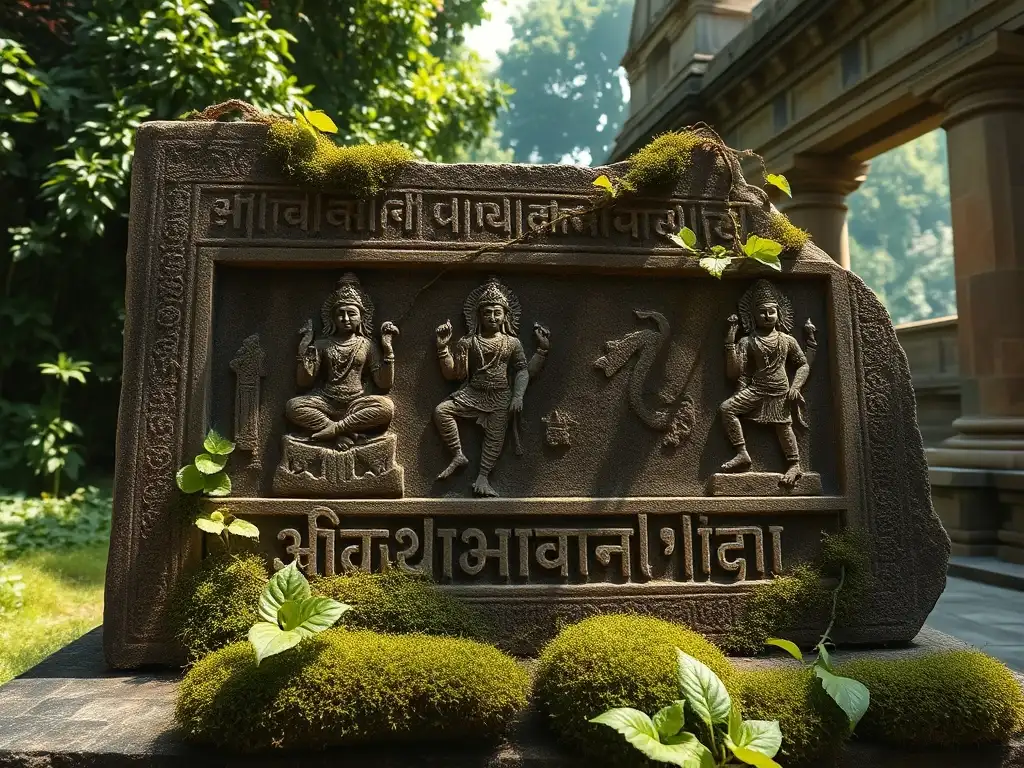
The significance of ancient Indian inscriptions extends far beyond mere markings on stone or metal. These inscriptions serve as invaluable records of history, culture, and the socio-political dynamics of their times. They encapsulate the thoughts, beliefs, and practices of ancient civilizations, providing insights into their governance, economy, religion, and daily life.
Through meticulous study, scholars have unearthed rich narratives embedded within these inscriptions, revealing the evolution of languages, scripts, and artistic expressions. For instance, the Brahmi script, utilized in many inscriptions, marks a crucial point in the history of writing in India. The inscriptions not only serve as historical documents but also as a testament to the craftsmanship and artistry of their creators.
In essence, the legacy of ancient Indian inscriptions is a testament to the rich tapestry of human experience, offering a lens through which we can understand the complexities of ancient Indian civilizations. Their enduring significance lies in their ability to connect us with our past and inform our understanding of cultural heritage.
The Continuing Relevance of Inscriptions in Today's Historical Studies
In the realm of historical studies, ancient Indian inscriptions remain a focal point of research and scholarship. They play a crucial role in various academic disciplines, including archaeology, linguistics, and anthropology.
- Historical Documentation: Inscriptions provide primary sources that help historians piece together timelines and events. For example, the Ashoka Edicts, inscribed on pillars and rocks, offer insights into the policies and philosophies of Emperor Ashoka, illuminating the spread of Buddhism and the emperor's commitment to dharma.
- Cultural Insights: Through inscriptions, researchers gain insights into cultural practices, religious beliefs, and societal norms. Inscriptions from temples, such as those found at Khajuraho, reflect the intricate relationship between art, religion, and daily life in ancient India.
- Linguistic Evolution: The study of inscriptions aids in understanding the development of languages and scripts. The transition from Brahmi to other scripts can be traced through various inscriptions, highlighting the linguistic diversity and evolution in ancient India.
- Interdisciplinary Approaches: Modern historians utilize advanced technologies, such as digital imaging and 3D modeling, to analyze inscriptions in ways that were previously impossible. This interdisciplinary approach enriches our understanding and opens up new avenues for research.
The relevance of ancient Indian inscriptions continues to grow as they provide a foundation for ongoing scholarship, revealing layers of history that were once obscured.
Future Directions in the Study of Ancient Indian Inscriptions
As we look to the future, the study of ancient Indian inscriptions is poised for exciting developments that will further enhance our understanding of India's historical landscape.
- Technological Advancements: The integration of technology, such as AI and machine learning, holds promise for deciphering and analyzing inscriptions. These tools can help identify patterns and connections that human researchers might overlook.
- Collaborative Research: Increased collaboration between historians, archaeologists, and linguists will foster a more holistic understanding of inscriptions. Interdisciplinary projects can lead to comprehensive studies that consider the socio-political and cultural contexts of the inscriptions.
- Public Engagement: There is a growing movement to make the study of ancient Indian inscriptions more accessible to the public. Digital archives, virtual exhibitions, and educational programs can help disseminate knowledge and foster appreciation for this aspect of cultural heritage.
- Focus on Underrepresented Regions: Future research can also benefit from a focus on lesser-known regions and inscriptions that have yet to be thoroughly studied, thereby enriching the broader narrative of ancient Indian history.
- Preservation Efforts: As inscriptions face threats from environmental factors and human activity, future studies will increasingly prioritize preservation methods, ensuring these historical treasures endure for generations to come.
The future of ancient Indian inscriptions is bright, with promising avenues for exploration that will undoubtedly enhance our appreciation and understanding of this rich historical legacy. The significance of these inscriptions, both in their historical context and their contemporary relevance, will continue to captivate scholars and enthusiasts alike.
References and Further Reading on Ancient Indian Inscriptions Significance
Suggested Books and Articles
To deepen your understanding of the significance of ancient Indian inscriptions, consider exploring the following recommended books and articles. These works provide critical insights into the context, interpretation, and historical implications of inscriptions from various ancient Indian civilizations.
-
"Inscriptions of India: A Historical Perspective"
This book offers a comprehensive overview of major inscriptions found across India, detailing their historical context and significance in understanding ancient Indian society.
-
"The Language of Indian Inscriptions: A Linguistic Analysis"
This academic article delves into the linguistic features of ancient inscriptions, exploring how language reflects cultural and societal values in ancient India.
-
"Epigraphy and Archaeology: A Study of Indian Inscriptions"
This resource examines the intersection between epigraphy and archaeology, highlighting how inscriptions complement archaeological findings in reconstructing historical narratives.
-
"The Gupta Empire: Inscriptions and Their Historical Significance"
This book focuses specifically on inscriptions from the Gupta Empire, analyzing their role in documenting administrative practices and cultural achievements.
-
"Deciphering the Indus Script: Challenges and Discoveries"
A detailed exploration of the Indus Valley inscriptions, addressing the ongoing efforts to decode this ancient script and its implications for understanding one of the world's oldest civilizations.
Online Resources for Further Exploration
In addition to printed materials, there are numerous online platforms where you can find valuable resources related to the significance of ancient Indian inscriptions. Here are some recommended websites:
-
Digital South Asia Library
This digital archive provides access to a wealth of texts, images, and resources related to ancient Indian history, including inscriptions.
-
India History Congress
The website features research papers and proceedings from annual congresses, many of which discuss the significance of inscriptions in various historical contexts.
-
Archaeological Survey of India (ASI)
ASI's official site includes detailed reports and publications on archaeological excavations, including findings related to ancient inscriptions.
-
The Indian Epigraphy Project
This initiative aims to document and digitize ancient inscriptions, offering a searchable database that can be invaluable for researchers and enthusiasts alike.
-
Academia.edu
A platform where scholars publish their research papers, including many focused on ancient Indian inscriptions, providing access to cutting-edge research and discussions in the field.
Engaging with these resources can enhance your understanding of the historical significance of ancient Indian inscriptions and their role in shaping our comprehension of ancient Indian civilizations.
Frequently Asked Questions
What are ancient Indian inscriptions?
Ancient Indian inscriptions are written records found on various materials like stone, metal, and clay, which provide valuable insights into historical events, cultural practices, and administrative systems of ancient civilizations.
Why are ancient Indian inscriptions significant?
These inscriptions hold historical significance as they reveal information about social structures, languages, and religious beliefs of the time, helping historians understand the evolution of Indian society.
Where can ancient Indian inscriptions be found?
Ancient inscriptions are discovered in various locations across India, including temples, caves, and archaeological sites, with notable finds in regions like the Indus Valley and the Gupta Empire.
How do inscriptions contribute to our understanding of ancient Indian civilizations?
Inscriptions act as primary sources that document everything from royal edicts to everyday life, allowing researchers to piece together the cultural and political landscape of ancient India.
What challenges do researchers face when studying ancient Indian inscriptions?
Researchers often encounter challenges such as damaged texts, language evolution, and interpretation difficulties, which can hinder the accurate understanding of the context and significance of these inscriptions.
Final Reflection: Unveiling the Significance of Ancient Indian Inscriptions
The exploration of ancient Indian inscriptions reveals a profound connection between our past and present, emphasizing their significance in understanding cultural heritage and historical narratives. As we navigate through a world increasingly defined by rapid change and technological advancement, the wisdom embedded in these inscriptions serves as a reminder of our roots and the stories that have shaped civilizations. The relevance of these inscriptions today is not just academic; they are a vital key to unlocking the complexities of identity and continuity in our society.
The influence of ancient Indian inscriptions extends far beyond their historical context; they resonate deeply within our cultural and social landscapes. These inscriptions are not merely relics of the past; they are living documents that continue to inspire and inform contemporary thought. As we engage with these texts, we uncover layers of meaning that speak to our collective consciousness. History is not a burden on the memory but an illumination of the soul.
This quote encapsulates the essence of how these inscriptions illuminate our understanding of identity, tradition, and the evolution of thought throughout time.
As we conclude this journey into the hidden secrets of ancient Indian inscriptions, I invite you to reflect on your own connection to history and culture. Consider how the lessons from the past can shape your present and future. Embrace the opportunity to delve deeper into the significance of these inscriptions in your life, and let them inspire you to honor the narratives that have come before us. Together, we can ensure that the wisdom of our ancestors continues to guide us in our quest for understanding and connection in an ever-evolving world.
Unveil the Secrets and Connect with Ancient Wisdom!
Thank you for taking the time to explore the fascinating world of ancient Indian inscriptions! We hope you’ve discovered new insights into their historical significance and the rich narratives they hold. Now, it’s time to take action and deepen your journey into this incredible history.
- Delve deeper: Visit our website ancientindiahistory.com to access exclusive articles, interactive timelines, and resources that can enhance your understanding of ancient inscriptions.
- Share your knowledge: Start a conversation with your friends or on social media about what you've learned. Invite them to join you in exploring this profound history!
- Participate in discussions: Engage with our community by commenting on this article or joining our forums. Your insights could inspire others!
As you reflect on the wonders of ancient India, consider this: **What inscription or discovery would you most like to see uncovered, and how do you believe it would shape our understanding of history? **