
How Inscriptions Reflect the Social Hierarchies of Ancient India

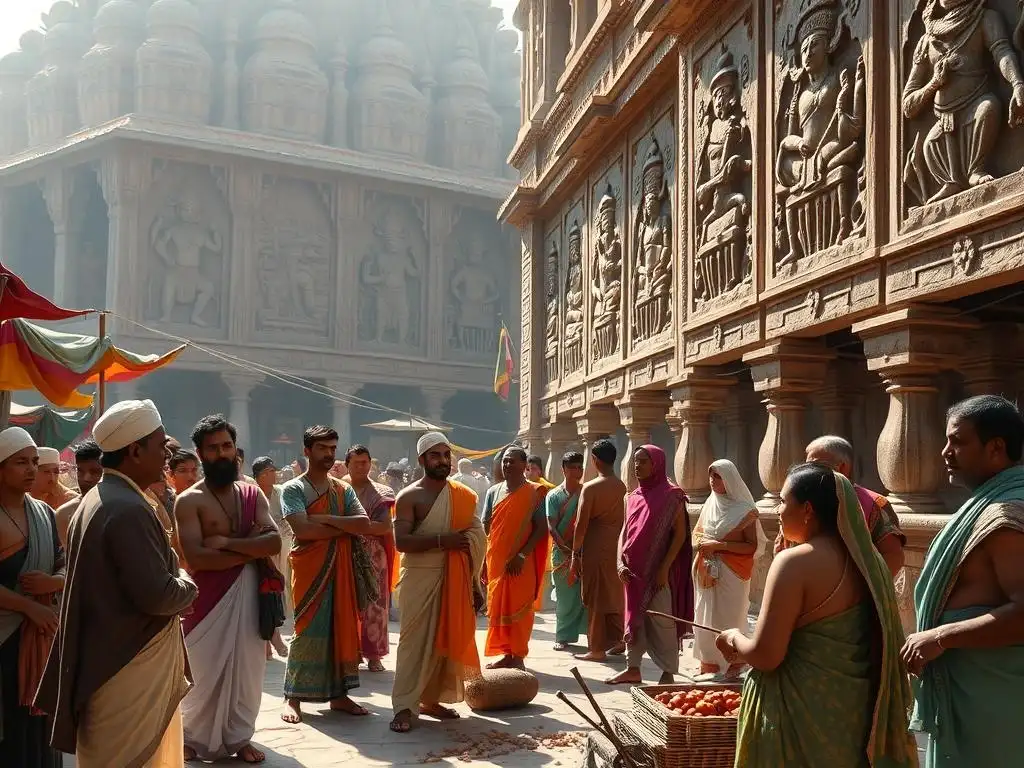
Welcome to Ancient India History, where we embark on a journey through the rich tapestry of India's past. Delve into the fascinating world of ancient Indian social hierarchies as we uncover how inscriptions illuminate the intricate structures that shaped society from the Indus Valley to the Gupta Empire. Our featured article, "How Inscriptions Reflect the Social Hierarchies of Ancient India," promises to reveal captivating insights that will not only enrich your understanding but also spark your curiosity about the cultural legacy of this remarkable civilization. Join us as we explore the echoes of history that still resonate today!
- Introduction to Ancient Indian Social Hierarchies
- The Role of Inscriptions in Ancient India
- Social Hierarchies in Ancient India
- How Inscriptions Reveal Social Hierarchies
- The Impact of Inscriptions on Perceptions of Social Status
- Conclusion: The Legacy of Inscriptions in Understanding Ancient Indian Social Structures
- Further Reading and References
- Frequently Asked Questions
- Final Reflection: Understanding Ancient Indian Social Hierarchies Through Inscriptions
- Unveil the Secrets of Ancient Social Hierarchies!
Inscriptions from ancient India serve as invaluable artifacts that unlock the complex tapestry of social hierarchies within its civilizations. From the well-planned urban centers of the Indus Valley to the magnificent palaces of the Gupta Empire, the diverse social structures of ancient Indian societies were intricately woven into their historical narratives. These inscriptions not only convey linguistic and artistic accomplishments but also reflect the socio-political dynamics, religious affiliations, and economic stratifications that defined the lives of individuals in these periods.
By examining these historical texts, we gain profound insights into how various classes and groups interacted, the privileges they held, and the roles they played in the broader context of ancient Indian history. This article delves into the significance of inscriptions as a lens through which we can explore and understand the complex social hierarchies that characterized ancient India.
Overview of Ancient Indian Civilizations
Ancient India was home to several prominent civilizations, each contributing uniquely to the region's rich history. The Indus Valley Civilization (circa 3300–1300 BCE) is one of the earliest known urban cultures, renowned for its advanced city planning and trade systems. Following this period, the Vedic Age (circa 1500–500 BCE) marked significant cultural and philosophical developments, laying the foundations for Hindu society.
The emergence of Mahajanapadas (kingdoms) during the 6th century BCE introduced more defined political structures and social stratification. The Maurya Empire (circa 322–185 BCE) further consolidated power, exemplified by rulers like Ashoka, who emphasized moral governance. Lastly, the Gupta Empire (circa 320–550 CE), known as the Golden Age of India, saw advancements in science, arts, and literature, while also solidifying social hierarchies through systems like varna and jāti.
Importance of Inscriptions in Understanding Society
Inscriptions serve as critical primary sources that provide insights into the administrative, economic, and social frameworks of ancient Indian societies. They often contain decrees, edicts, and records of donations that reveal the priorities and values of different social classes. For instance, inscriptions from the Mauryan period highlight Ashoka's efforts to promote Dhamma (moral law), shedding light on the ethical guidelines that influenced societal norms.
Moreover, inscriptions can indicate the presence of various social classes, including kings, priests, merchants, and artisans, thus elucidating the hierarchical structures in place. The Prakrit and Sanskrit languages used in these inscriptions reflect the linguistic diversity and the cultural interactions that shaped ancient Indian life. By analyzing these texts, historians can reconstruct the socio-economic landscape and better understand the relationships between different groups.
Purpose of the Article
The purpose of this article is to explore how inscriptions illuminate the social hierarchies of ancient India, offering a glimpse into the lives of its people and the structures that governed them. By examining specific examples of inscriptions and their contexts, we aim to showcase their significance in understanding the complexities of ancient Indian society. Through this exploration, we hope to contribute to the broader discourse on the historical significance of inscriptions and their role in shaping our understanding of ancient Indian social hierarchies.
The Role of Inscriptions in Ancient India

Definition and Types of Inscriptions
Inscriptions, as historical artifacts, are defined as writings engraved on durable materials such as stone, metal, or pottery, which serve to communicate information, commemorate events, or convey messages across time. In ancient India, these inscriptions played a pivotal role in documenting the complexities of society, governance, and culture.
Types of Inscriptions
Inscriptions in ancient India can be categorized into several types, each reflecting different aspects of society:
- Royal Inscriptions: Often commissioned by kings, these inscriptions typically celebrate victories, divine right to rule, or the establishment of new dynasties. For example, the Ashoka Edicts provide insight into Emperor Ashoka's policies and moral teachings.
- Religious Inscriptions: These include texts related to temples, religious practices, and dedications to deities. The inscriptions found at the Brahmapuri Temple highlight the devotion and rituals of ancient worshippers.
- Funerary Inscriptions: These inscriptions commemorate the deceased and often provide insights into social status and beliefs about the afterlife. The Sanchi Stupa inscriptions are notable examples.
- Commercial Inscriptions: These record trade transactions, guild memberships, and economic activities, reflecting the commercial hierarchies of the time.
The variety of inscriptions indicates a multi-faceted social structure, where different groups could express their identities and statuses.
Historical Context of Inscription Practices
The practice of inscribing texts in ancient India can be traced back to the Indus Valley Civilization (circa 3300–1300 BCE), where seals with short inscriptions were used for trade and administrative purposes. However, the most significant developments occurred during the Maurya and Gupta periods.
Evolution of Inscription Practices
- Indus Valley Civilization: The earliest inscriptions were short and undeciphered, primarily used for trade.
- Mauryan Empire: The use of inscriptions became more formalized under Emperor Ashoka, who utilized them to disseminate his policies and promote Buddhism.
- Gupta Empire: This period saw an increase in literary and artistic inscriptions, reflecting advancements in language and script.
Social Implications
The content and style of inscriptions often reflected the social hierarchies of the time. For instance, royal inscriptions were usually in Sanskrit, indicating their intended audience, while local or community inscriptions might use regional languages or dialects. This stratification illustrates how language and script choice were tied to social status and authority in ancient Indian society.
Inscriptions as Historical Sources
Inscriptions are invaluable historical sources that provide a direct link to the societal dynamics of ancient India. They offer insights into various facets of ancient Indian social hierarchies, including:
- Political Structures: Royal inscriptions often delineate the power dynamics between rulers and subjects, providing evidence of centralized authority and local governance.
- Caste System: Many inscriptions reference guilds and social groups, illustrating the rigid caste structure that defined social interactions and occupations.
- Cultural Practices: Religious inscriptions reveal the importance of rituals and the roles of various deities in shaping societal norms, highlighting the intertwined nature of religion and social hierarchy.
- Economic Activities: Commercial inscriptions shed light on trade practices, indicating the economic stratification within society. For example, inscriptions from trade guilds often reveal the privileges and responsibilities of merchants.
Inscriptions serve not only as historical records but also as reflections of the social hierarchies that defined ancient Indian civilization. By analyzing these texts, historians can reconstruct the intricate tapestry of social relations, governance, and cultural practices that characterized this rich historical period.
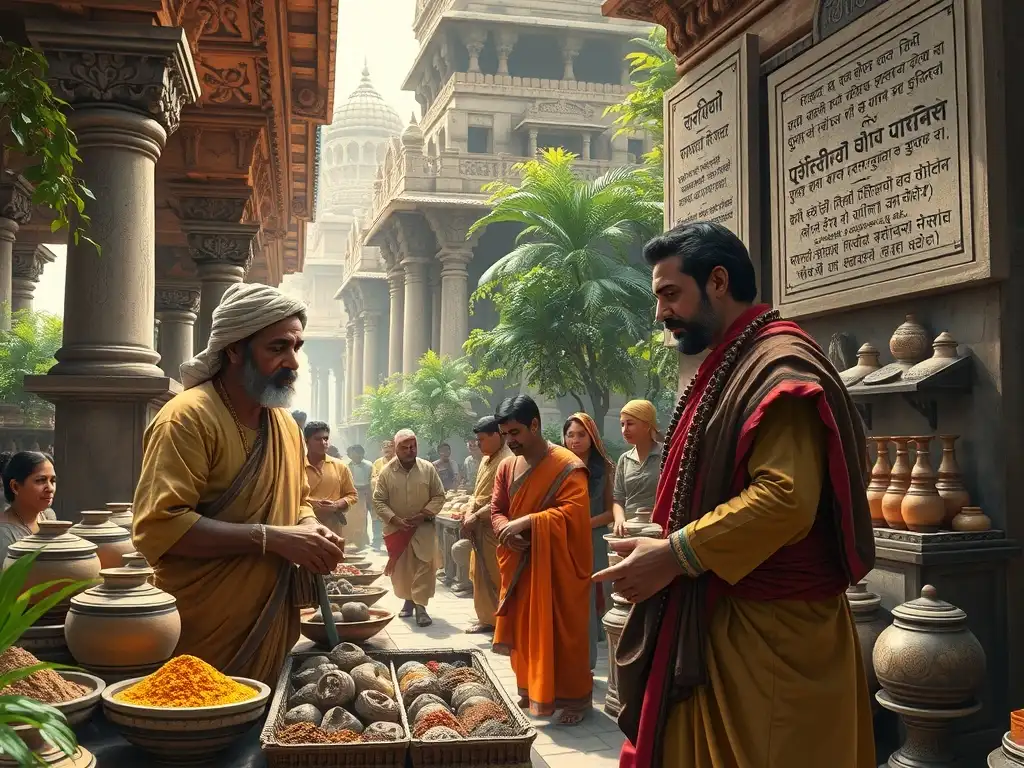
Ancient Indian social hierarchies were complex and deeply rooted in cultural, religious, and economic contexts. They shaped various aspects of life, from daily interactions to governance and social mobility. The inscriptions from different periods provide a window into these hierarchies, revealing how they were established, maintained, and sometimes challenged. Understanding these social structures is crucial for comprehending the broader dynamics of ancient Indian civilizations.
Social stratification in ancient India was characterized by a multi-layered hierarchy that categorized individuals based on various criteria, including birth, occupation, and ritual purity. This stratification can be broadly understood through two main systems: the Varna system and the caste system.
- Key Features of Social Stratification:
- Hierarchical Organization: Society was organized into distinct groups, each with its own status and responsibilities.
- Rigid Boundaries: Movement between social strata was often restricted, with few opportunities for upward mobility.
- Cultural Justification: The stratification was often legitimized through religious texts and cultural practices, which reinforced the idea that each group had a predetermined role in society.
The inscriptions from ancient India often reflect these social hierarchies by indicating the status of individuals and groups involved in various activities, from trade to religious rituals.
The Varna System: An Overview
The Varna system is one of the most significant frameworks for understanding ancient Indian social hierarchies. It categorizes society into four primary groups, or "Varnas," each associated with specific roles and duties:
- Brahmins: The priestly class responsible for religious rituals and the preservation of sacred knowledge.
- Kshatriyas: The warrior and ruling class tasked with protection and governance.
- Vaishyas: The merchant and agricultural class involved in trade, agriculture, and commerce.
- Shudras: The laborer class, primarily responsible for serving the other three Varnas and performing menial tasks.
- Implications of the Varna System:
- Religious Authority: The Brahmins held significant power and authority due to their role in rituals and education.
- Political Power: Kshatriyas were often the rulers and military leaders, influencing governance and law.
- Economic Activity: Vaishyas contributed to the economy through trade and agriculture, which were crucial for societal sustenance.
- Social Exclusion: Shudras faced restrictions and were often marginalized, highlighting the rigid nature of the system.
Inscriptions from various periods often delineate the roles of these groups, showcasing their interactions and the power dynamics that existed between them.
The Role of Caste in Ancient Indian Society
While the Varna system provided a broad categorization, the caste system (Jati) emerged as a more localized and intricate structure, subdividing the Varnas into numerous castes based on occupation, region, and even community. The caste system played a vital role in shaping social interactions and hierarchies.
- Characteristics of the Caste System:
- Jati: Specific sub-groups within each Varna, often based on profession or region, creating a complex web of social identities.
- Endogamy: Individuals were expected to marry within their caste, preserving social boundaries and cultural practices.
- Social Mobility: Unlike the Varna system, which allowed for some fluidity, caste often imposed stricter limitations on movement between social groups.
Inscriptions frequently document the status and privileges associated with different castes, reflecting local customs and the nuances of social hierarchies. For instance, records of donations to temples or public works often highlight the contributions of higher castes while documenting the obligations of lower castes.
- Caste and Economy: The economic roles defined by caste influenced trade, agriculture, and craftsmanship, thereby affecting the overall prosperity of regions.
- Religious Implications: Caste was often intertwined with religious beliefs, where purity and pollution became significant factors in social interaction and acceptance.
The study of inscriptions reveals how these social hierarchies were not only a reflection of the societal structure but also a means of reinforcing the status quo through religious and cultural narratives. Understanding the dynamics of caste and Varna is essential to grasping the complexities of ancient Indian social hierarchies.

Inscriptions serve as invaluable resources for understanding the social hierarchies prevalent in ancient India. These historical documents offer insights into the power dynamics, class structures, and societal roles that defined the various civilizations throughout this rich period. By examining inscriptions, historians can uncover the nuances of status, privilege, and authority that shaped the lives of individuals in ancient Indian society.
Case Studies of Significant Inscriptions
The Edicts of Ashoka and Their Implications
The Edicts of Ashoka, inscribed during the reign of Emperor Ashoka (268-232 BCE), provide profound insights into the ethical and social principles that governed Mauryan society. These inscriptions, carved on rocks and pillars across the Indian subcontinent, reflect Ashoka's commitment to Dharma (moral law) and his efforts to promote social welfare.
- Social Welfare Initiatives: The edicts emphasize the importance of compassion and kindness, suggesting a hierarchy where rulers were expected to care for the well-being of their subjects. For instance, Ashoka's edicts advocate for the establishment of hospitals and the protection of animals, indicating a moral responsibility of the elite towards the lower classes.
- Brahminical Influence: The presence of Brahmins in the edicts highlights the elevated status of this priestly class. Ashoka's consultations with Buddhist monks and Brahmins indicate their significant role in shaping moral and ethical guidelines, thus reinforcing their position within the social hierarchy.
- Regional Variations: The different versions of the edicts across regions illustrate the localized interpretations of authority and social roles. For example, inscriptions in the southern regions of India might reflect a more diverse social structure compared to those found in the north, suggesting regional adaptations to social hierarchies.
Inscriptions from the Gupta Period
The Gupta period (c. 320-550 CE) is often referred to as the "Golden Age" of India, marked by advancements in arts, science, and governance. Inscriptions from this era reveal a complex social hierarchy characterized by the intertwining of caste and political power.
- Royal Patronage: Inscriptions often detail the patronage extended by Gupta rulers to various religious institutions, indicating the rulers' efforts to legitimize their authority through divine association. This patronage often elevated certain castes, particularly Brahmins, reinforcing their privileged status.
- Caste Markers: Many inscriptions denote the social status of individuals through titles and professions. The use of terms like "Kshatriya" (warrior class) or "Vaishya" (merchant class) in personal inscriptions denotes rigid caste boundaries, showcasing the entrenched social hierarchies of the time.
- Local Governance: The Gupta inscriptions also highlight local governance structures, revealing how local elites and village headmen operated within the broader framework of Gupta authority. This illustrates a hierarchical system where local leaders maintained order and allegiance to the central power.
Analysis of Language and Terminology in Inscriptions
The language and terminology used in inscriptions are critical to understanding the social hierarchies of ancient India. The choice of words, titles, and phrases provides essential context regarding status, rank, and societal roles.
- Semantic Hierarchies: Specific terms used in inscriptions can indicate social status. For instance, the use of honorifics like "Mahāraja" (Great King) or "Rajadhiraja" (King of Kings) not only reflects the authority of rulers but also implies a hierarchy among different rulers and kingdoms.
- Religious Lexicon: The presence of religious terminology, particularly in inscriptions associated with temples or donations, suggests the intertwining of religion and social status. Phrases associated with divine favor or blessings often accompany names of high-status individuals, indicating their elevated position within social hierarchies.
- Language Variation: The use of different dialects or scripts in inscriptions also highlights regional differences in social hierarchies. For example, the prevalence of Sanskrit in elite inscriptions contrasts with the use of local dialects for common populace, indicating a linguistic hierarchy that reflects broader social structures.
Inscriptions provide a rich tapestry of information regarding ancient Indian social hierarchies. Through the analysis of significant case studies, language, and terminology used, we gain a deeper understanding of the complexities that defined ancient Indian societies.
Material Culture and Its Reflection in Inscriptions
Material culture serves as a vital lens through which we can examine the social hierarchies of ancient Indian civilizations. Inscriptions, as integral components of material culture, offer unique insights into the lives and statuses of individuals and groups within society. These inscriptions, often found on stone, metal, pottery, and other mediums, reflect the values, beliefs, and social structures prevalent during different periods.
The inscriptions frequently document the patronage of specific individuals or communities, indicating their wealth and influence. For instance, many rulers commissioned grand inscriptions to commemorate their achievements, such as military victories or monumental constructions. These texts not only celebrated the ruler's prowess but also served to reinforce their social position within the hierarchy. The size, language, and stylization of the inscriptions often pointed to the status of the patron, with more elaborate inscriptions typically associated with higher social standing.
Furthermore, the content of inscriptions provides evidence of social stratification within ancient Indian society. Many inscriptions detail the roles and responsibilities of various classes, such as priests, warriors, merchants, and laborers. For example, inscriptions from the Mauryan period often highlight the importance of the Brahminical class, reflecting their elevated status in society. In contrast, inscriptions referring to lower castes typically emphasize their subservient roles, underscoring the rigid social stratification that characterized ancient India.
Archaeological findings also complement these inscriptions, with artifacts such as pottery, tools, and religious icons offering context to the social hierarchies reflected in the texts. The materials used in these artifacts often correlate with the social class they represented. Higher classes might utilize more durable and aesthetically pleasing materials, while lower classes may have used simpler, less refined items. This material contrast further reinforces the societal divisions documented in inscriptions.
The study of material culture and inscriptions provides a rich tapestry of information about ancient Indian social hierarchies. By analyzing the patronage, content, and accompanying artifacts of inscriptions, scholars can gain a deeper understanding of the complex social structures that defined ancient Indian civilizations. These insights not only highlight the distinctions between various social groups but also reveal the evolving nature of these hierarchies over time.
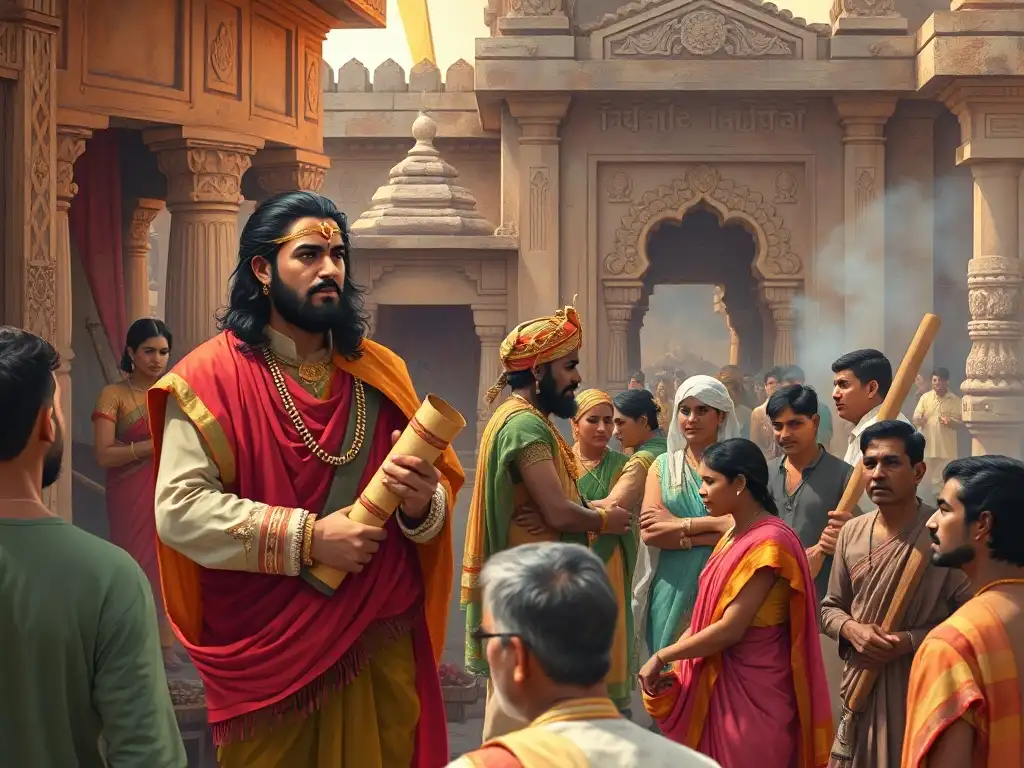
In ancient India, inscriptions served as a crucial medium for conveying social hierarchies and reinforcing the status of individuals and groups within society. These inscriptions, often engraved on stone, metal, or clay, not only documented historical events but also reflected the intricate social fabric of the time. Through their content, language, and placement, inscriptions provided insights into the societal norms, values, and power dynamics that characterized ancient Indian civilizations.
Public vs. Private Inscriptions
Inscriptions can generally be categorized into two types: public and private. Each type carried distinct implications for understanding social hierarchies.
- Public Inscriptions: These inscriptions were often erected in prominent locations, such as temples, governmental buildings, or public squares. They served to communicate messages to the broader society, celebrating achievements, decrees, or the divine lineage of rulers. Public inscriptions frequently emphasized the virtues of kings and the importance of state-sponsored projects, reinforcing the authority of the elite. For example, the Ashoka Edicts, a series of inscriptions by Emperor Ashoka, not only promoted moral and ethical governance but also established his status as a benevolent ruler concerned with the welfare of his subjects.
- Private Inscriptions: In contrast, private inscriptions were typically found within personal spaces, such as homes or private shrines. They often commemorated individual achievements, family lineage, or personal dedications. While less visible than public inscriptions, they played a vital role in delineating social status among the elite and wealthy families. For instance, inscriptions found in the Nagarjunakonda region often celebrate familial connections, showcasing the social standing of individuals through their heritage.
Inscriptions commemorating individuals provide a direct lens into the social roles and statuses that existed in ancient India. Such inscriptions often highlighted the contributions of individuals to society, whether in military, religious, or administrative capacities.
- Military Leaders: Inscriptions dedicated to military leaders frequently described their valor and victories, elevating their status within the social hierarchy. For example, inscriptions from the Mauryan Empire often extolled the prowess of generals and warriors, linking their achievements to the glory of the state.
- Religious Figures: Religious inscriptions, particularly those from temple complexes, reflected the influence of priests and religious leaders. These inscriptions not only marked important events but also served to legitimize the authority of these figures within the spiritual domain. The Kalinga Edicts, for instance, emphasize the Buddha's teachings and the role of monks, showcasing how religious leaders were integral to the social order.
- Artisans and Merchants: Interestingly, inscriptions also shed light on the roles of artisans and merchants within society. Some inscriptions recorded the contributions of guilds, highlighting their economic significance and social standing. This acknowledgment of various professions indicates a more nuanced understanding of ancient Indian social hierarchies, extending beyond mere aristocracy.
The Influence of Patronage in Inscriptions
Patronage played a significant role in the production and significance of inscriptions, acting as a reflection of social hierarchies. The relationship between patrons—often kings, nobles, or wealthy individuals—and the creation of inscriptions reveals much about the power dynamics of the time.
- Royal Patronage: Many inscriptions were commissioned by rulers to commemorate their achievements or to promote their ideologies. This patronage reflects not only the power of the rulers but also their desire to solidify their legacy. The inscriptions often included titles, lineage, and divine associations, reinforcing the ruler's elevated status within the social hierarchy.
- Noble and Wealthy Patrons: Wealthy individuals and nobles also commissioned inscriptions to commemorate personal achievements or to elevate their family's status. These inscriptions often highlighted their philanthropic contributions to society, such as the construction of temples or public works. An example can be seen in the Rajasthan region, where inscriptions often celebrate the patronage of local elites in building significant religious structures, thereby enhancing their social prestige.
- Cultural Patronage: Beyond mere financial support, patronage also influenced cultural and artistic expressions within inscriptions. The choice of language, script, and artistic style was often determined by the patron's status and the intended audience. Inscriptions in Sanskrit or Prakrit could signify higher social standing, while local dialects might be used to connect with broader audiences, illustrating the complex interplay between language, culture, and social hierarchies.
The examination of inscriptions reveals a rich tapestry of ancient Indian social hierarchies. By analyzing public and private inscriptions, commemorative practices, and the influence of patronage, we gain valuable insights into the values, norms, and structures that shaped ancient Indian societies.

Inscriptions serve as a vital resource in reconstructing the social hierarchies of ancient India. They not only provide tangible evidence of the societal structure but also reflect the values, beliefs, and norms of the time. The various inscriptions, from the edicts of Ashoka to the records in temples and palaces, illustrate the complexities of ancient Indian social dynamics, revealing the roles and statuses of different groups within the society.
Summary of Key Insights
The analysis of inscriptions has revealed several crucial aspects of ancient Indian social hierarchies:
- Caste and Class Structures: Many inscriptions explicitly mention various social groups, including the four primary varnas—Brahmins, Kshatriyas, Vaishyas, and Shudras. These references help us understand how social stratification was not only recognized but institutionalized in ancient times.
- Gender Roles: Inscriptions often reflect the roles of women in society, from queens and noblewomen to the mention of female deities. This highlights the nuanced understanding of gender within the hierarchical framework.
- Regional Variations: The diversity of inscriptions across different regions indicates that social hierarchies were not monolithic. Variations in the interpretation and implementation of caste systems can be traced through localized inscriptions.
- Political Authority: The patronage of inscriptions by rulers often served to legitimize their power and reinforce social hierarchies. For instance, royal edicts frequently emphasize the king's role as a protector of dharma and enforcer of societal order.
By synthesizing these insights, we gain a clearer picture of how ancient Indian social hierarchies functioned and evolved over time.
The Relevance of Inscriptions to Modern Interpretations of Ancient Indian Society
In the modern context, the study of inscriptions plays a pivotal role in shaping our understanding of ancient Indian society. They provide scholars and historians with critical tools to analyze social structures, governance, and cultural practices. The relevance of inscriptions can be outlined as follows:
- Framework for Historical Analysis: Inscriptions offer a primary source for historians, allowing them to construct timelines and understand the progression of social hierarchies over centuries.
- Cultural Contexts: They illuminate the cultural practices and societal norms that defined ancient Indian life, showing how these elements influenced social structures.
- Debate and Interpretation: The interpretations of inscriptions are often subjects of scholarly debate, fostering a dynamic discourse on ancient Indian social hierarchies and their implications for understanding contemporary societal issues.
- Educational Resources: Inscriptions serve as valuable educational materials, helping students and researchers engage with ancient texts and their meanings, thereby preserving the legacies of ancient Indian civilizations.
Inscriptions not only reflect the social hierarchies of ancient India but also continue to inform modern interpretations of these complex structures. Their study is essential for anyone interested in the rich tapestry of India's historical and cultural heritage.
Further Reading and References
Suggested Books and Articles on Ancient Indian Inscriptions
-
"Inscriptions of Ancient India: A Historical Overview"
This comprehensive book provides a detailed analysis of various inscriptions across ancient Indian civilizations, shedding light on their socio-political contexts. The author delves into how these inscriptions serve as primary sources in understanding ancient Indian social hierarchies.
-
"The Epigraphical Society of India: A Study of Its Contributions"
This collection of articles discusses the role of the Epigraphical Society in cataloging and preserving ancient inscriptions. It emphasizes the significance of these inscriptions in reconstructing the social stratification of ancient Indian societies.
-
"Ancient Indian Society: A Study of the Structure and Function of Social Hierarchies"
This scholarly work explores the intricate social hierarchies present in ancient India, utilizing inscriptions as key evidence. The author offers a critical examination of how caste, class, and occupation were reflected in these texts.
-
"The Role of Inscriptions in Understanding Ancient Indian Culture"
This article highlights the vital role that inscriptions play in piecing together the cultural fabric of ancient India. It also discusses various case studies where inscriptions reveal insights into the lives of different social classes.
-
"Caste and Society in Ancient India: Insights from Inscriptions"
Focusing on the caste system, this research paper analyzes how inscriptions document the status and roles of different castes, illustrating the complexities of social hierarchies in ancient India.
Online Resources for Exploring Ancient Indian History
-
Digital Epigraphy Project
This online platform offers access to a vast database of ancient Indian inscriptions, including translations and contextual analyses. Researchers and enthusiasts can explore inscriptions from different periods and regions.
-
Ancient India Online
A comprehensive website dedicated to the history and culture of ancient India, featuring articles, timelines, and interactive maps. It includes sections specifically focused on social hierarchies and the role of inscriptions.
-
Indian Archaeology: A Review
This digital journal provides articles and reports on recent archaeological discoveries in India, with a focus on inscriptions and their implications for understanding ancient social structures.
-
The Indian Council of Historical Research
This resource provides access to various publications, including research papers and articles related to ancient Indian history. It serves as a repository for scholarly work on social hierarchies and inscriptions.
-
Online Courses on Ancient Indian History
Several platforms offer free or paid courses on ancient Indian history, covering topics such as inscriptions, social hierarchies, and cultural developments. These courses often include lectures from experts in the field.
Frequently Asked Questions
Ancient Indian social hierarchies refer to the structured social classes that existed in ancient India, often exemplified by the varna system, which categorized society into four main groups: Brahmins, Kshatriyas, Vaishyas, and Shudras.
Inscriptions often contain records of social status, duties, and privileges, helping historians understand the roles and relationships among different classes in ancient Indian society.
What role did the varna system play in ancient India?
The varna system defined social roles and responsibilities, determining one's occupation, marriage, and social interactions, thus playing a crucial role in maintaining the social order.
During the Gupta Empire, social hierarchies became more pronounced, with an emphasis on Brahmanical authority and the consolidation of the caste system, impacting social dynamics across the empire.
Why are inscriptions important for studying ancient Indian history?
Inscriptions serve as primary sources that provide valuable information about the political, economic, and social structures of ancient India, including the intricacies of social hierarchies and daily life.
The exploration of ancient Indian social hierarchies through inscriptions reveals profound insights into the complexities of societal structures that continue to resonate today. As we delve into the inscriptions that have survived through the ages, we uncover not just historical facts, but also the intricate web of relationships, power dynamics, and cultural values that shaped the lives of individuals in ancient India. These artifacts serve as a mirror reflecting the social stratifications that were prevalent, reminding us that the past is not merely a distant memory but a foundation upon which our current social frameworks are built.
The impact of these inscriptions on our understanding of social hierarchies cannot be overstated. They provide a lens through which we can examine the evolution of societal norms and values, highlighting how the past informs our present. As we navigate contemporary discussions around caste, class, and privilege, it is essential to recognize the historical roots of these issues. History is not a burden on the memory but an illumination of the soul.
This quote encapsulates the importance of engaging with our history, as it allows us to confront the legacies of inequality and strive for a more equitable future.
As you reflect on the lessons drawn from ancient Indian social hierarchies, I invite you to consider how these insights can inspire change in your own life and community. Let the stories etched in stone encourage you to challenge existing social norms and advocate for inclusivity and understanding. By acknowledging the complexities of our past, we can forge a path toward a more just society, where every voice is valued, and every individual has the opportunity to thrive. Embrace the call to action, and let the lessons of history guide your journey toward fostering a more equitable world.
Thank you for exploring the fascinating world of inscriptions and their significance in revealing the social hierarchies of ancient India! By delving into this topic, you've unlocked a deeper understanding of history and culture. Now it’s time to take what you've learned and put it into action!
Here are a few steps you can take to further your exploration:
- Engage with History: Visit a local museum or historical site that features ancient artifacts and inscriptions. Take notes on your observations!
- Share Your Insights: Initiate discussions in online forums or social media groups focused on ancient history. Your insights can inspire others!
- Create a Personal Project: Consider writing a blog post or developing a presentation on what inscriptions reveal about society in ancient India. Your enthusiasm could spark someone else's curiosity!
What aspects of ancient Indian social structures intrigue you the most, and why? Let’s spark a conversation!