
The Teachings of Engaged Buddhism: Activism Rooted in Compassion

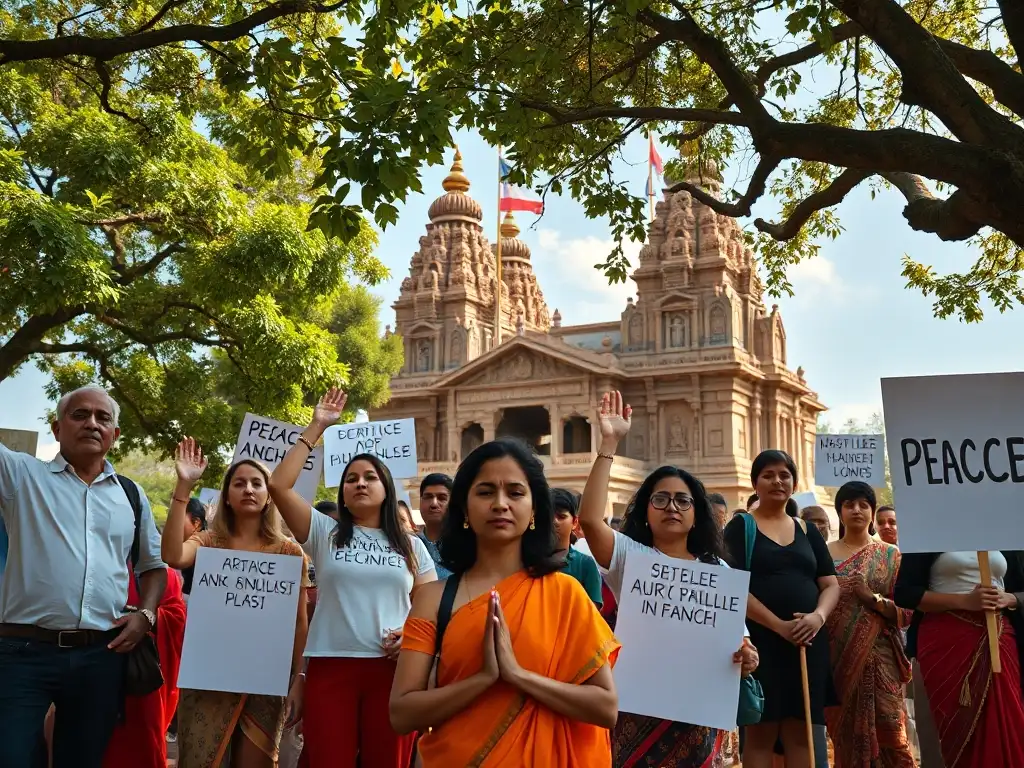
Welcome to Ancient India History, where we delve into the profound tapestry of India's past, exploring its remarkable civilizations and their lasting contributions to the world. In our featured article, "The Teachings of Engaged Buddhism: Activism Rooted in Compassion," we uncover the transformative power of Engaged Buddhism in Ancient India—a movement that intertwines spiritual practice with social activism. Join us on this enlightening journey as we reveal how compassion and action shaped the ethos of a civilization that still resonates today. Ready to discover how ancient philosophies can inspire modern change? Let’s dive in!
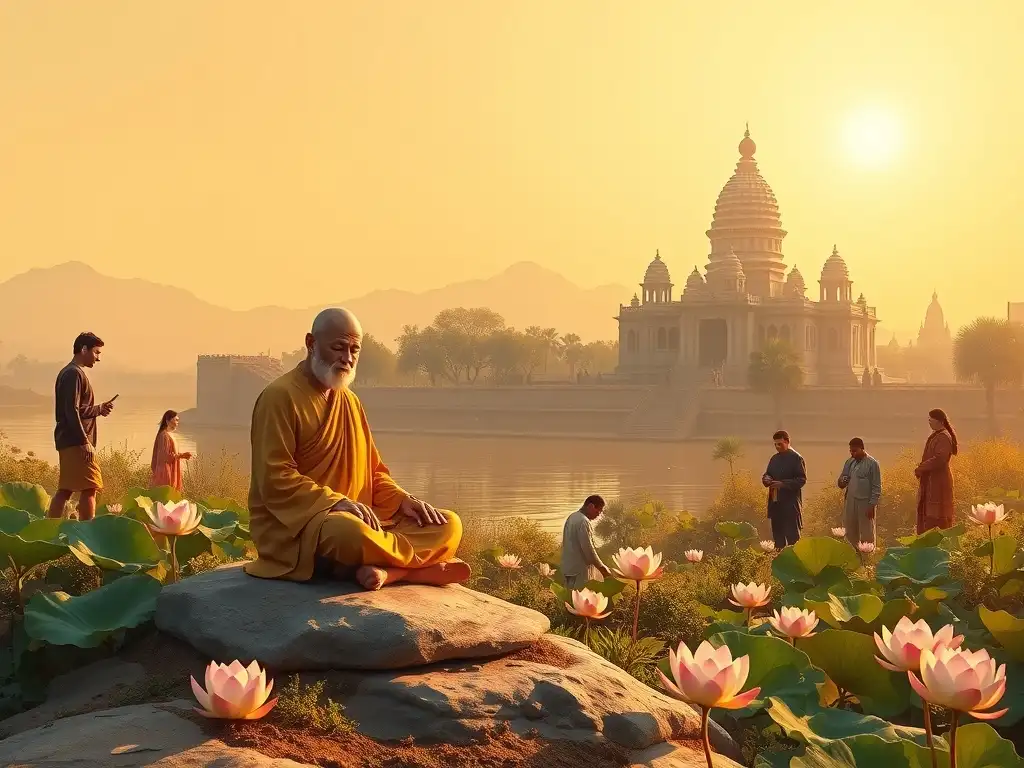
Engaged Buddhism represents a vital intersection of spirituality and social activism, rooted in the profound teachings of the Buddha. As we explore the notion of Engaged Buddhism in Ancient India, we will uncover how the teachings of this philosophical framework were not only theoretical but also practical, emphasizing compassion, social responsibility, and justice.
This article delves into the origins, principles, and historical significance of Engaged Buddhism, highlighting its relevance and impact on ancient Indian civilization. By understanding these teachings, we can appreciate how they laid the foundation for contemporary movements that seek to address social issues through a compassionate lens.
Understanding Engaged Buddhism in Ancient India
Definition of Engaged Buddhism
Engaged Buddhism can be defined as a movement that seeks to apply the teachings of Buddhism to social, political, and environmental issues. Unlike traditional forms of Buddhism that often emphasize personal enlightenment and meditation, Engaged Buddhism encourages practitioners to actively participate in societal transformation. This approach is rooted in the belief that individual spiritual growth is inherently linked to the well-being of the community and the world at large. Key aspects of Engaged Buddhism include:
- Activism: Taking action to address social injustices.
- Compassion: Fostering empathy and kindness towards all beings.
- Mindfulness: Remaining present and aware in both personal practice and social engagement.
Historical Context of Engaged Buddhism
The historical roots of Engaged Buddhism in Ancient India can be traced back to the teachings of Siddhartha Gautama, the Buddha. In a time marked by social stratification and suffering, the Buddha advocated for a path that transcended rigid caste systems and emphasized compassion for all beings.
- Social Reform: The Buddha’s teachings called for the dismantling of societal norms that perpetuated suffering and inequality.
- Community Engagement: The early Buddhist community, or Sangha, was built on principles of support and mutual aid, which can be seen as an early form of social activism.
This historical context set the stage for later interpretations and adaptations of Buddhism that would emphasize action over passive contemplation.
The Influence of Ancient Indian Civilization on Engaged Buddhism
The rich tapestry of Ancient Indian civilization contributed significantly to the development of Engaged Buddhism. The cultural, philosophical, and spiritual landscape of the time provided fertile ground for ideas centered around compassion and social responsibility.
- Cultural Syncretism: The interaction of various philosophies, including Jainism and Hinduism, influenced Buddhist thought, fostering a more inclusive worldview.
- Art and Literature: Ancient Indian art often depicted themes of compassion and heroism, reflecting the values that Engaged Buddhism espouses.
Core Principles of Engaged Buddhism
Compassion as a Central Tenet
At the heart of Engaged Buddhism lies the principle of compassion, known as Karuna in Pali. This tenet encourages practitioners to cultivate a deep sense of empathy for the suffering of others.
- Practical Applications: Engaged Buddhists actively seek to address suffering through humanitarian efforts, community service, and social justice initiatives.
- Bodhisattva Ideal: The aspiration to attain enlightenment for the sake of all beings reinforces the notion that personal liberation is intertwined with the liberation of others.
Interconnectedness and Social Responsibility
Engaged Buddhism emphasizes the interconnectedness of all life, which leads to a profound sense of social responsibility. This principle highlights that individual actions have far-reaching consequences in the broader community.
- Interdependence: The doctrine that all beings are interconnected encourages a holistic approach to social issues, recognizing that personal well-being is linked to collective well-being.
- Collective Action: Engaged Buddhists often organize into groups to tackle societal challenges, demonstrating a commitment to social responsibility.
The Pursuit of Justice and Peace
The pursuit of justice and peace is another core principle of Engaged Buddhism. This involves actively working against oppression, violence, and discrimination while promoting peace through nonviolent means.
- Nonviolence (Ahimsa): Rooted in ancient Indian philosophies, nonviolence is a fundamental practice for Engaged Buddhists, guiding their activism.
- Social Justice: Engaged Buddhists advocate for marginalized communities, striving to create a more equitable society.
The teachings of Engaged Buddhism in Ancient India provide a rich framework for understanding the interplay between spiritual practice and social activism. As we continue to explore these teachings, we will uncover their profound relevance in today's world, illustrating how compassion and activism can work hand in hand to address the challenges we face.
Historical Figures in Engaged Buddhism
Engaged Buddhism, a term that emphasizes the application of Buddhist principles to social, political, and environmental issues, can trace its roots back to various historical figures in ancient India. These individuals not only embodied the teachings of Buddhism but also actively participated in societal change, weaving compassion into their activism. Their contributions laid the groundwork for a tradition that, while evolving over centuries, remains relevant in addressing contemporary challenges.
Siddhartha Gautama (Buddha) and His Teachings
Siddhartha Gautama, known as the Buddha, is the foundational figure of Buddhism whose teachings resonate deeply with the principles of Engaged Buddhism. His life story, marked by a profound quest for understanding the nature of suffering, led to the discovery of the Four Noble Truths and the Eightfold Path, which emphasize ethical conduct, mental discipline, and wisdom.
The Buddha's teachings advocate for compassion (karuna) and loving-kindness (metta), urging individuals to alleviate the suffering of others. His emphasis on the interconnectedness of all beings highlights a moral responsibility towards communal welfare. The Buddha's encouragement for laypeople to engage in ethical practices directly influenced the emergence of social activism within the Buddhist tradition, making his teachings a cornerstone for Engaged Buddhism.
Influential Monks and Activists in Ancient India
Beyond the Buddha, several monks and activists in ancient India took his teachings to heart and expanded upon them through their actions. Notable figures include:
- Ashoka the Great: The Mauryan emperor converted to Buddhism and adopted a policy of non-violence and compassion, promoting the well-being of his subjects and advocating for social justice.
- Bodhidharma: Although primarily known for transmitting Zen Buddhism, Bodhidharma's teachings on mindfulness and awareness encouraged followers to engage with their communities and address injustices.
- Nagarjuna: As a philosopher and monk, Nagarjuna's development of the concept of emptiness (sunyata) encouraged a deeper understanding of interdependence, inspiring social engagement and activism.
These figures served as catalysts for social change, illustrating how Buddhist principles can be integrated into activism to address the needs of society.
Contributions of Women in the Movement
Women played a vital role in the development and promotion of Engaged Buddhism in ancient India, challenging societal norms and advocating for equality. Key contributions include:
- Mahapajapati Gotami: The Buddha's aunt and foster mother, who became the first female monk. She established the Bhikkhuni Sangha, advocating for women's rights and inclusion in monastic life.
- Visakha: A prominent lay follower of the Buddha, she used her wealth to support the monastic community and championed women's rights, illustrating the active role women had in promoting Buddhist values.
- Other Female Figures: Various female disciples contributed to the spread of Buddhism, emphasizing compassion and service within their communities, thereby setting examples of engaged practice.
These women's contributions underscore the importance of inclusivity and the vital role of gender in the history of Engaged Buddhism.
Engaged Buddhism and Its Relation to Activism
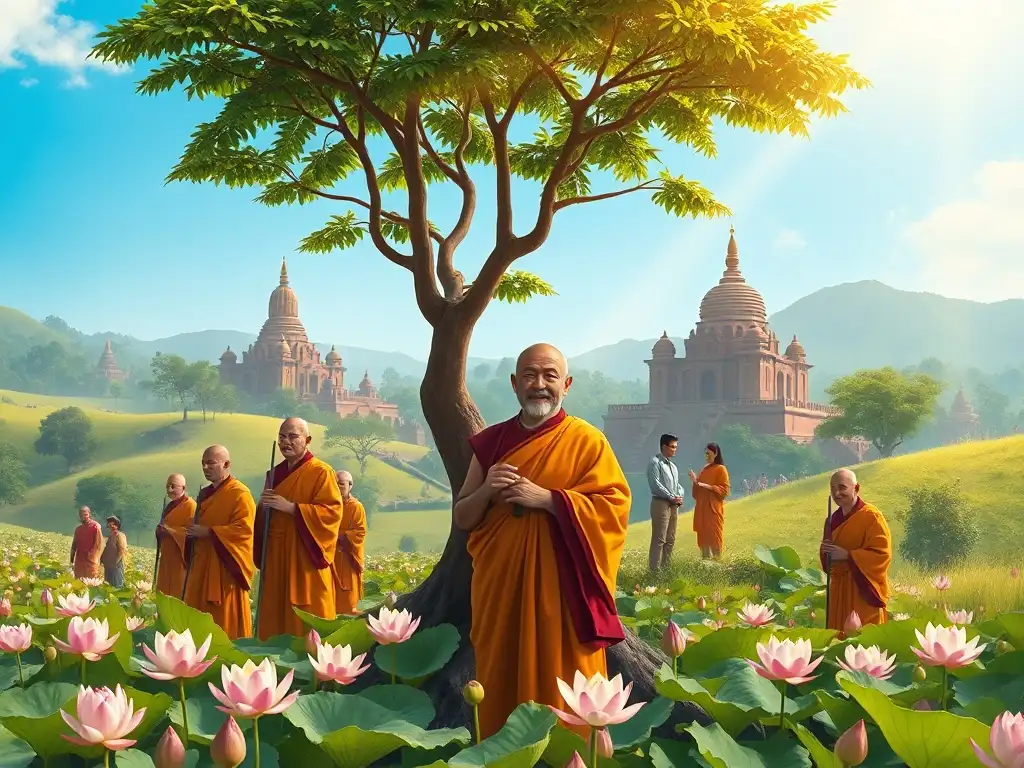
Engaged Buddhism is characterized by its commitment to addressing social issues through the lens of Buddhist teachings. This relationship between Buddhism and activism has deep historical roots in ancient India, where the teachings of the Buddha inspired action against social injustices and inequities.
The Role of Activism in Ancient Indian Society
Activism in ancient Indian society was often intertwined with religious and philosophical beliefs. The rise of Buddhism presented an alternative worldview that challenged the rigid caste system and emphasized ethical living. Activists often drew upon Buddhist principles to advocate for:
- Social Justice: Addressing issues of inequality and exploitation within societal structures.
- Environmental Stewardship: Promoting respect for nature as a reflection of the interconnectedness taught by Buddhism.
- Non-violence: The principle of ahimsa, or non-harm, became a guiding force for activists inspired by Buddhist teachings.
This activism fostered a culture of engagement where individuals sought to improve the lives of others, aligning closely with the core tenets of Buddhism.
How Engaged Buddhism Shaped Social Movements
Engaged Buddhism has significantly influenced various social movements throughout history. In ancient India, the integration of Buddhist philosophy into activism led to transformative social change. Key aspects include:
- Religious Tolerance: Advocates promoted interfaith dialogue and understanding, reducing sectarian violence and fostering peace.
- Community Building: Engaged Buddhists often organized communities around shared ethical values, leading to cooperative efforts against social injustices.
- Empowerment of Marginalized Groups: By emphasizing compassion and equality, engaged Buddhists worked to uplift marginalized populations, challenging societal norms and injustices.
These movements highlight how Engaged Buddhism can be a powerful force for positive change, resonating with the teachings of the Buddha.
Case Studies of Activism Inspired by Buddhist Teachings
Several historical examples illustrate the impact of Engaged Buddhism on social activism in ancient India:
- The Edicts of Ashoka: These inscriptions reflect the emperor’s commitment to non-violence and compassion, promoting welfare measures for his subjects, including healthcare and education, rooted in Buddhist ethics.
- The Role of Monasteries: Buddhist monasteries served as centers of social support, providing education and assistance to the needy, thus becoming hubs of community activism.
- The Influence of the Sangha: The monastic community's active involvement in social issues, such as advocating for the rights of women and the poor, showcases the real-world application of Buddhist principles in effecting change.
These case studies serve as testament to the enduring legacy of Engaged Buddhism, illustrating its potential to inspire activism that addresses contemporary issues rooted in compassion and social justice.
The Legacy of Engaged Buddhism in Ancient India
Engaged Buddhism, as a movement rooted in the teachings of the Buddha, emphasizes the importance of applying spiritual practices to social, political, and environmental issues. In ancient India, this approach was exemplified by the Buddha's own life and teachings, which often addressed the suffering of individuals and communities. The legacy of Engaged Buddhism can be traced back to the way ancient texts and practices encouraged followers to embody compassion and work towards alleviating suffering in their societies.
Key figures in ancient Indian Buddhism, such as Ashoka the Great, played a significant role in promoting these teachings. Ashoka's edicts reflect a commitment to non-violence, social justice, and the welfare of all living beings. His support for the spread of Buddhism across the Indian subcontinent and beyond helped to institutionalize the principles of Engaged Buddhism. This legacy continues to inspire modern practitioners who seek to integrate compassion with activism.
The teachings of Engaged Buddhism in ancient India also fostered a sense of community and interconnectedness. Monastic communities often engaged with lay followers, emphasizing the importance of collective action in addressing societal issues. This spirit of collaboration laid the groundwork for contemporary movements that leverage Buddhist principles to tackle modern challenges.
Lasting Impact on Modern Buddhist Practices
The teachings of Engaged Buddhism from ancient India resonate strongly within modern Buddhist practices. Contemporary movements, such as social activism led by figures like Thich Nhat Hanh and the Dalai Lama, are rooted in the compassionate activism that was prevalent in ancient times. These leaders advocate for social justice, environmental sustainability, and peace, echoing the teachings of the Buddha which emphasize the need to alleviate suffering.
Modern Buddhist organizations often draw on ancient texts and teachings to inspire their activism. For example, the concept of "Right Action," as outlined in the Noble Eightfold Path, is frequently referenced in discussions on ethical engagement in society. Additionally, the integration of mindfulness practices in social movements today reflects a continuity of ancient Buddhist principles that promote awareness and compassion.
The impact of Engaged Buddhism is also evident in the increasing number of Buddhist-inspired social justice initiatives, such as those addressing climate change and poverty. These efforts illustrate how ancient teachings can be adapted to meet the challenges faced by contemporary society, ensuring that the legacy of Engaged Buddhism continues to thrive.
Engaged Buddhism and Its Relevance Today
Engaged Buddhism remains profoundly relevant in today's world, as many individuals and communities grapple with complex social, political, and environmental issues. The teachings of Engaged Buddhism provide a framework for addressing these challenges through compassion and mindful action. By encouraging practitioners to engage with the world rather than retreat from it, this form of Buddhism fosters a proactive approach to creating positive change.
In particular, the principles of non-violence and compassion resonate in various global movements advocating for human rights and social justice. Engaged Buddhists today often participate in initiatives that promote peace, mediate conflicts, and support marginalized communities. The relevance of Engaged Buddhism lies in its ability to inspire individuals to take action while maintaining a commitment to ethical and compassionate conduct.
Moreover, the rise of social media has allowed for the rapid dissemination of Engaged Buddhism's teachings, making them accessible to a wider audience. Online platforms have become spaces for dialogue and activism, where individuals can share their experiences and mobilize efforts for change inspired by the Buddha's teachings.
Comparative Analysis with Other Activist Movements
When comparing Engaged Buddhism with other activist movements, several distinctive characteristics emerge. Unlike many secular activist approaches, Engaged Buddhism is rooted in spiritual practices and a deep commitment to compassion. This unique foundation shapes the methods and goals of engaged Buddhists, encouraging a holistic approach to activism that takes into account both inner transformation and social change.
Engaged Buddhism shares similarities with other faith-based activist movements, such as Liberation Theology in Christianity and Islamic social justice initiatives. All these movements emphasize the importance of addressing systemic injustices while remaining rooted in their respective spiritual traditions. However, Engaged Buddhism often places a greater emphasis on mindfulness and meditation as tools for personal and collective transformation.
Furthermore, while many activist movements focus on political or economic change, Engaged Buddhism incorporates a broader understanding of interconnectedness that includes environmental stewardship and holistic well-being. This comprehensive perspective allows Engaged Buddhism to address multiple facets of suffering and injustice, making it a valuable approach in the contemporary landscape of social activism.
Conclusion
Engaged Buddhism, with its roots in the teachings of ancient India, offers a powerful model for compassionate activism that remains relevant today. Its emphasis on applying Buddhist principles to social issues fosters a deeper understanding of the interconnectedness of life and the necessity of addressing suffering in all its forms.
Summary of Engaged Buddhism's Teachings
The teachings of Engaged Buddhism highlight the importance of compassion, mindfulness, and ethical action. By integrating these principles into daily life, practitioners are encouraged to recognize and respond to societal injustices, thereby promoting peace and well-being for all. The legacy of these teachings can be traced back to the Buddha's own life, where he modeled compassionate engagement with the world around him.
The Importance of Compassionate Activism in Contemporary Society
In contemporary society, compassionate activism has become increasingly important as individuals face a myriad of global challenges, such as inequality, climate change, and systemic violence. Engaged Buddhism provides a framework for individuals to take meaningful action while remaining grounded in compassion and mindfulness. By fostering a spirit of activism rooted in these values, Engaged Buddhism inspires a new generation of practitioners to carry forward the teachings of the Buddha, ensuring that the principles of compassion, justice, and interconnectedness continue to shape the world for the better.
Call to Action

Engaged Buddhism serves as a vital reminder of the interconnectedness between spiritual practice and social action. It emphasizes that true engagement goes beyond personal enlightenment to encompass compassion and activism for the welfare of all beings. As we delve deeper into the teachings of Engaged Buddhism, it becomes increasingly clear that our actions, informed by mindfulness and compassion, can foster significant change in society.
We invite you to actively participate in this movement by exploring your own understanding of compassion and how it can be translated into action. Whether through volunteer work, advocacy for social justice, or simply spreading awareness about the teachings of Buddhism, every effort counts.
Encouraging Further Exploration of Engaged Buddhism
To fully grasp the depth of Engaged Buddhism, it is essential to engage with its core principles and practices. This exploration can take various forms, including:
- Reading foundational texts: Understanding the works of influential figures such as Thich Nhat Hanh and the historical context of Buddhism can provide invaluable insights.
- Participating in workshops and retreats: Many organizations offer programs focused on the integration of mindfulness practices with activism.
- Joining local or online communities: Connecting with others who share an interest in Engaged Buddhism can foster discussion, support, and collective action.
Additionally, consider reflecting on how you can embody the principles of Engaged Buddhism in your daily life. Small acts of kindness and awareness can ripple outward, contributing to a larger culture of compassion.
Resources for Learning More About Buddhism and Activism
To deepen your understanding of Engaged Buddhism and its relevance in contemporary society, here are some valuable resources:
| Resource Type | Description |
|---|---|
| Books | "Peace Is Every Step" by Thich Nhat Hanh delves into mindfulness and its application in daily life, while "Engaged Buddhism: A Sourcebook" offers a collection of writings on the subject. |
| Documentaries | Films such as "The Zen of Creativity" and "Walk with Me" explore the lives and teachings of prominent Buddhist practitioners engaged in social issues. |
| Online Courses | Platforms like Coursera and Insight Timer offer courses on mindfulness and Buddhism that incorporate themes of social engagement. |
| Organizations | Look into groups like the Buddhist Global Relief and the International Network of Engaged Buddhists, which focus on activism and addressing social injustices. |
By utilizing these resources, you can expand your knowledge and actively contribute to the ethos of Engaged Buddhism, reinforcing its significance in both ancient and contemporary contexts.
- Understanding Engaged Buddhism in Ancient India
- Core Principles of Engaged Buddhism
- Historical Figures in Engaged Buddhism
- Engaged Buddhism and Its Relation to Activism
- The Legacy of Engaged Buddhism in Ancient India
- Conclusion
- Call to Action
- Encouraging Further Exploration of Engaged Buddhism
- Resources for Learning More About Buddhism and Activism
Frequently Asked Questions
What is Engaged Buddhism in Ancient India?
Engaged Buddhism refers to a movement that emphasizes activism rooted in compassion, encouraging individuals to apply Buddhist principles to social, political, and environmental issues.
In Ancient India, Engaged Buddhism inspired followers to address societal injustices and promote compassionate action, leading to significant changes in communities and their approach to moral issues.
Who are some key figures associated with Engaged Buddhism in Ancient India?
Important figures include Buddha himself, who advocated for ethical living, and later monks and scholars who interpreted his teachings to address social issues of their time.
What are the main teachings of Engaged Buddhism?
The primary teachings focus on compassion, mindfulness, and the importance of taking action against suffering, encouraging practitioners to engage with the world rather than withdraw from it.
How can the principles of Engaged Buddhism be applied today?
Today, practitioners can apply these principles by addressing contemporary issues like social justice, environmental sustainability, and promoting compassion in community activism.
Final Reflection: Embracing Compassion Through Engaged Buddhism
The teachings of Engaged Buddhism, rooted in the profound wisdom of ancient India, resonate powerfully in our contemporary world. As we navigate the complexities of modern life, the call for activism grounded in compassion has never been more urgent. The principles of Engaged Buddhism remind us that spiritual practice is not separate from social action; rather, it is an integral part of our journey toward creating a more just and peaceful society. The urgency of this message is clear: we must embody compassion in our activism to foster meaningful change.
The influence of Engaged Buddhism extends beyond individual practice; it shapes the cultural and social landscape by inspiring movements for justice and equality. The teachings encourage us to recognize our interconnectedness and the importance of addressing societal issues with a compassionate heart. As Thich Nhat Hanh eloquently stated, Compassion is a verb.
This perspective challenges us to translate our beliefs into action, fostering a culture where empathy and understanding guide our responses to the world's suffering.
As we reflect on the teachings of Engaged Buddhism, I invite you to consider how you can embody these principles in your own life. What small acts of compassion can you integrate into your daily routine? Whether it’s through volunteering, advocating for social justice, or simply being present for those in need, every action counts. Let us strive to be agents of change, rooted in the wisdom of ancient India, and carry forward the legacy of Engaged Buddhism by making compassion the cornerstone of our activism.
Embrace Compassion: Take Action Today!
Thank you for joining us on this journey into the teachings of Engaged Buddhism! You've gained valuable insights into how compassion can fuel impactful activism. Now, it's time to put those teachings into practice and make a difference.
Here’s how you can take bold steps forward:
- Reflect & Commit: Choose a cause that resonates with you and dedicate time this week to support it, whether through volunteering, donations, or advocacy.
- Share the Wisdom: Discuss these teachings with friends or family. Host a small gathering or create an online group to explore how compassion can inspire local activism.
- Discover Together: Join or follow organizations that embody the principles of Engaged Buddhism. Connecting with like-minded individuals can enhance your commitment and broaden your impact.
What compassionate action will you take today to contribute to a more mindful world? Share your thoughts in the comments!