
Ancient Indian Weaponry: From Bow and Arrow to Advanced Artillery

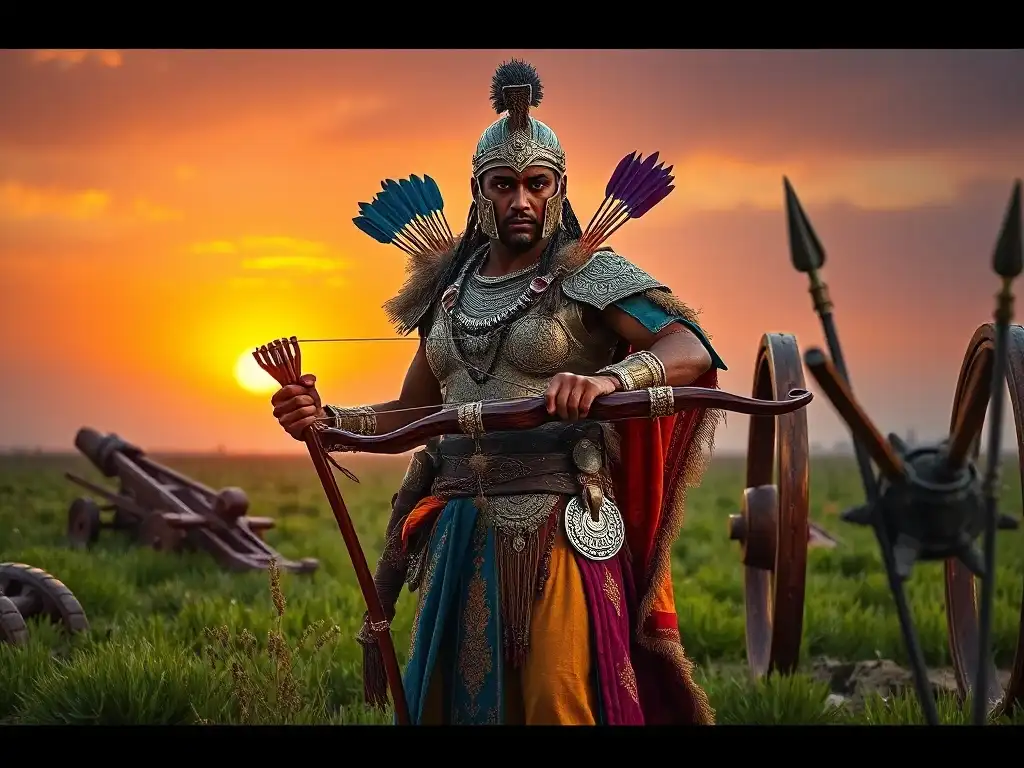
Welcome to Ancient India History, where we embark on an exhilarating journey through time to uncover the rich tapestry of ancient Indian civilizations. From the enigmatic Indus Valley to the illustrious Gupta Empire, each era boasts remarkable contributions that have shaped our world. In our featured article, "Ancient Indian Weaponry: From Bow and Arrow to Advanced Artillery," we delve into the fascinating realm of ancient Indian weaponry techniques.
Discover the innovative strategies and tools that not only defined warfare but also reflected the ingenuity of a culture steeped in tradition. Are you ready to explore the art of combat that once echoed across the vast subcontinent? Join us as we unravel the stories behind these formidable techniques!
- Ancient Indian Weaponry Techniques: An Overview
- Early Weaponry: The Bow and Arrow
- The Rise of Bladed Weapons
- Advanced Artillery in Ancient India
- The Influence of Culture on Weaponry Techniques
- Conclusion: The Legacy of Ancient Indian Weaponry Techniques
- References
-
Frequently Asked Questions
- What were the primary weaponry techniques used in ancient India?
- How did the Indus Valley Civilization contribute to weaponry?
- What role did the Gupta Empire play in the evolution of weaponry?
- Were there any specific tactics associated with ancient Indian warfare?
- How has the study of ancient Indian weaponry techniques influenced modern practices?
- Final Reflection: The Enduring Legacy of Ancient Indian Weaponry Techniques
- Unveil the Legacy of Ancient Indian Weaponry!
Ancient Indian Weaponry Techniques: An Overview
The history of ancient Indian weaponry is as rich and varied as the civilizations that forged them. From the rudimentary tools of the Indus Valley Civilization to the sophisticated arms of the Gupta Empire, ancient Indian weaponry techniques reflect the ingenuity and strategic thinking of their time. These weapons not only played a crucial role in warfare but also in the cultural and political landscapes of ancient India.
This article delves into the significance of these weapons, tracing their evolution and highlighting the technological advancements that shaped ancient Indian warfare. By understanding these techniques, we can gain insight into the martial traditions and historical narratives that have influenced the subcontinent.
Introduction to Ancient Indian Weaponry
Ancient Indian weaponry encompassed a wide range of tools and techniques designed for combat and defense. The arsenal included bladed weapons, projectiles, and artillery, each serving distinct purposes on the battlefield.
- Bladed Weapons: Swords, daggers, and axes were integral to close combat.
- Projectiles: Bows and arrows, slings, and javelins were crucial for ranged attacks.
- Artillery: Techniques evolved to incorporate siege engines and catapults.
The sophistication of these weapons varied significantly over time, influenced by advancements in metallurgy, trade interactions, and military strategies.
Significance of Weaponry in Ancient Indian Warfare
Weaponry in ancient India was not merely a tool for conflict; it was deeply intertwined with the social, cultural, and political fabric of society.
- Symbol of Power: Weapons often served as symbols of power and status among rulers and warriors.
- Cultural Significance: Many weapons were adorned with intricate designs and carvings, reflecting artistic expression and cultural values.
- Military Strategy: The effectiveness of different weaponry techniques influenced military formations and battle strategies.
In many instances, the choice of weapons was guided by the geographical and social context, leading to varied techniques across regions and epochs.
Evolution of Weapons in Ancient India
The evolution of weapons in ancient India can be segmented into several key phases:
- Prehistoric Era: The use of rudimentary stone tools transitioned into bronze weapons, reflecting advances in metallurgy.
- Indus Valley Civilization: Evidence of early weaponry includes copper and bronze tools, alongside pottery depicting combat scenes.
- Vedic Period: The introduction of the bow and arrow became prominent, alongside chariots that revolutionized warfare.
- Mauryan Empire: This period saw the introduction of standardized weapons and organized military strategies.
- Gupta Empire: Marked by technological advancements, including more sophisticated artillery and siege techniques.
The continuous innovation in weaponry not only enhanced military capabilities but also contributed to the rich tapestry of ancient Indian history, showcasing the blend of art, culture, and warfare that defined the subcontinent.
Early Weaponry: The Bow and Arrow
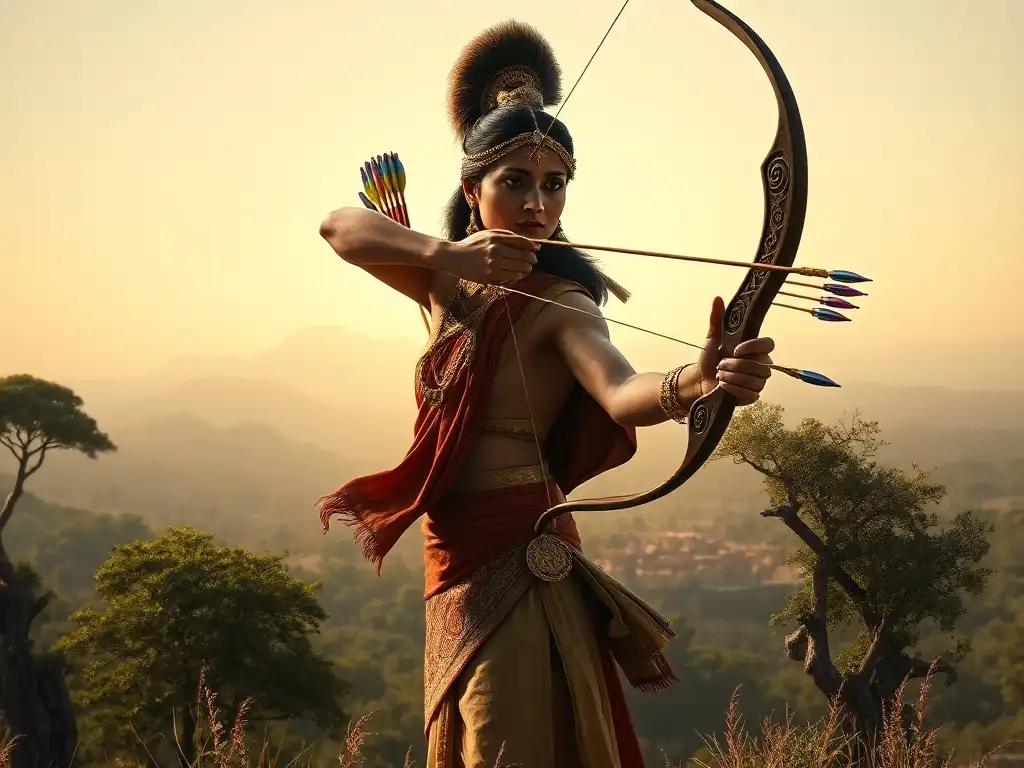
The bow and arrow stand as one of the earliest and most significant innovations in ancient Indian weaponry. They played a crucial role not only in warfare but also in hunting and sport, showcasing the ingenuity of ancient craftsmen and warriors alike. The evolution of these weapons reflects the broader developments in ancient Indian civilization, including advancements in technology, trade, and social organization.
Historical Context of the Bow and Arrow
The bow and arrow have been integral to warfare and hunting since prehistoric times. Evidence from archaeological sites like the Indus Valley Civilization (c. 3300–1300 BCE) indicates that archery was practiced extensively. The depiction of archers in seals and pottery suggests that these weapons were prevalent and highly regarded.
In texts like the Mahabharata and Ramayana, the bow is often depicted as a symbol of power and skill. Legendary figures such as Arjuna and Rama are celebrated for their archery prowess, illustrating the cultural significance of these weapons. The bow and arrow not only served practical purposes but also became emblematic of heroism and valor in ancient Indian narratives.
Construction and Materials Used
The construction of bows and arrows in ancient India involved a variety of materials and techniques, reflecting regional availability and technological expertise.
- Materials:
- Bows: Typically crafted from strong, flexible woods such as bamboo, teak, or other hardwoods. In some cases, composite bows made from a combination of wood, sinew, and horn were used, enhancing their strength and elasticity.
- Strings: The bowstrings were made from animal sinew or plant fibers, providing the necessary tension for effective shooting.
- Arrows: Arrow shafts were usually made from lightweight woods, while arrowheads were fashioned from stone, metal (such as bronze or iron), or bone. The fletching was often made from feathers, which helped stabilize the arrow during flight.
- Construction Techniques:
- Bow Design: The design varied between the simple self-bow and the more complex composite bow, with the latter offering greater power and range.
- Arrow Crafting: Arrows were meticulously crafted, with attention to balance and aerodynamics to ensure precision and effectiveness.
Techniques of Archery in Ancient India
The techniques of archery in ancient India were honed over centuries, emphasizing both skill and strategy.
- Stance and Grip: Archers were trained to maintain a stable stance, with feet shoulder-width apart for balance. The grip on the bow was crucial, allowing for control during the draw and release.
- Drawing and Aiming:
- Draw Technique: The bowstring was drawn back towards the face, ensuring maximum power and accuracy. This technique required significant upper body strength and practice.
- Aiming: Archers utilized various methods to aim, including instinctive shooting and the use of markers or sights for long-range shots.
- Shooting Styles:
- Quick Draw: In battle scenarios, archers often employed rapid shooting techniques to unleash a barrage of arrows, overwhelming enemies.
- Long-range Shots: Skilled archers could shoot accurately over long distances, making them valuable assets in warfare.
- Training and Competitions: Archery was not only a military skill but also a sport. Competitions were held, and training was rigorous, often starting from a young age, instilling discipline and focus in the practitioners.
Overall, the bow and arrow represent a vital aspect of ancient Indian weaponry techniques, showcasing the blend of craftsmanship, skill, and cultural significance in ancient warfare.
The Rise of Bladed Weapons
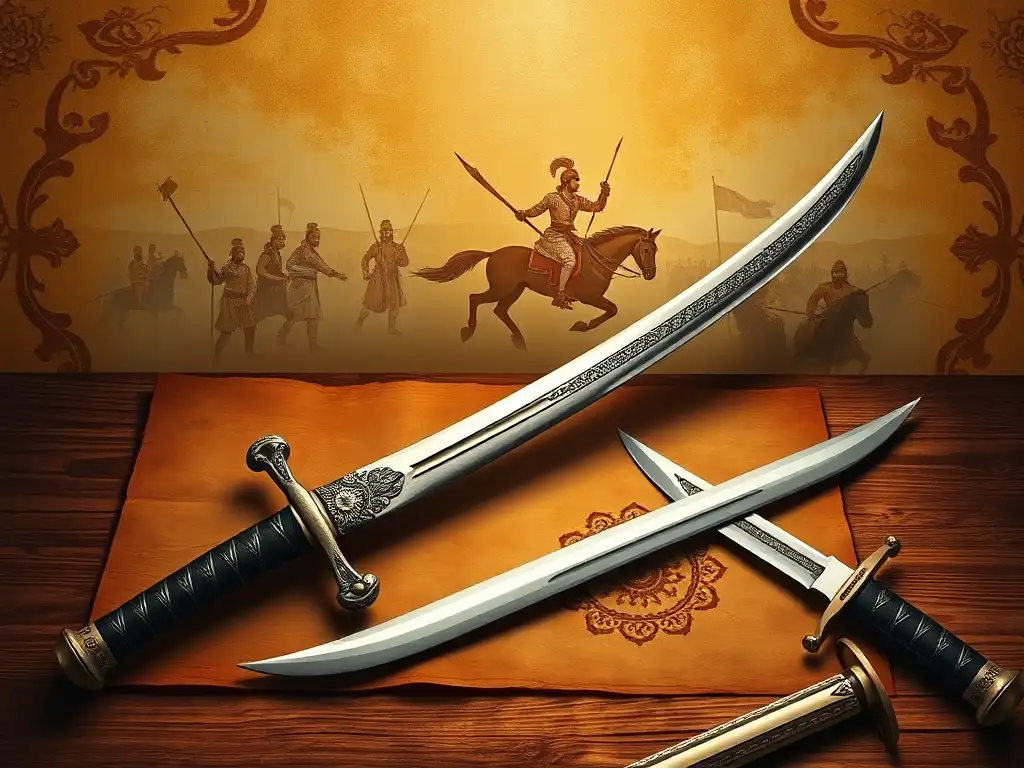
The evolution of bladed weapons marked a significant turning point in ancient Indian warfare, showcasing the ingenuity and craftsmanship of various civilizations. From the early days of simple cutting tools to the sophisticated designs of swords and daggers, the development of these weapons was influenced by a blend of cultural, technological, and tactical factors. The rise of bladed weapons not only transformed the battlefield but also became symbols of power and honor throughout ancient Indian history.
Swords and Daggers: Design and Usage
Swords and daggers were integral to ancient Indian weaponry techniques, serving both practical and ceremonial purposes. The design of these weapons varied widely, often reflecting the region and time period from which they originated.
- Material Composition:
- Early swords were often made from bronze, but by the time of the Iron Age, iron became the dominant material. This not only improved durability but also allowed for more intricate designs.
- For instance, the Kris, a wavy dagger, was not only a weapon but also an art piece, often crafted with intricate patterns and used in rituals.
- Types and Sizes:
- Swords: The Khanda, a double-edged sword, was popular among warriors in Northern India, known for its broad blade and effective cutting power.
- Daggers: The Pata, a gauntlet sword, allowed for unique combat techniques and was commonly used by elite soldiers.
These weapons were not merely tools for combat; they were often symbols of status and skill. Warriors trained rigorously in their use, mastering techniques that emphasized speed, precision, and agility.
The Role of Spears and Polearms
Spears and polearms played a crucial role in ancient Indian military tactics, serving as versatile weapons on the battlefield. Their designs evolved to meet the demands of various fighting styles and tactics.
- Versatility:
- Spears were used both for throwing and hand-to-hand combat, making them essential in different combat scenarios.
- The Bhala, a type of spear, was particularly favored for its reach and effectiveness in both offensive and defensive maneuvers.
- Tactical Applications:
- Polearms, such as the Vajra and Gada, were often employed by infantry and cavalry alike. The Vajra, resembling a multi-pronged spear, was not only a weapon but also a symbol of divine power in Hindu mythology.
- Formation and Strategy:
- Ancient Indian armies often utilized formations that maximized the effectiveness of spears and polearms against cavalry charges, showcasing advanced military tactics that highlighted the importance of these weapons.
The significance of spears and polearms extended beyond their use in combat; they represented the strategic thinking and adaptability of ancient Indian warriors.
Innovations in Bladed Weaponry Techniques
The advancement of bladed weaponry techniques in ancient India was characterized by a blend of craftsmanship, metallurgy, and martial arts. Innovations during various periods led to the development of specialized forms of combat and unique weapon designs.
- Metallurgical Advancements:
- The transition from bronze to high-carbon steel marked a significant leap in weapon quality. Techniques such as Wootz steel production allowed for the creation of exceptionally resilient and sharp blades, which were highly sought after.
- Combat Techniques:
- The Kalaripayattu martial art system, originating from Kerala, emphasized the use of swords and daggers. This ancient practice integrated various techniques focusing on agility, speed, and fluidity of movement, which contributed to the overall effectiveness of bladed weapons.
- Cultural Influences:
- The influence of different cultures, such as Persian and Central Asian styles, led to hybrid designs and techniques. For instance, the Tulwar, with its curved blade, became prominent due to its effectiveness in mounted combat and was influenced by various regional styles.
The innovations in ancient Indian weaponry techniques not only reflect the military sophistication of the time but also the cultural exchanges that shaped the subcontinent's history. These advancements laid the groundwork for subsequent developments in warfare and weapon design, influencing regions far beyond India.
Advanced Artillery in Ancient India
Introduction to Artillery and Siege Weapons
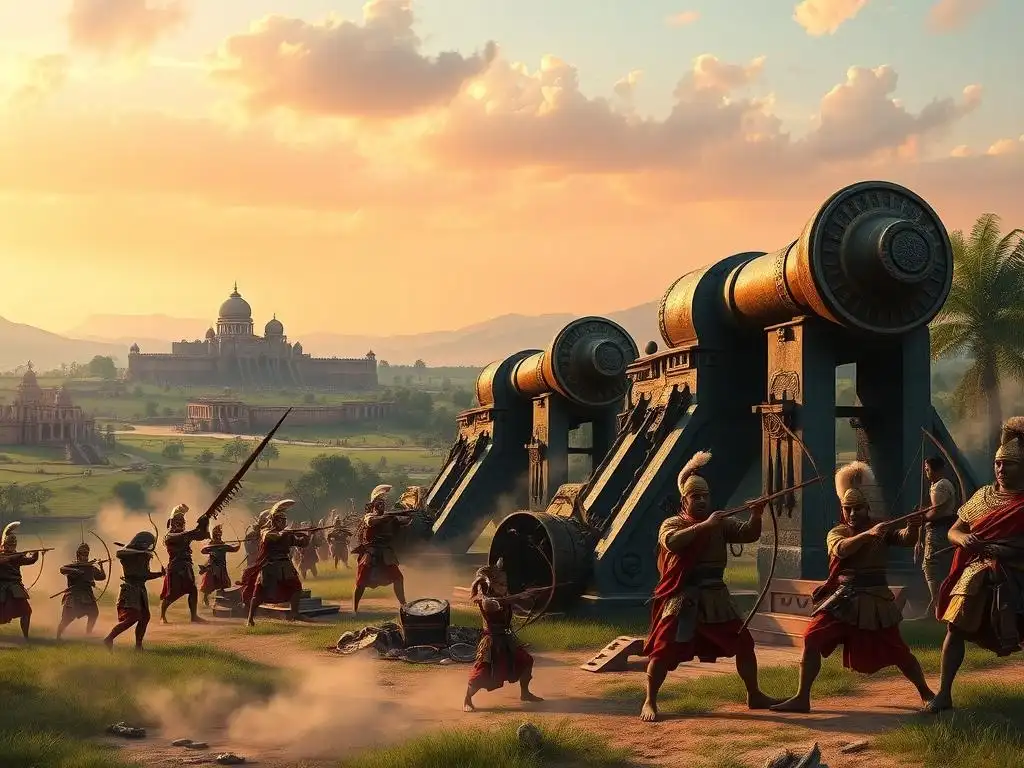
Artillery in ancient India represented a significant evolution in military technology, enhancing the scale and effectiveness of warfare. The introduction of artillery and siege weapons marked a transition from traditional hand-held weapons to more sophisticated mechanisms capable of delivering powerful projectiles over considerable distances. This development not only changed the dynamics of battlefield engagements but also influenced the strategies and outcomes of sieges and open confrontations.
In the context of ancient Indian warfare, artillery was typically used for two primary purposes: to breach fortifications during sieges and to provide support during open battles. Artillery units were often integrated into larger military formations, complementing infantry and cavalry forces. The use of artillery techniques showcased the ingenuity of ancient Indian engineers and the tactical acumen of military leaders.
Types of Artillery Used in Ancient Warfare
Ancient Indian armies employed various types of artillery, each designed for specific tactical roles. The most notable among these were catapults and ballistae, which played crucial roles in both offensive and defensive operations. Below is an overview of these artillery types:
- Catapults
- Ballistae
Catapults: Mechanisms and Impact
Catapults were among the most formidable siege weapons used in ancient India. These devices operated on the principle of tension or torsion and were capable of hurling heavy projectiles, such as stones or incendiary materials, at enemy fortifications.
Mechanisms of Catapults:
- Torsion Catapults: Utilized twisted cords or sinews to store energy, releasing it to propel projectiles.
- Counterweight Catapults: Employed a heavy weight that, when released, swung an arm to launch the projectile.
Impact on Warfare:
- Breach Fortifications: Catapults could cause significant structural damage to walls and towers, facilitating entry during sieges.
- Psychological Warfare: The destructive power of catapults instilled fear in opponents, often leading to surrender without a fight.
The effectiveness of catapults was noted in various historical accounts, particularly during conflicts involving empires such as the Mauryas and Guptas, who utilized these machines to great effect against fortified cities.
Ballistae: Design and Tactical Use
Ballistae, akin to giant crossbows, were another critical component of ancient Indian artillery. These weapons were designed to launch large bolts or stones with high precision and at considerable distances.
Design Features:
- Structure: Ballistae typically featured two arms, a frame, and a mechanism to hold and release the projectile.
- Projectiles: They could launch various projectiles, including wooden bolts and large stones, depending on the tactical requirements.
Tactical Use:
- Support Infantry Attacks: Ballistae provided covering fire for advancing infantry, targeting enemy troops and fortifications.
- Mobile Platforms: Some ballistae were mounted on chariots, allowing for mobility on the battlefield and rapid repositioning as tactical situations evolved.
The deployment of ballistae in ancient battles exemplified the integration of technology into military strategy, showcasing the advanced understanding of mechanics and engineering possessed by ancient Indian civilizations.
Ancient Indian weaponry techniques, especially regarding artillery, highlight the sophistication of military practices and the innovative spirit of ancient Indian engineers. The development and implementation of catapults and ballistae dramatically transformed warfare, influencing tactics and strategies for centuries to come.
The Transition from Handheld Weapons to Artillery
The evolution of weaponry in ancient India marks a significant shift in military strategies and tactics. Initially, warfare predominantly relied on handheld weapons such as swords, spears, and bows. These weapons were effective for close combat, but as battles grew in scale and complexity, the need for greater range and power became apparent.
Historical Context
The earliest civilizations, such as the Indus Valley, utilized simple weaponry that was primarily made from bronze and later iron. As societies advanced, so did their military technologies. By the time of the Mahajanapadas (600-300 BCE), states began to form large armies, necessitating a shift towards more sophisticated weaponry.
Introduction of Artillery
Artillery emerged as a crucial development in ancient Indian warfare. This transition began with the introduction of siege engines and catapults, which allowed armies to strike from a distance. The use of bala (ballista) and yuktas (mangonels) became more common during the Mauryan Empire (322-185 BCE). These devices enabled forces to breach fortified cities and deliver devastating blows to enemy formations.
Tactical Advantages
The transition from handheld weapons to artillery not only increased the lethality of armies but also transformed battlefield tactics. Artillery allowed commanders to engage the enemy from afar, minimizing casualties among their own troops and disrupting enemy formations before close combat ensued. The psychological impact of artillery, with its ability to inflict damage from a distance, also played a significant role in ancient warfare, often demoralizing opponents even before a battle began.
Conclusion
The transition to advanced artillery techniques laid the foundation for future military innovations in ancient India. It reflected a sophisticated understanding of both engineering and warfare, showcasing how the need for efficiency and effectiveness in battle pushed civilizations to innovate. This evolution not only changed the dynamics of warfare but also influenced the course of Indian history, leading to the establishment of powerful empires that wielded these advanced technologies with great skill.
The Influence of Culture on Weaponry Techniques
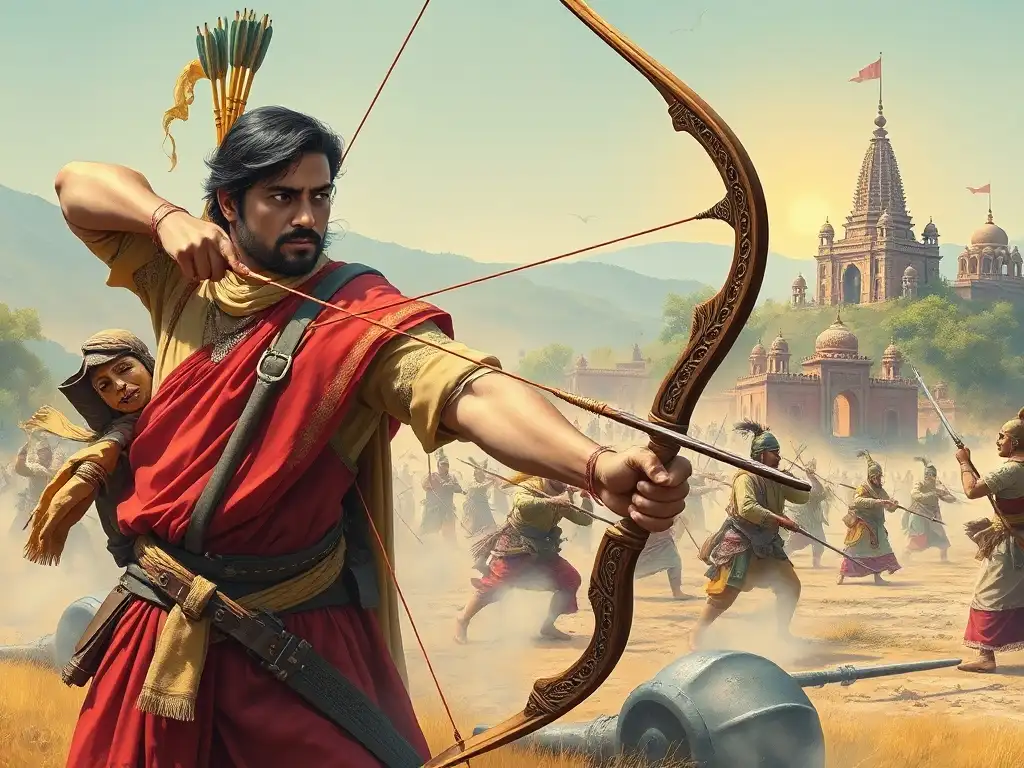
The development and evolution of ancient Indian weaponry techniques were deeply intertwined with the cultural, religious, and social aspects of Indian civilization. This intricate relationship not only influenced the design and usage of weapons but also shaped the very philosophy behind warfare in ancient India.
Religious and Mythological Aspects of Weapons
In ancient India, weapons were not merely tools of war; they were often imbued with religious significance and mythological narratives. The epic texts, such as the Mahabharata and Ramayana, depict various divine weapons, like the Brahmastra, a powerful missile said to be created by the god Brahma. These narratives illustrate how the spiritual beliefs of the time influenced the perception and creation of weapons.
- Divine Weaponry: Many weapons were believed to possess divine attributes. For instance, the Vajra, associated with Indra, symbolized thunder and was considered invincible.
- Symbolism: Weapons often represented righteousness (Dharma) and were used to restore balance in the universe. This belief system justified warfare as a means to uphold moral order.
The integration of these mythological elements into weaponry techniques provided a framework where the act of warfare was seen as a sacred duty, further influencing the strategies and weapons used in battles.
The Role of Warfare in Ancient Indian Society
Warfare played a pivotal role in shaping ancient Indian society, impacting not only military strategies but also social structures and political dynamics. The need for defense against invasions and the expansion of territories necessitated the development of sophisticated weaponry techniques.
- Social Hierarchies: The warrior class, known as Kshatriyas, held a prestigious position in society. Mastery over weapons and combat was essential for their status, fostering a culture of martial training and valor.
- Political Power: The ability to wield advanced weaponry often determined the rise and fall of dynasties. Rulers invested heavily in military technology, from the bows and arrows of the early periods to the catapults and siege engines employed during the Gupta Empire.
Ancient Indian weaponry techniques were thus not only about combat but were also a reflection of the socio-political landscape, with warfare being an integral aspect of maintaining power and control.
Artistic Representations of Weapons in Ancient Texts
The artistic representations of weapons found in various ancient texts provide valuable insights into the weaponry techniques of the time. These texts, which include sculptures, paintings, and literature, serve as significant historical sources.
- Sculptural Evidence: Temples and monuments, such as those at Khajuraho and Ajanta, feature intricate carvings of warriors adorned with various weapons, showcasing the technical prowess and aesthetic values of the time.
- Literary Descriptions: Texts like the Arthashastra by Kautilya detail military strategies, weapon specifications, and warfare tactics, offering a comprehensive view of ancient Indian military science.
These artistic expressions not only highlight the weaponry techniques employed but also reflect the cultural values and beliefs surrounding warfare, making them essential for understanding the broader context of ancient Indian martial practices.
Conclusion: The Legacy of Ancient Indian Weaponry Techniques
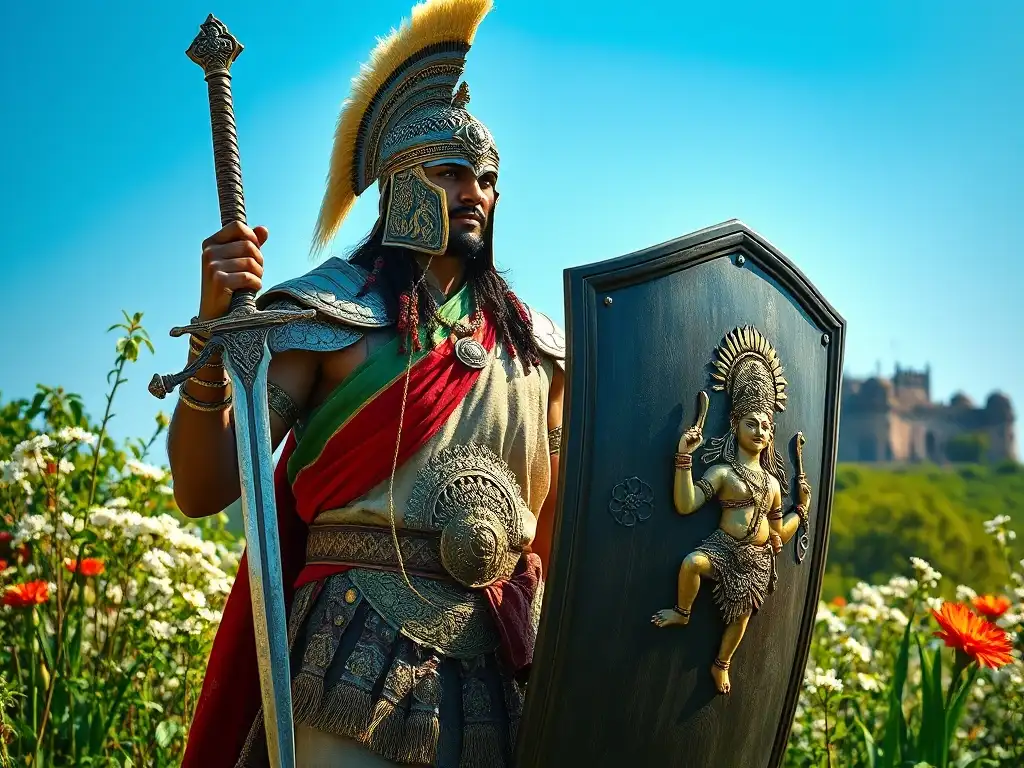
The legacy of ancient Indian weaponry techniques is profound and multifaceted, reflecting the ingenuity and adaptability of early Indian civilizations. From the strategic use of bows and arrows in the Indus Valley to the intricate designs of swords during the Gupta period, these techniques laid the groundwork for not only military practices but also influenced cultural narratives surrounding warfare.
Lasting Impact on Modern Warfare
Ancient Indian weaponry techniques have left an indelible mark on modern warfare, with several concepts and tools finding their way into contemporary military practices. Here are a few key aspects of their impact:
- Archery and its Evolution: The bow and arrow, perfected in ancient India, remains a fundamental weapon in modern archery sports and military training. Techniques developed by ancient archers, emphasizing accuracy and speed, continue to be referenced in training programs.
- Use of Artillery: The advancements in artillery, particularly during the medieval period, can be traced back to ancient Indian innovations. Techniques in crafting and deploying catapults and siege engines were vital during battles, influencing artillery design in later centuries.
- Martial Arts Influence: Ancient Indian martial arts, such as Kalaripayattu and Gatka, were developed alongside weaponry techniques. These practices emphasize agility, strategy, and weapon handling, which have been adapted into modern self-defense and military training.
- Philosophy of Warfare: The strategic doctrines found in texts like the Arthashastra by Kautilya (Chanakya) continue to inform military strategy and political theory worldwide. The blending of ethics, tactics, and diplomacy within these texts showcases a sophisticated understanding of warfare that remains relevant today.
The integration of these ancient techniques into modern military thought underscores the timeless nature of warfare strategies and the enduring legacy of ancient Indian weaponry.
Preservation of Ancient Weaponry Knowledge and Techniques
Preserving the knowledge and techniques of ancient Indian weaponry is crucial for understanding historical martial practices and their applications in contemporary settings. Several efforts have been made to ensure this preservation:
- Archaeological Research: Excavations at sites like Harappa and Mohenjo-Daro have unearthed artifacts such as weapons and tools, providing invaluable insights into ancient weaponry. Ongoing research continues to uncover new findings that enrich our understanding of these techniques.
- Historical Texts and Manuscripts: Ancient texts, including the Mahabharata and various treatises on warfare, document the diverse weaponry techniques and their applications in battle. Scholars are increasingly digitizing and translating these texts to ensure broader access and understanding.
- Cultural Festivals and Demonstrations: Events celebrating ancient Indian martial arts and weaponry, such as reenactments and competitions, help to keep these traditions alive. These festivals not only showcase historical techniques but also foster a greater appreciation for India's martial heritage.
- Educational Programs: Institutions dedicated to the study of ancient Indian history and warfare often include courses on weaponry techniques. These programs aim to educate new generations about the significance of these practices and their relevance in today's world.
The preservation of ancient Indian weaponry techniques is essential not only for historical accuracy but also for appreciating the rich tapestry of Indian military heritage. By understanding these techniques, we can better recognize their influence on both past and present warfare practices.
References
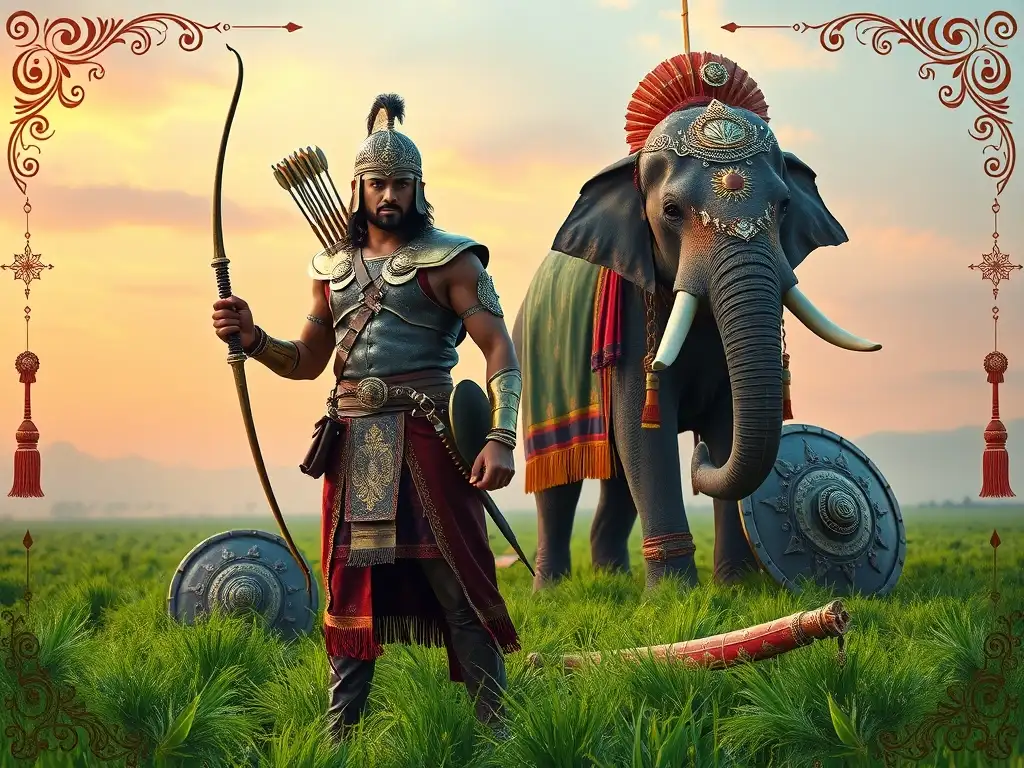
Key Texts and Sources on Ancient Indian Weaponry
Ancient Indian weaponry techniques are documented in a variety of texts that provide insights into the materials, methods, and cultural significance of weapon crafting in India. Below are some key sources that have contributed significantly to our understanding of ancient Indian weaponry:
-
Arthashastra by Kautilya (Chanakya)
A foundational text on statecraft and military strategy, Arthashastra provides detailed descriptions of military organization, weapon types, and warfare tactics prevalent during the Mauryan period. Kautilya emphasizes the importance of intelligence, strategy, and the use of diverse weaponry in warfare.
-
Mahabharata
This epic not only narrates the great war of Kurukshetra but also serves as a repository of ancient Indian martial arts and weaponry. It details various weapons used by the Pandavas and Kauravas, such as the bow and arrow, swords, and the use of supernatural arms.
-
Brahmanas and Upanishads
These ancient texts include references to spiritual and martial practices, often linking the use of certain weapons with rituals and ethics in warfare. They provide context for understanding the philosophical underpinnings of martial techniques.
-
Samarangana Sutradhara by Bhoja
This text, dating back to the 11th century, is an extensive treatise on architecture and military technologies, including descriptions of various weapons and their usage in warfare, reflecting the advanced state of weapon crafting during his reign.
-
Rajatarangini by Kalhana
As a historical chronicle of Kashmir, this text offers insights into the military exploits of various kings, detailing battles and the weaponry employed. It serves as a crucial source for understanding regional variations in weaponry.
-
Kshatriya Texts
Various texts dedicated to the warrior class (Kshatriyas) detail the principles of warfare, including training in weaponry. These works illustrate the cultural significance of weapons and the warrior ethos in ancient Indian society.
Suggested Further Reading on Military History of Ancient India
To deepen your understanding of ancient Indian weaponry techniques and military history, the following texts are recommended:
-
The Art of War in Ancient India by R. N. Sharma
This book explores the strategic principles and military doctrines that shaped ancient Indian warfare, providing contextual analysis of weaponry within broader military practices.
-
Warfare in Ancient India: A Historical Perspective by Upinder Singh
Offering a comprehensive overview of military strategies, this text examines the evolution of weaponry and tactics from early civilizations to the Gupta Empire, highlighting significant battles and their outcomes.
-
Ancient Indian Armor and Weapons by J. C. Harle
This work focuses specifically on the various forms of armor and weaponry used throughout ancient India, documenting styles, materials, and craftsmanship.
-
The Indian Military Tradition: From Ancient to Modern Times by K. A. Venkatachalam
This book traces the continuity and changes in military practices across different periods of Indian history, emphasizing the significance of ancient weaponry in shaping military traditions.
-
A History of Indian Warfare by Brigadier K. S. Rao
A thorough survey of the evolution of warfare in India, this text discusses the impact of geography, culture, and technology on military practices, including detailed sections on weaponry.
These texts provide valuable insights and a deeper understanding of the complexities and innovations in ancient Indian weaponry techniques, contributing to the broader narrative of military history in India.
Frequently Asked Questions
What were the primary weaponry techniques used in ancient India?
Ancient India utilized a variety of weaponry techniques, including the bow and arrow, swordsmanship, and spear throwing. These techniques were foundational in warfare and hunting.
How did the Indus Valley Civilization contribute to weaponry?
The Indus Valley Civilization showcased early metalworking techniques, producing copper and bronze weapons. This laid the groundwork for more advanced weaponry in subsequent cultures.
What role did the Gupta Empire play in the evolution of weaponry?
The Gupta Empire is known for its advancements in military technologies and strategies, including the development of advanced artillery like catapults and siege engines.
Were there any specific tactics associated with ancient Indian warfare?
Yes, ancient Indian warfare involved specific tactics such as flanking maneuvers and the use of elephants, which were significant in both battle formations and as a source of intimidation.
How has the study of ancient Indian weaponry techniques influenced modern practices?
The study of ancient Indian weaponry techniques has influenced modern military strategies and martial arts, emphasizing the importance of skill, discipline, and the integration of various weaponry forms.
Final Reflection: The Enduring Legacy of Ancient Indian Weaponry Techniques
The exploration of ancient Indian weaponry techniques reveals not only the ingenuity of past civilizations but also their profound influence on modern warfare and cultural identity. As we delve into the intricacies of these weapons, we uncover a narrative that transcends time, highlighting the remarkable craftsmanship and strategic thinking that shaped the battles of yore. The legacy of these techniques continues to resonate today, reminding us of the importance of innovation in the face of conflict.
The impact of ancient Indian weaponry extends far beyond the battlefield; it has woven itself into the very fabric of our cultural and social landscape. From epic tales of valor in the Mahabharata to the intricate designs of traditional weaponry displayed in museums, these artifacts serve as a testament to the rich history and artistry of our ancestors. Weapons are a reflection of the culture that creates them; they tell stories of the people who wielded them.
This ongoing dialogue between the past and present invites us to appreciate the significance of these techniques in shaping our identity and understanding of conflict.
As we reflect on the lessons embedded within ancient Indian weaponry techniques, let us consider how they can inspire us in our own lives. How can we harness the spirit of innovation and resilience that these weapons symbolize? I encourage you to explore the stories behind these techniques and apply their principles of strategy, creativity, and adaptability to your own challenges. In doing so, we honor the legacy of our ancestors while forging a path toward a more enlightened future.
Unveil the Legacy of Ancient Indian Weaponry!
Thank you for exploring the fascinating world of ancient Indian weaponry with us! Your engagement reveals a deep appreciation for the rich history and craftsmanship that shaped India’s martial traditions. Now, it’s time to take action and dive deeper into this captivating subject.
Here’s how you can further immerse yourself in the legacy of ancient weaponry:
- Explore replicas of ancient weapons at local museums or online shops to appreciate their design and functionality.
- Join discussion forums focused on ancient weaponry to share insights and connect with fellow enthusiasts.
- Try your hand at archery by signing up for a local class to experience firsthand the skill and technique behind using a bow and arrow.
As you reflect on this journey, consider this question: How do you think the evolution of weaponry influenced the cultural and societal changes in ancient India?