
Lessons from Ancient Indian Trade: Sustainability in Modern Practices

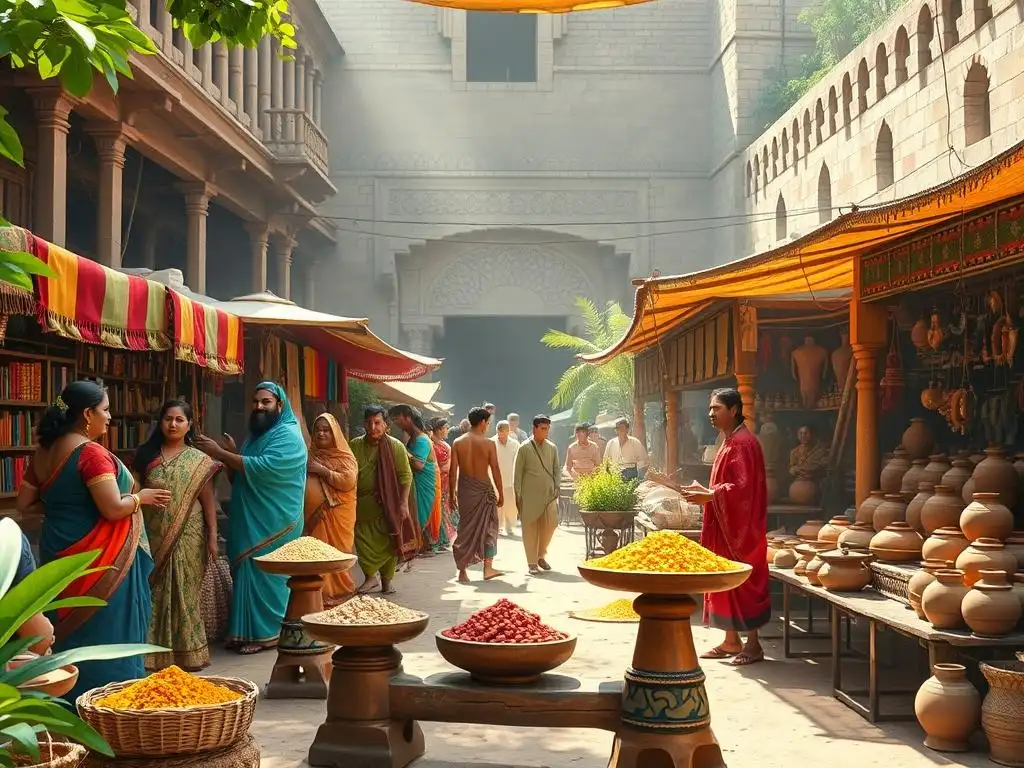
Welcome to Ancient India History, where we embark on an enlightening journey through the rich tapestry of India's past. As we delve into the fascinating world of ancient Indian trade practices, discover how these age-old customs not only shaped economies but also laid the groundwork for sustainable practices that resonate even today. What secrets might these ancient civilizations hold that can inspire our modern economy? Join us as we unpack the lessons from the past, exploring the intricate connections between trade, culture, and sustainability. Your adventure into the depths of ancient wisdom begins now!
- Introduction to Ancient Indian Trade Practices
- Major Trade Routes of Ancient India
- Key Commodities in Ancient Indian Trade Practices
- Lessons from Ancient Indian Trade Practices
- Comparison: Ancient Indian Trade Practices vs. Modern Sustainable Practices
- Case Studies: Successful Ancient Indian Trade Practices
- Conclusion: Integrating Ancient Wisdom into Modern Trade
- Frequently Asked Questions
- Final Reflection: Embracing Ancient Wisdom for a Sustainable Future
- Unveil the Secrets to Sustainable Living!
Introduction to Ancient Indian Trade Practices
Ancient Indian trade practices have long been a cornerstone of the subcontinent's economic and cultural development. Spanning from the early days of the Indus Valley Civilization to the flourishing trade networks during the Gupta Empire, these practices not only facilitated the exchange of goods but also fostered rich cultural interactions and technological advancements.
As we delve into the lessons derived from ancient Indian trade, we uncover sustainable practices that have the potential to inform modern economic strategies, emphasizing the significance of trade routes, methods, and relationships established centuries ago. This exploration not only highlights the ingenuity of ancient Indian traders but also underscores the relevance of their practices in today's context of sustainable development and economic resilience.
Overview of Ancient Indian Trade
The history of ancient Indian trade is characterized by a diverse array of goods, routes, and cultural exchanges. India was strategically located at the crossroads of several major trade routes, including the renowned Silk Road, which connected the East and West. Key commodities traded included:
- Spices: India was famed for its spices such as black pepper, cardamom, and cinnamon, which were highly sought after in global markets.
- Textiles: Cotton and silk textiles, especially those produced in regions like Gujarat and Bengal, were prized for their quality and intricate designs.
- Metals: Gold, silver, and iron were extensively traded, with Indian artisans known for their exceptional metalwork.
- Jewelry: Precious stones and jewelry, particularly from regions like Rajasthan, attracted traders from far and wide.
Trade was conducted through various means, including:
- Overland Routes: Caravans traveled along established paths connecting India to Central Asia and beyond.
- Maritime Trade: Indian ports facilitated extensive trade with distant lands, including Africa, the Middle East, and Southeast Asia.
This intricate web of trade not only enriched the economy but also contributed to the spread of ideas, religions, and technologies.
Importance of Trade in Ancient Indian Civilization
Trade played a vital role in shaping the sociopolitical and economic landscape of ancient India. Its importance can be understood through several key aspects:
- Economic Growth: Trade led to wealth accumulation in various regions, which in turn fueled urbanization and the rise of powerful city-states.
- Cultural Exchange: The interactions between traders from different cultures led to the exchange of ideas, religions, and art forms, significantly influencing Indian society.
- Technological Advancements: The demand for efficient trade practices spurred innovations in navigation, shipbuilding, and the development of trade-related infrastructure.
- Political Alliances: Trade often necessitated diplomatic relations, prompting alliances between kingdoms and fostering a sense of unity among diverse regions.
Ancient Indian trade practices were not merely economic transactions but integral components of a complex system that fostered innovation, cultural richness, and sustainability—lessons that resonate with modern practices today.
Major Trade Routes of Ancient India
The Silk Road and Its Influence on Indian Trade
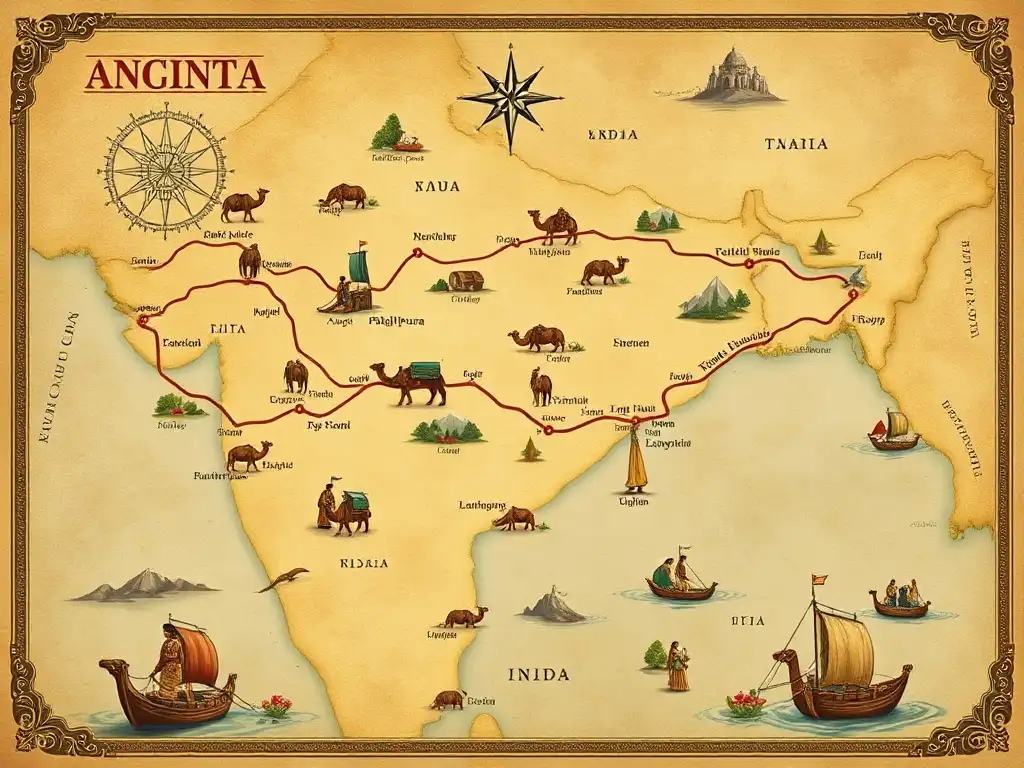
The Silk Road, a network of trade routes that connected the East and West, significantly influenced ancient Indian trade practices. Spanning over 4,000 miles, the Silk Road facilitated not only the exchange of goods but also the sharing of culture, ideas, and technologies.
Key Aspects of the Silk Road's Influence:
- Cultural Exchange: Indian merchants played a crucial role in the diffusion of cultural and religious ideas along the Silk Road. Buddhism, for instance, spread from India into Central Asia and beyond, aided by trade interactions.
- Goods Traded: Indian commodities such as spices, textiles, gemstones, and fine crafts became highly sought after in foreign markets. The demand for Indian silk and cotton textiles in regions like Persia and Rome highlights the importance of these trade routes.
- Economic Impact: The influx of wealth from Silk Road trade contributed to the prosperity of Indian kingdoms. Cities along the trade route, like Taxila and Pataliputra, flourished as centers of commerce and culture.
The legacy of the Silk Road remains evident in the ways modern economies view trade as a means to foster cross-cultural relationships and economic development.
Maritime Trade Routes and Their Significance
Maritime trade routes were pivotal in connecting ancient India with distant lands, enhancing its role in global commerce. These sea routes facilitated trade with regions such as Southeast Asia, the Middle East, and East Africa.
Significant Maritime Trade Routes:
- The Indian Ocean Trade Network: This expansive network linked India to various civilizations. Indian ships, known as "dhows," were instrumental in transporting goods across the ocean, navigating using monsoon winds.
- Trade Goods: Key exports included spices (like black pepper), textiles (cotton and silk), and precious stones. In exchange, India imported metals, glassware, and luxury items from distant lands.
- Cultural Interactions: Maritime routes also enabled exchanges in culture, language, and religion. The spread of Hinduism and Buddhism to Southeast Asia was facilitated by traders who settled in these regions.
By understanding the significance of maritime trade routes, modern practitioners can draw lessons on sustainability and global collaboration in trade practices.
Key Cities and Ports in Ancient Indian Trade
Several cities and ports became vital hubs in ancient Indian trade, serving as gateways for commerce and cultural exchanges.
| City/Port | Significance | Trade Goods |
|---|---|---|
| Taxila | A major center for trade and education | Textiles, spices, and knowledge |
| Pataliputra | Capital of the Mauryan Empire, thriving trade hub | Spices, metalworks, and crafts |
| Kochi | Key port on the southwestern coast | Spices, especially pepper |
| Lothal | Important Indus Valley port, linked to maritime trade | Cotton textiles and beads |
These cities not only facilitated economic transactions but also became melting pots of diverse cultures and communities. The infrastructure that supported trade—such as roads, ports, and markets—demonstrates an advanced understanding of economic systems and urban planning.
The ancient Indian trade practices along major routes like the Silk Road and maritime paths reveal a complex network of interactions that shaped the economy and culture of the region. The lessons learned from these practices continue to resonate in modern trade strategies focused on sustainability and inclusivity.
Key Commodities in Ancient Indian Trade Practices
Spices: The Gold of Ancient Indian Trade
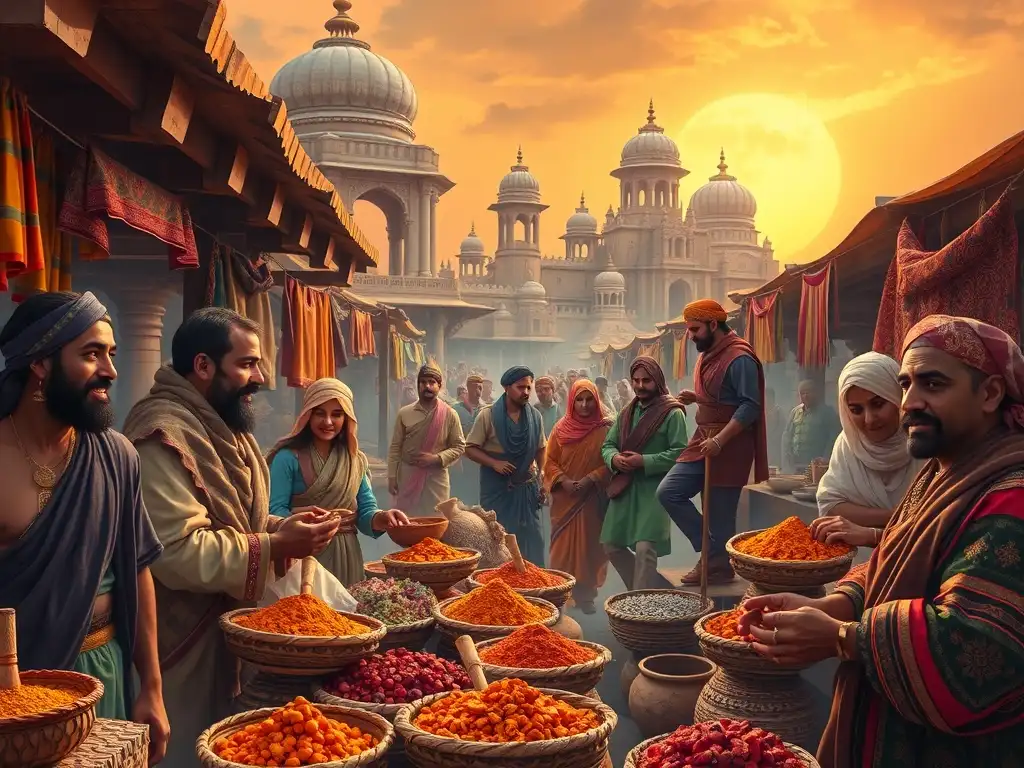
Spices were among the most sought-after commodities in ancient Indian trade practices, earning India the moniker "the land of spices." The significance of spices transcended mere culinary use; they held immense economic and cultural value. Notable spices traded included black pepper, cardamom, cinnamon, turmeric, and cloves, all of which were highly prized for their flavor, medicinal properties, and preservation qualities.
The spice trade flourished particularly during the early centuries CE, where bustling markets along the western coast, such as those in present-day Kerala, became pivotal trade hubs. Traders from various regions, including the Mediterranean, Persia, and Southeast Asia, flocked to Indian ports, creating a vibrant exchange system.
The economic impact of spices was profound. For instance, black pepper, often referred to as "black gold," was so valuable that it was used as currency in some transactions. The high demand for spices not only enriched Indian merchants but also led to the establishment of extensive trade networks, linking India to distant lands.
Moreover, spices played a crucial role in cultural exchanges, influencing cuisines, medicinal practices, and even religious rituals across different civilizations. The legacy of this trade continues today, as many of these spices remain integral to global cuisine and health practices.
Textiles: Weaving Prosperity in Trade
Textiles were another cornerstone of ancient Indian trade practices, showcasing the country's rich craftsmanship and artistic heritage. Indian textiles, particularly cotton and silk, were renowned for their quality, intricate designs, and vibrant colors. The production of textiles can be traced back to the Indus Valley Civilization, where evidence of cotton weaving has been found in archaeological sites.
During the Gupta Empire (approximately 320-550 CE), the textile industry flourished, leading to the growth of trade routes that connected India with regions as far as China, Persia, and the Roman Empire. The famous trade cities of Varanasi and Ahmedabad became important centers for textile production, exporting finely woven silk and cotton fabrics.
The economic significance of textiles cannot be overstated, as they contributed substantially to the wealth of ancient India. The global demand for Indian textiles led to the establishment of a robust export market, where items like muslin and brocade were highly sought after.
Cultural exchanges through textiles also played a significant role, as patterns and techniques traveled across borders, influencing local craftsmanship. Today, the legacy of ancient Indian textiles continues, as modern practices often draw inspiration from these age-old techniques and designs.
Gems and Jewelry: A Symbol of Wealth and Trade
Gems and jewelry have always held a special place in the cultural and economic fabric of ancient Indian trade practices. India was famous for its wealth of precious stones, including diamonds, emeralds, rubies, and sapphires. The country's expertise in gem cutting and jewelry making attracted traders from around the world, solidifying its place as a central hub in the global gem trade.
Historical records indicate that the diamond trade in India dates back to at least the 4th century BCE, with the Golconda region being particularly famous for its diamond mines. These gems were not only valued for their beauty but were also seen as symbols of status and wealth, often adorning the royalty and elite of various civilizations.
The trade of gems and jewelry facilitated significant economic interactions with neighboring regions, including the Middle East and Southeast Asia. As a result, Indian craftsmanship influenced jewelry styles and techniques in other cultures, creating a rich tapestry of artistic exchange.
Furthermore, the spiritual significance of gems in ancient Indian culture added another layer to their value. Many believed that certain stones held protective or healing properties, which further fueled their demand in both domestic and international markets.
The ancient Indian trade practices surrounding spices, textiles, and gems not only enhanced economic prosperity but also fostered cultural exchange, leaving an indelible mark on the global trade landscape that continues to resonate today.
Lessons from Ancient Indian Trade Practices
Sustainability in Resource Management
Ancient Indian trade practices were deeply rooted in sustainable resource management, a principle that resonates with modern ecological needs. The Indus Valley Civilization, known for its advanced urban planning and water management systems, provides a prime example. The civilization effectively utilized the Indus River for irrigation and agriculture, ensuring that trade goods were produced without depleting natural resources.
Key Aspects of Resource Management:
- Crop Rotation: Farmers practiced crop rotation, which enhanced soil fertility and reduced the need for chemical fertilizers.
- Water Conservation: Techniques such as rainwater harvesting and well-managed irrigation systems minimized water wastage.
- Sustainable Sourcing: Trade items, such as textiles and spices, were sourced in a manner that did not exhaust local resources, promoting long-term ecological balance.
These practices remind us that sustainability is not merely a modern concept; it has historical roots that can guide today's agricultural and trade strategies.
Ethical Trading Practices and Their Relevance Today
Ethics played a crucial role in ancient Indian trade practices. Merchants adhered to a code of conduct that emphasized fairness, honesty, and respect for all parties involved. The ancient texts, such as the Arthashastra, outline the principles of ethical trading, focusing on the importance of maintaining relationships and trust among traders.
Principles of Ethical Trading:
- Fair Pricing: Merchants were encouraged to set prices that reflected the true value of goods, ensuring that both buyers and sellers benefited.
- Transparency: Clear communication about product quality and sourcing was essential to foster trust.
- Respect for Cultural Practices: Traders were expected to be aware of and respect local customs and practices, which helped in building strong trade networks.
In today's global economy, these ethical trading principles remain relevant as businesses strive to create fair trade practices that benefit all stakeholders, including producers, consumers, and the environment.
Community Involvement in Trade
Community involvement was a cornerstone of ancient Indian trade practices. Local communities played a vital role in not only producing goods but also in the trading process. This collaborative approach fostered social cohesion and economic resilience.
Community Trade Dynamics:
- Cooperatives: Local artisans and farmers often banded together to form cooperatives, pooling resources and sharing profits, which ensured a sustainable economic model.
- Cultural Exchange: Trade routes facilitated the exchange of ideas and cultural practices, enriching local communities and promoting diversity.
- Local Markets: Regular markets provided a space for community members to trade goods and services, supporting local economies and reducing reliance on distant trade networks.
The involvement of communities in trade illustrates the importance of collective effort and social responsibility, principles that modern businesses are increasingly recognizing as vital for sustainable development. By learning from these ancient practices, contemporary trade can foster more resilient and inclusive economic systems.
Comparison: Ancient Indian Trade Practices vs. Modern Sustainable Practices
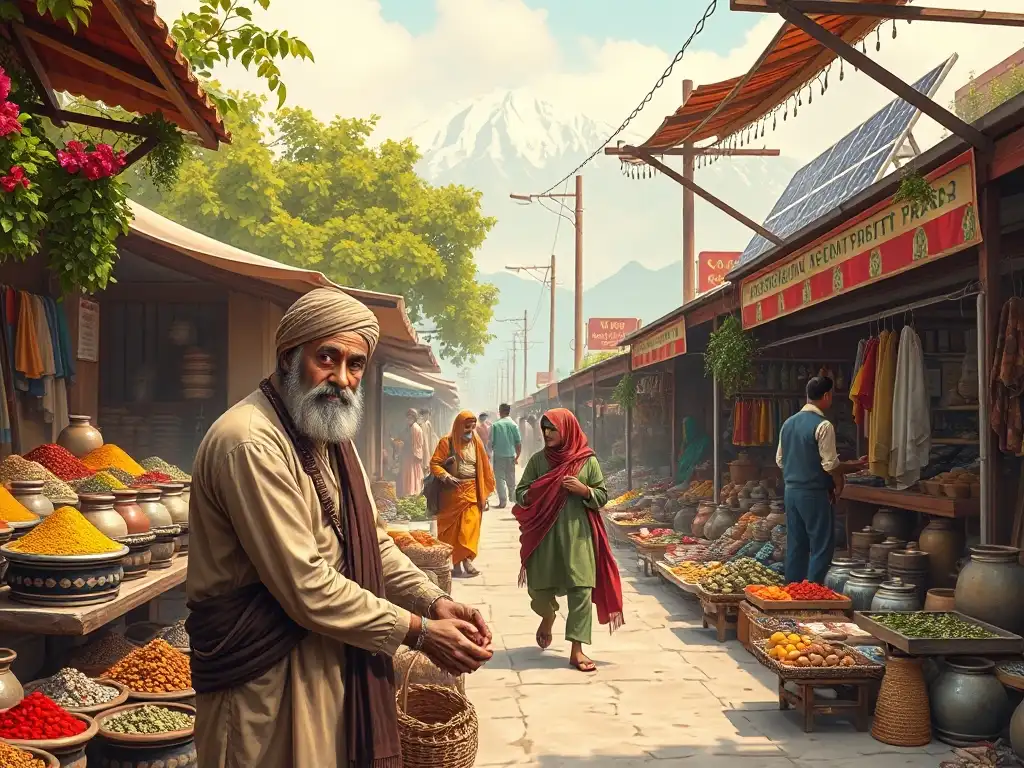
Similarities in Ethical Standards
Ancient Indian trade practices were deeply intertwined with ethical considerations, often guided by a set of moral principles that prioritized fairness and mutual benefit. The concept of Dharma, or moral duty, played a crucial role in shaping the behavior of traders. For instance, merchants adhered to truthful practices and were expected to provide quality goods, ensuring that both parties in a transaction were satisfied.
In modern sustainable practices, ethical standards continue to be a focal point. Businesses are increasingly adopting principles of corporate social responsibility (CSR), which emphasize transparency, fairness, and ethical sourcing. The Fair Trade movement exemplifies this approach, aiming to create equitable trading partnerships that empower producers in developing countries. In both contexts, the adherence to ethical standards fosters trust and contributes to sustainable economic practices.
Differences in Resource Utilization
The resource utilization strategies of ancient Indian trade practices differ significantly from modern sustainable practices. Ancient traders primarily relied on locally sourced materials and sustainable methods, as seen in the production of textiles, spices, and handicrafts. For example, the Indus Valley Civilization was known for its advanced urban planning and efficient use of local resources, minimizing waste and utilizing materials that were readily available within the region.
In contrast, modern trade often involves global supply chains that can lead to resource depletion and environmental degradation. While many contemporary businesses are shifting towards sustainable practices—such as using recycled materials or renewable energy sources—there remains a substantial challenge in balancing efficiency with sustainability. The modern approach often emphasizes circular economy principles, aiming to reduce waste and promote the reuse of resources, a concept that resonates with the practices of ancient traders who intuitively understood the importance of resource conservation.
The Role of Technology in Modern Trade
Technology has transformed modern trade practices, creating efficiencies that were unimaginable in ancient times. Ancient Indian trade relied on rudimentary methods such as barter systems and overland trading routes, like the Silk Road, which connected India to various regions across Asia and beyond. Traders navigated these routes using simple tools and their understanding of geography and weather patterns.
In contrast, today's trade leverages advanced technologies such as e-commerce, blockchain, and data analytics to streamline operations and enhance transparency. For example, blockchain technology allows for more secure and traceable transactions, ensuring that the origins of products are clear and ethical. Additionally, modern logistics systems, powered by AI and machine learning, optimize supply chains in real-time, reducing costs and waste.
While ancient Indian traders demonstrated remarkable ingenuity in their time, the current landscape of trade benefits from technological advancements that can further promote sustainability. By integrating these technologies with the ethical practices rooted in ancient Indian trade, modern businesses can strive to create a more sustainable and equitable global trading system.
Case Studies: Successful Ancient Indian Trade Practices

The Indus Valley Civilization and Trade Innovations
The Indus Valley Civilization (IVC), flourishing around 2500 BCE, is renowned for its advanced urban planning and sophisticated trade practices. Located in what is now modern-day Pakistan and northwest India, the IVC had a highly organized economic system that relied on both local and long-distance trade.
- Trade Networks: The IVC established trade links with neighboring regions, including Mesopotamia, Central Asia, and the Arabian Peninsula. Evidence of trade routes has been uncovered, demonstrating the exchange of goods like textiles, beads, and pottery.
- Standardized Weights and Measures: One of the most remarkable innovations of the IVC was the use of standardized weights and measures. This system facilitated fair trade and ensured consistency across transactions, laying a foundation for future economic systems.
- Maritime Trade: The civilization also engaged in maritime trade through the port city of Lothal, which featured a dockyard that connected them to distant markets. Archaeological findings indicate that goods such as cotton textiles and jewelry were exported, while raw materials like copper and ivory were imported.
- Cultural Exchange: Trade was not solely an economic activity; it also fostered cultural exchange. Artifacts from the IVC, such as seals and pottery, reveal influences from other cultures, showcasing the interconnectedness of ancient civilizations.
Gupta Empire: A Hub of Trade and Commerce
The Gupta Empire (circa 320 to 550 CE) is often referred to as the Golden Age of India, marked by significant advancements in arts, science, and trade. Its strategic position and flourishing economy made it a central hub for both domestic and international trade.
- Major Trade Routes: The empire was strategically located along important trade routes, connecting the Indian subcontinent to regions such as Southeast Asia and the Mediterranean. The famous Silk Road facilitated the exchange of silk, spices, and precious stones, positioning India as a vital player in global trade.
- Coinage and Economy: The Guptas introduced standardized coinage, which simplified transactions and stimulated trade. The use of gold and silver coins helped establish a stable economy, encouraging merchants to engage in trade both locally and internationally.
- Cultural and Intellectual Exchange: The trade networks during the Gupta period were not just limited to goods. Scholars, artists, and philosophers traveled along these routes, leading to a rich exchange of ideas and cultural practices. This period saw the rise of significant advancements in mathematics, astronomy, and medicine, influenced by interactions with various cultures.
- Sustainable Practices: Notably, the Gupta Empire also emphasized sustainable trade practices. The reliance on local resources and the promotion of crafts and artisans helped maintain ecological balance and community welfare.
Lessons Learned from Historical Trade Practices
The examination of ancient Indian trade practices offers invaluable insights into sustainable economic strategies that can be applied in modern contexts. Here are some key lessons:
- Standardization Leads to Fair Trade: The use of standardized weights and measures in the IVC exemplifies how establishing uniformity fosters trust and fairness in economic transactions. Modern businesses can adopt similar standards to enhance transparency.
- Diversification of Trade Routes: The Gupta Empire's strategic use of various trade networks illustrates the importance of diversification. Expanding trade channels can mitigate risks associated with market fluctuations and geopolitical tensions.
- Cultural Exchange as a Catalyst for Innovation: The cultural interactions facilitated by trade underscore the importance of open-mindedness and collaboration. Modern economies can benefit from embracing diversity and learning from different cultural perspectives to drive innovation.
- Sustainability through Local Resources: The emphasis on utilizing local resources, as seen in both the IVC and Gupta periods, highlights the need for sustainable practices today. Encouraging local production not only supports community economies but also reduces environmental impact.
By reflecting on these ancient practices, contemporary societies can glean strategies that promote sustainability and economic resilience in an increasingly interconnected world.
Conclusion: Integrating Ancient Wisdom into Modern Trade
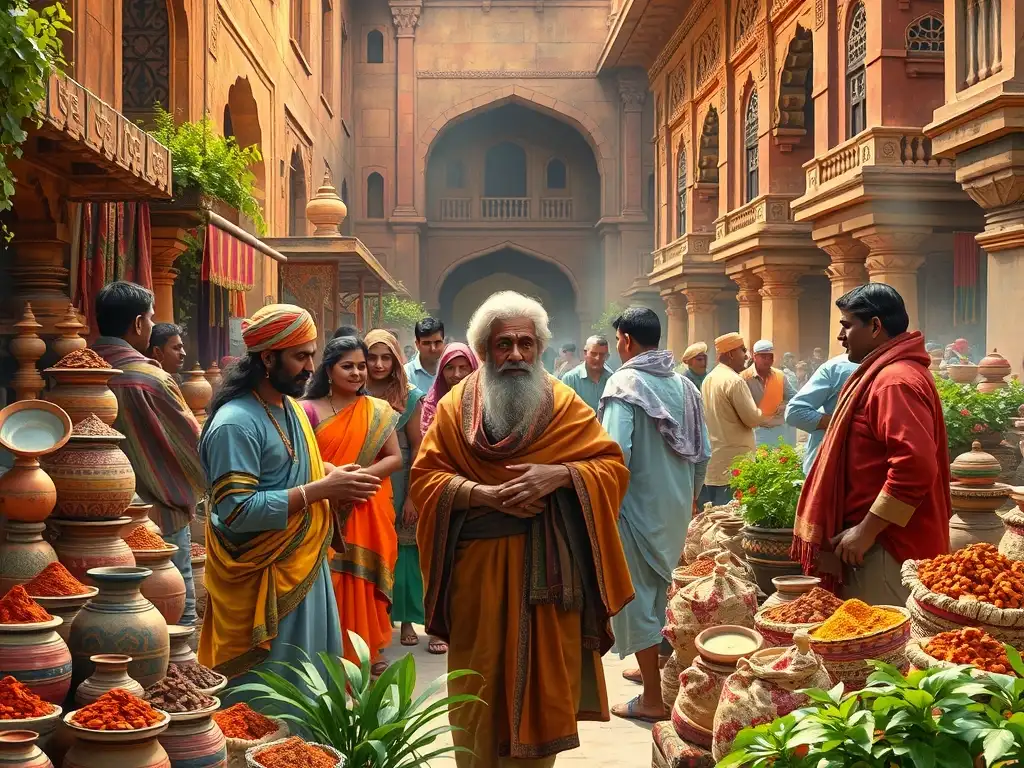
The lessons learned from ancient Indian trade practices provide valuable insights for contemporary economic strategies. Ancient India was not only a hub of commerce, but also a pioneer in sustainable practices that can be adapted and integrated into today's trade systems. From the bustling markets of the Indus Valley Civilization to the thriving trade routes of the Gupta Empire, the principles of sustainability are woven into the fabric of ancient Indian commerce.
The Future of Sustainable Practices in Trade
As we move towards a more interconnected global economy, the sustainability lessons from ancient Indian trade practices can guide modern trade policies. Key elements include:
- Resource Management: Ancient traders understood the importance of utilizing local resources efficiently. For instance, the use of natural dyes and locally sourced materials minimized environmental impact. Modern businesses can adopt similar practices by prioritizing sustainable sourcing and reducing waste.
- Cultural Exchange: The trade routes facilitated not just the exchange of goods but also ideas and innovations. By fostering cultural diversity and collaboration, modern trade can enhance creativity and lead to more sustainable solutions.
- Community Engagement: Ancient trade practices often involved local communities in the economic process, ensuring that benefits were distributed equitably. Current trade practices should similarly focus on community involvement, creating fair trade partnerships that empower local populations.
- Adaptation and Resilience: Ancient Indian traders were adept at adapting to changing circumstances, whether due to climate or political shifts. This resilience is crucial in today's rapidly changing economic climate, where businesses must be agile and responsive to change.
These principles can foster a sustainable future in trade, ensuring that modern practices are not only profitable but also environmentally and socially responsible.
Final Thoughts on Ancient Indian Trade and Its Modern Relevance
The rich tapestry of ancient Indian trade practices offers timeless wisdom that is increasingly relevant in today's context. By studying the intricacies of ancient Indian trade routes—such as the Silk Road and maritime routes—modern economies can glean insights into sustainable practices that prioritize ecological balance and social equity.
The exploration of ancient Indian trade practices is not just a historical endeavor; it is a pathway to developing sustainable trade models that respect both people and the planet. As we integrate these ancient teachings into our modern frameworks, we pave the way for a more sustainable and equitable global trade system. The legacy of ancient Indian trade serves as a reminder that economic success can coexist with environmental stewardship and social responsibility.
Frequently Asked Questions
What were some key ancient Indian trade practices?
Ancient Indian trade practices included extensive maritime trade, the use of trade routes like the Silk Road, and barter systems that facilitated exchange among various cultures.
How did ancient Indian trade contribute to cultural exchange?
The trade routes enabled a cross-pollination of ideas, art, and technology, fostering rich cultural exchanges between India and other civilizations, including Greece and Persia.
What role did sustainability play in ancient Indian trade?
Ancient Indian traders often practiced sustainable methods, such as using local resources and promoting eco-friendly practices, which can inform modern sustainable trade approaches.
How can we learn from ancient Indian trade for modern practices?
By studying ancient Indian trade, we can adopt strategies that enhance sustainability, prioritize ethical sourcing, and promote fair trade practices in today’s economy.
What was the impact of the Gupta Empire on trade?
The Gupta Empire significantly boosted trade through improved infrastructure, such as roads and ports, leading to increased economic prosperity and cultural richness that influenced later trade practices.
Final Reflection: Embracing Ancient Wisdom for a Sustainable Future
The lessons drawn from ancient Indian trade practices resonate profoundly in today's world, where sustainability is not just a choice but a necessity. As we grapple with the consequences of modern consumption and environmental degradation, the insights from these age-old practices remind us that sustainability is not a new concept; it has been woven into the fabric of human civilization for centuries. The principles of reciprocity, respect for resources, and community engagement that characterized ancient Indian trade offer a blueprint for a more harmonious relationship with our planet.
The influence of ancient Indian trade practices extends far beyond historical significance; they continue to shape our cultural and social landscape today. As we witness a resurgence of interest in sustainable practices, the values embedded in these ancient systems encourage us to rethink our approach to commerce and community. In the midst of movement and chaos, keep stillness inside of you.
– Deepak Chopra. This quote encapsulates the essence of finding balance in our modern lives, urging us to integrate the wisdom of the past into our present actions.
As we reflect on the teachings of ancient Indian trade, I invite you to consider how you can incorporate these sustainable practices into your own life. What steps can you take to honor the resources you consume and the communities you engage with? By embracing these lessons, we not only pay homage to our history but also pave the way for a future that prioritizes sustainability and interconnectedness. Let us take inspiration from the past and commit to making choices that foster a healthier planet for generations to come.
Unveil the Secrets to Sustainable Living!
Thank you for diving into the fascinating world of ancient Indian trade practices! You've gained valuable insights on how these time-honored methods can inspire sustainable solutions in our modern lives. Now, it's time to put that knowledge into action!
Here are some practical steps you can take to embrace sustainability today:
- Integrate sustainable practices into your daily routine, such as using eco-friendly products and reducing waste in your home.
- Explore local markets and support artisans, reflecting the trading networks of ancient India, to foster community and sustainability.
- Consider creating a personal sustainability plan for your household – small changes can lead to significant impacts!
How will you incorporate the wisdom of ancient trade into your modern lifestyle? We would love to hear your thoughts in the comments!