
Caravan Trails: Exploring the Overland Trade Routes of Ancient India


Welcome to Ancient India History, where we embark on a fascinating journey through the rich tapestry of India's past. Dive into our latest article, "Caravan Trails: Exploring the Overland Trade Routes of Ancient India," and uncover the intricate web of trade routes that linked diverse civilizations and fostered cultural exchange. What drove these ancient merchants to traverse vast landscapes, and how did their journeys shape the economy and society of their time? Unearth these compelling stories and more as you explore the depths of ancient India’s vibrant trade history. Your adventure into the past begins here!
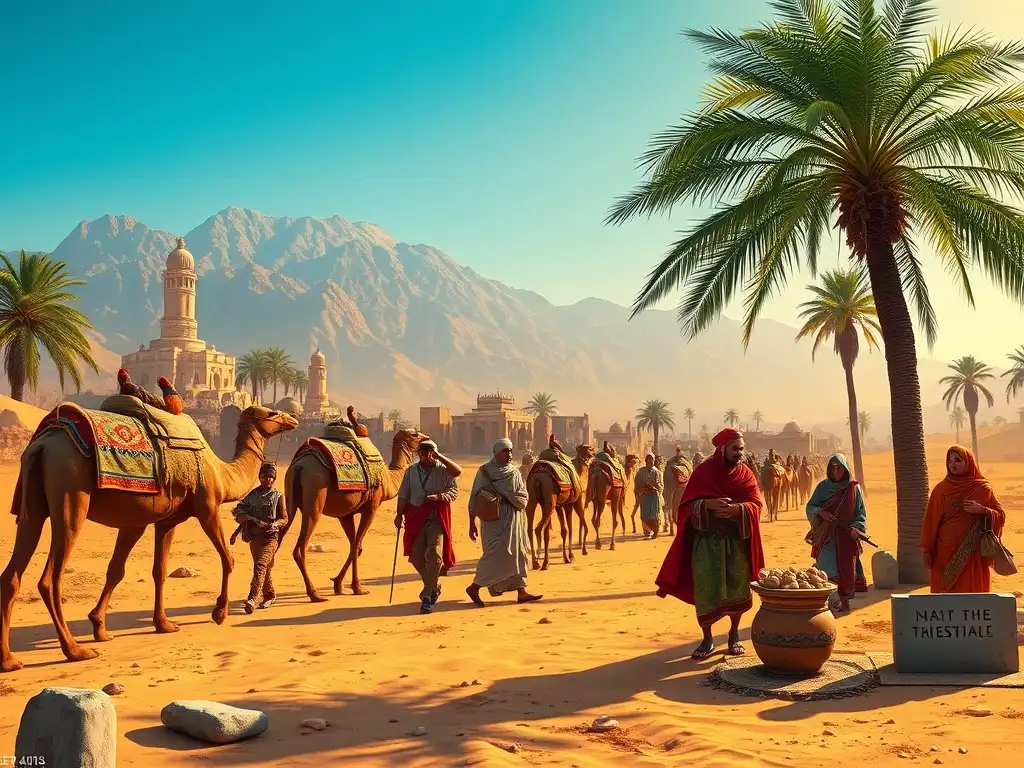
Introduction to Ancient India Trade Routes History
The history of trade routes in ancient India is a captivating narrative that reflects the vibrant tapestry of cultural exchange, economic prosperity, and the interconnectedness of civilizations. As one of the world's earliest cradles of civilization, ancient India was not only rich in resources but also served as a pivotal hub for trade, connecting the East and West through a network of overland routes.
These routes facilitated the movement of goods, ideas, and innovations, profoundly influencing the social and economic landscape of the region. From the bustling markets of the Indus Valley to the thriving cities of the Gupta Empire, the ancient Indian trade routes played a crucial role in shaping the history of commerce and culture in this subcontinent.
Overview of Trade in Ancient India
Trade in ancient India was characterized by a diverse array of goods, including spices, textiles, precious stones, and metalwork. The emergence of urban centers such as Harappa and Mohenjo-Daro marked the beginning of organized trade practices, where merchants and traders engaged in commerce with neighboring regions.
- Key commodities traded:
- Spices (e.g., black pepper, cardamom)
- Textiles (e.g., silk, cotton)
- Gems and jewelry (e.g., diamonds, pearls)
- Metalwork (e.g., bronze, gold)
The establishment of trade guilds and the use of standardized weights and measures further facilitated trade, enhancing the efficiency of transactions. As trade flourished, it also led to the development of various economic systems, including barter and the early use of currency, paving the way for a complex economy.
Importance of Overland Trade Routes
Overland trade routes were instrumental in fostering economic growth and cultural exchange in ancient India. These routes allowed for the movement of not only goods but also people, ideas, and religions. The interactions along these paths contributed to the spread of cultural practices, languages, and philosophies, enriching the social fabric of the region.
- Cultural impacts:
- Spread of Buddhism and Hinduism
- Exchange of artistic styles and architectural techniques
- Introduction of new agricultural practices
In addition to cultural exchanges, these trade routes also played a significant role in establishing diplomatic relations between various kingdoms. The wealth generated from trade led to the rise of powerful dynasties, further enhancing the political landscape of ancient India.
Major Trade Routes of Ancient India
Ancient India boasted several prominent trade routes that not only facilitated commerce but also connected diverse civilizations. Among these routes, three stand out for their historical significance and impact on trade and culture.
The Silk Road: A Vital Trade Link
The Silk Road, famed for its extensive network that connected China to the Mediterranean, was one of the most significant trade routes impacting ancient India. Indian merchants played a crucial role in this trade, exporting silk, spices, and gemstones, while importing goods such as glassware and precious metals.
- Key features:
- Facilitated long-distance trade across multiple regions
- Promoted cultural exchanges, including art, religion, and technology
- Enabled the establishment of trade cities such as Taxila
The Silk Road not only contributed to the economic prosperity of ancient India but also enriched its cultural heritage, leading to a fusion of ideas and traditions.
The Southern Spice Route: Connecting Cultures
The Southern Spice Route, also known as the Maritime Spice Route, was vital for trading spices between India and other regions, including Southeast Asia, the Middle East, and Africa. This route was particularly important for exporting India’s rich variety of spices, which were highly sought after in international markets.
- Significance:
- Boosted India's economy through spice exports
- Enhanced maritime trade and navigation techniques
- Fostered cultural interactions across the Indian Ocean
The Southern Spice Route played a crucial role in establishing India as a key player in the global spice trade, influencing culinary practices and trade dynamics across continents.
The Royal Road: A Pathway of Power
The Royal Road was another essential overland trade route that connected various kingdoms within ancient India. This route not only facilitated trade but also served as a means for political and military movements, showcasing the strategic importance of trade in governance and power dynamics.
- Characteristics:
- Linked major cities like Pataliputra and Ujjain
- Enhanced communication and trade among regional powers
- Allowed for the movement of armies and resources
The Royal Road exemplified the intertwining of trade, politics, and culture in ancient India, underscoring the significance of trade routes in the growth and stability of empires.
Key Civilizations Involved in Trade
Ancient India was home to several key civilizations that significantly contributed to the development of trade routes. These civilizations not only facilitated trade within the Indian subcontinent but also connected India to crucial markets in neighboring regions and beyond. Understanding their roles provides insight into the intricate web of commerce that flourished across ancient India.
The Indus Valley Civilization and Trade Networks
The Indus Valley Civilization (IVC), which thrived around 2500 BCE, is one of the earliest known urban cultures in history. Its well-planned cities, such as Harappa and Mohenjo-Daro, exhibit advanced infrastructure that included streets, drainage systems, and granaries. The IVC engaged in extensive trade networks, both local and long-distance.
Archaeological findings suggest that the IVC traded with regions as far as Mesopotamia, evidenced by seals and artifacts that bear similarities to those from ancient Sumer. They exchanged goods such as:
- Cotton textiles: The IVC is believed to be one of the first to cultivate cotton, which became a major export.
- Metallurgy: They produced and traded copper and bronze tools.
- Semi-precious stones: Lapis lazuli and carnelian were crafted into beads and jewelry.
These trade networks laid the foundation for future civilizations and established India as a key player in global commerce.
The Maurya Empire: Expansion of Trade Routes
The Maurya Empire, which emerged in the 4th century BCE under the leadership of Chandragupta Maurya and later Ashoka, marked a significant expansion of trade routes across ancient India. The Mauryan period saw the establishment of more structured and extensive trade networks throughout the empire.
Key factors contributing to the growth of trade during this era included:
- Infrastructure Development: The Mauryan rulers built roads and rest houses, enhancing connectivity between major cities and trade hubs.
- Standardization of Weights and Measures: This facilitated smoother transactions and encouraged trade by providing a reliable system for merchants.
- Cultural Exchange: The spread of Buddhism during Ashoka's reign also contributed to trade, as monasteries became centers of commerce and hospitality.
The Maurya Empire engaged in trade with regions like Central Asia, the Mediterranean, and Southeast Asia, exporting textiles, spices, and medicinal herbs while importing horses and precious metals.
The Gupta Empire: Flourishing Trade and Commerce
The Gupta Empire, which flourished from the 4th to 6th centuries CE, is often referred to as a "Golden Age" of Indian history due to its advancements in science, art, and trade. This period witnessed the consolidation of trade routes and an increase in both domestic and international commerce.
Several aspects defined trade during the Gupta Empire:
- Maritime Trade: The Guptas expanded trade by utilizing sea routes, connecting to ports in Southeast Asia, and facilitating trade with China and the Roman Empire.
- Cultural Diplomacy: Gupta rulers often sent envoys abroad, promoting not only trade but also cultural exchanges that enriched Indian society.
- Trade guilds: Organized merchant groups emerged, which played a vital role in ensuring the quality and regulation of traded goods.
Goods such as silk, spices, and luxury items were traded extensively, enhancing the wealth and cultural influence of the Gupta Empire across Asia.
Goods Traded Along Ancient Indian Routes
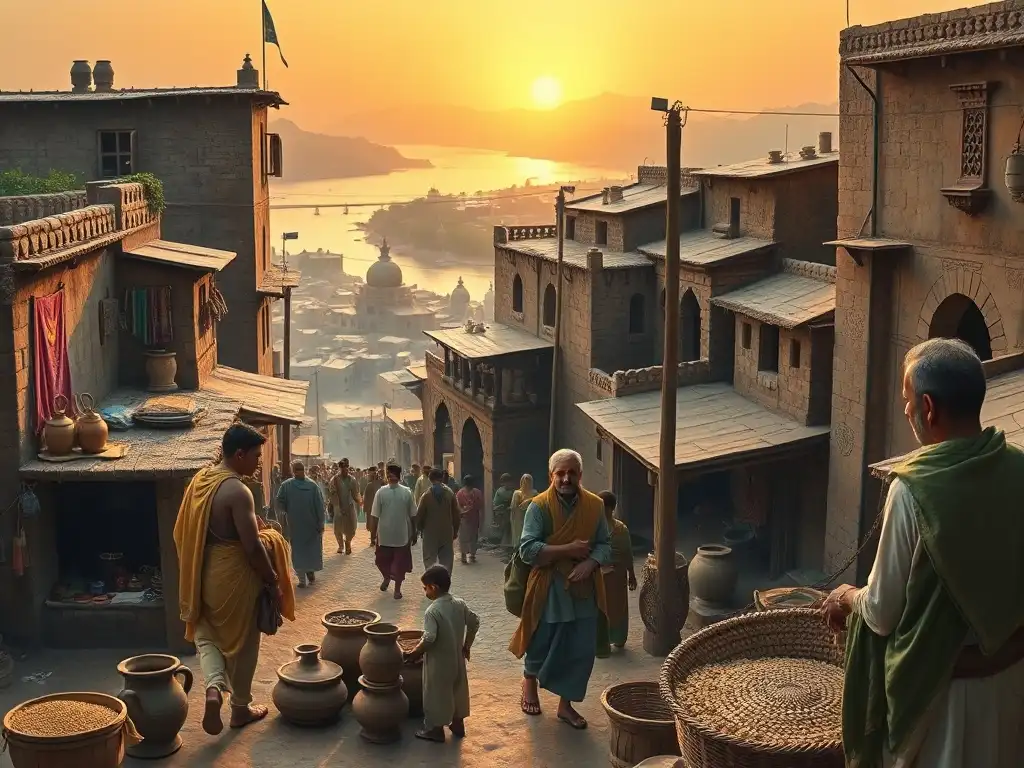
The ancient trade routes of India were conduits for a diverse array of goods, each reflecting the rich cultural tapestry of the subcontinent. The trade not only boosted local economies but also fostered connections with distant civilizations.
Spices and Aromatics: The Flavors of Ancient India
India's reputation as the "Land of Spices" dates back to ancient times, with spices being one of the most sought-after commodities in global trade. The variety of spices produced in India, such as black pepper, cardamom, and turmeric, not only flavored dishes but also served medicinal purposes.
- Black Pepper: Often referred to as "black gold," it was a staple in trade with Europe and the Middle East.
- Cinnamon and Cloves: Highly valued for their aromatic qualities, these spices were traded extensively along maritime routes.
The demand for these spices led to the establishment of trade networks connecting India to regions like the Roman Empire and the Middle East, significantly impacting culinary traditions worldwide.
Textiles: The Rich Fabric of Trade
Textiles have been a cornerstone of Indian trade since ancient times, with various regions specializing in distinct fabrics. The intricate designs and high quality of Indian textiles, including silk, cotton, and wool, attracted traders from across the globe.
- Silk: Produced primarily in regions like Bengal, Indian silk was highly prized in both domestic and international markets.
- Cotton: India was among the first to cultivate cotton, leading to the creation of vibrant cloth that became synonymous with Indian trade.
The flourishing textile industry not only supported the economy but also contributed to the cultural identity of various regions, with unique weaving techniques and patterns emerging.
Precious Metals and Gems: The Quest for Wealth
The trade of precious metals and gems has played a significant role in the economic history of ancient India. The subcontinent was rich in natural resources, and its mines produced high-quality diamonds, rubies, and gold.
- Diamonds: India was the primary source of diamonds until the discovery of Brazilian and African mines in the 18th century.
- Gold and Silver: These metals were used for currency and jewelry, with trade routes facilitating their exchange across Asia.
The allure of Indian gems and precious metals drove traders and explorers from various cultures to seek them, further solidifying India's position in the global trade network.
Cultural Exchange Through Trade
Ancient India's trade routes were not merely conduits for the exchange of goods; they were vibrant channels for cultural interaction and exchange. As merchants traversed these overland trails, they carried with them not only commodities but also ideas, customs, and innovations that transformed societies. The interactions among diverse cultures fostered an environment where knowledge, art, and technology could flourish, leading to significant advancements across various fields.
Trade facilitated the exchange of agricultural techniques, textile production methods, and metalworking skills, enriching local practices and contributing to regional economies. The movement of traders and their families often resulted in the establishment of multicultural trading communities, where different languages, traditions, and practices coexisted and influenced each other. These interactions laid the groundwork for the seamless blending of various cultural elements, creating a rich tapestry that characterized ancient Indian civilization.
The Spread of Ideas and Innovations
One of the most noteworthy aspects of ancient trade routes was their role in the dissemination of ideas and innovations. As traders traveled between regions, they shared knowledge in fields such as mathematics, astronomy, and medicine. The introduction of the concept of zero to the West from India is a prime example of this intellectual exchange. Indian numerals, along with advancements in mathematics, significantly influenced the development of arithmetic in various cultures, particularly during the Middle Ages.
Moreover, the exchange of agricultural practices, such as the cultivation of spices and cotton, played a crucial role in enhancing food production and trade. Techniques like irrigation and crop rotation were adopted across regions, promoting agricultural sustainability and economic growth. The blending of these ideas and practices showcased the ability of ancient trade routes to transcend geographical barriers, facilitating a broader understanding of technology and innovation.
Influence of Trade on Religion and Philosophy
The overland trade routes of ancient India also served as pathways for the spread of religious and philosophical ideas. Buddhism, which originated in India, found its way along these routes to Central Asia, China, and beyond, influencing various cultures and belief systems. Monasteries often sprang up along trade routes, providing not only spiritual guidance but also acting as centers of learning and cultural exchange.
Similarly, Hinduism and Jainism also spread through trade interactions, leading to a diverse religious landscape along the routes. Trade facilitated the exchange of religious texts, rituals, and practices, contributing to the syncretism that characterized many regions. Philosophical concepts, such as those found in the Upanishads, were disseminated through traders and scholars, influencing thought patterns in distant lands and enriching the philosophical discourse of the time.
Art and Architecture Inspired by Trade Interactions
The artistic and architectural landscape of ancient India was profoundly influenced by trade interactions. The exchange of goods brought with it new aesthetic ideas and styles, leading to a synthesis of artistic traditions. For instance, the intricate carvings and sculptures found in ancient Indian temples often reflect influences from the regions with which India traded, showcasing a blend of local and foreign artistic elements.
The architectural styles of stupas and monasteries were also shaped by the cultural exchanges along trade routes. Structures such as the Great Stupa at Sanchi exhibit influences from Hellenistic art, a result of interactions with Greek traders and settlers. Furthermore, the incorporation of motifs and decorative elements from various cultures enriched the visual narrative of Indian art, illustrating the dynamic interplay between trade and creativity.
Challenges Faced by Ancient Traders
Despite the flourishing trade along ancient routes, traders faced numerous challenges that impacted their operations and the overall trade environment. Geographic obstacles, political instability, and cultural barriers often complicated trade endeavors, requiring traders to navigate a complex landscape.
Geographic and Environmental Obstacles
The geography of ancient India presented various challenges for traders. Mountain ranges, deserts, and dense forests often obstructed direct routes, necessitating the use of alternative paths that could prolong travel times and increase risks. For instance, the Himalayan region posed significant difficulties due to its rugged terrain and harsh weather conditions, which could impede trade caravans.
Environmental factors, such as monsoons and droughts, also affected trade dynamics. Seasonal climate variations could disrupt agricultural production, leading to fluctuations in the availability of goods. Traders had to adapt their strategies to manage these environmental challenges, often developing extensive knowledge of local conditions to ensure successful navigation and trade.
Political Turmoil and Its Impact on Trade
Political instability was another significant challenge that ancient traders faced. The rise and fall of empires, conflicts between kingdoms, and shifting allegiances could create hostile environments for trade. For example, during periods of war, trade routes could become unsafe, leading to increased risks for merchants and the potential loss of goods.
Additionally, the imposition of tariffs, taxes, and trade restrictions by local rulers could further complicate trade relationships. Merchants often had to negotiate with different authorities, sometimes leading to conflicts that disrupted the flow of goods. The ever-changing political landscape required traders to be adaptable and resourceful in order to maintain their livelihoods.
Cultural Barriers and Their Effects
Cultural differences also posed challenges for ancient traders. Language barriers, differing customs, and varying trade practices could complicate negotiations and transactions. Misunderstandings might arise from differing cultural norms, potentially leading to conflicts or unsuccessful trades.
Moreover, the introduction of foreign goods and practices could be met with resistance from local populations. Some communities may have viewed foreign traders with suspicion, fearing that their presence could disrupt traditional ways of life. These cultural barriers necessitated that traders develop skills in diplomacy and cultural sensitivity to successfully navigate the diverse environments they encountered along the trade routes.
Overall, the intricate web of challenges faced by ancient traders highlights the resilience and adaptability required to thrive in the vibrant and complex world of ancient Indian trade.
The Decline of Ancient Trade Routes
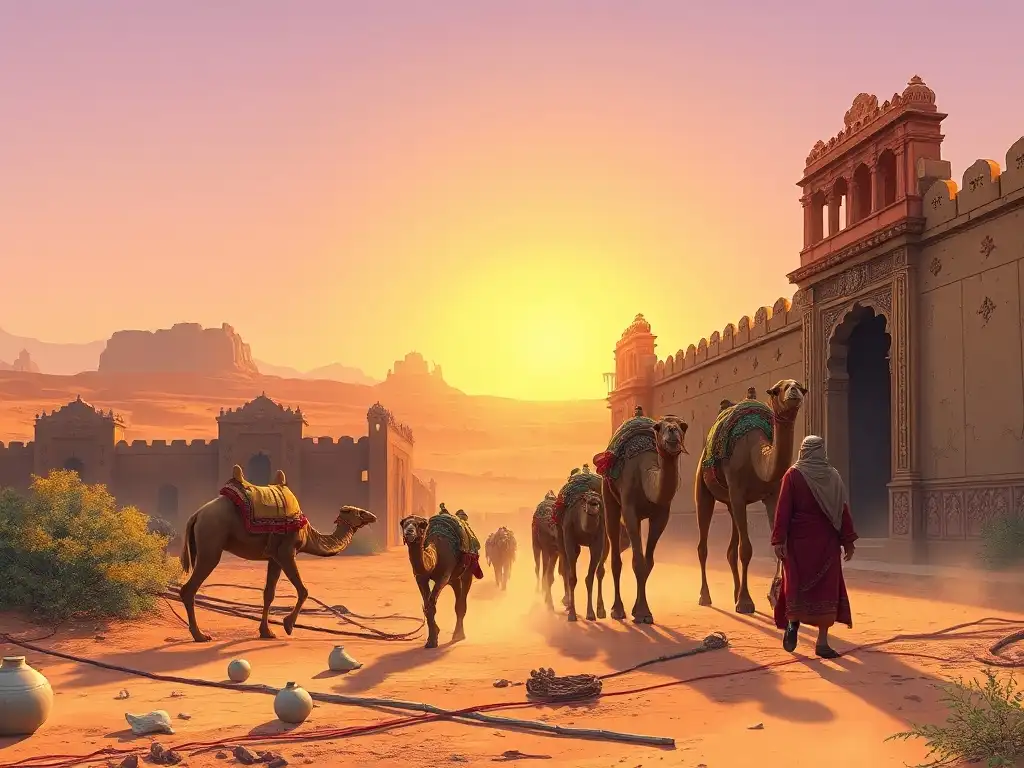
The decline of ancient trade routes in India, particularly during the late medieval period, was a complex process influenced by various interconnected factors. While these routes had thrived for centuries, facilitating the exchange of goods, culture, and ideas, several dynamics led to their gradual decline.
Factors Leading to the Decline of Trade
- Political Instability: The rise and fall of empires, coupled with invasions and conflicts, created a climate of uncertainty. The fragmentation of political power made it increasingly difficult to maintain safe and reliable trade routes.
- Shift in Economic Focus: As European powers began to establish direct trade links with Asia via maritime routes, the overland trade routes became less economically viable. The focus shifted towards sea trade, which offered speed and convenience.
- Technological Advancements: Innovations in shipbuilding and navigation techniques during the Age of Exploration allowed European traders to bypass traditional land routes. This advancement drastically reduced the significance of overland pathways.
- Environmental Factors: Natural disasters, such as droughts and floods, as well as changing climate patterns, affected agricultural output and trade. Regions that were once prosperous became less stable, discouraging trade activities.
- Cultural and Religious Factors: The rise of different ideologies and religions also played a role in altering trade dynamics. The spread of Islam and later European colonialism brought new trade practices that supplanted older systems.
The Rise of Maritime Trade Routes
The transition from overland to maritime trade routes marked a significant shift in ancient Indian commerce. The maritime routes provided several advantages:
- Direct Access: Sea routes allowed traders to bypass land-based obstacles, including rugged terrain and hostile territories. This direct access improved the speed and efficiency of trade.
- Broader Markets: With the ability to reach distant shores, Indian traders could access broader markets, including regions in Africa, the Middle East, and Southeast Asia. This expansion fostered a diverse exchange of goods, cultures, and ideas.
- Economic Integration: Maritime trade facilitated greater economic integration among different regions, leading to the establishment of port cities as thriving hubs of commerce and cultural exchange.
Legacy of Ancient Trade Routes in Modern India
The legacy of ancient trade routes is still evident in modern India. The routes not only facilitated economic transactions but also contributed to the cultural and social fabric of the region. Key aspects of this legacy include:
- Cultural Exchange: Many cultural practices, languages, and religions that thrive in India today have roots in the interactions facilitated by ancient trade routes. This rich tapestry of diversity continues to influence contemporary society.
- Economic Principles: The trading practices established during ancient times laid the groundwork for modern economic principles. Concepts such as trade networks, market competition, and the importance of supply chains can be traced back to these historical exchanges.
- Infrastructure Development: The ancient trade routes promoted the development of infrastructure, such as roads and ports, which have evolved into modern transport systems, facilitating ongoing trade and commerce.
Conclusion: The Enduring Impact of Ancient Indian Trade Routes
The ancient Indian trade routes have left an indelible mark on the region's history. Their decline signified a shift in global trade dynamics, yet their influence persists in various forms today.
Relevance of Ancient India Trade Routes History Today
Understanding the history of ancient trade routes is crucial for several reasons:
- Economic Insights: The strategies and practices employed by ancient traders offer valuable lessons for contemporary trade policies and economic strategies.
- Cultural Heritage: The historical significance of these routes highlights the importance of preserving cultural heritage and recognizing the interconnectedness of societies throughout history.
- Geopolitical Awareness: Analyzing the rise and fall of trade routes can provide insights into current geopolitical dynamics, particularly in relation to trade agreements and economic partnerships.
Lessons from Ancient Trade for Modern Economies
Modern economies can learn important lessons from the trade routes of ancient India:
- Innovation and Adaptability: The ability to innovate and adapt to changing circumstances was key to the success of ancient traders. Modern economies must also embrace flexibility in the face of technological advancements and market shifts.
- Collaboration and Networking: The spirit of collaboration among traders from diverse backgrounds fostered economic growth. Current global trade relies heavily on cooperation and networking among nations and businesses.
- Sustainability Practices: Ancient trade routes also exemplified sustainable practices, where local resources were utilized, and trade was often conducted in harmony with nature. This principle is increasingly relevant today as economies strive for sustainability amidst environmental challenges.
References
Ancient India’s trade routes were vital not only for the economy but also for the cultural exchanges that shaped the region. Understanding the references that document these trade networks is crucial for anyone interested in the intricate web of commerce and culture in ancient times. Below are some key sources that provide insight into the trade routes of ancient India.
Key Sources on Ancient Indian Trade Routes
-
"The Silk Roads: A New History of the World" by Peter Frankopan
This comprehensive work explores the significance of the Silk Roads, including how they influenced trade in ancient India. Frankopan presents a nuanced view of how these trade routes connected various civilizations, fostering economic and cultural exchanges.
-
"India's Ancient Past" by R.S. Sharma
R.S. Sharma provides an in-depth look at ancient Indian history, with significant emphasis on trade routes. His research highlights the role of trade in the development of Indian civilization and its interactions with neighboring cultures.
-
"Trade and Traders in the Roman Empire" by M. I. Finley
Although focused on the Roman Empire, this book discusses the interactions between Rome and India, shedding light on how ancient Indian trade routes facilitated exchanges between these two great civilizations.
-
"The Ancient Indus Valley: New Perspectives" edited by Jane McIntosh
This compilation of essays explores the trade networks of the Indus Valley civilization, providing insights into how these early trade routes influenced subsequent trade practices in ancient India.
-
"Merchants and Trade in Ancient India" by R. C. Majumdar
Majumdar’s work is essential for understanding the commercial activities in ancient India, including the various trade routes and the goods traded, from spices to textiles.
Further Reading on Trade and Economy in Ancient India
-
"Economic History of India: 1857-1947" by B. R. Ambedkar
While this book primarily focuses on the economic history during the colonial period, it provides background on the earlier economic systems and trade practices that laid the groundwork for later developments.
-
"Trade and Commerce in Ancient India" by D. N. Jha
Jha’s analysis offers a detailed examination of trade practices in ancient India, including the types of goods traded and the socio-economic implications of these activities.
-
"The Indian Ocean in World History" by Milo Kearney
This book explores the Indian Ocean trade network, which involved ancient Indian traders. It discusses the significance of maritime routes and their link to overland trade.
-
"Routes of the Ancient Silk Road: The History of Trade in Asia" by David Morgan
Morgan discusses the broader context of ancient trade routes, including how the Silk Road intersected with Indian trade, influencing economic and cultural exchanges.
-
"Goods, Trade and Markets in Ancient India" edited by R. S. Sharma and A. K. Sharma
This collection of essays presents various aspects of the trade and market system in ancient India, providing insights into how these elements contributed to the economy and society.
These sources collectively contribute to a deeper understanding of ancient Indian trade routes, illuminating the complex interactions that shaped the region's history and economic development.
- Introduction to Ancient India Trade Routes History
- Major Trade Routes of Ancient India
- Key Civilizations Involved in Trade
- Goods Traded Along Ancient Indian Routes
- Cultural Exchange Through Trade
- Challenges Faced by Ancient Traders
- The Decline of Ancient Trade Routes
- Conclusion: The Enduring Impact of Ancient Indian Trade Routes
- References
Frequently Asked Questions
What were the main trade routes in ancient India?
The main trade routes in ancient India included the Silk Road and various overland paths connecting India to regions like Central Asia, the Middle East, and beyond, facilitating the exchange of goods and culture.
How did trade impact ancient Indian civilizations?
Trade significantly influenced ancient Indian civilizations by promoting economic growth, enhancing cultural exchanges, and leading to the spread of religions and ideas, which shaped society and culture in profound ways.
What goods were commonly traded in ancient India?
Ancient India was known for trading spices, textiles, jewelry, and precious stones. These goods were highly sought after in international markets, contributing to the region's wealth and influence.
How did geography influence trade routes in ancient India?
The geography of India, with its diverse climates and landscapes, shaped trade routes. Natural barriers like mountains and rivers guided the establishment of trade paths and determined the flow of goods between regions.
What role did the Gupta Empire play in trade?
The Gupta Empire (c. 320-550 CE) was pivotal in enhancing trade through the establishment of safe routes, the standardization of currency, and the promotion of arts and sciences, making it a significant period for commerce in ancient India.
Final Reflection: The Enduring Legacy of Ancient India's Trade Routes
The intricate web of trade routes that flourished in Ancient India serves as a testament to the profound interconnectedness of cultures and economies, a theme that resonates deeply in our globalized world today. As we navigate through the complexities of modern trade and cultural exchange, we can draw parallels to the vibrant tapestry of commerce that once thrived along the overland paths of ancient caravans. The historical significance of these trade routes not only shaped the economic landscape of their time but also laid the groundwork for the rich cultural exchanges that continue to influence societies around the globe.
The legacy of Ancient India's trade routes is not merely a relic of the past; it continues to shape our cultural and social dynamics today. The movement of goods, ideas, and people along these routes fostered a spirit of collaboration and innovation that remains relevant. As we reflect on this history, we are reminded of the words of historian Will Durant: Civilization exists by geological consent, subject to change without notice.
This quote encapsulates the idea that the foundations of our societies are built on the exchanges and interactions that have occurred throughout history, urging us to recognize the importance of our shared heritage.
As we conclude this exploration of Ancient India's trade routes, I invite you to reflect on how these historical pathways can inspire our actions today. Consider how you can contribute to the ongoing journey of cultural exchange and understanding in your own life.
Whether through supporting local artisans, engaging with diverse communities, or simply being open to new ideas, each of us has the power to keep the spirit of these ancient trails alive. Let us honor the past by fostering connections that transcend borders, ensuring that the legacy of trade and collaboration continues to thrive in our modern world.
Embark on Your Own Caravan Adventure!
Thank you for delving into the fascinating world of the overland trade routes of ancient India. Your interest not only broadens your knowledge but also connects you to the rich tapestry of history that shaped our civilization. Now, it’s time to take that curiosity a step further and engage with this incredible legacy.
Here are some exciting ways you can deepen your exploration:
- Join a local history group or community that focuses on ancient civilizations. This is a great opportunity to share what you’ve learned and discuss the impact of trade routes on cultural exchanges.
- Plan a visit to an ancient site that was once a thriving trade hub. Use your newfound knowledge to experience history in a tangible way!
- Document your journey by starting a blog or social media page where you can share insights about ancient trade routes and their influence on modern societies.
What new discoveries about ancient trade routes will you unveil in your explorations?