
How Internal Trade Networks Encouraged Urbanization in Ancient India


Welcome to Ancient India History, where we embark on an enthralling journey through the rich tapestry of ancient civilizations that shaped the Indian subcontinent. In this exploration, we delve into the fascinating world of ancient Indian trade networks and uncover how these intricate systems not only facilitated commerce but also spurred urbanization across the region. Join us as we unveil the secrets of bustling marketplaces and thriving cities, revealing the profound impact of trade on culture and society. Prepare to be captivated and inspired as you discover the remarkable contributions of ancient India to the global economy!
- Introduction to Ancient Indian Trade Networks
- The Evolution of Internal Trade Networks in Ancient India
- Types of Goods Traded in Ancient Indian Trade Networks
- The Role of Trade Routes in Promoting Urbanization
- The Influence of Internal Trade on Urban Centers
- Socio-Cultural Impacts of Trade Networks on Urbanization
- Challenges Faced by Ancient Indian Trade Networks
- Conclusion: The Legacy of Ancient Indian Trade Networks
- References and Further Reading on Ancient Indian Trade Networks
- Frequently Asked Questions
- Final Reflection: The Enduring Legacy of Ancient Indian Trade Networks
- Unveil the Secrets of Ancient Trade and Urban Growth!
Introduction to Ancient Indian Trade Networks
The ancient Indian subcontinent was a vibrant tapestry of cultures, economies, and civilizations, interwoven through intricate trade networks that not only facilitated commerce but also spurred urbanization. From the bustling markets of the Indus Valley Civilization to the flourishing trade routes of the Gupta Empire, these trade networks played a crucial role in shaping the socio-economic landscape of ancient India.
As goods, ideas, and cultures exchanged hands, cities emerged as centers of commerce and innovation, reflecting the dynamic interplay between trade and urban growth. Understanding the complexities of these ancient Indian trade networks provides valuable insights into how they contributed to the development of urban centers and the evolution of civilization itself.
Overview of Ancient Indian Trade Networks and Urbanization
Ancient Indian trade networks were extensive and varied, encompassing both overland and maritime routes that connected diverse regions and facilitated the exchange of goods and ideas. Key trade routes included the Silk Road, which linked India to Central Asia and beyond, and the Maritime Spice Route, which enabled trade with distant lands like Southeast Asia and Africa.
- Major Trading Centers:
- Taxila: A prominent center for trade and learning, Taxila thrived due to its strategic location along important trade routes.
- Pataliputra: As the capital of the Mauryan and Gupta Empires, it became a bustling hub for merchants and traders.
- Ujjain: Known for its trade in textiles and spices, Ujjain was a critical link in both overland and maritime trade networks.
The growth of these trade networks led to the establishment of urban centers where commerce flourished. Cities became melting pots of cultures, attracting people from various backgrounds, which further stimulated economic activity and innovation. The urbanization process was not merely about population growth; it involved the development of infrastructure, such as roads, ports, and marketplaces, that supported trade activities.
Importance of Trade in Ancient Indian Civilizations
Trade was the lifeblood of ancient Indian civilizations, driving economic prosperity and fostering cultural exchange. The significance of trade can be observed in several key aspects:
- Economic Growth:
- Trade facilitated the movement of goods such as textiles, spices, precious metals, and agricultural products, generating wealth and supporting local economies.
- The introduction of coinage, particularly during the Mauryan Empire, standardized trade practices and boosted economic transactions.
- Cultural Exchange:
- Trade routes acted as conduits for the exchange of ideas, religions, and technologies. Notably, Buddhism and Hinduism spread through trade interactions, influencing neighboring regions.
- Artistic influences from foreign cultures enriched local crafts, leading to unique blends of styles and techniques.
- Urban Development:
- The establishment of markets and trade hubs stimulated urbanization, as people migrated to cities in search of economic opportunities.
- Urban centers became vital for governance, trade regulation, and cultural activities, further entrenching their importance in ancient society.
Ancient Indian trade networks were foundational to the region's urban development and cultural richness, demonstrating how commerce can shape the trajectory of civilizations. Understanding these networks offers a deeper appreciation of India's historical legacy and its role in the broader context of world history.
The Evolution of Internal Trade Networks in Ancient India
Historical Context of Trade Networks in Ancient India
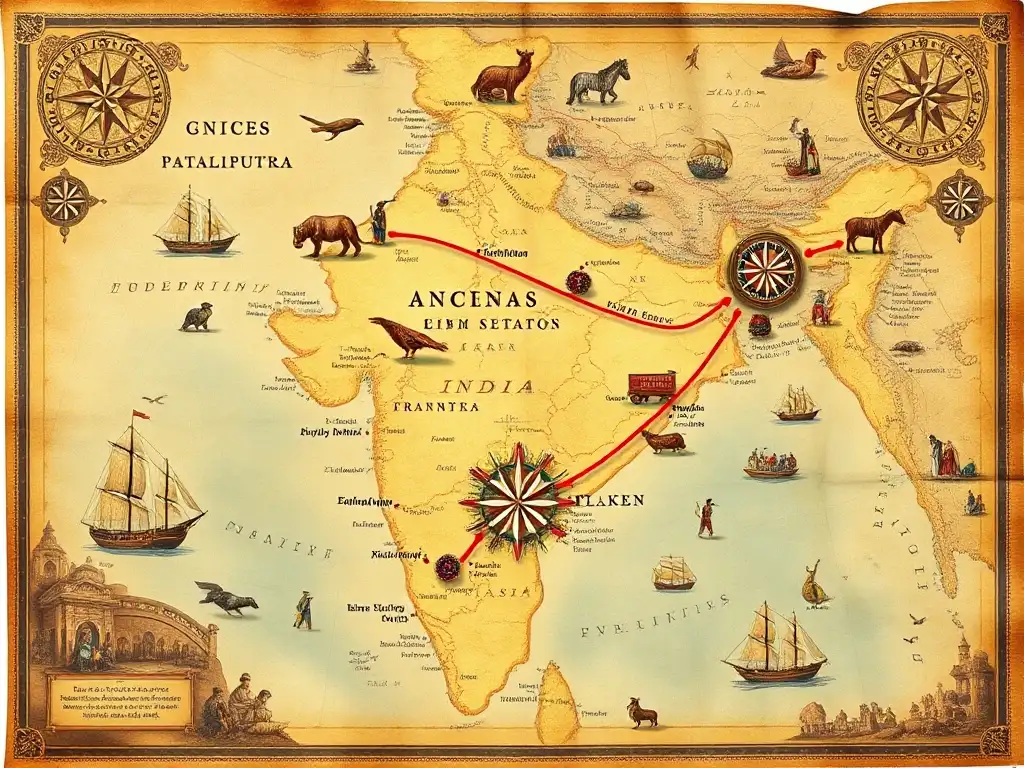
The internal trade networks in ancient India played a pivotal role in shaping the economic landscape of the region, fostering urbanization and cultural exchange. These networks can be traced back to the Indus Valley Civilization (circa 3300–1300 BCE), where cities like Harappa and Mohenjo-Daro exhibited advanced urban planning and trade practices. The archaeological evidence suggests that the inhabitants engaged in trade with neighboring regions, facilitating the exchange of goods such as textiles, metals, and agricultural products.
As time progressed, particularly during the Vedic period (circa 1500–500 BCE), trade expanded significantly. The Aryans introduced new agricultural practices and domesticated animals, which increased productivity and, consequently, trade. By the time of the Maurya Empire (322–185 BCE), extensive trade routes were established. These routes not only connected various regions within India but also linked the subcontinent to external markets, including the Mediterranean and Central Asia.
The rise of urban centers such as Pataliputra and Taxila during the Mauryan period marked a significant transformation in trade dynamics. The Silk Road and other trade routes facilitated the exchange of not only goods but also ideas and technologies. Consequently, these interactions led to the flourishing of craft industries and enhanced urbanization, laying the foundation for a complex economic framework.
Key Regions Involved in Internal Trade
Several key regions emerged as central hubs in the internal trade networks of ancient India, each contributing uniquely to the economic tapestry of the subcontinent:
- The Indus Valley:
- Known for its sophisticated urban centers, the Indus Valley was critical in the early stages of trade.
- Major commodities included cotton textiles, precious stones, and agricultural products.
- The Gangetic Plain:
- This fertile region became increasingly important due to agricultural surplus.
- Cities like Pataliputra served as vital trade centers, facilitating the movement of goods to and from the hinterlands.
- The Deccan Plateau:
- Rich in minerals and spices, the Deccan region became a significant contributor to trade networks.
- Key trade items included gold, iron, and exotic spices such as pepper and cardamom.
- The Western Coast:
- Ports along the Arabian Sea, such as Kalyan and Sopara, were bustling centers of maritime trade.
- Trade with foreign entities, including the Roman Empire and the Arabian Peninsula, flourished, bringing in valuable goods such as glassware and wine.
- The Eastern Coast:
- Regions like Chola and Pandya were known for their extensive maritime trade routes.
- The trade of textiles, rice, and spices was prominent, linking India to Southeast Asia.
The integration of these regions through trade networks not only boosted the economy but also stimulated urban growth, as cities became centers of commerce and culture. The interdependence of these areas fostered a vibrant marketplace, where goods, ideas, and cultural practices thrived, contributing to the rich tapestry of ancient Indian civilization.
The evolution of these internal trade networks exemplifies the ingenuity and adaptability of ancient Indian societies, highlighting their crucial role in the broader narrative of global trade history.
Types of Goods Traded in Ancient Indian Trade Networks
Agricultural Products and Their Role in Urban Growth
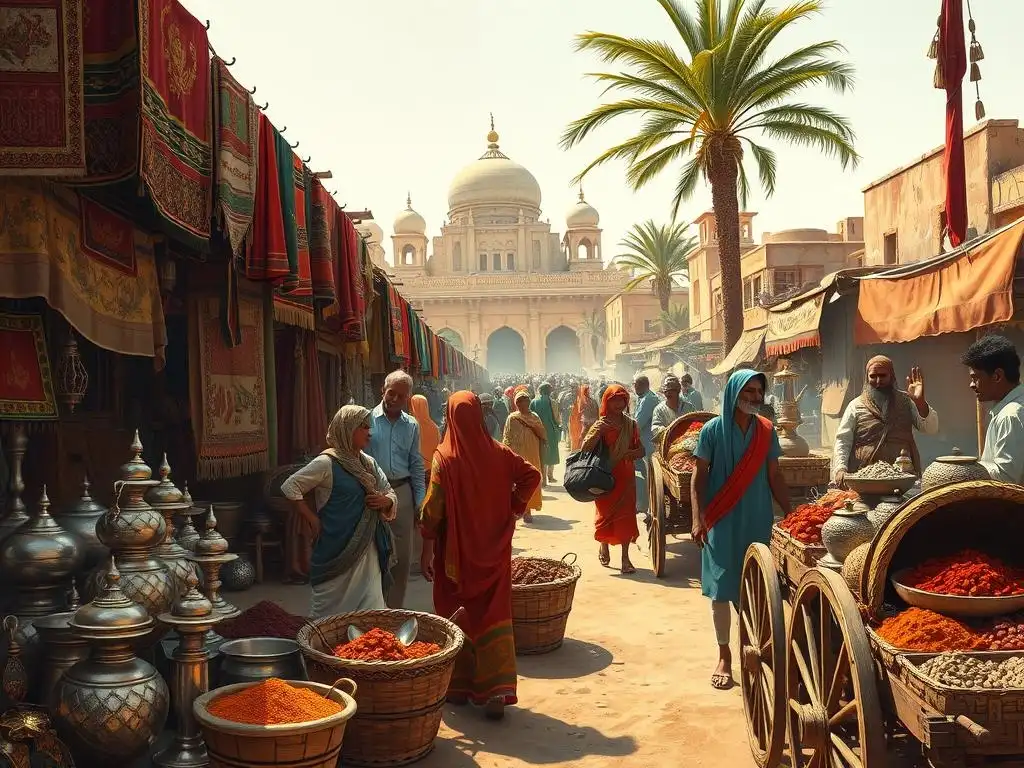
Ancient Indian trade networks were significantly influenced by agricultural products, which formed the backbone of both local economies and long-distance trade. The fertile plains of the Indus Valley, for instance, supported the cultivation of staple crops such as wheat, barley, and rice. These crops were not only vital for sustenance but also served as key commodities in trade.
- Surplus Production: The efficiency of agriculture allowed for surplus production, which was essential for urban growth. As cities developed, they required a steady supply of food to support their populations. This led to the establishment of trade routes connecting rural producers with urban centers.
- Market Centers: Agricultural goods were often traded in market centers, which became hubs of economic activity. For example, cities like Harappa and Mohenjo-Daro thrived due to their strategic locations along trade routes, facilitating the exchange of surplus agricultural products.
- Trade Practices: The bartering system predominated, where farmers exchanged their goods for urban products. This interaction not only bolstered the urban economy but also led to the diversification of products available in cities, fostering a vibrant market culture.
Agricultural products played a crucial role in the internal trade networks of ancient India, significantly contributing to urbanization by supporting population growth and economic diversification.
Handicrafts and Artisanal Goods in Internal Trade
Handicrafts and artisanal goods became a vital component of ancient Indian trade networks, reflecting the skill and creativity of local artisans. The diversity of these goods not only catered to local needs but also enhanced trade with neighboring regions.
- Diverse Artisanal Products: Artisans produced a wide array of goods, including textiles, pottery, metalwork, and jewelry. For instance, the famous Indus Valley seals and terracotta figurines showcase the advanced craftsmanship that attracted trade.
- Local and Regional Demand: These handicrafts were not only consumed locally but were also sought after in regional markets. The trade in textiles, especially cotton and silk, flourished as cities like Varanasi and Madurai became renowned centers for weaving and dyeing.
- Cultural Exchange: As artisans produced goods for trade, they also exchanged ideas and techniques, leading to cultural diffusion. This interaction enriched urban life, as cities became melting pots of creativity, innovation, and craftsmanship.
The trade of handicrafts and artisanal goods played an essential role in the economic fabric of ancient Indian urban centers, underpinning their growth and cultural richness.
Luxury Items and Their Impact on Urbanization
Luxury items were a significant facet of ancient Indian trade networks, often serving as status symbols and indicators of wealth. The demand for such items accelerated urban development and economic complexity.
- Types of Luxury Goods: Common luxury items included precious stones, metals, fine textiles, and intricately crafted jewelry. The trade of commodities like silk from China, spices, and gemstones from various regions showcased the interconnectedness of trade networks.
- Urban Demand: As cities grew, the demand for luxury items surged among the elite classes. This created a thriving market for luxury goods, where merchants and traders specialized in sourcing and selling high-value items.
- Economic Implications: The influx of luxury goods into urban markets not only stimulated local economies but also encouraged the rise of wealthy merchant classes. This elite group often played a crucial role in the patronage of arts and culture, further enriching urban life.
In essence, luxury items significantly influenced urbanization in ancient India by fostering economic prosperity, enhancing cultural exchanges, and solidifying social hierarchies within urban centers.
The Role of Trade Routes in Promoting Urbanization
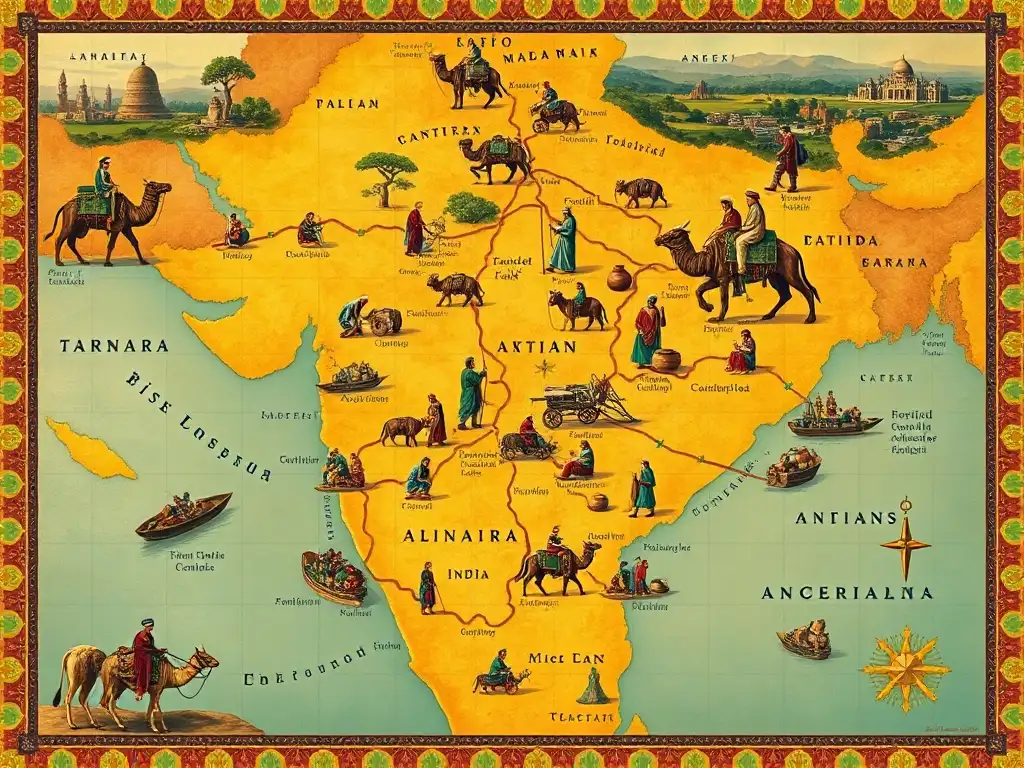
The intricate web of ancient Indian trade networks played a pivotal role in fostering urbanization throughout the subcontinent. As commerce flourished, it catalyzed the growth of towns and cities, transforming rural settlements into bustling urban centers. The establishment of trade routes enabled the exchange of goods, ideas, and cultures, which not only enriched local economies but also attracted populations seeking opportunities and resources. The interlinking of various regions through trade routes facilitated the movement of not just commodities but also people, leading to the development of diverse urban landscapes.
Major Trade Routes Established in Ancient India
Ancient India was characterized by a multitude of trade routes that traversed its vast geography, enhancing connectivity between regions. Some of the major trade routes included:
- The Silk Route:
- This ancient trade network connected India with Central Asia and beyond, allowing for the exchange of silk, spices, and precious stones.
- The Grand Trunk Road:
- One of the oldest and longest major roads, it linked the eastern and western parts of India, facilitating trade between regions such as Bengal and Punjab.
- The Coastal Trade Routes:
- These routes along the western and eastern coasts enabled maritime trade with regions like Africa, Southeast Asia, and the Middle East, boosting port cities like Lothal and Sopara.
- The Royal Road (Ujjain to Pataliputra):
- This important route connected the major urban centers of Ujjain and Pataliputra, allowing for the efficient movement of goods and administrative resources.
These trade routes were not merely conduits for economic exchange; they were also pathways for cultural diffusion. Merchants and travelers carried with them not just goods but also ideas, religions, and technologies, which contributed to the cosmopolitan nature of emerging urban centers.
Connectivity and Its Influence on City Development
The connectivity provided by ancient Indian trade networks significantly influenced the development of cities. As trade routes expanded, several factors contributed to urbanization:
- Economic Prosperity:
- Trade brought wealth to cities, which in turn funded the construction of infrastructure such as roads, marketplaces, and public buildings. This economic prosperity attracted more people, creating a cycle of growth.
- Cultural Exchange:
- Cities became melting pots of various cultures due to the influx of traders and travelers. This cultural interaction fostered a vibrant social fabric, leading to advancements in art, craftsmanship, and education.
- Strategic Locations:
- Many urban centers were strategically located along trade routes, making them accessible for merchants and travelers. Cities like Taxila and Varanasi flourished due to their advantageous positions, serving as vital trade hubs.
- Urban Planning:
- The influx of wealth and population necessitated organized urban planning. Cities expanded with the construction of residential areas, markets, and fortified structures, reflecting the need for order and security.
- Administrative Development:
- The growth of cities led to the establishment of administrative systems to govern trade and maintain order. This further solidified the role of cities as centers of power and economic activity.
The synergy between ancient Indian trade networks and urbanization illustrates how economic activities can reshape the social and physical landscape of a region. The legacy of these trade routes continues to be a subject of study, showcasing their profound impact on the development of one of history's most remarkable civilizations.
The Influence of Internal Trade on Urban Centers
Internal trade networks played a pivotal role in the urbanization of ancient India, transforming small settlements into bustling cities. The intricate web of trade routes facilitated the exchange of goods, ideas, and cultures, contributing significantly to the growth of urban centers. As various regions specialized in the production of specific goods, the demand for these products created a need for centralized market areas. This led to the establishment of urban centers that became hubs for commerce and trade.
The benefits of these trade networks extended beyond mere economic transactions. They fostered interactions among diverse communities, leading to a rich cultural exchange that shaped the societal fabric of ancient Indian cities. As trade flourished, so did the urban infrastructure, with advancements in transportation, storage facilities, and market regulations. The resulting urbanization was not just a consequence of economic activities; it was also a catalyst for further developments in governance, social hierarchies, and cultural practices.
Case Study: The Rise of Cities like Pataliputra
One of the most notable examples of urbanization driven by internal trade networks is the rise of Pataliputra, the capital of the ancient Magadha kingdom. Located at the confluence of important trade routes, Pataliputra became a thriving metropolis around the 5th century BCE.
- Strategic Location: The city was strategically positioned along the Ganges River, facilitating both riverine and overland trade. This allowed for efficient transportation of goods, including textiles, spices, and precious metals, which attracted merchants from various regions.
- Economic Hub: Pataliputra’s markets became renowned for their variety and volume of goods. The presence of skilled artisans and traders contributed to the city’s wealth, leading to the establishment of a vibrant economy. The flourishing trade attracted not only merchants but also scholars and artists, further enhancing the city’s cultural significance.
- Urban Infrastructure: As trade increased, Pataliputra developed advanced urban infrastructure, including well-planned roads, drainage systems, and public buildings. The city’s layout was designed to accommodate the influx of people and goods, showcasing the importance of trade in urban planning.
Economic Activities that Fostered Urban Development
The economic activities facilitated by ancient Indian trade networks were diverse and multifaceted, significantly contributing to urban development. Here are some key activities that played a crucial role:
- Agricultural Surplus:
- Regions with fertile land produced agricultural surplus, which was traded in urban markets. This surplus not only supported local populations but also allowed for trade with distant areas.
- Examples of staple crops include rice, wheat, and pulses, which were essential for sustaining urban populations.
- Craftsmanship and Artisanal Production:
- The emergence of specialized crafts led to the formation of trade guilds, which organized artisans and craftsmen. Cities became centers of production for textiles, pottery, metalwork, and stone carving.
- Urban centers like Varanasi became famous for their silk weaving, while other cities specialized in pottery and metal artifacts.
- Market Establishment:
- Regular markets and fairs facilitated trade among different regions. Cities became focal points for commerce, drawing traders from afar.
- The establishment of market regulations and trade laws helped maintain order and encouraged trade.
- Cultural Exchange:
- Trade networks not only facilitated the exchange of goods but also ideas and cultural practices. This interaction enriched the urban experience, fostering a cosmopolitan atmosphere in cities.
- The blending of various cultural influences can be seen in architecture, cuisine, and religious practices.
- Investment in Infrastructure:
- The wealth generated from trade enabled cities to invest in infrastructure, including roads, ports, and public buildings. This investment further attracted traders and artisans, creating a cycle of growth and urbanization.
- Notable projects included the construction of granaries, warehouses, and marketplaces, which supported the burgeoning urban economy.
The internal trade networks of ancient India were fundamental to the urbanization process, contributing to the rise of significant cities such as Pataliputra. The economic activities stemming from these networks created a dynamic and interconnected society, fostering not only trade but also culture, governance, and social structures that characterized ancient Indian civilization.
Socio-Cultural Impacts of Trade Networks on Urbanization
The internal trade networks of ancient India played a pivotal role in shaping urbanization, not just through the exchange of goods but also through the transfer of ideas and cultural practices. These networks facilitated interactions among diverse communities, leading to significant socio-cultural transformations that were essential for urban development.
Exchange of Ideas and Cultural Practices through Trade
Trade routes in ancient India served as conduits not only for commodities but also for the flow of knowledge and cultural exchanges. Merchants and travelers traversed these networks, bringing with them new ideas, philosophies, and artistic expressions that enriched urban centers.
- Cultural Diffusion: As traders journeyed from one region to another, they shared local customs, religious beliefs, and artistic techniques. For instance, the silk and spice routes connected various civilizations, promoting interactions that led to the amalgamation of diverse cultural elements. Cities like Pataliputra became melting pots of different cultures, where local traditions intertwined with those brought by traders.
- Spread of Religion: Religious ideas, particularly Buddhism and Jainism, spread through trade networks. The establishment of stupas and monasteries along trade routes facilitated the dissemination of religious texts and practices. This not only encouraged urban growth but also led to the establishment of pilgrimage centers, which attracted people from various regions, further enhancing urbanization.
- Educational Exchanges: Trade hubs often emerged around centers of learning. For example, Nalanda and Takshashila became renowned educational institutions where scholars from different backgrounds congregated. The interaction between merchants and scholars fostered an environment of intellectual exchange, contributing to the urban culture's richness.
The Role of Merchants and Their Communities in Urban Life
Merchants were not merely economic actors; they played a crucial role in the socio-cultural fabric of urban life in ancient India. Their influence extended beyond trade, impacting social structures and community dynamics.
- Formation of Merchant Guilds: Merchants formed guilds, which were instrumental in regulating trade practices and protecting their interests. These guilds often became influential social entities, promoting cooperation among members and contributing to the stability of urban economies. The Shrenis, for example, were associations of traders that not only managed commerce but also supported charitable activities and cultural events.
- Urban Centers as Commercial Hubs: Cities like Taxila and Ujjain thrived due to their strategic locations along trade routes. The influx of goods and wealth attracted artisans, laborers, and service providers, leading to urban expansion. This concentration of population fostered a vibrant urban culture characterized by festivals, fairs, and public gatherings, which were crucial for social cohesion.
- Cultural Patrons: Wealthy merchants often acted as patrons of art and architecture, commissioning temples, sculptures, and public works. Their contributions were significant in shaping the cultural landscape of urban areas. For instance, the intricate carvings found in the temples of Khajuraho reflect the wealth and artistic sensibilities of the merchant class during that era.
- Social Stratification: The rise of merchant classes led to new social hierarchies within urban centers. Successful merchants gained significant power and influence, challenging traditional social structures. This shift contributed to a more dynamic urban life, with increased interactions among different social groups, ultimately fostering a sense of community and shared identity.
The socio-cultural impacts of ancient Indian trade networks were profound, driving urbanization through the exchange of ideas and the active role of merchants. This interplay of commerce and culture not only transformed individual cities but also laid the foundation for a rich and diverse urban legacy that defined ancient India.
Challenges Faced by Ancient Indian Trade Networks
Geographic and Political Challenges
Ancient Indian trade networks were significantly influenced by geographic and political factors that shaped their development and functionality. The diverse landscape of India, which includes mountains, rivers, and forests, posed both opportunities and obstacles for trade. For instance, the Himalayan mountain range created natural barriers that limited easy access between regions. However, these mountains also provided trade routes, such as the ancient Silk Road, which facilitated connections with Central Asia.
Political fragmentation during different periods in ancient Indian history further complicated trade networks. The rise and fall of various kingdoms and empires—such as the Maurya and Gupta Empires—often led to changing trade policies and tariffs. Local rulers sometimes imposed heavy taxes on traders, which could stifle trade growth and discourage urbanization.
Moreover, political instability due to conflicts and invasions, such as those from the Greeks and later the Huns, disrupted established trade routes. The uncertainty caused by these challenges often forced merchants to seek safer, alternative routes, which could lead to a decline in urban centers that relied heavily on trade for economic sustenance.
Economic Disruptions and Their Effects on Urbanization
The impact of economic disruptions on ancient Indian trade networks cannot be understated, as they played a crucial role in shaping urbanization patterns across the subcontinent. Economic fluctuations—such as droughts, famines, and resource depletion—could severely affect trade volume and the viability of urban centers.
During periods of economic hardship, the demand for goods decreased, leading to a decline in trade activities. For example, the decline of the Mauryan Empire saw a significant reduction in trade, as stability waned and economic prosperity diminished. This downturn not only affected merchants but also led to a decrease in urban populations, as many people migrated to rural areas in search of sustenance.
Conversely, periods of economic growth, fueled by robust trade networks, often coincided with urbanization. The flourishing trade during the Gupta Empire allowed cities like Pataliputra and Ujjain to thrive, becoming cultural and economic hubs. Increased trade activities resulted in greater wealth accumulation, leading to investments in infrastructure, such as roads and marketplaces, which further stimulated urban development.
The challenges faced by ancient Indian trade networks, driven by geographic barriers, political instability, and economic disruptions, had profound effects on urbanization. Understanding these dynamics is essential to grasp the historical context of how trade influenced the growth and decline of urban centers in ancient India.
Conclusion: The Legacy of Ancient Indian Trade Networks

The internal trade networks of ancient India played a pivotal role in shaping the urban landscape and economic fabric of the subcontinent. These networks, characterized by a complex web of routes connecting various regions, facilitated the exchange of goods, ideas, and cultures, thereby fostering urbanization.
Summary of the Impact of Trade on Urbanization
The impact of ancient Indian trade networks on urbanization is profound and multifaceted. As trade flourished, it led to the emergence of urban centers, which acted as hubs for commerce and cultural exchange. Notable cities such as Taxila, Pataliputra, and Ujjain became vital points in these networks, attracting merchants and artisans.
- Economic Growth: The influx of goods from diverse regions stimulated local economies. Cities became marketplaces where agricultural products, textiles, spices, and metals were exchanged. This economic activity encouraged population growth and the establishment of permanent settlements.
- Cultural Exchange: Trade networks facilitated not only economic transactions but also cultural interactions. The movement of traders and travelers resulted in the dissemination of ideas, religions, and technologies. For instance, Buddhism and Jainism spread along trade routes, significantly influencing social structures.
- Infrastructure Development: The need for efficient transportation of goods led to the construction of roads, ports, and storage facilities. This infrastructure not only supported trade but also laid the groundwork for urban development. Cities expanded around these trade routes, creating a vibrant urban landscape.
- Specialization of Labor: As urban centers grew, so did the specialization of labor. Artisans and craftsmen settled in cities, leading to the development of skilled trades. This specialization further fueled economic activity and urbanization, as cities became known for particular products, such as Ujjain for its textiles.
Overall, the intricate web of ancient Indian trade networks not only catalyzed urbanization but also contributed to a rich tapestry of cultural and economic interdependence that defined the region.
Lasting Influence on Modern Indian Trade Practices
The legacy of ancient Indian trade networks continues to influence modern trade practices in India. The principles of commerce established during this period have evolved but remain integral to contemporary economic systems.
- Market Dynamics: Modern Indian markets still reflect the bustling trade centers of ancient times, where diverse goods are exchanged. The spirit of entrepreneurship, rooted in historical trade practices, thrives in today’s vibrant marketplaces.
- Regional Connectivity: The emphasis on regional trade and connectivity seen in ancient trade networks is mirrored in current initiatives to improve infrastructure and trade links across India. Programs like Make in India and Digital India aim to enhance local and regional economic networks, reminiscent of their ancient predecessors.
- Cultural Heritage: The rich cultural exchanges facilitated by ancient trade routes have led to a diverse cultural heritage in India. Festivals, cuisines, and crafts often have roots in historical trade interactions, enriching the modern Indian identity.
- Sustainable Practices: The focus on locally sourced products and sustainable practices can also be traced back to ancient trade networks, where communities relied on local resources for commerce. This is increasingly relevant in today’s context, where sustainability is paramount.
The ancient Indian trade networks were not merely channels for goods but catalysts for urban growth and cultural exchange. Their enduring influence is evident in contemporary trade practices, showcasing the profound legacy of these historical economic systems.
References and Further Reading on Ancient Indian Trade Networks
Suggested Books and Articles on Ancient Trade and Urbanization
Understanding the intricacies of ancient Indian trade networks and their role in urbanization requires delving into a variety of scholarly resources. Below is a curated list of suggested books and articles that provide comprehensive insights into the subject.
Books
- "The Indus Valley Civilization: A Historical Perspective"
- Author: Jane McIntosh
- Highlights the significance of trade in the development of urban centers in the Indus Valley.
- "Trade and Traders in the Roman Empire"
- Author: William H. Stiebing Jr.
- While focusing on the Roman context, it draws parallels with ancient Indian trade practices, offering useful comparative insights.
- "The Urbanization of Ancient India"
- Author: R. B. Singh
- Discusses the relationship between trade networks and urban growth, emphasizing ancient Indian cities.
- "Ancient Indian Economic History"
- Author: R. S. Sharma
- A detailed exploration of economic practices, including trade and urbanization in ancient India.
Articles
- "The Role of Trade in Urban Development: A Study of Ancient Indian Cities"
- Author: Aditi Rao
- Published in the Journal of Historical Geography, this article examines how trade networks propelled the growth of urban centers.
- "Interconnectedness of Trade Routes in Ancient India"
- Author: P. S. Reddy
- This article provides a thorough analysis of various trade routes and their impact on regional urbanization.
- "Cultural Exchange Through Trade: The Case of Ancient India"
- Author: Neeraj Kumar
- Published in Cultural Studies Review, it discusses how trade facilitated not just economic growth but also cultural exchange.
Research Papers
- "Economic Networks in Ancient India: A Study of Trade Routes and Their Impact"
- Author: Sunil Joshi
- This research paper delves into the intricate networks of trade and their socio-economic implications on urbanization in ancient India.
- "The Gupta Empire and Internal Trade Networks"
- Author: Anjali Verma
- This paper focuses on the Gupta period, highlighting how robust trade networks fueled urban growth and prosperity.
These resources collectively offer a wealth of information for anyone interested in exploring how ancient Indian trade networks contributed to urbanization, providing both foundational knowledge and specific case studies.
Frequently Asked Questions
What were the main trade networks in ancient India?
The ancient Indian trade networks included overland routes like the Silk Road and maritime routes connecting to Southeast Asia and the Middle East, facilitating the exchange of goods and culture.
How did trade networks contribute to urbanization in ancient India?
Trade networks promoted economic growth, leading to the establishment of urban centers. Cities like Taxila and Pataliputra flourished as commercial hubs due to their strategic locations along trade routes.
What goods were commonly traded in ancient Indian networks?
Commonly traded goods included spices, textiles, precious stones, and metals. These items were not only valuable locally but also sought after in international markets.
How did geography influence ancient Indian trade?
The geographical features of ancient India, such as rivers and mountains, shaped trade routes. For example, the Himalayas acted as a natural barrier while rivers provided vital channels for transportation.
What role did the Gupta Empire play in trade?
The Gupta Empire significantly enhanced trade by establishing a stable political environment and improving infrastructure, which encouraged both internal and external trade, boosting economic prosperity.
Final Reflection: The Enduring Legacy of Ancient Indian Trade Networks
The intricate web of ancient Indian trade networks not only facilitated economic prosperity but also laid the groundwork for urbanization, shaping the cultural and social fabric of the region. Today, as we navigate a world increasingly defined by globalization and interconnectedness, the lessons from these historical trade networks resonate more than ever. They remind us that trade is not merely an exchange of goods but a powerful catalyst for cultural exchange and urban development.
The influence of these ancient trade networks continues to echo in our modern cities, where the bustling markets and diverse communities reflect a rich tapestry of interactions that began centuries ago. The legacy of these networks is evident in the vibrant urban centers of India today, which thrive on the principles of connectivity and collaboration. As Mahatma Gandhi once said, “The best way to find yourself is to lose yourself in the service of others.” This sentiment underscores the importance of community and cooperation, values that were integral to the success of ancient trade routes.
As we reflect on the significance of ancient Indian trade networks, let us consider how we can apply these lessons in our own lives. Are we fostering connections that promote mutual growth and understanding in our communities? In a world that often feels divided, we have the opportunity to build bridges—just as our ancestors did—by embracing collaboration and celebrating diversity. By doing so, we not only honor the legacy of our past but also pave the way for a more interconnected and harmonious future.
Unveil the Secrets of Ancient Trade and Urban Growth!
Thank you for diving into the fascinating world of internal trade networks in ancient India! You've uncovered the significant impact these connections had on urbanization. Now, it's time to explore how you can deepen your understanding and engage with this rich history.
Here are some actionable steps you can take:
- Join a local history group or online community to connect with fellow enthusiasts and discuss the intricacies of ancient trade and urbanization.
- Share this article with friends and family to spark conversations about the ways trade continues to shape cities today!
- Explore further by reading about other ancient civilizations that thrived through trade, such as the Roman Empire and the cultures along the Silk Road.
What aspect of ancient trade do you find most intriguing, and how do you believe it has influenced the cities we see today? We’d love to hear your thoughts!