
The Role of Currency in Facilitating Internal Trade in Ancient India


Welcome to Ancient India History, where the tapestry of time unfolds the rich and diverse narratives of ancient Indian civilizations. In our featured article, “The Role of Currency in Facilitating Internal Trade in Ancient India,” we delve into the fascinating world of ancient Indian currency trade—a pivotal element that not only shaped economic interactions but also interconnected vast cultures across the subcontinent.
Join us on this journey as we uncover the intricate systems of trade that thrived long ago, igniting your curiosity for the legacies that continue to influence us today. Explore further to discover how these ancient practices laid the foundation for modern economies!
Introduction to Ancient Indian Currency Trade
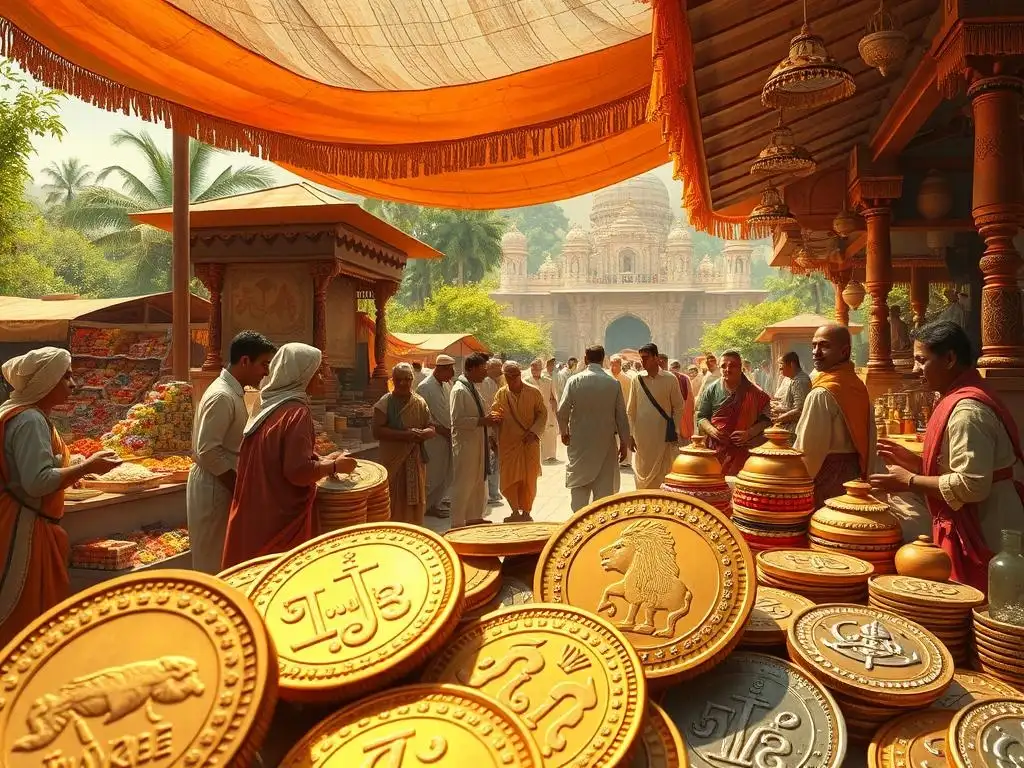
The history of ancient Indian currency trade is a fascinating tapestry woven with the threads of commerce, culture, and innovation. From the early days of barter systems to the sophisticated use of coins, ancient Indian civilizations developed various forms of currency that played a pivotal role in facilitating internal trade.
This evolution not only streamlined exchanges but also fostered economic growth and cultural interactions among diverse communities across the subcontinent. Understanding the mechanisms of currency in ancient India provides insights into how trade networks flourished and how economic activities were organized in a society characterized by dynamic market practices and rich cultural heritage.
Understanding Internal Trade in Ancient India
Definition of Internal Trade
Internal trade in ancient India refers to the exchange of goods and services within the geographical boundaries of the subcontinent. Unlike international trade, which involved the exchange of commodities across borders, internal trade was primarily conducted among local markets, towns, and villages. This trade encompassed a variety of goods, including agricultural products, textiles, spices, and handicrafts, fostering economic interdependence among different regions. As a result, local artisans, farmers, and merchants were able to distribute their products widely, enabling a vibrant economic landscape.
Importance of Internal Trade in Ancient Indian Economy
The significance of internal trade in ancient India cannot be overstated. It served as a backbone for the economic structure, contributing to the following aspects:
- Economic Growth: Internal trade stimulated local economies by ensuring the circulation of currency and goods. It helped in the emergence of urban centers, where trade flourished due to increased demand for various products.
- Cultural Exchange: Trade routes functioned as conduits for cultural interactions, leading to the exchange of ideas, art forms, and technologies among different communities. This interaction enriched the cultural fabric of ancient India.
- Marketplaces and Trade Regulations: The establishment of marketplaces and trade guilds facilitated organized trading practices. Regulations and standard weights and measures ensured fair trade and trust among merchants.
- Resource Distribution: Internal trade allowed for the efficient distribution of resources, enabling regions to specialize in certain products while relying on trade for others. This specialization enhanced productivity and innovation.
The role of currency in facilitating internal trade was crucial for the development of an interconnected and prosperous ancient Indian economy. Understanding these dynamics is essential for comprehending the broader implications of trade networks in shaping the history and culture of ancient India.
Historical Overview of Currency in Ancient India
The concept of currency in ancient India evolved significantly over several centuries, reflecting the dynamic nature of trade and economic practices within the region. Initially, trade was facilitated through the barter system, where goods and services were exchanged directly. However, as societies became more complex and trade networks expanded, the need for a standardized medium of exchange emerged. This led to the development of various forms of currency that not only simplified transactions but also enhanced trade efficiency across diverse regions.
The use of currency in ancient India can be traced back to the Indus Valley Civilization (c. 3300–1300 BCE), which exhibited advanced urban planning and trade practices. Archaeological finds suggest that the inhabitants engaged in trade not just locally but also with distant cultures, necessitating a system that could accommodate various goods and facilitate commerce. Over time, coins became the dominant form of currency, especially during the Maurya and Gupta empires, signifying a critical transition in the economic landscape of ancient India.
Early Forms of Currency in India
Before the introduction of coins, ancient Indians utilized various objects as currency, including agricultural products, livestock, and precious metals. These items served as a means of exchange but were often cumbersome and inefficient for larger transactions. The earliest form of currency can be identified as metallic objects such as rings, rods, or other shaped forms, which were valued based on their weight and material.
In addition to metal, cowries, small seashells, emerged as a popular medium of exchange around 1500 BCE. Their lightweight nature and wide availability made them ideal for local trade. Cowries were often used in smaller transactions and could be found in various regions, facilitating trade among diverse communities.
Transition from Barter System to Currency Trade
The shift from a barter economy to a currency-based system was gradual and heavily influenced by several factors, including geographic expansion, population growth, and the increasing complexity of trade relationships. As trade routes developed, particularly through the establishment of the Silk Road and other overland routes, merchants sought a more efficient means of conducting transactions.
This transition was marked by the introduction of metal coins, which provided a consistent and recognized standard of value. The earliest known coins in India, called punch-marked coins, appeared around the 6th century BCE. These coins were stamped with various symbols and marks, denoting their authenticity and value. The acceptance of coins allowed merchants to engage in trade over larger distances without the complications of bartering, paving the way for more integrated internal trade networks.
Types of Currency Used in Ancient Indian Trade
As trade flourished in ancient India, various types of currency emerged to facilitate transactions. These forms of currency not only varied in material but also in function, reflecting the diverse economic practices across different regions and time periods.
Coinage in Ancient India
Coinage became one of the most significant developments in ancient Indian trade, especially during the Mauryan Empire (c. 322–185 BCE) and later during the Gupta Empire (c. 240–550 CE). Coins were typically made from metals such as silver, gold, and copper, and were minted in various denominations to cater to different economic needs.
Coins from this era often featured intricate designs, images of rulers, and symbols that represented various dynasties. For instance, the punch-marked coins of the Mauryan period were characterized by their unique symbols and varied sizes. The Gupta coins, on the other hand, showcased artistic representations of deities and royal figures, reflecting the cultural and religious significance of the time. The standardization of coinage played a crucial role in providing a reliable medium for trade, stimulating economic growth, and enhancing market transactions across vast regions.
Other Forms of Currency: Cowries and Metal Weights
In addition to coinage, other forms of currency played significant roles in ancient Indian trade. Cowries continued to be widely used, especially in local and smaller transactions. Their availability and acceptance across various communities made them a staple in everyday commerce.
Another notable form of currency was metal weights, which were used primarily in conjunction with trade practices involving precious metals. Merchants utilized standardized weights to measure goods, ensuring fair transactions. These weights often corresponded to the value of coins and were crucial for establishing trust in trade relationships.
Regional Variations in Currency Usage
The use of currency in ancient India was not uniform; it varied significantly across different regions. This regional diversity in currency practices stemmed from local resources, trade networks, and cultural influences. For instance, while northwestern regions like Gandhara favored the use of punch-marked coins, southern regions such as Tamil Nadu saw the rise of distinct local coinage, often adorned with regional symbols and motifs.
Furthermore, trade with neighboring civilizations influenced the types of currency adopted in different areas. Coastal regions engaged in maritime trade might have relied more heavily on cowries and other lightweight forms of currency, while inland areas focused on coinage due to more complex trade networks. This diversity highlighted the adaptability of ancient Indian currency systems, allowing for a rich tapestry of economic interactions throughout the subcontinent.
The Impact of Currency on Internal Trade Networks
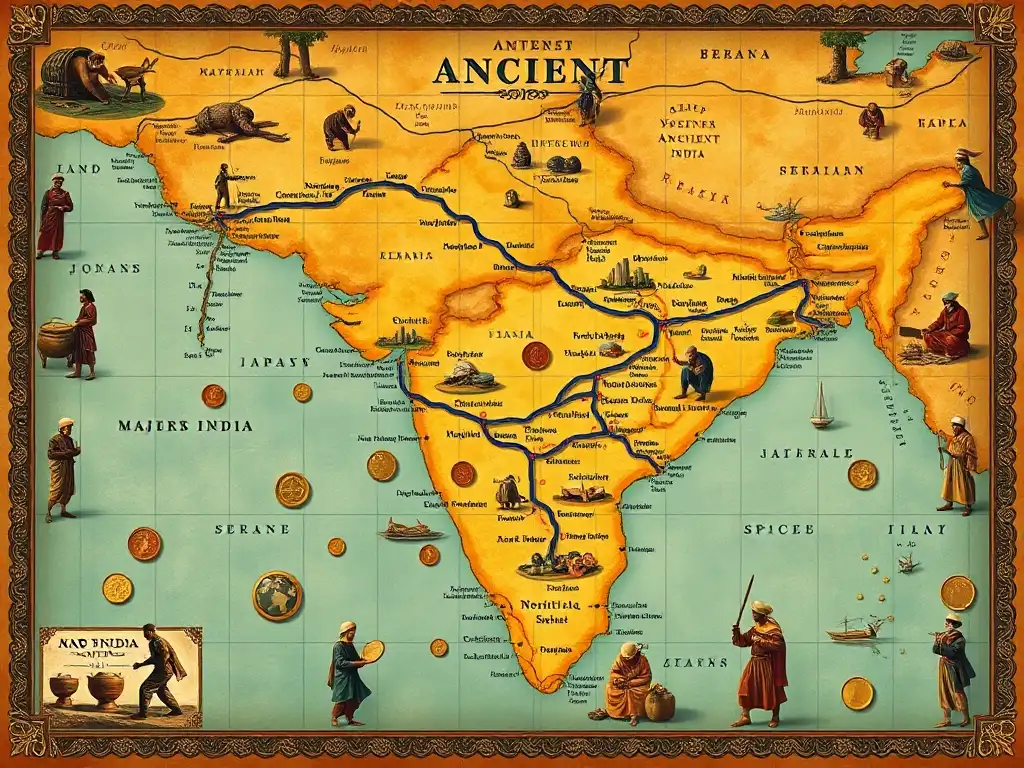
The advent of currency in ancient India marked a significant transformation in the internal trade networks. By providing a common medium of exchange, currency facilitated smoother transactions between merchants and consumers. This innovation allowed for a more efficient allocation of resources and enabled traders to conduct business over greater distances. The use of currency diminished the reliance on barter systems, which were often cumbersome and limited by the need for a double coincidence of wants.
As currency became more prevalent, it contributed to the development of complex trade routes and networks that connected various regions. This interconnectedness not only enhanced local economies but also fostered cultural exchanges and the spread of ideas. The integration of currency into trade practices laid the groundwork for a thriving economic environment that supported various industries and crafts.
How Currency Simplified Transactions
Currency simplified transactions by providing a standardized measure of value. Instead of negotiating trades based on the exchange of goods, traders could now utilize coins or other forms of currency to represent value. This change reduced the time and effort required to complete transactions, allowing merchants to focus on expanding their businesses rather than haggling over prices.
Moreover, the introduction of currency enabled the establishment of fixed prices for goods and services, which further streamlined the trading process. With a clear understanding of value, traders could engage in more predictable and reliable exchanges. This predictability also encouraged greater participation in trade, as individuals felt more secure in their transactions.
Role of Currency in Standardizing Trade Practices
The use of currency played a crucial role in standardizing trade practices across different regions in ancient India. By establishing a common medium of exchange, currency allowed for the creation of uniform pricing systems. This standardization helped eliminate discrepancies and misunderstandings that often arose in barter transactions.
Additionally, the emergence of currency led to the development of trade regulations and practices that were accepted by various communities. Merchants began to adopt standardized weights and measures, which were essential for ensuring fair trade. Over time, these practices contributed to a more organized and efficient trading environment, benefiting both traders and consumers alike.
Influence of Currency on Market Expansion
The introduction of currency had a profound influence on market expansion in ancient India. With the ability to conduct transactions more easily and efficiently, markets began to flourish. Currency facilitated not only local trade but also long-distance trading connections, opening up opportunities for merchants to engage with distant regions.
As markets expanded, the demand for various goods increased, prompting producers to enhance their output. This growth in production, in turn, stimulated economic activity and led to the emergence of specialized trades and crafts. Ultimately, the expansion of markets contributed to the wealth accumulation of cities and regions, establishing a vibrant economy supported by flourishing trade networks.
Key Regions and Their Currency Practices
The Indus Valley Civilization and Trade Practices
The Indus Valley Civilization (c. 3300–1300 BCE) is one of the earliest examples of organized trade in ancient India. Evidence suggests that the inhabitants engaged in long-distance trade, utilizing standardized weights and measures for transactions. While no definitive currency has been identified from this period, the use of commodity-based trade was prevalent, with items like copper, shells, and semi-precious stones being exchanged.
The presence of large urban centers, such as Mohenjo-Daro and Harappa, indicates that trade was not only local but also involved exchanges with distant regions, including Mesopotamia. The sophistication of trade practices in the Indus Valley laid the foundation for later monetary systems in ancient India.
Currency Systems in the Maurya Empire
The Maurya Empire (c. 322–185 BCE) marked a significant evolution in the use of currency within ancient Indian trade. Under the reign of Emperor Chandragupta Maurya and his grandson Ashoka, a standardized system of coins was introduced. These coins, primarily made of silver and copper, bore inscriptions and symbols that indicated their authenticity and value.
The establishment of a uniform currency during the Maurya Empire facilitated trade across vast territories, connecting diverse regions of India. The empire's extensive road networks and the promotion of trade through state-sponsored initiatives further enhanced economic interactions, allowing merchants to engage in trade with ease.
Gupta Empire: The Golden Age of Currency Trade
The Gupta Empire (c. 320–550 CE) is often referred to as the "Golden Age" of ancient India, particularly in terms of economic prosperity and trade. During this period, the use of currency became more widespread, with various types of coins being minted and circulated. The Gupta rulers issued gold coins known as "dinars," which became widely recognized and accepted in trade.
The Gupta Empire's robust economy was characterized by vibrant market activities, with an increase in both domestic and international trade. The use of currency not only facilitated trade but also encouraged artisans and craftsmen to produce goods for broader markets. This period saw the flourishing of trade routes, including the Silk Road, which connected India to distant lands, further emphasizing the significance of currency in enhancing trade practices during this era.
Currency and Trade: Cultural and Economic Exchanges
In ancient India, currency played a pivotal role in facilitating both cultural and economic exchanges among various regions. The use of currency evolved over time, reflecting the complex social and economic dynamics of the era. Early forms of currency included barter systems, where goods were directly exchanged, but as trade networks expanded, the need for a standardized medium of exchange became apparent. This transition to currency enabled merchants to conduct trade more efficiently, fostering not only economic growth but also the dissemination of cultural practices, art, and ideas.
The introduction of metal coins in the 6th century BCE marked a significant turning point in ancient Indian currency trade. Coins made from gold, silver, and copper became widely accepted, allowing for easier transactions across diverse regions. As trade flourished, cities became centers of commerce, where merchants from various backgrounds interacted, leading to a rich tapestry of cultural exchanges. These interactions were not limited to trade alone; they included the sharing of religious beliefs, languages, and artistic expressions, which contributed to the cultural richness of ancient India.
The Relationship Between Currency and Cultural Exchange
Currency acted as a catalyst for cultural exchange in ancient India by facilitating interactions among different communities. As traders moved from one region to another, they brought with them their customs, beliefs, and artistic traditions. This exchange was particularly evident in bustling trade centers like Taxila and Pataliputra, where diverse groups converged.
Moreover, the circulation of currency often accompanied the spread of religious ideas. For instance, the Mauryan Empire, which standardized currency, also promoted Buddhism. Coins bearing images of the Buddha were used not just for trade but also as a means of disseminating religious ideologies. Such practices illustrate how currency was not merely a tool for economic transactions but also a vehicle for cultural integration and the spread of philosophical thought.
How Currency Facilitated Economic Interaction Among Regions
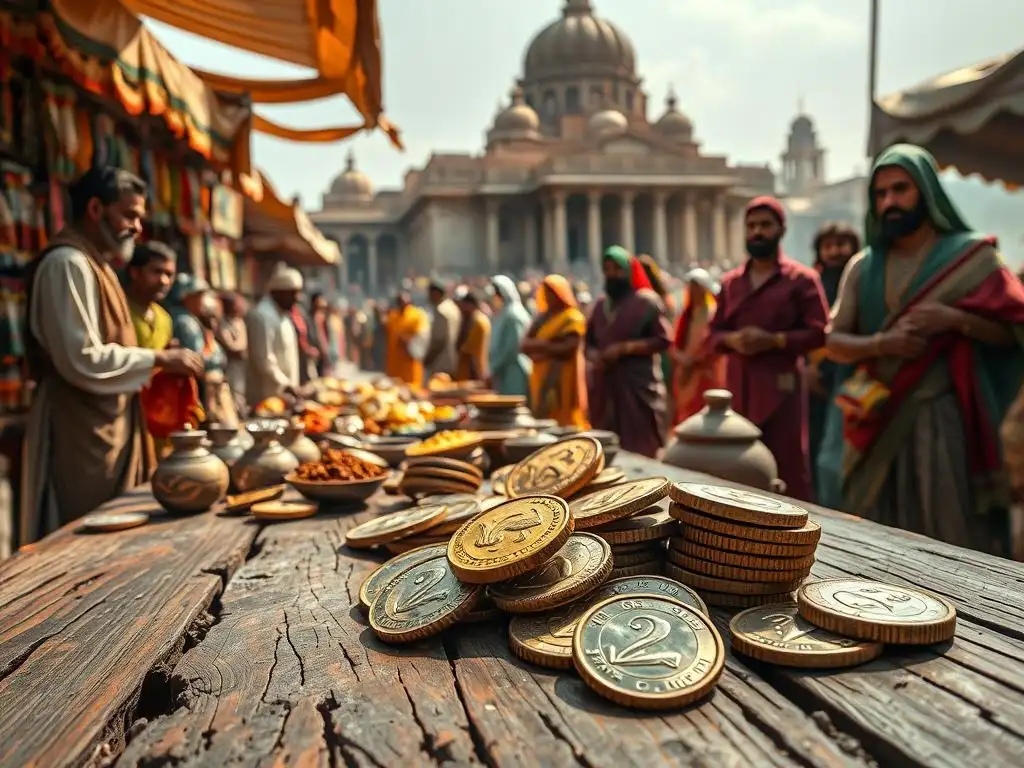
The development of a standardized currency system significantly enhanced economic interactions among various regions of ancient India. It allowed for greater trade volume and efficiency, as merchants could now engage in transactions without the complexities of barter. With a common currency, trade routes flourished, connecting distant regions and enabling the exchange of goods such as textiles, spices, and metals.
Additionally, the establishment of weighing and measuring systems further complemented currency trade. Merchants could accurately assess the value of goods and conduct transactions with more confidence. This not only boosted trade but also created a sense of reliability and trust among traders, which was essential for the growth of internal trade networks. As a result, economic interaction became a driving force behind the prosperity of various kingdoms and regions within ancient India.
Challenges in Currency Trade in Ancient India
Despite the advantages that currency brought to trade, several challenges emerged that affected its effectiveness in ancient India. These challenges included issues related to counterfeiting, standardization, and regional disparities in currency acceptance.
Issues with Counterfeiting and Standardization
Counterfeiting posed a significant threat to the integrity of ancient Indian currency. As the demand for coins increased, so did the temptation to produce counterfeit versions. This undermined trust in the currency system, leading to potential economic instability. To combat this issue, rulers implemented stringent regulations and established mints to oversee the production of coins, ensuring that only standardized currency circulated within their domains.
Standardization was crucial for maintaining the value of currency across different regions. However, variations in coinage—such as differences in weight, metal composition, and design—often led to confusion and disputes among traders. The lack of a unified currency system hindered seamless trade, as merchants were sometimes hesitant to accept coins from unfamiliar regions. This inconsistency in currency contributed to economic fragmentation, impacting the overall flow of trade.
Regional Disparities in Currency Acceptance
Regional disparities in currency acceptance further complicated trade dynamics in ancient India. While some areas embraced standardized coins, others continued to rely on local forms of currency or barter systems. Such differences created barriers to trade, as merchants traveling between regions faced challenges in exchanging goods for currency.
Cultural factors also influenced currency acceptance. In regions with strong local customs, residents may have preferred traditional forms of exchange, viewing standardized coins with skepticism. This reluctance to adopt a uniform currency not only hindered trade but also perpetuated economic isolation among different communities. As a result, addressing these disparities became vital for enhancing trade networks and fostering a more interconnected economy across ancient India.
Conclusion: The Legacy of Ancient Indian Currency Trade
The legacy of ancient Indian currency trade is profound, shaping not only the economic landscape of its time but also leaving an indelible mark on the evolution of trade practices worldwide. Ancient Indian civilizations, through their innovative use of currency, established complex trade networks that facilitated the exchange of goods, ideas, and culture. The introduction of metal coins, such as the punch-marked coins of the Mauryan period and the intricately designed coins of the Gupta Empire, was pivotal in streamlining transactions and building trust among traders.
Moreover, the diverse forms of currency, ranging from cowrie shells to standardized metal coins, reflect the adaptive nature of trade practices in response to changing economic conditions. This adaptability laid the groundwork for future economic systems, influencing trade mechanisms in subsequent civilizations and contributing to the development of a more interconnected global economy.
The ancient Indian currency trade not only facilitated internal commerce but also positioned India as a key player on the international trade stage, engaging with regions as far as the Mediterranean and Southeast Asia. This historical context underscores the importance of currency in fostering economic relationships, which remains relevant in today’s globalized world.
Lasting Impact on Modern Indian Economy
The principles established by ancient Indian currency systems continue to resonate in the modern Indian economy. The transition from barter to currency-based trade in ancient times prompted the development of more sophisticated financial instruments and banking practices. These practices have evolved, influencing contemporary banking systems and the way commerce is conducted in India today.
Moreover, the historical significance of trade routes established during ancient times can still be observed in modern India’s economic landscape. Major trade corridors, which were once bustling with exchanges of goods and currency, have transformed into vital economic hubs that facilitate both domestic and international trade.
Additionally, the cultural and economic exchanges that were fostered by ancient trade practices have contributed to India’s rich economic diversity, allowing for a blend of local and global influences in the current market. The legacy of ancient Indian currency trade is thus woven into the fabric of India’s economic identity, underpinning the principles of trade that continue to thrive.
Lessons from Ancient Currency Practices for Contemporary Trade
Ancient Indian currency practices provide valuable lessons for contemporary trade, particularly in the realms of trust and standardization. The use of standardized coins in ancient times helped to build trust among traders, reducing the risks associated with trade. This principle is vital today, as businesses increasingly seek reliable and transparent systems to facilitate transactions.
The historical reliance on various forms of currency also highlights the importance of adaptability in trading practices. For modern economies, being able to pivot and adapt to new technologies and market demands is crucial. The introduction of digital currencies and blockchain technologies echoes the innovative spirit of ancient Indian traders who continually sought to improve their methods of exchange.
Furthermore, the diverse trade networks established by ancient civilizations emphasize the value of collaboration and interconnectedness in today’s global economy. By learning from the past, modern traders can foster relationships that transcend borders, encouraging cooperation and mutual benefit, much like the ancient trade networks that flourished in India.
References
Suggested Reading on Ancient Indian Currency and Trade
- "The Economy of Ancient India: From the Earliest Times to the Sixteenth Century": by R. S. Sharma – A comprehensive examination of the economic systems, including currency practices, in ancient India.
- "Coins and Currency in Ancient India" by S. P. Gupta – This book explores the evolution of currency in ancient Indian society and its impact on trade and commerce.
- "Trade and Traders in Ancient India" by R. K. Sharma – A detailed study of the trade networks and currency systems that facilitated commerce in ancient India.
Additional Resources for Further Exploration
- Digital Archives of Ancient Indian Coins – An online repository showcasing various ancient coins, providing insights into their designs and historical context.
- The Indian Council of Historical Research – Offers a wealth of scholarly articles and resources on ancient Indian trade and economy.
- The Archaeological Survey of India – Provides access to reports and findings related to ancient trade practices and currency, facilitating a deeper understanding of the topic.
By exploring these resources, readers can gain a fuller appreciation of the intricate systems of currency and trade that shaped ancient Indian civilizations and their lasting influence on modern economies.
- Introduction to Ancient Indian Currency Trade
- Understanding Internal Trade in Ancient India
- Historical Overview of Currency in Ancient India
- Types of Currency Used in Ancient Indian Trade
- The Impact of Currency on Internal Trade Networks
- Key Regions and Their Currency Practices
- Currency and Trade: Cultural and Economic Exchanges
- The Relationship Between Currency and Cultural Exchange
- How Currency Facilitated Economic Interaction Among Regions
- Challenges in Currency Trade in Ancient India
- Conclusion: The Legacy of Ancient Indian Currency Trade
- References
- What were the main forms of currency used in ancient India?
- How did currency facilitate trade in ancient India?
- What role did the Gupta Empire play in the development of currency?
- Were there any specific regions known for currency trade in ancient India?
- How did the use of currency impact the economy of ancient India?
Frequently Asked Questions
What were the main forms of currency used in ancient India?
The primary forms of currency in ancient India included metal coins, such as those made of gold, silver, and copper, as well as barter systems for trade.
How did currency facilitate trade in ancient India?
Currency enabled easier transactions between traders, reducing the complexities of barter and allowing for a more efficient internal trade system.
What role did the Gupta Empire play in the development of currency?
The Gupta Empire is known for standardizing currency and issuing diverse coin types, which significantly boosted trade and economic stability during its rule.
Were there any specific regions known for currency trade in ancient India?
Regions like the Indus Valley and cities such as Taxila were prominent centers for currency trade, fostering commerce across various ancient Indian civilizations.
How did the use of currency impact the economy of ancient India?
The introduction of currency transformed the ancient Indian economy by promoting commercial exchanges, enhancing trade networks, and stimulating economic growth.
Final Reflection: The Enduring Legacy of Ancient Indian Currency Trade
The role of currency in facilitating internal trade in ancient India remains a cornerstone of economic history that resonates profoundly in today's globalized world. As we navigate through complex trade networks and digital currencies, the foundational principles established by ancient Indian merchants and their innovative use of currency continue to shape our understanding of commerce and value exchange. The intricate systems they developed not only fostered economic growth but also laid the groundwork for cultural exchanges that enriched society.
The influence of ancient Indian currency trade is evident in the way modern economies function, emphasizing the importance of trust, standardization, and accessibility in financial transactions. The legacy of these early practices can be seen in contemporary discussions about economic inclusivity and the role of currency in bridging gaps between diverse communities. As Mahatma Gandhi once said, "> The future depends on what we do in the present." This sentiment underscores the relevance of our historical understanding as we strive to build more equitable economic systems today.
As you reflect on the lessons from ancient Indian currency trade, consider how these insights can inspire your own approach to commerce and community engagement. Embrace the spirit of innovation and collaboration that characterized those early traders, and think about how you can contribute to a more interconnected and thriving economic landscape. The past offers us invaluable wisdom; let it guide your actions as you navigate the complexities of modern trade and foster connections that transcend borders.
Unlock the Secrets of Ancient Trade and Currency!
Thank you for exploring the captivating world of currency and trade in Ancient India! You've gained valuable insights into how commerce influenced societies and connected communities throughout history. Now, it’s time to take what you've learned and put it into action!
Here are a few practical steps you can take to further delve into this topic:
- Dive into Historical Texts: Consider reading ancient manuscripts or scholarly articles that explore trade practices and currency systems in depth. This will provide you with a richer understanding of the economy in Ancient India.
- Visit a Local Museum or Exhibit: Look for museums that feature exhibits on ancient trade artifacts, or plan a visit to historical sites that highlight ancient marketplaces.
- Share Your Insights: Engage in discussions about your findings with friends or join an online history forum. Ask others what they find most intriguing about historical trade systems, and share your newfound knowledge!
What aspect of ancient currency and trade fascinates you the most, and how do you think it has influenced modern economies?