
The Impact of Internal Trade on Ancient Indian Gender Roles


Welcome to Ancient India History, where we delve into the rich tapestry of India's past, exploring its diverse cultures and remarkable contributions. Today, we invite you to unravel the intricate relationship between internal trade and ancient Indian gender roles. How did the bustling markets and vibrant commerce of ancient civilizations shape societal norms and expectations?
Join us on this enlightening journey as we uncover the profound impact of trade on the lives of men and women in the ancient world. Prepare to be captivated by stories that echo through time, sparking your curiosity and inspiring deeper exploration into this fascinating topic!
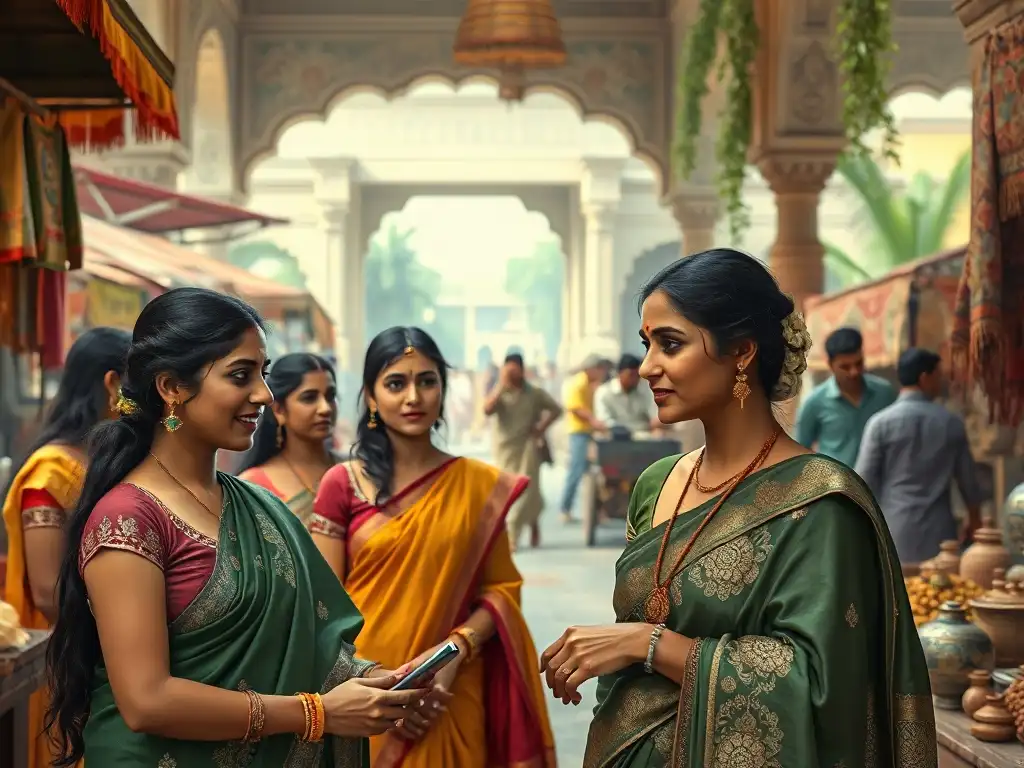
Introduction to Ancient Indian Gender Roles
The exploration of ancient Indian gender roles reveals a complex tapestry of societal norms and expectations that shaped the lives of men and women in historical contexts. As ancient Indian civilizations flourished, particularly from the Indus Valley to the Gupta Empire, the roles assigned to genders were influenced not only by cultural and religious beliefs but also by economic factors, including internal trade.
This article delves into how the internal trade networks in ancient India played a pivotal role in redefining gender roles, allowing for shifts in economic participation and social status among women and men alike. Understanding these dynamics is essential for grasping the broader implications of gender within the context of trade and economy in ancient India.
Overview of Gender Roles in Ancient India
In ancient India, gender roles were predominantly influenced by the prevailing social structure, which was often patriarchal. Men typically occupied public spaces and held positions of power, while women were largely confined to domestic roles. However, this binary view oversimplifies a more nuanced reality where women also participated in various economic activities, particularly in agrarian and artisanal sectors.
- Men's Roles:
- Engaged in trade and commerce.
- Held leadership positions within families and communities.
- Participated in governance and military activities.
- Women's Roles:
- Managed household economies and contributed to agricultural production.
- Involved in weaving, pottery, and other crafts.
- Played significant roles in religious and cultural rituals.
Despite these roles, the impact of internal trade networks cannot be overlooked, as they facilitated new avenues for women's involvement in economic activities, challenging traditional gender norms.
Importance of Studying Gender Roles in Historical Context
Understanding gender roles in ancient India is crucial for several reasons:
- Cultural Insights: Examining how trade influenced gender dynamics provides a deeper understanding of the socio-cultural fabric of ancient civilizations.
- Economic Contributions: Recognizing women's roles in trade and economy highlights their contributions to societal development and challenges the notion of their relegation to secondary status.
- Historical Narratives: Reevaluating historical narratives through the lens of gender allows for a more comprehensive understanding of ancient Indian history.
By studying these aspects, we can appreciate the multifaceted roles that individuals played in their societies beyond mere gender classifications.
The Role of Internal Trade in Ancient India
The internal trade networks in ancient India were crucial for economic growth and cultural exchange. These trade routes not only facilitated the movement of goods but also encouraged social interactions that influenced gender roles.
Definition of Internal Trade in Ancient Indian Context
Internal trade in ancient India refers to the exchange of goods and services within the subcontinent, encompassing local markets and regional trade networks. This trade involved various commodities such as textiles, spices, metals, and agricultural products, fostering economic interdependence among different regions.
Key Trade Routes and Networks in Ancient India
Several key trade routes were instrumental in shaping the internal trade landscape of ancient India:
- The Grand Trunk Road: A major artery connecting the eastern and western regions, facilitating trade across diverse cultures.
- The Spice Route: Linked southern India with northern markets, allowing for the exchange of valuable spices and textiles.
- River Trade: Rivers like the Ganges and Indus served as crucial transportation routes, enhancing trade connectivity.
These networks not only promoted economic activities but also served as conduits for the exchange of ideas, which influenced societal norms, including gender roles.
Economic Significance of Internal Trade in Ancient Civilizations
The economic impact of internal trade on ancient Indian civilizations cannot be understated:
- Wealth Generation: Trade led to the accumulation of wealth, which in some cases empowered women to participate in economic activities beyond traditional roles.
- Urbanization: The growth of trade centers contributed to urban development, creating opportunities for women to engage in markets and craft industries.
- Cultural Exchange: Interaction between diverse communities through trade fostered a blending of ideas, resulting in evolving perceptions of gender roles.
The interplay between internal trade and gender roles in ancient India illustrates a dynamic relationship that shaped societal structures and individual identities, paving the way for further exploration of these themes in the subsequent sections of this article.
Gender Roles Shaped by Internal Trade
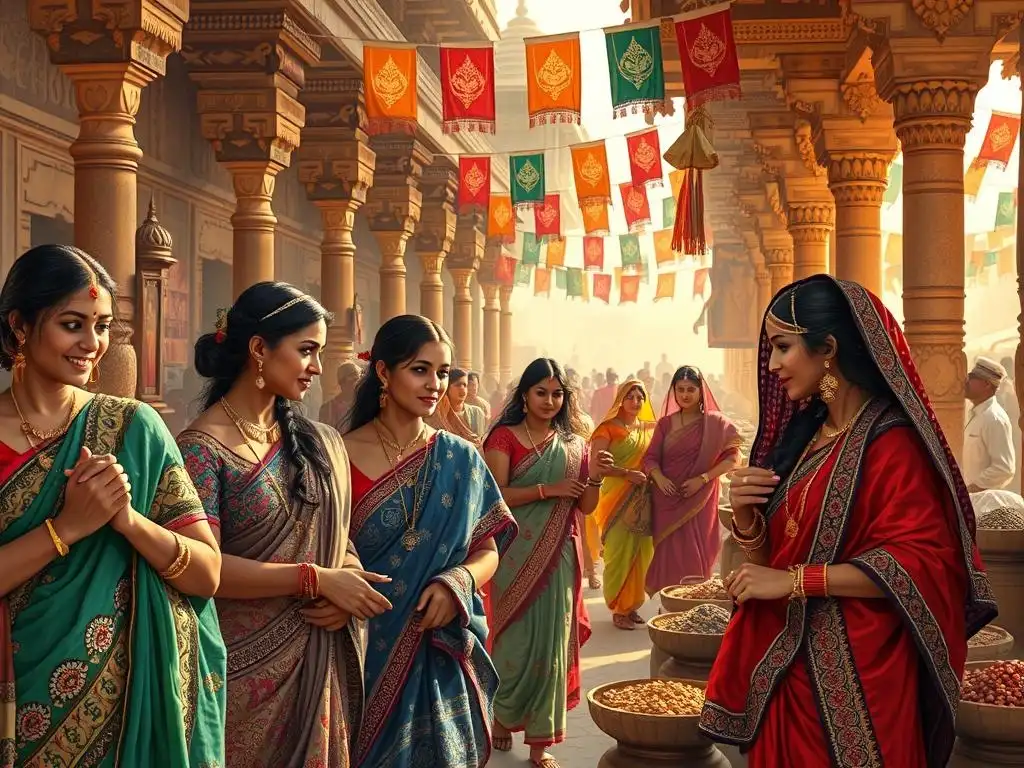
The internal trade networks of ancient India played a pivotal role in shaping gender roles within society. As trade routes flourished, they created not only economic opportunities but also social dynamics that influenced how genders interacted and contributed to community life. The exchange of goods across regions sparked not only commerce but also cultural exchanges that impacted the societal perceptions of gender roles. Through these networks, men and women found distinct niches, leading to a complex interplay of responsibilities and opportunities that defined their place within the economic framework of ancient Indian civilizations.
Division of Labor: Gender-Specific Roles in Trade
In ancient India, the division of labor was often delineated along gender lines, with men and women assuming specific roles within trade activities. Generally, men were more likely to engage in long-distance trade, often traveling to distant markets and negotiating deals. This role was largely influenced by societal expectations and the mobility associated with trade.
Women, on the other hand, frequently participated in local markets, engaging in the sale of goods such as textiles, pottery, and foodstuffs. This division not only facilitated the efficiency of trade practices but also reinforced the existing gender norms, with men being perceived as providers and women as caretakers and maintainers of household economies.
Additionally, within certain communities, women’s roles were not entirely restricted to the domestic sphere. They often played significant roles in artisanal production, creating goods that were essential for trade. In some instances, women led family-run businesses, challenging traditional notions of gender-specific roles, especially as they became integral to local economies.
Women’s Participation in Internal Trade Activities
Despite the predominant gender roles, women's participation in internal trade activities was both significant and transformative. Women were not merely passive participants; they actively contributed to the economy and the diversity of goods available in local markets. Historical texts and archaeological findings suggest that women engaged in trade in various capacities, from merchants to craftswomen. They operated shops, sold produce, and participated in fairs and festivals, where they showcased their goods.
Moreover, the presence of women in trade activities helped to challenge the prevailing gender norms, as their economic contributions were crucial for the sustenance of families and communities. The participation of women in trade also fostered a sense of independence and agency, enabling them to contribute financially to their households and gain a degree of social recognition.
Case Studies of Prominent Women Traders in Ancient India
Throughout ancient Indian history, there are notable examples of women who excelled in trade, serving as trailblazers in their communities. One prominent figure is Vasanti, a well-documented merchant in the city of Pataliputra, who was known for her extensive network and shrewd business acumen. Her ability to navigate trade negotiations and her influence in local markets highlighted the potential for women to attain positions of power and respect.
Another example is the Shakuntala, a renowned textile trader in Southern India, whose family business flourished due to her innovative marketing strategies and skillful management. These women not only contributed to the economy but also inspired future generations, demonstrating that women could thrive as traders and entrepreneurs in their own right.
The Influence of Trade on Societal Norms
The flourishing internal trade in ancient India significantly influenced societal norms, particularly concerning gender roles. As trade networks expanded, they facilitated the exchange of ideas and cultural practices, which in turn led to evolving perceptions of gender.
Changing Perceptions of Gender Roles Through Trade
With the rise of trade, the visibility of women in commercial activities began to challenge the traditional perceptions of gender roles. As women became more involved in trade, they gained recognition and respect as economic contributors. This shift gradually altered societal attitudes, allowing for a more flexible understanding of gender roles. The acknowledgment of women's contributions within the trade sphere prompted a re-evaluation of their status, leading to increased participation in various economic and social activities beyond the household.
Impact of Trade on Women’s Status in Society
As women engaged in trade, their status in society began to improve. The economic independence derived from their trade activities afforded them greater autonomy, enabling them to make decisions that affected their lives and those of their families. This newfound status often translated into greater respect within the community, as women were recognized not merely as caretakers but as vital participants in the economic framework of society. Their roles as traders facilitated a broader acceptance of women in public and economic spheres, leading to gradual changes in legal and social rights.
Gender Roles in Different Regions of Ancient India
The impact of internal trade on gender roles was not uniform across ancient India; it varied significantly by region. In some areas, such as Western India, women enjoyed more freedom and were actively involved in trade and commerce, often leading to increased social mobility. Conversely, in more conservative regions, such as Northern India, traditional gender roles were more pronounced, and women's participation in trade was often limited to local markets.
The diversity of trade practices across regions also influenced the types of goods women traded, with some specializing in textiles and others in agricultural products. This regional variation illustrates how internal trade not only shaped economic practices but also had profound implications for gender dynamics within ancient Indian societies.
Cultural Exchanges and Gender Dynamics
The internal trade networks of ancient India played a pivotal role in shaping cultural exchanges that significantly influenced gender dynamics within society. As merchants, artisans, and farmers interacted across various regions, they exchanged not only goods but also ideas, traditions, and practices. This fluid movement fostered a rich tapestry of cultural interactions, leading to evolving perceptions of gender roles. The increasing contact among diverse communities facilitated the blending of differing customs and beliefs, which ultimately impacted the status and roles of women and men within these societies.
How Internal Trade Facilitated Cultural Exchange
Internal trade in ancient India was characterized by an extensive network of routes connecting various regions, from the bustling markets of the Indus Valley to the vibrant towns of the Deccan Plateau. These trade routes enabled the flow of not only commodities like textiles, spices, and metalwork but also cultural artifacts and practices. As traders traveled, they brought with them stories, philosophies, and religious beliefs that transcended regional boundaries.
This exchange was particularly significant in urban centers, where diverse populations interacted. For instance, the emergence of cities like Pataliputra and Taxila as commercial hubs facilitated the mingling of different ethnic groups and cultures. Such interactions led to the introduction of new ideas regarding gender roles, as women began to engage more in trade-related activities, influencing perceptions of their capabilities and societal positions. Thus, internal trade was not merely an economic activity; it served as a powerful medium for cultural exchange that reshaped gender dynamics across ancient India.
The Effect of Cultural Exchange on Gender Perceptions
As cultural exchanges flourished through internal trade, the perceptions of gender roles began to evolve. The interaction between various communities allowed for the questioning and reinterpretation of traditional gender norms. For example, the participation of women in trade, whether as traders, artisans, or consumers, began to gain recognition and respect. This evolving role challenged the patriarchal structures that had previously dominated society.
Moreover, the influence of external cultures introduced concepts of gender that differed from indigenous practices, allowing for greater flexibility in gender identities. The narratives and roles assigned to women in local myths and stories began to incorporate traits representing strength, independence, and agency, reflecting a shift in societal attitudes. This cultural blending contributed to a more nuanced understanding of gender roles, allowing for a spectrum of identities that could coexist within the ancient Indian framework.
Influence of Religion and Philosophy on Gender Roles due to Trade
Trade not only facilitated cultural exchanges but also influenced religious and philosophical ideas that impacted gender roles in ancient India. Various religious texts and philosophical treatises, many of which were disseminated through trade routes, reinforced or challenged existing gender norms. For instance, texts such as the Manusmriti and various Puranas provided guidelines on gender roles, often emphasizing the domestic sphere for women.
However, the interactions brought about by trade also allowed for the introduction of alternative philosophical perspectives that promoted gender equality. The teachings of Buddhism and Jainism, which traveled alongside trade networks, often advocated for the dignity and respect of all individuals, regardless of gender. These philosophies encouraged a reevaluation of traditional roles, leading to greater acceptance of women in various societal functions, including religious leadership and economic participation.
Conclusion: The Lasting Impact of Internal Trade on Gender Roles
Summary of Key Findings on Ancient Indian Gender Roles
The impact of internal trade on ancient Indian gender roles is profound and multifaceted. Through cultural exchanges facilitated by trade, traditional perceptions of gender were challenged and redefined. Women gained increased visibility and agency in economic, social, and religious spheres, leading to a gradual transformation of gender dynamics. The blending of diverse cultural influences allowed for the emergence of new gender identities and roles, fostering a more inclusive understanding of gender in ancient Indian society.
Reflection on Trade's Role in Shaping Modern Perspectives on Gender
The legacy of ancient Indian internal trade continues to resonate in contemporary discussions about gender roles. The historical fluidity and adaptability of gender identities in ancient societies provide valuable insights into current gender dynamics. Understanding how trade facilitated cultural exchanges that shaped perceptions of gender can inform modern debates on gender equality and inclusivity. By acknowledging the complexities of ancient gender roles, we can appreciate the ongoing evolution of gender in today's society.
Suggestions for Further Research on Gender and Trade in Ancient India
To deepen the understanding of the relationship between gender and trade in ancient India, several avenues for further research can be explored:
- Archaeological Studies: Investigating trade sites and artifacts to uncover evidence of women's roles in trade and commerce.
- Textual Analysis: Examining ancient texts for references to gender roles in trade and the impact of cultural exchanges.
- Comparative Studies: Analyzing gender roles within trade networks in other ancient civilizations to identify common patterns and differences.
- Interdisciplinary Approaches: Integrating perspectives from sociology, anthropology, and gender studies to gain a holistic view of the impact of trade on gender dynamics.
By pursuing these research avenues, scholars can contribute to a more nuanced understanding of ancient Indian gender roles and the enduring effects of internal trade on these constructs.
- Introduction to Ancient Indian Gender Roles
- Overview of Gender Roles in Ancient India
- Importance of Studying Gender Roles in Historical Context
- The Role of Internal Trade in Ancient India
- Gender Roles Shaped by Internal Trade
- The Influence of Trade on Societal Norms
- Cultural Exchanges and Gender Dynamics
- Conclusion: The Lasting Impact of Internal Trade on Gender Roles
- What were the traditional gender roles in ancient India?
- How did internal trade influence gender roles in ancient India?
- Were there any notable women involved in internal trade in ancient India?
- How did the Gupta Empire impact gender roles?
- What sources can one explore to learn more about gender roles in ancient Indian societies?
Frequently Asked Questions
What were the traditional gender roles in ancient India?
In ancient India, gender roles were often defined by caste, class, and regional practices. Men typically held positions of power and were involved in trade, while women were expected to manage household responsibilities.
How did internal trade influence gender roles in ancient India?
Internal trade facilitated economic growth, which allowed women to participate more actively in commerce, particularly in crafts and textiles, thereby shifting traditional gender roles over time.
Were there any notable women involved in internal trade in ancient India?
Yes, there were women who played significant roles in internal trade, often as merchants or craftswomen, demonstrating that economic participation could empower women and challenge prevailing gender norms.
How did the Gupta Empire impact gender roles?
During the Gupta Empire, there were both advancements and setbacks in gender roles. While some women gained more rights in education and property, patriarchal norms continued to dominate societal structures.
What sources can one explore to learn more about gender roles in ancient Indian societies?
To explore gender roles further, one can refer to historical texts, archeological findings, and scholarly articles that analyze the social dynamics of various ancient Indian civilizations.
Final Reflection: The Enduring Legacy of Ancient Indian Gender Roles
The exploration of ancient Indian gender roles reveals a complex tapestry woven through the fabric of internal trade, illustrating how economic practices shaped societal norms. Today, as we navigate discussions around gender equality and economic empowerment, understanding these historical contexts becomes crucial. The intricate relationship between trade and gender roles in ancient India not only informs our comprehension of the past but also challenges us to reconsider the dynamics of gender in contemporary society.
The influence of these ancient gender roles continues to resonate in modern cultural and social landscapes, reminding us of the persistent legacies that shape our identities. As we reflect on the roles women played in trade and commerce, we recognize their contributions were often overlooked, yet they were pivotal in the economic development of their communities. The past is never dead. It's not even past.
— William Faulkner. This quote encapsulates the essence of our inquiry, emphasizing that the echoes of ancient practices still inform our current understanding of gender dynamics.
As we conclude this exploration, I invite you to reflect on how the lessons from ancient Indian gender roles can inspire us today. Consider how you can contribute to a more equitable society by acknowledging and valuing the diverse roles individuals play, regardless of gender. Let us carry forward the wisdom of the past, ensuring that the voices of all genders are recognized and celebrated in our ongoing journey toward equality and empowerment.
Thank you for diving into the fascinating world of ancient Indian gender roles and internal trade! We hope this exploration has broadened your understanding of how economic activities shaped societal structures. Now, it's time to take what you've learned and put it into action!
Here are some ways to deepen your engagement with this topic:
- Explore further: Research the connection between trade routes and gender roles in other ancient civilizations. This can provide a broader context and stimulate your thinking about the role of economics in shaping societal dynamics.
- Join the conversation: Share your thoughts or findings in the comments below or on social media platforms. Engaging with others can enrich your perspective and foster community discussions!
- Reflect critically: Consider how these ancient gender dynamics relate to contemporary societal structures. What parallels or contrasts can you identify?
What insights have you gained about the influence of trade on gender roles in your study of ancient societies?