
How Ancient Indian Trade Practices Influenced Neighboring Cultures

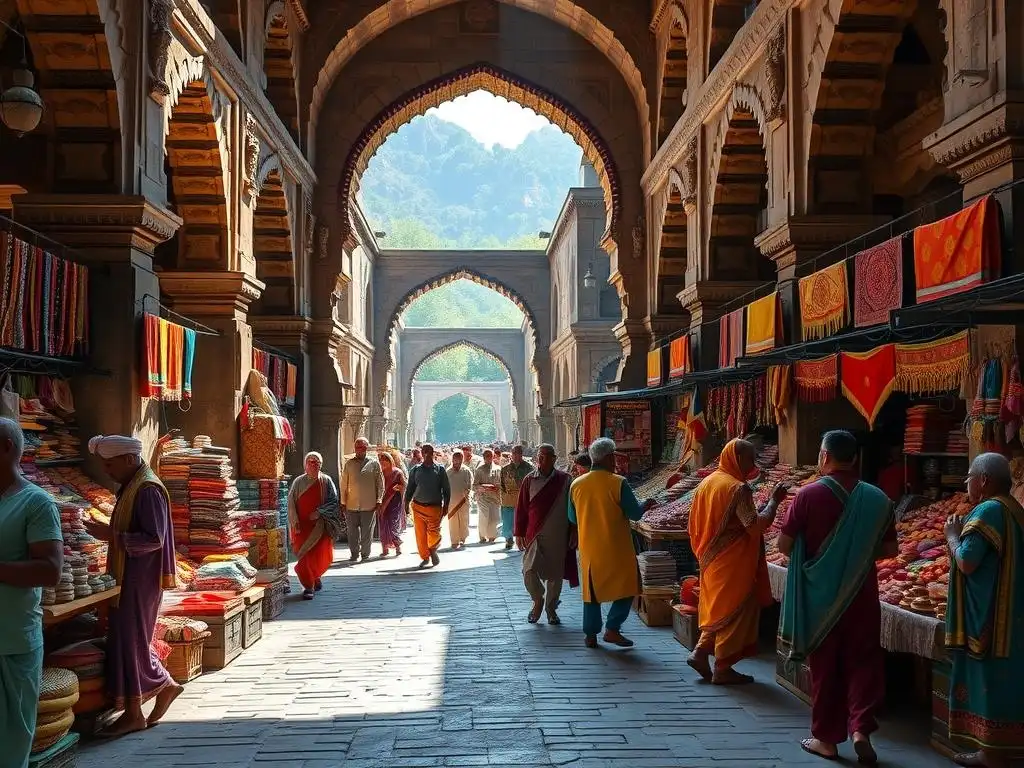
Welcome to Ancient India History, where we embark on a journey through the vibrant tapestry of ancient Indian civilizations! Here, we delve into the intricate trade practices that not only shaped the economy of India but also left an indelible mark on neighboring cultures. Ever wondered how the bustling markets of the Indus Valley or the flourishing trade routes of the Gupta Empire influenced societies far and wide?
Join us as we uncover the fascinating connections between commerce and culture in our latest article, How Ancient Indian Trade Practices Influenced Neighboring Cultures. Prepare to be captivated by stories that highlight the profound legacy of ancient Indian trade!
- Introduction to Ancient Indian Trade Practices
- Historical Context of Ancient Indian Trade
- Influences on Neighboring Cultures
- Specific Examples of Cultural Influence
- Ancient Indian Trade Practices and Their Legacy
- Conclusion
- Frequently Asked Questions
- Final Reflection: The Enduring Legacy of Ancient Indian Trade Practices
- Unveil the Influence of Ancient Trade – Act Now!
Introduction to Ancient Indian Trade Practices
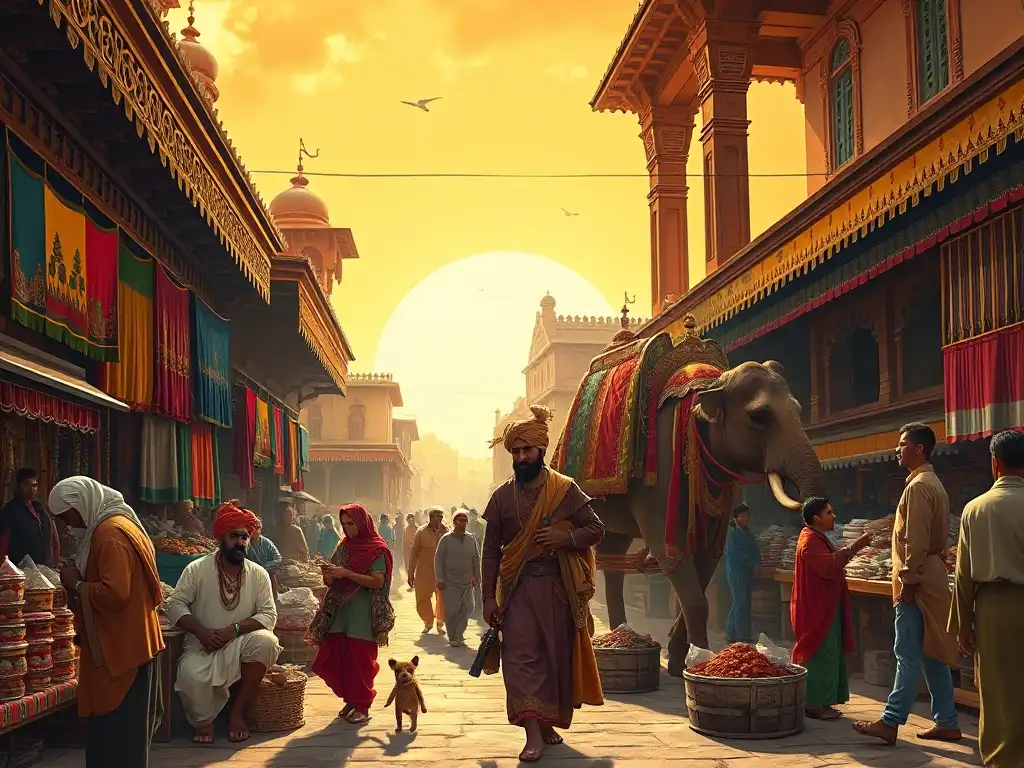
Trade has always been a vital component of human civilization, acting as a conduit for the exchange of goods, ideas, and cultural practices. In ancient India, trade practices were not only a means of economic sustenance but also a significant driver of cultural development and interaction with neighboring regions.
From the sophisticated urban centers of the Indus Valley Civilization to the flourishing markets of the Gupta Empire, ancient Indian trade practices established a rich tapestry of commerce that influenced various aspects of life in the subcontinent and beyond. This article delves into the intricacies of ancient Indian trade practices, exploring their definition, significance within Indian civilization, and the profound impact they had on neighboring cultures.
Definition of Ancient Indian Trade Practices
Ancient Indian trade practices can be defined as the systems and methods employed by various Indian civilizations for the exchange of goods and services over time. These practices were characterized by:
- Barter System: Initially, trade relied on the barter system, where goods were directly exchanged without the use of money.
- Use of Currency: With the evolution of trade, the introduction of metallic coins and standardized weights facilitated easier transactions.
- Trade Routes: Ancient Indians established extensive trade routes, both overland and maritime, connecting them to Central Asia, the Middle East, and beyond.
The complexity of these practices reflects the advanced economic understanding and organizational skills of ancient Indian societies, which were intricately linked to their cultural and social structures.
Importance of Trade in Ancient Indian Civilization
Trade played a pivotal role in the prosperity and growth of ancient Indian civilization. Its importance can be summarized through various dimensions:
- Economic Development: Trade stimulated local economies by enhancing production and providing access to a wider market for goods, such as textiles, spices, and precious stones.
- Cultural Exchange: Through trade, diverse cultures interacted, leading to the exchange of ideas, religions, and customs. This cultural diffusion enriched Indian society, contributing to its pluralistic nature.
- Urbanization: Trade hubs emerged as urban centers, which facilitated the growth of cities like Pataliputra and Ujjain, becoming vibrant cultural and economic epicenters.
- Political Alliances: Economic ties often translated into political alliances, with trade routes serving as channels for diplomatic relations, thus enhancing the geopolitical landscape of the region.
Overview of Influences on Neighboring Cultures
Ancient Indian trade practices significantly influenced neighboring cultures, shaping their economic systems, artistic expressions, and societal norms. Key influences include:
- Southeast Asia: Indian traders introduced Hinduism and Buddhism, along with Indian art and architecture, influencing the cultural landscape of countries like Indonesia and Cambodia.
- Middle East: The exchange of goods such as spices and textiles established trade networks that also allowed for the transmission of knowledge, including advancements in mathematics and astronomy.
- Central Asia: The Silk Road facilitated interactions between Indian traders and Central Asian cultures, leading to a blend of artistic styles and cultural practices that enriched both regions.
The rich tapestry of ancient Indian trade practices not only fostered economic growth within the subcontinent but also played a crucial role in shaping the cultural and economic landscapes of neighboring civilizations, creating a legacy that resonates to this day.
Historical Context of Ancient Indian Trade
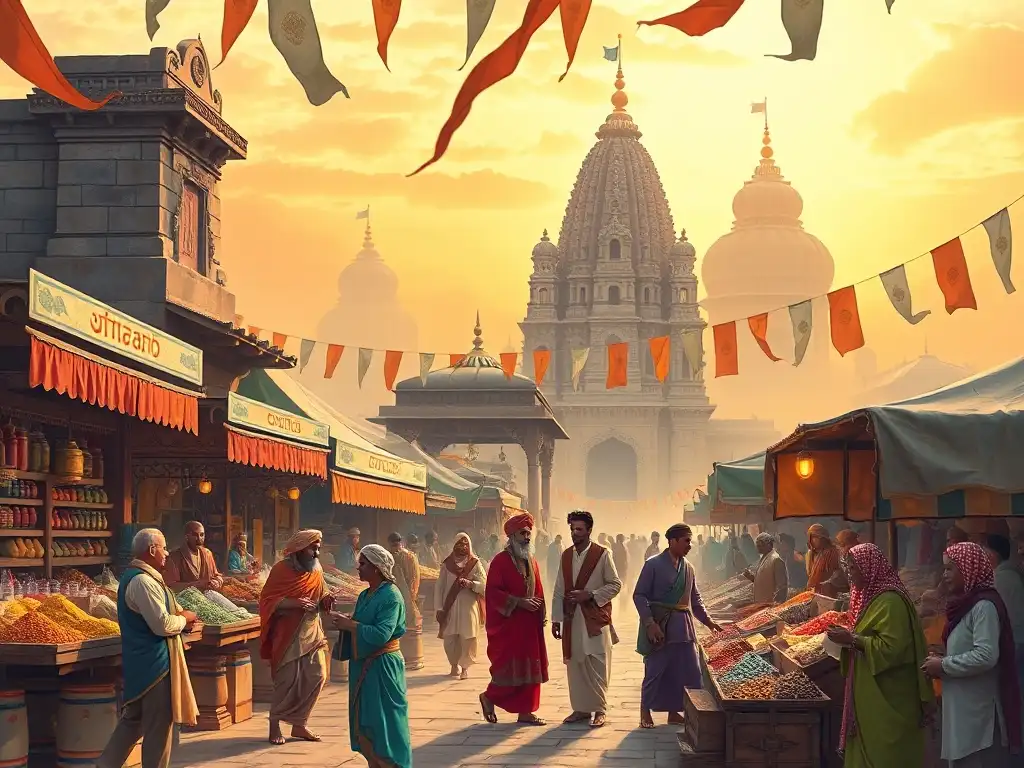
Ancient Indian trade practices have roots that stretch back thousands of years, significantly shaping the economic landscape of the Indian subcontinent. Trade was not merely a means of economic exchange; it was a vital component of cultural interaction, technological diffusion, and social development. As early as the Indus Valley Civilization (circa 3300–1300 BCE), evidence of trade with neighboring regions, such as Mesopotamia, suggests a sophisticated understanding of commerce. The rise of various empires, including the Maurya and Gupta dynasties, saw the expansion of trade networks that connected India to Central Asia, the Middle East, and beyond.
The diversity of ancient Indian trade practices can be attributed to the subcontinent's vast geography, which included fertile plains, deserts, and coastlines, facilitating both overland and maritime trade. Furthermore, the establishment of standardized weights and measures, as well as the use of currency, allowed for more efficient transactions. The exchange of goods led to the formation of bustling markets and urban centers, which became melting pots of cultural and economic activity.
Major Trade Routes in Ancient India
Ancient India was traversed by an intricate web of trade routes that spanned vast distances and facilitated commerce. The following are some of the most significant trade routes:
- The Silk Road: While primarily associated with the trade of silk from China, this route also enabled the flow of Indian spices, textiles, and precious stones towards the West.
- The Maritime Routes: The Indian Ocean trade network connected India with Southeast Asia, the Arabian Peninsula, and East Africa. Ports such as Lothal, Sopara, and Kalyan served as crucial hubs for maritime trade.
- The Grand Trunk Road: One of the oldest and longest major roads in Asia, it connected the eastern and western regions of India, facilitating the movement of goods and people.
- Northwestern Passages: The Khyber Pass and other routes through the Himalayas allowed traders to connect with Central Asian markets, exchanging Indian goods for horses, metals, and other commodities.
These routes were not only vital for economic interaction but also served as conduits for cultural exchange, helping to disseminate ideas, religions, and technologies across regions.
Key Trade Goods and Commodities
The ancient Indian economy thrived on a variety of goods that were in high demand both locally and internationally. Some key trade goods and commodities included:
- Spices: India was renowned for its spices, including black pepper, cardamom, and cinnamon, which were highly sought after in international markets.
- Textiles: Cotton, silk, and woolen fabrics produced in regions like Gujarat and Bengal became major exports, often traded for metals and luxury items.
- Jewelry and Precious Stones: India was a significant supplier of gems and jewelry, with diamonds, rubies, and emeralds being particularly prized.
- Metals and Minerals: The subcontinent's rich deposits of iron, copper, and gold made these materials vital trade commodities.
- Agricultural Products: Grains, fruits, and other agricultural goods were also traded extensively, supporting both local consumption and export.
The exchange of these commodities not only enriched the economy of ancient India but also influenced the lifestyles and cuisines of neighboring cultures.
The Role of Trade in Economic Development
Ancient Indian trade practices played a pivotal role in the economic development of the region. The following points highlight key aspects of this influence:
- Urbanization: Trade stimulated the growth of cities and urban centers, where merchants and artisans flourished, leading to a diversified economy.
- Cultural Exchange: The interaction between traders from different regions fostered a rich cultural tapestry, contributing to advancements in art, science, and philosophy.
- Wealth Accumulation: Successful trade practices allowed certain regions and communities to accumulate wealth, funding infrastructure projects and enhancing the quality of life.
- Political Influence: Wealth generated from trade often translated into political power, with many rulers leveraging their control over trade routes to strengthen their empires.
- Technological Advancements: Exposure to foreign markets and goods encouraged innovation in agricultural practices, manufacturing techniques, and transportation methods.
Ancient Indian trade practices were instrumental in shaping not only the economy of India but also the broader cultural and historical narrative of the region. Their legacy continues to influence modern trade practices and cultural exchanges in contemporary society.
Influences on Neighboring Cultures
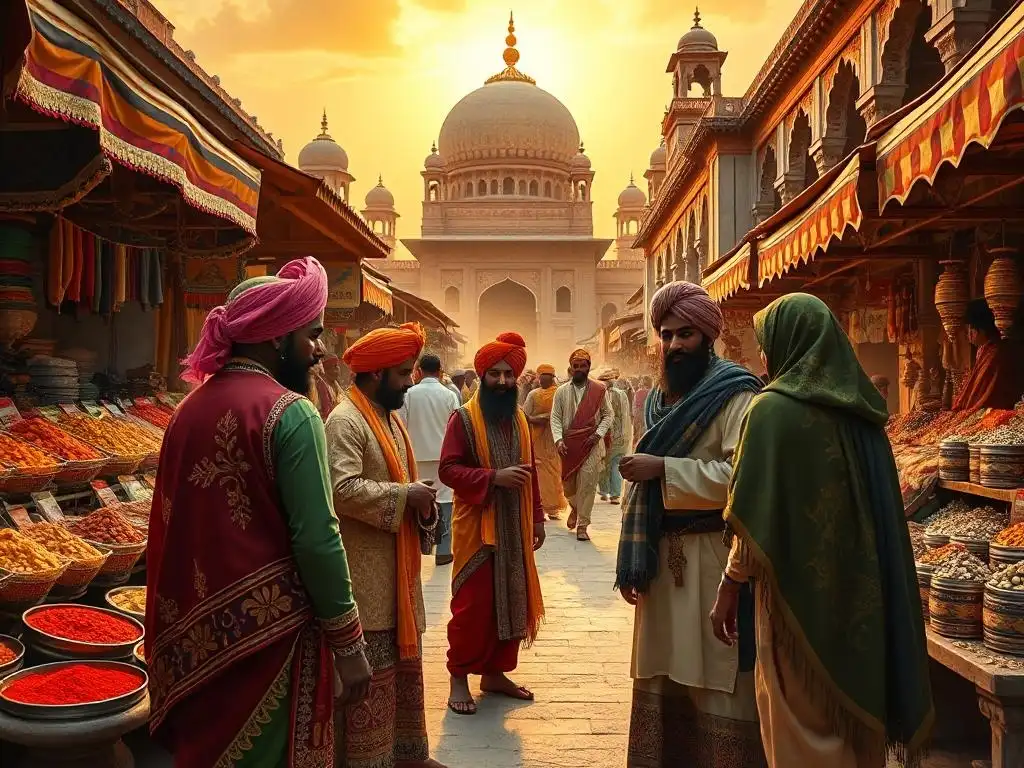
Cultural Exchange through Trade
Ancient Indian trade practices were not just about the exchange of goods; they were also a conduit for cultural exchange, significantly influencing neighboring cultures. The trade routes, such as the Silk Road and maritime pathways, facilitated interactions among merchants, travelers, and scholars from various civilizations. This interconnectedness allowed for the dissemination of ideas, religious beliefs, and cultural practices across regions.
Spread of Ideas and Innovations
Through ancient Indian trade practices, various ideas and innovations found their way to neighboring cultures. For instance, the introduction of concepts like zero and the decimal system, developed in ancient India, spread along trade routes to cultures in Persia and the Arab world, where they were later integrated into mathematics and science. Additionally, the spread of Indian philosophies, particularly Buddhism and Hinduism, reached numerous regions, resulting in the establishment of temples and educational institutions that promoted these philosophical frameworks.
- Key Innovations:
- Mathematics: Introduction of zero and decimal system.
- Architecture: Stupas and temples influenced by Indian designs.
- Medicine: Ayurvedic practices shared with neighboring cultures.
Influence on Art and Architecture
Art and architecture were also significantly impacted by ancient Indian trade practices. The intricate designs and motifs found in Indian textiles, pottery, and sculptures traveled to neighboring regions, influencing local artisans and craftsmen. For instance, the Gandhara art style, which emerged in what is now Pakistan, showcases a blend of Indian and Greco-Roman artistic elements, a direct result of cultural interactions facilitated by trade.
- Notable Influences:
- Gandhara Art: Fusion of Indian and Hellenistic art.
- Temple Architecture: Influence seen in Southeast Asian temples, such as Angkor Wat.
- Textiles: Indian fabrics and patterns adopted in Persia and beyond.
Economic Impact on Neighboring Regions
The economic ramifications of ancient Indian trade practices extended far beyond India's borders. Neighboring regions benefited from the influx of Indian goods, which were highly sought after, such as spices, textiles, and precious stones. This interdependence fostered economic growth and stability in various cultures, leading to the establishment of new trade centers and markets.
Trade Relationships with Persia
The trade relationship between ancient India and Persia was particularly robust, characterized by the exchange of goods and cultural practices. Indian merchants frequently traveled to Persian markets, bringing spices, silk, and gemstones. In return, they received textiles, metals, and other goods. This relationship not only enriched both economies but also led to the sharing of cultural elements, including art, literature, and religious beliefs.
- Key Commodities:
- Exports from India: Spices, silk, gemstones.
- Imports to India: Textiles, metals, and luxury goods.
Trade Connections with Southeast Asia
Ancient Indian trade practices established strong connections with Southeast Asia, influencing both cultural and economic landscapes. Indian merchants navigated maritime routes, leading to significant trade with kingdoms like Srivijaya and the Khmer Empire. The introduction of Indian religions, particularly Hinduism and Buddhism, had a lasting impact on the cultural fabric of these regions.
- Cultural Exchanges:
- Establishment of Hindu and Buddhist temples in Southeast Asia.
- Adoption of Indian scripts and languages.
- Trade of agricultural products and techniques.
Ancient Indian trade practices facilitated not only the exchange of goods but also a rich tapestry of cultural interactions that profoundly influenced neighboring civilizations, shaping their ideas, arts, and economies.
Specific Examples of Cultural Influence
The Indus Valley Civilization and Its Trade Networks
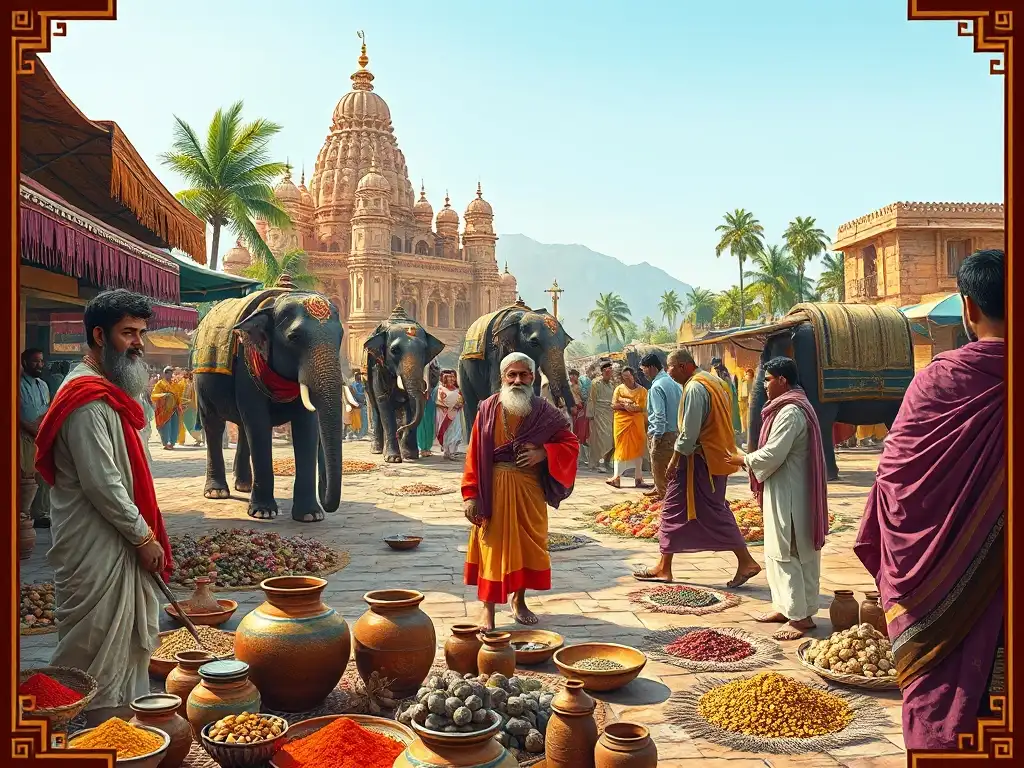
The Indus Valley Civilization (IVC), flourishing around 2500–1900 BCE, is renowned for its sophisticated urban planning and extensive trade networks. The cities of Harappa and Mohenjo-Daro serve as prime examples of this civilization's trade prowess. The IVC engaged in trade with distant regions, including Mesopotamia, the Arabian Peninsula, and even regions of modern-day Iran. This trade was facilitated by a network of well-connected roads and waterways.
- Goods Traded: The Indus traders exported a variety of goods, including:
- Cotton textiles: The earliest evidence of cotton cultivation and weaving is found in the IVC, making their textiles highly sought after.
- Metals: Copper, bronze, and gold items were crafted and traded, showcasing advanced metallurgy.
- Pottery and beads: Distinctive pottery styles and intricate beadwork were also significant trade items.
The influence of the IVC's trade practices extended beyond mere economic exchanges. Goods brought new ideas and technologies to neighboring cultures, fostering artistic styles, architectural techniques, and even agricultural practices. For example, the introduction of cotton textiles to Mesopotamia revolutionized clothing, while advanced urban planning concepts were later observed in neighboring civilizations.
Mauryan Empire: Trade Expansion and Cultural Influence
The Mauryan Empire (c. 322–185 BCE), under rulers like Chandragupta Maurya and Ashoka the Great, witnessed a significant expansion of trade networks. The empire's strategic geographical position facilitated trade across the Indian subcontinent and into regions such as Central Asia and the Mediterranean.
- Trade Routes: The Grand Trunk Road, one of the oldest trade routes, connected various regions, allowing for the efficient movement of goods.
- Cultural Exchanges: As trade flourished, so did cultural exchanges. The Mauryan Empire became a melting pot of different cultures, religions, and ideas. Indian merchants and travelers brought back influences from places such as:
- Buddhism: Spread beyond Indian borders, impacting cultures in Southeast Asia.
- Art and Architecture: The introduction of Indian motifs and architectural styles can be traced to Mauryan trade interactions.
The Mauryan trade practices not only enriched the economy but also facilitated the dissemination of cultural and religious ideologies that shaped the identities of neighboring cultures.
Gupta Empire: Flourishing Trade and Its Impact
The Gupta Empire (c. 320–550 CE) is often referred to as the "Golden Age" of India, characterized by significant advancements in art, science, and trade. This period saw the establishment of extensive trade networks that linked India to various parts of the world, including Europe, the Middle East, and Southeast Asia.
- Maritime Trade: The Guptas capitalized on maritime trade routes, exporting goods such as:
- Spices: India became a key supplier of spices, which were highly valued in international markets.
- Metals and Gems: The Gupta period is noted for high-quality metalwork and precious gemstones, which were traded widely.
- Cultural Diffusion: The flourishing trade led to a vibrant exchange of ideas, including:
- Mathematical Concepts: The numeral system developed during this time significantly influenced mathematics in other cultures.
- Literature and Philosophy: Sanskrit literature and philosophical ideas spread across regions, impacting local traditions and practices.
The trade practices of the Gupta Empire not only boosted the economy but also established India as a cultural hub, influencing numerous neighboring civilizations through the exchange of goods, ideas, and innovations.
Ancient Indian Trade Practices and Their Legacy
Long-Term Effects on Regional Economies
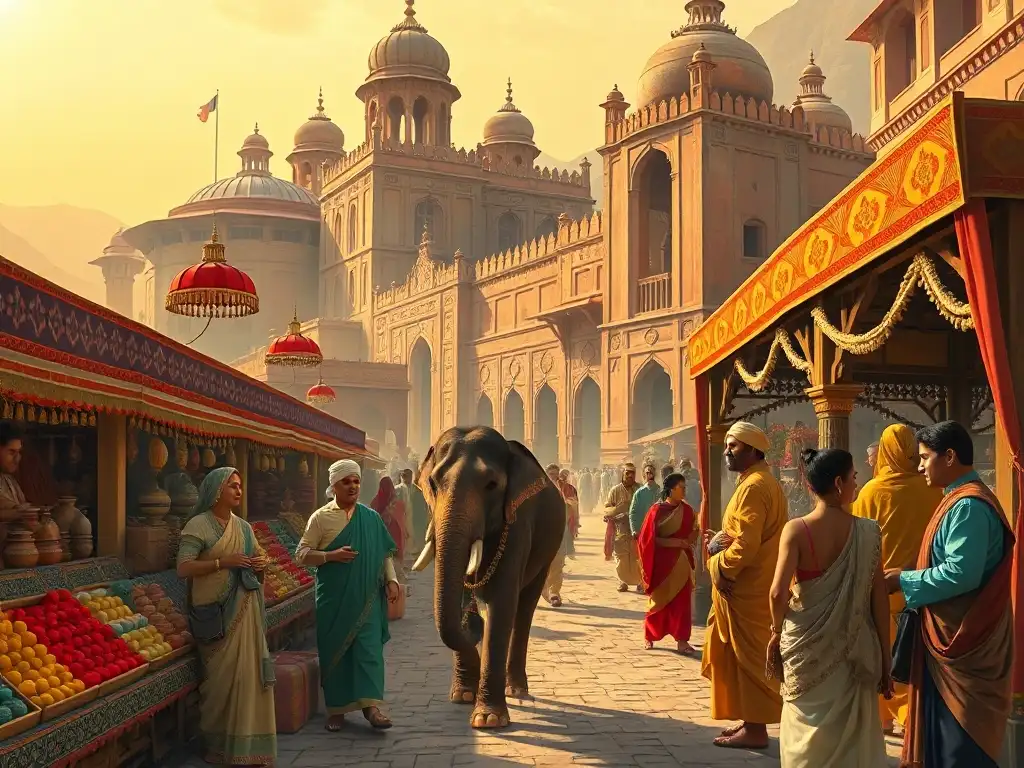
Ancient Indian trade practices played a pivotal role in shaping the economies of not only India but also its neighboring regions. The extensive trade networks established during the Indus Valley Civilization and later through the Maurya and Gupta Empires facilitated the exchange of goods, ideas, and technologies across vast distances. This interaction led to the emergence of economic interdependence among neighboring cultures, which can be observed in several key areas:
- Cultural Exchange: Goods such as spices, textiles, and precious stones were traded extensively, influencing local markets and leading to the adaptation of Indian methods of production and trade in neighboring regions, including Persia and Southeast Asia.
- Market Development: The establishment of trade routes, including the famous Silk Road, enabled the growth of urban centers that thrived on commerce. Cities like Taxila and Pataliputra became melting pots of culture and economic activity, attracting traders and artisans from various regions.
- Monetary Systems: The introduction of standardized currency, which facilitated trade transactions, significantly impacted regional economies. The early forms of coins, such as punch-marked coins used in ancient India, were adopted by neighboring territories, leading to a more unified economic framework across regions.
Continuing Influence on Modern Trade Practices
The legacy of ancient Indian trade practices can be seen in contemporary trade systems and practices. Many modern trade routes still follow the paths established by ancient traders, demonstrating the long-lasting impact of these historical networks. Key aspects include:
- Trade Route Preservation: Modern transportation routes often trace the paths of ancient trade routes. For example, the Maritime Silk Route, which once connected India to Southeast Asia, is still crucial for global shipping today.
- Cultural Continuity: The exchange of spices and textiles that began centuries ago continues to influence global markets. Indian spices, particularly turmeric and pepper, remain vital components of international cuisine and trade.
- Economic Collaborations: Initiatives like the India-ASEAN Free Trade Agreement reflect the enduring connections formed through ancient trade. Modern economic partnerships often draw upon historical ties, reinforcing the collaborative spirit established during antiquity.
Preservation of Cultural Heritage through Trade
Trade in ancient India was not merely an economic endeavor; it was also a conduit for cultural exchange and preservation. As goods were exchanged, so too were ideas, beliefs, and artistic expressions. This cultural diffusion had several significant outcomes:
- Art and Craftsmanship: The exchange of artisanal goods led to the blending of styles and techniques. For instance, the intricate designs of Indian textiles influenced local craftsmanship in regions like Persia and Africa, resulting in a rich tapestry of artistic heritage.
- Religious Exchange: Trade routes facilitated the spread of religious ideas, including Buddhism and Hinduism, which traveled along these paths to influence neighboring cultures. Temples and religious sites emerged along trade routes, serving as centers of cultural confluence.
- Linguistic Impact: The interaction between traders and local populations often resulted in the exchange of languages and scripts. For example, the adoption of Sanskrit and later languages in Southeast Asia can be traced back to trade interactions with Indian merchants.
Ancient Indian trade practices not only laid the foundation for economic networks that influenced neighboring cultures but also fostered a rich cultural heritage that continues to resonate in modern society. The enduring legacy of these practices remains evident in both trade and cultural expressions today.
Conclusion
Summary of Key Points on Ancient Indian Trade Practices
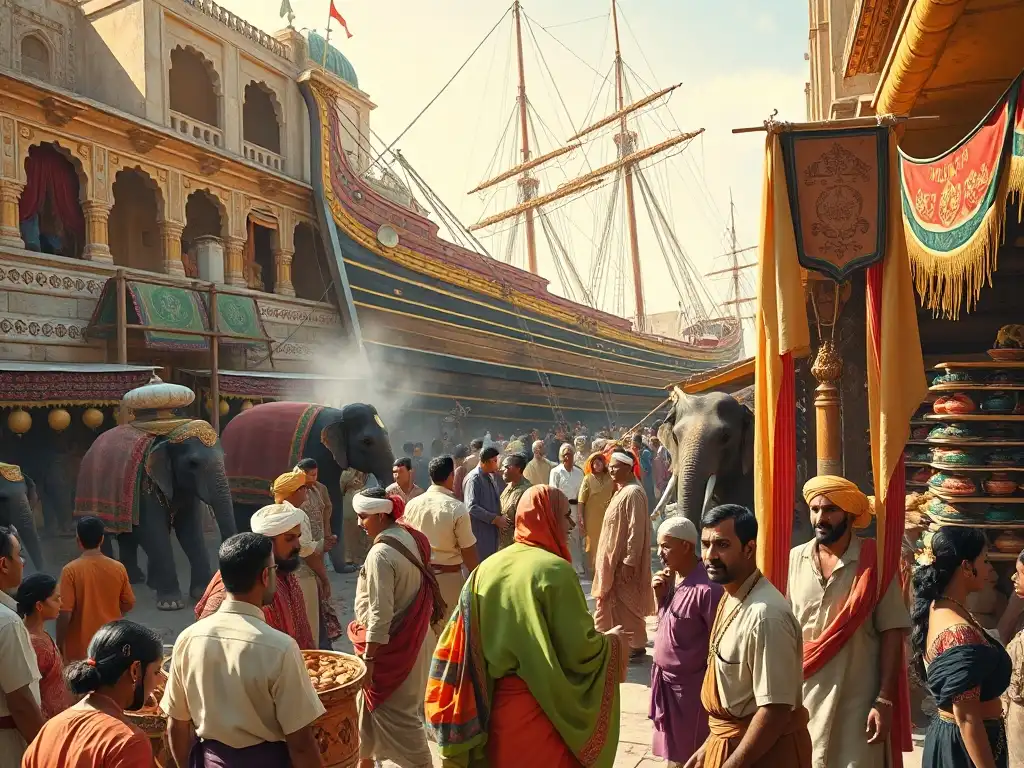
Ancient Indian trade practices were not just economic activities; they were intricate systems that played a pivotal role in shaping the cultural landscape of the region. Here are some key points that encapsulate their significance:
- Diverse Trade Routes: Ancient India was interconnected through a network of land and maritime routes. The Silk Road and maritime pathways linked India with regions as far as the Mediterranean, facilitating goods exchange and cultural interactions.
- Variety of Goods: The trade practices involved a diverse array of commodities, including spices, textiles, precious stones, and metals. For example, Indian spices like black pepper and cardamom were highly sought after in international markets, leading to significant economic prosperity.
- Influence on Neighboring Cultures: The interaction through trade fostered the exchange of ideas, technologies, and cultural practices. Neighboring cultures, such as those in Southeast Asia and the Middle East, were significantly influenced by Indian art, philosophy, and religious practices.
- Development of Urban Centers: Trade practices led to the growth of major urban centers such as Taxila and Pataliputra, which became hubs of commerce, learning, and culture, attracting traders and scholars from various backgrounds.
- Regulatory Frameworks: Various ancient texts, such as the Arthashastra, highlight the sophisticated regulatory frameworks established to govern trade practices, ensuring fairness and stability in economic transactions.
By understanding these key points, we can appreciate how ancient Indian trade practices were not merely about commerce but were deeply intertwined with the cultural and social fabric of the time.
Reflection on the Importance of Trade in Cultural Interactions
Trade in ancient India was a vital conduit for cultural interactions, serving as a bridge between diverse civilizations. The influence of ancient Indian trade practices extended beyond mere economic exchange, fostering profound connections among different cultures.
- Cultural Exchange: As merchants traveled along trade routes, they brought with them not only goods but also ideas, philosophies, and religious beliefs. This led to the spread of Hinduism and Buddhism across Asia, significantly impacting cultures in regions such as Southeast Asia, where Indian architectural styles and religious practices found a lasting presence.
- Technological Innovations: The exchange of knowledge was evident in the adoption of new technologies. For instance, Indian advancements in mathematics and astronomy were disseminated through trade networks, influencing the scientific developments in neighboring cultures.
- Artistic Influences: Art and architecture also evolved through trade interactions. The intricate designs of Indian textiles inspired artisans in other regions. Similarly, Indian sculptures and paintings began to reflect influences from foreign styles, creating a rich tapestry of artistic expression.
- Diplomatic Relations: Trade fostered diplomatic ties between ancient Indian states and their neighbors. These relationships were often solidified through marriage alliances and treaties, further facilitating cultural exchanges.
Ancient Indian trade practices were instrumental in shaping a rich and diverse cultural landscape that extended well beyond the Indian subcontinent. The legacy of these interactions continues to be a subject of interest for historians and cultural enthusiasts, illustrating the interconnectedness of ancient civilizations.
Frequently Asked Questions
What were the main trade practices in ancient India?
Ancient Indian trade practices involved overland and maritime routes, facilitating the exchange of spices, textiles, and precious metals with neighboring regions.
How did trade influence cultural exchanges in ancient India?
Trade served as a conduit for cultural exchange, allowing for the dissemination of art, religion, and technology between ancient Indian civilizations and their neighbors.
What role did the Indus Valley Civilization play in trade?
The Indus Valley Civilization was crucial in establishing early trade networks, known for their advanced urban planning and trade with regions like Mesopotamia.
How did the Gupta Empire impact trade practices?
During the Gupta Empire, trade flourished due to political stability, leading to increased commerce and the establishment of trade guilds that enhanced economic activities.
What were some goods traded by ancient Indian merchants?
Ancient Indian merchants traded a variety of goods, including silk, spices, and jewelry, which were highly sought after in global markets, significantly influencing neighboring cultures.
Final Reflection: The Enduring Legacy of Ancient Indian Trade Practices
The significance of ancient Indian trade practices extends far beyond historical transactions; they are a testament to the interconnectedness of cultures and economies that shaped our world today. In an era where globalization is often viewed as a modern phenomenon, it is crucial to recognize that the roots of cultural exchange and economic collaboration can be traced back to these ancient practices. The intricate networks established by Indian traders fostered not only the exchange of goods but also ideas, philosophies, and innovations that continue to resonate in contemporary society.
The influence of ancient Indian trade practices is evident in the rich tapestry of cultural diversity that characterizes many regions today. From the adoption of spices and textiles to the spread of religious beliefs and artistic expressions, these exchanges have left an indelible mark on neighboring cultures. As we reflect on this historical narrative, we are reminded of the words of Mahatma Gandhi: A nation's greatness is measured by how it treats its weakest members.
This sentiment echoes the importance of understanding our shared history and recognizing the contributions of diverse cultures in shaping our collective identity.
As we look to the future, let us embrace the lessons from ancient Indian trade practices and apply them in our lives. Consider how you can foster connections within your own community, celebrating diversity and promoting understanding. Reflect on the ways in which trade—whether of goods, ideas, or values—can enrich our lives and strengthen our bonds. By honoring the legacy of those who came before us, we can build a more inclusive and interconnected world for generations to come.
Unveil the Influence of Ancient Trade – Act Now!
Thank you for diving into the fascinating world of ancient Indian trade practices and their impact on neighboring cultures! We hope you’ve gained valuable insights into how these exchanges shaped social dynamics, economies, and relationships across regions. Now, it's time to put that knowledge to use!
Here’s how you can explore further:
- Visit local museums or browse online exhibitions that feature artifacts from ancient trade routes. You’ll uncover stories and connections that bring history to life!
- Join or initiate a discussion group dedicated to ancient trade practices. This will allow you to share insights, gather diverse perspectives, and deepen your understanding of this rich history.
- Share this article with friends or on social media to spark conversations about ancient cultures and their legacies.
What aspect of ancient trade practices do you find most intriguing, and how do you think they continue to shape modern culture today?