
The Influence of Ancient Trade Routes on Modern Indian Economy

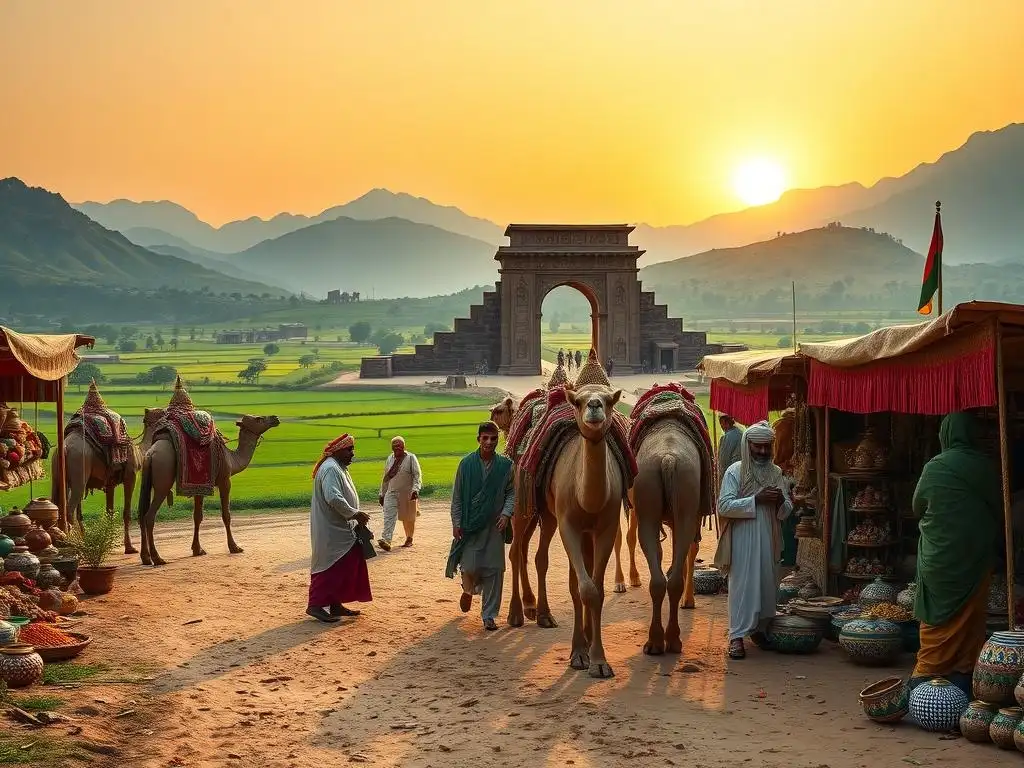
Welcome to Ancient India History, where we embark on a journey through the vibrant tapestry of India’s past! In this exploration, we delve into the fascinating world of ancient trade routes in India, uncovering how these pathways of commerce not only shaped the civilizations of yore but also laid the groundwork for the modern Indian economy. Prepare to be intrigued as we unravel the connections between these historic routes and their profound influence on today's economic landscape. Let your curiosity guide you deeper into the stories of trade, culture, and innovation that still resonate in contemporary India!
Introduction to Ancient Trade Routes in India
The intricate tapestry of India's history is woven with the threads of its ancient trade routes, which played a pivotal role in shaping the socio-economic landscape of the region. These routes not only facilitated the exchange of goods but also fostered cultural interactions and the spread of ideas among diverse civilizations. Understanding the ancient trade routes in India is essential for appreciating their lasting impact on the modern Indian economy. Today, as India re-emerges as a significant player in the global economy, the echoes of these historical networks can be observed in its contemporary trade practices and economic policies.
Overview of Ancient Trade Routes India
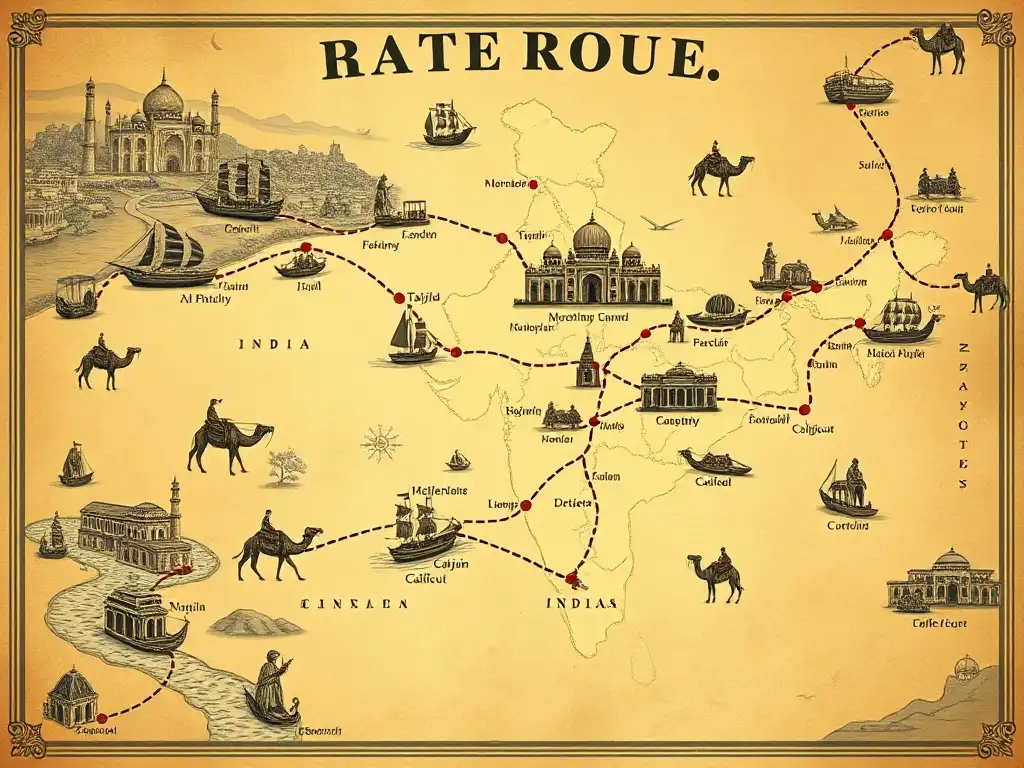
From the Indus Valley Civilization to the flourishing empires of the Mauryas and Guptas, ancient India was crisscrossed by a myriad of trade routes. These routes connected not only various regions within the subcontinent but also linked India with distant lands, including the Middle East, Southeast Asia, and beyond.
- Land Routes: The Grand Trunk Road, one of the oldest and longest major roads in Asia, was a crucial artery for trade and communication.
- Maritime Routes: The coastal trade along the Arabian Sea and the Bay of Bengal facilitated the exchange of spices, textiles, and precious gems.
This extensive network of trade routes contributed to the economic prosperity of ancient India, making it a hub of commerce and culture.
Importance of Trade Networks in Ancient Indian Civilization
The trade networks of ancient India were crucial for several reasons:
- Economic Development: They stimulated local economies, leading to the growth of cities and towns.
- Cultural Exchange: Trade routes served as conduits for the exchange of ideas, religions, and cultures, enriching the civilization.
- Political Stability: Control over trade routes often translated into political power, as rulers sought to dominate these valuable corridors.
Historical Context of Trade Routes in Ancient India
The historical significance of trade routes in ancient India can be traced back to various periods, each contributing to the evolution of trade practices. The Vedic period established local trade, while subsequent empires expanded these networks, integrating distant lands into a cohesive economic framework.
Major Trade Routes of Ancient India
Some of the notable trade routes included:
- Silk Route: Connecting India to Central Asia, this route was instrumental in the exchange of silk, spices, and precious stones.
- Spice Route: This maritime route was vital for the trade of spices, which were highly sought after in Europe and the Middle East.
These routes not only facilitated trade but also led to the establishment of diplomatic relations between various kingdoms.
Key Trade Cities and Their Economic Roles
Several cities emerged as critical nodes in the ancient trade network:
- Taxila: Known for its educational institutions and as a trade center for goods like textiles and precious metals.
- Pataliputra: The capital of the Mauryan Empire, it was a thriving hub for trade and commerce.
The economic roles of these cities were vital in promoting trade, cultural exchanges, and political alliances, laying the groundwork for modern India's economic landscape.
The Structure of Ancient Trade Networks
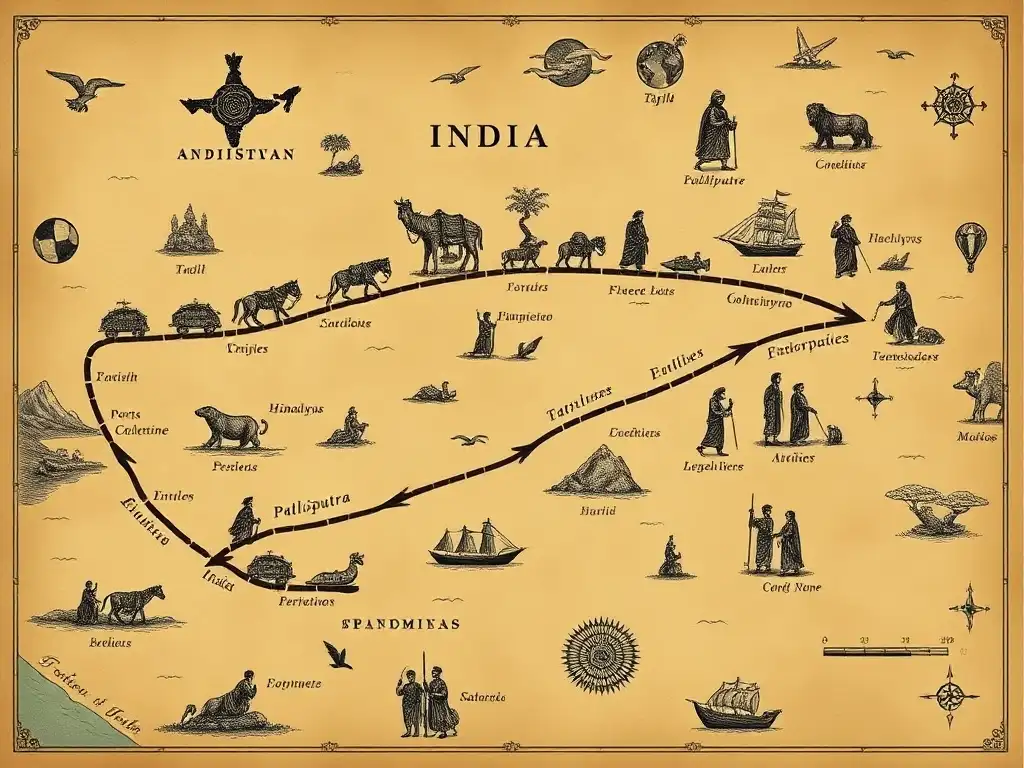
The ancient trade networks of India were complex and multifaceted, encompassing land and maritime routes that facilitated the movement of goods across vast distances. These networks can be categorized into several key systems, including the Silk Road, which linked India with Central Asia and beyond, and the maritime routes that connected Indian ports with the Arabian Sea and the Indian Ocean.
The structure of these trade routes was not only geographical but also sociopolitical, with major kingdoms and empires such as the Maurya and Gupta empires playing crucial roles in the regulation and protection of trade. Cities like Taxila, Pataliputra, and Ujjain emerged as significant trade hubs, providing essential services such as warehousing, banking, and administration. The presence of well-maintained roads and ports, along with a system of way stations, enabled the efficient transit of goods and fostered economic prosperity.
Moreover, ancient trade networks were characterized by a diverse range of participants, including local artisans, farmers, and specialized traders. This diversity contributed to the rich cultural exchange that defined these routes, shaping not only the economy but also the social and cultural fabric of ancient India.
Types of Goods Traded Along Ancient Routes
The ancient trade routes of India facilitated the exchange of a wide variety of goods, which played a vital role in the economy of the time. Key categories of goods traded included:
- Spices: India was renowned for its spices, such as black pepper, cardamom, and cloves. These were highly sought after in international markets for their culinary and preservative qualities.
- Textiles: Cotton and silk textiles were major exports, with Indian cloth being prized for its quality and intricate designs. The production of textiles supported numerous artisans and contributed significantly to local economies.
- Metals: Precious metals like gold and silver were important trade items, both as currency and for crafting jewelry and ornaments. Additionally, iron and copper were traded for tools and weaponry.
- Agricultural Products: Grains, fruits, and other agricultural products were exchanged, supporting both local consumption and trade with distant regions.
- Luxury Goods: Items such as ivory, gemstones, and intricate jewelry were traded, appealing to affluent consumers both within and outside India.
The diversity of goods traded along these routes not only facilitated economic growth but also fostered cultural exchange, as different regions contributed their unique products to the marketplace.
The Role of Merchants and Traders in Ancient India
Merchants and traders were pivotal figures in the ancient Indian economy, acting as intermediaries who connected producers with consumers across vast distances. They were often organized into guilds, which provided support networks and established regulations for trade practices. These guilds played a crucial role in ensuring fair practices and protecting the interests of their members.
Traders were skilled navigators of both land and sea, using their knowledge to traverse complex trade routes. Their expertise extended beyond mere commerce; many traders were also involved in cultural exchange, introducing new ideas, technologies, and art forms to different regions. For instance, the spread of Buddhism along trade routes can be attributed to the interactions facilitated by these merchants.
Moreover, the status of merchants in ancient Indian society was often elevated, with some attaining significant wealth and influence. They contributed not only to economic development but also to the cultural and intellectual life of the regions they inhabited. This dynamic interplay between commerce and culture was foundational to the legacy of ancient trade routes in India.
Transition from Ancient to Modern Trade Dynamics
The transition from ancient trade dynamics to modern practices is marked by significant changes in the structure, scale, and technology of trade. While ancient trade routes laid the groundwork for economic interactions, the advent of colonialism, industrialization, and globalization transformed the landscape of trade in India.
Modern trade dynamics encompass a broader array of goods and services, facilitated by advancements in transportation and communication technologies. The integration of international markets has allowed India to become a key player in global trade, building on the historical foundations established by ancient trade networks.
Continuity of Trade Routes into Modern India
Many ancient trade routes still play a crucial role in contemporary India, albeit in evolved forms. For example, the historical Silk Road has transformed into modern trade corridors that facilitate the movement of goods between India and its neighboring countries. Major highways and railways have been developed along these ancient paths, enhancing connectivity and boosting trade.
Ports that were once bustling centers of maritime trade, such as those in Gujarat and Tamil Nadu, continue to thrive today, serving as gateways for international commerce. The legacy of these routes can also be seen in the continued importance of markets and trade fairs that echo the historical practices of ancient merchants.
This continuity not only underscores the resilience of India's trade networks but also highlights the enduring significance of ancient practices in shaping modern economic strategies.
Evolution of Trade Practices from Ancient to Contemporary Times
The evolution of trade practices from ancient times to the present reflects broader changes in technology, governance, and consumer behavior. In ancient India, trade was characterized by barter systems and local currencies, with transactions often taking place in marketplaces. However, modern trade has shifted towards a cash-based economy, utilizing international currencies and electronic payment systems.
The regulatory landscape has also transformed, with contemporary trade practices governed by national and international laws that promote fair trade, protect intellectual property, and ensure consumer rights. This regulatory framework contrasts sharply with the more informal agreements that governed ancient trade.
Furthermore, globalization has introduced new dynamics, such as e-commerce and digital marketplaces, which allow for instantaneous transactions across borders. While the essence of trade—connecting buyers and sellers—remains the same, the methods and practices have evolved dramatically, creating a sophisticated and interconnected global market.
The journey from ancient trade routes to modern economic practices illustrates a rich tapestry of continuity and change, with the historical foundations of trade in India continuing to influence contemporary commerce.
The Influence of Ancient Trade Routes on the Modern Indian Economy
The ancient trade routes of India, such as the Silk Road and the Spice Route, have left a profound impact on the country's modern economy. These routes facilitated not only the exchange of goods but also the sharing of ideas, culture, and technology, which laid the groundwork for India's position in today's global economy. By fostering trade relationships with various civilizations, these ancient networks established India as an integral hub of commerce, which continues to influence economic strategies, trade policies, and cultural interactions in the present day.
Current Economic Significance of Historical Trade Routes
Today, the historical trade routes are still significant in shaping India's economic landscape. Regions that were once thriving trade hubs, such as Gujarat and Tamil Nadu, continue to be pivotal in India's trade dynamics. The following points highlight their current economic significance:
- Trade Connectivity: Modern infrastructure, including highways and ports, is often aligned with ancient trade routes, enhancing connectivity and fostering trade. For example, the development of the Sagarmala Project aims to modernize India's ports, many of which were once key terminals in ancient maritime trade.
- Cultural Tourism: Many ancient trade routes have transformed into cultural tourism circuits, attracting visitors who seek to explore the rich history of trade. This not only generates revenue but also promotes local artisans and businesses, stimulating economic growth.
- Export Opportunities: Historical trade routes remind modern entrepreneurs of the importance of global market access. India exports a variety of goods, including textiles and spices, echoing the commodities that were once traded along these routes. This has helped India maintain a favorable trade balance in certain sectors.
Modern Trade Policies Inspired by Ancient Practices
Modern trade policies in India often draw inspiration from the ancient practices that once governed trade. These policies focus on inclusivity, sustainability, and fostering relationships with neighboring countries. Key aspects include:
- Bilateral Trade Agreements: Inspired by historical alliances formed along ancient trade routes, India has engaged in multiple bilateral trade agreements with countries in Southeast Asia and the Middle East, aimed at enhancing trade volumes and economic cooperation.
- Sustainable Practices: The ancient trade routes were characterized by resourcefulness and sustainability. Modern policies now emphasize sustainable development, encouraging local sourcing and eco-friendly practices to ensure long-term economic health.
- Cultural Exchange Programs: Reflecting the cultural exchanges of the past, the Indian government promotes cultural diplomacy programs. These initiatives aim to strengthen ties with other nations through trade fairs, exhibitions, and collaborations, fostering goodwill and economic partnerships.
Conclusion
Summary of Ancient Trade Routes' Impact on Modern Economy
The ancient trade routes of India have not only shaped its historical context but have also significantly influenced the modern economy. They have paved the way for a robust trade network that continues to thrive today. The interplay of commerce, culture, and technology fostered by these routes has allowed India to maintain its status as a key player in global trade, adapting to contemporary challenges while honoring its rich heritage.
The Legacy of Ancient Trade in Shaping India’s Economic Future
The legacy of ancient trade routes continues to shape India's economic future. As globalization accelerates, the lessons learned from historical trade practices remain relevant. By leveraging its historical strengths, India can address modern economic challenges, enhance its trade relationships, and ensure sustainable growth. The integration of ancient wisdom with modern economic strategies holds the potential to guide India towards a prosperous future, making the ancient trade routes not just a chapter in history, but a cornerstone of contemporary economic development.
- Introduction to Ancient Trade Routes in India
- Overview of Ancient Trade Routes India
- Importance of Trade Networks in Ancient Indian Civilization
- Historical Context of Trade Routes in Ancient India
- The Structure of Ancient Trade Networks
- Transition from Ancient to Modern Trade Dynamics
- The Influence of Ancient Trade Routes on the Modern Indian Economy
- Conclusion
Frequently Asked Questions
What were the main ancient trade routes in India?
The primary ancient trade routes in India included the Silk Road and the Spice Route, which facilitated the exchange of goods such as spices, textiles, and precious metals.
How did ancient trade routes impact Indian civilization?
Ancient trade routes played a crucial role in the cultural exchange and economic development of Indian civilization, helping to spread ideas, religions, and technologies across regions.
What contributions did the Indus Valley Civilization make to trade?
The Indus Valley Civilization established early forms of trade with Mesopotamia and other regions, showcasing advanced urban planning and standardized weights for trade goods.
How are ancient trade practices reflected in modern India?
Modern India continues to benefit from its ancient trade routes through the globalization of its economy, with a focus on exporting traditional goods like spices and handicrafts.
What role did the Gupta Empire play in trade?
The Gupta Empire enhanced trade by promoting commerce and cultural exchanges, which led to a flourishing economy, particularly in metallurgy and textile production.
Final Reflection: The Enduring Legacy of Ancient Trade Routes in Modern India
The intricate web of ancient trade routes has not only shaped the historical landscape of India but continues to play a pivotal role in its modern economy. As we navigate through the complexities of globalization, the lessons from these ancient pathways remind us of the interconnectedness of cultures and economies. The trade routes of yesteryears were not merely conduits for goods; they were lifelines that fostered relationships, innovation, and cultural exchange, which are more relevant today than ever.
The influence of ancient trade routes extends far beyond historical significance; they have laid the groundwork for contemporary economic practices and cultural exchanges. The revival of interest in these routes highlights a collective yearning to reconnect with our roots and harness the wisdom of the past. As noted by historian R. S. Sharma, The ancient trade routes were not just about commerce; they were about the exchange of ideas and the forging of identities.
This observation underscores the importance of understanding our heritage as we strive to build a robust and inclusive economy in the present.
As we reflect on the lessons of ancient trade routes, let us embrace the spirit of collaboration and innovation they embodied. I invite you to consider how you can apply these principles in your own life and community. Whether through supporting local artisans, engaging in sustainable practices, or fostering cross-cultural dialogue, each of us has a role to play in continuing the legacy of these ancient pathways. Together, we can create a future that honors our past while paving the way for a prosperous and interconnected world.
Thank you for taking the time to explore the fascinating world of ancient trade routes and their profound impact on the modern Indian economy. You've unlocked a treasure trove of insights that enhance your appreciation for the intricate tapestry of India's history and its relevance today. Now, it's time to put this knowledge into action!
Here’s how you can further delve into this captivating topic and make a difference:
- Join a local history club or participate in online forums to discuss and share insights about ancient trade routes and their influence on today’s economy.
- Support local businesses that draw inspiration from traditional trade practices by shopping at their stores or collaborating with them.
- Spread your newfound knowledge through social media or conversations with friends! Ignite discussions on how ancient practices can shape modern economies.
How can understanding these ancient trade routes inspire you to contribute to your community's economic landscape?