
Ancient Indian Innovations: How They Influenced Neighboring Civilizations


Welcome to Ancient India History, where we embark on an enthralling journey through the rich tapestry of ancient Indian civilizations. From the marvels of the Indus Valley to the intellectual achievements of the Gupta Empire, this site unravels the fascinating stories behind the innovations that shaped not only India but also influenced neighboring cultures.
Our featured article, "Ancient Indian Innovations: How They Influenced Neighboring Civilizations," invites you to discover the profound impact of ancient Indian innovations on the world. Get ready to explore the intricate connections that define our shared heritage, and see how these remarkable advancements continue to resonate today!
Introduction to Ancient Indian Innovations
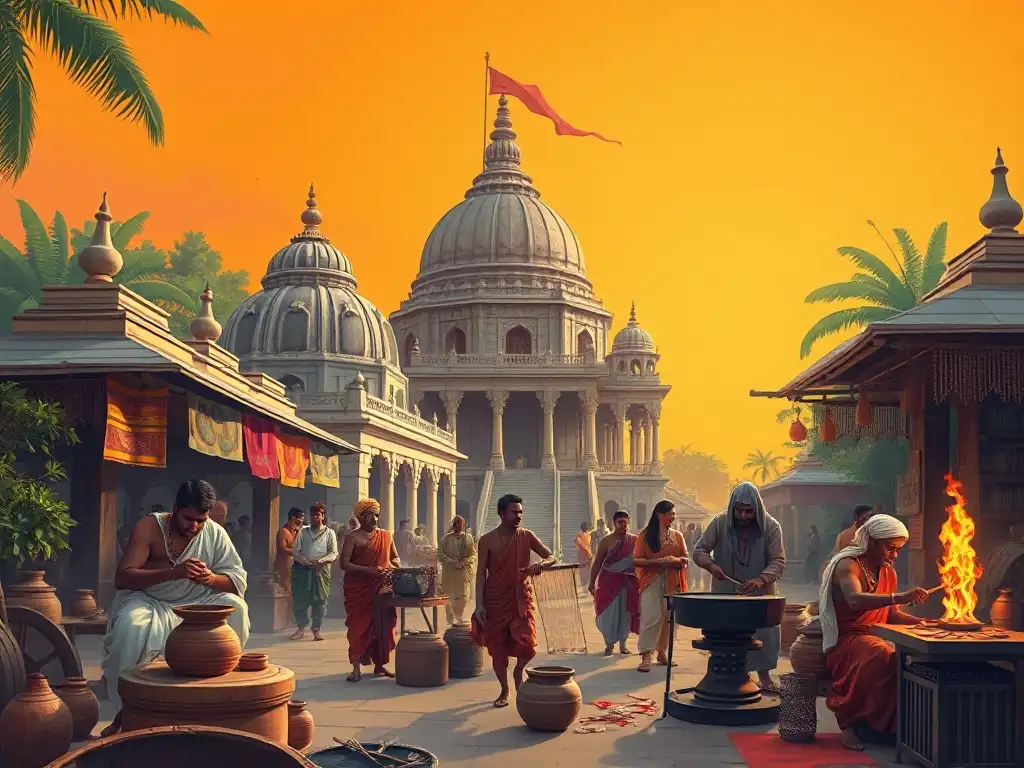
The history of ancient India is not just a chronicle of its empires and kingdoms; it is also a testament to a myriad of innovations that emerged from its rich cultural tapestry. These innovations—ranging from scientific discoveries to architectural marvels—have left an indelible mark on not only Indian society but also on neighboring civilizations. As we explore the impact of ancient Indian innovations, it becomes evident that these advancements played a crucial role in shaping the cultural and technological landscapes of the regions surrounding the Indian subcontinent.
Overview of Ancient Indian Civilizations
Ancient Indian civilizations, such as the Indus Valley Civilization, the Maurya Empire, and the Gupta Empire, were characterized by their diversity and sophistication. The Indus Valley Civilization, known for its advanced urban planning and drainage systems, laid the groundwork for future innovations. The Maurya and Gupta Empires, on the other hand, are celebrated for their contributions to governance, philosophy, and the arts.
- Key Civilizations:
- Indus Valley Civilization: Urban planning, metallurgy, and trade.
- Maurya Empire: Political philosophy, governance, and military strategies.
- Gupta Empire: Advancements in science, mathematics, and literature.
These civilizations thrived through interactions with neighboring regions, facilitating a cultural exchange that enriched both India and its neighbors.
Significance of Innovations in Ancient India
The innovations of ancient India were not merely technical advancements; they were pivotal in fostering trade, diplomacy, and cultural exchanges. By developing sophisticated systems in various fields, ancient Indian civilizations contributed to a shared legacy that influenced societies across Asia.
- Cultural Significance:
- Enhanced trade routes, such as the Silk Road, facilitated the exchange of not just goods but ideas.
- Philosophical contributions, including Buddhism and Hinduism, spread far beyond Indian borders, influencing cultures in East and Southeast Asia.
These innovations served as a bridge, connecting diverse cultures and facilitating mutual growth.
Key Innovations from Ancient India
Ancient India was a crucible of innovation, producing remarkable advancements that have withstood the test of time. This section highlights some of the most significant contributions that have had a lasting impact on neighboring civilizations.
Scientific and Technological Advancements
Ancient Indian scholars made groundbreaking contributions in various scientific fields, including mathematics, astronomy, and medicine.
- Notable Contributions:
- The concept of zero and the decimal system revolutionized mathematics.
- Aryabhata's astronomical calculations laid foundations for future studies in astronomy.
- Ayurveda, the ancient system of medicine, influenced medical practices in various cultures.
These advancements not only served the Indian populace but also found their way into the intellectual traditions of neighboring civilizations.
Architectural Innovations
The architectural prowess of ancient India is evident in its monumental structures and innovative designs, which have inspired architects worldwide.
- Key Architectural Marvels:
- Stupas: Structures like the Sanchi Stupa exemplify advanced construction techniques and religious significance.
- Temples: The intricate carvings and designs of temples such as the Brihadeeswarar Temple influenced architectural styles in Southeast Asia.
These architectural innovations served not only as places of worship but also as symbols of cultural identity that resonated with neighboring cultures.
Agricultural Techniques
Agriculture in ancient India witnessed significant advancements that improved productivity and sustainability.
- Innovative Practices:
- The introduction of new irrigation techniques allowed for the cultivation of diverse crops.
- The use of crop rotation and natural fertilizers enhanced soil fertility.
These agricultural techniques not only supported the growing populations within India but also provided insights and methods that neighboring civilizations adopted to enhance their own agrarian practices.
The Impact of Ancient Indian Innovations on Neighboring Civilizations
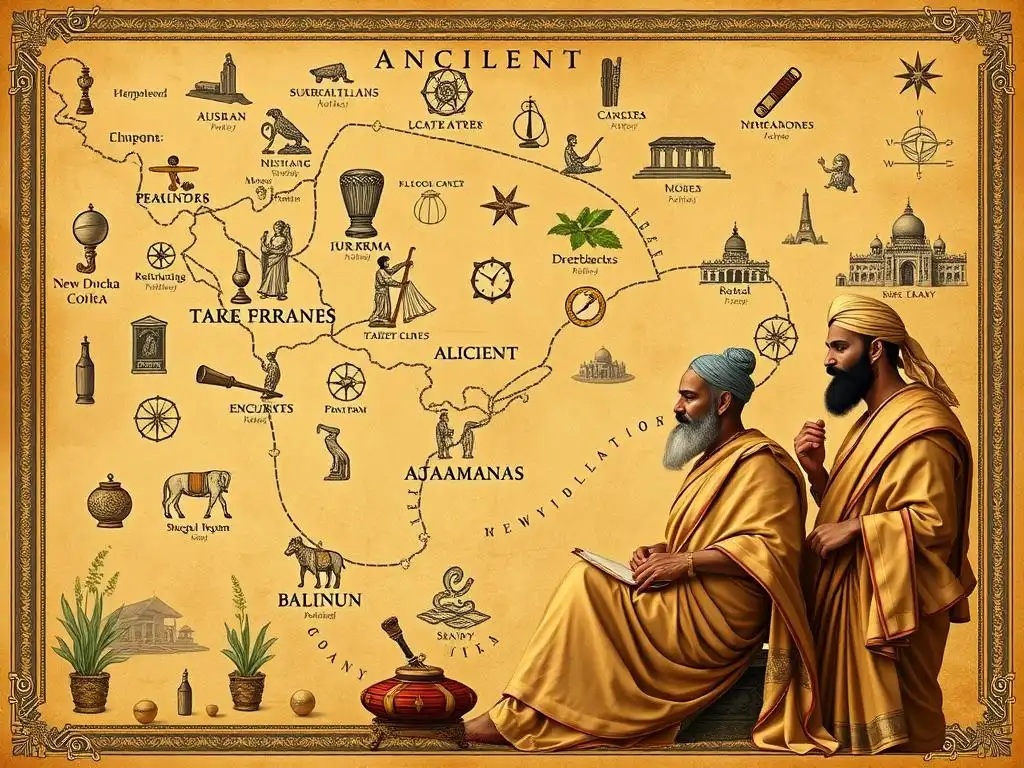
Ancient Indian innovations have significantly shaped the cultural, technological, and economic landscapes of neighboring civilizations. These innovations, which span various domains such as science, art, philosophy, and trade, facilitated interactions that led to mutual growth and development. The sharing of knowledge and practices fostered a rich tapestry of cultural exchanges that not only influenced immediate neighbors but also left lasting legacies in distant regions.
The synthesis of Indian innovations with local traditions often resulted in hybrid cultures, enriching the social fabric of surrounding areas. For instance, advancements in mathematics and astronomy from ancient India were not only adopted by neighboring cultures but also adapted to fit their own contexts. This cross-pollination of ideas illustrates the profound impact ancient Indian innovations had on shaping the progress of adjacent civilizations.
Influence on Asian Cultures
The influence of ancient Indian innovations on Asian cultures is particularly noteworthy. One of the most significant contributions was the introduction of Indian philosophies and religious practices, primarily Buddhism and Hinduism, which spread across Asia, influencing countries such as China, Japan, and Southeast Asia.
Buddhism, founded by Siddhartha Gautama in the 6th century BCE, became a major spiritual force. As it traveled along trade routes like the Silk Road, it assimilated local beliefs and practices, leading to the establishment of unique cultural identities. For example, in China, the integration of Buddhist concepts with Confucian and Daoist ideas resulted in a distinct form of Chinese Buddhism that influenced art, literature, and social practices.
In addition to religion, Indian innovations in mathematics and astronomy also permeated Asian cultures. The concept of zero and the decimal system, developed in ancient India, were transmitted to Arab scholars and eventually to Europe, revolutionizing mathematics globally. Similarly, Indian astronomical knowledge informed Chinese calendars and navigation techniques, enhancing their maritime capabilities.
Impact on Trade and Economy
Trade routes established during ancient times served as conduits for the exchange of goods, ideas, and innovations. Ancient Indian innovations played a crucial role in this economic interdependence. The introduction of new agricultural techniques, such as irrigation methods and crop rotation, significantly increased agricultural productivity. This surplus allowed for the growth of trade, as local economies became more interconnected.
Moreover, the Indian subcontinent was known for its rich resources, including spices, textiles, and precious stones. These commodities were highly sought after in markets across Asia and beyond. The establishment of trading hubs, such as those in ports like Lothal and Kannauj, facilitated commerce and cultural exchanges, allowing innovations to spread along with the flow of goods.
The impact of ancient Indian innovations on trade is also evident in the introduction of coinage and standardized weights and measures, which streamlined transactions and fostered economic stability. These practices not only influenced neighboring regions but were also adopted by various cultures, paving the way for more sophisticated economic systems.
Cultural Exchanges Driven by Innovations
Cultural exchanges driven by ancient Indian innovations had far-reaching effects on neighboring civilizations, particularly in the realms of art, religion, and philosophy. The interplay between different cultures fostered a dynamic environment where ideas and artistic expressions could flourish, leading to enriched cultural landscapes across Asia.
Artistic Influences
The artistic innovations of ancient India, particularly in sculpture, architecture, and painting, left an indelible mark on neighboring cultures. The intricate carvings of Indian temples and the distinctive styles of Buddhist stupas served as inspirations for artistic movements in regions like Southeast Asia.
For instance, the influence of Indian architectural designs can be seen in the temples of Cambodia and Indonesia, where the Khmer and Sailendra dynasties adopted Indian styles, leading to the construction of magnificent structures such as Angkor Wat. These temples not only showcased Indian artistry and religious iconography but also became central to local spiritual practices.
In addition, Indian artistic techniques, such as the use of vibrant colors and elaborate motifs, found their way into the textile arts of neighboring cultures. The trade of Indian textiles, particularly cotton and silk, played a crucial role in spreading these artistic influences, resulting in unique adaptations that reflected local traditions.
Religious and Spiritual Innovations
The spiritual innovations of ancient India, particularly its philosophies and practices, greatly influenced the religious landscapes of neighboring civilizations. The spread of Hinduism and Buddhism facilitated the exchange of spiritual ideas and practices, leading to a rich tapestry of beliefs across Asia.
The concept of yoga, which has its roots in ancient Indian spiritual practices, gained traction beyond the subcontinent, influencing various Asian cultures in their approaches to health, spirituality, and meditation. As these practices were adapted to fit local contexts, they contributed to the development of unique spiritual traditions, blending Indian influences with indigenous beliefs.
Moreover, the establishment of monastic communities and pilgrimage sites along trade routes facilitated the spread of religious teachings and practices, reinforcing cultural bonds and mutual respect among diverse civilizations. This dynamic interchange of ideas not only enriched individual spiritual practices but also fostered a greater understanding and appreciation of cultural diversity within the region.
Conclusion: The Lasting Legacy of Ancient Indian Innovations
The innovations of ancient India have left an indelible mark not only on its own civilization but also on neighboring cultures and societies. From advancements in mathematics and astronomy to contributions in art and architecture, these innovations have facilitated significant cultural exchanges that shaped the development of various regions. The legacy of these innovations is evident in the continued relevance of ancient Indian thought and practices in modern times. The interconnectedness of ancient civilizations underscores the importance of recognizing and appreciating the profound influence that ancient Indian innovations have had on the broader tapestry of world history.
Summary of Innovations and Their Impact
Ancient India was a cradle of numerous innovations that encompassed various fields, including:
- Mathematics: The introduction of the concept of zero and the decimal system revolutionized numerical understanding, impacting trade, science, and technology across Asia and beyond.
- Astronomy: The meticulous observations and calculations by ancient Indian astronomers contributed significantly to the understanding of celestial bodies, influencing Islamic and European astronomy in later centuries.
- Medicine: Texts like the Sushruta Samhita laid the foundation for surgical practices and herbal medicine, which were adopted and adapted by neighboring cultures.
- Art and Architecture: The intricate designs of temples and sculptures not only showcased artistic prowess but also inspired architectural styles in Southeast Asia, evident in places like Angkor Wat.
These innovations enabled neighboring civilizations to enhance their own practices, leading to a rich exchange of knowledge and culture that played a crucial role in the development of societies across Asia.
Reflections on Cultural Interactions and Exchanges
The cultural interactions between ancient India and its neighbors were marked by a dynamic exchange of ideas, beliefs, and technologies. As trade routes flourished, particularly along the Silk Road, merchants and travelers facilitated the transfer of knowledge, leading to syncretic cultures that combined elements from various civilizations. This exchange was not one-sided; ancient Indian innovations were borrowed, adapted, and transformed by neighboring societies, creating a tapestry of shared human experience.
The influence of ancient Indian philosophy and spirituality, particularly through Buddhism and Hinduism, also spread across Asia, affecting social and cultural structures in countries such as China, Japan, and Indonesia. These interactions highlight the importance of collaboration and mutual influence in the development of civilizations, showcasing how innovations are not confined to geographical boundaries but rather flow freely across cultures, enriching them in the process.
Further Reading and Resources
For those interested in delving deeper into the fascinating world of ancient Indian innovations and their impact, there are numerous resources available that provide insights into the historical context, cultural exchanges, and legacies of these advancements.
Recommended Books on Ancient Indian Innovations
- "The History of Mathematics: A Brief Course" by Roger L. Cooke: This book offers a comprehensive look at the contributions of ancient Indian mathematicians and their impact on the global mathematical landscape.
- "Ancient Indian Medicine" by K. S. Shukla: A detailed exploration of the medical practices and innovations of ancient India, examining texts and their implications for modern medicine.
- "The Wonder That Was India" by A.L. Basham: This classic work provides an overview of Indian history and culture, highlighting the innovations that emerged from ancient Indian society.
Online Resources for Exploring Ancient Indian History
- The Ancient India Archive: A curated collection of articles, essays, and primary sources related to ancient Indian history and culture.
- Digital South Asia Library: This resource offers a wealth of information on ancient Indian texts and artifacts, providing insights into various aspects of life in ancient India.
- Khan Academy's World History Course: Includes sections on ancient Indian civilization, covering innovations and cultural exchanges in an accessible format.
These resources serve as valuable tools for anyone looking to deepen their understanding of ancient Indian innovations and their lasting impact on neighboring civilizations.
- Introduction to Ancient Indian Innovations
- Overview of Ancient Indian Civilizations
- Significance of Innovations in Ancient India
- Key Innovations from Ancient India
- The Impact of Ancient Indian Innovations on Neighboring Civilizations
- Cultural Exchanges Driven by Innovations
- Conclusion: The Lasting Legacy of Ancient Indian Innovations
- Further Reading and Resources
- What are some key ancient Indian innovations discussed in the article?
- How did ancient Indian innovations impact neighboring civilizations?
- Can you name a specific civilization that was influenced by ancient Indian innovations?
- What role did trade play in the spread of ancient Indian innovations?
- How did the Gupta Empire contribute to ancient Indian innovations?
Frequently Asked Questions
What are some key ancient Indian innovations discussed in the article?
The article highlights various innovations such as mathematics, metalworking, and urban planning that significantly influenced neighboring civilizations.
How did ancient Indian innovations impact neighboring civilizations?
Ancient Indian innovations, particularly in science and technology, served as a foundation for advancements in architecture, navigation, and agriculture in neighboring regions.
Can you name a specific civilization that was influenced by ancient Indian innovations?
The Southeast Asian civilizations, particularly those in Indonesia and Thailand, adopted many Indian innovations in areas like art, culture, and trade.
What role did trade play in the spread of ancient Indian innovations?
Trade routes facilitated the exchange of ideas and technologies, allowing ancient Indian innovations to reach and influence other cultures across Asia and beyond.
How did the Gupta Empire contribute to ancient Indian innovations?
The Gupta Empire is often referred to as the Golden Age of India, where significant advancements in mathematics, astronomy, and literature flourished, impacting future generations.
Final Reflection: The Enduring Impact of Ancient Indian Innovations
The legacy of ancient Indian innovations continues to resonate in our modern world, showcasing how these remarkable advancements have shaped not only India but also neighboring civilizations. From mathematics to medicine, the contributions of ancient Indian thinkers have laid the groundwork for countless fields, proving that the seeds of knowledge sown in the past can blossom into transformative ideas that influence generations. As we navigate our contemporary challenges, it is vital to recognize the profound wisdom embedded in these innovations and their relevance today.
The cultural and social landscape has been significantly enriched by the exchange of ideas stemming from ancient Indian innovations. These advancements have not only fostered intellectual growth but have also facilitated cross-cultural dialogues that transcend borders. As we reflect on this ongoing influence, we are reminded of the words of Mahatma Gandhi: Live as if you were to die tomorrow. Learn as if you were to live forever.
This sentiment encapsulates the essence of learning from the past while applying those lessons to create a better future, emphasizing the importance of understanding and appreciating the contributions of ancient civilizations.
As we conclude this exploration of ancient Indian innovations, I invite you to reflect on how these historical advancements can inspire your own journey. Consider how the principles of innovation, collaboration, and knowledge-sharing can be integrated into your life and community. By embracing the lessons of the past, we can cultivate a future that honors the brilliance of our ancestors while paving the way for new discoveries and advancements. Let us carry forward the torch of knowledge, ensuring that the impact of ancient Indian innovations continues to illuminate our path ahead.
Unveil the Legacy of Ancient Indian Innovations!
Thank you for diving into the fascinating world of Ancient Indian innovations and their far-reaching impact on neighboring civilizations! Your interest helps keep these incredible stories alive and relevant.
Now, let’s take your newfound knowledge a step further. Here’s how you can actively engage with these remarkable contributions:
- Visit a local museum or cultural center that showcases artifacts from Ancient India or its neighboring regions to experience history firsthand.
- Share your insights on social media or within community groups—spark conversations and inspire others to explore these innovations!
- Consider starting a blog or online discussion about how these ancient innovations can be related to modern advancements—we would love to hear your thoughts!
In what ways do you believe the innovations from Ancient India can inspire solutions to today's global challenges?