
Interactions with the Roman Empire: Trade, Culture, and Influence

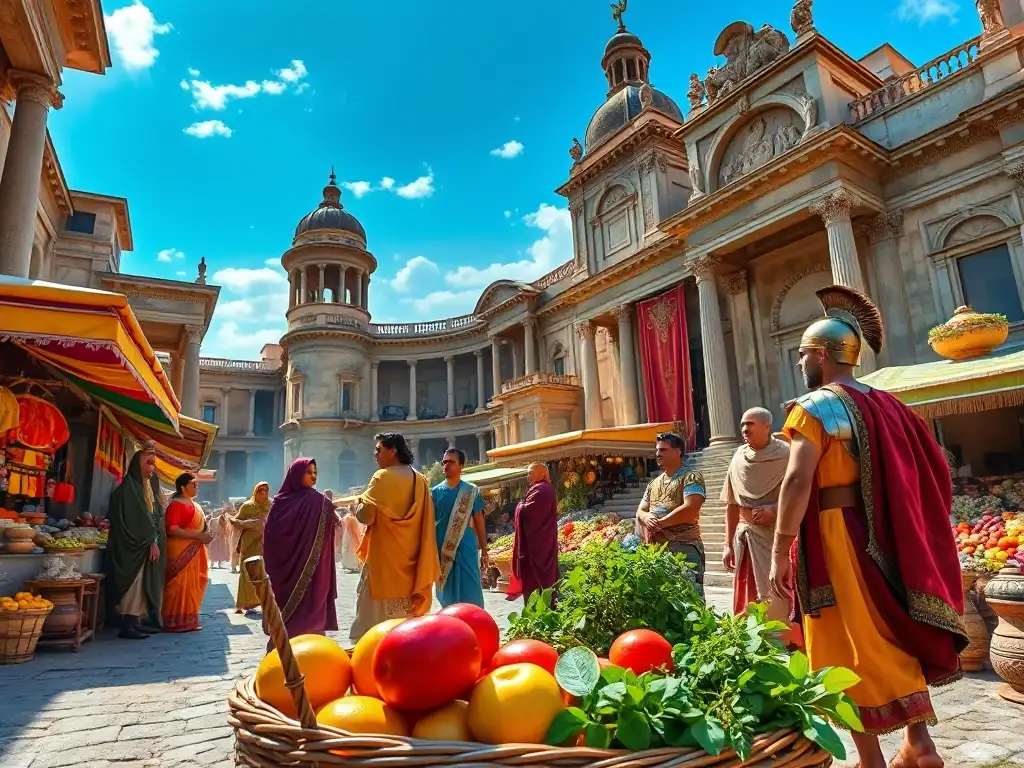
Welcome to Ancient India History, where we embark on a fascinating journey through the rich tapestry of ancient civilizations. In this exploration, we delve into the intriguing interactions between Ancient India and the Roman Empire, uncovering the threads of trade, culture, and influence that wove these two great worlds together. What secrets and stories lay buried in the sands of time?
Join us as we unravel the complexities of these cultural exchanges, revealing how they shaped not only the societies involved but also the course of history itself. Prepare to be captivated as we invite you to discover the profound impact of these historical connections!
Introduction to Ancient India and the Roman Empire
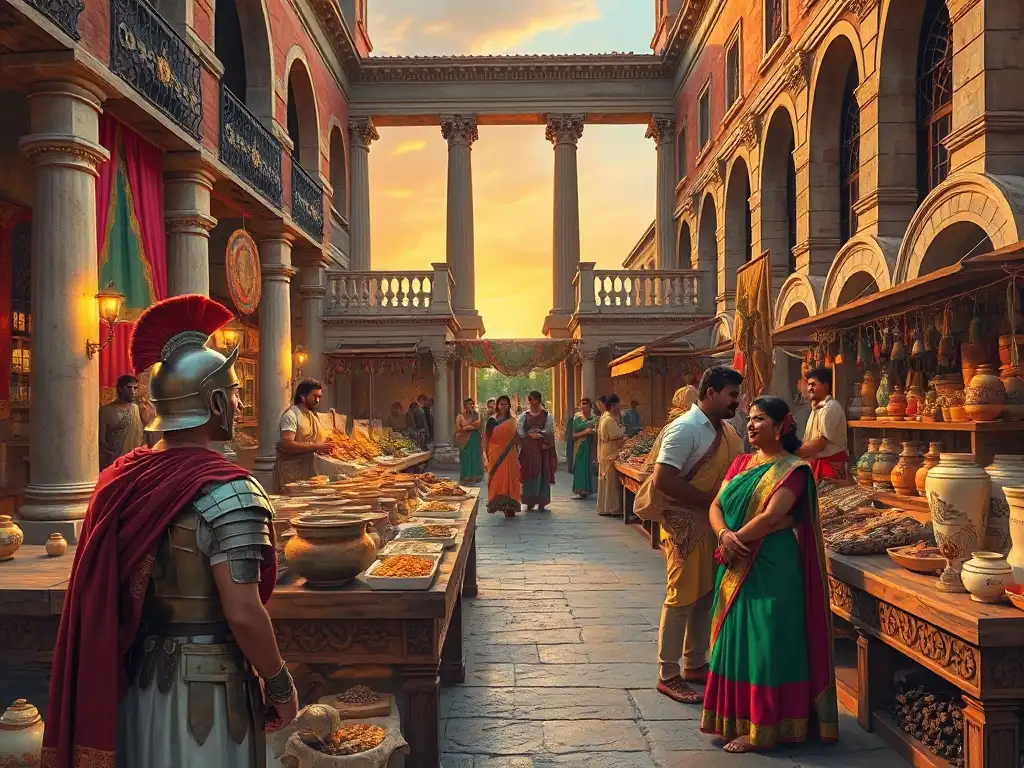
The interactions between ancient India and the Roman Empire represent a fascinating chapter in the annals of history, characterized by the exchange of goods, ideas, and cultural practices. This relationship not only shaped the economic landscapes of both civilizations but also fostered a rich tapestry of cultural exchanges that influenced art, religion, and philosophy.
The significance of these interactions lies in their ability to transcend geographical boundaries, highlighting the interconnectedness of ancient societies. The period of interaction, primarily from the 1st century BCE to the 5th century CE, showcases the complexities and the impact of trade routes that linked the Indian subcontinent with the Mediterranean world.
Overview of Ancient Indian Civilizations
Ancient India was home to several advanced civilizations, the most notable being the Indus Valley Civilization, which flourished around 2500 BCE. This urban culture was characterized by sophisticated city planning, drainage systems, and trade networks. Following the decline of the Indus Valley, various kingdoms and empires arose, including the Maurya and Gupta Empires, which are renowned for their contributions to governance, science, and culture.
- Key Civilizations:
- Indus Valley Civilization: Known for urban planning and trade.
- Maurya Empire: Established by Chandragupta Maurya, notable for its administration and military conquests.
- Gupta Empire: Often referred to as the Golden Age of India, marked by advancements in mathematics, astronomy, and arts.
The Rise of the Roman Empire
The Roman Empire, at its zenith, was one of the most powerful entities in the ancient world, encompassing vast territories across Europe, North Africa, and parts of Asia. Founded in the 1st century BCE, the empire expanded significantly under leaders like Augustus, establishing a complex network of trade and cultural integration. The Romans were known for their military prowess, architectural innovations, and legal systems, which laid the foundation for modern governance.
- Key Aspects of the Roman Empire:
- Military Expansion: Conquered territories across three continents.
- Cultural Integration: Adopted and adapted various cultural elements from conquered peoples.
- Trade Networks: Established extensive trade routes, facilitating exchanges with distant lands, including India.
The Nature of Ancient India Roman Empire Interactions
The interactions between ancient India and the Roman Empire were multifaceted, encompassing trade, cultural exchanges, and diplomatic relations. These interactions played a crucial role in shaping the economic and cultural landscape of both regions, leading to a rich exchange of ideas and goods.
Historical Context of Interactions
The historical context of the interactions between ancient India and the Roman Empire can be traced back to the establishment of trade routes that connected these two civilizations. The Roman interest in Indian goods such as spices, silk, and precious stones created a flourishing trade network. Texts from ancient historians, such as Pliny the Elder, recount the wealth that flowed from India to Rome, emphasizing the importance of these exchanges in the Roman economy.
- Notable Trade Goods:
- Spices: Black pepper, cardamom, and cinnamon.
- Textiles: Silks and cotton fabrics, highly sought after in Rome.
- Precious Stones: Diamonds, pearls, and other gemstones.
Geography and Trade Routes Connecting India and Rome
The geography of the Indian subcontinent and the Mediterranean played a pivotal role in facilitating trade between ancient India and the Roman Empire. The primary trade routes included maritime paths across the Indian Ocean and overland routes through the Silk Road. These routes not only enabled the exchange of goods but also served as conduits for cultural and technological exchanges.
- Key Trade Routes:
- Maritime Routes: Connecting ports in India, such as Kodungallur and Bharukaccha, with Roman ports like Alexandria and Ostia.
- Overland Routes: The Silk Road, which facilitated the movement of goods and ideas between the East and West.
Through these interactions, both civilizations enriched their cultural and economic frameworks, leaving a lasting legacy that continues to be studied and admired today.
Trade Between Ancient India and the Roman Empire
The trade between Ancient India and the Roman Empire was a significant aspect of their interactions, creating a vibrant exchange of goods, ideas, and cultures. This trade route primarily flourished from the 1st century BCE to the 3rd century CE, connecting India to the Mediterranean world. The Romans valued Indian products, leading to a robust trade network that spanned vast distances. Key trade routes, such as the maritime routes through the Arabian Sea, facilitated the movement of commodities, enhancing economic ties and cultural exchanges between these two great civilizations.
Key Commodities Exchanged
The trade between Ancient India and the Roman Empire involved a variety of goods, each reflecting the unique resources and craftsmanship of these regions.
- Spices: India was renowned for its spices, such as black pepper, cardamom, and cinnamon, which were in high demand in Rome for both culinary and medicinal purposes.
- Textiles: Indian textiles, especially silk and cotton, were highly sought after. The fine quality and intricate designs of Indian fabrics captivated Roman consumers.
- Jewelry and Gems: Precious stones like diamonds, pearls, and rubies were traded extensively. Indian jewelers were known for their exquisite craftsmanship.
- Metals and Artifacts: Items made from gold, silver, and bronze, including coins and decorative artifacts, were exchanged, showcasing the artistry of both cultures.
These commodities not only enriched the Roman economy but also introduced new products to Indian markets, fostering a reciprocal relationship.
Impact of Trade on Economic Growth
The trade between Ancient India and the Roman Empire had profound effects on the economic landscape of both civilizations. For India, the influx of Roman coins, especially the silver denarius, led to increased wealth and stimulated local economies. The demand for Indian goods in Rome encouraged local artisans and traders to enhance their production capabilities, resulting in economic diversification.
In the Roman Empire, the import of Indian luxury goods contributed to a vibrant consumer culture. This demand fueled maritime trade routes and led to the establishment of port cities along the western coast of India, such as Muziris and Sopara, which became bustling trade centers. The economic interdependence fostered by this trade not only enriched both societies but also laid the groundwork for future interactions.
Role of Trade Cities in Ancient India
Trade cities played a crucial role in the interactions between Ancient India and the Roman Empire. Key ports such as Muziris (present-day Kerala) and Arikamedu (near Puducherry) became vital hubs for commerce. These cities facilitated the exchange of goods, ideas, and cultures, acting as points of convergence for traders from both civilizations.
- Urban Development: The prosperity generated from trade spurred urbanization, leading to the growth of infrastructure, including warehouses, docks, and marketplaces.
- Cultural Melting Pots: These trade cities were not only commercial centers but also cultural melting pots where diverse traditions and practices coexisted and influenced one another.
- Diplomatic Relations: The trade routes also enabled diplomatic missions between the two regions, enhancing political ties and fostering mutual understanding.
The significance of these trade cities cannot be overstated, as they were instrumental in shaping the economic and cultural exchanges that defined the interactions between Ancient India and the Roman Empire.
Cultural Exchanges Between Ancient India and the Roman Empire
Cultural exchanges between Ancient India and the Roman Empire were profound and multifaceted, influencing arts, religion, and social practices in both civilizations. The interactions facilitated by trade led to a two-way flow of ideas and traditions, enriching both societies and leaving a lasting legacy.
Influence of Roman Culture on Indian Society
Roman culture had a notable impact on Indian society, particularly in regions that were actively engaged in trade.
- Architecture: The adoption of Roman architectural styles can be observed in some Indian structures, particularly in urban centers that were influenced by Roman designs. Features like arches and columns found their way into Indian architecture.
- Art and Sculpture: Roman artistic techniques and motifs began to appear in Indian sculptures and decorative arts, leading to a fusion of styles that enriched Indian visual culture.
- Culinary Influences: The introduction of Roman culinary practices, including the use of certain spices and cooking methods, influenced Indian cuisine, which began to incorporate new flavors.
This cultural amalgamation not only enhanced local traditions but also created a unique blend of Indian and Roman elements.
Adoption of Indian Cultural Practices in Rome
Conversely, Indian cultural practices also made their way into Roman society, showcasing the depth of these interactions.
- Religious Influence: The arrival of Indian traders and travelers introduced elements of Indian spirituality and religions, particularly Buddhism and Hinduism, to Roman audiences. Some Roman citizens began to adopt these philosophies and practices, intrigued by their teachings.
- Textiles and Fashion: Indian textiles, especially silk, became fashionable in Rome, leading to the adoption of Indian styles in Roman clothing. This trend reflected the appreciation of Indian craftsmanship and aesthetics.
- Philosophical Exchanges: Intellectual exchanges occurred as Roman scholars engaged with Indian philosophical texts, leading to a broader understanding of Eastern thought.
These adaptations illustrate the dynamic nature of cultural exchanges and the profound influences that shaped both Ancient India and the Roman Empire, enriching their respective legacies.
The Influence of Ancient India on the Roman Empire
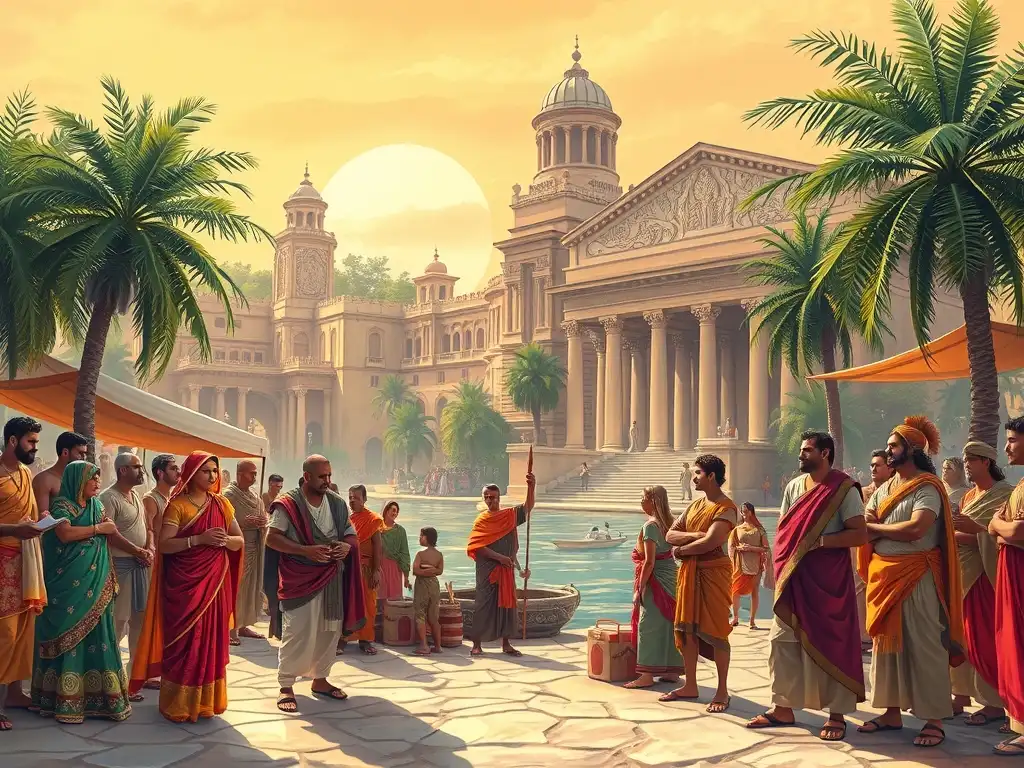
The interactions between Ancient India and the Roman Empire were profound, showcasing a rich exchange of cultural and intellectual ideas that shaped both civilizations. India’s contributions were not limited to trade goods; they extended into various fields, including science, mathematics, and religion. This exchange influenced Roman thought and society, weaving Indian philosophies into the fabric of Roman culture.
Indian Contributions to Science and Technology
Ancient India made significant strides in various scientific fields, notably in mathematics and astronomy. Indian scholars developed the concepts of zero and the decimal system, which were later adopted by the Romans. The works of mathematicians like Aryabhata reached the Roman Empire, influencing their understanding of mathematics. Additionally, Indian advances in medicinal practices, such as Ayurveda, began to permeate Roman medicine, altering health practices.
The Indian astronomical texts detailed complex calculations of celestial bodies, which kindled interest among Roman astronomers. The knowledge exchange was facilitated through trade routes, where scholars would share ideas, leading to a remarkable blend of knowledge that enhanced both civilizations.
The Spread of Indian Religions in the Roman Empire
Indian religions, particularly Buddhism and Hinduism, began to spread into the Roman Empire through trade and cultural exchanges. The establishment of trade routes, such as the Silk Road, allowed for the movement of not just goods but also ideas and beliefs. Buddhist teachings found their way into Roman thought, where they were received with curiosity and respect.
This cultural diffusion resulted in the emergence of syncretic practices, where Roman and Indian religious elements merged. Temples dedicated to Indian deities appeared in various parts of the empire, and the philosophical underpinnings of Buddhism influenced Roman thought, promoting values such as compassion and non-violence.
Legacy of Ancient India Roman Empire Interactions
The interactions between Ancient India and the Roman Empire left a lasting legacy that shaped future generations. The blending of cultures and ideas resulted in significant advancements across various fields, and the effects can still be traced in modern societies.
Long-term Effects on Trade Relations
The trade routes established during the ancient interactions fostered a long-standing economic relationship that continued even after the decline of both civilizations. The Indian goods, such as spices, textiles, and precious stones, became staples in the Roman market, leading to an increased demand for trade. This relationship laid the foundation for future trade connections between Europe and Asia, influencing global trade patterns for centuries.
Trade relations not only enriched both economies but also facilitated the movement of ideas, contributing to the intellectual and cultural landscapes of both civilizations. The legacy of these interactions set the stage for future explorations and exchanges, eventually leading to the age of exploration.
Cultural Syncretism and Its Impact on Future Civilizations
The cultural syncretism that arose from the interactions between Ancient India and the Roman Empire led to the emergence of hybrid cultures that influenced subsequent civilizations. As ideas, art, and religious practices merged, they created unique cultural expressions that resonated in later societies.
This blending of cultures can be seen in various aspects of art, literature, and philosophy. The thoughtful integration of Indian concepts into Roman culture contributed to a richer philosophical discourse that influenced later Western thought. The legacy of these interactions is evident in the diverse cultural tapestry that emerged, impacting not only the immediate regions but also civilizations far beyond the ancient world. The threads of Ancient India and the Roman Empire continue to be woven into the narrative of human history.
Conclusion
The interactions between ancient India and the Roman Empire were marked by a rich tapestry of trade, cultural exchange, and mutual influence that shaped both civilizations significantly. These interactions not only facilitated the movement of goods but also ideas, technologies, and cultural practices, which enriched the respective societies. Understanding these connections helps us appreciate the interconnectedness of ancient civilizations and their contributions to the development of global history.
Summary of Key Interactions and Their Significance
The key interactions between ancient India and the Roman Empire can be summarized as follows:
- Trade Routes: The establishment of trade routes, particularly the maritime routes through the Arabian Sea, was crucial in fostering economic exchanges. Indian merchants exported spices, textiles, and precious stones, while the Romans imported these goods, leading to a flourishing trade relationship.
- Cultural Exchange: The flow of goods was accompanied by the exchange of cultural practices, religious beliefs, and artistic influences. Indian art, particularly in sculpture and craftsmanship, found its way into Roman culture, while Roman architectural styles influenced Indian structures.
- Diplomatic Relations: Diplomatic missions were established, highlighting the political engagement between the two empires. Notable figures such as the Roman ambassador Maecenas are documented, indicating the significance of these diplomatic ties in fostering cooperation.
- Influence on Religion: The spread of Buddhism into the Roman Empire and the influence of Roman religions on Indian practices demonstrated the mutual impact of their spiritual beliefs. This interchange enriched the religious landscapes of both regions.
These interactions significantly contributed to the economic prosperity and cultural richness of both civilizations, illustrating the importance of cross-cultural relationships in shaping historical narratives.
Reflection on the Importance of Cultural Exchange in History
Cultural exchange has always played a vital role in the evolution of societies throughout history. The interactions between ancient India and the Roman Empire serve as a prime example of how civilizations can benefit from such exchanges. By sharing knowledge, art, and technologies, cultures can enhance their own practices and foster innovation.
The significance of these exchanges extends beyond mere trade; they lay the groundwork for mutual understanding and respect among diverse peoples. This is particularly relevant today, as global interactions continue to shape our world. The lessons learned from historical interactions can guide modern societies in navigating cultural differences and promoting collaboration.
The ancient India-Roman Empire interactions not only highlight the importance of trade but also emphasize the broader implications of cultural exchange in shaping human history. Understanding these dynamics allows us to appreciate the interconnectedness of past civilizations and their lasting influence on contemporary society.
- Introduction to Ancient India and the Roman Empire
- The Nature of Ancient India Roman Empire Interactions
- Trade Between Ancient India and the Roman Empire
- Cultural Exchanges Between Ancient India and the Roman Empire
- The Influence of Ancient India on the Roman Empire
- Legacy of Ancient India Roman Empire Interactions
- Conclusion
- What were the primary forms of interaction between Ancient India and the Roman Empire?
- How did trade influence the relationship between Ancient India and the Roman Empire?
- What cultural influences emerged from the interactions between Ancient India and the Roman Empire?
- Did the Roman Empire have a significant impact on Ancient Indian society?
- What were some key goods traded between Ancient India and the Roman Empire?
Frequently Asked Questions
What were the primary forms of interaction between Ancient India and the Roman Empire?
The primary forms of interaction included trade, cultural exchanges, and diplomatic relations, which facilitated the flow of goods, ideas, and technologies between the two civilizations.
How did trade influence the relationship between Ancient India and the Roman Empire?
Trade played a crucial role in their relationship, particularly through the exchange of spices, textiles, and precious stones, which were highly valued in Rome and contributed to economic prosperity.
What cultural influences emerged from the interactions between Ancient India and the Roman Empire?
The interactions led to a cultural exchange, resulting in the spread of art, religion, and literature, with Indian Buddhism and Hinduism influencing Roman thought and vice versa.
Did the Roman Empire have a significant impact on Ancient Indian society?
Yes, the Roman Empire influenced Ancient Indian society by introducing new technologies, trade practices, and artistic styles, contributing to the cultural richness of Indian civilization.
What were some key goods traded between Ancient India and the Roman Empire?
Key goods included spices, silks, gemstones, and textiles, which were highly prized in Rome, fostering a lucrative trade network that connected distant civilizations.
Final Reflection: The Enduring Legacy of Ancient India-Roman Empire Interactions
The interactions between Ancient India and the Roman Empire serve as a powerful reminder of the interconnectedness of civilizations and the profound impact of trade and cultural exchange. In today's globalized world, where borders are increasingly blurred, the lessons from these ancient interactions resonate more than ever. The exchange of goods, ideas, and cultures between these two great civilizations not only shaped their histories but also laid the groundwork for the multicultural societies we experience today.
The legacy of these interactions continues to influence our cultural and social landscapes, highlighting the importance of understanding and embracing diversity. As we reflect on the rich tapestry woven by the trade routes and diplomatic ties of the past, we see how they fostered mutual respect and understanding. In the end, we will remember not the words of our enemies, but the silence of our friends.
– Martin Luther King Jr. This quote encapsulates the essence of what we can learn from the Ancient India-Roman Empire interactions: the necessity of dialogue and collaboration in overcoming differences and building a more harmonious world.
As we move forward, I invite you to reflect on the lessons of the past and consider how they can be applied in your own life. How can you foster connections and understanding in your community? Whether through cultural exchange, trade, or simply engaging in meaningful conversations, each of us has the power to contribute to a more interconnected and compassionate world. Let us honor the legacy of Ancient India and the Roman Empire by embracing the diversity around us and striving for unity in our shared human experience.
Unveil the Connections: Engage with Ancient India and the Roman Empire!
Thank you for diving into the fascinating world of interactions between Ancient India and the Roman Empire! Your interest in trade, culture, and influence is vital to understanding our shared history. Now, let's take the next step in exploring this captivating era.
Here are a few ways to deepen your journey:
- Join a local history group or online forum focused on ancient trade routes and cultural exchanges. Sharing insights can enrich your understanding and foster new friendships!
- Explore ancient texts or artifacts from both cultures at your local library or museum. You may uncover intriguing stories that reveal the depth of these connections!
- Connect with fellow enthusiasts on social media— share this article and spark engaging conversations about your favorite aspects of Roman-Indian interactions!
What surprising insights have you gained about the cultural exchanges between Ancient India and the Roman Empire? We’d love to hear your thoughts in the comments!