
Jainism and Its Contribution to Indian Art Movements: A Historical Overview

Welcome to Ancient India History, where we embark on a captivating journey through time to uncover the rich tapestry of India's past. In this exploration, we delve into the profound influence of Jainism on Indian art, revealing how this remarkable religion shaped the artistic movements that flourished across the subcontinent.
From intricate sculptures to vibrant frescoes, the legacy of Jainism is not only a testament to its spiritual depth but also a vital thread in the fabric of Indian culture. Join us as we unravel the connections between faith and creativity, and discover the lasting impact of Jainism on the artistic heritage of ancient India.
Jainism, one of the oldest religions in India, has profoundly influenced various aspects of Indian culture, particularly art. Emerging around the 6th century BCE, Jainism introduced a unique set of values and philosophies that emphasized non-violence, truth, and asceticism. This rich ideological framework not only shaped the spiritual landscape of ancient India but also left an indelible mark on its artistic expressions. From intricate sculptures to elaborate temple architecture, the influence of Jainism on Indian art is both significant and multifaceted.
In this article, we will delve into the historical overview of Jainism and its contributions to Indian art movements, exploring how its principles shaped various artistic endeavors and continued to resonate throughout subsequent eras. We will examine specific examples of Jain art, the evolution of styles, and the broader implications of Jainism's influence on the artistic heritage of India, providing insight into how this ancient philosophy has crafted a legacy that endures to this day.
Through this exploration, we aim to highlight the keyword "Jainism influence on Indian art," shedding light on the intricate relationship between religion and artistry in ancient Indian civilization.
- Introduction to Jainism and Its Artistic Legacy
- Historical Context of Jainism in India
- Jainism Influence on Indian Art Movements
- Jainism's Impact on Subsequent Indian Art Movements
- Conclusion: The Enduring Legacy of Jainism in Indian Art
- References and Suggested Further Reading
- Frequently Asked Questions
- Final Reflection: The Enduring Legacy of Jainism's Influence on Indian Art
- Unveil the Beauty of Jain Artistic Tradition!
Introduction to Jainism and Its Artistic Legacy
Jainism, an ancient Indian religion, has been a significant contributor to Indian culture, philosophy, and art. Originating around the 6th century BCE, Jainism emphasizes non-violence (ahimsa), truth (satya), and asceticism. Its teachings have not only shaped the moral and ethical landscape of Indian society but have also profoundly influenced various forms of art throughout history. The intricate relationship between Jainism and Indian art manifests through various styles, themes, and techniques that have evolved over centuries, showcasing the religion's enduring legacy.
Overview of Jainism's Core Principles
Jainism is built on a foundation of key principles that guide the lives of its adherents. These principles significantly influence the artistic expressions within Jain culture:
- Ahimsa (Non-violence):
- This is perhaps the most critical tenet of Jainism. The commitment to non-violence extends beyond human beings to all living creatures, which is often depicted in Jain art through intricate representations of flora and fauna.
- For example, the detailed carvings found in Jain temples often feature various animals in peaceful coexistence, reflecting the deep respect for all forms of life.
- Aparigraha (Non-possessiveness):
- This principle encourages individuals to detach from material possessions and live a life of simplicity.
- In art, this concept is illustrated through the portrayal of ascetic figures, emphasizing minimalism and an austere lifestyle, often depicted in meditation or contemplation.
- Satya (Truthfulness):
- Jains believe in the pursuit of truth as a means to attain spiritual liberation.
- Artistic representations often include symbols of truth and enlightenment, such as the Tirthankaras, who are revered spiritual teachers in Jainism.
- Brahmacharya (Chastity):
- This principle promotes celibacy and self-control, which is frequently reflected in the serene and composed demeanor of figures in Jain art.
Through these core principles, Jainism has fostered a unique artistic heritage characterized by its detailed craftsmanship, vibrant colors, and symbolic motifs.
Importance of Art in Jain Culture
Art plays a pivotal role in Jain culture, serving not only as a medium of aesthetic expression but also as a vital tool for spiritual education and community identity. The significance of art in Jainism can be understood through the following aspects:
- Religious Expression:
- Jain art is primarily religious in nature, with the creation of temples, sculptures, and paintings aimed at honoring the Tirthankaras and promoting the values of Jain philosophy.
- Temples are often adorned with elaborate carvings that depict various narratives from Jain scriptures, serving as visual aids for the followers.
- Cultural Identity:
- Artistic traditions in Jainism have helped preserve and communicate the community's values and beliefs across generations.
- The distinctive art style, including the use of specific colors and motifs, fosters a sense of belonging among Jains.
- Educational Function:
- Many artistic forms in Jainism aim to educate followers about the tenets of the faith. For instance, illustrated texts and murals often depict moral stories that convey ethical lessons.
- This educational aspect encourages the community to engage with their religious teachings actively.
- Aesthetic Appreciation:
- Beyond its religious significance, Jain art is also celebrated for its technical excellence and beauty.
- The intricate nature of Jain sculptures, often featuring fine details and complex designs, reflects a high level of craftsmanship and dedication to artistic perfection.
The influence of Jainism on Indian art is profound and multifaceted, intertwining spirituality with aesthetic expression. The principles of Jainism not only guide the moral framework of its followers but also enrich the artistic traditions that continue to inspire and educate. As we explore Jainism's contributions to Indian art movements, it becomes evident that its legacy is a testament to the enduring impact of this ancient religion on the cultural landscape of India.
Historical Context of Jainism in India
Early Beginnings of Jainism
Jainism's origins can be traced back to the 6th century BCE, around the same time as the emergence of Buddhism. The historical context of Jainism is often associated with the life and teachings of Mahavira, the 24th Tirthankara. However, Jain tradition holds that the principles of Jainism were present long before Mahavira, with earlier Tirthankaras, such as Rishabhanatha, laying the groundwork for Jain philosophy.
The teachings of Jainism emphasized ahimsa (non-violence), satya (truth), and aparigraha (non-possessiveness), which resonated deeply with the socio-political climate of ancient India, characterized by increasing materialism and societal strife. The emergence of Jainism offered a radical alternative, advocating for a life of asceticism and self-discipline. This early phase of Jainism is marked by a strong emphasis on meditation, fasting, and renunciation, which were considered paths to liberation (moksha).
Key Features of Early Jainism:
- Tirthankaras: Spiritual teachers who guide souls on the path to liberation.
- Philosophical Texts: The Agamas and other texts began to shape Jain thought.
- Cultural Practices: Rituals and communal gatherings started forming, establishing Jainism's unique identity.
Jainism's Development Through the Ages
As Jainism evolved, particularly during the Maurya Empire (322–185 BCE), it gained significant patronage from rulers like Chandragupta Maurya and his grandson Ashoka, who, although primarily associated with Buddhism, also respected Jain teachings. This period saw the establishment of numerous monasteries and the compilation of Jain scriptures, which were essential for preserving Jain doctrines.
The subsequent centuries, particularly during the Gupta Empire (c. 240–550 CE), marked a renaissance for Jain art and culture. The flourishing of trade and commerce contributed to the wealth of Jain communities, allowing for the patronage of art and architecture. Temples adorned with intricate carvings and sculptures became notable features, showcasing the Jain influence on Indian art.
Significant Developments:
- Artistic Expressions: Jain art flourished with the creation of magnificent temples such as the Dilwara Temples, known for their exquisite marble carvings.
- Literature and Philosophy: The period saw the composition of numerous texts that elaborated on Jain philosophy, ethics, and cosmology.
- Community Structure: The formation of organized sects, such as the Digambara and Svetambara, diversified Jain practice and thought.
Jainism and Its Interaction with Other Indian Religions
The interaction between Jainism and other Indian religions, particularly Buddhism and Hinduism, has been profound and multifaceted. While Jainism shares several philosophical concepts with Buddhism, such as the principles of non-attachment and karma, it maintains distinct beliefs regarding the soul and ultimate liberation.
Throughout history, Jainism has engaged in a dialogic relationship with Hinduism. Many Jain deities and rituals have been influenced by Hindu traditions, and vice versa. This syncretism is evident in artwork, where Jain iconography often incorporates elements familiar to Hindu art, emphasizing the shared cultural milieu of ancient India.
Interreligious Dynamics:
- Philosophical Exchanges: Engaging in debates and dialogues that enriched the understanding of metaphysics and ethics among these traditions.
- Artistic Collaborations: The blending of artistic styles in temples, sculptures, and manuscripts, reflecting a shared aesthetic sensibility.
- Cultural Festivals: Jain festivals, such as Paryushana, have been celebrated alongside Hindu festivals, fostering a sense of community and shared heritage.
Through its interactions and exchanges, Jainism has significantly influenced and been influenced by other religious movements in India, contributing to the rich tapestry of Indian religious and artistic traditions. The Jainism influence on Indian art can be seen as a reflection of these complex interrelations, shaping India's cultural heritage in profound ways.
Jainism Influence on Indian Art Movements
Overview of Jain Influence on Indian Art
Jainism, one of the oldest religions in India, has significantly impacted the cultural and artistic landscape of the region. Emerging around the 6th century BCE, Jainism emphasizes non-violence (ahimsa), truth (satya), and asceticism, which resonate deeply within its artistic expressions. The influence of Jainism on Indian art can be observed through its unique depictions of Tirthankaras, intricate iconography, and the stylistic elements that distinguish Jain artworks from other Indian traditions.
Jain art is characterized by its meticulous attention to detail and a commitment to the principles of non-violence and respect for all living beings. This is evident in the peaceful demeanor of figures and in the elaborate scenes representing the lives and teachings of the Tirthankaras. The art serves not only as a form of aesthetic expression but also as a means of spiritual education for the followers, reinforcing the core tenets of Jain philosophy.
Key Characteristics of Jain Art
- Iconography of Tirthankaras: Jain art prominently features Tirthankaras, who are revered spiritual teachers. Each Tirthankara is depicted with specific symbols and attributes, which are crucial for identification. For instance, Mahavira, the 24th Tirthankara, is often shown with a lion emblem.
- Attention to Detail: Jain artists exhibit exceptional craftsmanship, evident in the intricate carvings and fine details found in sculptures and manuscripts. This precision aligns with the Jain belief in non-violence, as it reflects a deep respect for all forms of life.
- Use of Color and Materials: Jain art is characterized by vibrant colors and the use of precious materials, such as marble and gemstones, especially in temple architecture. The colors are often symbolic, representing various spiritual ideas.
- Narrative Scenes: Many Jain artworks incorporate narrative scenes from the lives of Tirthankaras, illustrating their teachings and achievements. These narratives are often presented in a sequential manner, allowing viewers to engage with the stories visually.
- Emphasis on Non-violence: Reflecting Jain values, many artworks depict scenes of compassion and peaceful coexistence among humans and animals, emphasizing the religion's commitment to ahimsa.
Comparison with Other Indian Art Forms
Jain art distinguishes itself from other Indian art forms, such as Hindu and Buddhist art, through its unique thematic focus and stylistic elements.
- Subject Matter: While Hindu art often features a plethora of deities and mythological stories, Jain art is primarily centered around Tirthankaras and their teachings. This focused narrative sets Jain art apart.
- Stylistic Differences: Jain art tends to favor a more austere and less ornate style compared to the vibrant, dynamic forms found in Hindu temple sculptures. The figures in Jain art often exhibit a more serene and tranquil expression, reflecting the meditative nature of Jain philosophy.
- Symbolism: Jain art uses specific symbols that may not appear in Hindu or Buddhist art, such as the Jain emblem, which includes a hand with a wheel, symbolizing non-violence and liberation.
Architectural Contributions of Jainism
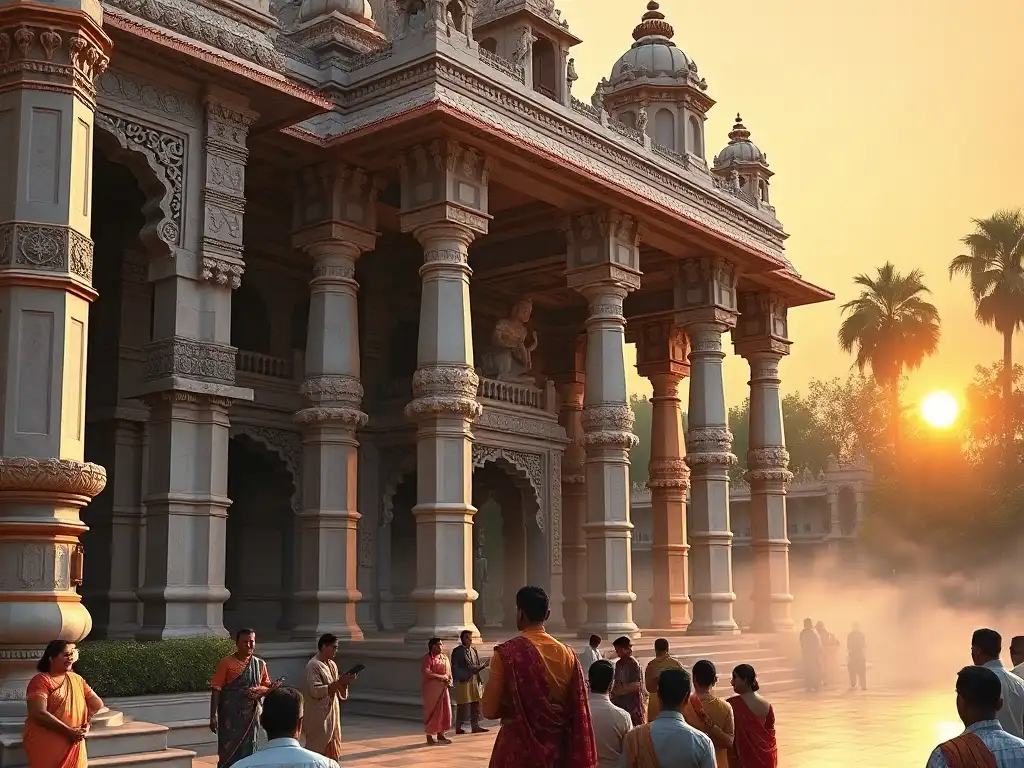
Jainism has made notable contributions to Indian architecture, particularly through its temples, which are not only places of worship but also masterpieces of art and design. The architectural style of Jain temples is characterized by intricate carvings, detailed sculptures, and an overall harmony with the surrounding environment.
Temples as Artistic Expressions
Jain temples are often built with the intent to reflect the principles of Jainism—simplicity, purity, and spirituality. The layout of a typical Jain temple is meticulously planned, with a focus on creating a serene and contemplative atmosphere. Key features include:
- Pradakshina Path: A circumambulatory path surrounding the sanctum, allowing devotees to walk around the central deity while reflecting on their teachings.
- Sculptural Decor: The walls of Jain temples are adorned with delicate carvings depicting scenes from Jain texts, illustrating important events and the lives of Tirthankaras.
- Marble and Stone Work: Jain temples often utilize high-quality materials, such as white marble, which symbolizes purity. The intricate stone work showcases the artisans' skills and dedication to Jain values.
Notable Jain Architectural Marvels
Several Jain temples throughout India exemplify the artistic and architectural achievements of Jainism. Some notable examples include:
- Dilwara Temples (Rajasthan): Renowned for their stunning marble carvings, these temples are a prime example of Jain architectural excellence. The intricate designs and detailed sculptures attract visitors from around the world.
- Shikharji (Jharkhand): This pilgrimage site features numerous temples dedicated to the Tirthankaras and is considered sacred by Jains. The architecture integrates the natural landscape, creating a harmonious environment.
- Ranakpur Temple (Rajasthan): This temple complex is famous for its 1,444 marble pillars, each uniquely carved. The exquisite craftsmanship and artistic details reflect the high standards of Jain art.
- Palitana Temples (Gujarat): Situated on a hill, the Palitana temples are a testament to the dedication of Jain artisans. The intricate carvings and stunning views make it a significant pilgrimage site.
Jainism's influence on Indian art is profound, manifesting in its unique iconography, architectural marvels, and dedication to the principles of non-violence and spiritual education. The contributions of Jainism continue to be celebrated as a vital part of India's rich artistic heritage.
Sculpture and Iconography in Jain Art
Jain art is characterized by its rich tradition of sculpture and iconography, which play a crucial role in conveying the principles and teachings of Jainism. The sculptures primarily depict Tirthankaras—spiritual teachers who have attained liberation and serve as role models for followers. These carvings, often seen in temples and monasteries, showcase not only the aesthetic sensibilities of the period but also the religious and philosophical ideologies of Jainism.
The evolution of Jain sculpture can be traced from the early phases of the Indus Valley Civilization to the sophisticated and intricate works of the medieval period. The use of marble, sandstone, and other materials reflects a high level of craftsmanship. Sculptural styles varied regionally, with notable centers such as Rajasthan, Gujarat, and Karnataka contributing to the diversity of forms and themes within Jain art.
Significance of Jain Sculptures
The significance of Jain sculptures extends beyond mere decoration; they are integral to the religious and cultural identity of Jainism. Each sculpture serves as a physical representation of spiritual ideals, embodying concepts such as non-violence (ahimsa), truth (satya), and asceticism. These sculptures often depict Tirthankaras in meditative postures, symbolizing their attainment of Kevala Jnana (omniscience).
Additionally, Jain sculptures play a didactic role, educating devotees about the tenets of Jainism. The art often encapsulates narratives from Jain scriptures, illustrating important life events of the Tirthankaras, thereby serving as a source of inspiration for worshippers. Through these artworks, Jainism's commitment to spirituality and ethical living is communicated effectively to its followers.
Iconographic Features Unique to Jain Art
Jain art is distinguished by specific iconographic features that set it apart from other Indian art forms. Tirthankaras are depicted with a serene expression, often adorned with specific symbols that represent their spiritual accomplishments. For instance, the first Tirthankara, Rishabhanatha, is usually associated with a bull, while Mahavira, the last Tirthankara, is often represented with a lion.
Another unique aspect is the use of a padma (lotus) motif, symbolizing purity and enlightenment, which frequently appears in the iconography. The figures are typically shown in a frontal pose, emphasizing their divinity and accessibility to devotees. Additionally, the detailed carvings of the figures include intricate drapery and ornamentation, showcasing the skill of the artisans and the importance of aesthetic beauty in Jain philosophy.
Painting Traditions Influenced by Jainism
The influence of Jainism on painting traditions in India is profound, particularly evident in the meticulous manuscript illustrations and temple frescoes that emerged from Jain communities. Jain paintings not only served a religious purpose but also acted as a medium for preserving cultural heritage and narratives, reflecting the community's values and beliefs.
Jain Manuscript Illustrations
Jain manuscript illustrations represent one of the most significant contributions of Jainism to Indian art. These illustrations are often found in religious texts, including the Kalpa Sutra and various commentaries, and they are characterized by their vibrant colors and intricate details. The manuscripts typically include depictions of Tirthankaras, celestial beings, and scenes from Jain cosmology, which enhance the textual narratives.
The artistry involved in these illustrations showcases the skill of Jain painters, who utilized techniques such as fine brushwork and gold leaf application to create visually captivating images. These artworks served not only as a means of enhancing the reading experience but also as tools for meditation and reflection on spiritual teachings. The preservation of these manuscripts has allowed modern scholars and enthusiasts to study the rich history of Jain art and its aesthetic values.
The Role of Jain Paintings in Historical Narratives
Jain paintings play a crucial role in the historical narratives of India, providing insights into the socio-cultural context of the times. Through the illustrations, one can trace the evolution of Jain thought and its interaction with other religious and artistic traditions in India. The paintings often depict significant events in Jain history, such as the lives of Tirthankaras and the establishment of monastic orders.
Moreover, these artworks reflect the themes of compassion, non-violence, and the pursuit of truth—core principles of Jain philosophy. By documenting historical events and figures, Jain paintings contribute to the preservation of collective memory and identity within the Jain community. They also serve as a testament to the flourishing of art and culture in ancient India, illustrating how Jainism has influenced broader artistic movements throughout history.
Jainism's Impact on Subsequent Indian Art Movements
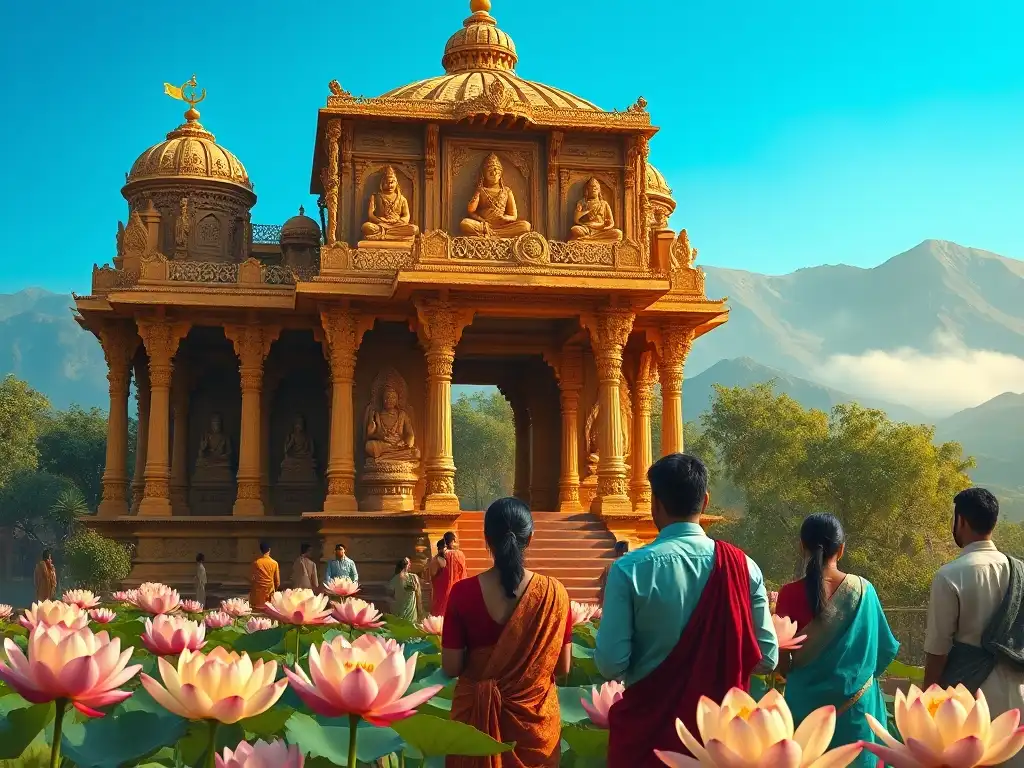
Influence on Medieval Indian Art
Jainism's influence on medieval Indian art is profound and multifaceted, shaping various artistic expressions across the subcontinent. During this period, particularly between the 9th and 16th centuries, Jain art flourished, characterized by its intricate designs and detailed iconography.
Key Characteristics of Jain Art in the Medieval Period
- Iconography:
- Jain art prominently features tirthankaras, the revered spiritual teachers of Jainism. Each tirthankara is depicted with unique symbols and attributes, often rendered in a highly stylized manner.
- The Jina (liberated soul) is represented in various postures, reflecting their teachings. For instance, the meditative posture symbolizes tranquility and enlightenment.
- Architecture:
- The construction of temples, such as the Shikharas of the Dilwara Temples in Rajasthan, showcases exquisite marble carvings that are hallmarks of Jain architectural style. These temples often incorporate motifs of nature, cosmology, and intricate geometric patterns.
- The Ranakpur Temple, with its 1,444 intricately carved pillars, exemplifies the zenith of Jain temple architecture.
- Miniature Paintings:
- Jain manuscripts, particularly the Kalpasutra, contain stunning miniature paintings that illustrate the lives of tirthankaras. These paintings are noted for their vibrant colors and detailed narratives.
- The use of gold leaf and natural pigments enhances the richness of these artworks, making them significant historical artifacts.
Regional Variations
Jain art varies significantly across regions, influenced by local styles and materials. For example:
- In Gujarat, the art features a blend of local architectural styles with traditional Jain motifs, resulting in unique temple designs.
- The Madhya Pradesh region is known for its rock-cut caves, such as those at Udayagiri, which display Jain iconography alongside Buddhist influences.
The combination of these elements led to an artistic movement that not only preserved Jain ideology but also enriched the broader tapestry of Indian art during the medieval period.
Contributions to Modern Indian Art Movements
The legacy of Jainism continues to inspire modern Indian art movements, reflecting its enduring influence on contemporary artistic expressions. As artists seek to explore themes of spirituality, ethics, and aesthetics, Jainism provides a rich source of inspiration.
Contemporary Interpretations of Jain Themes
- Symbolism in Modern Art:
- Modern artists often incorporate Jain symbols, such as the swastika (a symbol of auspiciousness and eternity) and the hand with a wheel (representing non-violence and peace), into their works, creating dialogues between tradition and modernity.
- These symbols are reinterpreted in abstract forms, allowing artists to connect with audiences on deeper philosophical levels.
- Installation Art:
- Artists like Subodh Gupta and Bharti Kher explore themes of Jainism through installation art, utilizing mixed media to address contemporary social issues while grounding their work in traditional Jain principles.
- Installations may include materials that reference Jain practices, such as the use of clay to symbolize earth and spirituality.
- Awareness and Advocacy:
- Modern art movements often aim to raise awareness about Jain values such as non-violence ( ahimsa) and environmental sustainability. Artists advocate for these principles through their work, resonating with a global audience concerned about ethical living.
- Exhibitions focusing on Jain art and culture, such as those at various art galleries, highlight the relevance of Jainism in addressing contemporary issues.
The contributions of Jainism to modern Indian art movements demonstrate a dynamic relationship between tradition and innovation, allowing artists to express age-old philosophies in contemporary contexts. This interplay not only preserves Jain heritage but also enriches the broader landscape of Indian art.
Conclusion: The Enduring Legacy of Jainism in Indian Art
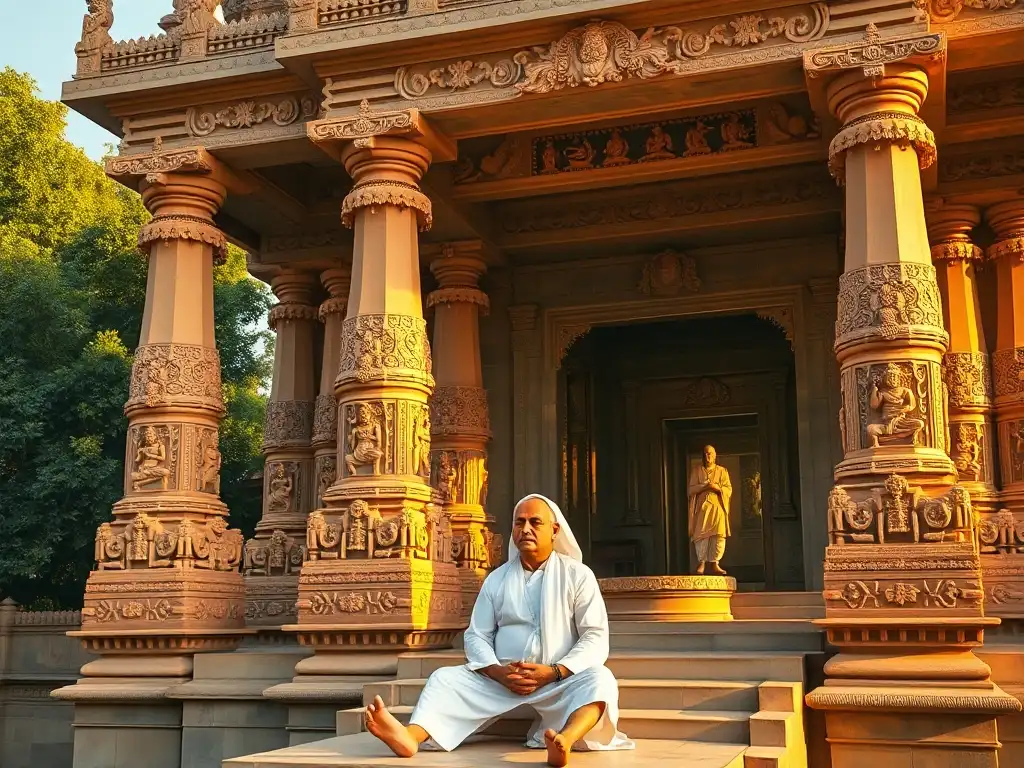
Jainism has played a pivotal role in shaping the artistic landscape of India, influencing various art movements through its unique philosophies and aesthetic principles. The intricate carvings, paintings, and architectural marvels inspired by Jain beliefs not only reflect the spiritual ethos of the religion but also demonstrate the sophistication of ancient Indian artisanship.
The Jain artistic tradition is characterized by its emphasis on non-violence, simplicity, and a profound respect for nature, which is evident in the detailed representations of flora, fauna, and celestial beings in their artworks. This artistic expression serves as a visual narrative of Jain teachings, encapsulating the values of compassion and truth.
Furthermore, the impact of Jainism on Indian art can be witnessed in the development of significant styles, such as the Gujarātī and Rajasthan styles, where Jain themes and iconography were integrated into broader artistic movements. The intricate designs and meticulous craftsmanship associated with Jain art have contributed significantly to the overall cultural heritage of India.
Summary of Jainism's Contributions to Indian Art
- Iconography: Jain art is rich in iconography, showcasing Tirthankaras (spiritual teachers) in various poses and settings. These figures are often adorned in elaborate attire, reflecting the artistry of the period.
- Architecture: The construction of Jain temples, such as the famous Ranakpur and Dilwara Temples, showcases exquisite marble work and intricate carvings. The temple architecture embodies the principles of Jainism, with a focus on harmony and balance.
- Manuscript Illustrations: Jain manuscripts, particularly those from the medieval period, are resplendent with illustrations that depict religious stories, rituals, and moral teachings, exemplifying the convergence of literature and art.
- Sculptural Works: Jain sculptures, often found in caves and temple complexes, depict narratives central to Jain philosophy, including scenes of meditation and asceticism, which communicate the core tenets of the faith.
- Influence on Other Art Forms: Jainism's artistic influence extended beyond its own temples and manuscripts, impacting regional art forms such as Madhubani and Warli, which incorporate Jain themes and motifs.
Reflections on the Importance of Preserving Jain Artistic Heritage
Preserving the artistic heritage of Jainism is not only crucial for maintaining the cultural identity of the Jain community, but it also enriches the broader tapestry of Indian art and history. The meticulous techniques and philosophical depth found in Jain art offer valuable insights into the socio-religious context of ancient India.
- Cultural Significance: Jain art serves as a testament to the historical contributions of the Jain community to Indian civilization. It encapsulates a unique worldview that emphasizes peace, non-violence, and respect for all life forms.
- Educational Value: The preservation of Jain artistic heritage provides future generations with the opportunity to learn about ancient values and practices through tangible expressions of art. These works can serve as educational tools for understanding complex philosophical concepts.
- Tourism and Economy: Jain art and architecture have the potential to attract cultural tourism, contributing to the economy while simultaneously promoting awareness and appreciation of Jainism's rich heritage.
The enduring legacy of Jainism in Indian art highlights the intricate relationship between spirituality and creativity. By recognizing and preserving this artistic heritage, we ensure that the profound influence of Jainism on Indian art continues to inspire and educate future generations.
References and Suggested Further Reading
Key Texts on Jainism and Indian Art
To gain a comprehensive understanding of Jainism's influence on Indian art, several key texts offer invaluable insights. These works explore the philosophical tenets of Jainism and their manifestations in various art forms throughout Indian history.
- "Jainism: A Pictorial Guide to the Religion of Non-Violence" by Dr. R. C. Jain
- This book provides a visual journey through Jainism, showcasing its artistic expressions in temples, sculptures, and manuscripts. It emphasizes the aesthetic qualities of Jain art and how they reflect the religion's core values.
- "The Art of Ancient India: Buddhist, Hindu, Jain" by Susan L. Huntington and John C. Huntington
- This comprehensive text discusses the interconnections between Jain, Buddhist, and Hindu art. It includes detailed analyses of architectural styles, iconography, and regional variations, offering a holistic view of how Jainism contributed to the broader Indian art landscape.
- "Jain Art and Architecture in India" by Dr. M. K. Bhatia
- Focusing specifically on Jain architecture, this book delves into significant Jain temples and their unique features, including intricate carvings and frescoes. It highlights the historical context that shaped these artistic expressions.
- "Jainism: History, Society, Philosophy and Practice" by Dr. R. B. Jain
- This text provides a broader context of Jain philosophy and its societal implications, including its influence on art. It examines how Jain ethics and beliefs are represented in visual art forms.
Recommended Resources for Deepening Understanding of Jain Contributions
For readers seeking to deepen their understanding of Jainism's contributions to Indian art, a variety of resources are available, ranging from academic journals to online platforms. Here are some recommended resources:
- Academic Journals
- Journal of Jain Studies: A peer-reviewed journal that publishes research articles focusing on various aspects of Jainism, including its art and architecture.
- Artibus Asiae: This journal often features articles on Asian art, including studies on Jain artistic traditions.
- Online Databases
- JSTOR: A digital library that provides access to thousands of academic articles. Searching for "Jainism influence on Indian art" can yield valuable research papers.
- Google Scholar: An excellent tool to find academic papers and citations related to Jainism and its artistic contributions.
- Documentaries and Lectures
- Many educational platforms like YouTube host lectures by scholars in the field of Jain studies. Searching for specific topics such as "Jain art history" can lead to informative content.
- Documentaries on Indian art often feature segments on Jain contributions, providing visual context to the historical and cultural discussions.
- Museums and Exhibitions
- Visiting museums with Indian art collections, such as the National Museum in New Delhi or the Chhatrapati Shivaji Maharaj Vastu Sangrahalaya, can provide firsthand experience of Jain art and artifacts. Many museums also offer guided tours and educational programs focused on Jainism.
By exploring these texts and resources, readers can gain a richer understanding of Jainism's profound influence on Indian art and culture, thereby appreciating its historical significance in shaping the artistic landscape of ancient India.
Frequently Asked Questions
What is Jainism's role in Indian art?
Jainism has significantly influenced Indian art, particularly in the depiction of non-violence and spiritual themes. Its principles are reflected in various forms, including sculpture, painting, and architecture.
How did Jainism contribute to sculpture in ancient India?
Jainism inspired the creation of exquisite sculptural art, characterized by intricate carvings and iconography that depict Tirthankaras and other religious symbols, enhancing the aesthetic and spiritual depth of Indian art.
What are some notable examples of Jain art?
Prominent examples include the Ranakpur Jain Temple, known for its stunning marble carvings, and the Dilwara Temples, which showcase remarkable intricate designs and craftsmanship that highlight Jain values.
How did Jainism influence painting styles?
Jain art introduced unique painting styles that often illustrate mythological stories and religious teachings. The Jain manuscripts feature vibrant colors and detailed illustrations, showcasing the richness of tradition.
In what ways did Jainism affect architectural designs?
Jain architecture is marked by complex structures with ornate decorations and symmetrical layouts. The design principles emphasize harmony and balance, reflecting the spiritual beliefs of Jainism in their construction.
Final Reflection: The Enduring Legacy of Jainism's Influence on Indian Art
Jainism's profound impact on Indian art remains a testament to its rich cultural heritage and spiritual depth. As we explore the intricate connections between Jain philosophy and artistic expression, it becomes evident that this ancient tradition not only shaped the visual landscape of India but also continues to resonate in contemporary artistic practices. The intricate carvings, vibrant paintings, and architectural marvels inspired by Jainism serve as a reminder of the importance of spirituality in art, urging us to appreciate the beauty that arises from a deep-seated reverence for life.
The influence of Jainism on Indian art is not merely historical; it is a living, breathing force that continues to inspire artists and scholars alike. From the delicate sculptures of the Dilwara Temples to the vibrant frescoes of Jain manuscripts, the artistic expressions rooted in Jain beliefs reflect a commitment to non-violence, truth, and the pursuit of enlightenment. As the renowned art historian Dr. John Marshall once said, The art of India is a reflection of its spiritual quest, and Jainism has played a pivotal role in shaping that narrative.
This ongoing dialogue between spirituality and creativity invites us to explore how these age-old principles can inform our modern artistic endeavors and cultural expressions.
As you reflect on the insights shared in this article, consider how the principles of Jainism can influence your own life and creativity. Embrace the idea that art can be a vehicle for deeper understanding and connection, transcending mere aesthetics to convey profound truths. Let the legacy of Jainism inspire you to create with intention, fostering a sense of harmony and respect for all forms of life in your artistic journey. In doing so, you contribute to a timeless tradition that celebrates the beauty of existence and the interconnectedness of all beings.
Unveil the Beauty of Jain Artistic Tradition!
Thank you for diving into the rich historical tapestry of Jainism and its profound influence on Indian art. You've uncovered the essence of a tradition that celebrates beauty, serenity, and spiritual depth. Now, it's time to take that curiosity a step further!
Here’s how you can deepen your engagement with Jain art and culture:
- Explore local museums or galleries that showcase Jain artifacts or exhibitions, allowing you to appreciate these exquisite works up close.
- Share your newfound knowledge with friends or family—initiate a discussion about Jain art and its significance, and inspire a greater interest in cultural appreciation.
- Join an online community or forum dedicated to Indian art—expand your understanding of the topics you love and exchange ideas with fellow enthusiasts.
What aspect of Jain art has captivated you the most, and how do you believe it influences modern artistic expressions?