
Exploring the Mystical Aspects of Hindu Philosophy: Tantra and Beyond

Welcome to Ancient India History, where we embark on a journey through the rich tapestry of India's past, unveiling the profound contributions of its ancient civilizations. In our featured article, "Exploring the Mystical Aspects of Hindu Philosophy: Tantra and Beyond," we delve into the captivating realm of Hindu philosophy and Tantra exploration. Discover how these mystical traditions shaped not only spirituality but also the cultural landscape of ancient India.
Join us as we unravel the secrets and insights that lie within, inviting you to explore the depths of a civilization that continues to inspire and intrigue. Are you ready to uncover the mysteries of ancient wisdom?
Introduction to Hindu Philosophy and Tantra Exploration
Hindu philosophy is a vast and intricate tapestry woven from the threads of spirituality, ethics, metaphysics, and existential inquiry. It encompasses a diverse range of thought systems, each contributing to an understanding of the self, the universe, and the divine. Among these rich traditions, Tantra occupies a unique and pivotal position, often associated with mystical practices and profound spiritual insights.
In this article, we will embark on an enlightening journey to explore the mystical aspects of Hindu philosophy, particularly focusing on the exploration of Tantra. This exploration will not only highlight the significance of Tantra in the broader context of Hindu thought but also delve into its historical roots and philosophical underpinnings.
Definition of Hindu Philosophy
Hindu philosophy refers to the myriad schools of thought that have emerged in ancient India, each offering diverse interpretations of existence, consciousness, and the nature of reality. It encompasses six primary schools, known as the Darshanas, which include:
- Nyaya: Emphasizing logic and reasoning.
- Vaisheshika: Focused on atomism and metaphysics.
- Sankhya: Exploring dualism and the distinction between consciousness and matter.
- Yoga: Centering on spiritual practices and disciplines for self-realization.
- Mimamsa: Concerned with ritualistic and ethical dimensions of Vedic texts.
- Vedanta: Delving into the nature of Brahman (ultimate reality) and the relationship with the individual self (Atman).
Within this complex framework, Hindu philosophy serves as a guide for ethical living, spiritual practices, and understanding the ultimate purpose of life.
Importance of Tantra in Hindu Thought
Tantra, often misunderstood and misrepresented, is an essential component of Hindu philosophy that emphasizes the integration of the material and spiritual realms. It provides practitioners with tools and techniques for achieving heightened states of consciousness and spiritual awakening. Key aspects of Tantra include:
- Rituals and Practices: Involving meditation, chanting, and specific bodily postures designed to awaken latent energies.
- Sacred Geometry: The use of yantras (geometric diagrams) that symbolize various aspects of the divine.
- Divine Feminine: The veneration of Shakti, the feminine principle, which is considered crucial for achieving balance and completeness in the spiritual journey.
Tantra encourages a holistic approach to spirituality, recognizing the significance of the body, mind, and spirit as interconnected elements in the pursuit of enlightenment.
Historical Context of Hindu Philosophy
Understanding the historical context of Hindu philosophy provides insight into its development and evolution over the centuries.
Origins of Hindu Philosophy in Ancient India
The origins of Hindu philosophy can be traced back to the Vedic period, around 1500 BCE to 500 BCE, when the foundational texts known as the Vedas were composed. These texts laid the groundwork for many philosophical inquiries and spiritual practices that would later flourish. The Upanishads, a collection of mystical and philosophical texts, mark a significant shift in thought, moving from ritualistic practices to introspective exploration of existence and the nature of reality. This period also saw the emergence of various schools of thought that contributed to the rich landscape of Hindu philosophy.
Key Texts Influencing Hindu Philosophy
Several key texts have deeply influenced Hindu philosophy and its mystical aspects, particularly in relation to Tantra:
| Text | Description |
|---|---|
| Vedas | The oldest sacred texts of Hinduism, outlining rituals and hymns. |
| Upanishads | Philosophical dialogues exploring the nature of the self and Brahman. |
| Tantras | Texts that provide detailed instructions on rituals, meditation, and spiritual practices. |
| Bhagavad Gita | A philosophical discourse on duty, righteousness, and devotion, integrating various aspects of Hindu thought. |
These texts serve as a foundation for understanding the complexities of Hindu philosophy and the integral role of Tantra within it. As we delve deeper into the mystical aspects of these traditions, we will uncover the layers of thought that have shaped the spiritual landscape of ancient India.
Core Concepts of Hindu Philosophy
Hindu philosophy is rich with foundational concepts that shape its understanding of existence, consciousness, and the universe. Central to this tradition are ideas that explore the nature of reality, the self, and the moral order of life. These core concepts not only inform spiritual practices but also influence the ethical and social frameworks of Hindu culture.
The Nature of Reality (Brahman)
At the heart of Hindu philosophy lies the concept of Brahman, the ultimate reality or cosmic spirit that transcends the material universe. Brahman is often described as formless, infinite, and beyond human comprehension, yet it is also immanent, present in all aspects of life and nature. This duality is captured in the famous phrase "Tat Tvam Asi," meaning "That Thou Art," which emphasizes the interconnectedness of the individual soul (Atman) and Brahman.
The exploration of Brahman leads to the understanding that the physical world is an illusion (Maya) when viewed in isolation. In the quest for enlightenment, practitioners seek to transcend this illusion, realizing their inherent unity with Brahman. This realization is often pursued through meditation, philosophical inquiry, and ethical living, aiming to dissolve the ego and recognize the underlying oneness of all existence.
The Concept of Atman (Self)
Complementing the notion of Brahman is the concept of Atman, which refers to the individual self or soul. In Hindu philosophy, Atman is considered eternal and distinct from the physical body, embodying the essence of being. The journey of self-realization involves understanding that the Atman is not separate from Brahman but is, in fact, a manifestation of the same ultimate reality.
The realization of one's Atman is pivotal in Hindu thought, as it leads to liberation (Moksha) from the cycle of birth and death (Samsara). This liberation is achieved through various paths, including knowledge (Jnana), devotion (Bhakti), and disciplined practice (Karma Yoga). The exploration of Atman encourages individuals to look within, fostering a deeper awareness of their true nature and purpose within the cosmos.
Karma and Rebirth in Hindu Thought
Karma, a fundamental tenet of Hindu philosophy, represents the law of cause and effect, where every action has consequences that manifest in this life or future incarnations. This principle underscores the moral dimension of existence, urging individuals to act righteously and with intention. The balance of good and bad karma influences an individual's circumstances in this life and shapes their experiences in subsequent lives through the cycle of rebirth.
The cycle of rebirth, or Samsara, is driven by one's accumulated karma, determining the conditions of future existences. This interconnected web of actions emphasizes personal responsibility and ethical living, as one's current life is seen as a culmination of previous actions. Ultimately, the goal of navigating the cycles of karma and rebirth is to attain Moksha, where the soul is liberated from the cycle and reunites with Brahman.
Understanding Tantra: A Deeper Dive
Tantra is often viewed as a complex and multifaceted tradition within Hindu philosophy, encompassing spiritual practices, rituals, and texts that seek to harness the divine energies of the universe. While it is sometimes regarded as esoteric or mystical, Tantra is fundamentally a path toward understanding and experiencing the divine through direct engagement with spiritual forces.
Definition and Scope of Tantra
Tantra can be understood as a system of philosophy and practice that integrates various aspects of spirituality, including meditation, rituals, and the use of sacred texts. Unlike traditional forms of Hinduism that may emphasize renunciation or detachment from the world, Tantra embraces the material world as a means to attain spiritual realization. The term "Tantra" itself means "to weave" or "to expand," reflecting its goal of weaving together the physical and spiritual realms.
The scope of Tantra is vast, covering a wide range of practices that include yoga, meditation, and ritual worship. It is also characterized by its use of specific texts known as Tantras, which provide detailed instructions on various techniques and philosophies for spiritual attainment. This practice-oriented approach allows practitioners to experience the divine in everyday life, fostering a profound connection with the cosmos.
The Role of Mantras and Yantras in Tantra
Within Tantric practice, mantras and yantras serve as powerful tools for spiritual transformation. Mantras, which are sacred sounds or phrases, are believed to hold inherent vibrational energy. Chanting specific mantras can invoke divine energies, facilitating spiritual awakening and enhancing meditation practices. Each mantra is associated with particular deities or cosmic powers, allowing practitioners to align themselves with those energies.
Yantras, on the other hand, are geometric diagrams that represent the cosmos and the divine. These visual symbols serve as focal points during meditation, helping practitioners to concentrate and channel their energies effectively. The interplay between mantras and yantras is crucial in Tantra, as they together create a holistic approach to spiritual practice that engages both sound and form.
The Connection Between Tantra and Ritual Practices
Rituals form an essential component of Tantric practice, serving as a means to engage with the divine and the energies of the universe. These rituals can range from simple offerings to elaborate ceremonies, often involving the use of mantras and yantras to enhance their efficacy. Through ritual, practitioners seek to establish a direct connection with divine forces, facilitating transformation on both personal and cosmic levels.
The rituals in Tantra are not merely symbolic; they are believed to have the power to alter the practitioner's consciousness and reality. This transformative aspect is what distinguishes Tantric rituals from other spiritual practices within Hinduism. By actively participating in these rituals, individuals can experience profound shifts in awareness, leading to greater insights and ultimately spiritual liberation.
The exploration of Hindu philosophy through the lens of Tantra reveals a rich tapestry of beliefs and practices aimed at understanding the self, the nature of reality, and the divine. Through the integration of core concepts, mantras, yantras, and rituals, practitioners embark on a transformative journey that encompasses both the mystical and the mundane.
Influence of Tantra on Hindu Philosophy
Tantra has played a significant role in shaping Hindu philosophy, introducing a unique blend of spiritual practices and metaphysical concepts. Emerging around the 5th to 6th century CE, Tantra encompasses a wide array of texts, rituals, and teachings that seek to unlock the potential of human consciousness and divine experience. Unlike the more orthodox paths of Hinduism, which may emphasize ritualistic worship and adherence to scripture, Tantra encourages individual exploration and direct experience of the divine.
Tantric texts, known as Tantras, provide guidelines for practitioners to engage in meditative and ritual practices that aim to transcend ordinary consciousness. This transformative journey often involves the use of mantras, mudras (hand gestures), and mandalas (sacred diagrams), which serve as tools to connect with higher states of awareness. The philosophy underlying Tantra asserts that the divine is immanent within the individual, thereby encouraging practitioners to embrace their physical existence as a pathway to spiritual realization.
How Tantra Shapes Spiritual Practices
Tantra significantly shapes spiritual practices by emphasizing the integration of body, mind, and spirit. Unlike traditional Hindu practices that might prioritize asceticism, Tantra recognizes the body as a sacred vessel. This philosophy fosters a holistic approach, encouraging practitioners to engage with their physical sensations, emotions, and desires as a means to achieve spiritual awakening.
- Rituals and Ceremonies: Tantric rituals often involve elaborate ceremonies that seek to invoke deities and channel divine energies. These rituals can include offerings, visualization techniques, and the chanting of specific mantras designed to elevate consciousness and facilitate communion with the divine.
- Meditation Techniques: Meditation in Tantra is multi-faceted, incorporating breath control (pranayama), visualization, and focused intention. These techniques are aimed at activating the chakras, or energy centers, within the body, promoting an experience of inner peace and enlightenment.
- Emphasis on Shakti: A core principle of Tantra is the worship of Shakti, the divine feminine energy. This reverence for feminine power not only highlights the balance of male and female energies but also encourages practitioners to embrace their intrinsic nature, leading to deeper self-awareness and empowerment.
The Relationship Between Yoga and Tantra
The relationship between Yoga and Tantra is intricate and profound, with both practices sharing common roots in ancient Indian philosophy. While Yoga primarily focuses on physical postures (asanas) and breath control, Tantra extends its scope to encompass a broader spectrum of practices aimed at spiritual liberation.
- Complementary Practices: Yoga and Tantra complement each other in their pursuit of self-realization. While Yoga may serve as a preparatory stage, cultivating discipline and physical awareness, Tantra invites practitioners to explore the deeper dimensions of their experience, including emotional and spiritual aspects.
- Shared Philosophical Foundations: Both Yoga and Tantra draw on the philosophical tenets of non-dualism, which posits that there is no separation between the individual self and the universal consciousness. This shared ideology encourages practitioners to transcend the illusion of separateness and recognize the interconnectedness of all existence.
- Techniques and Goals: While traditional Yoga aims for a state of calm and clarity, Tantra seeks to expand consciousness and engage with the universe's creative energies. This difference in focus leads to varying techniques and ultimate goals, with Tantra often being viewed as a more dynamic and experiential approach.
Mystical Experiences in Tantric Practices
Mystical experiences in Tantric practices are pivotal, as they serve as a gateway to higher states of consciousness and self-realization. These experiences often arise through rigorous practice, devotion, and the application of specific techniques designed to awaken latent spiritual energies.
- Transcendental States: Practitioners frequently report experiences of altered states of consciousness, where the boundaries of the self dissolve, leading to feelings of unity with the universe. These transcendental states are often characterized by heightened awareness, bliss, and profound insights into the nature of reality.
- Sacred Sexuality: In some Tantric traditions, the exploration of sexuality is viewed as a sacred practice that can lead to spiritual awakening. This aspect of Tantra emphasizes the significance of energy exchange between partners, where sexual union becomes a pathway to divine communion.
- Visionary Experiences: Many practitioners engage in visualizations or guided meditations that evoke visions of deities, symbols, or cosmic phenomena. These visionary experiences can profoundly impact one's spiritual journey, providing guidance and insight into personal and universal truths.
Comparative Analysis of Tantric Practices
Tantra vs. Traditional Hindu Practices
When comparing Tantra to traditional Hindu practices, several key differences emerge, particularly in terms of philosophy, approach, and objectives. Traditional Hinduism often emphasizes adherence to scriptural authority, ritual purity, and community worship, whereas Tantra encourages personal exploration and direct experience of the divine.
- Philosophical Approach: Traditional Hindu practices may focus on achieving moksha (liberation) through devotion (bhakti) or knowledge (jnana). In contrast, Tantra often adopts a more experiential approach, asserting that spiritual awakening can be achieved through the integration of body, mind, and spirit.
- Rituals and Techniques: Traditional practices typically involve established rituals and ceremonies with fixed protocols. Tantric rituals, however, are often more fluid and adaptable, allowing practitioners to tailor their practices according to individual needs and experiences.
- View of the Body: Whereas traditional Hinduism may promote asceticism and renunciation of worldly pleasures, Tantra celebrates the body as a sacred instrument for spiritual growth, integrating sensuality and spirituality as complementary aspects of human existence.
Similarities and Differences with Buddhism
Tantra shares several similarities with Buddhism, particularly in the context of Vajrayana or Tantric Buddhism. Both traditions emphasize the importance of direct experience and the transformative potential of esoteric practices. However, notable differences exist as well.
- Concept of Deity: In Hindu Tantra, deities are often viewed as embodiments of universal principles, with a strong focus on the divine feminine (Shakti). In contrast, Buddhist Tantric practices may emphasize the concept of emptiness and the non-duality of existence, focusing on enlightenment rather than the worship of deities.
- Ritual Practices: Both traditions utilize rituals and mantras, but the intentions behind these practices can differ. In Hindu Tantra, rituals often aim to invoke and unite with the divine, while in Vajrayana Buddhism, rituals may serve to cultivate compassion and wisdom, guiding practitioners toward enlightenment.
- Ultimate Goals: The ultimate goal in Hindu Tantra is often seen as union with the divine or realization of one's true nature, while in Buddhism, the focus is on achieving Nirvana—the cessation of suffering and the cycle of rebirth.
Influence of Tantra on Other Eastern Philosophies
The influence of Tantra extends beyond Hinduism, impacting various Eastern philosophies and spiritual traditions. This cross-pollination of ideas has led to the incorporation of Tantric elements into practices such as Taoism and certain schools of Chinese medicine.
- Taoism: In Taoist philosophy, similar concepts of energy (Qi) and the importance of balancing masculine and feminine energies can be seen. Taoist practices often emphasize the integration of body and spirit, reflecting the influence of Tantric thought on achieving harmony with the universe.
- Chinese Medicine: The principles of energy flow and balance in Tantric practices have influenced various aspects of Chinese medicine, particularly the understanding of meridians and the importance of cultivating life force (Qi) for health and well-being.
- Sufism: Elements of Tantric philosophy can also be found in Sufism, particularly in the mysticism of love and the pursuit of divine union. Both traditions emphasize experiential knowledge and the transformative power of love as a means to connect with the divine.
Modern Interpretations of Hindu Philosophy and Tantra
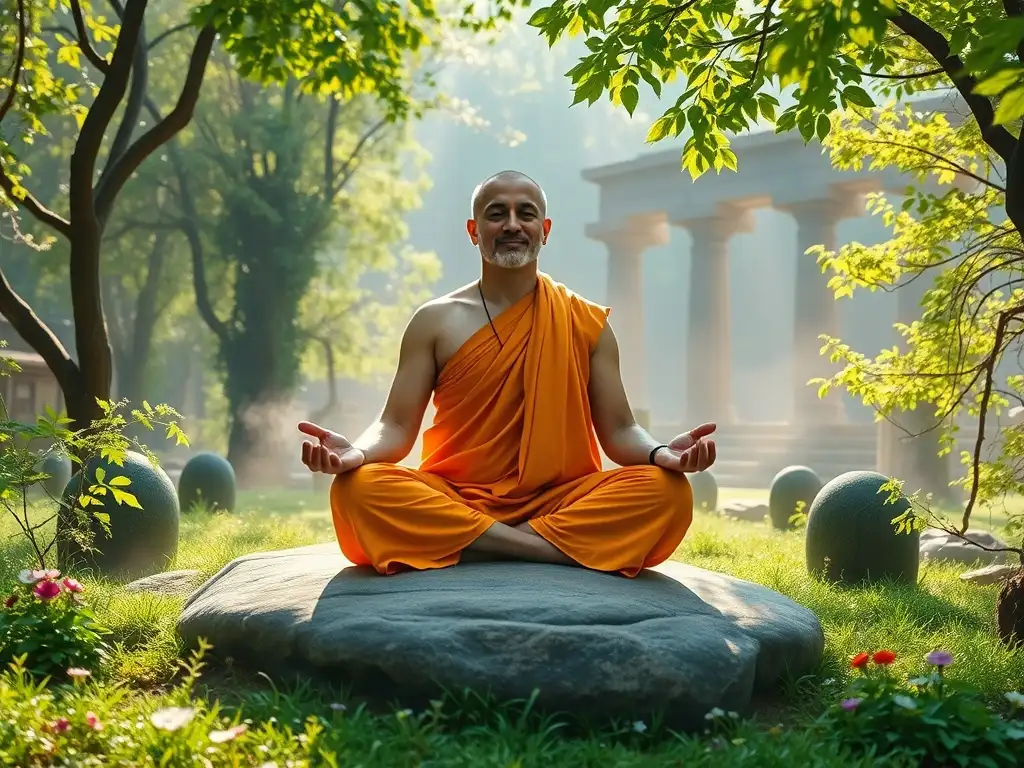
Modern interpretations of Hindu philosophy and Tantra have emerged as a vibrant and dynamic field of study, reflecting contemporary understandings of spirituality, ethics, and metaphysics. Scholars and practitioners alike have sought to reconcile ancient teachings with modern life, often emphasizing personal experience and direct engagement with the divine. This evolution has led to a variety of interpretations that resonate with diverse audiences, ranging from academic circles to new-age spiritual movements.
One significant aspect of modern interpretations is the democratization of Tantra, which has moved away from its esoteric roots. This shift allows individuals from various backgrounds to explore practices such as meditation, yoga, and ritual without needing extensive formal training. Additionally, the integration of Tantra into wellness practices illustrates its adaptability; many now associate it with holistic health, self-exploration, and personal empowerment.
Moreover, the global spread of Hindu philosophy has fostered intercultural dialogues, enriching both Eastern and Western perspectives. As scholars and practitioners engage with these ancient texts and practices, they create a tapestry of thought that reflects the complexities of contemporary spirituality.
The Revival of Tantra in Contemporary Spirituality
The revival of Tantra in contemporary spirituality has gained momentum over the past few decades. This resurgence can be attributed to a growing interest in alternative spiritual practices that emphasize personal empowerment, self-discovery, and the pursuit of transcendence. Many modern practitioners are drawn to the transformative potential of Tantra, perceiving it as a path that encourages both individual and collective healing.
Workshops, retreats, and online courses have proliferated, offering accessible avenues for individuals to engage with Tantric practices. These experiences often focus on the integration of body, mind, and spirit, highlighting the importance of energy, consciousness, and the sacredness of sexuality. Furthermore, the revival emphasizes inclusivity, inviting people from various backgrounds, genders, and orientations to explore Tantric teachings.
However, this revival is not without its criticisms. Some traditionalists argue that the commercialized aspects of contemporary Tantra dilute its authentic practices and philosophies. Despite these critiques, the revival underscores a profound yearning for spiritual depth and connection in an increasingly fragmented world.
Misconceptions About Tantra in Popular Culture
Misconceptions about Tantra often arise from its portrayal in popular culture, where it is frequently associated solely with sexual practices or sensationalized imagery. This limited view overlooks the profound philosophical and spiritual dimensions of Tantra, reducing it to mere exoticism. As a result, many individuals approach Tantra with misconceptions that can lead to misunderstanding and misapplication of its teachings.
In reality, Tantra encompasses a wide range of practices aimed at achieving spiritual enlightenment and union with the divine. It involves rituals, meditative techniques, and philosophical discourses that delve into the nature of reality, consciousness, and the cosmos. The emphasis on sexuality is only one aspect of a much broader framework that seeks to harmonize the physical, emotional, and spiritual dimensions of life.
Efforts to educate the public about the true nature of Tantra are essential in dispelling these misconceptions. By emphasizing its richness and complexity, advocates aim to foster a deeper understanding of this ancient tradition and its relevance in the modern world.
Academic Perspectives on Hindu Philosophy and Tantra
Academic perspectives on Hindu philosophy and Tantra reveal a rich tapestry of thought that has evolved over centuries. Scholars utilize various methodologies, including historical, textual, and comparative analyses, to explore the nuances of these traditions. The academic study of Tantra, in particular, has grown significantly, with researchers examining its origins, development, and impact on both ancient and contemporary societies.
One key area of focus is the integration of Tantra within the broader context of Hindu philosophy, particularly its relationship with concepts such as dualism, non-dualism, and the nature of consciousness. Scholars analyze primary texts—such as the Tantras and Upanishads—and consider their implications for understanding the self, the divine, and the cosmos.
Moreover, interdisciplinary approaches that combine insights from anthropology, sociology, and psychology have enriched the discourse surrounding Hindu philosophy and Tantra. These perspectives provide a holistic understanding of how these traditions function within various cultural contexts, shedding light on their relevance and adaptability in modern society.
Conclusion: The Enduring Legacy of Hindu Philosophy and Tantra
The enduring legacy of Hindu philosophy and Tantra is characterized by its resilience and adaptability across time and cultures. As ancient texts and practices continue to inspire contemporary seekers, the core teachings resonate with the universal quest for meaning, connection, and understanding.
Summary of Key Themes
Throughout the exploration of Hindu philosophy and Tantra, several key themes emerge. These include the importance of personal experience in spiritual practice, the intricate relationship between body and spirit, and the transformative potential of Tantric teachings. The revival of interest in these traditions highlights a collective desire for spiritual depth and authenticity in an increasingly complex world.
Additionally, the misunderstandings surrounding Tantra emphasize the need for education and awareness. By clarifying its true nature, practitioners and scholars alike can foster a more profound appreciation for its teachings and their significance in the modern context.
The Relevance of Hindu Philosophy Today
Today, Hindu philosophy remains deeply relevant as it addresses fundamental questions about existence, ethics, and the nature of reality. Its teachings encourage individuals to engage with their inner selves, explore their relationship with the universe, and cultivate compassion and understanding toward others.
In a world grappling with challenges such as fragmentation, disconnection, and existential crises, the insights offered by Hindu philosophy and Tantra provide valuable tools for personal and collective healing. By embracing these ancient wisdom traditions, individuals can navigate the complexities of modern life while fostering a deeper connection to themselves and the world around them.
Further Reading and Resources
Exploring the mystical aspects of Hindu philosophy and Tantra can be a deeply enriching experience that invites a deeper understanding of the spiritual practices and philosophical underpinnings of ancient Indian civilization. To facilitate this exploration, a variety of resources are available, encompassing both traditional texts and modern interpretations. Below are curated selections that provide valuable insights into Hindu philosophy and Tantra.
Recommended Books on Hindu Philosophy
-
"The Upanishads"
A foundational text of Hindu philosophy, the Upanishads delve into the nature of reality, the self, and the universe. They explore profound questions about existence and consciousness, making them essential for anyone interested in the philosophical aspects of Hinduism.
-
"Tantra: The Path of Ecstasy" by Georg Feuerstein
This book offers an in-depth look at the traditions and practices of Tantra, presenting it as a spiritual path that encompasses both the mystical and the practical aspects of Hindu philosophy. Feuerstein's scholarly approach demystifies common misconceptions about Tantra.
-
"The Heart of Yoga: Developing a Personal Practice" by T.K.V. Desikachar
While primarily a guide to yoga, this book integrates the philosophical principles of yoga with practical applications. Desikachar emphasizes the importance of personal experience and reflection, making it a valuable resource for understanding the philosophical roots of yoga and Tantra.
-
"Hindu Philosophy: A Very Short Introduction" by Kim Knott
An accessible introduction to the key concepts of Hindu philosophy, this book provides an overview of various schools of thought, including Vedanta and Samkhya, and their relationship to Tantra. This is perfect for readers seeking a concise yet informative resource.
-
"The Essence of Yoga: How to Create Your Own Hatha Yoga Practice" by Max Strom
This book combines personal anecdotes with philosophical insights from Hindu teachings, encouraging readers to connect deeply with their practice. It discusses the transformative power of yoga as it relates to the broader spectrum of Hindu philosophy.
Online Resources for Exploring Tantra and Hindu Thought
-
Academy of Indian Philosophy
This online platform offers courses, articles, and lectures on various aspects of Hindu philosophy, including Tantra. It serves as a hub for learners seeking structured and scholarly content.
-
Hinduism Today Magazine
This bi-monthly magazine provides articles and insights into the contemporary practices of Hinduism, including sections dedicated to philosophy and spirituality. It often features discussions on Tantra, exploring its relevance in modern contexts.
-
The Internet Archive
A valuable resource for accessing historical texts on Hindu philosophy and Tantra. The archive contains a vast collection of scanned books and manuscripts that can be freely explored, offering primary sources for deeper research.
-
YouTube Channels: "Hindu Philosophy" and "Tantra Exploration"
These channels provide video content ranging from lectures by scholars to discussions on the practical applications of Hindu philosophy and Tantra. They offer a dynamic way to engage with the material through visual and auditory means.
-
Online Forums and Discussion Groups
Platforms like Reddit and specialized forums allow enthusiasts and scholars to discuss and share insights about Hindu philosophy and Tantra. These community-driven spaces can provide diverse perspectives and a wealth of information.
By leveraging these resources, readers can deepen their understanding and appreciation of Hindu philosophy and the intricate world of Tantra. Each resource offers unique perspectives, helping to illuminate the profound wisdom embedded within ancient Indian thought.
- Introduction to Hindu Philosophy and Tantra Exploration
- Definition of Hindu Philosophy
- Importance of Tantra in Hindu Thought
- Historical Context of Hindu Philosophy
- Core Concepts of Hindu Philosophy
- Understanding Tantra: A Deeper Dive
- Influence of Tantra on Hindu Philosophy
- How Tantra Shapes Spiritual Practices
- The Relationship Between Yoga and Tantra
- Mystical Experiences in Tantric Practices
- Comparative Analysis of Tantric Practices
- Modern Interpretations of Hindu Philosophy and Tantra
- Conclusion: The Enduring Legacy of Hindu Philosophy and Tantra
- Further Reading and Resources
Frequently Asked Questions
What is Hindu philosophy?
Hindu philosophy encompasses a diverse range of thoughts and beliefs, focusing on concepts such as dharma, karma, and moksha, which guide personal and spiritual growth.
How does Tantra fit into Hindu philosophy?
Tantra is a crucial aspect of Hindu philosophy that explores spiritual practices, rituals, and meditative techniques aimed at achieving enlightenment and self-realization.
What are the key contributions of ancient Indian civilizations?
Ancient Indian civilizations contributed significantly to fields such as mathematics, astronomy, and philosophy, as well as the development of classical arts and spiritual traditions.
How did the Indus Valley Civilization influence Hindu culture?
The Indus Valley Civilization laid the groundwork for many aspects of Hindu culture, including urban planning, trade practices, and early religious rituals that have persisted through the ages.
What is the significance of Tantric practices in modern spirituality?
Tantric practices continue to influence modern spirituality by emphasizing inner transformation, integration of the divine feminine, and the pursuit of holistic well-being.
Final Reflection: Embracing the Depths of Hindu Philosophy and Tantra
The exploration of Hindu philosophy, particularly through the lens of Tantra, remains profoundly relevant in today's world. As we navigate the complexities of modern life, the ancient wisdom embedded in these teachings offers us pathways to deeper understanding and connection. In a time where many seek meaning and spiritual fulfillment, the insights of Tantra illuminate the intricate dance between the physical and the spiritual, urging us to embrace the fullness of our existence.
Hindu philosophy and Tantra have significantly shaped the cultural and social landscape, inviting us to reflect on our inner selves and our relationship with the universe. The teachings encourage a holistic view of life, emphasizing the interconnectedness of all beings. The essence of Tantra is not about rituals alone; it is about experiencing the divine in every moment of life.
This perspective allows us to appreciate the sacredness of our daily experiences and fosters a sense of unity with the world around us.
As you reflect on the themes presented in this article, I invite you to consider how the principles of Hindu philosophy and Tantra can enrich your own life. Take a moment to explore your inner landscape, to engage with the world around you in a more profound way, and to recognize the divine in the mundane. The journey of self-discovery and spiritual awakening is ongoing, and by embracing these teachings, you can cultivate a deeper sense of purpose and connection in your life.
Unveil the Mysteries of Tantra: Take Action Today!
Thank you for diving into the enchanting world of Hindu philosophy with us! We hope you found inspiration and new insights into the profound teachings of Tantra. Now, it's time to put that knowledge into action and further explore this fascinating journey.
Here’s how you can deepen your understanding and connection:
- Start your own exploration: Research and read more about the various schools of Tantra. Consider visiting libraries or reputable online resources to discover texts that resonate with you.
- Engage with the community: Participate in local workshops or online forums focused on Hindu philosophy and Tantra. Sharing ideas and experiences can lead to meaningful discussions and new friendships.
- Reflect and practice: Incorporate Tantric principles into your daily life. Whether through meditation, mindful living, or creative expression, find ways to experience these teachings personally.
What aspects of Tantra resonate with you the most, and how do you plan to integrate those insights into your life? We invite you to share your thoughts below!