
The Challenges and Triumphs of Ancient Indian Metallurgical Innovations

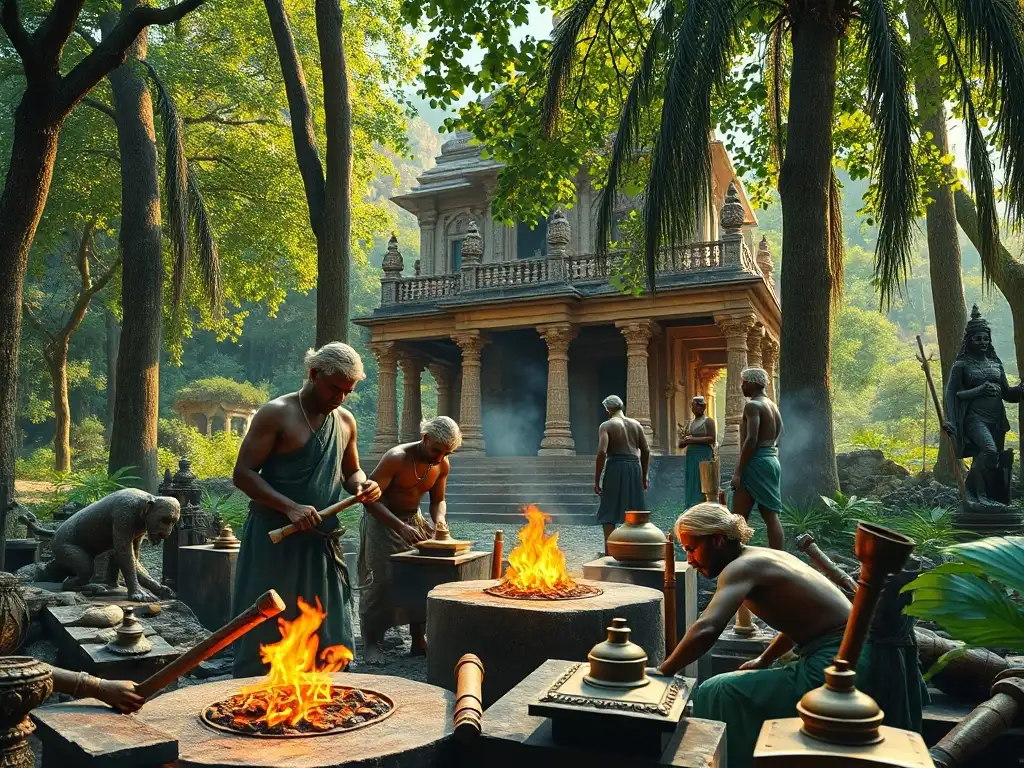
Welcome to Ancient India History, where we embark on a fascinating journey through time to uncover the rich tapestry of ancient Indian civilizations. In this exploration, we delve into the remarkable world of ancient Indian metallurgy innovations, a testament to the ingenuity and skill that shaped the technological landscape of the past. From the intricate techniques developed during the Indus Valley period to the groundbreaking advancements of the Gupta Empire, the story of metallurgy is filled with both challenges and triumphs.
Are you ready to discover how these innovations not only transformed materials but also influenced cultures across the ages? Join us as we unravel the secrets behind these remarkable achievements!
- Introduction to Ancient Indian Metallurgy Innovations
- Historical Background of Metallurgical Practices
- Key Innovations in Ancient Indian Metallurgy
- Challenges Faced in Ancient Metallurgical Practices
- Triumphs of Ancient Indian Metallurgical Innovations
- Cultural Impact of Metallurgical Innovations
- Conclusion: Legacy of Ancient Indian Metallurgy
- References and Further Reading
-
Frequently Asked Questions
- What are the main metallurgical innovations of ancient India?
- How did ancient Indian metallurgy influence other civilizations?
- What are some challenges faced by ancient Indian metallurgists?
- How did the Gupta Empire contribute to metallurgical advancements?
- What role did religion play in ancient Indian metallurgy?
- Final Reflection: Embracing the Legacy of Ancient Indian Metallurgy Innovations
- Unveil the Marvels of Ancient Metallurgy!
Introduction to Ancient Indian Metallurgy Innovations
The history of ancient Indian metallurgy innovations is a fascinating journey through time, showcasing the exceptional skills and knowledge of ancient Indian civilizations in the field of materials science. From the Indus Valley Civilization to the Gupta Empire, metallurgical advancements in India not only transformed local economies and societies but also influenced global technological progress.
This article delves into the myriad challenges faced by ancient metallurgists and the triumphs they achieved, highlighting the significance of their innovations which laid the groundwork for future advancements in metallurgy and material science. Understanding these developments is crucial for appreciating how ancient Indian innovations in metallurgy have shaped our modern world.
Overview of Ancient Indian Metallurgy
Ancient Indian metallurgy is characterized by its remarkable achievements in producing high-quality metals and alloys, particularly iron, copper, and bronze. The expertise in metallurgy can be traced back to the Indus Valley Civilization (circa 3300-1300 BCE), where evidence of sophisticated metalworking techniques was first discovered.
- Key Developments:
- Copper and Bronze Tools: The use of copper and bronze tools marked a significant technological leap, facilitating advancements in agriculture, warfare, and daily life.
- Iron Smelting: By the Iron Age (around 1200 BCE), India emerged as a leading producer of iron. The production of high-quality cast iron, exemplified by the famous Iron Pillar of Delhi, showcases their advanced techniques.
The metallurgical innovations of ancient India were not only functional but also artistic, as seen in intricate jewelry and decorative items made from precious metals. These innovations played a vital role in trade, connecting ancient India with other civilizations across Asia, the Middle East, and even Europe.
Importance in Historical Context
The contributions of ancient Indian metallurgy innovations extend beyond mere technological advancement; they were pivotal in shaping social structures, economic systems, and cultural exchanges.
- Economic Impact:
- The production of metals and tools significantly contributed to agricultural efficiency, boosting food production and supporting larger populations.
- Metal trade networks facilitated economic prosperity and cultural exchanges between regions, enhancing India's position in global trade.
- Cultural Significance:
- Metallurgical practices influenced art and craftsmanship, leading to unique cultural expressions through metal artifacts.
- The spiritual and ritualistic use of metals in ancient India, such as in temples and religious iconography, underscores their importance in societal values and beliefs.
The challenges and triumphs of ancient Indian metallurgy innovations reflect a rich tapestry of ingenuity that laid the foundation for future technological advancements and cultural richness, making it an essential area of study for understanding ancient Indian civilization and its lasting legacy.
Historical Background of Metallurgical Practices
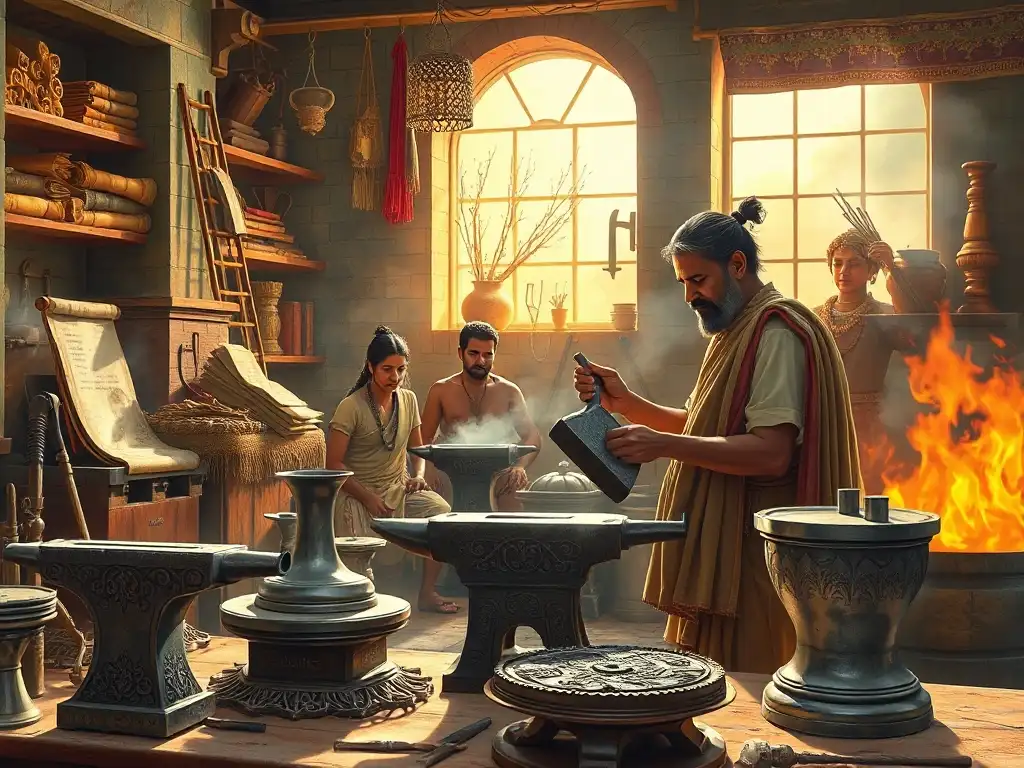
The history of metallurgy in ancient India is a fascinating journey that spans several millennia, showcasing a remarkable evolution of techniques and innovations. Early metallurgical practices in this region laid the foundation for advanced metalworking skills that would later emerge, reflecting the ingenuity and adaptability of ancient Indian civilizations. The utilization of metals such as copper, bronze, iron, and gold not only transformed tools and weapons but also played a crucial role in social, economic, and cultural dynamics.
Early Metallurgical Techniques in Ancient India
The roots of metallurgy in ancient India can be traced back to the Chalcolithic period, where the earliest evidence suggests the use of copper. Archaeological findings indicate that around 4500 BCE, communities began to extract copper from ores and create rudimentary tools and ornaments. The techniques employed during this time involved:
- Smelting: Primitive smelting techniques were developed, utilizing clay furnaces that achieved sufficient temperatures to melt copper ores.
- Alloying: The combination of copper with tin to produce bronze marked a significant advancement. This innovation allowed for the creation of harder and more durable tools.
- Casting and Forging: The crafting of metal objects involved techniques such as casting, where molten metal was poured into molds, and forging, which involved hammering heated metal into shape.
These early practices laid the groundwork for the more sophisticated metallurgical innovations that would follow in subsequent periods.
Influence of the Indus Valley Civilization on Metallurgy
The Indus Valley Civilization (c. 3300–1300 BCE) had a profound impact on metallurgical advancements in ancient India. This civilization is renowned for its urban planning and advanced craftsmanship, particularly in metallurgy. Key aspects of this influence include:
- Urban Workshops: Indus Valley cities like Harappa and Mohenjo-Daro featured workshops dedicated to metalworking. Artisans specialized in creating tools, ornaments, and figurines using various metals, showcasing their expertise and innovation.
- Standardization of Weights and Measures: The civilization's emphasis on trade necessitated the development of standardized weights and measures, which facilitated the exchange of metal goods and contributed to the advancement of metallurgy.
- Innovative Techniques: Evidence suggests that the Indus Valley craftsmen employed advanced techniques such as lost-wax casting and the production of high-quality bronze, which were vital for the creation of intricate artifacts and tools.
The metallurgical innovations of the Indus Valley Civilization not only enriched local cultures but also influenced neighboring regions, setting a precedent for future developments in ancient Indian metallurgy.
Development during the Vedic Period
Following the decline of the Indus Valley Civilization, the Vedic Period (c. 1500–500 BCE) saw a resurgence in metallurgical practices, characterized by significant advancements and diversification in the use of metals. During this time, several notable developments emerged:
- Iron Metallurgy: The Vedic period marked the introduction of iron metallurgy, which revolutionized agricultural practices and warfare. The production of iron tools enhanced agricultural productivity, while iron weapons transformed military strategies.
- Literary References: Ancient texts such as the Rigveda and Atharvaveda contain references to metalworking, indicating the importance of metallurgy in Vedic society. These texts highlight the cultural significance of metals and their role in rituals and daily life.
- Craftsmanship and Guilds: The rise of specialized craftsmen and guilds during this period fostered advancements in metallurgical techniques. Artisans refined their skills in working with various metals, leading to the production of exquisite jewelry and functional tools.
The metallurgical innovations of the Vedic period not only reflect technological advancements but also underscore the cultural and economic transformations occurring in ancient Indian society. These developments paved the way for further advancements in metallurgy, culminating in the sophisticated practices seen during the later periods of ancient Indian history.
Key Innovations in Ancient Indian Metallurgy
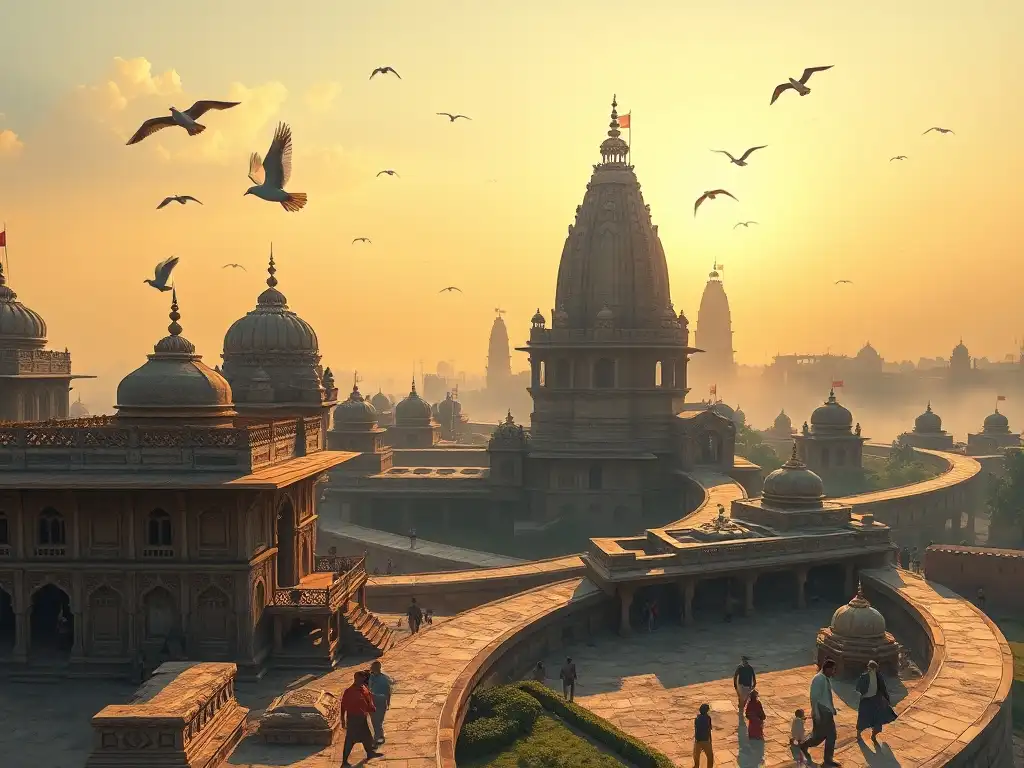
Ancient Indian metallurgy innovations are a testament to the sophisticated technological advancements achieved by Indian civilizations. From the extraction of metals to their intricate processing, ancient Indian metallurgists displayed remarkable skills that laid the groundwork for various tools, ornaments, and architectural marvels. This section delves into the key innovations that defined the metallurgical landscape of ancient India.
Iron Production Techniques
Iron metallurgy in ancient India reached new heights, particularly during the Iron Age (circa 1200 BCE to 600 CE). One of the notable advancements was the development of high-temperature furnaces capable of smelting iron ore effectively. The use of furnaces that reached temperatures exceeding 1,200 °C allowed for the reduction of iron oxide into metallic iron.
- Wootz Steel Production: One of the most significant innovations was the production of Wootz steel, renowned for its quality and durability. This crucible steel was made by melting iron with specific carbon-rich materials in a closed crucible, leading to a unique structure that provided exceptional strength and sharpness.
- Techniques of Forging and Tempering: Ancient Indian metallurgists mastered the techniques of forging and tempering to enhance the properties of iron. The method of repeated hammering at high temperatures resulted in a tougher and more resilient product. The famous Iron Pillar of Delhi, which has withstood corrosion for over 1,600 years, exemplifies these advanced techniques.
- Indigenous Smelting Methods: The use of indigenous smelting methods, such as the bloomery process, allowed for the extraction of iron from its ore without extensive refinement. This process involved heating iron ore in the presence of charcoal, leading to the formation of a spongy mass of iron known as a "bloom."
The Art of Brass and Bronze Making
Brass and bronze metallurgy played a pivotal role in the cultural and technological advancements of ancient Indian civilizations. The creation of these alloys involved a keen understanding of material properties and temperature control.
- Brass Production: The production of brass, an alloy of copper and zinc, became prominent around the 5th century BCE. Techniques included the controlled heating of copper ores mixed with zinc ores, which resulted in a lustrous and corrosion-resistant metal. This innovation not only enhanced the aesthetic appeal of artifacts but also improved their durability.
- Bronze Age Artifacts: The Bronze Age (circa 3300–1300 BCE) in ancient India saw the rise of bronze tools and weaponry, which were more effective than their stone counterparts. The lost-wax casting technique was employed to create intricate designs, allowing artisans to produce detailed sculptures and religious icons.
- Applications of Brass and Bronze: The versatility of brass and bronze found applications in various domains, from everyday utensils to ceremonial objects. The ancient city of Harappa showcased exquisite bronze artifacts, highlighting the advanced metallurgical skills of its inhabitants.
Innovations in Gold and Silver Metallurgy
Gold and silver metallurgy in ancient India reached exceptional levels, characterized by intricate craftsmanship and innovative techniques.
- Goldsmithing Techniques: Ancient Indian goldsmiths were renowned for their ability to create intricate jewelry and decorative items. Techniques such as granulation (the process of fusing tiny gold granules) and filigree (delicate ornamental work made from twisted threads of gold or silver) showcased their artistic prowess.
- Silver Coinage: The introduction of silver coinage during the Mauryan Empire (322–185 BCE) marked a significant advancement in trade and economy. The coins, known as punch-marked coins, were stamped with various symbols, facilitating commerce and establishing a standard currency system.
- Religious and Cultural Significance: Gold and silver were not only valuable for their material worth but also held immense cultural and religious significance. They were used in religious rituals and as offerings, while their reflective properties symbolized purity and divinity.
Ancient Indian metallurgy innovations reflect a civilization that was not only technologically advanced but also deeply intertwined with cultural expressions. The mastery of iron, brass, bronze, gold, and silver metallurgy has left a lasting legacy that continues to inspire modern metallurgical practices.
Challenges Faced in Ancient Metallurgical Practices
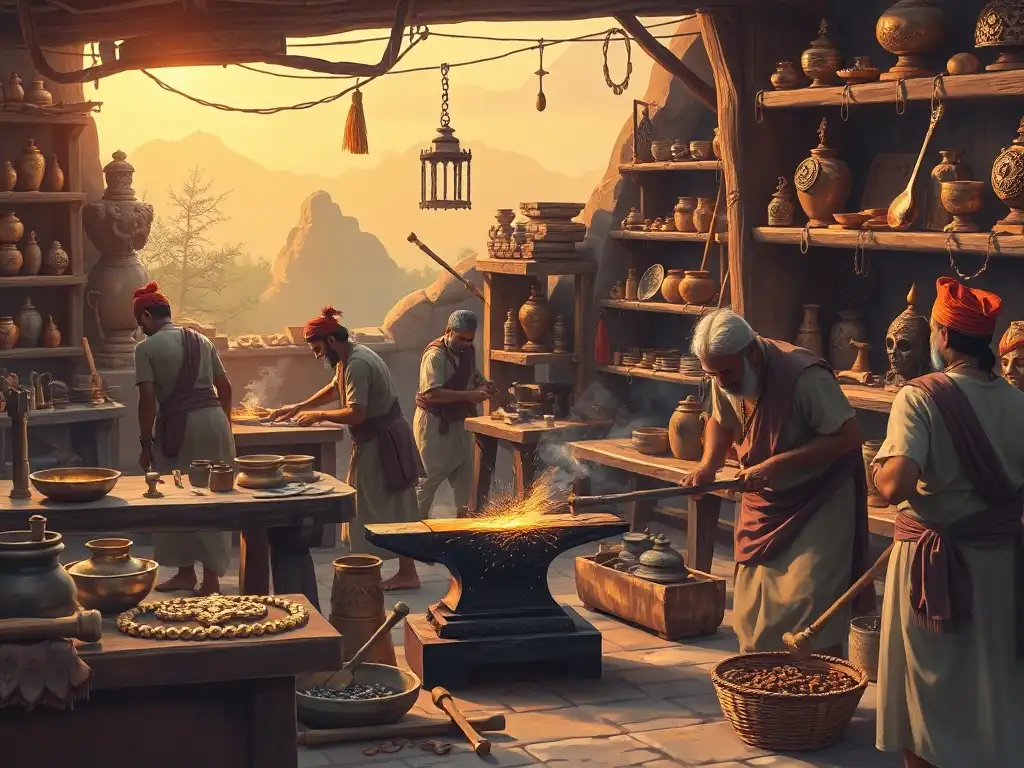
Resource Scarcity and Accessibility
Ancient Indian metallurgy innovations were significantly influenced by the availability of resources. The region's diverse geography meant that certain metals were more accessible in some areas than in others. For instance, while iron ores were abundant in regions like the Aravalli mountain range, precious metals such as gold and silver were generally found in limited quantities. This disparity led to several challenges:
- Mining Limitations: The extraction of ores required not only the knowledge of mining techniques but also the physical capability to transport heavy materials. The lack of advanced transportation systems made it difficult to move ores from remote locations to centers of metallurgy.
- Trade Dependencies: Due to resource scarcity, ancient Indian metallurgists often relied on trade with neighboring regions to acquire essential materials. This dependence on external sources could lead to fluctuations in the availability of critical metals, hampering metallurgical advancements.
- Economic Constraints: The costs associated with mining, transporting, and refining metals could be prohibitive. Limited economic resources meant that only certain communities could afford to engage in extensive metallurgical practices, thereby restricting innovation.
Technological Limitations of the Time
The technological landscape of ancient India posed additional hurdles to metallurgical innovation. The absence of modern tools and techniques limited the capabilities of metallurgists, affecting both the quality and quantity of metal production:
- Primitive Smelting Techniques: Early smelting methods, such as the use of simple furnaces, restricted the temperatures achievable during metalworking processes. This limitation hindered the ability to create high-quality alloys and effectively manipulate metal properties.
- Lack of Knowledge Transfer: The transmission of metallurgical knowledge was often localized, with techniques and innovations confined to specific communities. This lack of broader knowledge exchange stifled the evolution of more sophisticated metallurgical methods.
- Challenges in Alloying: The understanding of alloying processes was rudimentary. Metallurgists often lacked the precise control over temperature and composition needed to create desired alloys, which could lead to inconsistencies in metal quality.
Environmental and Geographical Challenges
The environmental and geographical factors inherent to the Indian subcontinent presented further obstacles to metallurgical advancements. Variability in climate and topography affected the metallurgical landscape in several ways:
- Climate Variability: Different climatic conditions influenced the availability of raw materials and the efficiency of smelting processes. For example, monsoonal rains could affect mining operations and hinder metal extraction efforts.
- Geographical Barriers: The diverse topography of ancient India, including mountains, forests, and rivers, created logistical challenges. Transporting ores and finished metal products across such varied landscapes required considerable effort and planning.
- Natural Disasters: Earthquakes, floods, and other natural disasters could devastate local mining and metallurgical facilities, leading to significant setbacks in production and innovation.
While ancient Indian metallurgy innovations laid the groundwork for future advancements, the challenges stemming from resource scarcity, technological limitations, and environmental factors shaped the trajectory of metallurgical practices in ancient India. Overcoming these hurdles required ingenuity and resilience, traits that would ultimately define the rich legacy of Indian metallurgical achievements.
Triumphs of Ancient Indian Metallurgical Innovations
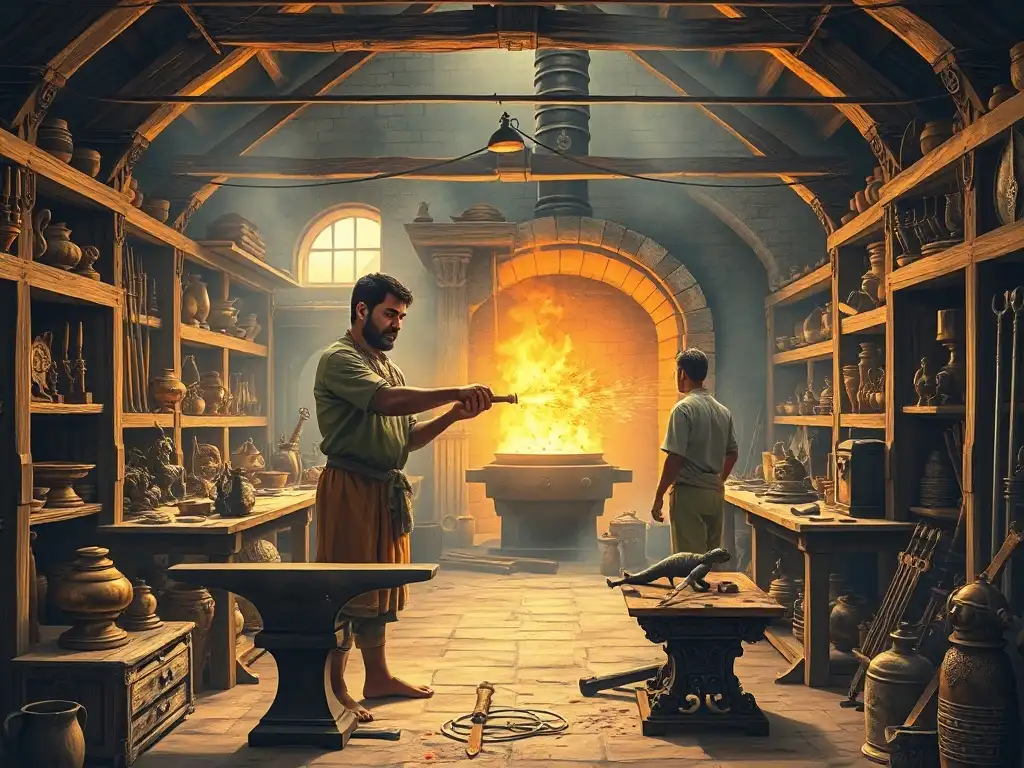
The metallurgical innovations of ancient India reflect an impressive understanding of materials and techniques that laid the foundation for many modern practices. These triumphs not only highlight the skill and ingenuity of ancient Indian artisans but also underline their influence on global metallurgy. Key achievements in this field include the production of Wootz steel, advancements in alloy development, and the recognition of Indian practices in global metallurgy.
The Production of Wootz Steel
One of the most significant achievements in ancient Indian metallurgy is the production of Wootz steel, known for its remarkable strength and unique properties. This high-quality steel was produced in southern India, particularly in regions like Andhra Pradesh and Tamil Nadu, as early as the 3rd century BCE.
- Manufacturing Process: The process of creating Wootz steel involved smelting iron with a specific mixture of carbon-rich materials, such as organic matter and charcoal. The steel was then subjected to a controlled cooling process, allowing for the formation of distinctive patterns and a high carbon content, which contributed to its exceptional toughness.
- Properties: Wootz steel is characterized by its ability to be honed to a sharp edge while maintaining resilience. The unique patterning, often likened to the appearance of flowing water, was not only aesthetically pleasing but also indicative of the steel's high quality.
- Cultural Impact: This steel became highly sought after, with demand extending beyond India to regions such as the Middle East and Europe. The craftsmanship associated with Wootz steel contributed to the creation of legendary blades, including the famous Damascus swords.
Advances in Alloy Development
Ancient Indian metallurgists were pioneers in alloy development, experimenting with various metals to create materials with enhanced properties. This innovation was crucial in various applications, including weaponry, tools, and decorative items.
- Bronze and Copper Alloys: The Bronze Age in India saw the extensive use of copper and its alloys. Artisans crafted bronze by combining copper with tin or arsenic, resulting in a material that was harder and more durable than pure copper. This advancement played a vital role in tool-making and weaponry.
- Brass Production: The ancient Indians also excelled in producing brass, an alloy of copper and zinc. This material was favored for its corrosion resistance and ease of casting, leading to the creation of intricate sculptures, coins, and utensils. The methods used in ancient India for producing brass were sophisticated, involving the controlled introduction of zinc vapor during the smelting process.
- Innovative Techniques: The use of techniques such as lost-wax casting and the production of intricate inlaid work further demonstrated the advanced understanding of metallurgy among ancient Indian craftsmen. These methods allowed for complex designs and a high degree of artistry in metal objects.
Recognition in Global Metallurgical Practices
The metallurgical practices of ancient India have not only been significant within the subcontinent but have also garnered recognition on a global scale. The exchange of knowledge and materials facilitated the spread of Indian metallurgical advancements far beyond its borders.
- Trade and Influence: Indian metallurgical products, particularly Wootz steel, became integral to trade routes that connected India with the Middle East, Europe, and beyond. The quality and reliability of these products established a reputation that influenced metallurgical practices in other cultures.
- Historical Documentation: Historical texts and accounts from travelers, such as the Chinese monk Xuanzang and the Persian historian Al-Biruni, documented the advanced state of Indian metallurgy. These writings detail the techniques and materials used, highlighting India's role as a center of metallurgical innovation during ancient times.
- Legacy: The impact of ancient Indian metallurgy is still evident today, with many modern metallurgists and historians recognizing the foundational techniques developed during this period. The legacy of these innovations continues to inspire contemporary practices, illustrating the enduring significance of ancient Indian metallurgy innovations.
The triumphs of ancient Indian metallurgy not only showcase the technical prowess of the civilization but also emphasize its lasting impact on the world. Through the production of exceptional materials and innovative techniques, ancient India set a benchmark that continues to resonate in the field of metallurgy today.
Cultural Impact of Metallurgical Innovations
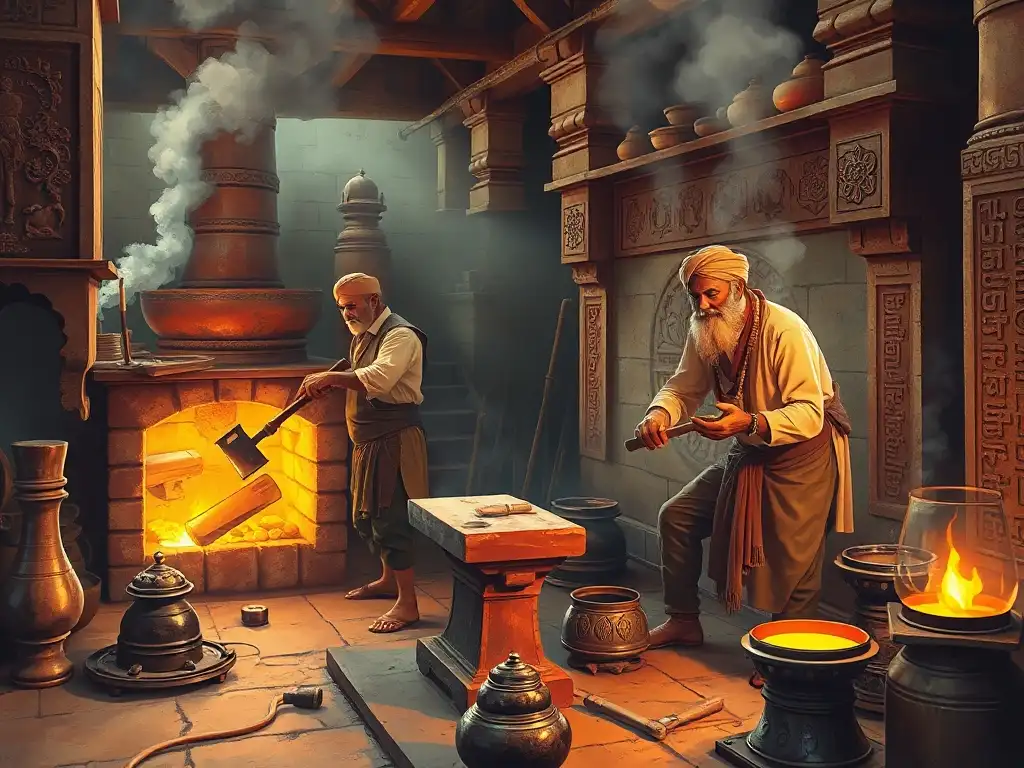
Metallurgy's Role in Trade and Economy
The advancements in ancient Indian metallurgy innovations significantly influenced trade and the economy. The ability to smelt and forge metals such as copper, bronze, and iron enabled the development of tools and weapons, which in turn facilitated agricultural productivity and military prowess. This technological progress not only allowed local communities to thrive but also established trade networks that extended beyond India's borders.
- Trade Goods: Key metallurgical products included:
- Copper and Bronze tools: Used extensively in agriculture and craftsmanship.
- Iron weapons: Enhanced military capabilities, leading to territorial expansion and stability.
- Jewelry and ornaments: Crafted from gold, silver, and precious stones, these items became symbols of wealth and status.
The flourishing of metallurgy coincided with the rise of urban centers, such as those in the Indus Valley Civilization, where artifacts indicate a vibrant trade in metal goods. The exchange of these products not only fostered economic ties among neighboring regions but also introduced various cultures to each other's practices and technologies.
Influence on Art and Craftsmanship
Ancient Indian metallurgy innovations were not merely functional; they also played a crucial role in the artistic expression of the period. The ability to manipulate metals allowed artisans to create intricate designs that reflected the cultural values and aesthetics of ancient Indian society.
- Sculpture and Decorative Arts:
- Bronze Casting: The lost-wax casting technique enabled the production of detailed sculptures, such as the famous bronze statue of the dancing Shiva from the Chola period, showcasing the intersection of art and metallurgy.
- Metal Inlay Work: Craftsmen utilized techniques like inlaying precious metals into base metals to create stunning decorative items, which were often used in temples and royal palaces.
- Architectural Elements: Metals were integral in the construction of temples and palaces. Decorative metalwork, such as door fittings and brackets, not only served functional purposes but also added to the aesthetic grandeur of these structures.
The artistic innovations driven by metallurgy contributed to a unique blend of functionality and beauty, solidifying the cultural legacy of ancient India.
Religious and Symbolic Significance of Metals
In ancient Indian culture, metals held profound religious and symbolic significance. The use of certain metals in rituals and religious practices highlights the spiritual dimensions of metallurgy.
- Sacred Metals:
- Gold: Often associated with purity and divinity, gold played a critical role in religious offerings and temple construction. Statues and idols were frequently adorned with gold leaf, symbolizing the divine essence.
- Silver and Copper: These metals were also utilized in various rituals, with copper being particularly valued for its perceived purifying properties.
- Symbolism in Mythology:
- Metals were often incorporated into myths and stories, with deities associated with specific metals. For instance, Lord Ganesha is sometimes depicted with a mouse made of bronze, symbolizing obstacles being overcome.
The integration of metallurgy into religious practices illustrates how ancient Indian societies viewed metals not only as materials for utility but also as elements rich in spiritual meaning and cultural significance.
The cultural impact of ancient Indian metallurgy innovations extends far beyond their economic and artistic contributions; they are deeply embedded in the social, religious, and symbolic fabric of ancient Indian civilization.
Conclusion: Legacy of Ancient Indian Metallurgy
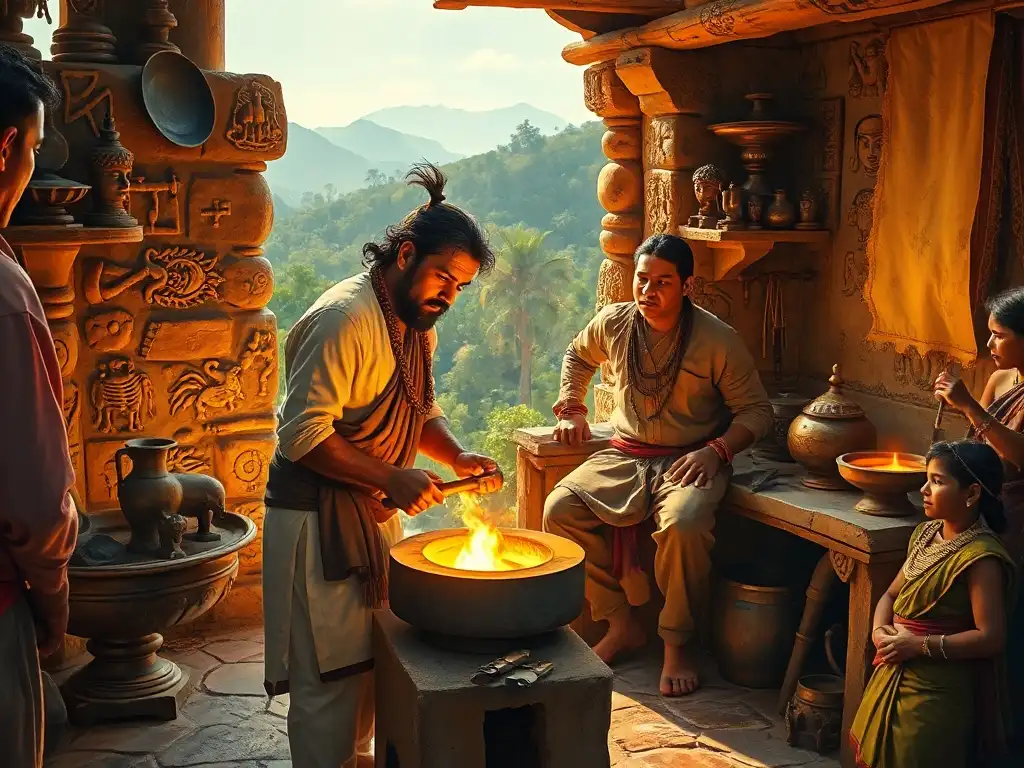
The legacy of ancient Indian metallurgy is a testament to the ingenuity and advanced understanding of materials that early Indian civilizations possessed. From the sophisticated techniques developed in the Indus Valley Civilization to the remarkable advancements seen during the Gupta Empire, ancient Indian metallurgy innovations have left an indelible mark on both historical and modern practices. By harnessing local resources and developing unique methods, ancient metallurgists contributed significantly to the field, influencing cultures and technologies far beyond their geographical boundaries.
Lasting Impact on Modern Metallurgy
Ancient Indian metallurgy innovations, such as the production of high-quality steel (known as Wootz steel), have had a profound impact on modern metallurgy. The techniques for producing Wootz steel were so advanced that they became highly sought after, influencing both Eastern and Western steel-making processes. The unique properties of this steel, including its strength and ability to be honed to a sharp edge, set a benchmark for quality that persists in modern steel production.
Furthermore, the knowledge of alloying, which was practiced in ancient India, laid the groundwork for contemporary metallurgy. The use of copper, bronze, and more sophisticated alloys showcases an understanding of material properties that continues to be relevant today. Techniques such as carburization, which enhances the hardness of iron, were employed centuries ago and are still utilized in various modern applications.
| Ancient Technique | Modern Application | Impact |
|---|---|---|
| Production of Wootz Steel | High-performance steel alloys | Enhanced strength and durability |
| Alloying of metals | Custom alloys in engineering | Tailored properties for specific uses |
| Carburization | Hardening processes in steel-making | Improved wear resistance |
Continuing Influence on Material Science
The knowledge derived from ancient Indian metallurgy is not only relevant to metallurgy but also extends into the broader field of material science. The principles of material selection, processing techniques, and the understanding of microstructures have roots in ancient practices.
For example, the ancient Indian method of smelting metals involved understanding the chemical properties of ores, which parallels modern material science that focuses on the composition and behavior of materials at the molecular level. This knowledge continues to inspire current research in developing new materials with improved properties for various applications, including aerospace, automotive, and construction industries.
Moreover, ancient texts such as the "Arthashastra" and inscriptions from the Gupta period document the practices and philosophies surrounding metallurgy, providing a rich resource for historians and scientists alike. They serve as a reminder that the journey of material science is deeply interconnected with our historical past.
The innovations in ancient Indian metallurgy are not merely historical footnotes; they are foundational to the ongoing development of modern metallurgy and material science, showcasing the enduring legacy of these remarkable achievements.
References and Further Reading
Key Texts on Ancient Indian Metallurgy
The study of ancient Indian metallurgy is enriched by several pivotal texts that provide in-depth knowledge about techniques, materials, and the historical context of metallurgical innovations. Here are some key texts that serve as foundational references:
-
"The Archaeometallurgy of the Asian Old World"
Author: Vladimir I. Kovalchuk
This book offers comprehensive insights into the metallurgical practices across ancient Asia, including detailed discussions on Indian techniques and materials, emphasizing the role of local resources in shaping metallurgical advancements. -
"The History of Metallurgy in India"
Author: R. N. Mehta
A classic work that traces the evolution of metallurgy in India from prehistoric times through various dynasties, highlighting the innovations in techniques and the significance of metals in ancient Indian society. -
"Metallurgy in Ancient India"
Author: R. S. Sharma
This text specifically focuses on the metallurgical practices of ancient India, detailing the various alloys used, smelting processes, and the socio-economic impact of metallurgical developments on Indian civilization. -
"Iron and Steel in Ancient India"
Author: R. K. Sharma
A detailed examination of the iron and steel production techniques in ancient India, this book discusses the technological innovations that allowed for the production of high-quality iron, including wootz steel, which was renowned worldwide. -
"The Role of Metals in the Ancient Indian Economy"
Author: A. K. Sinha
This work analyzes the economic implications of metallurgy in ancient India, exploring how metal resources influenced trade, craftsmanship, and territorial expansion.
Suggested Academic Journals and Articles
For those seeking to delve deeper into the subject of ancient Indian metallurgy innovations, the following academic journals and articles are recommended:
-
Journal of Archaeological Science
This journal publishes articles on the archaeological aspects of metallurgy, including studies related to ancient Indian practices. Notable articles include analyses of metallurgical remnants found at archaeological sites.
-
Bulletin of the Historical Metallurgy Society
A rich source of research articles focusing on historical metallurgy, this bulletin often features contributions discussing ancient Indian innovations, including case studies of specific sites.
-
"The Metallurgy of Ancient India: A Review"
Author: M. K. Gupta
This article provides an overview of the key metallurgical practices and innovations of ancient India and serves as a crucial summary for researchers interested in the historical context and technological advancements. -
"Wootz Steel: The Lost Art of Ancient Indian Metallurgy"
Author: V. S. Raghavan
An insightful article discussing the process of creating wootz steel, a unique form of crucible steel that originated in India and became highly sought after for its quality and durability. -
"Copper and Bronze Metallurgy in Ancient India"
Authors: P. N. Rao and S. K. Dutta
This research article analyzes the techniques of copper and bronze production in ancient India, highlighting the technological innovations and their implications for ancient Indian society.
By engaging with these texts and articles, readers can gain a comprehensive understanding of the challenges and triumphs associated with ancient Indian metallurgy innovations, reflecting the rich legacy of technological advancement in this ancient civilization.
Frequently Asked Questions
What are the main metallurgical innovations of ancient India?
Ancient India is renowned for its advanced techniques in metallurgy, including the production of high-quality steel (Wootz steel), and the creation of alloys like brass and bronze.
How did ancient Indian metallurgy influence other civilizations?
The innovations in metallurgy from ancient India significantly impacted trade and technology, inspiring regions such as Persia and Southeast Asia to adopt similar techniques.
What are some challenges faced by ancient Indian metallurgists?
Ancient Indian metallurgists encountered challenges such as resource availability, the need for advanced techniques, and environmental conditions that affected metal production.
How did the Gupta Empire contribute to metallurgical advancements?
The Gupta Empire is noted for its patronage of science and technology, leading to advancements in metalworking techniques and the production of sophisticated tools and ornaments.
What role did religion play in ancient Indian metallurgy?
Religion often influenced metallurgical practices, as certain metals were used in ritualistic items and temple constructions, reflecting the intersection of artistry and spirituality in ancient Indian culture.
Final Reflection: Embracing the Legacy of Ancient Indian Metallurgy Innovations
The challenges and triumphs of ancient Indian metallurgy innovations resonate profoundly in today's world, reminding us that the pursuit of knowledge and craftsmanship is timeless. As we navigate a rapidly evolving technological landscape, the ingenuity and resilience displayed by ancient metallurgists serve as a beacon of inspiration, illustrating how innovation can emerge even in the face of adversity. Their ability to manipulate materials and create advanced tools not only transformed their society but also laid the groundwork for future generations, emphasizing the enduring impact of their contributions.
The legacy of ancient Indian metallurgy innovations continues to shape our cultural and technological landscape, revealing a rich tapestry of knowledge that transcends time. The meticulous techniques and artistic expressions found in ancient artifacts reflect a deep understanding of materials and their properties, influencing modern practices in metallurgy and engineering. As noted by historian R. Balasubramaniam, The metallurgical advancements of ancient India were not merely technical achievements; they were a testament to the civilization's profound relationship with nature and science.
This ongoing influence encourages us to appreciate the interconnectedness of our past and present, fostering a sense of pride in our heritage.
As we reflect on the lessons learned from ancient Indian metallurgy innovations, I invite you to explore how these principles can be applied in your own life. Consider the challenges you face and the innovative solutions that lie within your reach. Embrace the spirit of experimentation and resilience that characterized the metallurgists of ancient India, and let it inspire you to forge your own path of creativity and discovery. By honoring their legacy, we not only celebrate our history but also empower ourselves to shape a brighter future.
Unveil the Marvels of Ancient Metallurgy!
Thank you for diving into the fascinating world of ancient Indian metallurgical innovations with us! You've uncovered the stories of ingenuity and resilience that shaped a remarkable heritage. Now, it's time to take the inspiration from this journey and transform it into action!
Here’s how you can connect further with this incredible legacy:
- Explore your local museum or library to discover exhibits or books on ancient metallurgy. You may find amazing artifacts that echo the triumphs discussed!
- Share your newfound knowledge with friends or on social media—start a conversation on how ancient practices can inspire modern innovations!
- Join a community group focused on ancient history or metallurgy to engage with others who share your passion and continue learning together.
What insights or innovations from ancient metallurgical practices do you believe could inspire today’s advancements? Let's spark a discussion in the comments!