
The Interconnection of Festivals and Agriculture in Ancient India

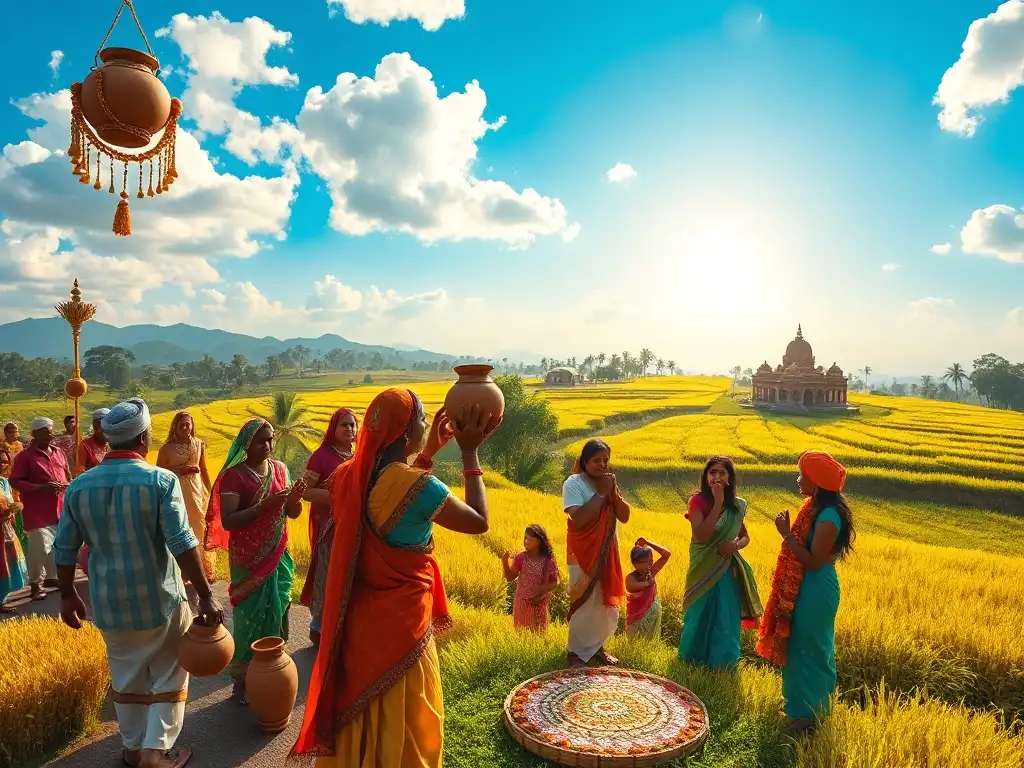
Welcome to Ancient India History, where we embark on a captivating journey through the vibrant tapestry of ancient Indian civilizations. Here, we delve into the intriguing relationship between festivals and agriculture, uncovering how the rhythms of nature shaped the rich traditions and celebrations that defined the lives of our ancestors.
In our featured article, "The Interconnection of Festivals and Agriculture in Ancient India," we invite you to explore how these age-old practices not only marked the changing seasons but also fostered a sense of community and cultural identity. Join us as we unveil the fascinating stories and insights that await, and discover how the past continues to resonate in our present!
Introduction to Ancient Indian Festivals and Agriculture
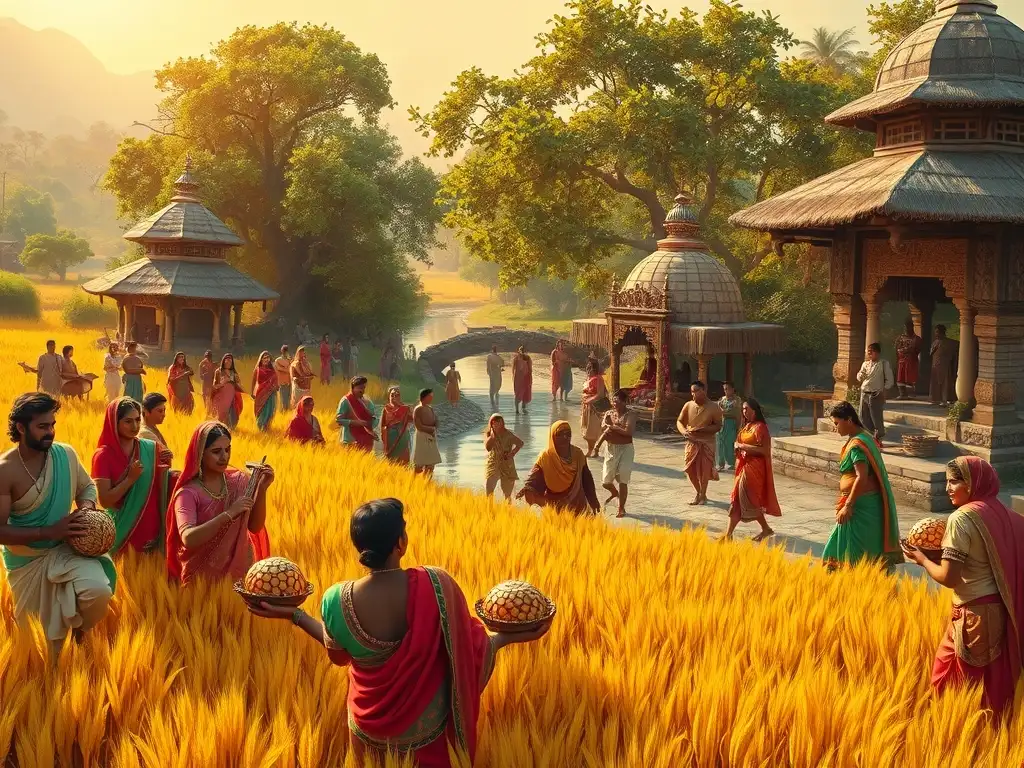
The intricate tapestry of ancient Indian festivals is deeply woven with the rhythms of agriculture, reflecting the symbiotic relationship between the two. In ancient India, festivals were not merely occasions for celebration; they served as vital markers of the agricultural calendar, aligning with planting and harvesting seasons. This interconnection highlights how agricultural practices influenced cultural and religious observances, offering a glimpse into the daily lives and spiritual beliefs of ancient Indian civilizations. Understanding this relationship is crucial for grasping the essence of ancient Indian traditions, as it reveals how agriculture shaped communal identities, social structures, and even religious practices.
Overview of Festivals in Ancient India
Festivals in ancient India were vibrant and varied, each with its unique significance and rituals. Celebrated with great enthusiasm, these festivals often revolved around key agricultural events. Some of the prominent festivals included:
- Pongal: Celebrated in South India, marking the end of the harvest season.
- Makar Sankranti: A festival that celebrates the winter solstice and the onset of the harvest season.
- Holi: The festival of colors, which signifies the arrival of spring and the end of winter.
These festivals were characterized by communal gatherings, feasting, music, and dance, playing a pivotal role in strengthening social bonds and cultural identity.
Importance of Agriculture in Ancient Indian Society
Agriculture was the backbone of ancient Indian society, underpinning its economy and sustenance. The agrarian lifestyle dictated the rhythms of life, influencing everything from settlement patterns to social hierarchies. Major crops included rice, wheat, barley, and pulses, which were cultivated using techniques that showcased the ingenuity of ancient farmers.
- Economic Vitality: Agriculture provided food security and surplus, enabling trade and the rise of urban centers.
- Social Structure: The agrarian lifestyle fostered a sense of community, with collective efforts in farming leading to the establishment of social norms and traditions.
Agricultural practices not only sustained the population but also shaped the spiritual and cultural landscape, intertwining with the festivals celebrated throughout the year.
The Role of Agriculture in Shaping Festivals
Seasonal Cycles and Agricultural Practices
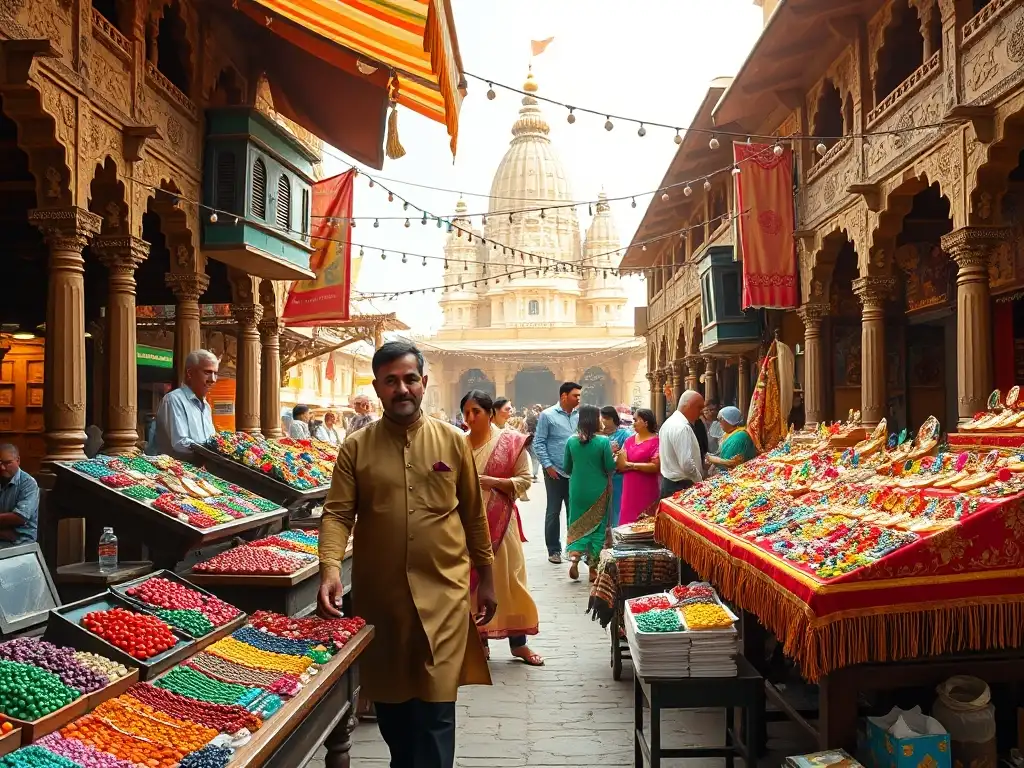
The agricultural calendar was marked by specific seasonal cycles, each corresponding to various stages of crop production. Festivals were often timed to align with these cycles, serving as celebrations of agricultural milestones. For instance, the harvest festival was a time for thanksgiving and communal feasting, reflecting the gratitude of farmers for a bountiful yield.
- Spring Planting: Festivals in spring often included rituals to invoke blessings for a successful planting season.
- Harvest Time: Celebrations during harvest time were filled with joy, as communities came together to share their bounty.
This cyclical relationship between agriculture and festivals reinforced the importance of nature in shaping cultural practices and communal identities.
Festivals as Agricultural Markers: Timing and Significance
Festivals acted as crucial markers in the agricultural calendar, providing a framework for the community to celebrate and reflect on the agricultural cycle. Each festival carried specific rituals and meanings that were deeply connected to the agricultural practices of the time.
- Rituals for Fertility: Many festivals involved rituals aimed at ensuring fertility of the land and crops.
- Community Gathering: Festivals served as occasions for farmers to come together, share knowledge, and celebrate their collective efforts.
Understanding these connections not only illuminates the significance of ancient Indian festivals but also underscores the integral role of agriculture in the cultural and spiritual life of ancient Indian societies.
Key Ancient Indian Festivals Linked to Agriculture
Ancient Indian festivals are deeply intertwined with the agricultural calendar, reflecting the agrarian lifestyle that dominated the civilization. These festivals not only mark significant agricultural events but also serve as a means of expressing gratitude to nature and the divine for the bountiful harvests. Key festivals such as Makar Sankranti, Pongal, and Baisakhi highlight the cyclical relationship between agriculture and spirituality in ancient India.
Harvest Festivals: Celebrating the Bounty
Harvest festivals are among the most significant celebrations in ancient India, symbolizing the end of the harvest season and the beginning of a new agricultural cycle. During these festivities, communities come together to express gratitude for their crops.
- Makar Sankranti is celebrated in January, marking the winter solstice and the sun's transition into the zodiac sign of Capricorn. This festival is associated with the harvest of sugarcane and rice in many regions, and it involves kite flying, bonfires, and feasts.
- Baisakhi, celebrated in April, signifies the harvest of rabi crops, particularly wheat in Punjab. It is marked by traditional dances, music, and community gatherings, emphasizing the importance of agriculture in sustaining life.
- Pongal, observed in Tamil Nadu, is a multi-day harvest festival that includes cooking a special dish named 'Pongal' from newly harvested rice. The festival pays homage to the sun god and the cattle that assist in farming.
These harvest celebrations not only serve as a time of joy and festivity but also reinforce the community bonds essential for agricultural societies.
Planting Festivals: Rituals of Sowing
Planting festivals are pivotal in ancient Indian agriculture, as they mark the beginning of the sowing season. These rituals are steeped in tradition and spirituality, emphasizing the significance of getting a good crop yield.
- Akshaya Tritiya, usually falling in April or May, is considered an auspicious day for starting new ventures, particularly sowing seeds. Farmers often perform rituals to invoke blessings for a fruitful season ahead.
- Gudi Padwa, celebrated in Maharashtra, marks the New Year and the beginning of the sowing season. It involves placing a Gudi (a decorated pole) outside homes, symbolizing prosperity and abundance.
- Nabanna, celebrated in Bengal, marks the first harvesting of rice and the beginning of the sowing of the next crop. It is characterized by the cooking of new rice and various rituals to ensure the fertility of the land.
These planting festivals reinforce the connection between agricultural practices and the spiritual beliefs of ancient Indian societies.
The Symbolism of Agriculture in Festival Celebrations
Agriculture holds a central place in the cultural fabric of ancient India, symbolizing sustenance, growth, and the cyclical nature of life. The festivals celebrating agriculture often feature themes of fertility, renewal, and the appreciation of nature's bounty.
Agricultural Deities and Their Worship
The worship of agricultural deities is an integral part of ancient Indian festivals, reflecting the reverence for nature and the forces that govern agricultural cycles.
- Goddess Annapurna, the goddess of food and nourishment, is worshipped during many harvest festivals, symbolizing the importance of grain and sustenance in daily life.
- Lord Indra, the king of gods, is often invoked for rain, which is crucial for successful agriculture. Festivals like Makar Sankranti include rituals aimed at appeasing Indra for favorable weather conditions.
- Goddess Durga is also associated with the fertility of the land, especially during the Navaratri festival, where her power to provide and protect is celebrated.
This worship not only seeks divine intervention for good harvests but also fosters a sense of community and collective responsibility towards agricultural practices.
Rituals and Offerings: Connecting Festivals and Farming
Rituals and offerings during festivals serve as a vital link between agriculture and spirituality in ancient India. Farmers engage in various practices to honor the earth and seek blessings for their crops.
- Rangoli, decorative art made from colored powders, often adorns homes during agricultural festivals, symbolizing prosperity and the welcoming of abundance.
- Offerings of first fruits are made to deities, showcasing gratitude and respect for the land. These offerings can include grains, fruits, and flowers, reflecting the harvest's diversity.
- Community feasts often feature dishes made from newly harvested crops, reinforcing the importance of sharing and celebrating the bounty of the land.
These rituals not only highlight the sacredness of agriculture but also create a sense of unity among community members, celebrating the shared reliance on the land for sustenance and survival.
The Economic Impact of Festivals on Agriculture
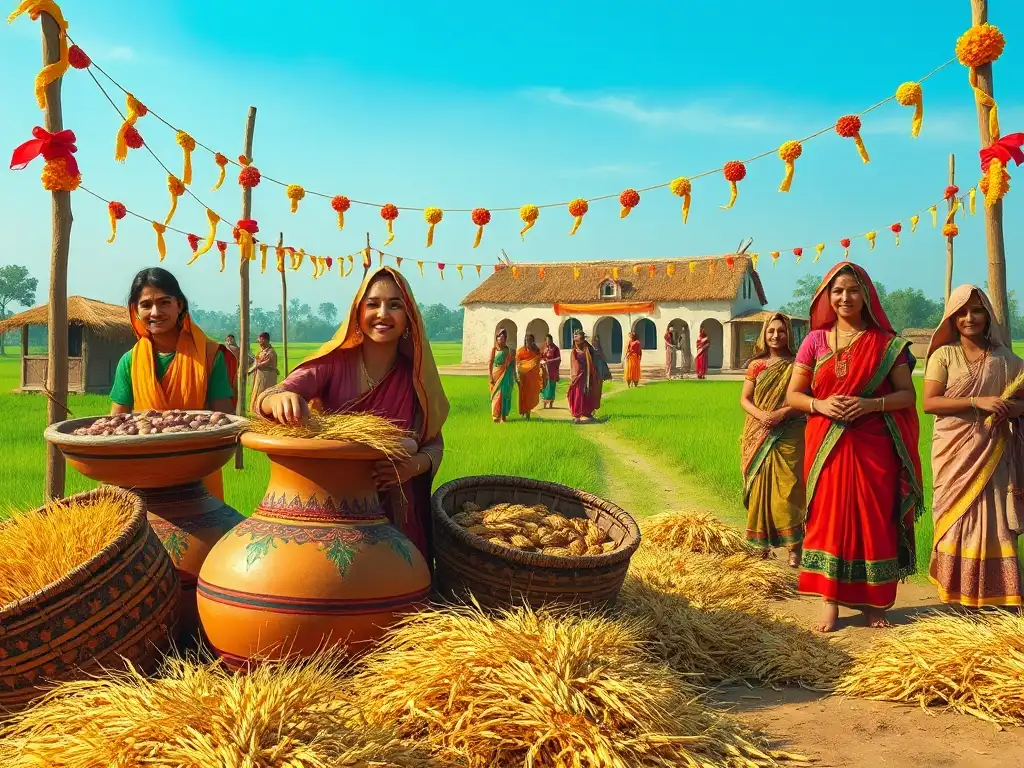
The economic impact of festivals on agriculture in ancient India was profound, intertwining the cycles of agricultural production with the cultural and social fabric of society. Festivals often marked the changing seasons, particularly the sowing and harvesting periods, providing a rhythmic structure to agricultural life. These celebrations not only served to honor deities associated with fertility and harvest but also stimulated local economies. The influx of visitors during festivals meant a surge in demand for agricultural products, crafts, and food, creating a symbiotic relationship between agriculture and celebratory events.
Farmers would often prepare their land and harvest their crops in alignment with these festivals, ensuring that the produce was fresh and plentiful for the celebrations. This synchronization led to an increased yield, as farmers would prioritize crops that were significant to the festivities, thus enhancing their market value. The economic benefits were twofold: farmers could sell their goods at a premium during these peak times, while the local economy thrived through the influx of commerce associated with festival activities.
Boosting Local Agriculture through Festive Celebrations
Festive celebrations have historically played a crucial role in boosting local agriculture in ancient India. Festivals such as Makar Sankranti and Pongal were directly linked to the harvesting of crops like rice and sugarcane. These events were not merely religious observances but were also times for communal feasting and sharing, which encouraged the consumption of local produce. The emphasis on celebrating agricultural abundance reinforced the idea of community support for local farmers.
Moreover, these festivals often included rituals and traditions that honored agricultural deities, thereby creating a collective identity that fostered agricultural practices. For instance, the worship of Goddess Lakshmi during Diwali signified prosperity and abundance, motivating farmers to work diligently for abundant harvests. The collective participation in these festivals helped reinforce community ties, ensuring that agricultural knowledge and practices were passed down through generations.
Trade and Commerce during Festivals: Aiding Farmers
The intersection of trade and agriculture during festivals in ancient India significantly aided farmers in several ways. Festivals attracted large crowds, which created a marketplace for farmers to sell their produce. This not only included fresh fruits and vegetables but also handicrafts, textiles, and other products that were often made from agricultural resources. The bustling atmosphere of festivals provided farmers with the unique opportunity to showcase their goods directly to consumers, often at favorable prices due to high demand.
In addition to local trade, festivals facilitated the exchange of goods between regions. Traders would travel to participate in festive markets, bringing with them products from distant lands. This exchange not only enriched the agricultural diversity available to local communities but also encouraged farmers to cultivate a wider variety of crops to meet market demands. During festivals, the economic interdependence of different regions in ancient India became evident, as goods flowed freely, creating a vibrant agricultural economy.
Conclusion: The Enduring Legacy of Festivals and Agriculture
The legacy of ancient Indian festivals and their connection to agriculture endures in contemporary times, reflecting the historical significance of this relationship. The rituals and celebrations that arose from agricultural cycles continue to influence modern festivals, highlighting their importance in maintaining cultural identity. Understanding this interconnection enriches our appreciation of both agriculture and festivals as foundational elements of Indian civilization.
Reflection on the Cultural Significance of Agricultural Festivals
Agricultural festivals in ancient India were much more than mere celebrations; they were vital cultural expressions that encapsulated the values and beliefs of society. These festivals served as a reminder of the importance of agriculture as the backbone of civilization, celebrating the hard work of farmers and the blessings of nature. Each festival was steeped in symbolism, from the rituals performed to the foods prepared, creating a rich tapestry of cultural significance.
Furthermore, the communal aspect of these celebrations fostered unity and cooperation among villagers, reinforcing social bonds and shared identities. The cultural narratives surrounding these festivals often included folklore and traditions that were passed down through generations, ensuring that the agricultural wisdom and practices remained alive within the community.
The Influence of Ancient Practices on Modern Indian Festivals
The influence of ancient agricultural practices is still evident in modern Indian festivals, showcasing the enduring legacy of these traditions. Many contemporary festivals retain the agricultural themes and rituals that were prominent in ancient times. For instance, the celebration of Baisakhi in Punjab marks the harvest of wheat, while Onam in Kerala celebrates the rice harvest. Such festivals not only honor agricultural cycles but also promote the values of sustainability and community cooperation.
Modern festivals often incorporate elements of traditional music, dance, and cuisine that have their roots in ancient practices, reflecting the continuity of cultural heritage. The revival and celebration of these practices serve as a reminder of the profound relationship between agriculture and the social fabric of India, ensuring that the legacy of past generations continues to thrive in contemporary society. This interconnection enhances the appreciation of both ancient and modern cultures, affirming the importance of agriculture in shaping communal identities and traditions.
Further Reading on Ancient Indian Festivals and Agricultural Practices
Exploring the interconnections between festivals and agriculture in ancient India opens up a fascinating world of cultural practices, rituals, and celebrations that were deeply intertwined with the agrarian lifestyle. For those interested in delving deeper into this rich tapestry, numerous books and resources offer valuable insights into the agricultural practices that shaped the festivals of ancient Indian civilizations.
Recommended Books and Resources
-
"Agriculture in Ancient India" by Ramesh Chandra Dube
This comprehensive study examines agricultural practices throughout various periods in ancient India, highlighting how farming influenced social structures and festivals.
-
"Festivals of India" by D. N. Sharma
A meticulously researched book that details the significance of various festivals in India, explaining their connections to agricultural cycles and seasonal changes.
-
"The Cultural Heritage of India" (Volume 1-3) by Surendranath Dasgupta
This multi-volume series provides an in-depth look at the cultural, philosophical, and agricultural aspects of ancient Indian society, including the role of festivals.
-
"The Origin of Indian Festivals" by R. C. Gupta
This book traces the historical origins of major festivals, linking them to agricultural events and seasonal harvests, offering a unique perspective on their significance.
-
Online Resources:
- Digital Library of India: Offers a plethora of texts related to ancient Indian history, including agriculture and cultural festivities.
- Ancient India: An Introduction: An online portal with curated articles and academic papers focused on various aspects of ancient Indian life, including agriculture and festivals.
Related Articles on Ancient Indian Festivals
-
"Harvest Festivals in Ancient India: A Celebration of Bountiful Crops"
This article explores the significance of harvest festivals such as Pongal and Makar Sankranti, examining how these celebrations reflect agricultural success and community bonding.
-
"The Role of Monsoons in Shaping Indian Festivals"
Delve into the relationship between monsoon seasons and the timing of various festivals, highlighting how agricultural cycles dictated the rhythm of life in ancient India.
-
"Rituals and Rites: The Agricultural Roots of Ancient Indian Festivals"
This piece investigates specific rituals associated with farming, such as the worship of deities for good harvests, and how these practices have evolved into modern celebrations.
-
"Seasonal Festivals: Reflecting the Agricultural Calendar of Ancient India"
An analysis of how ancient festivals were aligned with the agricultural calendar, emphasizing the connection between seasonal changes and festive observances.
-
"The Influence of Agriculture on Festivals in Ancient Indian Texts"
This article reviews ancient texts and scriptures to uncover references to agricultural practices and their implications for festival celebrations, offering a scholarly perspective on the topic.
By exploring these resources and articles, readers can gain a comprehensive understanding of the intricate relationship between agriculture and festivals in ancient Indian culture, enriching their knowledge of this pivotal aspect of history.
- Introduction to Ancient Indian Festivals and Agriculture
- Overview of Festivals in Ancient India
- Importance of Agriculture in Ancient Indian Society
- The Role of Agriculture in Shaping Festivals
- Key Ancient Indian Festivals Linked to Agriculture
- The Symbolism of Agriculture in Festival Celebrations
- The Economic Impact of Festivals on Agriculture
- Conclusion: The Enduring Legacy of Festivals and Agriculture
- Further Reading on Ancient Indian Festivals and Agricultural Practices
- What role did agriculture play in ancient Indian festivals?
- How did ancient Indian festivals influence agricultural practices?
- Can you name some significant festivals related to agriculture in ancient India?
- Were festivals solely agrarian in nature in ancient India?
- How do ancient Indian festivals impact modern agricultural practices?
Frequently Asked Questions
What role did agriculture play in ancient Indian festivals?
Agriculture was central to ancient Indian festivals, often celebrated to mark the changing seasons and the harvest cycle. Festivals such as Pongal and Baisakhi directly linked agricultural prosperity to cultural celebrations.
How did ancient Indian festivals influence agricultural practices?
Ancient Indian festivals often involved rituals and prayers for good harvests, which helped to reinforce agricultural practices. Communal celebrations encouraged cooperation among farmers, enhancing productivity and community bonding.
Yes, notable festivals include Makar Sankranti, celebrating the winter harvest, and Onam, which marks the rice harvest in Kerala. These festivals reflect the importance of agriculture in ancient Indian life.
Were festivals solely agrarian in nature in ancient India?
While many festivals were agrarian, they also encompassed religious, social, and cultural themes. They served as platforms for community gatherings, reinforcing cultural identity alongside agrarian practices.
How do ancient Indian festivals impact modern agricultural practices?
Many modern festivals have roots in ancient traditions, promoting sustainable practices and community engagement in agriculture. They continue to serve as a reminder of the interconnectedness between culture and farming.
Final Reflection: The Timeless Bond Between Festivals and Agriculture
In exploring the intricate relationship between ancient Indian festivals and agriculture, we uncover a profound connection that resonates with our contemporary world. Festivals were not merely occasions for celebration; they served as vital expressions of gratitude, community, and the cyclical nature of life itself. Today, as we navigate the complexities of modern agriculture and the challenges posed by climate change, the lessons from ancient practices remind us of the importance of harmony with nature and the need to celebrate our agricultural roots.
The influence of these ancient traditions continues to shape our cultural and social landscape. The vibrant festivals that once marked the agricultural calendar are not just relics of the past; they are living traditions that foster community bonds and promote sustainable practices. As we witness a resurgence in interest towards organic farming and local produce, we can draw inspiration from the wisdom of our ancestors. Tradition is not the worship of ashes, but the preservation of fire.
This quote encapsulates the essence of how ancient practices can illuminate our path forward, urging us to honor our heritage while innovating for the future.
As we reflect on the significance of festivals and agriculture in ancient India, I invite you to consider how these themes manifest in your own life. How can you incorporate the spirit of gratitude and community into your daily practices? Whether it’s participating in local harvest festivals, supporting sustainable agriculture, or simply taking a moment to appreciate the food on your table, let us strive to cultivate a deeper connection with the land and each other. Embrace the lessons of the past, and let them guide you toward a more harmonious and fulfilling future.
Celebrate and Connect: Dive into the Rich Traditions of Ancient India!
Thank you for taking the time to explore the fascinating relationship between festivals and agriculture in ancient India. You’ve uncovered a vibrant tapestry of cultural heritage that not only shaped communities but also celebrated the cycles of nature. Now, it’s time to take action and deepen your connection to these traditions!
Here’s how you can engage further:
- Join a local festival or agricultural fair to experience the rich traditions of your community firsthand. Immerse yourself in the celebrations!
- Share your experiences with friends and family by discussing how ancient practices influence modern celebrations. Start a conversation!
- Explore traditional agricultural methods by visiting libraries or utilizing online resources. Unveil the wisdom of the past!
Which festival or agricultural practice are you most curious to learn more about, and how do you think it can be incorporated into today’s celebrations?