
Exploring the Architectural Marvels of Northern India: Temples, Forts, and Palaces

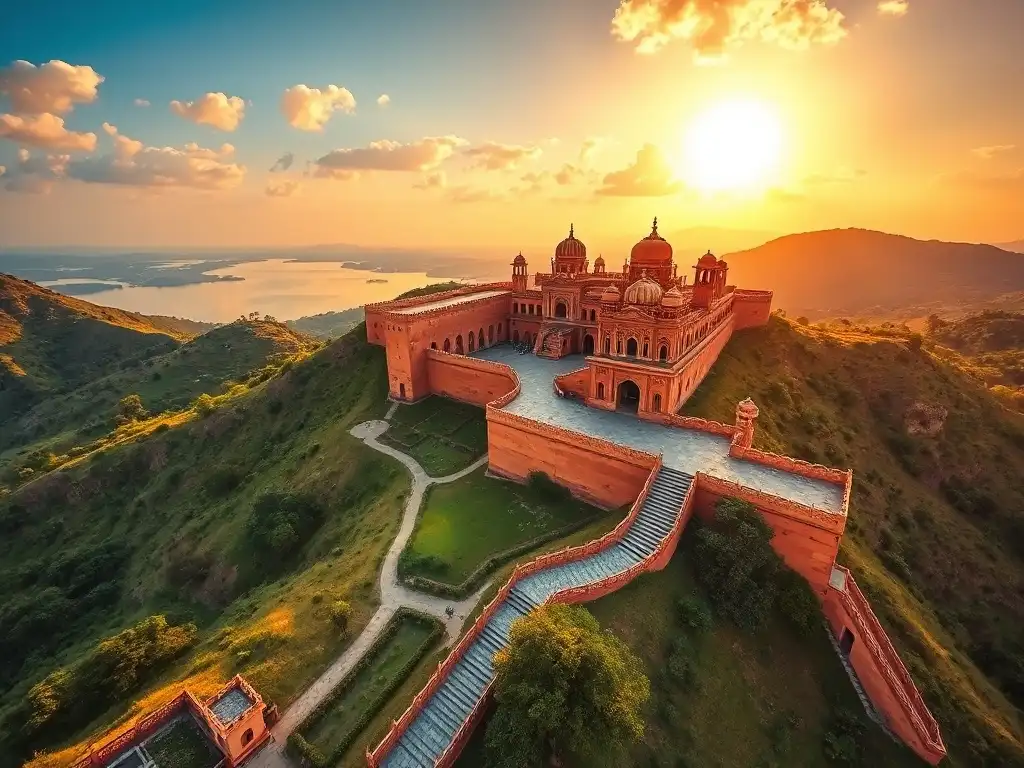
Welcome to Ancient India History, where we embark on a captivating journey through time to uncover the rich tapestry of ancient Indian civilizations. Prepare to be enthralled as we delve into the architectural wonders of Northern India, showcasing the magnificent temples, imposing forts, and regal palaces that stand as testaments to a bygone era. What secrets do these structures hold, and how do they reflect the grandeur of their time?
Join us as we explore these remarkable sites, igniting your curiosity and inspiring a deeper appreciation for the profound cultural heritage that has shaped our world. Your adventure through history starts here!
- Exploring the Architectural Wonders of Northern India
-
Frequently Asked Questions
- What are some notable architectural wonders in Northern India?
- How did the Indus Valley Civilization contribute to architecture?
- What role did the Gupta Empire play in architectural achievements?
- Are there any famous palaces in Northern India worth visiting?
- How do forts reflect the history of Northern India?
- Final Reflection: Embracing the Architectural Wonders of Northern India
- Unveil the Wonders of Northern India's Architecture!
Exploring the Architectural Wonders of Northern India
Introduction to Architectural Wonders
Northern India is a treasure trove of architectural brilliance, featuring an array of structures that reflect centuries of history, culture, and artistry. From the intricate carvings of ancient temples to the imposing facades of forts and the regal splendor of palaces, the architectural wonders of Northern India narrate the tales of civilizations that flourished in this region.
These structures not only serve as a testament to the ingenuity and craftsmanship of their creators but also play a crucial role in understanding the socio-political and religious dynamics of ancient Indian society. This exploration aims to delve into the significant contributions of these architectural marvels, offering insights into their historical context and cultural relevance.
Overview of Northern India's Rich History
Northern India has been a cradle of civilization since the dawn of human history. The region has witnessed the rise and fall of numerous dynasties, each leaving an indelible mark on its architectural landscape. From the Harappan civilization of the Indus Valley to the grandeur of the Maurya and Gupta empires, the historical timeline is replete with milestones that shaped the architectural narrative.
- Indus Valley Civilization: Known for its urban planning and advanced drainage systems.
- Maurya Empire: Famous for the stupas and pillars, particularly those at Sarnath.
- Gupta Empire: Often referred to as the Golden Age of India, showcasing exquisite temple architecture and sculpture.
These historical phases set the stage for a rich tapestry of styles and structures that define Northern India's architectural heritage.
Significance of Temples, Forts, and Palaces in Ancient India
The architectural wonders of Northern India—temples, forts, and palaces—served multiple purposes. Temples were not only places of worship but also centers of learning and community gathering. They often feature intricate sculptures that depict various deities and mythological stories, reflecting the spiritual beliefs of the time.
Forts symbolize the military prowess and strategic importance of the region. They were constructed to protect territories from invasions and to serve as administrative centers. The architectural ingenuity of these forts is evident in their design, which often includes formidable walls, watchtowers, and intricate gateways.
Palaces represent the opulence and grandeur of royal life, showcasing the wealth and power of the ruling elite. These structures often incorporate elements of both functionality and aesthetics, allowing for lavish living while also serving as a hub for political activities.
Temples of Northern India
Historical Background of Temples
The history of temples in Northern India is deeply intertwined with the evolution of religion and spirituality in the region. Temples began as simple shrines, evolving over centuries into grand edifices that reflect the artistic and architectural advancements of their times.
- Early Structures: Simple altars and rock-cut caves.
- Medieval Period: Emergence of stone temples with complex carvings and elaborate designs.
- Modern Influence: Incorporation of various styles, including Indo-Saracenic architecture.
These temples not only served as places of worship but also as cultural hubs, influencing art, music, and dance throughout the ages.
Architectural Styles of Northern Indian Temples
The architectural styles of Northern Indian temples are diverse, each reflecting the unique cultural and regional influences of its time. Some key styles include:
- Nagara Style: Predominantly found in North India, characterized by a curvilinear shikhara (tower).
- Dravidian Style: More common in Southern India, but some elements can be seen in Northern temples as well.
- Vesara Style: A hybrid of Nagara and Dravidian styles, notable for its intricate carvings and layout.
These styles are often distinguished by specific features, including the layout, the design of the sanctum, and the use of decorative motifs.
Notable Temples to Explore
Several temples in Northern India stand out for their historical significance and architectural beauty. Here are a few must-visit sites:
- Kashi Vishwanath Temple (Varanasi): A major Hindu pilgrimage site, famous for its stunning architecture and spiritual significance.
- Brihadeeswarar Temple (Thanjavur): Although primarily in Southern India, it influences Northern styles and is a UNESCO World Heritage Site.
- Sun Temple (Konark): Renowned for its intricate sculptures and unique chariot design, representing the sun god Surya.
These temples not only reflect the architectural prowess of their time but also continue to inspire awe and reverence among visitors today.
Forts of Northern India
Northern India is home to a plethora of forts that showcase the region's rich history and architectural prowess. These structures not only served as military strongholds but also as symbols of power and grandeur for the kingdoms that built them. The forts of Northern India reflect various influences, from indigenous designs to those inspired by Mughal and Rajput styles, making them a fascinating subject for exploration.
Evolution of Fort Architecture
The evolution of fort architecture in Northern India can be traced back to ancient times, beginning with simple earthworks and wooden structures. As kingdoms expanded and warfare became more sophisticated, so did the need for fortified structures. By the medieval period, forts began to incorporate more durable materials like stone and brick.
The design of these forts evolved significantly, influenced by various dynasties. The Rajputs, for instance, introduced intricate carvings and elaborate gateways, while the Mughals brought in architectural elements such as domes and expansive gardens. Over centuries, these evolving styles resulted in a unique blend of military functionality and aesthetic beauty, culminating in the grand forts we see today.
Key Features of Northern Indian Forts
Northern Indian forts are characterized by several distinct features:
- Massive Walls: Thick stone walls designed to withstand sieges and attacks.
- Strategic Locations: Many forts are built on elevated terrain or near water sources to enhance defense.
- Complex Gateways: Elaborate entrances often featuring intricate carvings and defensive mechanisms.
- Living Quarters: Inside the forts, you will find palatial residences for rulers and their families, often adorned with beautiful frescoes.
- Water Storage Systems: Ingenious methods for collecting and storing water, crucial for survival during long sieges.
These elements combine to create not only formidable defenses but also magnificent architectural achievements.
Iconic Forts to Visit
When exploring the architectural wonders of Northern India, several iconic forts stand out:
- Amber Fort (Jaipur): A stunning blend of Hindu and Mughal architecture, known for its artistic designs and panoramic views.
- Jaisalmer Fort: One of the few living forts in the world, this golden sandstone structure showcases intricate latticework and vibrant bazaars.
- Agra Fort: A UNESCO World Heritage Site, this fort features impressive red sandstone structures and beautiful gardens, reflecting Mughal grandeur.
- Chittorgarh Fort: The largest fort in India, known for its extensive ruins and historical significance, including tales of valor and sacrifice.
These forts not only offer a glimpse into the past but also serve as popular tourist destinations, attracting history enthusiasts from around the globe.
Palaces of Northern India
Palaces in Northern India serve as a testament to the region's opulent history and architectural brilliance. These grand structures were not just residences for royalty but also centers of culture and governance, reflecting the lifestyle and values of their time.
The Role of Palaces in Ancient Indian Society
Palaces played a multifaceted role in ancient Indian society. They were not merely homes for kings and queens; they were also places where political decisions were made, cultural events were held, and artistic expressions flourished. The palaces often housed courts where poets, musicians, and scholars gathered, fostering a rich cultural milieu.
Moreover, palaces served as symbols of wealth and power. The grandeur of a ruler's palace could often dictate their influence in the region, making these structures important for both social and political dynamics. The intricate designs and opulent decorations reflected the king's status, and the palaces often became centers for diplomatic negotiations and alliances.
Architectural Characteristics of Northern Indian Palaces
The architectural features of Northern Indian palaces are diverse and distinctive:
- Courtyards: Central courtyards for gatherings and events, often surrounded by intricately designed rooms.
- Frescoes and Murals: Richly painted walls depicting mythological stories, historical events, and royal life.
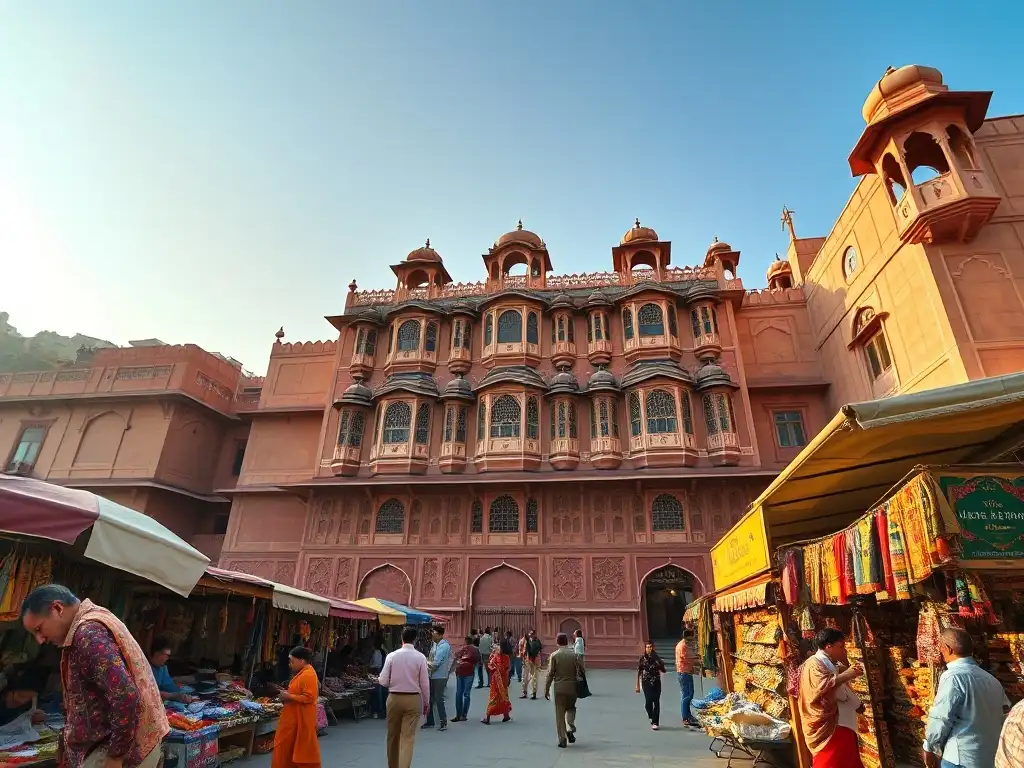
- Jharokhas: Overhanging enclosed balconies that provided privacy while allowing views of the surroundings.
- Water Features: Pools, fountains, and gardens that added to the aesthetic beauty and provided a cooling effect in the hot climate.
- Fusion of Styles: A blend of local, Mughal, and Persian architectural elements, resulting in unique structures that are visually stunning.
These characteristics not only highlight the artistic ingenuity of the time but also serve practical purposes, enhancing the living conditions within the palaces.
Must-See Palaces
When visiting Northern India, several palaces are essential stops for anyone interested in history and architecture:
- City Palace (Jaipur): A sprawling complex that showcases a blend of Rajasthani and Mughal architecture, featuring museums and courtyards.
- Mysore Palace: Although not in the north, this iconic palace is often included in discussions about Indian architecture due to its grandeur and historical significance.
- Laxmi Vilas Palace (Vadodara): An exquisite example of Indo-Saracenic architecture, known for its expansive gardens and intricate interiors.
- Udaipur City Palace: Overlooking Lake Pichola, this palace complex is renowned for its stunning architecture and beautiful views.
These palaces not only provide insight into the royal lifestyle of ancient India but also serve as architectural marvels that continue to captivate visitors today.
The Interconnection of Temples, Forts, and Palaces
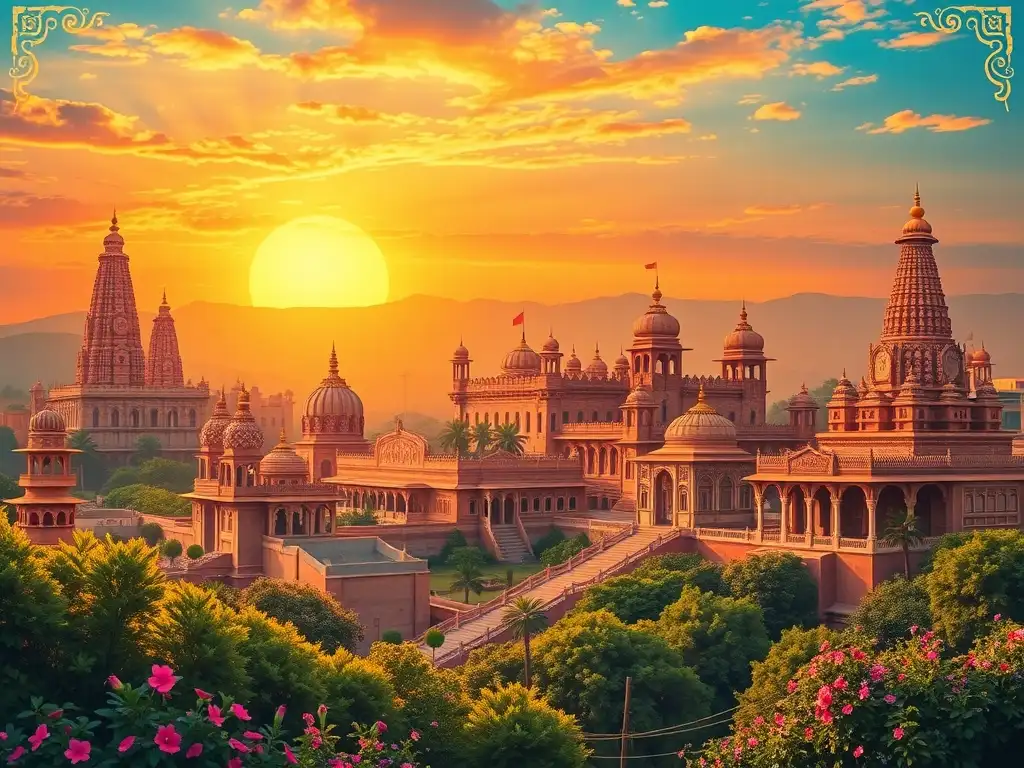
The architectural wonders of Northern India are not merely isolated structures; they are interconnected elements that reflect the region's rich historical tapestry. Temples, forts, and palaces often coexist in close proximity, each serving unique functions while simultaneously influencing one another. This interconnection is evident in cities like Jaipur, known for its majestic palaces alongside intricately designed temples, and the forts that protect and provide a backdrop for these cultural sites.
One can observe the use of similar architectural styles and decorative motifs across these structures, signifying a shared aesthetic vision and cultural ethos. For instance, the intricate carvings found in the temples of Khajuraho echo the ornamental grandeur of the Rajput forts, showcasing a blend of functionality and artistry. This synergy not only enhances the beauty of these monuments but also signifies the socio-political relationships that existed between the rulers and the religious institutions of the time.
How Architecture Reflects Cultural Heritage
Architecture serves as a powerful medium through which cultural heritage is expressed and preserved. In Northern India, the distinct styles of temples, forts, and palaces provide insights into the social, religious, and political dynamics of the time. For example, the Indo-Islamic architecture of the Red Fort in Delhi reflects the amalgamation of Persian influences and local traditions, illustrating the cultural confluence during the Mughal era.
Moreover, architectural elements such as intricate frescoes, sculptures, and carvings tell stories of ancient beliefs, legends, and everyday life. The temples of Varanasi, adorned with intricate stonework, not only serve as places of worship but also as repositories of local history and traditions. Each architectural marvel thus acts as a chapter in the ongoing narrative of Northern India's cultural legacy.
The Influence of Religion on Architectural Design
Religion has played a pivotal role in shaping the architectural landscape of Northern India. Temples, in particular, exhibit diverse styles and designs influenced by various faiths, including Hinduism, Buddhism, and Jainism. The grand scale and ornate detailing of temples such as the Brihadeeswarar Temple reflect the devotion and artistry of the time, serving both spiritual and communal functions.
Furthermore, religious beliefs often dictated the materials and techniques used in construction. For instance, the use of red sandstone in Mughal architecture symbolizes the earth's connection to the divine, while the white marble in many temples is intended to evoke purity. This intertwining of faith and design underscores the significance of religion in the architectural narrative of Northern India.
Preservation of Architectural Wonders in Northern India
The preservation of architectural wonders in Northern India is crucial not only for maintaining the region's historical integrity but also for promoting cultural tourism. Various organizations and government bodies are engaged in restoration projects that aim to safeguard these heritage sites from natural degradation and human-induced damage.
Initiatives such as the Archaeological Survey of India (ASI) work tirelessly to document, restore, and promote these sites, ensuring that future generations can appreciate their historical and cultural significance. Community involvement and awareness campaigns are also essential in fostering a sense of ownership and responsibility towards these architectural treasures.
Conclusion: The Legacy of Architectural Wonders
The architectural wonders of Northern India represent a legacy that encapsulates centuries of history, artistry, and cultural exchange. Temples, forts, and palaces stand as testaments to the ingenuity and creativity of ancient civilizations. They invite us to explore the intertwined narratives of faith, power, and societal evolution that have shaped the region over millennia.
As we delve into these structures, we not only appreciate their aesthetic beauty but also recognize their role in preserving the collective memory of the communities that built and revered them.
The Importance of Protecting Northern India's Architectural Heritage
Protecting Northern India's architectural heritage is of paramount importance in today’s rapidly changing world. These sites are not only historical landmarks but also serve as symbols of identity and pride for local communities. The loss of such architectural wonders would mean the loss of invaluable cultural narratives that tell the story of human endeavor, creativity, and resilience.
Efforts to protect these sites must include stringent regulations against encroachment, pollution, and urban sprawl. Additionally, fostering public interest through educational programs and cultural events can enhance appreciation and support for preservation efforts.
Future of Architectural Studies in Northern India
The future of architectural studies in Northern India promises to be dynamic and interdisciplinary. As scholars and practitioners increasingly recognize the importance of sustainable practices, there is a growing emphasis on using modern techniques to preserve ancient structures without compromising their integrity.
Moreover, advancements in technology, such as 3D scanning and digital documentation, are revolutionizing the way we study and protect these architectural wonders. This fusion of tradition and innovation will not only enrich the field of architectural studies but also ensure that the legacy of Northern India's architectural heritage is honored and preserved for future generations.
Call to Explore
The architectural wonders of Northern India are not merely relics of the past; they are living testaments to the ingenuity and creativity of ancient civilizations. From the intricate carvings of temples to the imposing structures of forts and palaces, these sites offer a glimpse into a vibrant history that has shaped the region's cultural identity. For anyone passionate about history, architecture, or cultural heritage, exploring these marvels is an enlightening journey into the artistry and engineering prowess of ancient India.
Encouragement to Visit Northern India’s Architectural Marvels
Visiting the architectural wonders of Northern India is an experience that transcends time. Each site tells a unique story, reflecting the beliefs, lifestyles, and aspirations of the people who built them. The grandeur of the Taj Mahal, the historical significance of the Red Fort, or the spiritual ambiance of the temples in Varanasi are not just tourist attractions; they are places where history comes alive.
- Diverse Experiences: Whether you're wandering through the ancient alleys of Jaipur's Amer Fort or exploring the sacred halls of the Brihadeeswarar Temple in Thanjavur, every visit offers a chance to connect with the past.
- Cultural Insights: Engaging with local artisans, experiencing traditional festivals, or simply enjoying regional cuisine enhances your understanding of the architectural context and its significance within the broader tapestry of Indian culture.
- Photography Opportunities: The stunning visuals of these sites provide endless opportunities for photography enthusiasts. The interplay of light and shadow against intricate stonework creates breathtaking images that capture the essence of India's architectural heritage.
Invitation to Learn More About Ancient Indian Architecture
For those intrigued by the nuances of ancient Indian architecture, a wealth of knowledge awaits. Understanding the styles, techniques, and purposes of the structures can deepen your appreciation for these wonders.
- Architectural Styles: Explore the differences between various architectural styles such as Indo-Aryan, Indo-Islamic, and Dravidian. Each style carries unique features that reflect the region's history and the influences it absorbed over centuries.
- Historical Context: Delve into the historical narratives surrounding these structures, including the dynasties that commissioned them and the cultural exchanges that influenced their designs.
- Preservation Efforts: Learn about ongoing efforts to preserve these architectural wonders amidst modern challenges. Many organizations work tirelessly to maintain these sites, ensuring they remain intact for future generations to appreciate.
Northern India is a treasure trove of architectural marvels waiting to be explored. Whether you are a history buff, an architecture enthusiast, or simply a curious traveler, the rich stories and stunning visuals of these sites will leave you inspired and enlightened.
Frequently Asked Questions
What are some notable architectural wonders in Northern India?
Some of the most remarkable architectural wonders include the temples of Khajuraho, the Red Fort in Delhi, and the Hawa Mahal in Jaipur, each showcasing unique styles and historical significance.
How did the Indus Valley Civilization contribute to architecture?
The Indus Valley Civilization is known for its advanced urban planning, drainage systems, and brick masonry, laying the foundation for future architectural developments in ancient India.
What role did the Gupta Empire play in architectural achievements?
The Gupta Empire is often called the Golden Age of India, marked by significant advancements in temple architecture, including the construction of intricate sculptures and elaborate carvings that exemplify the era's artistry.
Are there any famous palaces in Northern India worth visiting?
Yes, the City Palace in Jaipur and the Lal Qila (Red Fort) in Delhi are renowned for their stunning architecture and rich history, attracting visitors from around the world.
How do forts reflect the history of Northern India?
Forts like the Jaisalmer Fort and Agra Fort not only served as military strongholds but also showcase the cultural heritage and architectural prowess of their respective eras, reflecting the socio-political dynamics of ancient India.
Final Reflection: Embracing the Architectural Wonders of Northern India
The architectural wonders of Northern India are not merely relics of the past; they are vibrant testaments to a rich cultural tapestry that continues to shape our present. As we navigate a rapidly changing world, the intricate designs and historical significance of these temples, forts, and palaces remind us of the enduring legacy of human creativity and craftsmanship. They serve as a bridge connecting us to our ancestors, inviting us to appreciate the artistry and ingenuity that have withstood the test of time.
The influence of these architectural marvels extends far beyond their physical structures; they resonate deeply within our cultural identity and collective memory. The stories etched in the stones of these monuments inspire generations, fostering a sense of pride and belonging. As Mahatma Gandhi once said, "> A nation's greatness is measured by how it treats its weakest members." This sentiment rings true as we recognize that the preservation of these wonders is not just about maintaining history; it is about honoring the diverse narratives that contribute to our shared humanity.
As you reflect on the architectural wonders of Northern India, consider how these magnificent structures can inspire your own journey. Let them remind you of the importance of preserving cultural heritage and the stories that shape our identities. Take a moment to explore your surroundings, seek out local marvels, and engage with the history that enriches your community. In doing so, you become a steward of heritage, ensuring that the beauty and wisdom of the past continue to illuminate the path for future generations.
Unveil the Wonders of Northern India's Architecture!
Thank you for joining us on this exciting journey through the stunning architectural marvels of Northern India! We hope you gained inspiring insights into the region’s rich heritage, from magnificent temples to grand forts. Now, it’s time to take your curiosity to the next level!
Here are some **exciting activities** you can undertake to deepen your exploration:
- Plan a visit to one of these incredible sites and experience their beauty firsthand; your adventure awaits!
- Share your newfound knowledge with friends and family by hosting a themed movie night featuring documentaries about Northern India’s architecture.
- Join local or online forums and participate in discussions about ancient architecture—your insights are valuable!
What aspect of Northern India’s architecture are you most eager to explore or experience in person?