
The Connection Between Ayurveda and Meditation: Pathways to Inner Peace

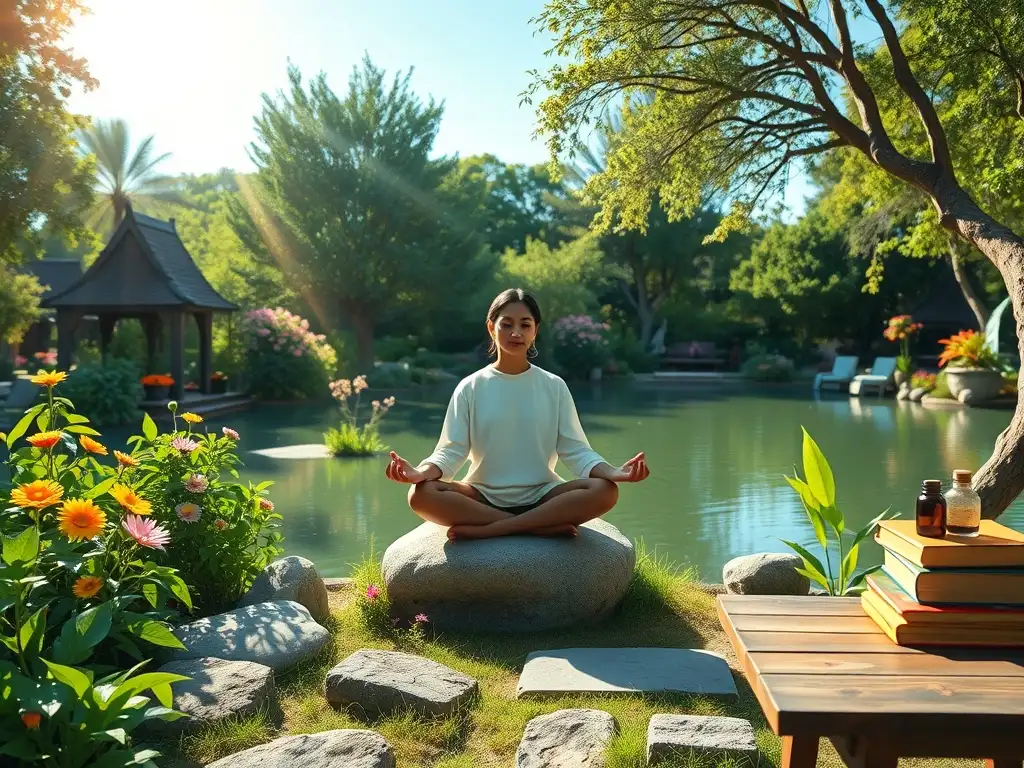
Welcome to Ancient India History, where we embark on an enlightening journey through the corridors of time, uncovering the rich tapestry of ancient Indian civilizations. Delve into the intriguing connection between Ayurveda and meditation, as we explore their benefits and historical significance in fostering inner peace and holistic well-being. Prepare to be captivated by the profound wisdom that has shaped not only a culture but also the very essence of human experience. Join us as we unfold the pathways that link these ancient practices to modern life—your adventure into the depths of history begins here!

Introduction to Ayurveda and Meditation
The intertwining of Ayurveda and meditation represents a profound exploration into the holistic approaches that have shaped ancient Indian traditions. Both practices, steeped in rich historical contexts, offer pathways to achieving inner peace, enhanced well-being, and a deeper connection to oneself and the universe. Ayurveda, often referred to as the "science of life," emphasizes balance and harmony within the body, mind, and spirit.
Meanwhile, meditation serves as a vital tool in this pursuit, fostering mindfulness and clarity. Understanding the benefits of Ayurveda meditation not only sheds light on their individual significance but also reveals their synergistic relationship that has been celebrated for centuries.
Understanding Ayurveda: Origins and Philosophy
Ayurveda traces its origins back over 5,000 years to the ancient texts known as the Vedas, which are some of the oldest scriptures in human history. The term "Ayurveda" is derived from two Sanskrit words: "Ayur," meaning life, and "Veda," meaning knowledge or science. Thus, Ayurveda can be interpreted as the "knowledge of life."
The philosophy of Ayurveda is rooted in the belief that health and wellness depend on a delicate balance between the mind, body, and spirit. Key concepts include:
- Doshas: The three fundamental energies (Vata, Pitta, and Kapha) that govern physiological and psychological functions.
- Dhatus: The seven tissues that form the body's physical structure.
- Malas: The waste products that must be eliminated for optimal health.
Through various practices including herbal medicine, diet, and lifestyle modifications, Ayurveda aims to restore balance and promote overall well-being.
The Role of Meditation in Ayurveda Practices
Meditation holds a significant place within Ayurvedic practices, serving as both a complementary tool and a therapeutic technique. It is often viewed as a means to quiet the mind, reduce stress, and cultivate a state of awareness. Key aspects of meditation in Ayurveda include:
- Mindfulness: Enhancing self-awareness and presence in the moment.
- Breath Control: Techniques like Pranayama (breath regulation) that are essential for balancing doshas.
- Mental Clarity: Fostering focus and concentration, which are vital for effective Ayurvedic treatment.
By integrating meditation into Ayurvedic practices, individuals can experience a profound transformation that promotes not only physical health but also emotional and spiritual growth.
Historical Context of Ayurveda and Meditation
Understanding the historical context of Ayurveda and meditation provides insight into how these practices have evolved and their significance in ancient Indian society. Their development is closely tied to the cultural, spiritual, and philosophical movements that have shaped Indian civilization throughout the ages.
The Ancient Roots of Ayurveda in Indian Civilization
Ayurveda's roots can be traced back to the Indus Valley Civilization, where early practitioners began to document medical knowledge. The foundational texts, including the Charaka Samhita and Sushruta Samhita, were written during the Vedic period and laid the groundwork for the practice of Ayurveda.
- Indus Valley Civilization (2500-1500 BCE): Evidence of surgical practices and medicinal herbs.
- Vedic Period (1500-500 BCE): Development of core Ayurvedic principles and texts.
- Classical Period (500 BCE-1200 CE): Further refinement and expansion of Ayurvedic practices through notable scholars.
These developments underscore Ayurveda’s integral role in the health and well-being of ancient Indian society.
Historical Development of Meditation Techniques in Ayurveda
Meditation techniques have a rich historical lineage within the broader context of Indian philosophy and spirituality. Initially, meditation was associated with spiritual practices in Hinduism, Buddhism, and Jainism, which later influenced Ayurvedic practices significantly.
- Upanishads (800-400 BCE): Early texts that discuss meditative practices as a means of attaining self-realization.
- Buddhist Influence (500 BCE): The incorporation of mindfulness and concentration techniques into Ayurvedic healing.
- Classical Texts: The integration of meditation into Ayurvedic treatments as a method to achieve mental clarity and emotional balance.
This historical evolution highlights how meditation has been instrumental in enhancing the effectiveness of Ayurvedic practices, thus fostering a holistic approach to health that resonates even today.
The Benefits of Ayurveda Meditation
Ayurveda meditation encompasses a holistic approach to well-being, intertwining the principles of Ayurveda with meditative practices. This blend not only fosters physical health but also enhances mental clarity and spiritual growth. As an ancient system of medicine, Ayurveda emphasizes balance in the body, mind, and spirit. The benefits of Ayurveda meditation are vast, influencing various aspects of life and promoting a harmonious existence. By integrating Ayurvedic principles with meditation, individuals can experience profound transformations that contribute to overall wellness.
Physical Benefits of Ayurveda Meditation Practices
The physical benefits of Ayurveda meditation practices are numerous and significant. Engaging in these practices can lead to:
- Enhanced Immune Function: Regular meditation has been shown to boost the immune system, helping the body resist illness and disease. Ayurvedic meditation techniques often involve mindfulness that reduces stress, a known suppressor of immune function.
- Improved Digestion: Ayurveda places a strong emphasis on digestive health, often referred to as "Agni" or digestive fire. Meditation helps calm the nervous system, which can enhance digestion and nutrient absorption.
- Better Sleep Quality: Many people struggle with insomnia or poor sleep quality. Ayurveda meditation techniques, such as guided relaxation, can help individuals unwind, promoting deeper, more restorative sleep.
- Pain Relief: Meditation can activate the body's natural pain relief mechanisms. Ayurvedic practices focus on managing pain through meditation, potentially reducing reliance on medication.
These physical benefits demonstrate the integral role of Ayurveda meditation in fostering overall health and vitality.
Mental and Emotional Benefits of Ayurveda Meditation
The mental and emotional benefits of Ayurveda meditation practices are equally compelling. They include:
- Stress Reduction: One of the primary benefits of meditation is stress relief. Ayurveda meditation techniques provide tools to manage stress effectively, leading to a more balanced life.
- Enhanced Focus and Concentration: By practicing mindfulness and concentration techniques, individuals can improve their ability to focus, leading to increased productivity in daily tasks.
- Emotional Stability: Regular meditation can promote a sense of emotional balance. Ayurveda meditation encourages practitioners to explore and understand their emotions, fostering resilience and emotional intelligence.
- Increased Self-Awareness: Through meditation, individuals can gain insights into their thoughts and behaviors, promoting personal growth and self-acceptance.
These mental and emotional benefits are vital for achieving overall well-being, illustrating the profound impact of Ayurveda meditation on psychological health.
Spiritual Benefits: Achieving Inner Peace through Ayurveda and Meditation
Spiritual benefits are a cornerstone of Ayurveda meditation practices. These benefits include:
- Connection with the Self: Ayurveda meditation encourages individuals to explore their inner selves, fostering a deeper connection with their true nature and purpose.
- Inner Peace: The combination of Ayurvedic principles and meditation creates a pathway to inner tranquility. This state of peace can lead to a more fulfilling life, characterized by contentment and joy.
- Enhanced Spiritual Awareness: Through meditation, practitioners can experience heightened spiritual awareness, facilitating a connection with the universe and the interconnectedness of all life.
- Mindfulness and Presence: Ayurveda meditation cultivates mindfulness, allowing individuals to live in the present moment, which is essential for spiritual growth and enlightenment.
These spiritual benefits highlight how Ayurveda meditation serves as a powerful tool for those seeking deeper meaning and peace in their lives.
Key Practices in Ayurveda Meditation

The key practices in Ayurveda meditation encompass a range of techniques that blend ancient wisdom with modern approaches. These practices are essential for maximizing the benefits of Ayurveda meditation and include various forms of meditation and breathing techniques.
Types of Meditation in Ayurveda
Ayurveda recognizes several types of meditation, each with unique approaches and benefits:
- Guided Meditation: Involves a facilitator or recordings that guide practitioners through visualizations, often tailored to Ayurvedic principles to promote balance and healing.
- Mantra Meditation: This practice involves the repetition of specific sounds or phrases (mantras) that resonate with the practitioner's energy, fostering concentration and inner peace.
- Mindfulness Meditation: Focuses on being present in the moment, observing thoughts and feelings without judgment. This aligns with Ayurvedic principles of self-awareness and acceptance.
- Transcendental Meditation: A specific form of mantra meditation that aims for a deep state of relaxation and heightened awareness, often leading to profound insights.
Each type of meditation offers distinct advantages, allowing practitioners to choose the method that resonates most with their personal journey.
Breathing Techniques: Pranayama in Ayurveda Meditation
Breathing techniques, known as Pranayama, play a vital role in Ayurveda meditation. These techniques include:
- Ujjayi Breath: Often referred to as "victorious breath," this technique involves slightly constricting the throat while breathing, creating a soothing sound that promotes focus and relaxation.
- Nadi Shodhana: Also known as alternate nostril breathing, this technique balances the two hemispheres of the brain, enhancing mental clarity and emotional stability.
- Kapalabhati: This invigorating technique involves rapid breaths that cleanse the respiratory system and energize the body, preparing it for deeper meditation.
- Bhramari: Known as "bee breath," this technique involves humming while exhaling, which can induce calming effects and reduce anxiety.
Incorporating Pranayama into Ayurveda meditation enhances its effectiveness, allowing practitioners to experience deeper states of relaxation and heightened awareness.
The Interconnection between Ayurveda and Meditation
Ayurveda and meditation are deeply intertwined practices that have coexisted in ancient Indian culture for millennia. Both stem from the same philosophical roots, emphasizing the holistic nature of health and well-being. Ayurveda, the science of life, focuses on achieving balance within the body through diet, herbal remedies, and lifestyle choices. Meditation, on the other hand, serves as a mental discipline aimed at achieving clarity, focus, and tranquility.
The interconnection lies in their shared goals: promoting physical health, mental clarity, and spiritual growth. Ayurveda recognizes that a healthy mind is essential for optimal physical health and vice versa. This holistic perspective leads practitioners to integrate meditation as a vital component of Ayurvedic lifestyle regimens. By aligning body, mind, and spirit, individuals can attain a profound state of inner peace, which is the essence of both practices.
How Ayurveda Enhances Meditation Practices
Ayurveda enhances meditation practices by providing a personalized framework that addresses individual needs based on one's unique constitution or dosha. Each dosha—Vata, Pitta, and Kapha—has distinct qualities that influence not only physical health but also mental and emotional states.
For instance:
- Vata individuals, who tend to be more anxious and restless, may benefit from grounding practices such as deep-breathing techniques and visualization.
- Pitta types, known for their fiery disposition, might focus on calming techniques, such as loving-kindness meditation, to manage their intensity.
- Kapha individuals, often characterized as lethargic, are encouraged to engage in dynamic and energizing meditative practices to invigorate their spirits.
Additionally, Ayurvedic herbs and oils, such as Ashwagandha and Brahmi, can be used to enhance mental clarity and relaxation during meditation. Consequently, Ayurveda not only complements meditation but creates a tailored approach that can significantly improve the meditation experience.
The Synergy of Ayurvedic Principles and Meditation Techniques
The synergy between Ayurvedic principles and meditation techniques manifests through the cultivation of awareness and balance. Ayurvedic principles emphasize the importance of rhythm and harmony, both within the body and the environment. This awareness is mirrored in meditation practices that stress mindfulness and present-moment awareness.
Key aspects of this synergy include:
- Mindfulness and Diet: Ayurveda advocates for mindful eating, which enhances meditation by promoting a clear and focused mind. Consuming fresh, whole foods tailored to one's dosha directly supports mental clarity necessary for effective meditation.
- Daily Routines (Dinacharya): Incorporating Ayurvedic daily routines can establish a sense of balance that is conducive to meditation. Activities such as yoga, pranayama (breath control), and self-massage (Abhyanga) prepare the body and mind, fostering a more profound meditative state.
- Seasonal Adaptations (Ritucharya): Ayurveda's seasonal guidelines can inform meditation practices, allowing individuals to adapt their routines according to changes in their environment, which can enhance the effectiveness of their meditation.
Together, these elements create a robust framework that promotes a deeper meditative state, leading to greater self-awareness and inner peace.
Modern Applications of Ayurveda and Meditation
In contemporary society, the integration of Ayurveda and meditation is gaining traction as individuals seek holistic methods to address stress, anxiety, and lifestyle-related ailments. As the pace of life accelerates, many are turning to these ancient practices to cultivate resilience and emotional balance.
Modern applications of Ayurveda in meditation include:
- Workshops and Retreats: Many wellness centers offer retreats that combine Ayurvedic principles with meditation techniques, providing immersive experiences that foster healing and personal growth.
- Online Courses: With the rise of digital learning, numerous platforms now offer courses that teach the integration of Ayurveda and meditation, making these practices accessible to a global audience.
- Therapeutic Practices: Healthcare providers are increasingly recognizing the benefits of Ayurveda and meditation in managing chronic illnesses, promoting mental health, and supporting recovery.
These applications reflect a growing recognition of the significance of holistic health practices in achieving overall well-being.
Incorporating Ayurveda Meditation into Daily Life
Incorporating Ayurveda meditation into daily life can significantly enhance one’s physical and mental health. Here are practical steps to achieve this integration:
- Identify Your Dosha: Understanding your unique constitution will guide you in choosing the right meditation techniques and dietary practices.
- Create a Dedicated Space: Designate a peaceful area in your home for meditation, incorporating Ayurvedic elements like essential oils, candles, or crystals that resonate with your dosha.
- Establish a Routine: Set aside time each day for meditation, ideally in the morning or evening, to create a ritual that fosters consistency.
- Mindful Eating: Practice mindfulness during meals by savoring each bite and choosing foods that align with your Ayurvedic constitution.
- Integrate Yoga and Pranayama: Incorporate yoga and breathwork into your routine to prepare the body and mind for meditation.
By weaving these practices into daily life, individuals can cultivate a sustainable path toward inner peace and holistic health.
Case Studies: Success Stories of Ayurveda and Meditation
Various success stories highlight the transformative impact of integrating Ayurveda and meditation in people's lives:
- Stress Management: A 35-year-old corporate executive struggling with stress-related ailments turned to Ayurvedic meditation. After six months of personalized Ayurvedic consultation and daily meditation practices, she reported a significant reduction in anxiety levels and improved focus at work.
- Chronic Pain Relief: An individual suffering from chronic back pain found relief through a combined regimen of Ayurvedic herbal treatments and meditation. By addressing the root causes through Ayurveda and utilizing mindfulness meditation, he achieved noticeable pain reduction and increased mobility.
- Enhanced Mental Clarity: A college student incorporated Ayurvedic principles and meditation into her study routine. By aligning her diet with her dosha and practicing daily meditation, she experienced improved concentration and academic performance.
These case studies underscore the profound benefits that arise from the harmonious integration of Ayurveda and meditation, showcasing their capacity to foster well-being in various aspects of life.
Conclusion: The Pathways to Inner Peace through Ayurveda and Meditation
The intertwined practices of Ayurveda and meditation offer profound pathways to achieving inner peace and holistic well-being. Rooted in ancient Indian philosophy, both disciplines emphasize the balance of mind, body, and spirit. As we navigate the complexities of modern life, the teachings of Ayurveda and meditation serve as timeless tools, guiding individuals towards a harmonious existence. Together, they cultivate a deeper understanding of oneself, promoting emotional stability, physical health, and spiritual growth. By integrating these practices into daily routines, individuals can experience a transformative journey towards inner tranquility and resilience.
Summary of Ayurveda Meditation Benefits
The benefits of integrating Ayurveda and meditation are vast and multifaceted. Here are some key advantages:
- Enhanced Mental Clarity: Regular meditation enhances focus and concentration, allowing for greater mental clarity. Ayurveda supports this by recommending specific dietary and lifestyle changes that optimize cognitive function.
- Stress Reduction: Both practices are effective in lowering stress levels. Meditation calms the mind, while Ayurveda’s holistic approach addresses stressors through personalized wellness plans.
- Improved Physical Health: Ayurveda emphasizes the importance of balance in the body’s systems, which can lead to better overall health. Meditation complements this by promoting relaxation and reducing symptoms of various ailments.
- Emotional Balance: Meditation fosters emotional resilience, while Ayurvedic practices can help identify and mitigate underlying emotional imbalances, creating a more stable emotional state.
- Spiritual Growth: Engaging in these practices encourages self-reflection and a deeper connection to one’s spiritual self, guiding individuals on their personal growth journeys.
Future Perspectives on Ayurveda and Meditation Practices
Looking ahead, the integration of Ayurveda and meditation is poised to gain further recognition in both holistic health and mainstream wellness sectors. As more people seek natural and holistic approaches to health, the following trends are likely to emerge:
- Increased Research and Validation: Scientific studies validating the benefits of Ayurveda and meditation are expected to rise, bridging the gap between traditional practices and modern medicine. This could lead to greater acceptance and integration into healthcare frameworks.
- Personalized Wellness Programs: The future will likely see a surge in personalized wellness programs that combine Ayurvedic principles with meditation techniques tailored to individual needs, promoting more effective health outcomes.
- Digital Platforms for Accessibility: The rise of digital health platforms may facilitate access to Ayurvedic and meditation resources, making these practices more available to a global audience. This can include online classes, apps, and virtual consultations with practitioners.
- Interdisciplinary Approaches: As health professionals increasingly recognize the value of integrative medicine, collaborative efforts between Ayurvedic practitioners, meditation experts, and conventional healthcare providers may enhance treatment modalities for various conditions.
By embracing these pathways, individuals can tap into the rich heritage of Ayurveda and meditation, fostering a balanced and peaceful existence in an ever-evolving world.
- Introduction to Ayurveda and Meditation
- Understanding Ayurveda: Origins and Philosophy
- Historical Context of Ayurveda and Meditation
- The Benefits of Ayurveda Meditation
- Key Practices in Ayurveda Meditation
- The Interconnection between Ayurveda and Meditation
- Modern Applications of Ayurveda and Meditation
- Conclusion: The Pathways to Inner Peace through Ayurveda and Meditation
Frequently Asked Questions
What is the historical significance of Ayurveda?
Ayurveda, with roots in ancient Indian civilization, is a holistic system of medicine that emphasizes balance and wellness. Its principles have influenced health practices worldwide for thousands of years.
How does meditation fit into Ayurveda?
Meditation is a key component of Ayurvedic practices, promoting mental clarity, emotional stability, and overall well-being. It aids in achieving inner peace, which is crucial for maintaining health balance.
What are the benefits of Ayurveda and meditation combined?
The combination of Ayurveda and meditation offers numerous benefits, including stress reduction, enhanced mental focus, and improved physical health. Together, they create a comprehensive approach to achieving wellness.
How did ancient civilizations perceive Ayurveda and meditation?
In ancient India, both Ayurveda and meditation were seen as essential for achieving a harmonious life. They were integrated into daily routines, promoting a holistic approach to health and spirituality.
Can modern practices learn from ancient Ayurveda and meditation techniques?
Yes, modern wellness practices can greatly benefit from ancient techniques of Ayurveda and meditation. Their time-tested methods provide valuable insights into achieving mental clarity and physical health in today’s fast-paced world.
Final Reflection: Embracing the Harmony of Ayurveda and Meditation
In today's fast-paced world, the quest for inner peace has never been more relevant. The exploration of Ayurveda and meditation reveals profound insights into holistic well-being, offering pathways to balance both mind and body. As we navigate the complexities of modern life, understanding the historical roots and benefits of these ancient practices can empower us to cultivate a deeper sense of tranquility and connection within ourselves.
The influence of Ayurveda and meditation extends far beyond personal well-being; it shapes our cultural and social landscapes in meaningful ways. These practices remind us of the importance of harmony in our lives, encouraging us to reconnect with our inner selves and the world around us. As noted by renowned author Deepak Chopra, In the midst of movement and chaos, keep stillness inside of you.
This wisdom resonates today, urging us to prioritize self-care and mindfulness in our daily routines, fostering a collective shift towards a more balanced existence.
As you reflect on the insights shared in this article, I invite you to consider how you can integrate the principles of Ayurveda and meditation into your own life. Take a moment to breathe, to pause, and to explore the benefits these practices can bring.
Whether through daily meditation, embracing Ayurvedic principles in your diet, or simply finding moments of stillness amidst the chaos, remember that the journey to inner peace begins with a single step. Let this be your call to action—embrace these ancient pathways and discover the transformative power they hold for your well-being and the world around you.
Embrace Your Journey to Inner Peace Today!
Thank you for taking the time to explore the profound connection between Ayurveda and meditation! You've uncovered valuable insights into nurturing your well-being and achieving inner peace. Now, let's put that knowledge into action.
Here’s how you can start your journey:
- Integrate daily Ayurvedic principles into your routine: Begin by choosing a meal or daily ritual that aligns with your unique constitution and resonates with your personal needs.
- Incorporate meditation into your life: Set aside just 5-10 minutes each day to practice mindfulness or breathing exercises; this simple habit can significantly transform your mindset.
- Explore local or online groups to share your experiences and learn from others on this path—community support is essential!
What steps will you take today to deepen your connection with Ayurveda and meditation?