
The Role of Inscriptions in Preserving Religious and Cultural Practices in Ancient India

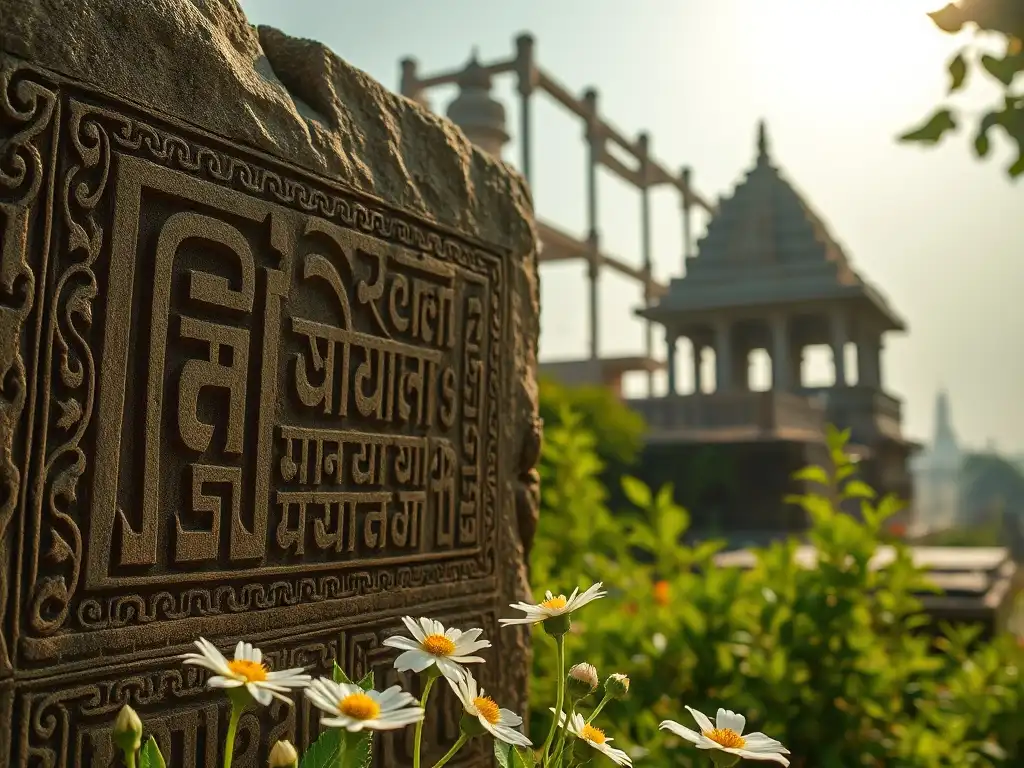
Welcome to Ancient India History, where we delve into the rich tapestry of India's past, exploring the remarkable civilizations that shaped its culture and heritage. In our featured article, “The Role of Inscriptions in Preserving Religious and Cultural Practices in Ancient India,” we uncover the profound significance of ancient Indian inscriptions and their vital role in documenting the beliefs and practices of bygone eras. Join us on this captivating journey as we reveal how these timeless artifacts serve as windows into the soul of ancient societies, sparking a deeper understanding of their enduring legacy.
Ready to uncover the mysteries of our past? Let's begin!
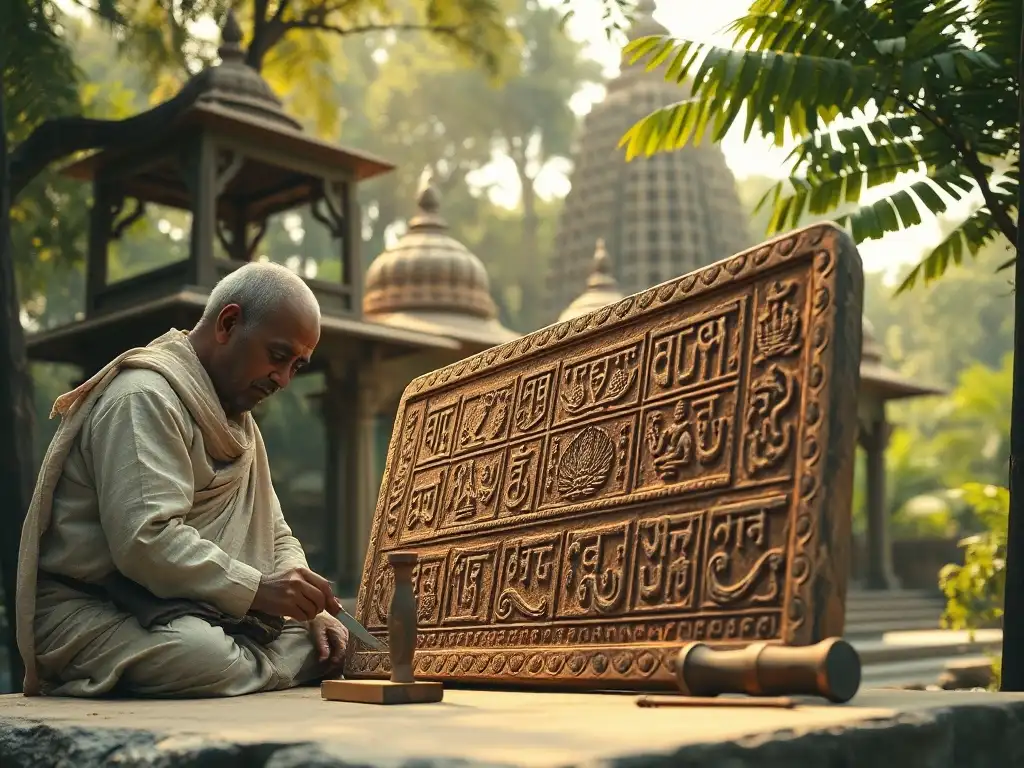
Inscriptions have played a pivotal role in documenting the rich tapestry of religious and cultural practices in ancient India. As a vital component of historical records, these inscriptions provide a glimpse into the lives, beliefs, and societal norms of various civilizations spanning centuries.
From the early symbols of the Indus Valley Civilization to the elaborate edicts of the Maurya and Gupta Empires, inscriptions serve not only as a means of communication but also as a testament to the evolution of thought, governance, and spirituality in ancient India. This article explores the significance of ancient Indian inscriptions, shedding light on their impact on our understanding of cultural heritage and religious practices.
Introduction to Ancient Indian Inscriptions Significance
Overview of Inscriptions in Ancient India
Ancient Indian inscriptions are engravings or writings found on various materials, including stone, metal, and pottery. These inscriptions date back thousands of years and cover a wide range of topics, including:
- Religious Texts: Many inscriptions include hymns, prayers, and religious decrees, reflecting the spiritual beliefs of the time.
- Royal Edicts: Rulers often inscribed laws, policies, and proclamations to communicate their authority and governance.
- Cultural Narratives: Inscriptions can recount historical events, celebrate victories, and honor deities, providing insight into the culture and society.
Through these inscriptions, scholars have been able to reconstruct aspects of ancient Indian life, making them invaluable for understanding the region's historical narrative.
Importance of Inscriptions in Cultural Heritage
The significance of ancient Indian inscriptions extends beyond mere historical record-keeping; they are critical to preserving the cultural heritage of the subcontinent. Some key points regarding their importance include:
- Cultural Identity: Inscriptions serve as a link to the past, helping communities maintain their cultural identity and traditions.
- Language Evolution: They provide insights into the development of languages and scripts, showcasing linguistic diversity and evolution over time.
- Religious Practices: Many inscriptions document rituals, festivals, and religious beliefs, highlighting the spiritual life of ancient societies.
These elements together underscore the role of inscriptions as custodians of cultural practices and beliefs, connecting the ancient world to contemporary society.
Historical Context of Inscriptions in Ancient India
Timeline of Key Inscriptions
The timeline of ancient Indian inscriptions can be categorized into several significant periods, each marked by notable examples:
- Indus Valley Civilization (c. 3300–1300 BCE):
- Early symbols and seals found at sites like Harappa and Mohenjo-Daro.
- Mauryan Empire (c. 322–185 BCE):
- The Edicts of Ashoka, inscribed on pillars and rocks, promoting Buddhism and moral governance.
- Gupta Empire (c. 320–550 CE):
- Inscriptions celebrating achievements in art, science, and religion, such as the inscriptions of Samudragupta.
These key periods delineate the evolution of inscriptions and highlight their continued relevance in recording history.
Major Civilizations Contributing to Inscriptions
Several ancient Indian civilizations contributed significantly to the body of inscriptions, each leaving a unique mark on the historical landscape:
- Indus Valley Civilization: Known for its early seals with undeciphered script, showcasing trade and religious practices.
- Mauryan Empire: Renowned for the widespread use of inscriptions to disseminate the emperor's philosophy and governance.
- Gupta Empire: Celebrated for artistic and literary achievements, with inscriptions that reflect advancements in culture and science.
Each of these civilizations played a crucial role in shaping the significance of inscriptions, making them indispensable for understanding the broader narrative of ancient Indian history.
Types of Inscriptions and Their Functions
Inscriptions in ancient India serve as a crucial medium through which various aspects of society—including religious, administrative, and commemorative elements—have been conveyed and preserved. The significance of these inscriptions extends beyond mere documentation; they reveal insights into the civilization's values, beliefs, and organizational structures. Below, we explore the main types of inscriptions and their respective functions.
Religious Inscriptions
Religious inscriptions played a vital role in documenting and promoting the spiritual practices of ancient Indian societies. These inscriptions often included texts that invoked deities, described rituals, or outlined moral codes and teachings. They were typically found in temples, stupas, and other sacred sites, serving both as a form of devotion and as a means of educating the populace about religious practices.
For example, many inscriptions from the Mauryan period, especially those from Emperor Ashoka, emphasized moral precepts derived from Buddhism, illustrating the integration of governance and spirituality. These inscriptions not only provided insights into the religious landscape but also encouraged communal adherence to these practices.
Administrative Inscriptions
Administrative inscriptions are primarily concerned with the governance and organizational aspects of ancient Indian states. These inscriptions offer insights into laws, regulations, and the functioning of various bureaucratic systems. They were often engraved on stone pillars, edicts, or inscriptions in palaces and public spaces.
Such inscriptions were crucial for maintaining order and communication within the empire. They documented land grants, tax obligations, and royal decrees, which were essential for the administration of vast territories. The edicts of Ashoka are again a prominent example, where he outlined policies on ethics, governance, and social welfare, reflecting the state's relationship with its citizens.
Commemorative Inscriptions
Commemorative inscriptions serve to honor significant events, individuals, or achievements in ancient Indian society. These inscriptions often mark the accomplishments of kings, victories in battles, or the founding of new cities. They are found on monuments, temples, and tombs, acting as a historical record for future generations.
An example of this type is the inscriptions found at the site of Khajuraho, which commemorate the achievements of the Chandela dynasty. These inscriptions not only celebrate personal achievements but also reflect the cultural and artistic heritage of the time, providing insights into the values and priorities of the society.
The Role of Inscriptions in Preserving Religious Practices

Inscriptions have been instrumental in preserving the various religious practices of ancient India, serving as a bridge between past beliefs and contemporary understanding. By documenting rituals, codifying religious laws, and celebrating divine entities, inscriptions have ensured that the spiritual fabric of society remains intact through generations.
Documenting Religious Beliefs and Rituals
One of the primary functions of inscriptions is to document the religious beliefs and rituals practiced by ancient Indian civilizations. These texts provide a wealth of information about the pantheon of deities worshipped, the nature of rituals performed, and the philosophical underpinnings of various religions.
For instance, inscriptions in temples dedicated to Shiva, Vishnu, and other deities often detail the specific rituals performed, the offerings made, and the significance of these practices in the context of the divine. This documentation has allowed modern scholars to reconstruct ancient religious practices, offering insights into the spiritual lives of people in historical contexts.
Inscriptions as Tools for Ritual Standardization
Inscriptions also played a pivotal role in the standardization of rituals across different regions and communities within ancient India. By codifying specific practices, they helped unify diverse local customs under a common framework, fostering a sense of collective identity.
The inscriptions from the Gupta period exemplify this, as they often included directives on how rituals should be performed, thereby reducing regional variations. This standardization not only facilitated the dissemination of religious practices but also reinforced the authority of religious institutions and their teachings.
Case Studies of Significant Religious Inscriptions
Several significant religious inscriptions stand out for their profound impact on the preservation and promotion of ancient Indian religious practices. Notable examples include the rock edicts of Ashoka, which articulate the principles of Dharma and the moral responsibilities of individuals in society.
Another significant case is the inscriptions found at the Ajanta Caves, which provide detailed accounts of Buddhist teachings and practices. These inscriptions illustrate the artistic and spiritual endeavors of the time, showcasing the integration of religion and art.
Through these case studies, it becomes evident that inscriptions not only document religious practices but also actively shape and influence the spiritual landscape of ancient India.
The Role of Inscriptions in Preserving Cultural Practices
Inscriptions serve as a vital link between ancient civilizations and modern society, preserving the cultural practices and beliefs of ancient India. They provide insights into various aspects of life, including religion, governance, and societal norms. Through these engravings, historians and archaeologists have been able to reconstruct the ideologies and values that shaped the daily lives of ancient Indians. The significance of these inscriptions extends beyond mere documentation; they are a testament to the rich tapestry of ancient Indian culture.
Inscriptions Reflecting Daily Life and Customs
Many inscriptions from different periods of ancient India detail the customs and daily activities of its people. For example, inscriptions found in the Indus Valley Civilization reveal information about trade practices, agricultural activities, and even religious rituals. The Brahmi and Kharosthi scripts used in various inscriptions provide clues about societal structures and interactions among different communities.
These artifacts often include references to family relations, occupational roles, and social hierarchies, allowing researchers to understand how ancient Indians navigated their everyday lives. Furthermore, inscriptions mentioning festivals and rituals illuminate the spiritual and cultural landscape, reflecting the integration of religion into daily customs. For instance, the inscriptions found at sites like Sanchi and Ashoka’s edicts highlight the importance of Buddhism in shaping cultural practices during the Mauryan period.
Language and Script Evolution Through Inscriptions
Inscriptions have played a crucial role in tracing the evolution of language and scripts in ancient India. The transition from the Indus script to Brahmi and Kharosthi illustrates the linguistic diversity present in ancient texts. Each inscription serves as a historical marker of linguistic change, showcasing the development of regional dialects and scripts over centuries.
Research into inscriptions has also revealed how language was not only a means of communication but also a vehicle for cultural expression. The use of Sanskrit in religious inscriptions, for example, signifies its status as a sacred language, while vernacular languages found in other inscriptions highlight the cultural identities of various communities. This linguistic evolution captured in inscriptions provides valuable insights into the socio-political dynamics of ancient India.
Influence of Inscriptions on Art and Architecture
Inscriptions have significantly influenced the art and architecture of ancient India. They often accompanied monumental structures, providing context and meaning to the architectural designs. The carvings on temples and stupas frequently include inscriptions that narrate the history of the site and honor patronage from various rulers.
The decorative motifs and artistic styles seen in ancient inscriptions reflect the cultural values and religious beliefs of the time. For example, the inscriptions found in the Ajanta caves not only convey Buddhist teachings but also showcase intricate artistic techniques that emphasize the importance of spirituality in art. These inscriptions serve as a bridge connecting the aesthetic qualities of ancient Indian art with their cultural and religious significance.
The Impact of Inscriptions on Modern Understanding of Ancient India
The study of inscriptions has profoundly impacted our modern understanding of ancient Indian history. They provide direct evidence of historical events, societal norms, and cultural practices, allowing scholars to construct a more nuanced picture of the past.
Archaeological Discoveries and Inscriptions
Archaeological discoveries often go hand-in-hand with the study of inscriptions, as excavations frequently unearth artifacts that provide critical context for historical narratives. Sites such as Taxila, Harappa, and Varanasi have yielded inscriptions that illuminate the political and economic structures of ancient civilizations.
These inscriptions can inform us about trade routes, diplomatic relations, and the spread of ideologies, revealing a complex web of interactions among various regions of ancient India. By analyzing these inscriptions alongside archaeological findings, historians can piece together a more comprehensive and accurate portrayal of ancient Indian life.
Scholars and Their Contributions to Epigraphy
Numerous scholars have made significant contributions to the field of epigraphy, advancing our understanding of ancient Indian inscriptions. Pioneers like Alexander Cunningham and James Prinsep were instrumental in deciphering inscriptions and understanding their historical context. Their work laid the foundation for future research in the field.
Modern scholars continue to explore the significance of inscriptions, employing interdisciplinary approaches that integrate linguistics, archaeology, and history. Their findings often challenge previous assumptions and provide new insights into ancient practices, further emphasizing the importance of inscriptions in understanding India's rich cultural heritage.
Inscriptions as Historical Evidence
Inscriptions are pivotal as historical evidence, offering firsthand accounts that document events, decrees, and societal norms of ancient India. They serve as primary sources for historians, providing verifiable information that can be cross-referenced with other historical texts and artifacts.
For example, Ashoka’s edicts not only reflect his policies but also illustrate the spread of Buddhism and the principles of Dharma. Such inscriptions help historians assess the impact of individual rulers and movements on the broader historical narrative. As a result, the significance of ancient Indian inscriptions transcends their physical form; they are essential keys to unlocking the complexities of a civilization that has profoundly influenced the world.
Challenges in the Study of Ancient Indian Inscriptions
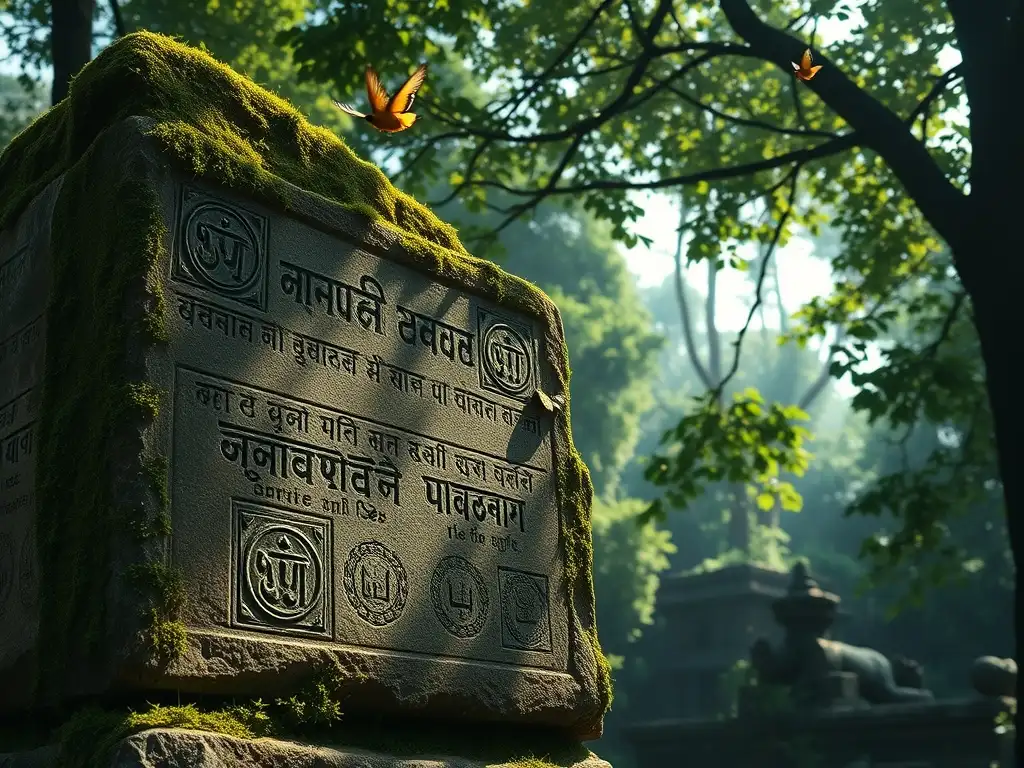
The study of ancient Indian inscriptions presents several challenges that researchers must navigate to uncover the rich tapestry of cultural and religious practices embedded within these texts. These challenges stem from various factors including preservation issues, the intricacies of deciphering ancient scripts, and the evolving role of technology in the field of epigraphy. Each of these aspects plays a crucial role in understanding the significance of ancient Indian inscriptions and their contributions to historical knowledge.
Preservation Issues and Environmental Factors
One of the foremost challenges in the study of ancient Indian inscriptions is the preservation of the materials on which they were inscribed. Many inscriptions were carved on stone, metal, or clay, which are susceptible to erosion and degradation over time due to environmental factors such as moisture, temperature fluctuations, and pollution. For example, inscriptions found in coastal areas may suffer from salt corrosion, while those in arid regions can become worn due to sand abrasion.
Furthermore, human activities, including urban development and agricultural expansion, have led to the destruction or displacement of significant inscriptions. The lack of proper conservation efforts has exacerbated these issues, making it imperative for researchers and archaeologists to advocate for preservation measures. This includes documenting inscriptions before they deteriorate and employing modern conservation techniques to extend their lifespan.
Deciphering and Interpreting Ancient Scripts
Deciphering ancient scripts is a complex task that requires specialized knowledge and expertise. The diversity of scripts used across different regions and periods in ancient India, such as Brahmi, Kharosthi, and various regional variants, poses a significant barrier. Each script has its own set of symbols and rules, and many are not entirely understood today.
In addition to language barriers, the context in which these inscriptions were created also complicates interpretation. Researchers must consider the historical, cultural, and religious contexts to accurately understand the meanings behind the inscriptions. Misinterpretations can lead to skewed historical narratives, emphasizing the need for collaboration among linguists, historians, and archaeologists to ensure a more nuanced understanding of these texts.
The Role of Technology in Inscriptions Research
Recent advancements in technology have begun to transform the study of ancient Indian inscriptions, providing new tools and methods for research. Digital imaging techniques, such as 3D scanning and photogrammetry, allow researchers to capture detailed images of inscriptions that can reveal subtle details invisible to the naked eye. These technologies not only aid in preservation but also facilitate remote analysis, enabling scholars from around the world to collaborate on deciphering and interpreting inscriptions.
Moreover, machine learning and artificial intelligence are being employed to decode ancient scripts, potentially accelerating the deciphering process. As these technologies continue to evolve, they hold the promise of overcoming many of the traditional barriers faced in inscriptions research, paving the way for new discoveries and insights into the cultural and religious practices of ancient India.
Conclusion: The Lasting Significance of Ancient Indian Inscriptions
The enduring nature of ancient Indian inscriptions serves as a testament to the rich cultural and religious practices that have shaped the subcontinent's history. Through careful study and interpretation, these inscriptions provide invaluable insights into the beliefs, customs, and societal structures of ancient civilizations, reinforcing their significance in the broader historical narrative.
Summary of Inscriptions' Role in Cultural and Religious Preservation
Ancient Indian inscriptions play a crucial role in preserving cultural and religious practices by documenting rituals, philosophies, and socio-political contexts of the time. They function as primary sources that help historians piece together the complexities of ancient Indian life, offering glimpses into the values and ideologies that were prevalent. By analyzing these inscriptions, researchers can trace the evolution of religious practices, the spread of cultural influences, and the interactions between different communities throughout history.
Future Prospects for Research in Inscriptions and Epigraphy
Looking ahead, the future of research in inscriptions and epigraphy appears promising, particularly with the integration of technology in the field. Ongoing efforts to digitize inscriptions and create comprehensive databases will enhance accessibility for scholars and enthusiasts alike. Furthermore, interdisciplinary approaches that combine archaeology, linguistics, and digital humanities are likely to yield richer insights into ancient Indian civilization.
As researchers continue to uncover and interpret ancient inscriptions, their significance in understanding the cultural and religious landscape of ancient India will only grow, ensuring that these vital historical documents are preserved for future generations to study and appreciate.
References and Further Reading on Ancient Indian Inscriptions Significance
Inscriptions play a pivotal role in understanding the religious and cultural practices of ancient India. They serve as invaluable primary sources that provide insights into the beliefs, rituals, and societal norms of various civilizations across different periods. To delve deeper into this fascinating subject, here are some suggested readings and resources.
Suggested Books and Articles
-
"Inscriptions of Ancient India" by R. C. Majumdar
This comprehensive work explores various inscriptions found throughout ancient India, detailing their historical context and significance in preserving cultural heritage.
-
"The Epigraphia Indica"
A critical publication that documents inscriptions across India, this journal offers extensive research articles and analyses, providing insights into the linguistic and cultural aspects reflected in these inscriptions.
-
"Ancient Indian Inscriptions: Their Historical Significance" by V. S. Bansal
This book discusses the importance of inscriptions as historical documents, emphasizing their role in understanding the evolution of religious practices and cultural traditions.
-
"The Archaeology of Ancient India" by R. S. Sharma
While primarily focused on archaeological findings, this book integrates discussions of inscriptions, illustrating how they relate to broader cultural and religious frameworks in ancient Indian society.
-
"Inscriptions as Historical Sources" by D. D. Kosambi
This article critically assesses the methodologies used in interpreting inscriptions and their significance in reconstructing ancient Indian history.
Online Resources for Further Exploration
-
Digital Epigraphy Website
A platform dedicated to the digitization and preservation of ancient inscriptions, providing access to a vast database of inscriptions from various regions of India.
-
The Indian Archaeological Society
This organization offers a wealth of resources, including articles, reports, and newsletters focused on archaeological research and inscriptions, contributing to a better understanding of ancient Indian civilizations.
-
Inscriptions of India: A National Database
An online repository that catalogs various inscriptions found across India, offering users the ability to search by location, period, and language.
-
The Archaeological Survey of India (ASI)
The ASI's official website features numerous resources, including publications and reports that detail the significance of inscriptions in the context of archaeological findings.
-
YouTube Channels on Ancient Indian History
Channels dedicated to ancient history often feature documentaries and discussions on inscriptions, providing visual and engaging content for those interested in the subject.
These resources will enable readers to gain a deeper appreciation of the significance of ancient Indian inscriptions and their lasting impact on the preservation of religious and cultural practices throughout history.
- Introduction to Ancient Indian Inscriptions Significance
- Historical Context of Inscriptions in Ancient India
- Types of Inscriptions and Their Functions
- The Role of Inscriptions in Preserving Religious Practices
- The Role of Inscriptions in Preserving Cultural Practices
- The Impact of Inscriptions on Modern Understanding of Ancient India
- Challenges in the Study of Ancient Indian Inscriptions
- Conclusion: The Lasting Significance of Ancient Indian Inscriptions
- References and Further Reading on Ancient Indian Inscriptions Significance
- Why are ancient Indian inscriptions important for understanding history?
- What types of inscriptions were commonly found in ancient India?
- How do inscriptions contribute to our knowledge of ancient Indian religions?
- What is the significance of the Gupta Empire inscriptions?
- How do scholars analyze the significance of ancient inscriptions?
Frequently Asked Questions
Why are ancient Indian inscriptions important for understanding history?
Ancient Indian inscriptions provide valuable insights into the religious, cultural, and political practices of various civilizations, helping to preserve the historical narrative of the region.
What types of inscriptions were commonly found in ancient India?
In ancient India, inscriptions were often made on stone, copper plates, and temple walls, documenting royal edicts, religious texts, and cultural practices.
How do inscriptions contribute to our knowledge of ancient Indian religions?
Inscriptions serve as a primary source for understanding the development and spread of various religions, including Hinduism, Buddhism, and Jainism, highlighting their rituals and philosophies.
What is the significance of the Gupta Empire inscriptions?
The Gupta Empire inscriptions reflect the administrative efficiency, artistic achievements, and the cultural flourishing of the period, showcasing the empire's contributions to art, literature, and science.
How do scholars analyze the significance of ancient inscriptions?
Scholars study the language, style, and context of inscriptions to interpret their meaning, assess their historical relevance, and examine their impact on cultural continuity and change in ancient India.
Final Reflection: The Enduring Significance of Ancient Indian Inscriptions
The exploration of ancient Indian inscriptions reveals their profound significance in preserving the rich tapestry of religious and cultural practices that have shaped the subcontinent. Today, as we navigate a world increasingly disconnected from its historical roots, the lessons embedded within these inscriptions remind us of the importance of understanding our past. They serve as a powerful testament to the resilience of cultural identity, urging us to reflect on how history informs our present and future.
Cultural heritage is not merely a relic of the past; it is a living narrative that continues to influence our social landscape. The inscriptions of ancient India are not just historical artifacts; they are vibrant expressions of faith, community, and tradition that resonate through generations. As we witness a resurgence of interest in cultural preservation, we can draw inspiration from the words of Mahatma Gandhi: A nation's greatness is measured by how it treats its weakest members.
This sentiment underscores the importance of honoring our heritage, as it is through the lens of history that we can better understand and uplift our communities today.
As we conclude this exploration, I invite you to reflect on the significance of your own cultural heritage and the stories that have shaped your identity. Consider how you can engage with and preserve these narratives in your daily life. Whether through storytelling, art, or community involvement, each of us has the power to contribute to the ongoing legacy of our cultures. Let the lessons of ancient Indian inscriptions inspire you to cherish and uphold the values that connect us to our past, ensuring that they continue to thrive for future generations.
Unveil the Cultural Treasures of Ancient India!
Thank you for exploring the fascinating world of inscriptions and their significance in preserving India’s vibrant religious and cultural legacy. You've gained insights into how ancient texts connect us with our past, and now it’s time to take that knowledge further!
- Dive deeper: Visit local museums or historical sites to view inscriptions firsthand and appreciate their rich heritage.
- Share your insights: Discuss the impact of inscriptions with friends or on social media to raise awareness about this remarkable history.
- Join a community: Connect with historical societies or online groups to engage with others who share a passion for ancient cultures.
Which inscription has captured your interest the most, and in what ways do you believe it enhances our understanding of ancient practices today?