
The Significance of Vastu Shastra in Ancient Indian Engineering


Welcome to Ancient India History, where we embark on a fascinating journey through the tapestry of time, unraveling the rich and diverse legacy of ancient Indian civilizations. In our latest exploration, we delve into the profound significance of Vastu Shastra, a cornerstone of ancient Indian engineering that harmonized space and structure. What secrets does this age-old practice hold about the architectural marvels of the Indus Valley to the grandeur of the Gupta Empire?
Prepare to uncover the intricate relationships between design, spirituality, and innovation that shaped this remarkable heritage. Join us as we unveil the mysteries of Vastu Shastra and its enduring impact on the world of technology and architecture!

Vastu Shastra, often referred to as the "science of architecture," holds a pivotal role in understanding the engineering and construction techniques of ancient India. This ancient doctrine is not merely about aesthetics; it intricately weaves together the principles of design, orientation, and spatial arrangement with the elements of nature.
As we delve into the significance of Vastu Shastra, we uncover how this traditional knowledge guided the construction of temples, homes, and public structures, ensuring harmony between human habitation and the natural environment. From the majestic palaces of the Gupta Empire to the intricate designs of the Indus Valley Civilization, Vastu Shastra reflects the ingenuity and foresight of ancient Indian architects in their quest to create spaces that promote well-being and prosperity.
Introduction to Vastu Shastra in Ancient India
Vastu Shastra is a comprehensive framework that encompasses various aspects of design and architecture, derived from ancient texts such as the Vedas and other classical Indian scriptures. Its principles focus on the five elements—earth, water, fire, air, and space—and their influence on the built environment. By understanding the significance of these elements, ancient architects could create structures that were not only visually appealing but also energetically conducive.
The core tenets of Vastu Shastra emphasize orientation, material selection, and spatial arrangement, which together contribute to the overall harmony of a space. For instance, the placement of doors, windows, and rooms is dictated by the cardinal directions, ensuring that natural light and ventilation enhance the living experience. This meticulous attention to detail reflects a profound understanding of the interplay between architecture and the environment.
Historical Context of Vastu Shastra in Indian Engineering
The roots of Vastu Shastra can be traced back to the Indus Valley Civilization, where archaeological findings suggest that urban planning was influenced by these ancient principles. Cities like Mohenjo-Daro and Harappa exhibited an advanced understanding of spatial organization, with grid layouts and drainage systems that resonate with Vastu concepts.
As time progressed, the application of Vastu Shastra evolved alongside various dynasties, including the Mauryas and the Guptas. These periods saw the construction of monumental architecture, such as temples and fortifications, which adhered to Vastu principles to achieve both aesthetic beauty and functional significance. The intricate carvings and vast courtyards of ancient temples are not only a testament to artistic prowess but also to the careful application of Vastu Shastra in their design.
In essence, the historical context of Vastu Shastra in Indian engineering reveals a rich tapestry of innovation and tradition, where ancient builders harmonized their creations with cosmic principles, thus ensuring longevity and relevance in their architectural endeavors.
The Principles of Vastu Shastra
Vastu Shastra, an ancient Indian science of architecture and design, encompasses a set of principles that guide the harmonious construction of living spaces. At its core, Vastu Shastra aims to create environments that promote well-being, prosperity, and balance. The principles are deeply rooted in the understanding of nature, energy flow, and the interplay between the physical and spiritual realms. Central to Vastu is the belief that improper construction can lead to negative energy, affecting the inhabitants' health and fortune.
The foundational elements of Vastu Shastra include the five elements of nature, cardinal directions, and geometrical shapes. Each of these aspects plays a crucial role in determining the layout, orientation, and design of structures. By aligning buildings with these principles, architects and builders of ancient India sought to foster a sense of peace, stability, and harmony within their environments. This holistic approach not only influenced domestic architecture but also civic planning, temples, and public spaces, enhancing the overall quality of life in ancient Indian societies.
Understanding the Five Elements (Pancha Mahabhuta)
The concept of the Pancha Mahabhuta, or the five great elements, is fundamental to Vastu Shastra. These elements—Earth (Prithvi), Water (Jal), Fire (Agni), Air (Vayu), and Ether (Akasha)—represent the physical and metaphysical aspects of existence. Each element has unique characteristics and influences specific aspects of life and architecture.
- Earth (Prithvi): Symbolizes stability and support. In Vastu, it relates to the foundation and the material used in construction.
- Water (Jal): Represents fluidity and adaptability. Its placement in a structure can enhance prosperity and emotional well-being.
- Fire (Agni): Signifies energy and transformation. The location of fire elements, such as kitchens or hearths, is crucial for maintaining balance.
- Air (Vayu): Associated with movement and circulation. Proper ventilation and airflow are vital for a harmonious living space.
- Ether (Akasha): Represents space and consciousness. Its significance in Vastu underscores the importance of open areas and natural light.
Understanding these elements allows architects to create spaces that resonate with the natural world, ensuring a harmonious relationship between humans and their environment.
The Importance of Directions and Orientation
In Vastu Shastra, the positioning of a structure according to cardinal directions is paramount. Each direction is associated with specific energies and deities, which can profoundly influence the occupants' experiences and well-being. The eight primary directions—North, South, East, West, Northeast, Northwest, Southeast, and Southwest—each hold unique significance:
- North: Linked to wealth and prosperity, ideal for entrances and windows.
- South: Represents stability but should be balanced to prevent negative energy.
- East: Associated with health and vitality, making it desirable for living spaces.
- West: Can enhance prosperity but requires careful planning.
- Northeast: Sacred and auspicious, often reserved for prayer rooms or meditation.
- Northwest: Associated with relationships and movement, suitable for guest rooms.
- Southeast: Linked to fire and energy, perfect for kitchens.
- Southwest: Represents strength and should hold heavier constructions.
By aligning buildings with these directions, ancient Indian architects aimed to harness the positive energy associated with each cardinal point, thus enhancing the overall functionality and harmony of the space.
The Role of Geometry in Vastu Shastra
Geometry plays a critical role in Vastu Shastra, as the shapes and proportions of structures are believed to influence the flow of energy within a space. The use of specific geometric patterns, such as squares and rectangles, is prevalent, with the square (Vastu Purusha Mandala) being considered the most auspicious shape. This geometric approach not only affects aesthetics but also the structural integrity and functionality of the building.
Various geometric principles guide the design process, including symmetry, proportion, and alignment. The careful application of these principles ensures that spaces are not only visually appealing but also conducive to the well-being of their occupants. Additionally, Vastu emphasizes the importance of the layout and arrangement of rooms, advocating for a harmonious spatial organization that reflects the natural order of the universe.
Vastu Shastra and Architectural Innovations
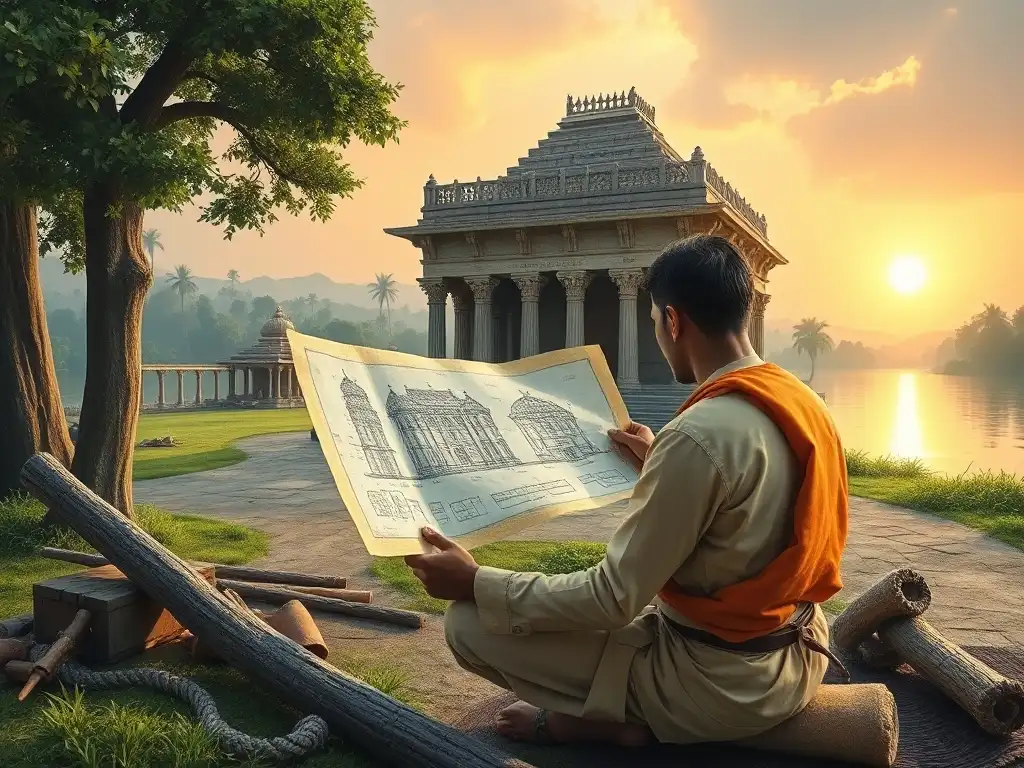
The influence of Vastu Shastra on ancient Indian architecture is profound, leading to innovative construction techniques and designs that have stood the test of time. By integrating Vastu principles, builders were able to create structures that were not only functional but also spiritually uplifting. This emphasis on harmonizing human life with nature resulted in a unique architectural style that reflected the cultural and spiritual ethos of ancient India.
Ancient Structures Influenced by Vastu Shastra
Numerous ancient structures across India exemplify the principles of Vastu Shastra. One of the most notable examples is the Brihadeeswarar Temple in Thanjavur, which showcases meticulous alignment with cardinal directions and incorporates sacred geometry. The temple's layout and orientation are designed to enhance spiritual energy, attracting devotees and ensuring the flow of positive vibrations.
Another significant structure is the Hampi ruins, where the ancient city was planned according to Vastu principles. The strategic placement of temples, residential areas, and water bodies reflects an understanding of natural elements and energy flow, contributing to the city's thriving civilization.
Case Studies of Notable Vastu-Compliant Structures
Several case studies highlight the successful application of Vastu Shastra in ancient architecture. One prominent example is the Jagannath Temple in Puri, Odisha, which is renowned for its adherence to Vastu principles. The temple's orientation towards the east ensures that the first rays of sunlight illuminate the deity, symbolizing the connection between the divine and the natural world.
Another noteworthy case is the City of Jaipur, meticulously planned according to Vastu Shastra by Maharaja Sawai Jai Singh II. The city's layout, with its grid pattern and strategically placed palaces and markets, illustrates the successful integration of Vastu principles into urban planning, promoting harmony and prosperity for its inhabitants.
These examples underscore the enduring legacy of Vastu Shastra in ancient Indian engineering, demonstrating its significance in shaping not only structures but also the very fabric of society.
The Impact of Vastu Shastra on Construction Techniques
Vastu Shastra, the ancient Indian science of architecture, played a pivotal role in shaping the construction techniques of ancient India. The principles outlined in Vastu not only dictated the orientation and layout of buildings but also influenced the overall harmony and energy flow within a structure. By emphasizing the relationship between the built environment and natural elements, Vastu Shastra ensured that constructions were not merely functional but also resonated with the spiritual and cultural ethos of the time.
The impact of Vastu Shastra can be observed in the meticulous planning of residential and public buildings. For instance, the placement of doors and windows was guided by Vastu principles, optimizing natural light and ventilation, thereby enhancing the inhabitants' physical and mental well-being. This holistic approach led to the development of communities that thrived through the thoughtful integration of design and natural surroundings.
Furthermore, the incorporation of Vastu Shastra into construction techniques fostered a sense of identity and belonging among residents. Buildings were not viewed as isolated entities but as integral parts of a greater cosmic order, contributing to the aesthetic and spiritual landscape of ancient cities.
Materials and Resources Guided by Vastu Principles
The materials and resources used in ancient Indian construction were significantly influenced by Vastu Shastra. This ancient science emphasized the importance of using locally sourced, sustainable materials that resonated with the environment and the intended use of the space. Earth, wood, stone, and metals were carefully selected based on their properties and energies, aligning them with specific directions and elements of nature.
For instance, the use of clay and mud was prevalent in homes built in rural areas, as these materials provided natural insulation and were abundant in the environment. Similarly, stone was favored for temples and public structures due to its durability and aesthetic appeal. Vastu principles also guided the treatment of these materials; for example, specific rituals or preparations might be undertaken to imbue the materials with positive energy before construction began.
Additionally, Vastu Shastra encouraged the recycling and reuse of materials whenever possible. This not only reflected a deep respect for nature but also contributed to the sustainability of the construction practices of the time, ensuring that resources were utilized judiciously and responsibly.
Techniques Employed in Vastu-Influenced Engineering
Ancient Indian engineering was marked by innovative techniques that reflected the principles of Vastu Shastra. One of the key techniques was the meticulous alignment of structures with cardinal directions, which was believed to enhance the flow of positive energies. Builders used advanced tools and methods to ensure precise measurements, resulting in structures that were not only aesthetically pleasing but also functionally sound.
Another critical technique involved the use of geometric patterns and symmetry, which are fundamental concepts in Vastu. This design approach not only facilitated the aesthetic appeal of buildings but also promoted a sense of balance and harmony within the environment. Structures were often designed with specific proportions that aligned with natural laws, creating spaces that felt both inviting and serene.
Moreover, the incorporation of natural elements such as water bodies, gardens, and open spaces was common in Vastu-influenced engineering. These elements were strategically integrated into urban layouts to enhance ecological balance and provide residents with a connection to nature, which was a fundamental aspect of Vastu philosophy.
Sustainability and Environmental Considerations in Vastu Shastra
Sustainability is a core principle embedded in Vastu Shastra, reflecting the ancient Indian civilization's profound respect for nature. The guidelines outlined in Vastu emphasize the harmonious coexistence of built structures and the natural environment. This was evident in the careful selection of sites and materials, ensuring minimal disruption to the ecological balance.
The orientation and layout of buildings as per Vastu principles also contributed to energy efficiency and environmental sustainability. For example, structures were often positioned to maximize sunlight during the winter months while minimizing heat exposure during the summer. This natural regulation of temperature reduced reliance on artificial heating and cooling methods, demonstrating an understanding of passive design strategies long before their modern counterparts.
Furthermore, Vastu Shastra encouraged the preservation of natural landscapes, such as trees and water bodies, within urban planning. By integrating these elements into construction and city planning, ancient civilizations fostered environments that supported biodiversity and ecological health, showcasing a holistic approach to sustainability.
Vastu Shastra's Role in Urban Planning in Ancient India
Vastu Shastra's influence extended beyond individual structures to encompass urban planning in ancient Indian cities. The principles of Vastu guided the layout of entire settlements, ensuring that urban spaces were not only functional but also conducive to the well-being of their inhabitants. This comprehensive approach to planning reflected a deep understanding of the interconnectivity between human life and the environment.
Planning Cities According to Vastu Principles
The planning of cities in ancient India was often meticulously crafted according to Vastu principles. Each city was designed with specific zones for residential, commercial, and religious activities, all aligned with cardinal directions to optimize energy flow. For instance, residential areas were typically located in the northern and eastern sectors, while commercial activities were concentrated in the southern and western parts.
The layout of streets and public spaces also adhered to Vastu guidelines, promoting accessibility and enhancing social interactions among residents. Wide streets and open squares created a sense of community, while the strategic placement of temples and public buildings reinforced the spiritual and cultural fabric of the city.
Moreover, the incorporation of water bodies, such as lakes and rivers, within urban designs was a common practice. These natural features not only provided essential resources but also contributed to the aesthetic appeal of the city, fostering a connection to nature that was integral to the ancient Indian worldview.
Influence on Trade and Commerce Locations
Vastu Shastra played a significant role in determining the locations of trade and commerce within ancient cities. Marketplaces and trade centers were strategically positioned in alignment with Vastu principles to maximize economic activity and facilitate the flow of goods and services. Typically situated in the southwest or southern parts of cities, these locations were believed to attract prosperity and abundance.
The orientation of commercial buildings was also carefully considered. Facades facing east or north were preferred, as they were thought to bring in positive energy and enhance business success. This strategic planning not only fostered economic growth but also contributed to the overall vitality of urban centers, making them bustling hubs of activity.
Additionally, the influence of Vastu on trade locations extended to the layout of roads and pathways, ensuring efficient connectivity between commercial areas and residential neighborhoods. This careful planning facilitated trade interactions and reinforced the sense of community among merchants and consumers alike.
Case Study: The City of Dholavira
The ancient city of Dholavira, located in present-day Gujarat, serves as a remarkable case study in the application of Vastu Shastra principles in urban planning and engineering. This Harappan civilization site exemplifies the meticulous planning and advanced engineering techniques guided by Vastu, showcasing the sophistication of ancient Indian urban development.
Dholavira was designed as a well-organized city with a clear layout that adhered to Vastu principles. The city was divided into distinct zones for residential, administrative, and industrial activities, all aligned with cardinal directions. The presence of large reservoirs and water management systems within the city reflected the Vastu emphasis on integrating water sources into urban planning for sustainability and resource management.
The careful orientation of buildings and streets in Dholavira also facilitated natural ventilation and sunlight access, enhancing the quality of life for its inhabitants. The meticulous planning evident in Dholavira highlights how Vastu Shastra informed the architectural and urban development of ancient Indian civilizations, leaving a lasting legacy that continues to influence contemporary practices.
The Legacy of Vastu Shastra in Modern Times

Vastu Shastra, the ancient Indian science of architecture and design, continues to influence modern architectural practices and engineering principles. Its foundational concepts, developed through centuries of observation and experience, have left an indelible mark on contemporary construction techniques.
Vastu Shastra emphasizes harmonizing structures with nature, utilizing elements such as sunlight, wind, and earth to create spaces that are not only functional but also conducive to the well-being of their inhabitants. This legacy is evident in the design of homes, offices, and public buildings today, where principles derived from Vastu are often integrated to enhance aesthetics and promote positive energy flow.
Relevance of Vastu Shastra in Contemporary Architecture
In today's fast-paced urban environments, the relevance of Vastu Shastra is more pronounced than ever. Architects and builders are increasingly recognizing the need to create spaces that foster harmony and tranquility amidst the chaos of modern life. The principles of Vastu, which dictate the optimal placement of rooms, entrances, and windows, are being incorporated into contemporary architecture to maximize natural light, ventilation, and overall energy efficiency. Moreover, these principles are not limited to residential buildings; they extend to commercial spaces as well, with businesses employing Vastu to create productive and positive work environments.
- Natural Light and Ventilation: Modern architects emphasize the importance of light and air in building designs, a fundamental tenet of Vastu.
- Placement of Rooms: Vastu advises specific orientations for various rooms, which many contemporary designs now follow.
- Sustainability: The eco-friendly aspects of Vastu resonate with today's focus on sustainable building practices, leading to a resurgence in its application.
How Ancient Principles Inform Current Engineering Practices
The ancient principles of Vastu Shastra inform current engineering practices by providing a framework for integrating environmental considerations into the design and construction process. For instance, the emphasis on site selection—considering landforms, water bodies, and prevailing winds—aligns closely with modern environmental engineering principles. Engineers today often evaluate a site’s geographical and climatic conditions before construction, paralleling the Vastu approach that seeks to harmonize buildings with their surroundings.
Additionally, structural stability and aesthetic appeal, both critical aspects of modern engineering, can also be traced back to Vastu teachings. The traditional use of materials and building techniques, which often prioritized durability and sustainability, continues to inspire contemporary practices. The integration of Vastu principles serves not only to enhance the functionality of a space but also to enrich the cultural narrative of a structure, making it a source of pride for communities.
The Global Influence of Vastu Shastra on Architecture
The influence of Vastu Shastra extends far beyond the borders of India, impacting architectural practices around the world. As globalization facilitates cultural exchanges, many architects and designers are increasingly incorporating Vastu principles into their projects, recognizing the universal appeal of its harmonious designs. Countries such as the United States, Canada, and the United Kingdom have seen a rise in the adoption of Vastu-inspired layouts, particularly in residential homes and wellness centers.
- Cross-Cultural Adaptation: Elements of Vastu have been adapted to fit various cultural contexts, showcasing its versatility.
- Holistic Approaches: The focus on balance and energy flow resonates with trends in holistic design philosophy worldwide.
- Architectural Collaborations: Many architects now collaborate with Vastu consultants to merge traditional wisdom with modern aesthetics, leading to innovative designs that respect both heritage and contemporary needs.
Conclusion: The Lasting Significance of Vastu Shastra in Ancient Indian Engineering
The lasting significance of Vastu Shastra in ancient Indian engineering is evident in its profound impact on architectural practices throughout history and its ongoing relevance today. This ancient science not only contributed to the architectural marvels of the past but also laid the groundwork for a holistic approach to building that prioritizes harmony with the environment.
The principles of Vastu continue to inspire modern architects and engineers, affirming its place as an essential element in the narrative of human ingenuity and creativity. As we look to the future, the teachings of Vastu Shastra remind us of the importance of sustainability, balance, and the interconnectedness of our built environments with the natural world.
References and Further Reading on Vastu Shastra in Ancient India
To deepen your understanding of Vastu Shastra and its influence on ancient Indian engineering, a range of resources is available that explore both historical contexts and practical applications. Below is a curated list of references and further reading materials that are essential for anyone interested in this fascinating subject.
Books
-
"Vastu Shastra: The Ancient Indian Science of Architecture" by R. N. Mehta
This book offers a comprehensive overview of Vastu Shastra, detailing its principles and applications in ancient architecture. It provides a historical perspective along with practical insights for modern interpretations.
-
"Vaastu: A Place for All" by R. S. Gaur
Gaur explores the integration of Vastu Shastra in various architectural styles across India, highlighting unique case studies that illustrate the significance of this ancient science.
-
"The Vastu Encyclopedia" by V. R. S. Prasad
An extensive reference guide that delves into the terminologies, principles, and practical applications of Vastu Shastra in ancient and contemporary settings.
Academic Journals and Articles
-
"Vastu Shastra: Its Historical Relevance in Ancient Indian Architecture" published in the Journal of Indian Architecture
This article investigates the historical context of Vastu Shastra and its relevance in the design of ancient structures, with case studies from the Indus Valley Civilization to the Gupta Empire.
-
"The Influence of Vastu Shastra on Urban Planning in Ancient India" in The Indian Historical Review
This research paper examines how Vastu principles were applied in urban planning and city layouts during ancient times, providing insights into the socio-cultural implications of these practices.
Online Resources
-
The Vastu Shastra Portal
A dedicated online resource that offers articles, research papers, and expert opinions on Vastu Shastra, including its historical significance and modern adaptations.
-
Ancient Indian Architectural Styles: A Vastu Perspective
This website features a collection of articles and visual aids that explain how Vastu Shastra influenced different architectural styles across various regions of ancient India.
Documentaries and Lectures
-
"Secrets of Ancient Indian Architecture" (Documentary)
This documentary explores the engineering marvels of ancient India, with a focus on how Vastu Shastra shaped the architectural landscape.
-
"Understanding Vastu Shastra" (Lecture Series)
A series of lectures by renowned scholars and practitioners of Vastu Shastra, discussing its principles, applications, and historical significance in ancient Indian civilization.
By exploring these resources, readers can gain a deeper appreciation of Vastu Shastra in ancient India, its engineering principles, and its lasting impact on architectural practices.
- Introduction to Vastu Shastra in Ancient India
- Historical Context of Vastu Shastra in Indian Engineering
- The Principles of Vastu Shastra
- Vastu Shastra and Architectural Innovations
- The Impact of Vastu Shastra on Construction Techniques
- Vastu Shastra's Role in Urban Planning in Ancient India
- The Legacy of Vastu Shastra in Modern Times
- Conclusion: The Lasting Significance of Vastu Shastra in Ancient Indian Engineering
- References and Further Reading on Vastu Shastra in Ancient India
Frequently Asked Questions
What is Vastu Shastra?
Vastu Shastra is an ancient Indian architectural doctrine that emphasizes the importance of design and layout to create harmonious living spaces aligned with nature and cosmic principles.
How did Vastu Shastra influence ancient Indian engineering?
In ancient India, Vastu Shastra played a crucial role in engineering practices, guiding the construction of temples, homes, and cities to ensure they were in harmony with the natural environment and cosmic energies.
What are the key principles of Vastu Shastra?
Key principles of Vastu Shastra include the five elements, directions, and spatial organization that promote positivity, well-being, and prosperity in living and working spaces.
How was Vastu Shastra applied in the Indus Valley Civilization?
The Indus Valley Civilization demonstrated advanced understanding of urban planning and drainage systems, reflecting the early application of Vastu Shastra principles in their architectural designs.
What is the relevance of Vastu Shastra today?
Today, Vastu Shastra remains significant as it continues to influence modern architecture and interior design, promoting spaces that foster well-being and balance in contemporary living.
Final Reflection: The Enduring Legacy of Vastu Shastra in Ancient India
The principles of Vastu Shastra remain profoundly relevant today, as they bridge the gap between ancient wisdom and modern architectural practices. In an era where sustainability and harmony with nature are paramount, the teachings of Vastu Shastra offer invaluable insights that can enhance our living spaces and overall well-being. The architectural marvels of ancient India, rooted in these principles, continue to inspire contemporary designs, reminding us that the past holds the key to a more balanced future.
Vastu Shastra has not only shaped the physical landscape of ancient India but has also woven itself into the cultural fabric of our society. The enduring influence of these principles can be seen in how we approach the design of our homes, workplaces, and public spaces today. As we navigate the complexities of modern life, the wisdom of Vastu serves as a guiding light, encouraging us to create environments that foster peace and prosperity. Architecture is the learned game, correct and magnificent, of forms assembled in the light.
– Le Corbusier. This quote encapsulates the essence of Vastu Shastra, emphasizing the importance of thoughtful design that resonates with our surroundings.
As you reflect on the significance of Vastu Shastra in ancient India, consider how its principles can be integrated into your own life. Take a moment to evaluate your living space and think about how you can create a more harmonious environment. Whether it’s rearranging furniture, incorporating natural elements, or simply being mindful of the energy flow in your home, every small change can lead to a more balanced and fulfilling life. Embrace the wisdom of the past and let it guide you toward a brighter, more harmonious future.
Unlock the Wisdom of Vastu Shastra Today!
Thank you for exploring the significance of Vastu Shastra in ancient Indian engineering with us! Your curiosity about this ancient wisdom equips you with valuable insights into harmony and spatial design. Now, it’s time to take a step further and apply what you've learned to enrich your life and surroundings.
Here’s how you can get involved:
- Incorporate Vastu Principles: Consider re-evaluating your living or working space by applying the principles of Vastu. Even small adjustments can lead to significant positive changes!
- Join a Community: Look for local or online groups that focus on Vastu Shastra. Engaging with others can deepen your understanding and allow you to share experiences.
- Share Your Knowledge: Write a blog post or share your insights on social media about how Vastu Shastra has inspired you. Help others discover this fascinating aspect of ancient engineering!
What transformations could Vastu Shastra bring to your own space? Let's discuss!