
The Role of Religion in Shaping Trade Relationships in Ancient India


Welcome to Ancient India History, where we embark on a fascinating journey through the rich tapestry of ancient Indian civilization. From the bustling markets of the Indus Valley to the prosperous trade networks of the Gupta Empire, we delve into the intricate interplay between religion and trade.
In our featured article, "The Role of Religion in Shaping Trade Relationships in Ancient India," we explore how spiritual beliefs and practices not only influenced commerce but also forged connections across vast regions. Prepare to uncover the profound impact of faith on economic relationships, and let your curiosity guide you deeper into the captivating world of ancient India!
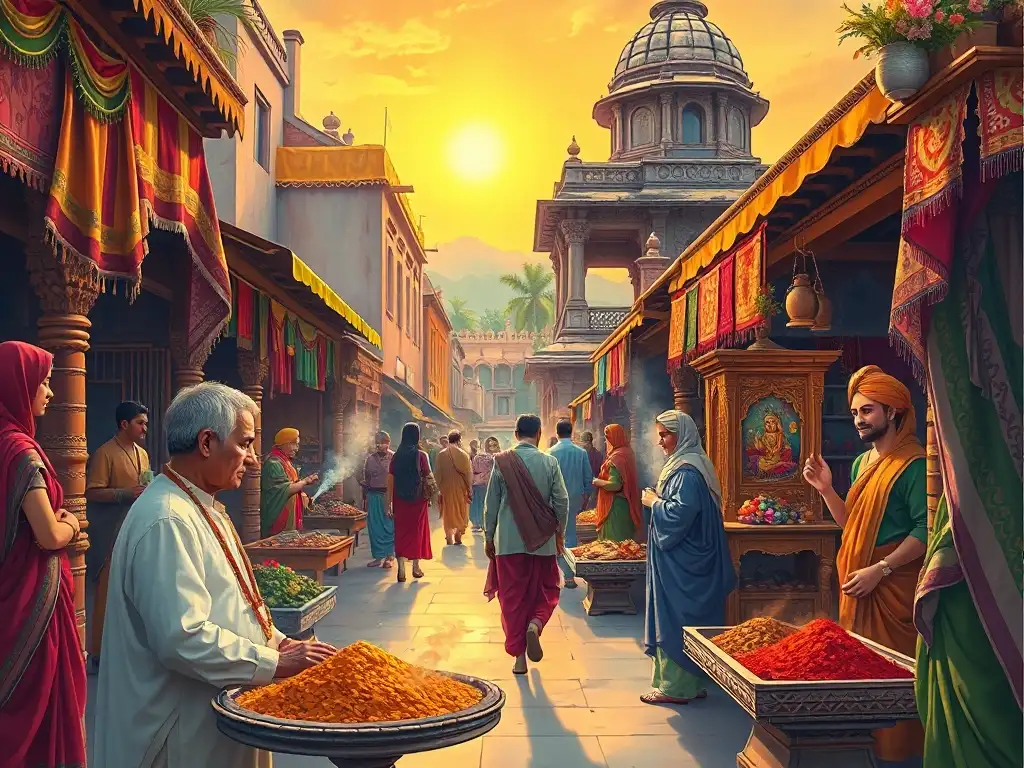
Introduction to Religion and Trade in Ancient India
The intricate tapestry of ancient Indian civilization is woven with threads of religion, culture, and economic dynamics. One of the most significant aspects of this interplay is the relationship between religion and trade in ancient India. As merchants traversed vast landscapes, exchanging goods from distant lands, they carried not only commodities but also their beliefs and values. This exchange fostered a unique environment where religion shaped trade practices, influenced economic policies, and facilitated cultural interactions. Understanding this relationship provides valuable insights into how ancient Indian societies operated and thrived, laying the groundwork for their historical legacy.
Overview of Ancient Indian Trade
Ancient India was a hub of trade, characterized by a diverse range of goods including textiles, spices, precious stones, and metals. Key trade routes connected India with the Mediterranean, Southeast Asia, and beyond, allowing for the influx of various cultural influences. The Indus Valley Civilization (c. 2600–1900 BCE) stands as one of the earliest examples of organized trade, showcasing advanced urban planning and commercial activities.
- Key Trade Centers:
- Taxila: A pivotal center for trade and education.
- Pataliputra: The capital of the Maurya Empire, known for its bustling markets.
- Kanchi: A significant port city that facilitated maritime trade.
Trade was not merely an economic activity; it was also a means of cultural exchange, where ideas, languages, and religions mingled, leading to a vibrant societal evolution.
Importance of Religion in Cultural Exchange
Religion played a crucial role in shaping the interactions between traders and their communities. It influenced:
- Trade Regulations: Many merchants adhered to religious laws that dictated ethical trading practices.
- Cultural Traditions: Festivals and rituals often coincided with trading seasons, fostering community bonds and enhancing trade relations.
- Trust and Relationships: Shared beliefs often facilitated trust among traders from different regions, enabling smoother transactions.
The fusion of religious values with economic practices not only enriched the cultural fabric of ancient India but also established a framework for future trade relationships.
Historical Context of Religion and Trade
The evolution of trade in ancient India cannot be understood without considering the historical context of its major religions. Each faith contributed uniquely to the economic landscape, influencing trade practices and relationships.
Major Religions in Ancient India
- Hinduism:
- Central to the socio-economic life, Hinduism promoted dharma (duty) and ethical trading.
- Festivals like Diwali boosted trade activity, as merchants engaged in commerce to prepare for celebrations.
- Buddhism:
- Emphasized compassion and community, fostering trade networks among monastic communities.
- Buddhist missions often coincided with trade routes, facilitating cultural and religious exchanges.
- Jainism:
- Promoted non-violence and truthfulness, influencing trade ethics.
- Jain merchants were known for their integrity, which established trust in trade relationships.
- Islam:
- With the arrival of Islamic traders, new trade routes emerged, integrating diverse cultural elements.
- Islamic practices emphasized fairness in trade, which further enriched the economic landscape.
By examining the intersections of these religions with trade practices, we can gain a deeper understanding of how ancient Indian civilizations flourished and adapted in the face of evolving economic and cultural dynamics.
Religious Practices and Economic Activities
In ancient India, religion played a pivotal role in shaping various economic activities, including trade. The intertwining of religious practices and commerce manifested in several ways, influencing trade relationships across regions. Merchants often engaged in activities that aligned with their spiritual beliefs, which not only guided their ethical practices in trade but also determined the types of goods they brought to market.
The sacred texts and religious doctrines provided guidelines on acceptable trade practices, promoting fairness and integrity. As such, the economic landscape was heavily influenced by the prevailing religious ideologies of the time, which fostered trust and cooperation among traders and consumers.
Rituals and Their Impact on Trade Relations
Rituals in ancient Indian society were not merely spiritual exercises; they held significant economic implications as well. The performance of various rituals often required specific goods, thus creating demand in local markets. For instance, during ritualistic ceremonies, offerings made to deities could include agricultural products, textiles, or crafted items, which stimulated trade. Additionally, merchants frequently participated in religious rituals to gain favor from the gods, which was believed to ensure prosperity in their trade endeavors. This interaction led to the establishment of trust-based relationships, as merchants who adhered to religious norms were often preferred partners in trade.
Sacred Spaces as Trade Hubs
Sacred spaces, such as temples and pilgrimage sites, evolved into bustling trade hubs in ancient India. These locations attracted not only devotees but also traders looking to capitalize on the influx of visitors. Temples, often adorned with intricate sculptures and art, became centers of commerce where goods were exchanged, and crafts were showcased. The proximity to sacred sites enhanced the perceived value of goods, as items sold near these spaces were associated with divine blessings. Additionally, the regular congregation of pilgrims provided a steady market for various goods, effectively merging religious devotion with economic activity.
Festivals and Their Role in Trade Cycles
Festivals in ancient India served as crucial points in the trade calendar, significantly impacting market dynamics. Major religious festivals attracted large crowds, creating a surge in demand for various commodities, including food, clothing, and decorative items. Merchants capitalized on this seasonal spike by traveling to different regions to sell their goods. The vibrant atmosphere during festivals fostered networking opportunities, enabling traders to establish contacts and expand their trade routes. Moreover, these festivities often included fairs where goods were displayed and exchanged, further solidifying the connection between religion and commerce.
Religion-Driven Trade Networks
Religion not only influenced individual trade practices but also facilitated broader trade networks across ancient India. The shared beliefs and practices among different communities often resulted in the creation of trade associations that transcended geographical boundaries.
Trade Routes Influenced by Religious Pilgrimages
Religious pilgrimages significantly shaped the trade routes of ancient India. Pilgrims traveling to sacred sites such as Varanasi, Kashi, and Rameshwaram often required various goods and services, stimulating local economies along their routes. As these pilgrimage routes became well-established, traders recognized the economic potential and began to set up stalls, inns, and marketplaces to cater to the needs of the travelers. This symbiotic relationship between religion and trade not only facilitated the exchange of goods but also promoted cultural interactions among diverse communities.
The Role of Temples in Trade Activities
Temples were central to the economic framework of ancient Indian society, acting as both religious and commercial centers. Many temples had dedicated marketplaces where traders could sell their wares, often paying a portion of their earnings as offerings to the deity. This system not only supported the temple’s maintenance but also provided a secure environment for trade. Temples often served as banks, where merchants could deposit their earnings, further intertwining religious institutions with economic activities. Moreover, the patronage from wealthy devotees often funded the expansion of trade networks and supported artisans and craftsmen involved in temple construction and decoration.
Merchants and Their Religious Affiliations
Merchants in ancient India frequently identified themselves with particular religious communities, which influenced their trade practices and networks. These affiliations shaped their business ethics, customer relations, and even the geographical focus of their trade. For example, Jain merchants were known for their principles of non-violence and honesty, which guided their interactions with other traders and customers. Such religious affiliations created a sense of community that enabled merchants to collaborate and provide mutual support in their business endeavors, fostering trust and economic stability within their networks.
Case Studies of Religion and Trade in Ancient India
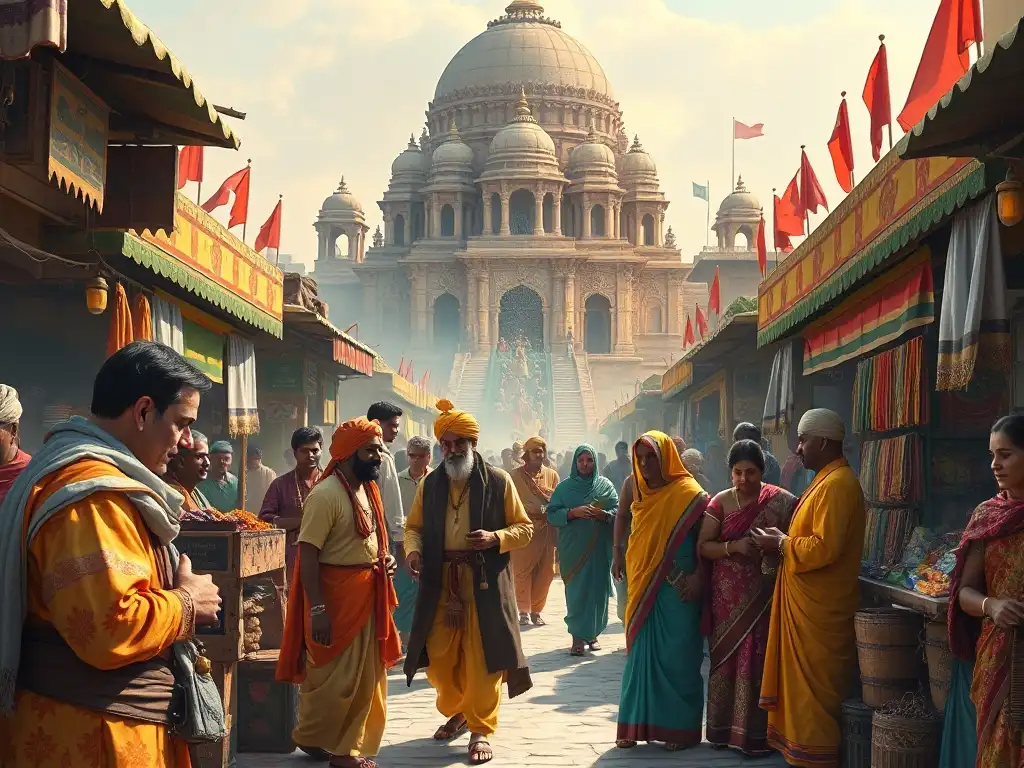
The interplay between religion and trade in ancient India can be observed through various civilizations and periods, each showcasing unique relationships that influenced economic activities. These case studies highlight how spiritual beliefs shaped trade practices, facilitated cross-cultural exchanges, and occasionally led to conflicts that impacted commerce.
The Indus Valley Civilization: Early Trade and Spirituality
The Indus Valley Civilization (approximately 3300–1300 BCE) represents one of the earliest examples of urban trade influenced by spirituality. Major cities like Harappa and Mohenjo-Daro were not only commercial hubs but also places of significant ritualistic importance. The presence of seals depicting animals and deities suggests that spirituality played a role in trade transactions, possibly signifying divine approval or protection over commercial activities.
Trade routes extending to Mesopotamia indicate that religious beliefs may have facilitated diplomatic relationships. Artifacts such as terracotta figurines and pottery reveal that merchants likely engaged in practices that aligned with their spiritual values, potentially incorporating offerings or rituals to ensure successful trade. Additionally, the use of standardized weights and measures reflects an organized approach to commerce, possibly underpinned by a shared cultural and religious framework promoting fairness and trust in trade.
Mauryan Empire: Buddhism’s Influence on Trade Expansion
The Mauryan Empire (322–185 BCE) marked a significant period where Buddhism had a profound impact on trade relationships. Emperor Ashoka, a proponent of Buddhism, established a vast network of trade routes that facilitated economic expansion across the subcontinent and beyond. The spread of Buddhist ideologies encouraged peaceful interactions among diverse communities, fostering an environment conducive to trade.
Buddhist monastic institutions often acted as centers for trade, providing hospitality to travelers and merchants. These monasteries became significant waypoints along trade routes, ensuring safety and support for traders. Furthermore, the promotion of the concept of Dharma emphasized ethical conduct, which may have reinforced trust and cooperation in commercial dealings. As a result, trade flourished, connecting various regions and cultures, and enhancing economic prosperity during this era.
Gupta Period: The Intersection of Hinduism and Commerce
The Gupta Period (approximately 240–550 CE) is often regarded as a golden age in ancient India, characterized by significant developments in arts, science, and trade. During this time, Hinduism played a crucial role in shaping economic relationships. Temples, which served as both religious and economic centers, facilitated trade activities by providing a space for merchants to gather and conduct business.
The economy was bolstered by the establishment of guilds, which were often linked to religious affiliations. These guilds managed trade practices and ensured adherence to religious and ethical standards, impacting trade dynamics. The flourishing trade in textiles, spices, and precious metals during the Gupta Period was not just an economic endeavor but also a reflection of the cultural and religious identity that shaped commercial practices. The integration of trade and religion during this time illustrates how spiritual beliefs could enhance economic relationships and promote mutual respect among diverse communities.
Challenges and Conflicts in Religion and Trade
While religion often facilitated trade in ancient India, it also posed challenges and conflicts that could disrupt economic relationships. Various factors, including religious disputes and differing beliefs, influenced trade routes and practices, leading to tensions that affected commercial activities.
Religious Disputes Affecting Trade Routes
Religious disputes have historically impacted trade routes in ancient India. For example, during the rise of Jainism and Buddhism, conflicts arose with traditional Hindu practices, leading to disruptions in trade networks. Regions with strong religious identities sometimes imposed restrictions on trade with communities of differing beliefs, which could hinder the movement of goods and create economic isolation.
In certain instances, invasions or conquests by groups with differing religious ideologies resulted in the reconfiguration of trade routes. The decline of the Mauryan Empire saw increased conflicts that disrupted established trade networks, while the rise of new powers often led to the establishment of alternative routes based on political and religious affiliations. These disputes underscored the fragility of trade relationships when intertwined with religious conflicts.
Economic Policies Influenced by Religious Beliefs
Economic policies in ancient India were frequently shaped by prevailing religious beliefs. Rulers often enacted laws that reflected their religious ideologies, influencing trade practices. For instance, the promotion of vegetarianism among certain communities led to restrictions on the trade of meat products, thus affecting local economies reliant on livestock.
Moreover, the patronage of specific religious institutions by rulers could create economic inequalities. Temples that received state support flourished, while smaller shrines or competing religious groups struggled for resources and trade opportunities. As a result, economic policies driven by religious beliefs could create imbalances, affecting the overall commerce landscape and leading to tensions among various communities.
The intricate relationship between religion and trade in ancient India reveals the complexity of their interactions, highlighting both synergies and conflicts that shaped the economy of the time.
Conclusion: The Lasting Impact of Religion on Trade in Ancient India
The intertwining of religion and trade in ancient India significantly shaped the economic, cultural, and social landscapes of the civilization. Religious beliefs not only influenced trade practices but also facilitated the establishment of trade networks that spanned vast regions. The sacred texts, rituals, and festivals often dictated the timing and nature of trading activities, embedding commerce within a larger spiritual framework. Merchants relied on religious principles to guide their dealings, ensuring ethical practices that fostered trust and long-term relationships.
The impact of religion on trade in ancient India is evident in various aspects, from the establishment of trade routes to the formation of trading communities. Temples often served as both religious and commercial hubs, where goods were exchanged, and transactions were conducted under the watchful eyes of deities. This dual role reinforced the idea that commerce was not merely an economic endeavor but a divine activity, blessed by the gods.
Summary of Key Points
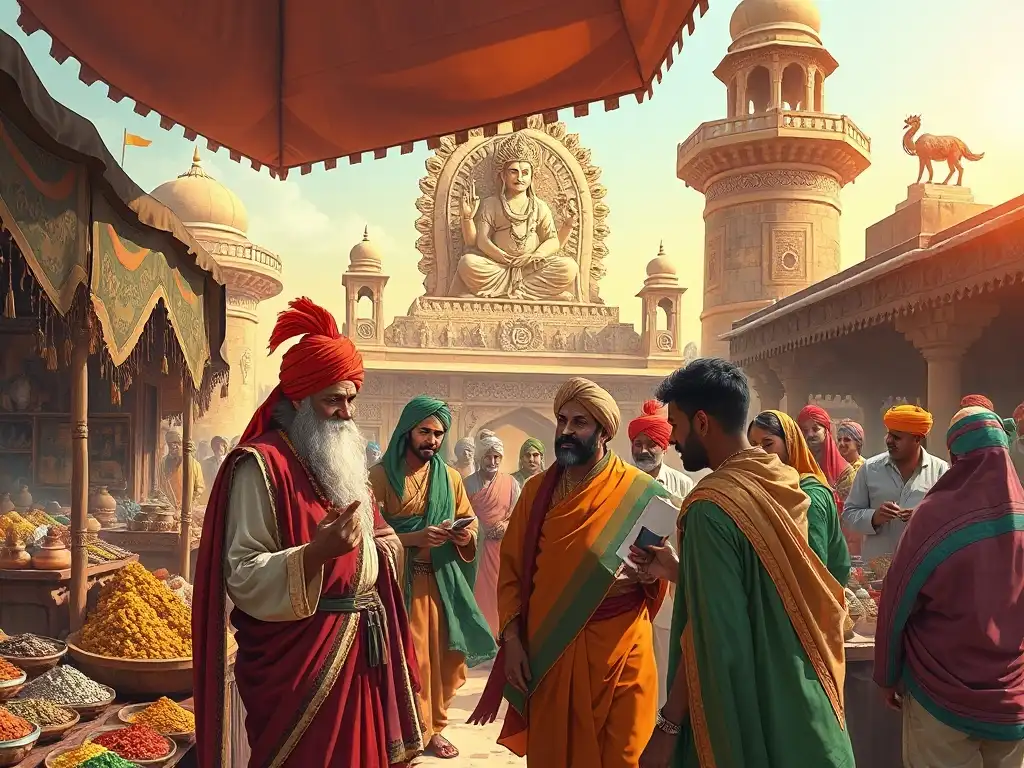
- Religious Influence on Trade Practices: The beliefs and rituals of various religions shaped the ethical standards and practices of trade among merchants.
- Establishment of Trade Networks: Religion facilitated connections between traders from different regions, creating a complex web of relationships that extended beyond geographical boundaries.
- Role of Temples: Temples acted as significant centers for trade, providing spaces where commerce and spirituality coexisted.
- Ethical Trading: Religious tenets encouraged honest dealings and fostered trust, essential for successful trade relationships.
Reflection on the Legacy of Religion and Trade in Ancient Indian Civilization
The legacy of religion and trade in ancient India continues to resonate in contemporary society. The principles established during this period laid the foundation for modern trade ethics, emphasizing transparency, integrity, and community support. Furthermore, the cultural exchanges that arose from trade fostered a rich tapestry of diversity, influencing art, literature, and social practices.
As a result, the historical interplay between religion and trade has contributed to the enduring identity of India as a land of rich cultural and commercial heritage. Understanding this dynamic relationship not only enriches our comprehension of ancient Indian civilization but also offers valuable insights into the role of spirituality in modern economic interactions.
Further Reading on Religion and Trade in Ancient India
Recommended Books and Articles
- "Trade and Traders in Ancient India" by S. R. Sharma: This book provides an in-depth analysis of the trade practices and the role of religion in shaping them during ancient times.
- "The Economic History of India: From the First to the Twentieth Century" by Romesh Chunder Dutt: A comprehensive resource that discusses the evolution of trade and its religious dimensions throughout Indian history.
- "Religion and Economy in Ancient India" by Surendra Kumar: This article explores the intricate relationship between religious beliefs and economic activities in ancient Indian societies.
Related Topics in Ancient Indian History
- The Role of Guilds in Ancient Indian Trade: Examines the importance of merchant guilds and their influence on commerce and community life.
- Cultural Exchanges along the Silk Road: Discusses how trade routes facilitated not only the exchange of goods but also ideas and religious beliefs across cultures.
- The Influence of Buddhism on Trade in Ancient India: Investigates how the spread of Buddhism affected trade practices and relationships with other civilizations.
- Introduction to Religion and Trade in Ancient India
- Historical Context of Religion and Trade
- Religious Practices and Economic Activities
- Religion-Driven Trade Networks
- Case Studies of Religion and Trade in Ancient India
- Challenges and Conflicts in Religion and Trade
- Conclusion: The Lasting Impact of Religion on Trade in Ancient India
- Summary of Key Points
- Reflection on the Legacy of Religion and Trade in Ancient Indian Civilization
- Further Reading on Religion and Trade in Ancient India
- What role did religion play in trade relationships in ancient India?
- How did religious practices affect trade routes in ancient India?
- Which ancient Indian religions were most influential in trade?
- Did trade affect the spread of religion in ancient India?
- How did ancient Indian civilizations integrate trade and religion?
Frequently Asked Questions
What role did religion play in trade relationships in ancient India?
Religion significantly influenced trade by establishing trust and cultural connections among traders, fostering a sense of community and shared values.
How did religious practices affect trade routes in ancient India?
Pilgrimages and religious festivals often dictated the flow of trade routes, as merchants traveled to sacred sites, boosting local economies and cultural exchange.
Which ancient Indian religions were most influential in trade?
Hinduism, Buddhism, and Jainism shaped trade practices, as they emphasized ethical behavior in business and promoted a sense of duty toward community welfare.
Did trade affect the spread of religion in ancient India?
Yes, trade routes facilitated the spread of religious ideas, allowing for the exchange of philosophies and beliefs, which contributed to the growth of religions like Buddhism beyond India.
How did ancient Indian civilizations integrate trade and religion?
Ancient Indian civilizations often combined trade with religious activities, using temples and markets as centers for both commerce and spiritual gatherings, enhancing their socio-economic landscape.
Final Reflection: The Interwoven Tapestry of Religion and Trade in Ancient India
The intricate relationship between religion and trade in ancient India continues to resonate in today's global economy. As we explore the historical significance of these connections, it becomes evident that the values and beliefs that shaped trade practices then still influence modern commerce. The understanding of how religion guided trade relationships not only provides insight into ancient societies but also highlights the enduring impact of cultural values on economic interactions.
Culture and commerce have always been intertwined, and the legacy of ancient India's trade practices serves as a testament to this enduring relationship. The principles derived from religious teachings fostered trust and cooperation among traders, creating a foundation for economic prosperity. As Mahatma Gandhi once said, "> The best way to find yourself is to lose yourself in the service of others." This sentiment echoes the essence of trade in ancient India, where mutual respect and ethical considerations were paramount, shaping a vibrant marketplace that thrived on shared values.
As we reflect on the lessons from ancient India, let us consider how these principles can be applied in our contemporary lives. Embrace the idea that trade is not merely a transaction but a relationship built on trust, respect, and shared values. In a world increasingly driven by profit, we must strive to cultivate connections that honor the spirit of cooperation and understanding. Take a moment to reflect on how you can incorporate these timeless lessons into your own interactions, fostering a more harmonious and ethical approach to trade in your community and beyond.
Illuminate Your Understanding of Ancient Trade Dynamics!
Thank you for exploring the fascinating interplay between religion and trade in Ancient India! You've delved into how spirituality influenced commerce and shaped relationships across cultures, highlighting a vital aspect of history. Now, it's time to take the insights you've gained and put them into action!
- Join a local discussion group or online forum focused on historical trade practices. Share your insights and exchange views with fellow enthusiasts!
- Research a related topic—such as the significance of trade routes in cultural exchange—and write a brief article or blog post on your findings.
- Explore artifacts from Ancient Indian trade at a nearby museum, and consider sharing your experience on social media to inspire others!
As you reflect on the profound connections between religion and trade in Ancient India, ask yourself: How can the lessons from ancient trade relationships influence our understanding of modern commerce today?