
Exploring the Richness of Ancient Indian Lyricism: From Bhakti to Shringara

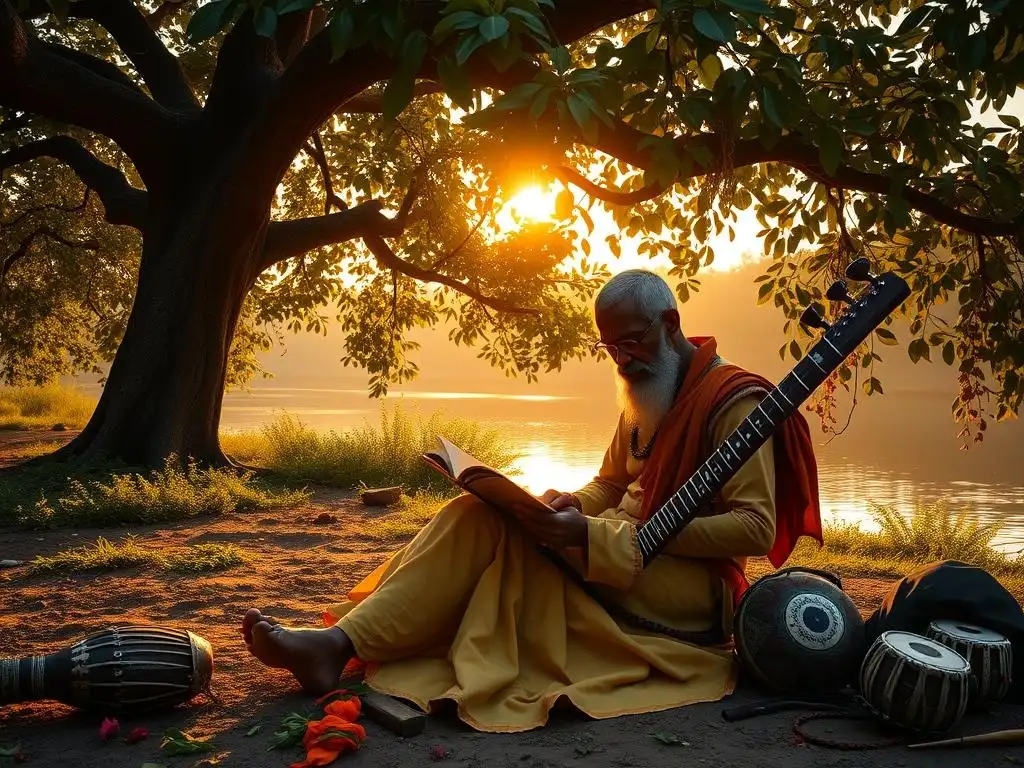
Welcome to Ancient India History, where we invite you to embark on a captivating journey through the vibrant tapestry of ancient Indian civilizations. In this exploration, we delve into the enchanting world of Ancient Indian lyricism and culture, illuminating how expressions of love, devotion, and artistry flourished from the evocative Bhakti movement to the intricate nuances of Shringara. As you immerse yourself in our featured article, "Exploring the Richness of Ancient Indian Lyricism: From Bhakti to Shringara," prepare to discover the profound contributions that shaped not only literature but the very essence of Indian identity.
Curious about how these lyrical traditions intertwine with the broader narrative of ancient history? Dive in and uncover the treasures waiting for you!
Introduction to Ancient Indian Lyricism and Culture
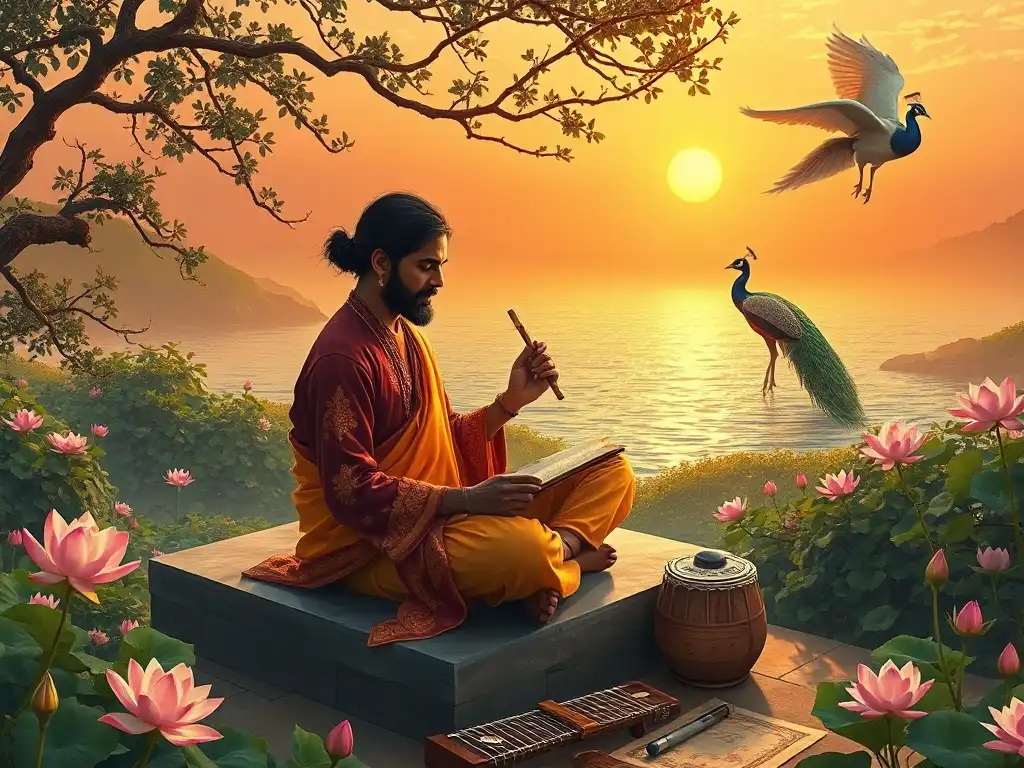
Ancient Indian lyricism stands as a testament to the profound and multifaceted cultural heritage of India, reflecting the spiritual, emotional, and intellectual spirit of its time. From the devotional fervor of Bhakti poetry to the romantic expressions found in Shringara, this rich literary tradition encapsulates the diverse experiences and beliefs of ancient Indian civilizations.
Lyricism was not merely an artistic endeavor; it served as a medium for personal expression, social commentary, and spiritual exploration. As we delve into the realms of ancient Indian lyricism and culture, we uncover the intricacies and the significance of this vibrant literary form in shaping the cultural identity of India.
Understanding Ancient Indian Lyricism
Ancient Indian lyricism is characterized by its various styles and themes, often interwoven with philosophical concepts and religious sentiments. Unlike epic poetry that focuses on grand narratives and heroic deeds, lyric poetry emphasizes personal emotions, intimate feelings, and individual experiences. The themes prevalent in ancient Indian lyricism include:
- Devotion: Expressions of love and surrender to deities, often found in Bhakti poetry.
- Beauty: Celebrations of love and aesthetics, central to Shringara, the poetic representation of romantic love.
- Nature: Vivid imagery that draws inspiration from the natural world, reflecting the interconnectedness of humanity and nature.
The lyrical form, with its emphasis on metaphor and imagery, allowed poets to convey profound truths and evoke deep emotions, making it a significant aspect of India's literary landscape.
The Significance of Lyricism in Ancient Indian Culture
Lyricism played a crucial role in ancient Indian culture by fostering a sense of community and shared identity. It provided a voice to various social classes, allowing individuals to express their thoughts and feelings in a poetic format. The significance of ancient Indian lyricism can be understood through several key contributions:
- Cultural Transmission: Lyric poetry served as a means of preserving and transmitting cultural values, beliefs, and traditions across generations.
- Spiritual Awakening: The devotional aspect of lyricism encouraged spiritual exploration and personal connection with the divine, influencing the religious landscape of ancient India.
- Social Commentary: Poets often used their craft to comment on social issues, challenges, and the human condition, thus promoting introspection and societal reflection.
Historical Context of Ancient Indian Lyricism
To fully appreciate the richness of ancient Indian lyricism, it is essential to understand its historical context. The evolution of poetry in ancient India parallels the cultural, social, and political developments of the time.
The Evolution of Poetry in Ancient India
The roots of Indian lyricism can be traced back to the Vedic period, where hymns and prayers laid the foundation for subsequent poetic forms. Over time, various styles emerged, including:
- Sanskrit Poetry: Flourishing during the classical period, characterized by its intricate structure and elevated themes.
- Prakrit Poetry: Emerging alongside Sanskrit, reflecting regional dialects and cultural diversity.
This evolution highlights how ancient Indian lyricism adapted and transformed in response to changing societal norms and values, paving the way for distinctive poetic movements.
Influential Periods of Lyricism: From Vedic Times to Gupta Era
Ancient Indian lyricism witnessed several influential periods that shaped its trajectory:
- Vedic Period: The earliest form of lyricism, focusing on religious hymns and philosophical inquiries.
- Post-Vedic Period: The development of Buddhist and Jain poetry, reflecting emerging philosophical ideas.
- Classical Period: The Gupta Empire marked a zenith in artistic expression, where poets like Kalidasa elevated lyricism to new heights with works that explored love, beauty, and nature.
Understanding these periods allows us to appreciate the depth and breadth of ancient Indian lyricism and its enduring impact on the literary traditions of India.
Key Themes in Ancient Indian Lyricism
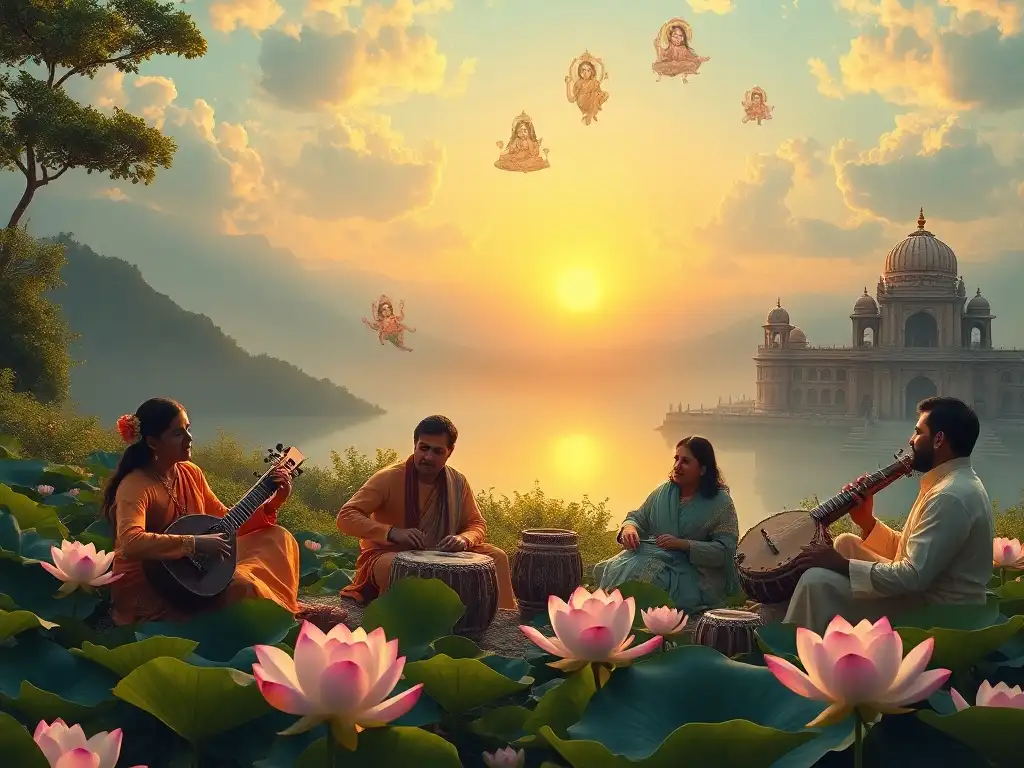
Ancient Indian lyricism is a vibrant tapestry woven with a multitude of themes that reflect the cultural, spiritual, and emotional landscape of the time. Among these, two of the most prominent themes are Bhakti and Shringara, which serve as cornerstones of the lyrical tradition.
The Bhakti movement emphasized devotion and personal connection to the divine, inspiring countless poets and saints to express their fervent love and longing for God. This theme is characterized by its passionate outpouring of emotion, often transcending social and caste barriers, uniting various communities in shared spiritual experiences.
In contrast, Shringara, or the aesthetic representation of love, captures the essence of romantic affection and beauty. This theme celebrates the joy and pain of love, exploring its many facets from longing to fulfillment. The use of metaphors and vivid imagery in Shringara poetry creates a rich sensory experience, inviting readers to immerse themselves in the emotions conveyed through the verses.
Bhakti: The Devotional Aspect of Ancient Indian Poetry
The Bhakti movement emerged as a significant spiritual force in ancient India, particularly from the 7th century CE onwards. Rooted in personal devotion, Bhakti poetry emphasizes a direct relationship between the devotee and the divine, often eschewing the rigid rituals of established religious practices.
Notable figures such as Mirabai, Kabir, and Tulsidas composed poems that resonate with deep emotional sincerity. Their verses often reflect themes of surrender, love, and longing for God, portraying the divine not as a distant entity but as an intimate presence in their lives.
The stylistic elements of Bhakti poetry include:
- Repetitive structures: Enhancing the lyrical quality and emotional intensity.
- Simple language: Making the poetry accessible to the masses, regardless of their social status or education.
- Use of local dialects: This made the verses relatable and resonant within various communities.
Through these poetic expressions, the Bhakti movement significantly influenced the cultural and spiritual fabric of ancient India, laying the groundwork for future explorations of devotion in literature.
Shringara: The Aesthetic Representation of Love
Shringara, or the aesthetic representation of love, is one of the most celebrated themes in ancient Indian poetry. This genre encompasses a wide range of emotions associated with romantic relationships, from the initial spark of attraction to the complexities of love and separation.
Shringara poetry often employs intricate metaphors and imagery derived from nature to convey feelings of love. For instance, poets liken the beloved's beauty to blooming flowers, gentle breezes, or the moonlit sky, creating vivid mental pictures that enhance the emotional experience.
Key characteristics of Shringara poetry include:
- Imagery and symbolism: Using natural elements to evoke emotions.
- Exploration of dualities: Highlighting the contrasts between joy and sorrow in love.
- Celebration of beauty: Focusing on physical and inner beauty, often elevating the beloved to an almost divine status.
The Shringara theme not only captivates readers with its emotional depth but also offers insights into the cultural values and social norms surrounding love and relationships in ancient Indian society.
Forms and Styles of Ancient Indian Lyricism
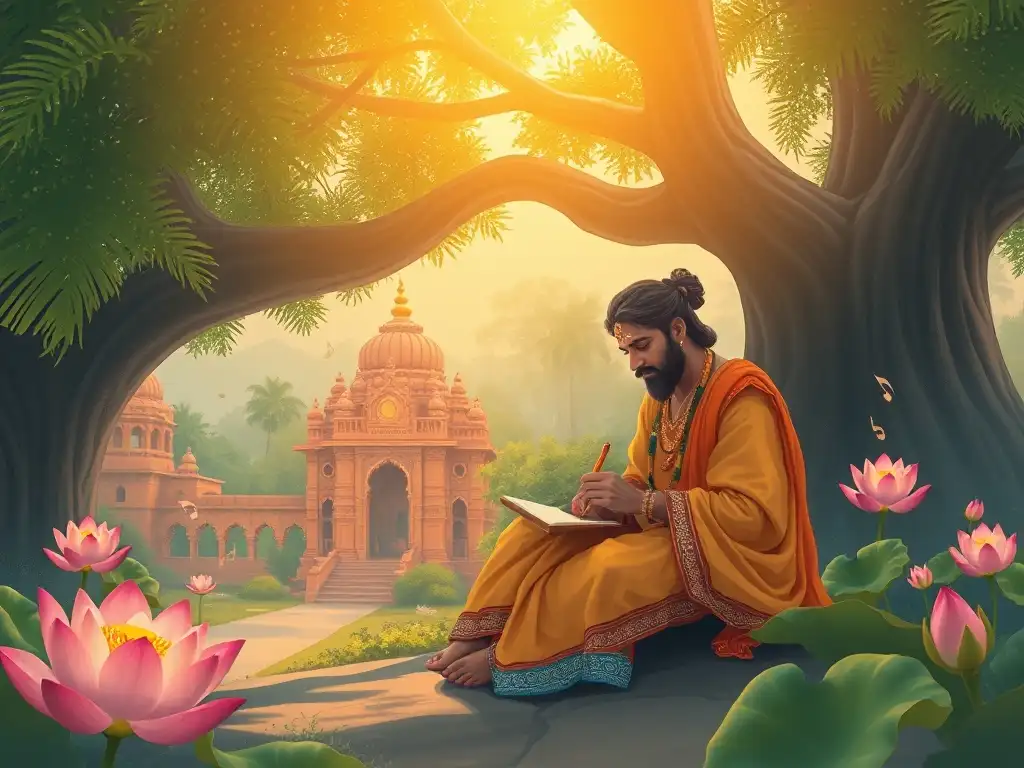
Ancient Indian lyricism is distinguished by its diverse forms and styles, reflecting the rich literary heritage of the region. Various poetic forms emerged over time, each with unique characteristics that contributed to the evolution of lyricism.
Exploration of Classical Poetic Forms
The lyricism of ancient India includes several classical forms, such as Ghazal, Sanskrit Shlokas, and Bhajans. Each form carries its own set of rules governing meter, rhyme, and structure.
- Ghazal: A lyrical form that expresses themes of love and loss, often characterized by its couplet structure and refrain.
- Sanskrit Shlokas: Verses that combine poetic elegance with philosophical depth, frequently utilized in religious and philosophical texts.
- Bhajans: Devotional songs that celebrate the divine, typically sung in a community setting, embodying the essence of the Bhakti movement.
These forms showcase the versatility and richness of ancient Indian lyricism, allowing poets to convey complex emotions and ideas succinctly.
Comparison of Lyricism Across Different Regions
Lyricism in ancient India was not uniform; it varied significantly across different regions, influenced by local cultures, languages, and traditions.
For instance, Tamil poetry from the Sangam period is known for its intricate use of metaphors and emotional depth, while Hindi lyricism often emphasizes the nuances of love and devotion, especially within the context of the Bhakti movement.
Moreover, regional dialects played a crucial role in shaping the lyrical styles. In the north, poetic forms like Dhrupad and Thumri emerged, while in the south, Carnatic music incorporated lyrical compositions that conveyed spiritual themes.
By examining these regional differences, we gain insight into how local cultures influenced the expression of ancient Indian lyricism, contributing to a rich and diverse literary landscape that continues to inspire modern poets and writers.
The Influence of Ancient Indian Lyricism on Modern Culture
Ancient Indian lyricism has left an indelible mark on modern culture, influencing various art forms, music, and literature. The poetic expressions found in texts such as the Bhagavad Gita and Sanskrit dramas resonate through contemporary works, bridging the past with the present. This influence is particularly evident in the themes of love, devotion, and nature, which continue to inspire poets, songwriters, and artists today. The lyrical beauty of ancient verses often serves as a foundation for new compositions, reflecting the spiritual and emotional depth that characterizes Indian culture.
Moreover, the lyrical styles of the Bhakti movement, which emphasized personal devotion and emotional connection to the divine, have transformed how modern artists express spirituality and identity. This movement's emphasis on vernacular languages made poetry accessible to the common people, a trend that persists in contemporary Indian literature. As a result, modern lyricists and poets often draw on the rich traditions of ancient Indian lyricism to articulate their thoughts and feelings, thereby ensuring the continuity of these profound themes in today's cultural landscape.
Continuity of Themes in Contemporary Indian Poetry
Contemporary Indian poetry frequently revisits themes found in ancient lyricism, showcasing a remarkable continuity that reflects the cultural ethos of India. Love, devotion, nature, and the quest for identity are central themes that have persisted over centuries. For instance, modern poets like Gulzar and Kamala Das explore complex emotions through vivid imagery and lyrical finesse reminiscent of ancient works.
Additionally, the exploration of spirituality and the divine in contemporary poetry can be traced back to the Bhakti poets, who emphasized a personal connection with God. This ongoing dialogue between ancient and modern poets illustrates how traditional themes continue to resonate with contemporary audiences, reinforcing the cultural fabric of India. The exploration of these enduring themes is not only a testament to the richness of ancient Indian lyricism but also a reflection of the evolving nature of Indian identity in a globalized world.
The Legacy of Ancient Indian Lyricism in Modern Literature
The legacy of ancient Indian lyricism is profoundly embedded in modern literature, serving as a source of inspiration for writers across genres. The lyrical quality of ancient texts has influenced narrative styles, character development, and thematic explorations in contemporary prose and poetry. Notably, the incorporation of metaphysical and philosophical elements from ancient works into modern storytelling has enriched the literary landscape, allowing for a deeper exploration of human experience.
Furthermore, the resurgence of interest in regional languages and dialects can be traced back to the lyrical traditions of ancient India, which celebrated linguistic diversity. Writers such as R. Parthasarathy and A.K. Ramanujan have bridged ancient forms with modern literary expressions, creating a dialogue that honors the past while innovating for the future. This legacy underscores the importance of ancient Indian lyricism in shaping not only literary forms but also the broader cultural narrative of India.
Conclusion: The Enduring Richness of Ancient Indian Lyricism and Culture
The exploration of ancient Indian lyricism reveals a rich tapestry of emotional depth, spiritual inquiry, and artistic expression that continues to influence contemporary culture. The themes, styles, and philosophies inherent in ancient poetry resonate powerfully in modern literature, music, and art. As we delve deeper into the nuances of this rich heritage, it becomes clear that ancient Indian lyricism is not merely a relic of the past; it is a living tradition that informs and inspires.
Reflections on the Importance of Preserving Ancient Lyricism
Preserving ancient Indian lyricism is crucial for maintaining cultural identity and continuity. These lyrical traditions offer insights into the socio-cultural and historical contexts of ancient civilizations, enriching our understanding of human experience. By safeguarding these works, we not only honor the legacy of our ancestors but also provide future generations with a framework to explore their own identities and expressions. Efforts to preserve ancient texts, promote regional languages, and revive traditional art forms are essential in ensuring that the richness of this heritage endures.
Future Directions for the Study of Ancient Indian Poetry and Culture
The study of ancient Indian poetry and culture is poised for exciting developments as scholars and enthusiasts continue to explore its depths. Future research could focus on comparative studies that examine the influence of ancient Indian lyricism on other literary traditions worldwide. Additionally, interdisciplinary approaches that incorporate insights from history, philosophy, and sociology can provide a more nuanced understanding of these texts.
Moreover, the integration of technology in the study and dissemination of ancient works offers new avenues for engagement. Digital archives, interactive platforms, and online courses can make ancient Indian lyricism accessible to a broader audience, fostering a renewed appreciation for its cultural significance. By embracing these future directions, we can ensure that the legacy of ancient Indian lyricism remains vibrant and relevant in an ever-changing world.
- Introduction to Ancient Indian Lyricism and Culture
- Understanding Ancient Indian Lyricism
- Historical Context of Ancient Indian Lyricism
- Key Themes in Ancient Indian Lyricism
- Bhakti: The Devotional Aspect of Ancient Indian Poetry
- Shringara: The Aesthetic Representation of Love
- Forms and Styles of Ancient Indian Lyricism
- The Influence of Ancient Indian Lyricism on Modern Culture
- Conclusion: The Enduring Richness of Ancient Indian Lyricism and Culture
Frequently Asked Questions
What is Ancient Indian lyricism?
Ancient Indian lyricism refers to the poetic expressions that reflect the rich emotions, philosophies, and cultural themes of ancient Indian society, particularly during the Bhakti and Shringara movements.
How did the Bhakti movement influence Indian culture?
The Bhakti movement emphasized devotion and personal connection with the divine, leading to a surge in lyrical poetry that conveyed deep spiritual feelings and helped shape the cultural landscape of India.
What role did Shringara play in ancient Indian literature?
Shringara, or the erotic sentiment, was a key theme in ancient Indian literature and art, celebrating love and beauty, and showcasing the depth of human emotions in poetry and performing arts.
How can we see the influence of ancient Indian lyricism today?
The impact of ancient Indian lyricism is evident in modern literature, music, and dance, where themes of devotion, love, and beauty continue to inspire contemporary artists and poets.
What were some key contributions of ancient Indian civilizations to lyricism?
Ancient Indian civilizations contributed significantly through poetic forms like Sanskrit drama and Vaishnava poetry, enriching the lyrical tradition with diverse expressions that resonate with spirituality and cultural identity.
Final Reflection: Embracing the Depths of Ancient Indian Lyricism
The exploration of ancient Indian lyricism is not merely a journey into the past; it is a vibrant tapestry that continues to resonate in today's cultural landscape. As we delve into the realms of Bhakti and Shringara, we uncover the profound emotional and spiritual connections that these lyrical expressions foster, reminding us of the timelessness of human experience. The beauty of ancient Indian lyricism lies in its ability to transcend time, inviting us to reflect on our own lives and the emotions that bind us together.
The influence of ancient Indian lyricism on contemporary culture is undeniable, as it shapes our understanding of love, devotion, and the complexities of the human heart. These lyrical traditions have woven themselves into the fabric of modern art, music, and literature, encouraging us to explore our own identities and relationships. As poet Rumi once said, The wound is the place where the Light enters you.
This sentiment echoes the essence of Bhakti and Shringara, reminding us that our vulnerabilities can lead to profound insights and connections, both with ourselves and with others.
As we conclude this exploration, I invite you to reflect on the lessons embedded within ancient Indian lyricism and consider how they can enrich your own life. Take a moment to embrace the emotions that these timeless verses evoke, allowing them to inspire your journey of self-discovery and connection. Let the beauty of Bhakti and Shringara guide you in expressing your own feelings and experiences, fostering a deeper appreciation for the richness of culture and the shared human experience that unites us all.
Unveil the Beauty of Ancient Indian Lyricism!
Thank you for diving into the enchanting world of ancient Indian lyricism with us! You've gained insights into the profound themes of **devotion** and **romance** that have shaped India’s literary heritage. Now, it’s time to put that knowledge into action!
Here are a few steps you can take to deepen your understanding and appreciation of this rich tradition:
- Explore a collection of classic devotional and romantic poems – visit a local library or browse an online archive to discover hidden gems!
- Share your favorite lines or inspirations from these works with friends or on social media to spread the beauty of these expressions.
- Consider joining a community workshop or discussion group focused on Indian literature to engage with others who share your passion.
What modern themes do you think these ancient lyrics resonate with today? Share your thoughts below!