
Jain Art: The Aesthetic Expression of Spiritual Beliefs in Ancient India

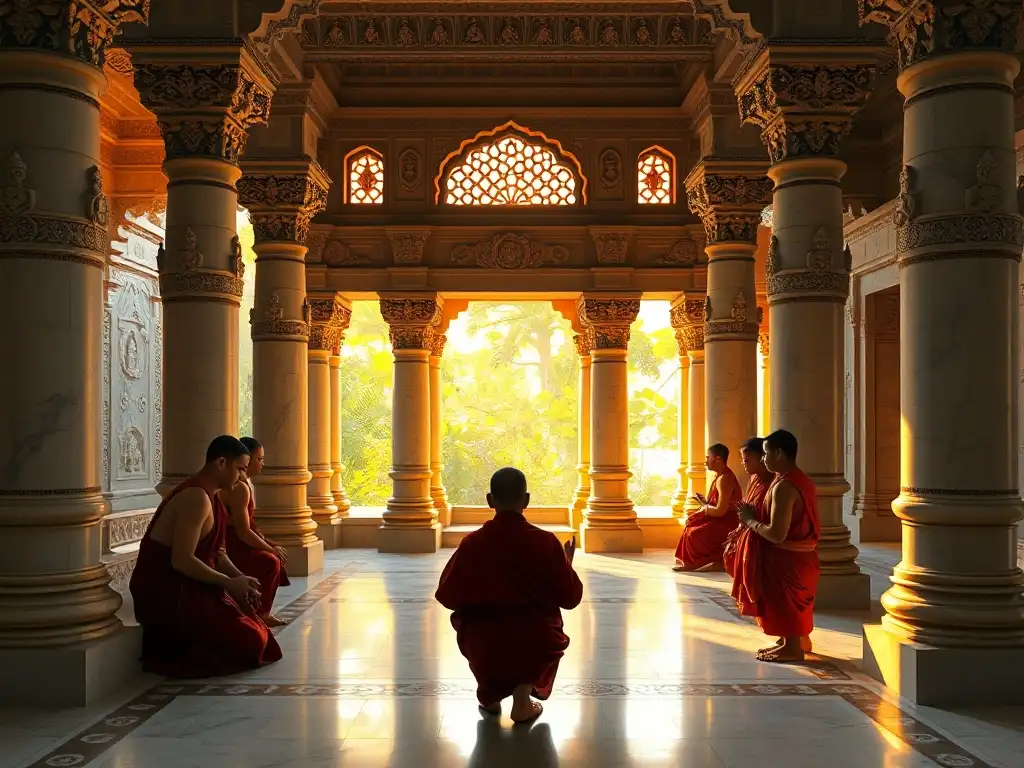
Welcome to Ancient India History, where we embark on a fascinating journey through the vibrant tapestry of ancient Indian civilizations. Dive into our featured article on Jain Art: The Aesthetic Expression of Spiritual Beliefs in Ancient India, and discover how this unique form of artistic expression reflects the profound spiritual values and cultural richness of Jainism.
From the intricate carvings of the Indus Valley to the exquisite sculptures of the Gupta Empire, the legacy of Jain art invites you to explore its significance and beauty. Prepare to be captivated by the stories behind these masterpieces and the ideologies they embody—your adventure into the depths of ancient Indian religions begins now!
- Introduction to Jain Art in Ancient India
- Historical Context of Jain Art
- Characteristics of Jain Art in Ancient India
- Prominent Examples of Jain Art
- The Aesthetic Expression of Spiritual Beliefs
- Influence of Jain Art on Other Artistic Traditions
- Preservation and Legacy of Jain Art in Ancient India
- Conclusion: The Importance of Jain Art in Understanding Ancient Indian Culture
- Frequently Asked Questions
- Final Reflection: The Enduring Legacy of Jain Art in Ancient India
- Unveil Your Inner Artist through Jain Spirituality!
Introduction to Jain Art in Ancient India
Jain art in ancient India represents a unique and profound aesthetic expression deeply intertwined with the spiritual beliefs and principles of Jainism. Emerging from the rich cultural tapestry of Indian civilization, Jain art not only reflects the religious tenets of non-violence, truth, and asceticism but also serves as a visual narrative of the Jain community’s historical journey.
This art form encompasses a diverse range of mediums, including sculpture, painting, and architecture, showcasing intricate craftsmanship and profound symbolism that resonate with the essence of Jain philosophy. As we delve into the intricacies of Jain art, we will uncover its definition, significance, and the profound influence of Jainism on artistic expression throughout ancient India.
Definition and Significance of Jain Art
Jain art can be defined as the artistic creations that are inspired by the teachings and beliefs of Jainism, a religion that promotes non-violence, truth, and spiritual liberation. This art form is characterized by its meticulous detail, vibrant colors, and symbolic representation, reflecting the core values of Jain philosophy. The significance of Jain art lies not only in its aesthetic appeal but also in its role as a medium for spiritual instruction and community identity.
- Symbolism: Jain art often incorporates symbols such as the swastika, the hand with a wheel (representing ahimsa), and the lotus, each carrying profound philosophical meanings.
- Historical Context: The evolution of Jain art can be traced back to the early centuries CE, with notable developments during the Maurya and Gupta periods, where it flourished in various regions, particularly in Gujarat and Rajasthan.
- Cultural Impact: Jain art has significantly influenced the broader landscape of Indian art, contributing to the development of various styles and techniques that have enriched India's artistic heritage.
Overview of Jainism and Its Influence on Art
Jainism, one of the oldest religions in India, emphasizes the path of spiritual purity and enlightenment through practices of non-violence and self-discipline. Founded around the 6th century BCE, Jainism has profoundly shaped the cultural and philosophical landscape of ancient India. The influence of Jainism on art is evident in several ways:
- Artistic Themes: Many artworks depict the Tirthankaras, revered spiritual teachers in Jainism, showcasing their teachings and lives. These representations serve as both objects of worship and educational tools for followers.
- Architectural Contributions: The construction of intricate temples, such as the famous Dilwara Temples in Rajasthan, exemplifies the architectural brilliance inspired by Jain beliefs. These temples are adorned with exquisite marble carvings and elaborate sculptures that narrate Jain legends and principles.
- Literary Integration: Jain art often integrates with Jain literature, where visual representations complement textual teachings, creating a holistic spiritual experience for practitioners.
As we explore the depths of Jain art in ancient India, we will uncover how this artistic expression not only embodies the essence of Jainism but also serves as a testament to the rich cultural heritage of ancient Indian civilizations.
Historical Context of Jain Art
The Origins of Jain Art in Ancient India
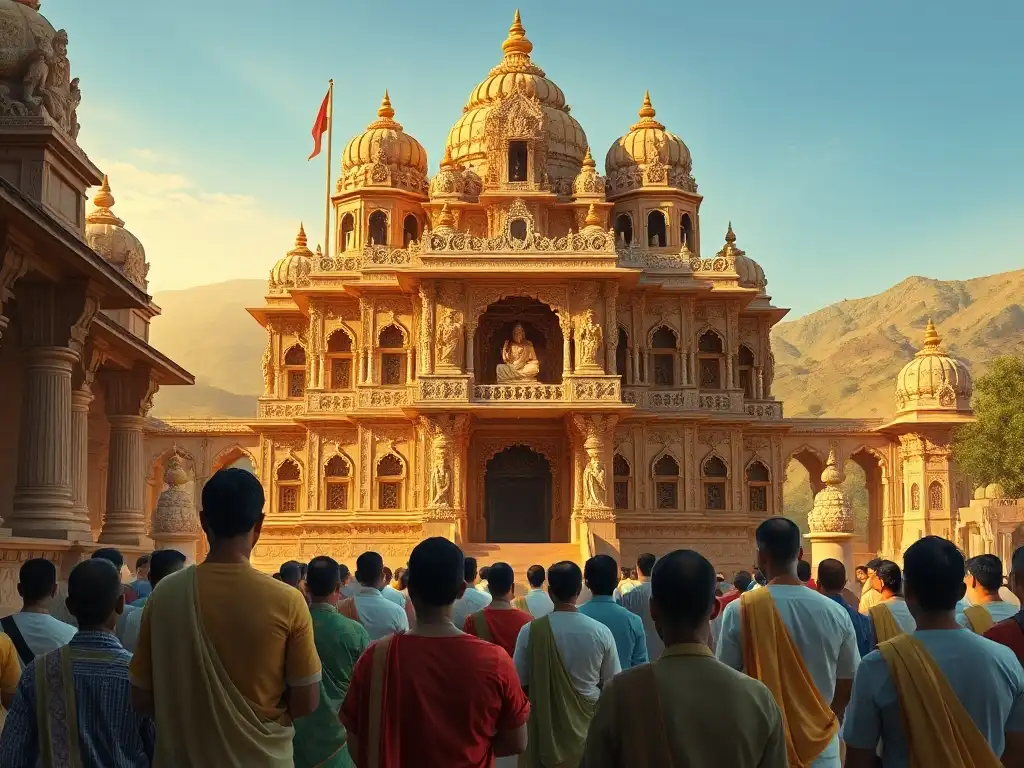
Jain art in ancient India can trace its origins back to the early centuries of the Common Era, closely intertwined with the development of Jain philosophy and religious practices. Emerging during a time when various spiritual and philosophical movements were flourishing, Jainism carved a distinct identity marked by its emphasis on non-violence (ahimsa), truth (satya), and asceticism.
The earliest manifestations of Jain art can be seen in the cave complexes and stupas that were created to honor Tirthankaras, revered spiritual teachers in Jainism. The most notable of these early sites is the Uparkot Caves in Gujarat, dating back to the 1st century CE, which showcase intricate carvings and sculptures reflective of Jain beliefs. These initial artistic expressions served not only as religious symbols but also as a means to communicate the core tenets of Jain philosophy to the devotees.
Development Through the Ages: From the Mauryan to Gupta Periods
The evolution of Jain art from the Mauryan to the Gupta periods marks a significant chapter in the history of ancient Indian art. During the Mauryan Empire (circa 322-185 BCE), the patronage of Emperor Ashoka played a crucial role in the promotion of Jainism alongside Buddhism. Ashoka's edicts, carved into rock faces, often included references to non-violence and moral living, aligning with Jain principles. This era saw the creation of stupas adorned with carvings that depicted scenes from Jain cosmology.
As we move into the post-Mauryan period, from the 1st century CE to the 5th century CE, Jain art flourished remarkably under the auspices of various dynasties, including the Western Kshatrapas and the Gupta Empire.
- Gupta Period (circa 4th-6th century CE): This era is often referred to as the golden age of Indian art. Jain artists produced exquisite sculptures, intricate reliefs, and monumental architecture. The Sihor and Khambhalida caves from this period exhibit detailed carvings of Tirthankaras surrounded by celestial beings, reflecting the synthesis of spiritual and artistic expression.
- Key Features: Jain art from this time is characterized by:
- Naturalistic Representation: Sculptures displayed an increased realism in human figures, postures, and expressions.
- Elaborate Iconography: The use of symbols such as the swastika and hand (representing non-violence) became prevalent.
- Narrative Scenes: Artists depicted the lives of Tirthankaras, illustrating their teachings and the virtues of Jainism.
Major Regions Influencing Jain Artistic Expression
Jain art was not confined to a single geographical area; rather, it was influenced by various regions across India, each contributing unique stylistic elements and themes.
- Gujarat: Known as a stronghold of Jainism, Gujarat houses some of the most remarkable sculptures and architectural marvels, such as the Rani ki Vav and the Dilwara Temples. The intricate carvings in the Dilwara Temples, built between the 11th and 13th centuries, showcase the zenith of Jain artistic talent, featuring exquisite marble inlay work and detailed reliefs.
- Rajasthan: The state played a pivotal role in the development of Jain art, particularly during the medieval period. The Ranakpur Temple, with its stunningly carved pillars and intricate ceilings, exemplifies the region’s artistic prowess. This temple complex is dedicated to Tirthankara Adinatha and is a prime example of the elaborate architectural style that defines Jain temples.
- Madhya Pradesh: This region is home to several ancient Jain sites, including the Khajuraho group of temples. Although primarily known for their erotic sculptures, numerous temples within this group also feature significant Jain themes, showcasing the integration of various artistic traditions.
- Uttar Pradesh: The state boasts historical significance with sites like Sarnath, where Jain art began to intersect with Buddhist influences. The Buddhist stupas here often included Jain motifs, reflecting the interaction between the two religions.
The evolution of Jain art in ancient India is a testament to the rich spiritual and cultural heritage that has shaped the artistic expressions of Jainism. Its intricate designs and profound symbolism not only reflect the religious beliefs of the time but also offer a glimpse into the socio-cultural dynamics of ancient Indian civilizations.
Characteristics of Jain Art in Ancient India
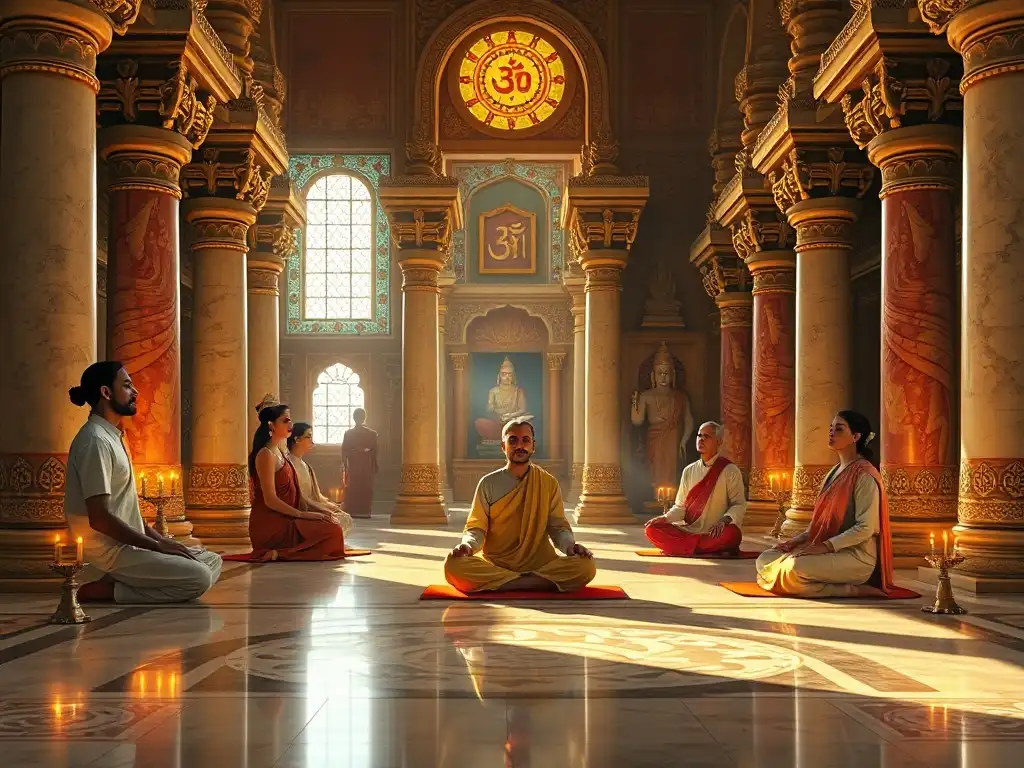
Jain art in ancient India represents a profound aesthetic expression of the spiritual beliefs and teachings of Jainism. The art is characterized by its unique visual language that communicates the principles of non-violence, asceticism, and the pursuit of liberation (moksha).
At the heart of Jain art is its emphasis on the life and teachings of Tirthankaras, the spiritual teachers of Jainism. The portrayal of Tirthankaras in various artistic forms serves not only a decorative purpose but also a didactic one, guiding followers in their spiritual journey. The distinct characteristics of Jain art can be classified into three major aspects:
- Iconography: Jain art is rich in symbolism, with each element meticulously chosen to convey specific spiritual meanings.
- Aesthetic Style: The aesthetic style of Jain art is marked by intricate details, vibrant colors, and a sense of harmony that reflects the ideals of Jain philosophy.
- Cultural Context: The art evolved within the socio-religious milieu of ancient India, influenced by local traditions while maintaining a unique Jain identity.
Iconography and Symbolism in Jain Art
Jain iconography is highly symbolic, with each representation serving as a visual manifestation of Jain philosophical concepts. Key elements include:
- Tirthankaras: The central figures in Jain art, typically depicted in a meditative posture. Each Tirthankara has specific attributes that signify their unique qualities. For example:
- Mahavira: Often shown with a lion emblem, symbolizing strength and courage.
- Parshvanatha: Depicted with a serpent canopy, representing protection and wisdom.
- Cosmic Symbols: Jain art incorporates various cosmic symbols, such as the swastika, representing auspiciousness, and the hand with a wheel, symbolizing the teaching of right conduct.
- Nature Motifs: Nature plays a crucial role in Jain art, often depicted through flora and fauna, which emphasize the Jain principle of respect for all living beings.
The use of these symbols is not merely ornamental; they serve as meditative tools for practitioners, encouraging reflection on the deeper meanings of Jain teachings.
Common Themes and Motifs in Jain Artistic Works
Jain art is rich with recurring themes and motifs that reflect its spiritual and philosophical foundations. Key themes include:
- Ahimsa (Non-Violence): This principle is often depicted through serene representations of Tirthankaras and the peaceful coexistence of various life forms. Artworks frequently highlight the importance of compassion towards all living beings.
- Liberation: The pursuit of moksha is a common theme, represented through imagery of ascetic practices, meditation, and the depiction of the soul's journey toward liberation.
- Detachment and Asceticism: Many artworks portray ascetic figures, emphasizing the importance of renunciation and self-discipline in Jain philosophy. This theme is visually expressed through minimalistic representations and austere settings.
- Narratives from Jain Scriptures: Many artistic works depict stories from Jain texts such as the "Kalpa Sutra," illustrating the lives of Tirthankaras and their teachings. These narratives serve as both artistic inspiration and educational tools.
These themes not only reflect the spiritual ideals of Jainism but also serve to educate and inspire followers in their practice.
Materials and Techniques Used in Jain Art
The materials and techniques employed in Jain art are as diverse as the artistic expressions themselves. Some of the most common materials include:
- Stone: Many Jain sculptures are carved from sandstone, marble, and granite. The use of different stones allows for a range of textures and finishes, contributing to the aesthetic quality of the works.
- Metals: Bronze and other metals are often used for smaller sculptures and ritual objects. The casting techniques employed in metalwork display high levels of craftsmanship.
- Miniature Painting: Jain manuscripts feature exquisite miniature paintings, created using natural pigments on paper or cloth. These paintings often depict intricate scenes from Jain mythology and teachings.
- Wood: Wooden sculptures and carvings are also prevalent, particularly in temple architecture. The craftsmanship involved in woodwork often showcases detailed carvings that narrate stories from Jain scriptures.
In terms of techniques, artisans employed a variety of methods, including:
- Chiseling: For stone sculptures, chiseling techniques were refined to create intricate details and smooth surfaces.
- Casting: Metal sculptures were often produced through the lost-wax casting technique, allowing for fine details and durability.
- Painting: Miniature paintings were created using fine brushes and natural dyes, with an emphasis on detail and color vibrancy.
The combination of these materials and techniques not only exemplifies the artistic prowess of ancient Indian artisans but also encapsulates the spiritual essence of Jainism, making Jain art a significant aspect of ancient Indian cultural heritage.
Prominent Examples of Jain Art
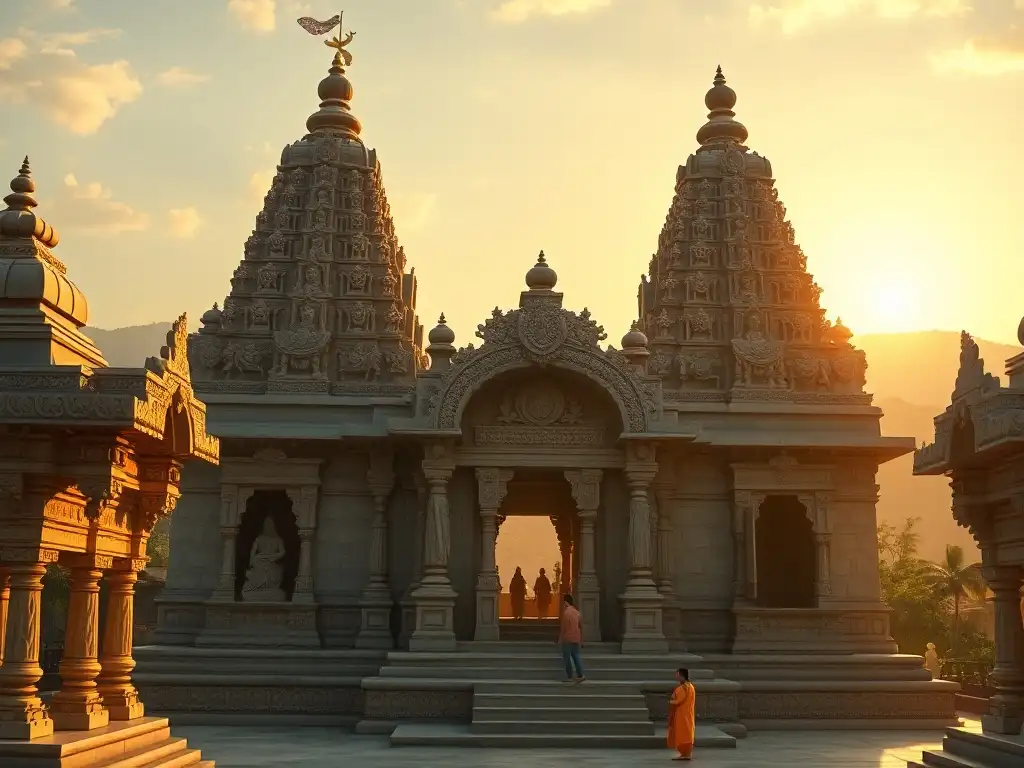
Jain art in ancient India encompasses a wide array of artistic expressions that vividly reflect the spiritual and cultural ethos of Jainism. From grand architectural structures to intricate sculptures and exquisite manuscript paintings, Jain art serves as a profound manifestation of the faith's principles and beliefs. This section delves into the prominent examples of Jain art, highlighting its architectural marvels, sculptural traditions, and manuscript illustrations.
Architectural Marvels: Jain Temples and Monuments
Jain temples stand as magnificent testaments to the architectural prowess of ancient Indian artisans. Notable examples include:
- Shikharji (Parasnath Hill): Renowned as the most sacred pilgrimage site for Jains, this site features numerous temples dedicated to various Tirthankaras. The intricate carvings and towering spires showcase the artistic excellence of Jain architecture.
- Dilwara Temples: Located in Mount Abu, these temples are celebrated for their stunning marble craftsmanship. The detailed marble inlays and ornate pillars reflect the devotion and skill of the artisans, making these structures iconic representations of Jain architectural brilliance.
- Ranakpur Temple: This temple, dedicated to Tirthankara Adinatha, is remarkable for its 1,444 intricately carved marble pillars, each uniquely designed. The temple's layout and elaborate sculptures exemplify the spiritual significance of Jain architecture.
These temples not only serve as places of worship but also as cultural hubs where art and spirituality intertwine, inviting visitors to experience the serene ambiance of Jain devotion.
Sculptural Traditions in Jain Art
The sculptural traditions of Jain art are characterized by their intricate designs and symbolic representations. Key elements include:
- Tirthankara Statues: These are the most prominent sculptures in Jain art, depicting the 24 Tirthankaras in various postures, often in a meditative state. The statues are typically rendered in a highly stylized manner, emphasizing their spiritual essence.
- Reliefs and Friezes: Jain temples are often adorned with detailed reliefs that narrate the lives of Tirthankaras and significant events in Jain mythology. The use of narrative scenes in relief form allows for a deeper understanding of Jain teachings and principles.
- Symbolism in Sculpture: Jain art employs various symbolic elements, such as the presence of the swastika, which represents auspiciousness and well-being. Additionally, the use of lotus motifs signifies purity and spiritual enlightenment.
These sculptural traditions not only reflect the aesthetic sensibilities of ancient artisans but also serve as visual narratives that communicate the core tenets of Jain philosophy.
Manuscript Painting and Illustrations
Jain manuscript painting is an exquisite art form that combines calligraphy and visual storytelling. Some notable features include:
- Illustrated Manuscripts: Jain texts are often beautifully illustrated, with vibrant colors and intricate designs. These manuscripts serve as both religious texts and artistic treasures, showcasing the devotion of the scribes and artists.
- Themes and Narratives: The illustrations often depict scenes from the lives of Tirthankaras, important teachings, and cosmological concepts integral to Jainism. The vibrant imagery helps convey complex philosophical ideas in an accessible manner.
- Techniques and Materials: Jain manuscript artists employed techniques such as tempera painting and gold leaf application, resulting in stunning visual effects. The use of high-quality materials ensured the durability and longevity of these artworks.
Jain art in ancient India is a rich tapestry woven with architectural grandeur, sculptural intricacies, and vibrant manuscript illustrations. Each of these elements reflects the spiritual depth and artistic heritage of Jainism, making it a significant aspect of India’s cultural history.
The Aesthetic Expression of Spiritual Beliefs
Jain Philosophy Reflected in Artistic Expressions
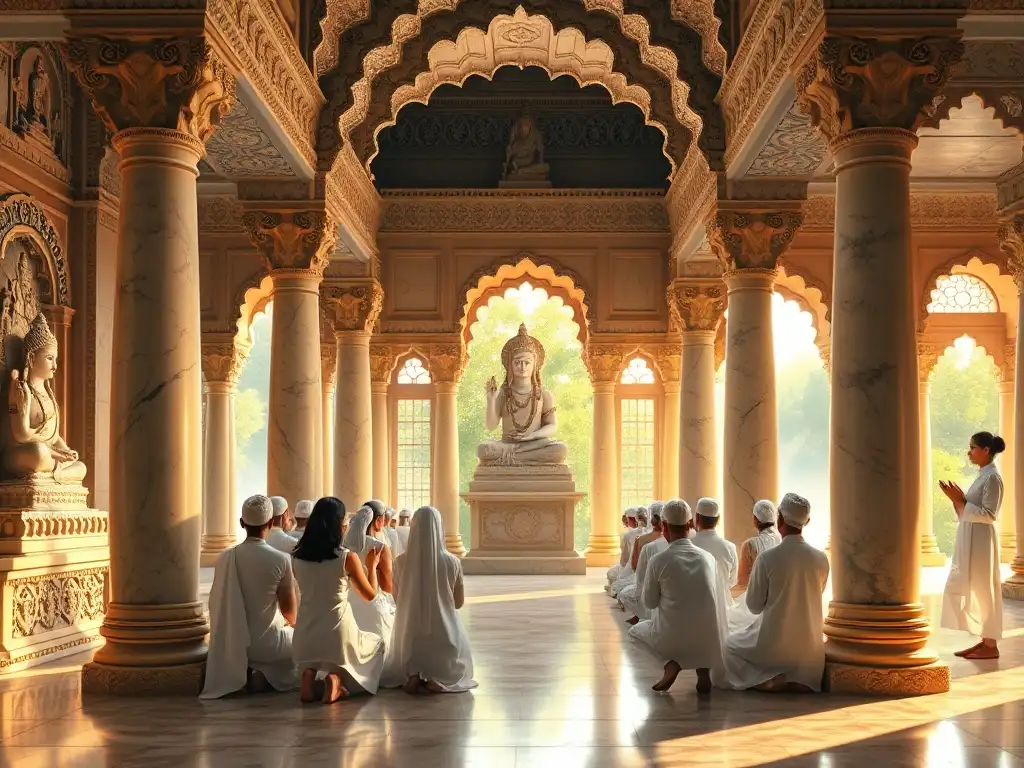
Jain art in ancient India serves as a profound reflection of Jain philosophy, encapsulating the core tenets of non-violence (ahimsa), truth (satya), and asceticism. The intricate sculptures, frescoes, and manuscripts produced by Jain artists not only exhibit remarkable craftsmanship but also embody the spiritual ideals that underpin Jainism.
Key Philosophical Themes in Jain Art:
- Non-Violence: This principle is visually represented in art through depictions of serene scenes involving flora and fauna, emphasizing harmony with nature. The reverence for all living beings is a central theme, often illustrated by images of Jinas surrounded by animals and plants.
- Ascetic Ideal: Jain art frequently portrays Tirthankaras—spiritual teachers—engaged in meditation or penance. These representations serve as visual reminders of the path to liberation and the importance of self-discipline.
- Symbolism: Jain artists used a rich palette of symbols, such as the lotus, which signifies purity and spiritual awakening. Each element in a piece of art is purposeful, designed to evoke contemplation and deeper understanding of Jain teachings.
The integration of these philosophical concepts into artistic expressions fosters a unique aesthetic that transcends mere decoration, aiming instead to provoke spiritual reflection.
The Role of Art in Jain Rituals and Practices
Art plays a pivotal role in Jain rituals and religious practices, enhancing the spiritual experience and fostering a deeper connection with the divine.
Functions of Jain Art in Rituals:
- Iconography: Jain temples are adorned with meticulously carved icons of Tirthankaras, which serve as focal points for worship. These images are not only objects of devotion but also exemplify the ideals and virtues that followers aspire to embody.
- Ceremonial Use: During rituals, paintings and sculptures are often integral to ceremonies, such as the consecration of new idols (pratishtha). The artistic elements enhance the sanctity of the rituals, creating an atmosphere conducive to meditation and prayer.
- Didactic Tools: Jain art serves an educational purpose, illustrating moral stories and teachings from Jain scriptures. Through visual narratives, followers can engage with complex philosophical concepts in an accessible manner.
By interweaving art with religious practices, Jainism creates a holistic spiritual environment where followers can experience a profound sense of connection to their faith.
The Connection Between Jain Art and Nature
The relationship between Jain art and nature is a profound aspect of its aesthetic and philosophical framework. This connection is deeply rooted in the Jain belief in the sanctity of all forms of life.
Nature as a Source of Inspiration:
- Natural Elements: Jain artists often incorporated natural motifs into their works. This includes not only flora and fauna but also celestial bodies, symbolizing the interconnectedness of life and the cosmos.
- Environmental Consciousness: The portrayal of nature in Jain art reflects a deep respect for the environment, encouraging followers to adopt a lifestyle that minimizes harm to all living beings. This principle is evident in the depictions of gardens and natural landscapes surrounding Tirthankaras.
- Symbol of Spirituality: Nature is frequently used as a metaphor for spiritual growth and enlightenment. For instance, the depiction of trees, particularly the sacred fig (Pipal), symbolizes the path to knowledge and liberation.
In essence, Jain art not only celebrates the beauty of the natural world but also reinforces the philosophical teachings of Jainism, advocating for a life of harmony, respect, and reverence for all forms of existence.
Influence of Jain Art on Other Artistic Traditions
Jain Art's Impact on Indian Art as a Whole
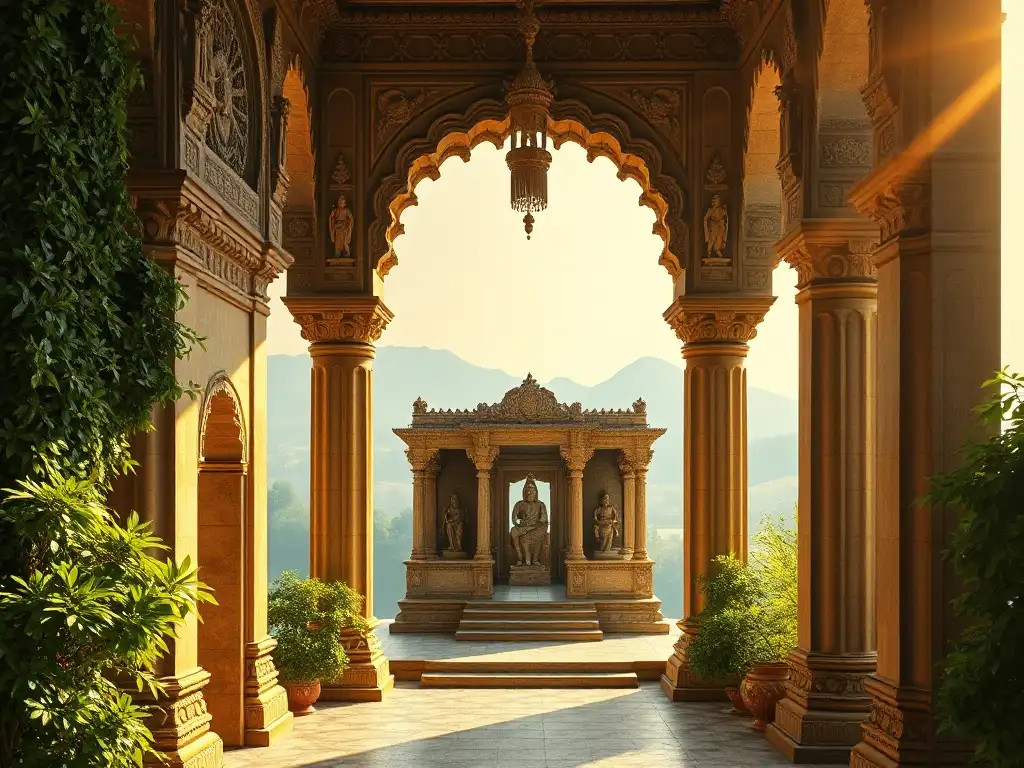
Jain art in ancient India has played a pivotal role in shaping various artistic expressions throughout the subcontinent. Characterized by its intricate detail and rich symbolism, Jain art reflects the spiritual beliefs central to Jainism, emphasizing non-violence (ahimsa), truth (satya), and asceticism. This artistic tradition not only served religious purposes but also influenced a range of artistic movements across India.
- Architectural Influence:
- Jain temples, such as those in Ranakpur and Dilwara, showcase exquisite marble work and elaborate sculptures. These architectural styles later inspired Hindu and Buddhist temple designs, merging Jain aesthetics with other religious expressions.
- The use of chhatris (elevated dome-like structures) and intricate jalis (lattice screens) became common in later Indian architecture, demonstrating the significant influence of Jain design principles.
- Sculptural Techniques:
- Jain artists mastered the art of carving, which is evident in the detailed depictions of Tirthankaras (spiritual teachers) and other deities. This level of craftsmanship set a benchmark for sculptors in other traditions, including Hindu and Buddhist art.
- The portrayal of iconography in Jain art, such as the use of symbolic colors and postures, was adopted by artists from different backgrounds, enriching the visual narrative across various schools of Indian art.
- Miniature Paintings:
- Jain manuscripts, particularly those illustrated with intricate miniature paintings, contributed significantly to the evolution of Indian painting styles. The meticulous detailing in these manuscripts influenced later Mughal and Rajput painting techniques.
- Themes of nature, spirituality, and mythology found in Jain miniatures were assimilated into broader Indian art, enhancing the vibrancy and diversity of visual storytelling.
Cross-Cultural Influences and Exchanges
The reach of Jain art extended beyond the borders of India, fostering cross-cultural interactions that enriched both Jain and global artistic traditions. This exchange can be seen through several lenses:
- Trade Routes and Cultural Exchanges:
- The flourishing trade routes during ancient times facilitated the movement of artisans and ideas. Jain art found its way into regions such as Southeast Asia, where its motifs influenced local artistic practices.
- Temples and stupas constructed in places like Indonesia and Cambodia exhibit similarities to Jain architectural styles, showcasing the diffusion of aesthetic principles across cultures.
- Philosophical Influences:
- The philosophical underpinnings of Jainism, which stress the importance of harmony and balance, resonated with other cultural narratives. This shared philosophical outlook encouraged a blending of artistic styles and themes across different civilizations, such as Buddhism and even later Islamic art.
- The representation of spiritual themes in Jain art has parallels in various global artistic traditions, highlighting a universal quest for meaning and transcendence in art.
- Modern Revivals and Interpretations:
- In contemporary times, the resurgence of interest in traditional art forms has led to a renewed appreciation of Jain art. Artists today draw inspiration from ancient Jain aesthetics, incorporating them into modern interpretations that resonate with current audiences.
- The principles inherent in Jain art—such as minimalism and the celebration of nature—are increasingly relevant in today’s art movements, emphasizing sustainability and ethical practices in art creation.
Through these influences, Jain art not only stands as a testament to the rich spiritual heritage of ancient India but also as a bridge connecting diverse cultures and artistic traditions across time and geography. Its impact continues to be felt, inspiring new generations of artists and scholars alike.
Preservation and Legacy of Jain Art in Ancient India
Conservation Efforts for Jain Artistic Heritage
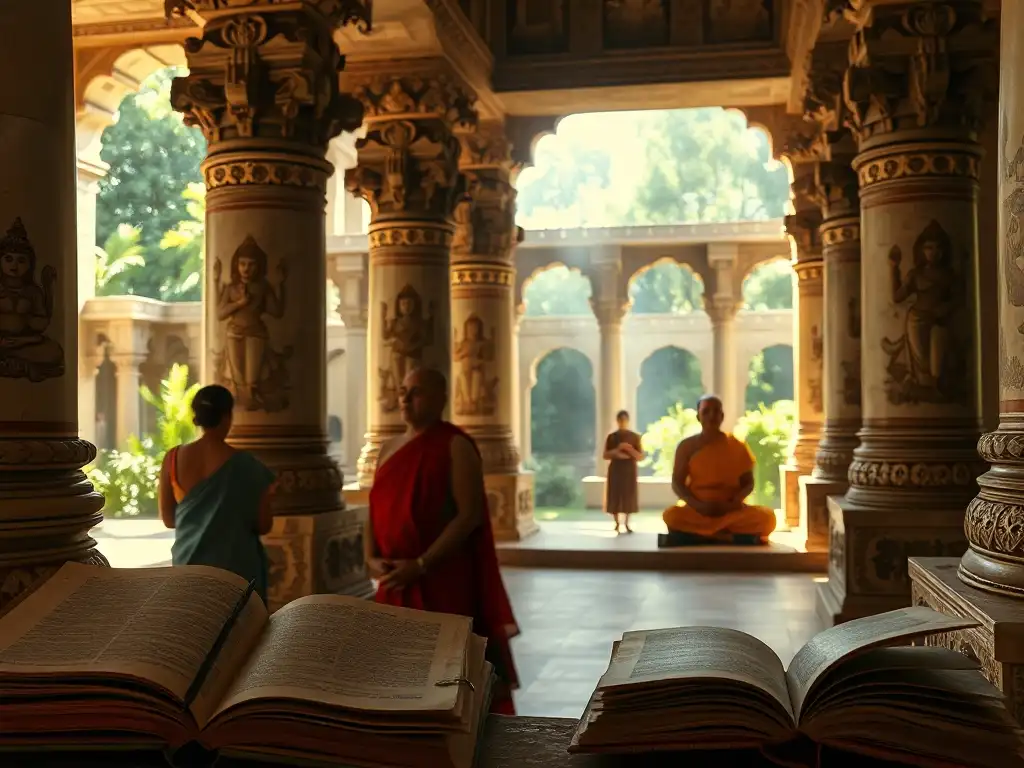
The preservation of Jain art in ancient India is a crucial endeavor that ensures the continuity of cultural and spiritual narratives. Jain art, characterized by intricate carvings, detailed sculptures, and vibrant paintings, reflects the profound spiritual beliefs of Jainism. Various initiatives have been established to conserve these artistic treasures.
- Government Initiatives:
- Several state and national governments have implemented policies aimed at preserving heritage sites associated with Jain art. This includes the establishment of conservation programs funded by the Archaeological Survey of India (ASI) to restore ancient temples and sculptures.
- Example: The restoration of the Dilwara Temples in Rajasthan, which feature exquisite marble carvings, exemplifies such efforts.
- Community Involvement:
- Local Jain communities play a pivotal role in preserving their artistic heritage. They often engage in fundraising activities to support the maintenance of temples and artworks.
- Case Study: The Jain community in Gujarat has successfully mobilized resources for the upkeep of the ancient Jain caves at Uparkot, ensuring that these sites remain accessible and well-maintained.
- Academic Research:
- Scholars and researchers are increasingly focusing on Jain art, conducting studies that highlight its historical significance and unique characteristics. This research aids in raising awareness and promoting conservation efforts.
- Publications: Journals dedicated to art history often feature articles on Jain art, which contribute to a broader understanding of its aesthetic and spiritual dimensions.
- International Collaborations:
- Partnerships with international organizations have fostered knowledge exchange and enhanced conservation techniques. These collaborations often include workshops and training programs on restoration practices.
- Impact: Such initiatives have introduced modern techniques to preserve ancient artworks while respecting traditional methods.
The Continuing Influence of Jain Art in Modern Times
The legacy of Jain art transcends its historical context, continuing to influence contemporary artistic expressions and spiritual practices. This enduring impact is observable in several aspects of modern culture.
- Contemporary Art:
- Many modern artists draw inspiration from Jain motifs and themes, integrating them into their works. The use of traditional Jain symbols in contemporary paintings and sculptures reflects a revival of interest in this ancient art form.
- Highlight: Artists like Sudhir Patwardhan incorporate Jain aesthetics into their works, bridging the gap between ancient and modern art.
- Architectural Styles:
- The principles of Jain architecture, characterized by intricate detail and spiritual symbolism, can be seen in modern temple constructions. Many new Jain temples are designed with elements reminiscent of ancient styles, showcasing a commitment to preserving cultural identity.
- Example: The Bhadreshwar Jain Temple in Gujarat, completed in the 21st century, features architectural elements that echo traditional Jain designs.
- Cultural Festivals:
- Jain festivals often showcase traditional art forms through exhibitions and performances, promoting awareness of Jain art among younger generations. These events serve as a platform for artists to display works inspired by ancient Jain themes.
- Notable Festival: The Paryushana festival includes art exhibitions that highlight Jain artistic heritage, attracting both local and international attention.
- Educational Initiatives:
- Institutions focused on art and culture are increasingly incorporating Jain art into their curricula. This educational approach fosters a deeper understanding of Jain aesthetics and its relevance in historical and contemporary contexts.
- Outcome: Workshops and seminars on Jain art have emerged in universities, encouraging students to explore its significance and application in modern artistic practices.
The preservation and ongoing influence of Jain art in ancient India reflect its profound connection to both spiritual beliefs and cultural identity. Through various conservation efforts and modern interpretations, Jain art continues to thrive as a vital aspect of India's rich artistic heritage.
Conclusion: The Importance of Jain Art in Understanding Ancient Indian Culture
Jain art in ancient India serves as a vital lens through which we can explore the spiritual and cultural dimensions of Jainism. This artistic expression not only reflects the core principles of Jain philosophy but also encapsulates the historical context in which it flourished. By examining the intricate details, themes, and techniques employed in Jain art, we gain invaluable insights into the values, beliefs, and socio-political influences of the time.
The preservation of Jain art—from sculptures and frescoes to manuscripts and architecture—offers a unique understanding of how the Jains sought to communicate their spiritual ideals. The representations of Tirthankaras, celestial beings, and symbolic motifs convey profound messages about non-violence, truth, and the quest for liberation (moksha). Each piece of art is imbued with layers of meaning, reflecting the deep interconnection between aesthetics and spirituality in Jainism. This relationship highlights the role of art as a medium for religious devotion and cultural identity.
Reflection on the Spiritual and Aesthetic Value of Jain Art
The spiritual value of Jain art is deeply rooted in its intent to inspire reverence and contemplation. The intricate carvings on temples, such as those at Dilwara and Ranakpur, exemplify the meticulous craftsmanship that seeks to elevate the viewer's consciousness. The use of symbols, like the swastika and the lotus, are not merely decorative elements; they are essential to the philosophical teachings of Jainism. These symbols embody concepts of purity, renewal, and the cyclical nature of life, which are central to Jain beliefs.
Moreover, the aesthetic value of Jain art is characterized by its attention to detail and use of vibrant colors. The art often employs a variety of materials, including marble, wood, and bronze, each chosen for its ability to convey beauty and durability. These artistic choices reflect the Jain commitment to non-violence, as many artisans utilized sustainable practices in their work. The exquisite artistry found in Jain manuscripts, with their elaborately illustrated pages, further showcases the aesthetic principles that underpin Jain culture.
In essence, Jain art serves as a spiritual narrative that transcends time, inviting contemporary audiences to engage with its profound messages and artistic beauty.
Future Directions for Research on Jain Art in Ancient India
As we look to the future, research on Jain art in ancient India holds significant potential for uncovering new insights into the complexities of Jain culture. Scholars can explore various avenues, including:
- Interdisciplinary Studies: Collaborating with historians, archaeologists, and art historians can yield a more nuanced understanding of Jain art within the broader context of ancient Indian art and culture.
- Technological Advances: Utilizing modern technologies such as 3D modeling and digital restoration can help in analyzing and preserving ancient artifacts, allowing for deeper studies of their historical significance.
- Regional Variations: Investigating regional styles of Jain art can illuminate how local cultures influenced the expression of Jain beliefs and practices, enriching our understanding of Jainism's adaptability and diversity.
- Cultural Exchanges: Examining the interactions between Jain art and other religious traditions in ancient India, such as Buddhism and Hinduism, can shed light on the shared cultural heritage and artistic influences.
Future research endeavors should also focus on the socio-political contexts in which Jain art was created, considering how patronage, economic factors, and historical events shaped its evolution. By fostering a comprehensive approach to the study of Jain art, scholars can continue to uncover the rich tapestry of ancient Indian civilization and its enduring legacy.
Frequently Asked Questions
What is Jain art in ancient India?
Jain art refers to the aesthetic expressions that convey the spiritual beliefs and teachings of Jainism, primarily through sculpture, painting, and architecture.
How did Jain art influence other art forms in ancient India?
Jain art significantly influenced Buddhist and Hindu art, promoting themes of non-violence and spirituality, often sharing similar iconography and stylistic elements.
What are some key characteristics of Jain art?
Key characteristics of Jain art include intricate carvings, detailed depictions of Tirthankaras, and an emphasis on symbolism that reflects the philosophical tenets of Jainism.
Where can one find examples of Jain art in ancient India?
Examples of Jain art can be found in various temples, particularly in regions like Rajasthan and Gujarat, showcasing magnificent sculptures and frescoes that depict Jain legends.
Why is Jain art considered significant in the context of ancient Indian history?
Jain art is significant as it not only reflects the spiritual values of Jainism but also provides insights into the cultural, social, and historical aspects of ancient Indian civilizations.
Final Reflection: The Enduring Legacy of Jain Art in Ancient India
Jain art in ancient India serves as a profound testament to the spiritual and aesthetic values of a civilization that prioritized non-violence, truth, and asceticism. In today's world, where materialism often overshadows spiritual pursuits, the intricate carvings and serene sculptures of Jain art remind us of the importance of inner peace and the beauty that arises from a life of simplicity and devotion. The elegance of these artistic expressions not only reflects the beliefs of the Jain community but also invites us to explore our own spiritual journeys in a visually captivating manner.
The influence of Jain art extends far beyond its historical context, permeating contemporary culture and inspiring modern artists and spiritual seekers alike. The detailed depictions of Tirthankaras and the intricate motifs found in Jain temples continue to resonate with those who seek a deeper understanding of life and existence.
As Mahatma Gandhi once said, "> The best way to find yourself is to lose yourself in the service of others." This sentiment echoes the essence of Jain art, which embodies selflessness and the pursuit of spiritual enlightenment, encouraging us to reflect on our own contributions to the world around us.
As you contemplate the themes presented in this article, I invite you to consider how the principles embodied in Jain art can be woven into your own life. Reflect on the values of compassion, humility, and mindfulness that are central to Jain philosophy, and seek ways to integrate these ideals into your daily actions. By doing so, you not only honor the legacy of Jain art but also cultivate a more meaningful existence that transcends the superficialities of modern life. Embrace the beauty of this ancient tradition and let it inspire your journey toward spiritual fulfillment.
Unveil Your Inner Artist through Jain Spirituality!
Thank you for exploring the vivid world of Jain art with us! By delving into the rich aesthetics of this ancient tradition, you've uncovered how deeply spirituality and creativity intertwine. Now, let’s turn that inspiration into action.
Here are some ways to deepen your connection with Jain art and its philosophies:
- Engage creatively: Try your hand at creating a piece of art inspired by Jain principles. Whether it's painting, drawing, or crafting, this practice will enhance your understanding and appreciation of the art form.
- Join a community: Seek out local or online groups focused on Jain art, where you can share ideas, learn new techniques, and collaborate on creative projects.
- Share your journey: Document your experiences and insights on social media to inspire others to explore the beauty of Jain art and its spiritual significance.
What aspect of Jain art are you most excited to explore, and how do you plan to incorporate its principles into your creative expression?