
The Maurya Empire’s Military Administration: Power and Strategy

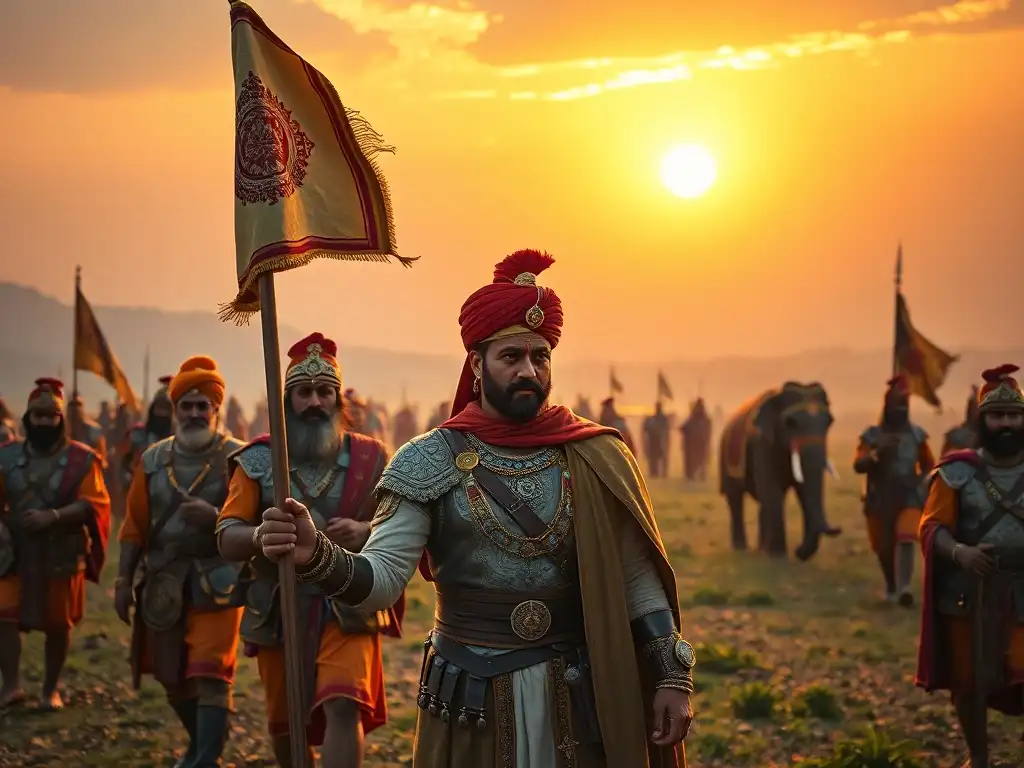
Welcome to Ancient India History, where we embark on a captivating journey through the rich tapestry of India's past. In our featured article, "The Maurya Empire’s Military Administration: Power and Strategy," we delve into the groundbreaking ancient Indian military strategies that shaped one of the most powerful empires of its time. Discover how innovative tactics and robust governance played a pivotal role in the rise of the Maurya Empire, igniting your curiosity about the profound legacy of ancient Indian civilizations. Get ready to explore the depths of history that continue to influence our world today!
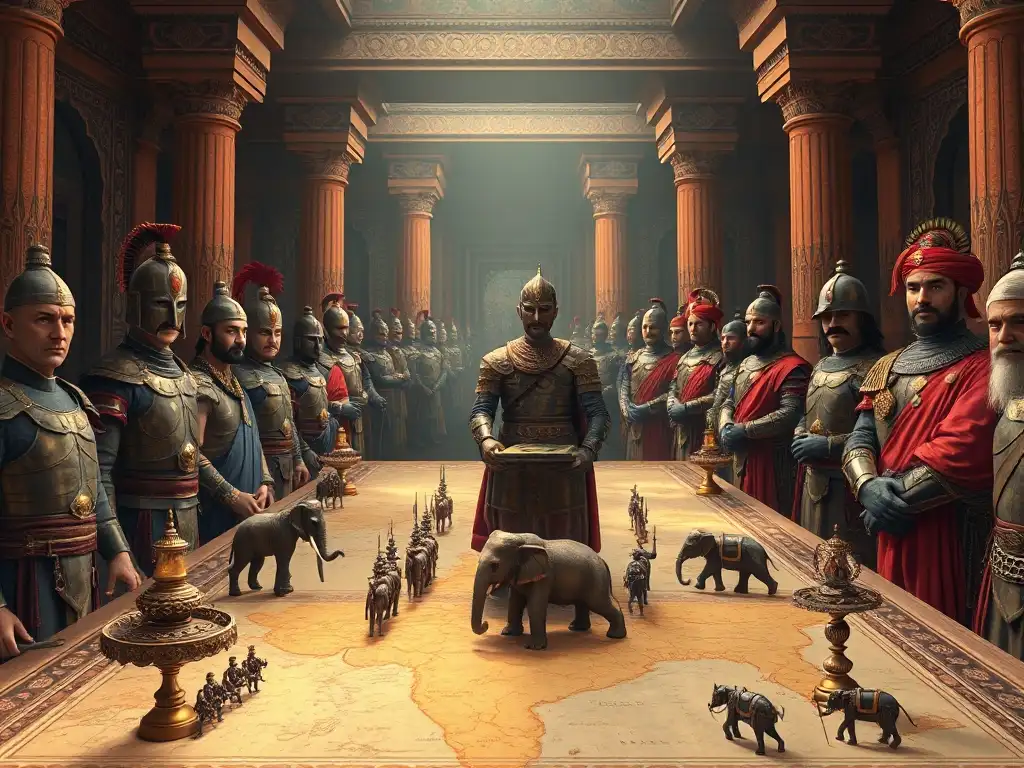
Introduction to the Maurya Empire
The Maurya Empire, one of the most significant empires in ancient Indian history, thrived from approximately 322 to 185 BCE. Founded by Chandragupta Maurya, this empire marked a transformative era characterized by extensive territorial expansion, sophisticated governance, and a well-organized military.
The military administration of the Maurya Empire played a crucial role in establishing and maintaining its power, allowing it to become one of the largest empires in the ancient world. Understanding the strategies and structures that underpinned its military operations illuminates not only the nuances of governance during this period but also the broader context of ancient Indian military strategies that influenced subsequent civilizations.
Overview of the Maurya Empire's Historical Context
The Maurya Empire emerged after the decline of the Nanda Dynasty, capitalizing on the political fragmentation of North India. Chandragupta Maurya, with the guidance of his mentor Chanakya (Kautilya), united various smaller kingdoms through diplomacy and military might. The empire reached its zenith under Emperor Ashoka, who not only expanded its territory but also transformed its governance approach by promoting Buddhism and non-violence after the Kalinga War. This shift signifies a complex interplay between military power and ethical governance.
Significance of Military in Ancient Indian Civilizations
Military prowess was a cornerstone of power in ancient Indian civilizations, often determining the rise and fall of empires. The Maurya Empire exemplifies how an efficient military administration can secure borders, suppress revolts, and facilitate expansion. The Mauryan military structure was not only crucial for territorial conquests but also for maintaining order within the empire. It served as a deterrent against external threats, enabling the empire to thrive for several centuries.
Ancient Indian Military Strategies: An Overview
Understanding the military strategies of ancient Indian civilizations involves exploring their definitions, importance, and distinctive features. The Mauryan military strategies laid the groundwork for military thought and practices that influenced future dynasties and regional powers.
Definition and Importance of Military Strategies
Military strategies refer to the planning and execution of operations to achieve specific objectives in warfare. In the context of the Maurya Empire, these strategies were essential for:
- Territorial Expansion: Conducting campaigns to conquer new lands.
- Defense: Protecting the empire from invasions and internal rebellions.
- Resource Management: Efficiently utilizing the resources and manpower available for military endeavors.
The emphasis on strategic planning in military operations highlights the advanced understanding of warfare that existed in ancient India, reflecting a deep-rooted culture of military scholarship and practice.
Key Features of Ancient Indian Military Strategies
The military strategies of the Maurya Empire were characterized by several key features:
- Centralized Command: The emperor held supreme authority, ensuring cohesive strategy implementation across the empire.
- Diverse Forces: The Mauryan military comprised infantry, cavalry, elephants, and chariots, allowing for versatile tactics on the battlefield.
- Intelligence Gathering: Effective use of spies and intelligence networks to assess enemy strengths and weaknesses.
- Diplomatic Alliances: Forming alliances with local rulers and tribes to secure strategic advantages.
These elements underscore the sophistication of ancient Indian military strategies, demonstrating how the Maurya Empire harnessed military power to build and sustain its vast dominion.
Structure of the Maurya Empire's Military Administration
The military administration of the Maurya Empire was a sophisticated and centralized structure designed to maintain control over vast territories and manage military resources efficiently. This intricate system was crucial for the empire's ability to project power and respond to threats. The Maurya Empire's military organization can be understood through three essential components: centralized military command, regional military governance, and the pivotal role of the emperor in military strategy.
Centralized Military Command
At the heart of the Maurya Empire's military administration was a centralized command structure that allowed for swift decision-making and effective coordination of military operations. The emperor, as the supreme commander, held ultimate authority over military affairs, ensuring that all forces operated under a unified strategy. The central command was supported by a council of military advisors, which included experienced generals and strategists who provided insights into tactical decisions and resource allocation.
The Mauryan military was divided into various branches, including infantry, cavalry, and war elephants, each commanded by appointed officers who reported directly to the emperor. This hierarchy promoted discipline and streamlined communication throughout the ranks, allowing the empire to mobilize large forces quickly. The centralized nature of military command also facilitated the implementation of standardized training and equipment across the empire, enhancing overall military effectiveness.
Regional Military Governance
To maintain control over the vast territories of the Maurya Empire, regional military governance was essential. The empire was divided into provinces, each overseen by a governor (known as a Uparika) who was responsible for both civil and military administration. These governors had the authority to raise and maintain local forces, ensuring that the emperor's directives were enforced throughout the provinces.
Regional military units provided a flexible response to local threats and were crucial for maintaining order in diverse populations. Governors often had their own military advisors and could conduct military operations independently, but they were still accountable to the central command. This balance of power allowed for a degree of autonomy while ensuring that the emperor's overarching military strategy was consistently implemented across the empire.
Role of the Emperor in Military Strategy
The emperor of the Maurya Empire played a critical role in shaping military strategy and policy. As not only the political leader but also the military commander, the emperor was responsible for defining the empire's military objectives, determining defense strategies, and overseeing military campaigns. This dual role allowed emperors like Chandragupta Maurya and Ashoka to align military actions with their broader political goals.
The emperor's involvement in military strategy extended to the selection of key military leaders and the formulation of alliances with local rulers. They also employed spies and scouts to gather intelligence on enemy movements and local conditions, which informed tactical decisions. The emperor's presence on the battlefield was significant in maintaining troop morale and demonstrating leadership, reinforcing the idea that military success was inherently tied to the emperor’s personal authority and charisma.
Recruitment and Training of Soldiers
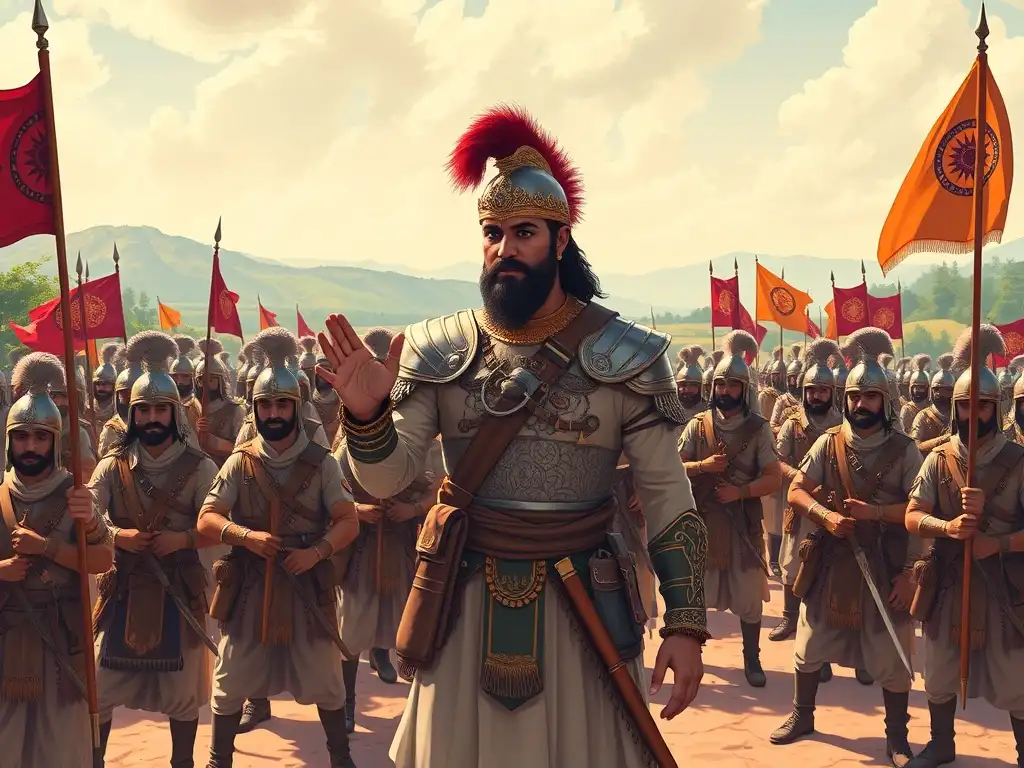
The recruitment and training of soldiers in the Maurya Empire were pivotal to its military prowess. The empire employed a variety of methods to enlist soldiers, ensuring a steady supply of manpower for its military campaigns. Additionally, training practices were established to cultivate skilled and disciplined warriors, forming the backbone of the Mauryan military system.
Methods of Recruitment in the Maurya Empire
Recruitment in the Maurya Empire was multifaceted, involving both voluntary enlistment and conscription. The empire utilized local militias and tribal groups, often offering incentives such as land grants or financial rewards to encourage voluntary service. Additionally, during times of war, the state implemented conscription policies, mandating that able-bodied men serve in the military, especially from the lower castes who were often more vulnerable to economic hardships.
The Maurya Empire also leveraged its extensive bureaucratic system to track populations and identify potential recruits. This organized approach ensured that the military could draw from a wide demographic, maintaining a diverse fighting force that included infantry, cavalry, and war elephants.
Training Practices for Ancient Indian Warriors
Training practices for soldiers in the Maurya Empire were rigorous and structured to ensure combat readiness. Recruits underwent physical training, which included activities such as archery, swordsmanship, and horseback riding. The emphasis on physical fitness was paramount, as soldiers needed to be agile and strong to withstand the rigors of battle.
In addition to physical training, soldiers were taught various military tactics and formations, often through simulated battles. Experienced warriors mentored recruits, sharing knowledge and techniques that had been honed over generations. This system of mentorship not only improved individual skills but also fostered camaraderie and loyalty among troops.
The Role of Castes and Communities in the Military
The caste system and local communities played a significant role in the military recruitment and organization of the Maurya Empire. Traditionally, certain castes were associated with specific martial roles, such as the Kshatriyas, who were the warrior class. However, the Maurya Empire expanded the concept of military service beyond traditional caste boundaries, allowing individuals from various backgrounds to serve.
Communities were often mobilized to support military efforts, with local leaders playing a crucial role in organizing troops from their regions. This approach not only diversified the military but also reinforced local loyalty to the empire. The integration of different communities into the military structure helped the Maurya Empire maintain its vast territories and facilitated a sense of shared purpose among its diverse populations.
Military Innovations and Technologies
The Maurya Empire is renowned for its military innovations and technologies that played a crucial role in establishing its dominance across ancient India. These advancements were not merely a reflection of the empire's military might but were also indicative of the strategic thinking that underpinned its governance. The combination of innovative weaponry, sophisticated battlefield tactics, and the integration of diverse forces enabled the Mauryan military to effectively challenge and defeat rival kingdoms, ensuring the empire’s expansion and consolidation.
Use of Chariots and Elephants in Warfare
Chariots and war elephants were vital components of the Maurya Empire's military arsenal. Chariots, typically drawn by horses, provided mobility and speed, allowing for rapid maneuvers on the battlefield. Equipped with archers and spearmen, these chariots could deliver devastating volleys against enemy formations.
War elephants, on the other hand, were symbols of power and strength. Used for both direct combat and as a psychological weapon, they could charge into enemy lines, causing chaos and disruption. The Mauryan armies strategically deployed these elephants not just for their brute force but also to intimidate opponents. Historical accounts suggest that the sight and sound of an approaching elephant unit could demoralize even the staunchest of foes, giving the Mauryans an edge in many battles.
Development of Weaponry and Armor
The Maurya Empire saw significant advancements in weaponry and armor, reflecting the evolving nature of warfare during this period. The introduction of iron metallurgy allowed for the production of stronger and more effective weapons, including swords, spears, and arrows. These iron weapons were not only more durable but also provided a tactical advantage in combat scenarios.
Armor, too, underwent significant enhancements. Soldiers were equipped with protective gear made from hardened leather and metal, which increased their survivability in battle. The Mauryan military also emphasized training and discipline, ensuring that troops were well-prepared to utilize their weapons and armor effectively. This development in armament and protective gear contributed to the overall effectiveness of the Mauryan military forces.
Naval Warfare Strategies in the Maurya Empire
While the Maurya Empire is primarily known for its land-based military strategies, it also recognized the significance of naval power. The empire established a formidable navy to protect its trade routes and coastal territories. The Mauryan naval forces were tasked with not only safeguarding maritime commerce but also projecting power across waterways.
Naval strategies included the use of ships for reconnaissance and the transportation of troops and supplies. The Mauryan navy played a crucial role in extending the empire’s influence over coastal regions, thereby facilitating trade and ensuring economic stability. The ability to conduct naval operations demonstrated the empire's understanding of multi-dimensional warfare, which encompassed both land and sea.
Strategic Military Campaigns of the Maurya Empire
The Maurya Empire's military campaigns were characterized by strategic planning and execution, aimed at both expansion and consolidation of power. The empire’s leaders, particularly Chandragupta Maurya and Ashoka, employed a variety of strategies to achieve their military objectives, leaving a lasting impact on ancient Indian military strategies.
Key Battles and Their Impact on Ancient Indian Military Strategies
Several key battles during the Maurya Empire not only shaped its trajectory but also had a profound influence on the military strategies of subsequent Indian kingdoms. The victory at the Battle of Chandragupta against the Nandas marked the rise of the Mauryan dynasty, showcasing the effectiveness of coordinated troop movements and the integration of diverse military units.
Another pivotal conflict was the Kalinga War, which, despite being a costly endeavor, resulted in a significant strategic shift. The aftermath of this battle led to Ashoka’s embrace of non-violence and Buddhism, influencing military and diplomatic approaches in the region. These battles illustrated the importance of adaptability in military strategies, emphasizing both direct confrontation and the potential for peaceful resolution.
Analysis of Chandragupta Maurya's Conquests
Chandragupta Maurya's conquests laid the foundation for the Maurya Empire. His strategic brilliance was evident in how he employed deception, alliances, and guerrilla tactics to undermine his enemies. Notably, his campaign against the Nanda Empire highlighted his ability to leverage local discontent to rally support for his cause.
Chandragupta's military campaigns were characterized by meticulous planning, with a clear understanding of terrain and enemy strengths. This strategic acumen not only facilitated the establishment of the Mauryan Empire but also set a precedent for future military leaders in ancient India, emphasizing the importance of strategic foresight in warfare.
Ashoka's Military Campaigns and Their Strategic Importance
Ashoka, the grandson of Chandragupta, further expanded the Maurya Empire through his military campaigns, most notably the conquest of Kalinga. This campaign was marked by intense violence and significant casualties, leading to a profound transformation in Ashoka’s outlook on warfare and governance.
The aftermath of the Kalinga War prompted Ashoka to adopt a policy of Dhamma, promoting non-violence and ethical governance. His military campaigns, therefore, were not only about territorial expansion but also about establishing a philosophical approach to rule. This shift influenced military strategies by introducing the concepts of moral authority and statecraft, which resonated across ancient Indian civilizations and beyond, shaping the future of governance and warfare in the region.
Diplomatic Strategies and Alliances

The Maurya Empire, under the leadership of Chandragupta Maurya and later his grandson Ashoka, strategically utilized diplomacy to bolster its military prowess. Diplomacy played a pivotal role in managing relations with neighboring states and tribes, allowing the Mauryan rulers to expand their influence without solely relying on military might. This approach not only conserved resources but also fostered a more stable political environment.
Importance of Diplomacy in Military Strategies
Diplomacy served as a crucial tool in the Maurya Empire's military administration, providing a means to achieve strategic objectives through negotiation and alliances rather than conflict. By engaging in diplomatic relations, the Mauryas could secure borders, gain intelligence about potential threats, and create a network of support that could be leveraged in times of conflict. This multifaceted approach reduced the likelihood of prolonged warfare, which was economically and socially taxing.
The Mauryan diplomacy often involved the use of marriage alliances, treaties, and negotiations to ensure peace with powerful neighboring kingdoms. These alliances not only solidified military partnerships but also facilitated trade and cultural exchange, enhancing the overall stability of the empire.
Key Alliances Formed During the Maurya Empire
Throughout its existence, the Maurya Empire forged several significant alliances that contributed to its military strength:
- Alliance with the Nanda Dynasty: Initially, Chandragupta sought support from the Nandas, who were pivotal in his rise to power. This alliance provided him with resources and legitimacy.
- Treaty with the Greek States: Following Alexander the Great's invasion, the Mauryas engaged in diplomacy with the Greek satraps, leading to treaties that established peace and allowed for trade relations. This interaction not only secured the western front but also facilitated cultural exchanges.
- Marriages into Local Royal Families: The practice of marrying into local aristocracies helped secure loyalty and military support from various regions within the empire, ensuring a broad network of alliances.
These alliances were instrumental in maintaining the empire's territorial integrity, allowing the Mauryan rulers to focus on consolidating their power and expanding their influence through strategic military campaigns when necessary.
Influence of Diplomacy on Military Outcomes
The diplomatic efforts of the Maurya Empire significantly shaped military outcomes. By establishing strong alliances, the empire was able to deter potential aggressors and minimize the need for direct confrontation. The treaties and pacts formed during this period often resulted in favorable terms that benefited the Mauryan state.
Moreover, diplomatic engagement provided valuable intelligence that informed military strategy. Understanding the political dynamics of neighboring states allowed the Mauryan military to anticipate threats and prepare accordingly, leading to more successful campaigns. The balance of power achieved through diplomacy enabled the Mauryas to project strength without overextending their military resources.
Legacy of the Maurya Empire's Military Administration
The military administration of the Maurya Empire left an indelible mark on subsequent Indian military strategies, influencing how future empires approached warfare and governance.
Impact on Future Indian Military Strategies
The military strategies employed by the Maurya Empire, particularly the integration of diplomacy with military might, set a precedent for future Indian states. Subsequent empires, including the Gupta Empire, adopted similar approaches, recognizing the value of alliances and diplomacy in expanding territorial control and maintaining stability.
The Mauryan emphasis on a well-organized military structure and the strategic use of intelligence in warfare became integral components of Indian military doctrine. This legacy influenced the way future rulers engaged in both diplomatic relations and military campaigns, promoting a more holistic understanding of governance.
Contributions to Ancient Indian Warfare Traditions
The Maurya Empire's military administration contributed significantly to the evolution of ancient Indian warfare traditions. The integration of diverse military units, including infantry, cavalry, and war elephants, showcased innovative strategies that combined various tactics for effective combat.
Additionally, the Mauryan focus on logistics, supply chains, and troop mobilization set a high standard for military organization. This comprehensive approach to warfare emphasized not only combat readiness but also the importance of maintaining morale and discipline among troops.
Reflection of Maurya Military Strategies in Later Empires
The military strategies developed during the Maurya Empire are reflected in the practices of later Indian empires, particularly in their approach to warfare and governance. The use of strategic alliances, extensive military training, and a focus on intelligence gathering became hallmarks of military administration in subsequent states.
Empires such as the Gupta and the Mughal adopted and adapted Mauryan practices, demonstrating the lasting influence of Mauryan military strategy on the historical trajectory of Indian warfare. The blend of diplomacy and military strength that characterized the Maurya Empire continued to resonate in the strategies employed by later rulers, shaping the course of Indian history for centuries to come.
Conclusion
The military administration of the Maurya Empire stands as a remarkable testament to the strategic prowess and organizational skills of ancient Indian civilizations. The methodologies employed during this period not only facilitated the expansion and maintenance of one of India's largest empires but also laid the groundwork for future military strategies across the subcontinent.
Summary of the Maurya Empire's Military Administration
The Maurya Empire, particularly under the reign of Ashoka, implemented a structured military administration characterized by a blend of innovative strategies and effective governance. The empire’s military force was organized into various units, including infantry, cavalry, and war elephants, showcasing a diverse approach to warfare. The centralization of military power allowed for rapid mobilization and efficient resource allocation, which was essential for both offensive and defensive operations.
Key components of the Maurya military administration included:
- Strategic Alliances: The use of diplomacy and alliances with neighboring states to strengthen military might.
- Logistics and Supply Chains: A well-organized supply line that ensured troops were well-equipped and provisions were adequately managed.
- Intelligence Gathering: The establishment of a network for information sharing, which was critical for making informed strategic decisions on the battlefield.
- Training and Discipline: Rigorous training programs that emphasized discipline and readiness among soldiers, contributing to the effectiveness of military campaigns.
These elements not only facilitated military success but also contributed to the stability and prosperity of the Maurya Empire during its zenith.
Final Thoughts on Ancient Indian Military Strategies and Their Legacy
The military strategies developed during the Maurya Empire have left an indelible mark on the history of ancient Indian warfare. The integration of various military branches, coupled with advanced logistical planning and effective governance, exemplifies a sophisticated understanding of warfare that was ahead of its time.
The legacy of Mauryan military strategies is evident in subsequent Indian empires, which adopted and adapted these principles to suit their needs. The emphasis on strategic alliances, intelligence, and resource management continued to influence military thought and practice in India for centuries. As historians and scholars continue to explore the intricacies of ancient Indian military strategies, the Maurya Empire's contributions remain a critical focal point, highlighting the empire's role in shaping the trajectory of military history in the region.
The Maurya Empire's military administration not only reflects the power and strategy of its time but also serves as a foundational pillar for understanding the evolution of ancient Indian military practices. The lessons learned from this period continue to resonate, providing valuable insights into the complexities of governance, strategy, and the art of war in ancient India.
- Introduction to the Maurya Empire
- Ancient Indian Military Strategies: An Overview
- Structure of the Maurya Empire's Military Administration
- Recruitment and Training of Soldiers
- Military Innovations and Technologies
- Strategic Military Campaigns of the Maurya Empire
- Diplomatic Strategies and Alliances
- Legacy of the Maurya Empire's Military Administration
- Conclusion
- What characterized the military strategies of the Maurya Empire?
- How did the Maurya Empire maintain control over its territories?
- What role did diplomacy play in Mauryan military strategies?
- How did the Maurya Empire's military strategies influence later Indian states?
- What were some notable battles fought by the Maurya Empire?
Frequently Asked Questions
What characterized the military strategies of the Maurya Empire?
The Maurya Empire utilized innovative military strategies that combined infantry, cavalry, and war elephants to create a formidable fighting force, enhancing their dominance in the region.
How did the Maurya Empire maintain control over its territories?
The empire implemented a structured military administration that included local garrisons and a centralized command, ensuring effective governance and rapid response to any threats.
What role did diplomacy play in Mauryan military strategies?
Diplomacy was crucial; the Maurya Empire often engaged in alliances and treaties to secure peace or gain strategic advantages, which complemented their military prowess.
How did the Maurya Empire's military strategies influence later Indian states?
The tactics and organizational structures developed during the Maurya Empire laid the foundation for future Indian states, influencing their military administration and overall strategies.
What were some notable battles fought by the Maurya Empire?
Key battles, such as the Kalinga War, showcased the empire's military strategies and highlighted their capacity for both offensive and defensive warfare, ultimately shaping their historical legacy.
Final Reflection: The Enduring Legacy of Ancient Indian Military Strategies
The military strategies of the Maurya Empire remain profoundly relevant today, illustrating the intricate relationship between power and strategy in governance. As we navigate an increasingly complex global landscape, the lessons drawn from ancient military administration can inform contemporary approaches to leadership and conflict resolution. The Maurya Empire's ability to unify diverse territories under a cohesive military strategy serves as a striking reminder of the importance of adaptability and foresight in any era.
The influence of the Maurya Empire's military strategies extends beyond historical interest; it resonates deeply within our cultural and social frameworks. From the principles of strategic planning to the emphasis on unity and organization, these ancient tactics continue to shape modern military doctrines and leadership philosophies. As Sun Tzu famously said, In the midst of chaos, there is also opportunity.
This quote encapsulates the essence of how ancient strategies can be applied to modern challenges, reminding us that wisdom from the past can illuminate our path forward.
As you reflect on the insights gleaned from the Maurya Empire's military administration, consider how these lessons can be integrated into your own life. Embrace the opportunity to strategize effectively in your personal and professional endeavors, drawing inspiration from the resilience and ingenuity of ancient leaders. Let the legacy of the Maurya Empire motivate you to cultivate a mindset that values planning, adaptability, and unity, ensuring that you are well-equipped to face the complexities of the modern world.
Unleash the Power of Strategy – Dive Deeper Today!
Thank you for exploring the fascinating world of the Maurya Empire's military administration! You’ve uncovered the essential elements of power and strategy that defined one of ancient India's greatest dynasties. Now, it’s time to turn your newfound knowledge into action!
- Take the first step: Delve into more resources on the Maurya Empire’s military tactics by exploring our recommended readings section here .
- Join the conversation: Share your insights or questions on our forum where history enthusiasts gather to discuss and debate. Your voice matters!
- Bring history to life: Organize a viewing party for a documentary about the Maurya Empire with friends or family to spark lively discussions and deepen your understanding.
What aspect of military strategy from the Maurya Empire do you find most intriguing and why? We would love to hear your thoughts!