
Ancient Indian Economic Systems Compared: Maurya vs. Gupta


Welcome to Ancient India History, where we embark on a fascinating journey through the rich tapestry of ancient Indian civilizations. In our featured article, “Ancient Indian Economic Systems Compared: Maurya vs. Gupta,” we delve into the intricate economic frameworks that shaped societies from the Indus Valley to the Gupta Empire. Discover how trade, agriculture, and commerce evolved and influenced the lives of millions. Are you ready to unlock the secrets of ancient Indian economic systems and see how they compare? Dive in and explore the legacy that continues to resonate today!
-
Ancient Indian Economic Systems Comparison: Maurya vs. Gupta
- Introduction to Ancient Indian Economic Systems
- The Maurya Empire: Economic Structure and Practices
- The Gupta Empire: Economic Structure and Practices
- Comparative Analysis of Maurya and Gupta Economic Systems
- Impact of Economic Systems on Society and Culture
- Conclusion: The Significance of Comparing Ancient Indian Economic Systems
-
Frequently Asked Questions
- What are the main economic systems of the Maurya and Gupta Empires?
- How did trade differ between the Maurya and Gupta periods?
- What role did agriculture play in these economic systems?
- How did the Maurya and Gupta Empires influence the economy of ancient India?
- What were some key economic contributions of these two empires?
- Final Reflection: Understanding the Foundations of Ancient Indian Economic Systems
- Explore the Rich Tapestry of Ancient Indian Economies!
Ancient Indian Economic Systems Comparison: Maurya vs. Gupta
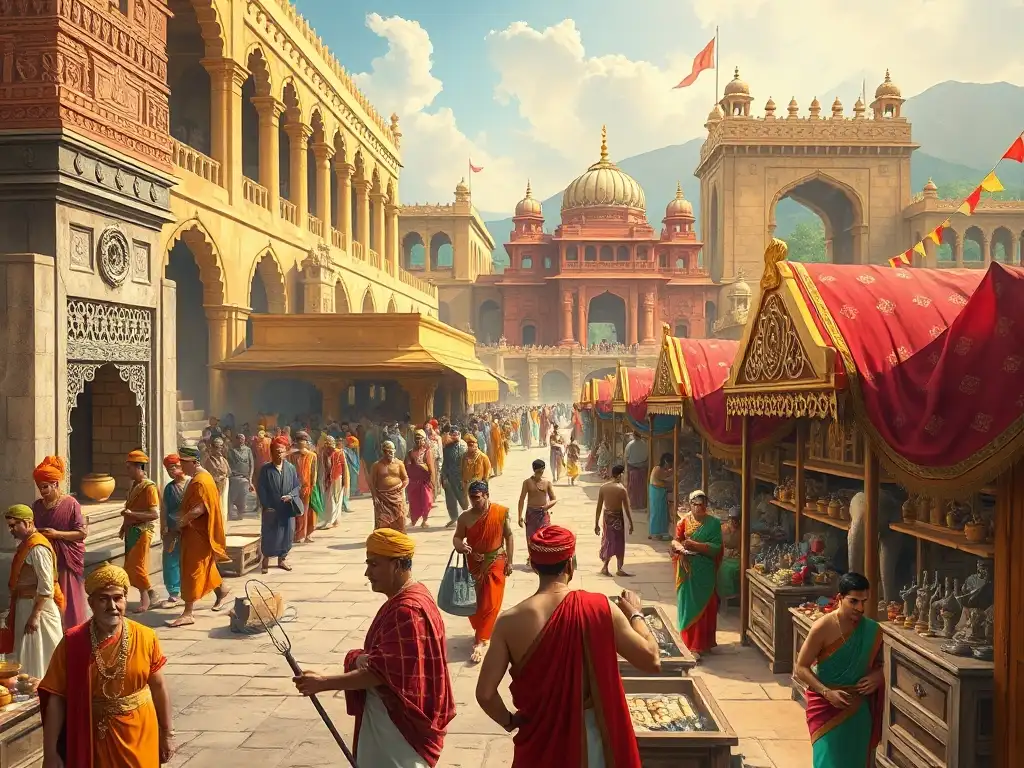
Introduction to Ancient Indian Economic Systems
The study of ancient Indian economic systems provides invaluable insights into the social, political, and cultural fabric of the subcontinent. Among the most prominent empires in ancient India, the Maurya and Gupta empires stand out for their significant contributions to economic practices that shaped the region's history. This article delves into a detailed comparison of the economic systems of these two great empires, highlighting their unique characteristics and similarities. By examining the economic frameworks during these periods, we can better appreciate how they influenced trade, agriculture, and industry in ancient India.
Overview of Economic Practices in Ancient India
Ancient India exhibited a diverse range of economic practices, reflecting its rich cultural tapestry. The economy during this period can be broadly categorized into several key areas:
- Agriculture: The backbone of the economy, providing sustenance and resources.
- Trade and Commerce: Involving both local and international trade routes.
- Craftsmanship and Industry: Home to skilled artisans and guilds.
Understanding these aspects is essential to grasp the complexity and sophistication of ancient Indian economic systems.
Importance of Studying Economic Systems of Maurya and Gupta
Studying the economic systems of the Maurya and Gupta empires is crucial for several reasons:
- Cultural Heritage: It reveals the socio-economic dynamics that influenced cultural practices.
- Political Influence: Economic policies shaped governance and administration.
- Trade Networks: Insights into trade relationships with other civilizations, enhancing our understanding of global interactions.
- Legacy: The legacies of these economic practices continue to impact modern Indian economic thought.
The Maurya Empire: Economic Structure and Practices
The Maurya Empire, established in the 4th century BCE, was marked by a highly organized economic structure that set the foundation for subsequent Indian empires.
Key Features of the Maurya Economic System
The economic system of the Maurya Empire was characterized by:
- Centralized Control: The state maintained strict oversight over various economic activities.
- Standardization: Implementation of standardized weights and measures to facilitate trade.
- State Revenues: The empire relied on taxes from agriculture, trade, and crafts.
This structured approach allowed the Mauryan economy to flourish, promoting stability and growth.
Trade and Commerce in the Maurya Period
Trade during the Maurya period was extensive and well-developed. Key elements included:
- Trade Routes: Established land and maritime routes connecting India with regions like Central Asia and the Mediterranean.
- Market Regulations: Government regulations ensured fair trade practices, fostering trust among merchants.
- Diverse Goods: A wide array of goods, including textiles, spices, and precious stones, were traded.
The Maurya Empire's trade network played a vital role in enhancing economic prosperity and cultural exchange.
Agriculture and Land Revenue in Maurya Economics
Agriculture was the primary source of revenue for the Maurya Empire. Important aspects included:
- Land Revenue System: A well-defined taxation system based on agricultural output.
- Irrigation Techniques: Innovations in irrigation improved crop yields and sustained agricultural productivity.
- Crop Diversity: Farmers cultivated various crops, ensuring food security and trade surplus.
The emphasis on agriculture not only supported the economy but also strengthened social structures.
Role of Guilds and Artisans in Maurya Economy
Guilds and artisans were integral to the Mauryan economy, functioning as:
- Organized Groups: Guilds represented specific trades, ensuring quality and standards.
- Economic Collaboration: Artisans collaborated within guilds to enhance productivity and innovation.
- Cultural Transmission: They played a crucial role in preserving and passing down traditional crafts and skills.
The contributions of guilds and artisans significantly enriched the economic landscape of the Maurya Empire, fostering a vibrant marketplace and cultural exchange.
The Gupta Empire: Economic Structure and Practices
The Gupta Empire, which flourished from approximately 240 to 550 CE, is often hailed as a golden age of Indian civilization, marked by significant advancements in arts, sciences, and economics. The economic structure of the Gupta Empire was characterized by a complex interplay of agriculture, trade, and artisanal production. The government played a crucial role in fostering economic growth, implementing policies that stimulated agricultural productivity and promoted trade. The Gupta rulers maintained a system of governance that allowed local autonomy, enabling regional economies to flourish while still adhering to the overarching imperial framework.
The economy during this period was predominantly agrarian, with a significant portion of the population engaged in farming. However, the Gupta period also witnessed the rise of urban centers that served as hubs for trade and commerce. The state's investment in infrastructure, such as roads and irrigation systems, facilitated agricultural surplus and improved trade routes, thereby enhancing economic stability and growth.
Key Features of the Gupta Economic System
The Gupta economic system was characterized by several key features:
- Agricultural Dominance: Agriculture was the backbone of the Gupta economy. Fertile plains, particularly in the Ganges region, supported the cultivation of various crops, including rice, wheat, and sugarcane. The use of advanced agricultural techniques, such as crop rotation and irrigation, led to increased productivity.
- Decentralized Administration: The Gupta Empire employed a decentralized administrative system, allowing local governors (Uparikas) to manage their regions. This approach enabled tailored economic policies that suited regional needs, fostering local trade and agriculture.
- Currency and Trade: The Gupta period saw the introduction of standardized gold and silver coins, which facilitated trade. The widespread use of currency improved economic transactions and strengthened trade networks.
- Taxation System: The Gupta rulers imposed taxes on agricultural produce, trade, and craftsmanship. The tax rates were generally moderate, promoting economic growth while ensuring state revenue.
Trade Networks and Commercial Expansion during Gupta Era
The Gupta Empire was marked by extensive trade networks that extended both within the Indian subcontinent and beyond. Trade flourished due to several factors:
- Geographical Location: The empire's strategic positioning allowed it to connect with major trade routes linking India to Central Asia, the Middle East, and Southeast Asia. This facilitated not only the exchange of goods but also the flow of ideas and culture.
- Diverse Goods: The Gupta economy was diverse, with trade in textiles, spices, precious stones, and metalwork. Indian silk and cotton textiles, in particular, were highly sought after in foreign markets.
- International Trade Relations: The Gupta dynasty engaged in active diplomacy, establishing trade relations with various kingdoms and empires. This not only bolstered economic ties but also led to the exchange of technological and cultural advancements.
Agricultural Innovations and Taxation in Gupta Economy
Agricultural innovations played a vital role in the economic prosperity of the Gupta Empire. The following aspects highlight the significance of agriculture in the Gupta economy:
- Innovative Techniques: The Guptas introduced advanced farming techniques, including improved irrigation methods and tools such as the plough. These innovations increased crop yields, allowing for surplus production.
- Taxation Policies: The Gupta rulers implemented a taxation system that was both efficient and fair. Taxes were levied in kind, and farmers were often required to pay a portion of their produce to the state. This system encouraged agricultural development while providing the state with a steady revenue stream.
- Land Grants: The Gupta state often granted land to brahmins and temples, which not only promoted agrarian expansion but also reinforced social structures within the empire.
Influence of Guilds and Craftsmen in Gupta Economic Practices
Guilds and craftsmen played a significant role in the economic landscape of the Gupta Empire. Their influence can be summarized as follows:
- Role of Guilds: Guilds (shrenis) were associations of artisans and merchants that regulated trade practices and standards. They provided a framework for cooperation among craftsmen, ensuring quality and fair pricing in the marketplace.
- Craftsmanship and Specialization: The Gupta period was renowned for its high-quality craftsmanship in textiles, metalwork, and pottery. Artisans specialized in various crafts, contributing to the empire's economic diversity and stimulating trade.
- Social and Economic Status: Guild members often enjoyed a higher social status and were able to negotiate better terms for their work. This empowerment of craftsmen contributed to economic stability and innovation within the Gupta economy.
Comparative Analysis of Maurya and Gupta Economic Systems

The economic systems of the Maurya (322-185 BCE) and Gupta (240-550 CE) empires present intriguing contrasts and similarities, reflecting the evolution of economic practices in ancient India. While both empires shared a foundation of agricultural and trade-based economies, their approaches to governance, trade, and taxation differed significantly.
Economic Policies: Maurya vs. Gupta
The Maurya Empire, under the reign of Ashoka, implemented a centralized economic policy with strict control over resources and trade. The state exercised significant influence over agricultural production and trade practices, often imposing heavy taxes to maintain a large bureaucratic system. In contrast, the Gupta Empire adopted a more decentralized approach, granting autonomy to regional governors. This flexibility encouraged local economies to thrive, leading to diverse economic practices tailored to specific regional needs.
Trade and Commerce: Similarities and Differences
Both empires emphasized trade as a crucial component of their economies, but their methods of engaging in commerce differed. The Maurya Empire focused on state-controlled trade, with a network of officials overseeing market activities. The Gupta Empire, however, promoted private enterprise and the establishment of guilds, which facilitated independent trade ventures. While both empires engaged in international trade, the Gupta's more relaxed regulations encouraged greater commercial expansion.
Agricultural Practices: A Comparative Study
Agriculture served as the primary economic driver in both empires. The Maurya Empire implemented state-directed agricultural policies aimed at maximizing yields through centralized control. In contrast, the Gupta Empire encouraged agricultural innovation through local governance and land grants, which fostered experimentation and increased productivity. Additionally, the Gupta period saw a marked improvement in irrigation techniques, further enhancing agricultural output.
Role of Artisans and Guilds: Maurya vs. Gupta Perspectives
Artisans and guilds were integral to both the Maurya and Gupta economies, but their roles differed in terms of influence and organization. Under the Maurya Empire, artisans were often subordinate to state interests, and their work was heavily regulated. In the Gupta period, guilds gained more autonomy, allowing craftsmen to organize and negotiate better working conditions and prices. This shift in perspective not only empowered artisans but also stimulated economic growth and cultural innovation during the Gupta era.
Impact of Economic Systems on Society and Culture
The economic systems of the Maurya and Gupta Empires significantly influenced the social and cultural fabric of ancient India. These systems dictated the distribution of wealth, the organization of labor, and the overall lifestyle of the people. The Mauryan economy, characterized by a strong centralized state, involved extensive state control over resources and trade, leading to a more uniform economic structure across the empire. This centralization allowed for the implementation of large-scale agricultural projects, which in turn supported a growing population and urbanization, fostering a rich cultural milieu.
In contrast, the Gupta Empire's economy was more decentralized. It relied heavily on local governance and trade networks, encouraging a variety of economic practices that contributed to regional identities. This economic flexibility led to a flourishing of arts, literature, and science, as wealth generated from trade and agriculture was invested in cultural pursuits. Consequently, the distinct economic approaches of these two empires resulted in varying societal hierarchies and cultural developments, influencing everything from social norms to artistic expression.
Socio-economic Structures in Maurya and Gupta Empires
The Maurya Empire's socio-economic structure was heavily influenced by its administrative system. The state maintained control over key industries, particularly in agriculture, mining, and textiles. Land revenue was a significant source of income, collected through a sophisticated bureaucracy that regulated agricultural production. The caste system played a crucial role, with specific jobs assigned to different social groups, thus sustaining a hierarchical society. The Mauryan economy also saw the emergence of trade guilds, which facilitated commerce and contributed to the wealth of the merchant class.
Conversely, the Gupta Empire's socio-economic structure was marked by increased autonomy for local leaders. While agriculture remained the backbone of the economy, the Guptas encouraged trade with foreign lands, leading to the rise of merchant classes and the establishment of trade routes. The societal organization during this period was less rigid than in the Maurya era, allowing for greater social mobility. The Gupta period is often celebrated for its advancements in science and art, supported by the economic prosperity that allowed for patronage of scholars and artists.
Cultural Influences of Economic Practices in Ancient India
Economic practices in ancient India had profound cultural impacts, shaping everything from religious practices to artistic expressions. The wealth generated from agriculture and trade during the Mauryan period facilitated the construction of monumental architecture, such as stupas and palaces, which played a crucial role in the spread of Buddhism. The state also actively promoted religious tolerance, allowing various cultural practices to flourish.
The Gupta Empire is often regarded as a golden age of culture in India, with its economic prosperity fostering advancements in mathematics, astronomy, and literature. The support of scholarly activity led to significant works, such as Aryabhata's astronomical treatises and Kalidasa's literary masterpieces. Trade not only brought wealth but also cultural exchanges, enriching the artistic and intellectual landscape of the period. The interplay between economic activities and cultural developments underscored the importance of trade and agriculture as catalysts for societal progress.
Legacy of Maurya and Gupta Economic Systems in Modern India
The economic systems of the Maurya and Gupta Empires have left a lasting legacy on modern Indian economic practices. The Mauryan emphasis on state control and structured administration has been reflected in various forms of governance and economic planning throughout Indian history. The emphasis on agriculture as a primary economic driver continues to resonate, with modern India still relying heavily on agricultural output.
On the other hand, the Gupta model of decentralized trade and local governance offers insights into the importance of regional economies in contemporary India. The flourishing trade networks established during the Gupta period laid the groundwork for modern trade practices, highlighting the significance of commerce in connecting diverse regions. Furthermore, the cultural advancements during these periods continue to influence contemporary Indian art, literature, and education, showcasing the enduring impact of these ancient economic systems.
Conclusion: The Significance of Comparing Ancient Indian Economic Systems
The comparison of the Maurya and Gupta economic systems is significant for understanding the evolution of economic practices in ancient India. By analyzing these systems, we can gain insights into how economic policies shaped societal structures, cultural developments, and regional identities. The distinct approaches of the two empires reveal the adaptability and complexity of ancient Indian economies, which laid the groundwork for future economic practices.
Summary of Key Findings on Maurya and Gupta Economies
The Maurya Empire's centralized economic system facilitated state control and uniformity, leading to significant agricultural and infrastructural developments. In contrast, the Gupta Empire's decentralized approach fostered regional trade and cultural prosperity. Both empires contributed uniquely to the economic landscape of ancient India, influencing social structures and cultural practices in profound ways. The legacy of their economic systems continues to be felt in modern India, highlighting the relevance of ancient practices in contemporary society.
Future Research Directions in Ancient Indian Economic Studies
Future research in ancient Indian economic studies should focus on comparative analyses between different regions and time periods, exploring influences from neighboring cultures and economies. Additionally, investigating the impact of trade routes and foreign relations on economic practices will provide a more comprehensive understanding of ancient Indian economies. Interdisciplinary approaches, combining archaeology, anthropology, and historical studies, could yield new insights into the socio-economic dynamics of ancient civilizations, enriching our understanding of their complexities and contributions to the modern world.
Frequently Asked Questions
What are the main economic systems of the Maurya and Gupta Empires?
The Maurya Empire had a centralized economy with extensive state control, while the Gupta Empire promoted a more decentralized system, encouraging trade and commerce.
How did trade differ between the Maurya and Gupta periods?
During the Maurya period, trade was primarily state-controlled, whereas in the Gupta period, there was a significant growth in private trade, leading to economic prosperity.
What role did agriculture play in these economic systems?
Agriculture was a cornerstone of both empires, but the Gupta period saw advancements in agricultural techniques and increased productivity, which supported a larger population.
How did the Maurya and Gupta Empires influence the economy of ancient India?
Both empires significantly shaped the economic landscape of ancient India, with the Maurya Empire focusing on state regulation and the Gupta Empire fostering an environment of entrepreneurship.
What were some key economic contributions of these two empires?
The Maurya Empire is noted for developing infrastructure like roads, while the Gupta Empire is recognized for advancements in metallurgy and coinage, which facilitated trade.
Final Reflection: Understanding the Foundations of Ancient Indian Economic Systems
The comparison of the Maurya and Gupta economic systems reveals not only the intricacies of ancient trade and governance but also their profound relevance in today's global economy. As we navigate the complexities of modern economic challenges, the lessons from these ancient systems remind us that economic prosperity is deeply intertwined with cultural values, governance, and social structures. The striking realization is that the foundations laid by these ancient civilizations continue to influence contemporary economic thought and practice.
The enduring impact of the Maurya and Gupta empires on the socio-economic landscape of India is a testament to the sophistication of their systems. Their approaches to trade, taxation, and agriculture have shaped not just historical narratives but also the very fabric of Indian society. As we reflect on this, we can appreciate the words of historian Romila Thapar: The economic systems of ancient India were not merely about wealth but were integral to the social order and cultural identity.
This observation underscores the importance of understanding these systems as more than just historical facts; they are vital to our comprehension of modern economic dynamics.
As we conclude this exploration of ancient Indian economic systems, I invite you to reflect on how these historical insights can inform your understanding of contemporary economic issues. Consider how the principles of trade, governance, and social responsibility from the Maurya and Gupta eras can inspire us to create more equitable and sustainable economic practices today. Let us carry forward the lessons of the past, applying them to our current challenges and striving for a future where economic systems serve the greater good of society.
Explore the Rich Tapestry of Ancient Indian Economies!
Thank you for diving into the intricacies of ancient Indian economic systems! You've uncovered valuable insights into how the Maurya and Gupta dynasties shaped trade, agriculture, and commerce. Now, it’s time to take this knowledge further and engage with the history of these vibrant cultures!
Here are a few actionable steps to deepen your understanding:
- Join an Online Forum: Connect with fellow enthusiasts by participating in discussions about the Maurya and Gupta economies. Share your thoughts and learn from others!
- Visit a Local Museum or Exhibit: Seek out exhibitions focusing on ancient Indian history or artifacts. Experience firsthand the cultural heritage that influenced these economic systems.
- Start a Blog or Journal: Document your insights and reflections on what you’ve learned. Sharing your knowledge with your community can inspire others to explore this fascinating topic!
What aspect of ancient Indian economies surprises you the most, and how would you apply that knowledge to understand today's economic systems?