
The Interconnectedness of Ancient Indian Cities through Trade

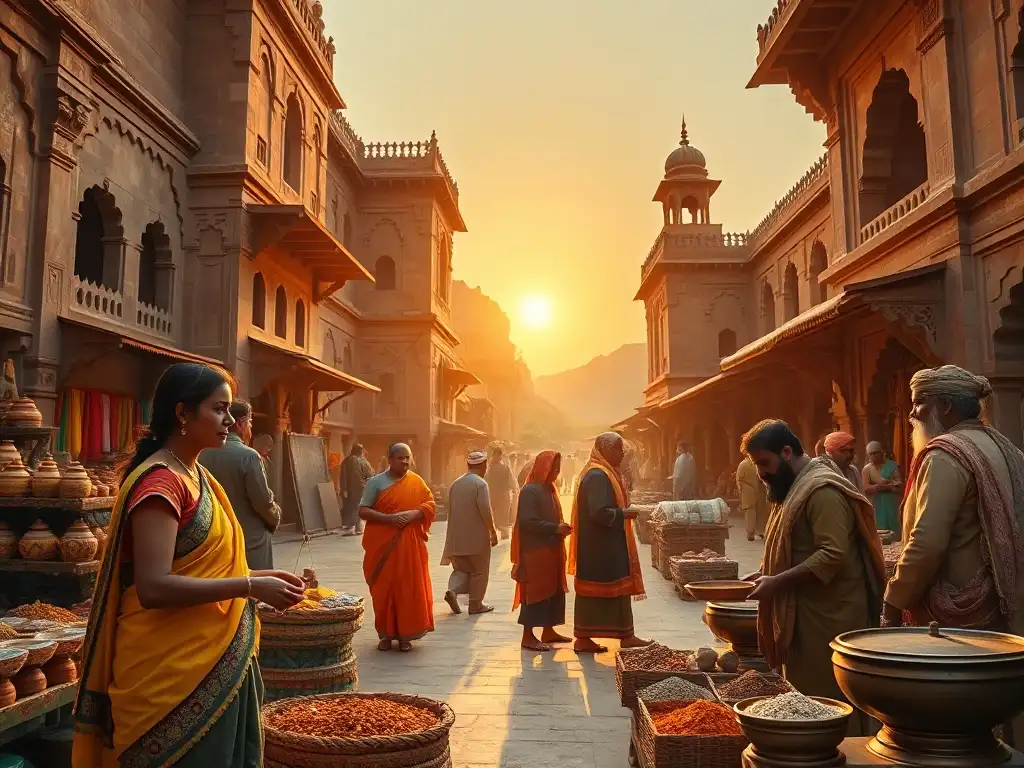
Welcome to Ancient India History, where we embark on a captivating journey through the rich and diverse tapestry of ancient Indian civilizations. As we delve into the fascinating history of ancient Indian trade routes, you'll discover how intricate networks connected vibrant cities, facilitating the exchange of goods and ideas that shaped cultures and economies. What secrets do these trade routes hold about the interconnectedness of ancient Indian cities?
Join us as we unravel the mysteries of trade and explore the enduring legacy of commerce in shaping our world today. Get ready to dive deeper into a realm where history and connection intertwine!
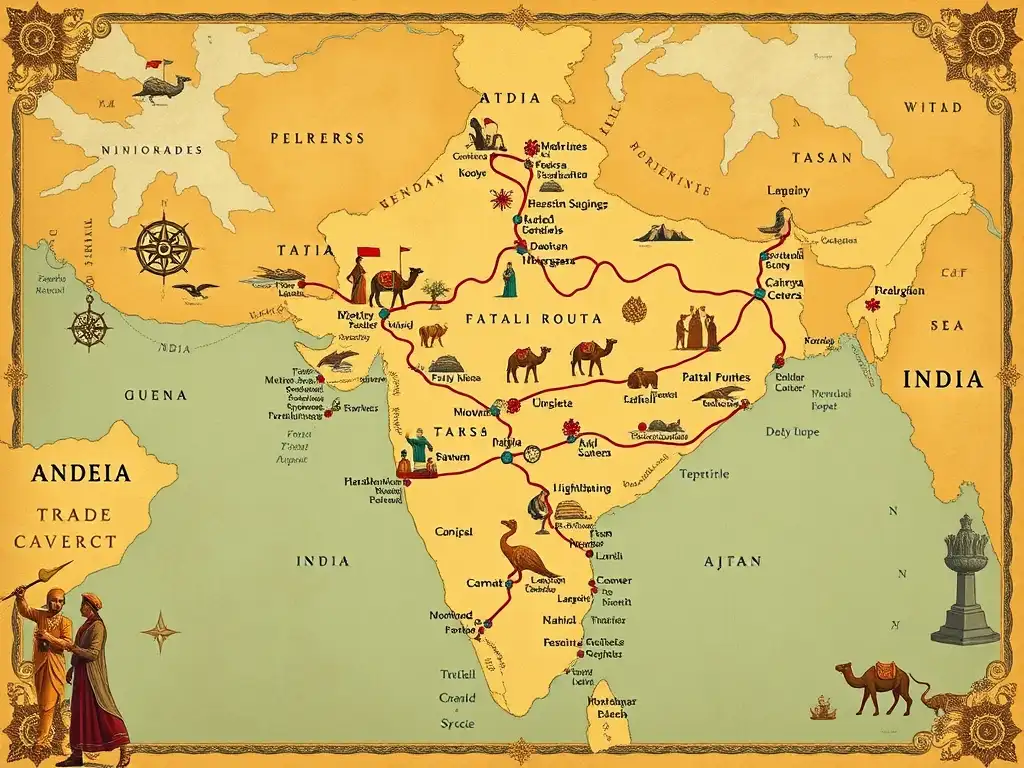
Introduction to Ancient Indian Trade Routes History
The history of ancient Indian trade routes is a fascinating exploration of the economic, cultural, and social dynamics that shaped one of the world's oldest civilizations. From the bustling markets of the Indus Valley to the thriving trade hubs of the Gupta Empire, ancient India served as a pivotal crossroads for commerce. These trade routes facilitated not only the exchange of goods but also the transfer of ideas, cultures, and innovations.
Understanding the interconnectedness of ancient Indian cities through trade sheds light on the complexities of their economies and the profound impact these interactions had on the broader historical narrative. By examining the intricate web of ancient trade routes, we can appreciate how they influenced the development of urban centers and contributed to the flourishing of civilization in the Indian subcontinent.
Overview of Trade in Ancient India
Trade in ancient India was characterized by a rich tapestry of goods, cultures, and practices. The Indian subcontinent was endowed with diverse resources, including spices, textiles, gemstones, and agricultural products, which made it an attractive destination for traders from across the globe. Major trade centers, such as Taxila, Ujjain, and Pataliputra, became melting pots of commerce and culture, drawing merchants from distant lands such as Rome, Persia, and Southeast Asia.
- Key Commodities:
- Spices (e.g., black pepper, cardamom)
- Textiles (e.g., silk, cotton)
- Precious stones (e.g., diamonds, rubies)
The trade practices were not limited to physical goods. They also included the exchange of ideas, philosophies, and technologies, which enriched the cultural fabric of ancient Indian society. The use of standardized weights and measures, as well as the establishment of trade guilds, played a crucial role in facilitating these exchanges.
Importance of Trade in Ancient Indian Civilization
Trade was integral to the development and sustainability of ancient Indian civilizations. It contributed to economic prosperity, social stratification, and the emergence of urban centers. The wealth generated from trade allowed for advancements in architecture, art, and science, leading to a cultural renaissance in various regions.
- Economic Growth: Trade stimulated economic activity, leading to increased agricultural production and the establishment of specialized crafts.
- Cultural Exchange: The interactions between traders and local populations fostered a rich exchange of cultural practices, languages, and religions, such as the spread of Buddhism and Hinduism along trade routes.
Moreover, the strategic location of India made it a vital player in international trade networks, linking the East and West. This interconnectedness not only enhanced India's economic stature but also positioned it as a center for cultural diffusion.
Major Ancient Indian Trade Routes
The Silk Road and Its Connection to India
The Silk Road, often romanticized as a legendary trade route, was a network of interconnected pathways that facilitated trade between the East and the West. Stretching from China to Europe, this route played a significant role in connecting ancient India with various civilizations.
- Trade Goods:
- Indian textiles and spices were highly sought after in markets across Central Asia and Europe.
- The exchange of silk and precious metals enriched Indian traders.
Indian cities like Taxila became crucial stops along the Silk Road, serving as centers for commerce and cultural exchange. The movement of goods also led to the exchange of ideas, technologies, and philosophies, further intertwining the destinies of diverse civilizations.
Maritime Trade Routes of Ancient India
Ancient India's maritime trade routes were equally significant, connecting the Indian subcontinent to regions such as the Arabian Peninsula, Africa, and Southeast Asia. The monsoon winds facilitated navigation, allowing traders to sail across vast oceans.
- Key Ports:
- Lothal, a prominent port city of the Indus Valley Civilization, played a vital role in maritime trade.
- Other notable ports included Kochi and Calicut, which served as gateways for the spice trade.
These maritime routes enabled the exchange of not only goods but also cultural practices, leading to a rich tapestry of influences across the Indian Ocean region. The spread of Indian culture, art, and religion through these routes contributed to the development of vibrant coastal communities.
Overland Trade Routes in the Indian Subcontinent
In addition to maritime routes, overland trade routes crisscrossed the Indian subcontinent, facilitating the movement of goods between various regions. These routes connected major cities and towns, creating an intricate network of commerce.
- Notable Routes:
- The Uttarapath, a crucial overland trade route, linked North India with Central Asia.
- The Southern trade routes connected the Deccan Plateau with the ports along the western and eastern coasts.
Overland trade not only supported economic activities but also promoted cultural exchanges between different regions. The interactions among traders, merchants, and local populations contributed to the growth of cities and the establishment of trade networks that endured for centuries.
Key Ancient Indian Cities as Trade Hubs
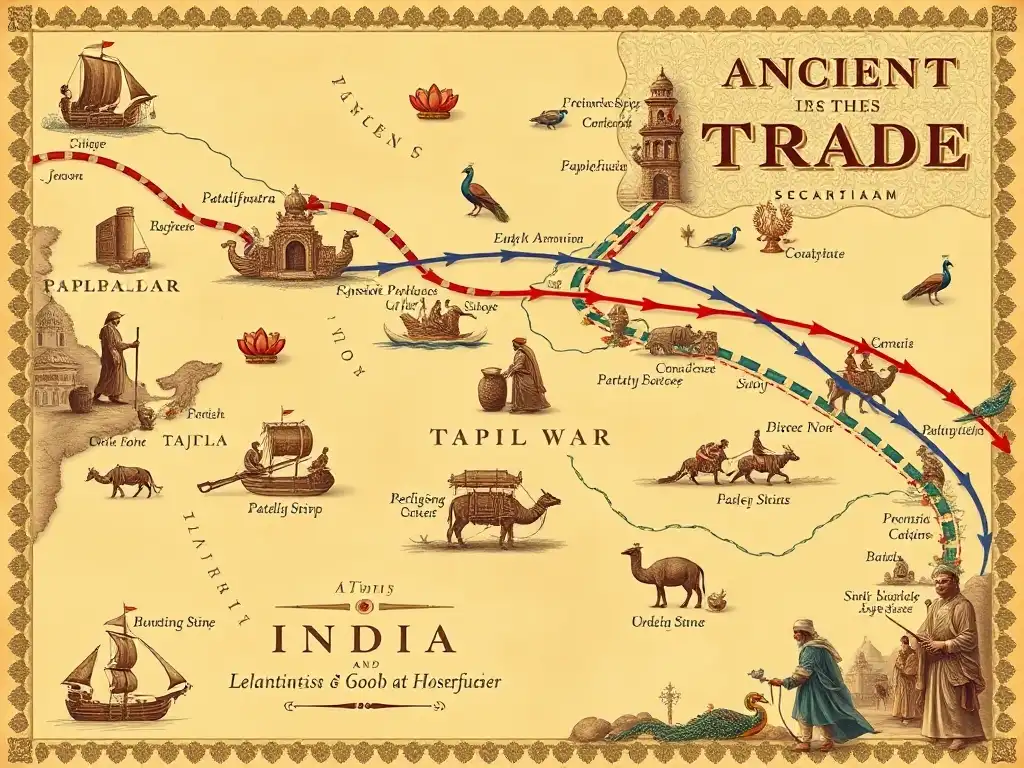
The ancient Indian subcontinent was a tapestry of vibrant cities that served as crucial trade hubs, facilitating the exchange of goods, ideas, and cultures. These cities were strategically located along trade routes, both overland and maritime, connecting India to regions as far as the Middle East, Africa, and Southeast Asia. Their economic significance cannot be overstated, as they not only contributed to the prosperity of their respective regions but also played a pivotal role in the cultural exchanges that shaped ancient Indian civilization.
Among the most notable trade hubs were Harappa and Mohenjo-Daro in the Indus Valley, Pataliputra, and Taxila, each leaving a unique mark on the history of trade in ancient India. These cities were characterized by advanced urban planning, specialized crafts, and a variety of markets that attracted traders from different parts of the world.
Harappa and Mohenjo-Daro: The Indus Valley Trade Centers
Harappa and Mohenjo-Daro, two of the most prominent cities of the Indus Valley Civilization, stand out as early examples of sophisticated urban trade centers. Dating back to around 2500 BCE, these cities were strategically located near the Indus River, which provided fertile land and facilitated trade with surrounding regions.
Archaeological findings suggest that Harappa and Mohenjo-Daro had well-defined streets, drainage systems, and standardized weights and measures, indicating a highly organized economy. The inhabitants engaged in the trade of various goods, including textiles, pottery, and metalwork. Evidence of seals depicting animals and other symbols suggests that these cities were involved in trade with regions like Mesopotamia, facilitating the exchange of goods such as lapis lazuli, copper, and ivory.
Trade in these cities was likely conducted through a barter system, where goods were exchanged directly. The presence of large warehouses and docks further indicates that these cities played a significant role in maritime trade, as they were well-connected to coastal routes.
Pataliputra: A Nexus of Trade and Culture
Pataliputra, the ancient capital of the Maurya and Gupta Empires, emerged as a major center of trade and culture in the 4th century BCE. Located at the confluence of the Ganges and Son rivers, Pataliputra benefited from its strategic position, serving as a crossroads for land and river trade routes.
The city was known for its bustling markets, where merchants traded a wide array of goods, including spices, textiles, and jewelry. Pataliputra also attracted scholars, artists, and thinkers, making it a vibrant cultural hub. The flourishing trade led to the rise of a wealthy merchant class, which played a crucial role in the economic landscape of ancient India.
Moreover, Pataliputra's political significance as a capital city facilitated trade agreements and diplomatic relations with neighboring regions, enhancing its status as a commercial center. The city also hosted numerous religious and educational institutions, further enriching its cultural fabric and promoting the exchange of ideas.
Taxila: The Ancient Center of Learning and Commerce
Taxila, located in present-day Pakistan, was another prominent trade hub and a renowned center of learning. Its strategic location at the crossroads of several major trade routes made it an important city for commerce and cultural exchange from the 6th century BCE onwards.
Taxila was famous for its university, which attracted students from various regions, including Greece, Persia, and Central Asia. The city was a melting pot of cultures, where ideas and knowledge were exchanged alongside goods. Merchants in Taxila traded in luxury items such as silk, spices, and precious stones, making it a vibrant marketplace.
The city's prosperity was bolstered by its skilled artisans and craftsmen, who produced a wide range of products, including coins, pottery, and metalwork. The establishment of a formalized currency system facilitated trade transactions, allowing for more efficient exchanges and contributing to the economic development of the region.
The Role of Trade in Economic Practices
Trade was a fundamental aspect of ancient Indian economic practices, shaping the growth of cities and facilitating cultural exchanges. The interconnectedness of trade routes allowed for the movement of goods and ideas, which contributed to the development of various economic systems and practices across the subcontinent.
Barter System in Ancient Indian Trade
In the early phases of ancient Indian trade, the barter system was the primary mode of transaction. This system involved the direct exchange of goods and services without the use of money. For example, a farmer might trade grains for pottery or textiles with a craftsman, fostering a sense of community and interdependence among different sectors of society.
The barter system had its advantages, particularly in promoting local economies and allowing individuals to trade surplus goods. However, it also had limitations, such as the need for a double coincidence of wants, where both parties had to desire what the other offered. This often led to inefficiencies in trade, motivating the eventual development of more formalized systems of exchange.
The Use of Currency in Trade Transactions
As trade expanded and became more complex, the need for a standardized medium of exchange emerged. The use of currency began to take root, with the introduction of coins made from precious metals, such as gold and silver, as well as other materials. These coins facilitated trade by providing a convenient and universally accepted means of transaction.
The introduction of currency also allowed for the establishment of markets and the growth of merchant classes. Coins provided a way to quantify value, making it easier for merchants to conduct transactions and assess profits. Additionally, the use of currency paved the way for more sophisticated financial practices, including credit and loans, which further stimulated economic growth.
Trade Goods and Their Economic Impact
The diversity of trade goods in ancient India significantly impacted the economy and social structure of the region. Major trade goods included spices, textiles, precious stones, and metals, which were not only valuable within India but also sought after in international markets.
The trade in spices, for instance, established India as a key player in global trade networks, attracting merchants from distant lands. Textiles, particularly cotton and silk, became synonymous with Indian craftsmanship and were highly valued in markets across Asia and beyond. The demand for these goods stimulated local industries and contributed to the development of urban centers.
Moreover, the economic impact of trade extended beyond mere transactions; it fostered cultural exchanges, innovations in technology, and the spread of ideas. Trade routes became conduits for not only goods but also philosophies, religions, and artistic expressions, contributing to the rich tapestry of ancient Indian civilization.
Cultural Exchange through Trade
Trade was not merely an economic activity in ancient India; it was a vital conduit for cultural exchange. The bustling markets of ancient cities acted as melting pots where diverse cultures mingled, leading to the sharing of ideas, traditions, and practices. As merchants traveled along well-established routes, they brought with them not only goods but also their own cultural influences, which enriched the local customs and lifestyles of the regions they visited. This blend of cultures is evident in various aspects of life, including cuisine, clothing, and social practices.
Moreover, cities like Taxila and Pataliputra became significant centers of cultural interaction, facilitating the exchange of artistic styles and religious beliefs. The movement of people along these trade routes allowed for the diffusion of artistic techniques, leading to the creation of hybrid art forms that reflected the diversity of influences.
Influence of Trade on Ancient Indian Art and Culture
The influence of trade on ancient Indian art and culture is substantial and multifaceted. Artisans and craftsmen in ancient India were exposed to various artistic traditions through interactions with traders from different regions, including Central Asia, the Middle East, and Southeast Asia. This exposure resulted in a unique amalgamation of styles, evident in sculpture, pottery, textiles, and architecture.
For instance, the intricate carvings found in ancient temples often display a blend of indigenous motifs and influences from foreign cultures. The famous Gandhara art, which emerged around the 1st century CE, is a prime example of this cultural fusion, showcasing Hellenistic styles combined with Buddhist themes. Similarly, the use of vibrant colors and patterns in textiles can be traced back to trade interactions with distant lands, leading to the development of unique regional styles.
In addition to visual arts, the trade networks also facilitated the exchange of literary and philosophical ideas. Texts on science, medicine, and philosophy were shared among scholars, contributing to a rich intellectual tradition that characterized ancient Indian civilization.
Spread of Religions through Trade Routes
Trade routes served as vital channels for the dissemination of religious beliefs throughout ancient India and beyond. The prosperity of cities like Varanasi and Ujjain attracted merchants from various backgrounds, creating a melting pot of religious practices. Buddhism, for instance, spread rapidly along trade routes, facilitated by the patronage of merchants and rulers who embraced the teachings of the Buddha.
Similarly, Hinduism and Jainism found followers beyond their traditional strongholds as traders carried their philosophies to new regions. The establishment of stupas and temples along trade routes not only served as religious centers but also as waypoints for travelers, further solidifying the connection between commerce and spirituality.
The Silk Road and other trade networks allowed for cross-cultural exchanges that introduced elements of Zoroastrianism and later Islam into the Indian context, illustrating how trade routes acted as bridges between diverse faiths, leading to a rich tapestry of religious practice.
Language and Knowledge Exchange among Trade Partners
The interconnectedness fostered by ancient trade routes also facilitated the exchange of language and knowledge. As merchants and traders interacted, they often learned the languages of their trading partners, leading to a blending of dialects and the development of pidgins that facilitated communication. This linguistic exchange enriched the local vernaculars and contributed to the evolution of languages in the Indian subcontinent.
Furthermore, the movement of scholars and traders allowed for the transfer of knowledge across various fields, including mathematics, astronomy, and medicine. Ancient texts from India, such as the Aryabhatiya and Sushruta Samhita, were influenced by scientific ideas from other cultures, demonstrating the collaborative nature of knowledge during this period. The cross-pollination of ideas ultimately led to advancements that shaped the intellectual landscape of ancient India and beyond.
Challenges and Changes in Ancient Trade Practices
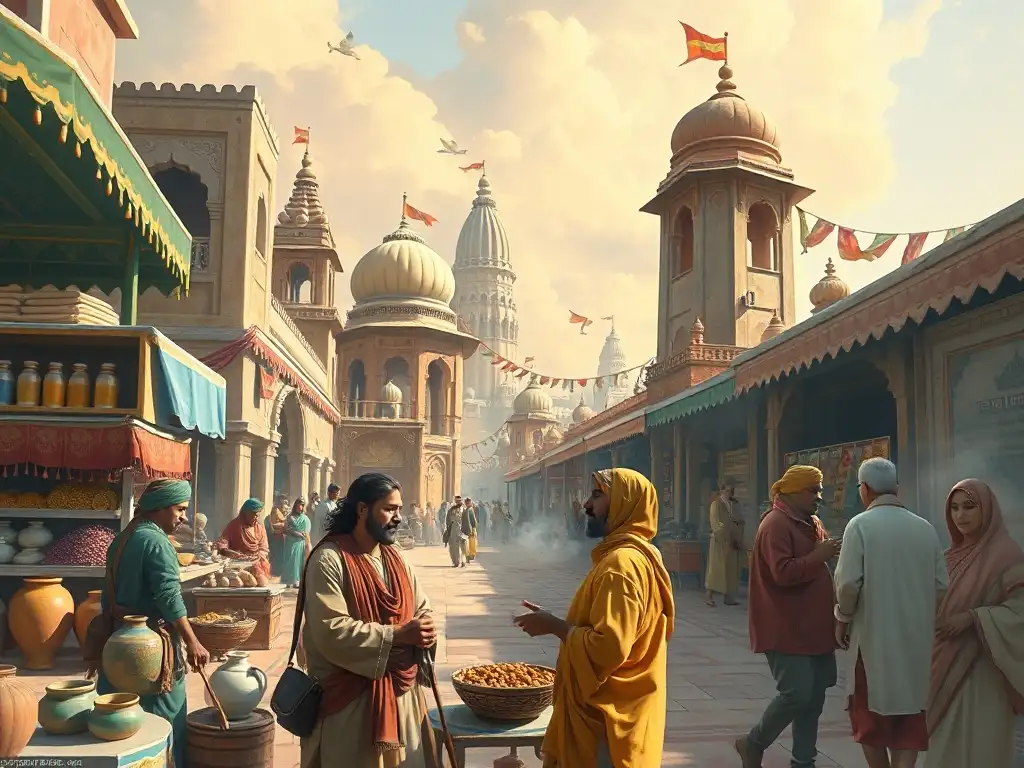
Despite the vibrant trade networks, ancient Indian trade practices faced numerous challenges and underwent significant changes over time. Various factors, including geography, political dynamics, and sociocultural shifts, influenced the evolution of trade routes.
Impact of Geography on Trade Dynamics
Geography played a crucial role in shaping the trade dynamics of ancient India. The diverse landscape, ranging from the mountainous terrains of the Himalayas to the vast coastal plains, influenced trade routes and the types of goods exchanged. The presence of natural barriers such as rivers and mountains often dictated the flow of trade, leading to the establishment of specific routes that facilitated commerce.
For example, the monsoon winds significantly impacted maritime trade, with traders timing their voyages to coincide with seasonal patterns. Coastal cities like Lothal and Sopara thrived as trade hubs due to their strategic locations along the Arabian Sea, allowing merchants to connect with distant markets in Africa, the Middle East, and Southeast Asia.
However, geographical challenges also posed obstacles. Harsh terrains and climatic conditions could disrupt trade routes, leading to fluctuations in the availability of goods and impacting the economy of cities reliant on trade.
Political Changes and Their Effect on Trade Routes
The political landscape of ancient India had a profound effect on trade routes and practices. The rise and fall of empires, such as the Mauryan and Gupta dynasties, led to shifts in trade dynamics. During periods of political stability and strong governance, trade flourished, with rulers often promoting commerce as a means of enhancing wealth and influence.
Conversely, invasions and conflicts could severely disrupt trade, leading to the decline of once-thriving routes. For instance, the invasion of the Huns in the 5th century CE created instability, impacting trade activities and leading to the decline of several key cities.
Moreover, the establishment of trade treaties and alliances among various kingdoms often facilitated trade, as rulers recognized the economic benefits of thriving commerce. These political maneuvers highlighted the interconnectedness of trade and governance in ancient India.
Decline of Trade in Late Antiquity
The decline of trade in late antiquity marked a significant turning point in the economic practices of ancient India. Several interrelated factors contributed to this decline, including the rise of regional powers, the disruption of established trade routes, and changing economic priorities.
The emergence of new trade partners, particularly in the Mediterranean and Central Asia, led to a shift in focus away from traditional routes. Additionally, the rise of local economies and increased self-sufficiency diminished the reliance on trade for certain regions, resulting in reduced intercity commerce.
The socio-political changes during this period, including the fragmentation of empires and the onset of regional conflicts, further exacerbated the decline of trade. As stability waned, cities that once thrived as trade hubs began to lose their significance, leading to a transformation in the economic landscape of ancient India.
Conclusion: The Legacy of Ancient Indian Trade Routes
The ancient Indian trade routes were not only vital for economic prosperity but also played a crucial role in cultural exchanges and the dissemination of ideas across vast regions. These routes established vital connections between Indian cities and distant lands, fostering a spirit of collaboration and innovation that paved the way for future civilizations. The legacy of these trade networks continues to resonate today, reminding us of the interconnectedness of human societies and the importance of trade in shaping cultural identities and economic systems.
The thriving trade practices of ancient India laid the foundation for a complex economic structure that influenced various aspects of life, including art, philosophy, and science. Goods such as spices, textiles, and precious stones became symbols of wealth and power, which facilitated not only commerce but also diplomatic relations among different kingdoms. The impact of these trade routes can still be seen in the cultural and economic exchanges that characterize modern India.
Lasting Impact on Modern Trade Systems
The intricate trade networks established by ancient Indian civilizations have left a lasting impact on modern trade systems. Many contemporary trade routes, both overland and maritime, trace their origins back to these ancient pathways. The Silk Road, a historic network of trade routes connecting Asia with Europe, included segments that facilitated the exchange of goods and ideas between India and other regions. This interconnectedness laid the groundwork for the globalization of trade that we witness today.
Furthermore, the practices and principles of trade that originated in ancient India continue to influence modern financial systems. Concepts such as barter and the use of standardized weights and measures can be traced back to these early trading practices, which emphasized fairness and transparency. As nations around the world pursue trade agreements and partnerships, the lessons learned from ancient Indian trade routes remain relevant, emphasizing the importance of cooperation and mutual benefit in economic exchanges.
Continuing Influence of Ancient Trade Practices in Contemporary India
In contemporary India, the influence of ancient trade practices can be observed in various facets of society. Traditional markets, often located in historical trading hubs, still thrive, showcasing the rich tapestry of goods that once traversed ancient routes. Local artisans and traders continue to employ techniques and styles that have been passed down through generations, reflecting the heritage of ancient craftsmanship.
Moreover, India's economic policies and trade strategies often echo the principles established by ancient traders, emphasizing the importance of engaging with neighboring countries and promoting regional cooperation. The revival of initiatives like the "Act East Policy" and participation in regional trade agreements highlight India's commitment to fostering connections that resonate with its rich trading history. This ongoing dialogue between the past and present serves as a testament to the enduring significance of ancient Indian trade routes in shaping modern economic practices.
References for Further Reading on Ancient Indian Trade Routes History
Suggested Books and Articles
-
"The Ancient Indian Economy" by R.C. Dutt
This book explores the economic systems of ancient India, with a focus on trade practices and their evolution over time.
-
"India and the World: A History of Trade" by Radhakrishnan Pillai
This work provides a comprehensive overview of India’s trade history, highlighting the significance of ancient trade routes.
-
"Trade and Trade Routes in Ancient India" by Ramesh Chandra Dutta
An insightful article that delves into the various trade routes and their impact on Indian civilization.
-
"The Maritime Trade of Ancient India" by S. K. Mitra
This book focuses on the maritime trade routes that connected India with global markets, detailing the goods traded and the cultural exchanges that occurred.
Online Resources and Archives
-
Digital South Asia Library
A rich resource for historical texts and maps related to trade routes in ancient India.
-
The Asiatic Society of Mumbai
Offers access to archives and publications focusing on the history of trade and commerce in ancient India.
-
Internet Archive
A collection of digitized books and documents related to ancient Indian trade, including rare texts that provide insights into trade practices.
-
The British Museum Online Collection
Features artifacts and documents that highlight the interconnectedness of ancient Indian trade with other civilizations.
- Introduction to Ancient Indian Trade Routes History
- Overview of Trade in Ancient India
- Importance of Trade in Ancient Indian Civilization
- Major Ancient Indian Trade Routes
- Key Ancient Indian Cities as Trade Hubs
- The Role of Trade in Economic Practices
- Cultural Exchange through Trade
- Challenges and Changes in Ancient Trade Practices
- Conclusion: The Legacy of Ancient Indian Trade Routes
- References for Further Reading on Ancient Indian Trade Routes History
Frequently Asked Questions
What were the main trade routes in ancient India?
Ancient India had a vast network of trade routes, including the Silk Road and maritime routes connecting India with Africa, Southeast Asia, and the Middle East.
How did trade influence ancient Indian cities?
Trade facilitated cultural exchange and economic growth, leading to the development of prosperous urban centers like Taxila, Pataliputra, and Ujjain.
What goods were commonly traded in ancient India?
Ancient Indian traders exchanged a variety of goods, including spices, textiles, precious stones, and metals, which were highly sought after in global markets.
How did trade contribute to the rise of the Gupta Empire?
Trade under the Gupta Empire led to economic prosperity, enabling advancements in art, science, and literature, establishing it as a golden age in Indian history.
What role did religion play in ancient Indian trade?
Religion often influenced trade routes, with pilgrimages connecting cities and facilitating cultural interactions, creating networks that enhanced both economic ties and spiritual exchanges.
Final Reflection: The Enduring Legacy of Ancient Indian Trade Routes
The interconnectedness of ancient Indian cities through trade is not merely a historical curiosity; it is a testament to the profound impact of commerce on cultural exchange and societal development. As we navigate the complexities of our modern world, understanding the intricate web of ancient trade routes illuminates how these pathways fostered not only economic prosperity but also the sharing of ideas, beliefs, and innovations that shaped civilizations. The lessons learned from these historical connections resonate powerfully today, reminding us of the importance of collaboration and mutual understanding in an increasingly globalized society.
The influence of ancient Indian trade routes extends far beyond their geographical boundaries, shaping the cultural and social landscapes of the regions they touched. These routes were not just conduits for goods; they were vibrant arteries of cultural exchange that enriched the lives of countless individuals. As we reflect on this interconnectedness, we can appreciate how trade facilitated the spread of knowledge, art, and philosophy, creating a tapestry of shared human experience. Trade is not just about the exchange of goods; it is the exchange of ideas that truly transforms societies.
This ongoing influence encourages us to recognize the value of our own connections, both local and global, in fostering a more inclusive and enriched world.
As we conclude this exploration of ancient Indian trade routes, I invite you to reflect on your own interconnectedness with others. Consider how you can foster relationships that promote understanding and collaboration in your community. Whether through supporting local artisans, engaging in cultural exchanges, or simply being open to learning from diverse perspectives, each of us has the power to contribute to a more interconnected and harmonious society. Let the legacy of these ancient trade routes inspire you to build bridges in your own life, creating pathways for growth, understanding, and shared prosperity.
Unveil the Secrets of Ancient Trade!
Thank you for diving into the rich tapestry of ancient Indian cities and their vibrant trade networks! We hope you’ve uncovered fascinating insights into how commerce shaped cultures and connected communities. It's time to take action and further explore the legacy of these historical trade routes.
Here are some next steps you can take:
- Visit a local museum or historical site related to ancient Indian trade to view artifacts and deepen your understanding through firsthand experiences.
- Join an online community dedicated to discussions about ancient history to share your thoughts, insights, and connect with fellow enthusiasts.
- Initiate a research project focused on a specific city or trade route that captured your interest—delve deeper into its history and share your discoveries with others!
What aspect of ancient trade do you find most intriguing, and how do you think it has influenced modern commerce today?