
The Significance of Grains in Ancient Indian Economy and Society

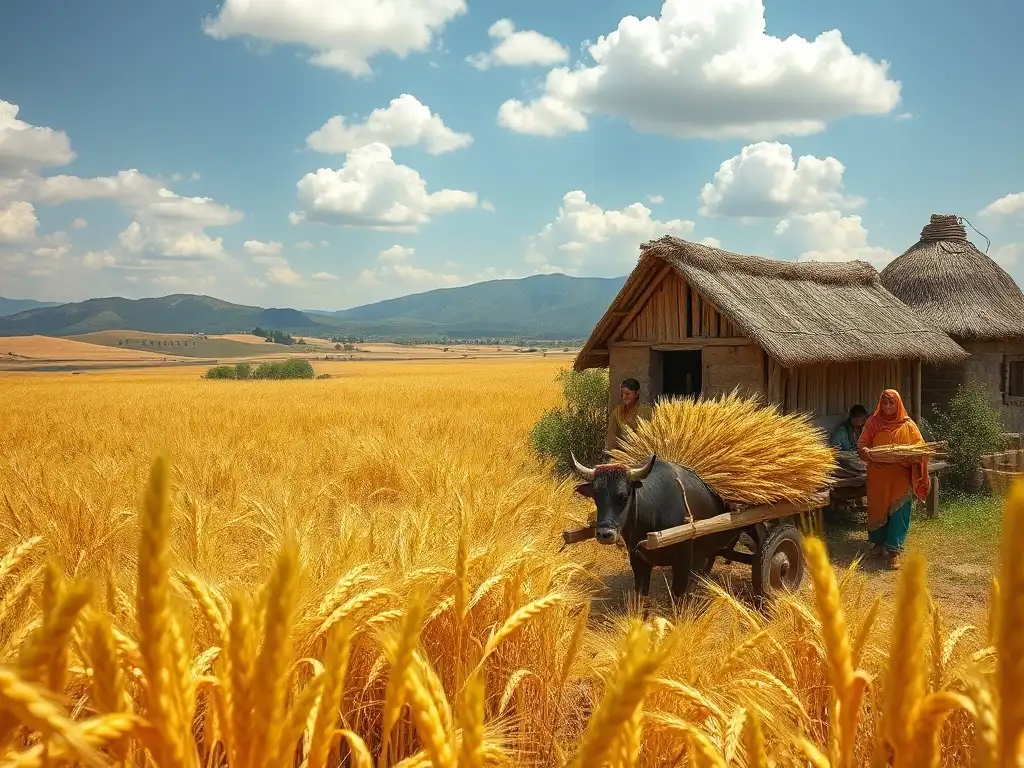
Welcome to Ancient India History, where we embark on a fascinating journey through the vibrant tapestry of India's past! In this article, we delve into the importance of grains in ancient India, exploring how these vital resources shaped not only the economy but also the very fabric of society. From the flourishing fields of the Indus Valley to the agricultural advancements during the Gupta Empire, grains played a crucial role in sustaining civilizations and fostering cultural growth.
Prepare to uncover the intricate connections between agriculture and prosperity as we unravel the significance of grains—an essential thread in the rich narrative of ancient Indian history. Keep reading to discover how these humble seeds cultivated not just food, but the foundations of a thriving society!
Introduction to the Importance of Grains in Ancient India
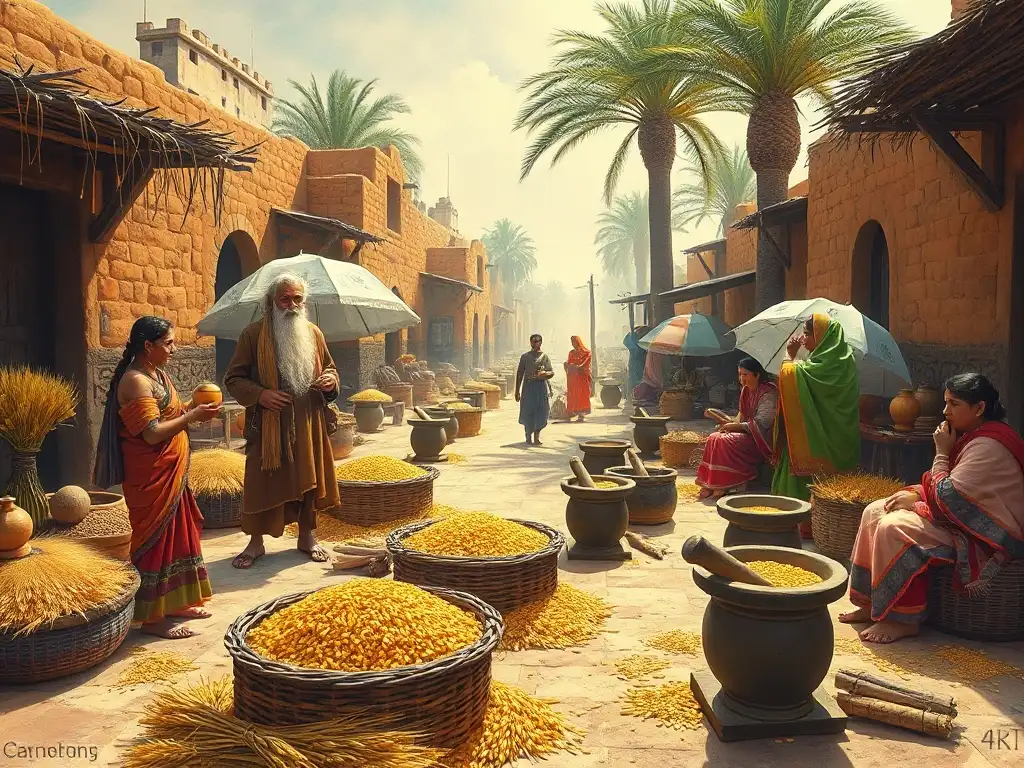
Grains have played a pivotal role in shaping the economy and society of ancient India, serving not only as a staple food source but also as a fundamental element in trade, culture, and social structure. The importance of grains in ancient India cannot be overstated; they were central to agricultural practices, influenced dietary habits, and were integral to the sustenance of civilizations from the Indus Valley to the Gupta Empire. This article delves into the multifaceted roles that grains played in ancient Indian society, emphasizing their significance in economic development, culinary traditions, and social organization.
Overview of Grains in Ancient Indian Agriculture
Grains were the backbone of ancient Indian agriculture, with various types cultivated across diverse regions of the subcontinent. The Indus Valley Civilization is often credited with pioneering advanced agricultural techniques, including irrigation and crop rotation, which allowed for the effective cultivation of grains. Key grains such as rice, wheat, and barley not only sustained local populations but also supported trade with neighboring regions, facilitating the exchange of goods and cultural practices.
Key Grains in Ancient India:
- Rice: A staple in the eastern regions and particularly significant in the agricultural practices of the Ganges Valley.
- Wheat: Predominantly grown in the northwestern plains, wheat became a staple food that found its way into various cultural dishes.
- Barley: Often used as animal fodder, barley was also consumed by humans and played a critical role in ancient diets.
Objectives of Studying Grains in Ancient Societies
Understanding the role of grains in ancient India provides valuable insights into the socio-economic structures of the time. By examining the cultivation, distribution, and consumption of grains, one can uncover:
- Economic Strategies: How grain production influenced trade routes and economic interactions among ancient civilizations.
- Social Structures: The impact of grain surplus on social hierarchies and community organization.
- Cultural Practices: The significance of grains in rituals, festivals, and daily life, reflecting the intertwined nature of agriculture and culture.
Historical Context of Grain Cultivation in Ancient India
The historical context of grain cultivation in ancient India reflects a rich tapestry woven with agricultural innovation and cultural significance. As we explore this subject, it becomes clear that the cultivation of grains was not merely a means of sustenance but a foundation upon which ancient Indian societies were built.
Evolution of Grain Cultivation Techniques
Over the centuries, ancient Indian farmers developed sophisticated techniques for cultivating grains. From the early practices of shifting cultivation to the adoption of more permanent and intensive agricultural methods, these innovations contributed to increased yields and stability:
- Irrigation Systems: The development of canals and reservoirs allowed for more efficient water management, crucial for thriving in regions with variable climate conditions.
- Crop Rotation: Farmers learned to alternate crops to maintain soil fertility, which enhanced productivity and sustainability.
Major Grains Cultivated: Rice, Wheat, and Barley
The three major grains cultivated in ancient India—rice, wheat, and barley—each held distinct importance:
- Rice: Predominantly grown in the southern and eastern regions, rice cultivation was deeply embedded in cultural practices, evident in festivals and rituals.
- Wheat: Favored in the northern plains, wheat became a symbol of prosperity and was often associated with various trade activities.
- Barley: While often overlooked, barley was crucial for both human and animal consumption, with its versatility making it an essential crop in the arid regions.
Regional Variations in Grain Production
The diverse geography of ancient India led to regional variations in grain production, influenced by climatic conditions, soil types, and local agricultural practices. Some key regional characteristics include:
- Northern Plains: Known for wheat production, these fertile lands benefited from the Indo-Gangetic alluvium.
- Eastern Regions: The warm, humid climate favored rice cultivation, leading to the establishment of rice-based societies.
- Western Deserts: Here, barley was predominant due to its drought-resistant properties, catering to the needs of pastoral communities.
The interplay of these factors not only shaped the agricultural landscape of ancient India but also laid the groundwork for the complex societies that emerged from these practices.
Economic Significance of Grains in Ancient India
Grains were the backbone of the ancient Indian economy, underpinning agricultural practices and influencing trade and social structures. The cultivation of staple crops such as rice, wheat, and barley not only provided sustenance for the population but also facilitated economic stability and growth. The importance of grains in ancient India can be understood through various dimensions, including their roles in trade, measures of wealth, and the impact of agricultural surplus.
Role of Grains in Trade and Commerce
Grains served as a primary commodity in ancient Indian trade networks, both locally and internationally. Major trade routes connected different regions, allowing for the exchange of grains along with other goods. For instance, the trade of rice from the fertile river valleys of the Ganges was prominent, with merchants transporting it to urban centers and beyond. This trade was facilitated by well-established systems of measurement and standardization, making grains a reliable currency in barter systems.
Additionally, the opulence of cities like Pataliputra and Taxila can be attributed to their strategic locations on trade routes, where grains were exchanged for luxury items, textiles, and metals. The thriving grain trade fostered economic interdependence among various regions, contributing to the overall prosperity of ancient Indian society.
Grains as a Measure of Wealth and Prosperity
In ancient India, the possession of grains was synonymous with wealth. Landowners, wealthy merchants, and rulers often measured their wealth in terms of grain stocks. This practice was not merely economic but also cultural, as grains symbolized prosperity and stability. For example, inscriptions and texts from ancient times highlight the significance of agricultural yield in assessing a ruler's success and the overall health of their realm.
Moreover, the taxation system often revolved around grain production, with a portion of the harvest collected as tax. This further illustrates how integral grains were to the economy, as they provided the state with the necessary resources to function and thrive. The accumulation of grains allowed for investment in infrastructure and public works, further enhancing the economic landscape.
Agricultural Surplus and its Economic Impact
Agricultural surplus, primarily in grains, had profound implications for the economy of ancient India. When harvests exceeded local consumption needs, surplus grains could be stored or traded, leading to increased economic stability. This surplus allowed for the development of specialized professions, as not everyone was required to engage in agriculture. Consequently, craftspeople, traders, and scholars emerged, contributing to the diversification of the economy.
Furthermore, the ability to store grains during periods of surplus also acted as a buffer against famines, which were a frequent concern in agrarian societies. The construction of granaries and storage systems became crucial for managing these surpluses, demonstrating a sophisticated understanding of agricultural practices and resource management.
Societal Implications of Grain Cultivation
Grain cultivation was not only an economic activity but also a fundamental aspect of social structure and cultural practices in ancient India. The ways in which grains were integrated into daily life reflected the values, beliefs, and traditions of ancient Indian society.
Grains and Social Structure in Ancient Indian Society
The cultivation and distribution of grains played a pivotal role in shaping the social hierarchy of ancient India. Agricultural labor was often stratified, with different castes and communities specializing in various aspects of grain production, from cultivation to processing. This division of labor underscored the interdependence within society, as each group contributed to the overall agricultural framework.
Moreover, land ownership patterns often dictated social status. Wealthy landowners who controlled substantial grain production wielded significant power and influence. This dynamic not only reinforced existing social structures but also contributed to tensions and conflicts over land and resources, impacting societal relations.
Festivals and Rituals Associated with Grain Harvesting
Grain harvesting was deeply intertwined with cultural and religious practices in ancient India. Festivals such as Makar Sankranti and Pongal celebrated the harvest, highlighting the agricultural calendar's significance. These occasions were marked by rituals that honored deities associated with fertility and abundance, reflecting the reverence for grains in spiritual life.
The communal nature of these festivals also fostered social cohesion, as communities came together to celebrate the bounty of the harvest. Rituals often included offerings of freshly harvested grains, symbolizing gratitude and hope for future prosperity.
Grains in Ancient Indian Literature and Texts
The significance of grains in ancient Indian society is well documented in various literary works and texts. Ancient scriptures, such as the Vedas and epics like the Mahabharata, frequently reference grains, illustrating their role in daily life, economy, and spirituality. These texts often describe agricultural practices, seasonal cycles, and the importance of grains in rituals and sacrifices.
Furthermore, literary depictions of grains serve as metaphors for abundance, prosperity, and sustenance, embodying the cultural values associated with agriculture. The reverence for grains is evident in poetic expressions and philosophical discourses, highlighting their integral role in shaping ancient Indian thought and identity.
The importance of grains in ancient India extended beyond mere sustenance; they were central to economic stability, societal structure, cultural practices, and literary expressions. Their multifaceted role underscores the profound impact of agriculture on the development of ancient Indian civilization.
Technological Advancements in Grain Cultivation
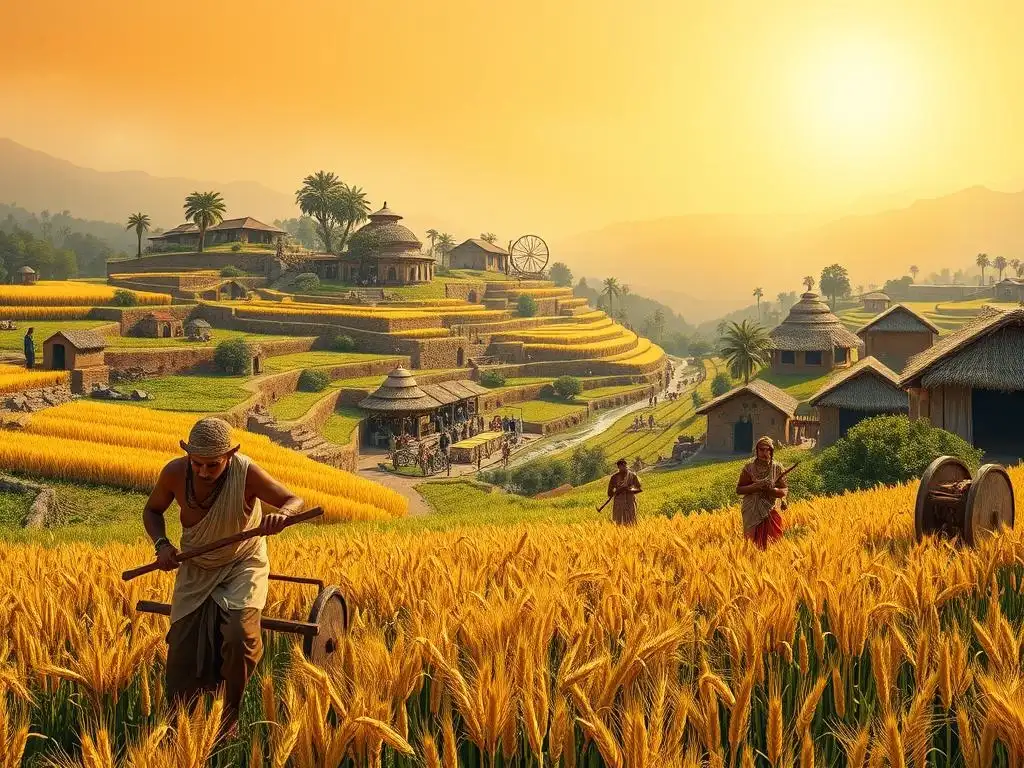
The significance of grains in ancient India was greatly enhanced by various technological advancements in agricultural practices. The development and refinement of tools and techniques played a crucial role in improving grain cultivation efficiency and productivity. Innovations such as the plow, irrigation systems, and crop rotation significantly transformed agricultural practices.
The introduction of the plow, particularly the ardha or wooden plow, allowed for deeper tilling of the soil, which improved aeration and nutrient availability for crops. Additionally, the establishment of irrigation systems, including canals and water reservoirs, enabled farmers to cultivate grains in regions that were previously dependent on seasonal rainfall. This not only increased the area under cultivation but also allowed for multiple cropping seasons, thereby enhancing yield.
Tools and Techniques Used in Ancient Agriculture
Ancient Indian farmers employed a variety of tools and techniques that facilitated grain production. Some of the primary tools included:
- Plows: Made from wood, these were essential for turning over the soil and preparing it for planting.
- Sickles: Used for harvesting grains, sickles were typically made of iron or bronze, allowing for efficient cutting.
- Mortars and Pestles: These were vital for processing grains, such as grinding wheat and rice into flour.
In addition to these tools, ancient texts like the Arthashastra and Kautilya’s teachings provided insights into advanced agricultural techniques, including soil management and the importance of selecting appropriate crop varieties based on local conditions.
Innovations and their Impact on Grain Production
Innovations in agricultural practices had a profound impact on grain production in ancient India. Techniques such as mixed cropping and intercropping helped in maximizing yield while minimizing pest-related losses. The use of organic fertilizers, derived from animal dung and plant residues, improved soil fertility, contributing to higher productivity.
Moreover, the cultivation of specific grains such as rice, wheat, and millet was optimized through selective breeding. This focus on improving grain varieties led to the development of more resilient crops that could withstand local environmental challenges. As a result, the overall food security of ancient Indian society was significantly enhanced, leading to population growth and urbanization.
Challenges Faced in Grain Cultivation
Despite the advancements in technology and techniques, ancient Indian agriculture faced numerous challenges that impacted grain cultivation.
Environmental Factors Affecting Grain Growth
Environmental factors played a crucial role in determining the success of grain cultivation. The variability of monsoon rains could lead to either drought or flooding, both of which posed significant threats to crop yields.
- Soil Degradation: Over time, intensive farming practices could deplete soil nutrients, reducing fertility and productivity.
- Pest Infestations: The presence of pests and diseases could devastate grain crops, leading to food shortages and economic instability.
Farmers had to constantly adapt their practices to cope with these environmental challenges, often relying on traditional knowledge and community cooperation to mitigate risks.
Socio-Political Challenges Impacting Grain Supply
The socio-political landscape of ancient India also influenced grain cultivation and supply. Factors such as land ownership, taxation, and social structures played a significant role in agricultural productivity.
- Land Ownership and Tenure Systems: The division of land ownership often led to disputes, affecting the ability of farmers to cultivate effectively. Wealthy landowners could exert control over resources, limiting access for smaller farmers.
- Taxation Policies: Heavy taxation on grain production could discourage farmers from maximizing their output, as a significant portion of their yield would be taken as tax.
Moreover, periods of political instability, such as invasions and conflicts, could disrupt agricultural activities, leading to diminished grain supplies and increased famine risk. The interplay between these socio-political factors and agricultural practices underscores the complexity of grain cultivation in ancient Indian society.
Conclusion: The Lasting Legacy of Grains in Ancient Indian Civilization
The significance of grains in ancient Indian civilization cannot be overstated. As a foundational component of both the economy and societal structure, grains played a pivotal role in shaping the trajectory of Indian culture and development. The cultivation of staple crops such as rice, wheat, and barley allowed for the establishment of settled communities, leading to advancements in trade, social organization, and even religious practices. The agrarian surplus facilitated by grain production not only supported population growth but also laid the groundwork for urbanization, enabling the rise of complex societies.
Moreover, grains were more than mere sustenance; they were imbued with cultural and spiritual meanings. Festivals, rituals, and agricultural practices reflected the reverence for grains as symbols of fertility and abundance. The historical importance of grains is evident in archaeological findings, ancient texts, and the enduring agricultural practices that have persisted through centuries. Their legacy continues to influence various aspects of Indian life, underscoring the deep-rooted connection between agriculture, culture, and identity.
Summary of the Importance of Grains in Society and Economy
Grains served as the backbone of the ancient Indian economy, contributing to both self-sufficiency and trade. Their role extended beyond nourishment, influencing social hierarchies and economic structures. Key aspects include:
- Food Security: Grains provided the essential calories needed for sustenance, making them crucial for survival and population stability.
- Trade and Commerce: Surplus grain production enabled trade with neighboring regions, fostering economic interdependence and cultural exchange.
- Social Stratification: Control over grain production often determined social status and power dynamics, establishing the foundations for classes and governance.
- Cultural Significance: Grains were integral to various cultural rituals and festivals, reflecting their importance in everyday life and spiritual beliefs.
The multifaceted role of grains underscores their importance in the development of ancient Indian society and economy.
Reflection on Grains’ Influence on Modern Indian Agriculture
The influence of ancient grain cultivation practices can still be felt in modern Indian agriculture. Many traditional methods, such as crop rotation and sustainable farming techniques, have been retained, reflecting the deep agricultural knowledge passed down through generations. Furthermore, the diversity of grains cultivated in ancient times has shaped contemporary dietary habits and agricultural policies.
Today, India remains one of the largest producers of various grains, including rice and wheat, which are staples in the Indian diet. The historical significance of grains has led to a continued emphasis on their cultivation, supporting both food security and economic stability. Modern sustainability movements also draw upon ancient practices, advocating for the preservation of indigenous grains and promoting biodiversity in agriculture.
The legacy of grains serves as a reminder of the importance of agricultural heritage in addressing contemporary challenges such as food security, climate change, and sustainable development.
References
Key Texts and Sources on Ancient Indian Agriculture and Economy
- "The Indus Valley Civilization: Exploring a Lost World": - This text examines the agricultural practices of the Indus Valley, highlighting the role of grains in early urban societies.
- "Agricultural History of India" - A comprehensive overview of the evolution of agriculture in India, with a focus on grains' significance throughout different historical periods.
- "Grains, Society, and Economy in Ancient India" - A scholarly analysis of how grains shaped social and economic frameworks in ancient Indian civilizations.
Suggested Readings for Further Exploration
- "The Agricultural Economy of Ancient India" by R. S. Sharma - This book delves into the economic aspects of agriculture, particularly grain production and trade.
- "Food and Society in Ancient India" - A collection of essays exploring the cultural significance of food, including grains, in shaping societal norms and practices.
- "The Role of Grains in Indian Civilization" - A detailed study of how grains influenced various aspects of life in ancient India, from diet to religious practices.
These texts provide a deeper understanding of the historical context and significance of grains in ancient Indian civilization, offering insights into their lasting legacy.
- Introduction to the Importance of Grains in Ancient India
- Historical Context of Grain Cultivation in Ancient India
- Economic Significance of Grains in Ancient India
- Societal Implications of Grain Cultivation
- Technological Advancements in Grain Cultivation
- Challenges Faced in Grain Cultivation
- Conclusion: The Lasting Legacy of Grains in Ancient Indian Civilization
- References
- What role did grains play in ancient Indian society?
- How did the cultivation of grains impact the economy of ancient India?
- Which grains were primarily cultivated in ancient India?
- What were the cultural implications of grain cultivation in ancient India?
- How did ancient Indian civilizations innovate in grain production?
Frequently Asked Questions
What role did grains play in ancient Indian society?
Grains were a fundamental resource that supported the agricultural economy and influenced social structures, trade, and daily life in ancient India.
How did the cultivation of grains impact the economy of ancient India?
The cultivation of grains led to increased food production, which enhanced trade, supported population growth, and contributed to the stability of ancient Indian kingdoms.
Which grains were primarily cultivated in ancient India?
The primary grains included rice, wheat, barley, and millets, which were essential for both nutrition and as trade commodities.
What were the cultural implications of grain cultivation in ancient India?
Grains were central to various rituals and festivals, symbolizing fertility and abundance, and played a key role in the cultural identity of different communities.
How did ancient Indian civilizations innovate in grain production?
Ancient Indians developed advanced agricultural techniques, such as irrigation systems and crop rotation, which significantly improved grain yields and farming efficiency.
Final Reflection: The Enduring Importance of Grains in Ancient India
The exploration of the significance of grains in ancient Indian economy and society reveals a profound connection between agricultural practices and the very fabric of civilization. As we navigate the complexities of modern life, it becomes increasingly clear that the foundational role of grains—both as sustenance and as a symbol of prosperity—remains relevant today. The lessons learned from ancient India remind us that the cultivation of grains was not merely a means of survival but a cornerstone of cultural identity and economic stability.
The influence of grains extends far beyond their nutritional value; they have shaped social structures, trade routes, and even spiritual beliefs throughout history. Reflecting on this, one can appreciate how grains fostered community ties and facilitated economic exchanges that laid the groundwork for societal development. As Mahatma Gandhi once said, The future depends on what you do today.
This quote resonates with the understanding that our relationship with grains—rooted in ancient practices—continues to impact our agricultural policies, food security, and cultural heritage in contemporary society.
As we consider the lessons from ancient India, I invite you to reflect on your own relationship with food and agriculture. How can you honor the legacy of grains in your daily life? Whether through supporting local farmers, embracing sustainable practices, or simply appreciating the rich history behind the food on your plate, each action contributes to a greater understanding of our shared past and a more sustainable future. Let us carry forward the wisdom of ancient civilizations and recognize the importance of grains not just as sustenance, but as a vital thread in the tapestry of human existence.
Unveil the Power of Grains in Ancient India!
Thank you for taking the time to explore the rich tapestry of grains’ significance in ancient Indian economy and society. By delving into this fascinating topic, you've unlocked insights into how these staple foods shaped cultures and communities throughout history. Now, it’s time to take that knowledge a step further!
Here are some actionable steps to deepen your understanding and connection to this vital aspect of history:
- Engage with Community: Join online forums or social media groups focused on ancient Indian history to share your thoughts and learn from others. Your insights could spark meaningful discussions!
- Research Further: Visit your local library or explore online resources to discover more about the various grains used in ancient India and their impact on society. You might find surprising connections to modern nutrition and agriculture!
- Try a Historical Recipe: Recreate a traditional grain-based dish from ancient India at home! Experimenting with these recipes can provide a delicious and immersive experience of ancient food traditions.
What aspect of ancient Indian grain usage fascinates you the most, and how do you think it could influence our understanding of modern agriculture?