
How Ancient Indians Harnessed River Systems for Agricultural Success

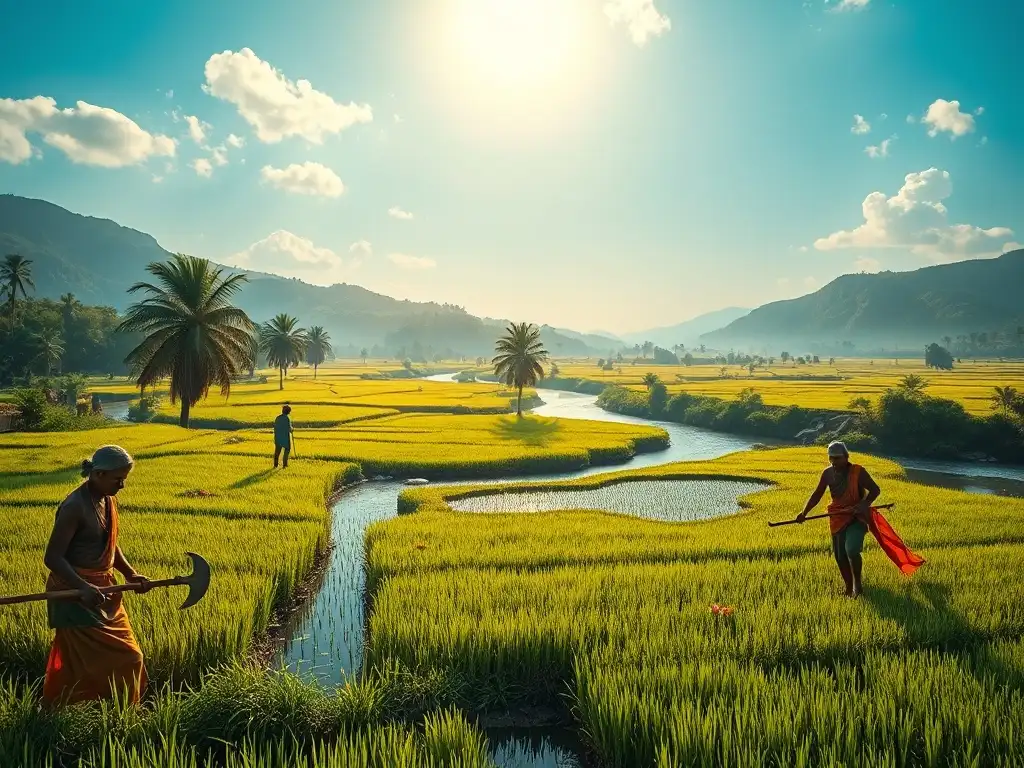
Welcome to Ancient India History, where we embark on a fascinating journey through the rich tapestry of ancient Indian civilizations. In this exploration, we delve deep into the incredible ingenuity of early societies, particularly focusing on how they harnessed ancient Indian river systems for agricultural success. Discover the intricate relationship between these vital waterways and the flourishing agricultural practices that not only sustained communities but also shaped the very foundation of India's economy and culture.
Prepare to be intrigued as we unveil the secrets of how these ancient civilizations thrived, and join us as we uncover the profound impact of their innovations on modern society. Your adventure into the past starts here!
- Introduction to Ancient Indian River Systems Agriculture
- Historical Context of River Systems in Ancient India
- Agricultural Techniques and Innovations
- Socio-Economic Impact of River Systems on Agriculture
- Challenges Faced by Ancient Indian Agriculture
- The Legacy of Ancient Indian River Systems Agriculture
- Conclusion
-
Frequently Asked Questions
- What were the main river systems in ancient India that supported agriculture?
- How did the Irigation techniques evolve in ancient India?
- What crops were primarily grown using ancient Indian river systems?
- How did agriculture influence ancient Indian society and economy?
- What was the impact of monsoons on ancient Indian agriculture?
- Final Reflection: The Timeless Wisdom of Ancient Indian River Systems in Agriculture
- Harness Your Potential: Dive Into Ancient Innovations!
Introduction to Ancient Indian River Systems Agriculture
Ancient India stands as a testament to the ingenuity and adaptability of its civilizations, particularly in how they harnessed natural resources to thrive. One of the most significant aspects of this success was the effective use of river systems for agricultural purposes. Rivers not only provided essential water sources for irrigation but also facilitated fertile soil deposition, which was crucial for crop cultivation.
This article delves into the intricate relationship between ancient Indian river systems and agriculture, exploring how these civilizations maximized their agricultural potential through innovative irrigation techniques and sustainable land use practices. By understanding the interplay between geography and agriculture, we can gain insights into the economic foundations that supported some of the most advanced societies in history.
Overview of Agriculture in Ancient India
Agriculture in ancient India was not merely a means of sustenance; it was the backbone of the economy and the foundation of society. Key crops such as rice, wheat, barley, and pulses were cultivated across diverse terrains, from the fertile plains of the Ganges to the arid regions of Rajasthan. The agricultural practices were deeply intertwined with the seasonal rhythms of climate, particularly the monsoons, which dictated planting and harvesting cycles.
- Key Features of Ancient Indian Agriculture:
- Diverse Crop Cultivation: Ancient Indians practiced polyculture, growing multiple crops simultaneously to maximize yield.
- Innovative Techniques: Methods like crop rotation, intercropping, and the use of organic fertilizers were prevalent.
- Community Farming: Agriculture was often a communal activity, with villages working together to manage fields and share resources.
The significance of agriculture extended beyond food production; it influenced social structures, trade, and the overall development of ancient Indian civilizations.
Importance of River Systems for Sustaining Agriculture
River systems played a pivotal role in shaping agricultural practices in ancient India. They provided a reliable source of water, essential for irrigation, especially in regions where rainfall was unpredictable.
- Benefits of River Systems:
- Irrigation Opportunities: Rivers allowed for the development of sophisticated irrigation systems, including canals and reservoirs, which ensured a steady water supply.
- Fertile Soil: Flooding rivers deposited nutrient-rich silt onto surrounding lands, enhancing soil fertility and supporting crop growth.
- Transportation and Trade: Rivers facilitated the movement of goods, allowing farmers to transport their surplus produce to markets, further stimulating agricultural productivity.
The ability to effectively utilize these river systems not only ensured food security but also laid the groundwork for the economic prosperity of ancient Indian civilizations, highlighting the integral role of water management in their agricultural success.
Historical Context of River Systems in Ancient India
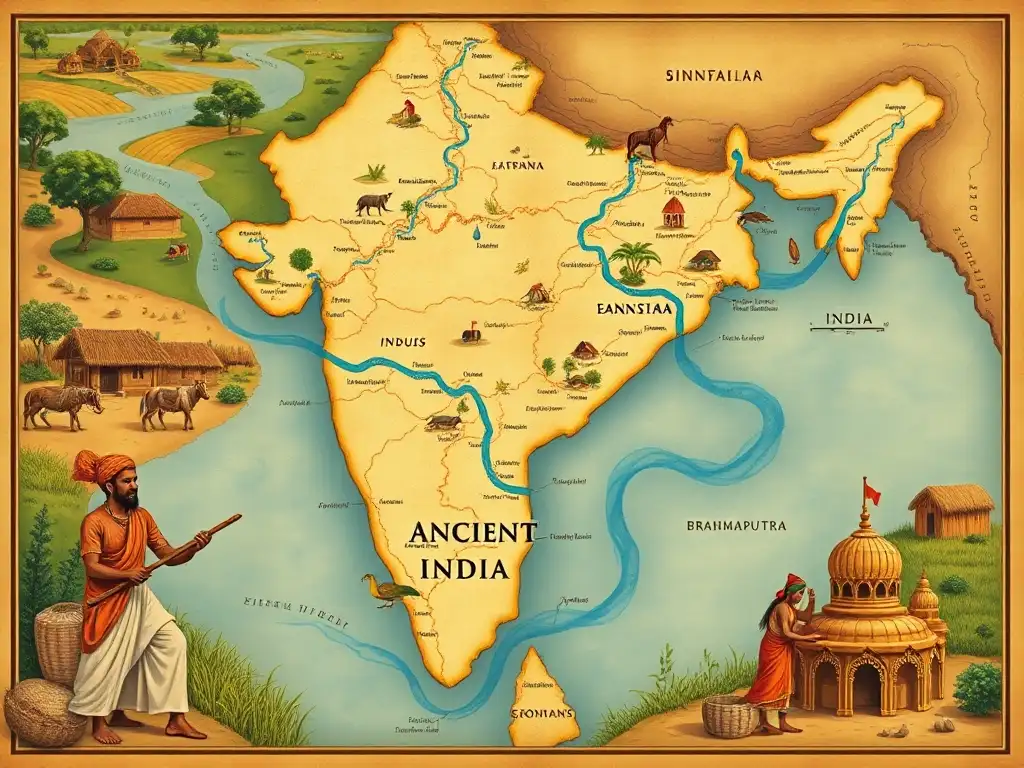
Ancient India’s civilization flourished alongside its major river systems, which not only provided water for sustenance but also served as the backbone for agricultural development. The relationship between ancient Indian societies and their river systems was profound, shaping their economies, cultures, and settlements.
The rivers of ancient India were not merely physical features of the landscape; they were central to the development of agricultural practices that supported vast populations. As early as the Neolithic period, societies began to settle along riverbanks, taking advantage of the fertile alluvial plains created by silt deposits during seasonal floods. This reliance on river systems laid the foundation for the agrarian economy that characterized ancient Indian civilization.
Major River Systems in Ancient India
The Indus River System
The Indus River System, one of the earliest cradles of civilization, encompassed much of present-day Pakistan and northwest India. The river, along with its tributaries, provided critical resources that facilitated agriculture, particularly in the fertile plains of the Indus Valley.
- Agricultural Practices: The people of the Indus Valley Civilization developed sophisticated irrigation techniques, including the construction of canals and reservoirs. These innovations allowed them to cultivate a variety of crops such as wheat, barley, and cotton.
- Urban Planning: The cities of Harappa and Mohenjo-Daro were strategically located near the river, demonstrating the importance of water management in urban design. The layout of these cities included advanced drainage systems, indicating a deep understanding of hydrology and its significance for agriculture.
The Ganges River System
The Ganges River, revered as a holy river in Hindu culture, plays a pivotal role in the agricultural landscape of northern India. The river basin is known for its rich alluvial soil, which supports diverse crops.
- Crop Diversity: The Ganges region is particularly known for rice cultivation, which thrived in its humid climate. Other crops, such as lentils and mustard, also flourished due to the fertile conditions created by regular flooding.
- Cultural Significance: Beyond agriculture, the Ganges has been central to the spiritual life of the people, shaping festivals and rituals that revolve around its waters. This cultural aspect intertwined with agricultural practices as communities engaged in farming cycles aligned with the river's seasonal rhythms.
The Brahmaputra River System
The Brahmaputra River, which flows through northeastern India, is another crucial waterway that has supported agriculture in the region.
- Floodplain Farming: The Brahmaputra creates extensive floodplains that are ideal for agriculture. Farmers utilize the seasonal floods to enrich the soil, growing crops such as rice, jute, and various tropical fruits.
- Irrigation Techniques: The indigenous communities have developed traditional irrigation practices, including the use of bamboo channels and earthen dams, to manage water distribution effectively. The river's annual flooding is both a challenge and an opportunity, leading to innovative farming strategies.
Importance of Geography for Agricultural Practices
The geographical features of ancient India significantly influenced agricultural practices, particularly in relation to its river systems.
- Topography and Soil Fertility: The diverse landscapes—from the Indo-Gangetic plains to the hilly regions of the Northeast—offered varied soil types and climatic conditions conducive to different agricultural practices. The alluvial soils deposited by rivers were rich in nutrients, which allowed for high crop yields.
- Water Management: The ancient Indians adeptly utilized their geographical knowledge to develop irrigation systems that maximized water use. By constructing wells, canals, and tanks, they harnessed river water for dry seasons, ensuring a stable food supply throughout the year.
- Climate Considerations: The monsoon season played a significant role in shaping agricultural cycles. Farmers timed their sowing and harvesting according to seasonal rainfall patterns, relying heavily on the rivers for irrigation during drier months.
The river systems of ancient India were not just waterways; they were the lifelines of agricultural success, enabling civilizations to thrive through innovative practices and a profound understanding of their geography.
Agricultural Techniques and Innovations
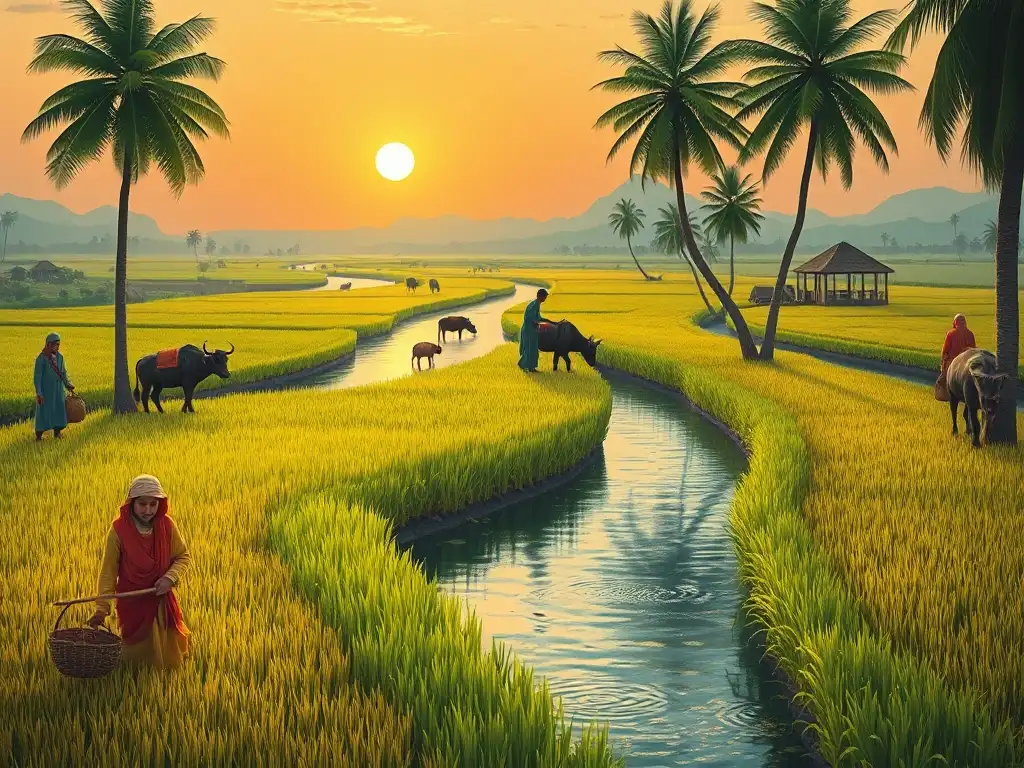
Irrigation Methods Employed by Ancient Indians
Ancient Indian civilizations demonstrated remarkable ingenuity in their agricultural practices, particularly in their use of river systems for irrigation. The efficient management of water resources not only boosted crop yields but also enabled the sustenance of growing populations. The key irrigation methods employed by ancient Indians included canal systems, water harvesting techniques, and floodwater utilization.
Canal Systems and Water Management
The development of canal systems marked a significant advancement in irrigation techniques. Ancient Indians constructed intricate networks of canals that channeled water from major rivers to agricultural fields. For instance, the civilizations along the Indus River, particularly in cities like Mohenjo-Daro and Harappa, utilized canals to distribute water efficiently across their farmlands.
- Key Features of Canal Systems:
- Engineering Precision: Canals were meticulously designed, often featuring a gradient that facilitated the flow of water.
- Silt Management: Knowledge of sedimentation allowed farmers to manage silt deposition, enhancing soil fertility.
- Maintenance: Regular maintenance of canals ensured a consistent water supply, mitigating the risks of drought or flooding.
The impact of these canal systems was profound. They not only supported the cultivation of staple crops such as wheat and barley but also fostered the growth of cash crops like cotton, which became integral to trade.
Rainwater Harvesting Techniques
In addition to canal systems, ancient Indians employed various rainwater harvesting techniques to maximize water availability. Given the monsoon climate, capturing and storing rainwater was crucial for agricultural sustainability.
- Methods of Rainwater Harvesting:
- Stepwells: These structures were designed to collect and store rainwater, providing a reliable source during dry spells.
- Terracing: Farmers constructed terraces on sloped lands to slow down runoff and facilitate water absorption into the soil.
- Check Dams: Small barriers were built across streams to slow the flow of water, allowing it to percolate into the ground and recharge aquifers.
By harnessing rainwater, ancient Indians could cultivate crops even during periods of low river flow, ensuring food security throughout the year.
Crop Rotation and Seasonal Cultivation
Ancient Indian agricultural practices were characterized by advanced crop rotation and seasonal cultivation techniques. These methods not only enhanced soil fertility but also optimized land use, allowing for diverse agricultural production.
- Crop Rotation Practices:
- Leguminous Crops: Farmers often rotated staple crops with legumes, which enriched the soil with nitrogen, reducing the need for synthetic fertilizers.
- Seasonal Adaptation: Different crops were sown according to seasonal changes, ensuring that the land was continuously productive.
- Benefits of Crop Rotation:
- Soil Health: Regular rotation prevented soil degradation and pest build-up, leading to healthier crop yields.
- Diversity: The cultivation of various crops supported dietary diversity and resilience against crop failure.
These agricultural innovations, deeply rooted in the understanding of local ecosystems, laid the foundation for the economic prosperity of ancient Indian civilizations, showcasing their profound connection to the river systems that nourished their lands.
Use of Fertilizers and Soil Enrichment
The agricultural success of ancient India was significantly enhanced by the innovative use of fertilizers and soil enrichment techniques. Ancient Indian farmers understood the importance of maintaining soil fertility to ensure sustainable crop production, and they developed methods that would become foundational for agricultural practices in the region.
Organic Fertilizers
Farmers utilized organic materials such as animal manure, compost, and crop residues to enrich the soil. Manure from cattle, goats, and other livestock was commonly collected and spread over fields, providing essential nutrients like nitrogen, phosphorus, and potassium. This practice not only improved soil fertility but also enhanced soil structure and moisture retention, which were crucial for the productivity of crops.
- Types of Organic Fertilizers:
- Cow Dung: Highly valued for its nutrient content and ability to improve soil texture.
- Compost: Made from decomposed plant materials, compost enriched the soil with organic matter.
- Green Manure: Cover crops such as legumes were grown and then plowed back into the soil, fixing nitrogen and adding organic matter.
Crop Rotation and Intercropping
Ancient Indian farmers practiced crop rotation and intercropping to maintain soil fertility. By alternating different crops in a systematic manner, they were able to reduce soil depletion and manage pests more effectively. For example, rotating legumes with cereals allowed the soil to recover nitrogen levels, benefiting subsequent crops.
- Benefits of Crop Rotation:
- Nutrient Management: Different crops have varying nutrient needs, which helps in the balanced use of soil nutrients.
- Pest Control: Disrupting pest cycles through crop diversity reduced the reliance on chemical pesticides.
Use of Ash and Lime
Another innovative practice involved the use of ash from burnt agricultural residues and lime to enhance soil fertility. Ash provided potassium and other trace minerals, while lime helped to balance soil pH, especially in regions with acidic soils. This approach was particularly useful in areas where soil quality was poor, enabling farmers to cultivate crops successfully.
- Effects of Ash and Lime:
- Nutrient Supply: Both materials contributed essential nutrients, fostering better plant growth.
- Soil Structure Improvement: Lime can help in improving soil texture, leading to better root development.
Traditional Knowledge and Practices
The knowledge of soil enrichment and fertilization techniques was often passed down through generations, reflecting a deep understanding of local ecosystems. Farmers observed the effects of different materials on their land and adapted their practices accordingly. This traditional wisdom, combined with practical experience, led to the cultivation of diverse crops and the optimization of agricultural outputs.
The ancient Indian approach to fertilizers and soil enrichment played a pivotal role in their agricultural success. By leveraging organic materials, practicing crop rotation, and utilizing natural amendments like ash and lime, they established a sustainable agricultural system that thrived for centuries. These techniques not only showcased their ingenuity but also laid the groundwork for future agricultural advancements in the region.
Socio-Economic Impact of River Systems on Agriculture
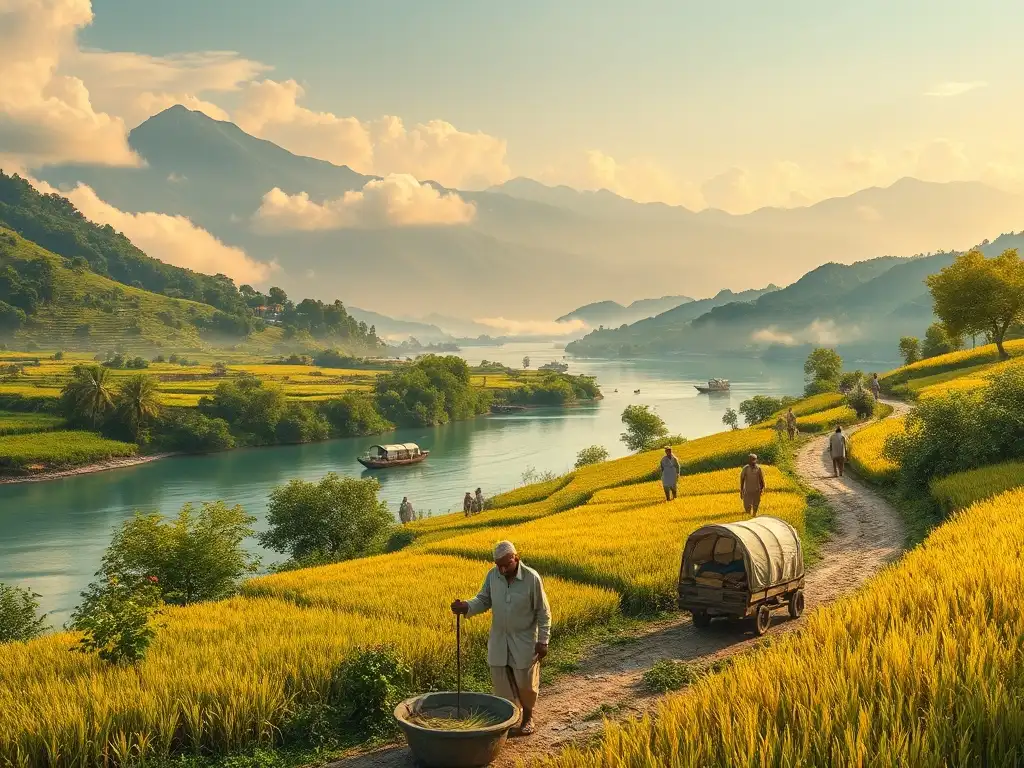
Ancient Indian river systems played a crucial role in shaping the socio-economic landscape of the region, particularly in the realm of agriculture. The fertile alluvial plains created by these river systems provided the perfect conditions for crop cultivation, leading to agricultural success that not only supported local communities but also facilitated broader economic activities.
Trade and Economy Linked to Agricultural Success
The agricultural surplus generated by ancient Indian river systems significantly boosted trade and economy. Rivers such as the Indus, Ganges, and Brahmaputra served as vital trade routes, enabling the movement of goods and resources.
- Key Agricultural Products: Major staples such as wheat, barley, rice, and pulses were cultivated extensively. This variety allowed for diverse trade, with surplus crops being exchanged for goods like spices, textiles, and metals.
- Market Development: The abundance of agricultural produce led to the establishment of local markets and trade hubs, where farmers could sell their excess yields. These markets evolved into complex trade networks, connecting various regions and promoting economic interdependence.
- Impact on Craftsmanship: The prosperity from agriculture also fostered craftsmanship and industries, such as pottery and weaving, which thrived due to increased resources and demand from both domestic and international markets.
Population Growth and Settlement Patterns
The availability of water resources from ancient river systems facilitated significant population growth and shaped settlement patterns in India.
- Settlements near Rivers: Communities tended to settle along riverbanks due to the access to water for irrigation and drinking. This led to the development of urban centers, such as Harappa and Mohenjo-Daro in the Indus Valley, which became thriving cities.
- Migration and Expansion: As agricultural practices improved, populations expanded, leading to migrations into new areas. The ability to farm effectively allowed communities to thrive and sometimes challenge existing settlements, resulting in dynamic changes in demographics and social structures.
- Agricultural Innovations: The necessity of managing water resources led to innovations in irrigation techniques, such as canals and water harvesting systems. These advancements not only improved crop yields but also encouraged more permanent settlements, as people relied on established agricultural practices.
Cultural Significance of River Systems in Agriculture
The rivers of ancient India were not merely physical entities; they held profound cultural significance that intertwined with agricultural practices.
- Religious and Mythological Aspects: Rivers like the Ganges were considered sacred in Hinduism, symbolizing purity and life. This reverence influenced agricultural rituals and practices, where farmers would often perform ceremonies to honor the river and ensure a bountiful harvest.
- Cultural Festivals: Agricultural cycles were often marked by festivals that celebrated the river's role in sustaining life. Festivals such as Makar Sankranti and Pongal paid homage to the harvest, reinforcing the relationship between agriculture and river systems.
- Art and Literature: The importance of rivers in agriculture transcended into art and literature, where they were frequently depicted in poetry and paintings, celebrating the beauty and bounty they provided. This cultural expression further solidified the rivers' role in the collective identity of ancient Indian society.
The socio-economic impact of ancient Indian river systems on agriculture is multifaceted, influencing trade, settlement, and cultural practices. The intricate relationship between these waterways and agricultural success is a testament to the ingenuity and adaptability of ancient Indian civilizations.
Challenges Faced by Ancient Indian Agriculture
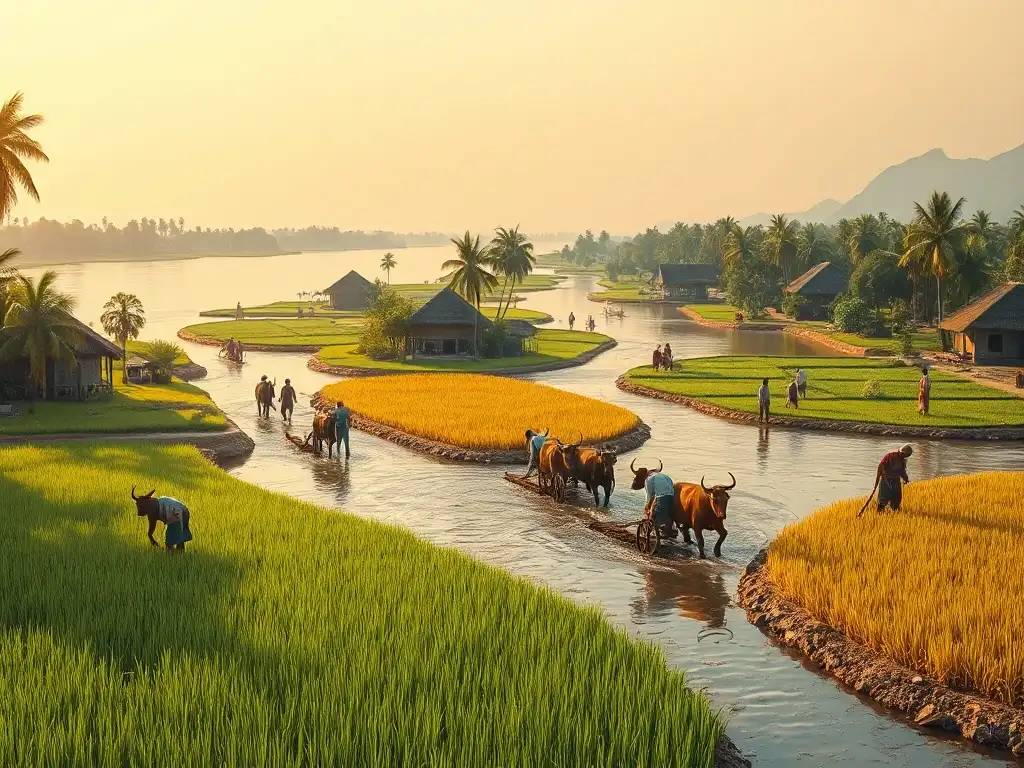
The agricultural practices of ancient India were significantly influenced by various challenges, primarily stemming from natural and human factors. Understanding these challenges provides insight into the resilience and adaptability of ancient Indian civilizations in harnessing river systems for successful agricultural outcomes.
Natural Disasters and Climate Variability
Natural disasters and climate variability posed formidable challenges to ancient Indian agriculture. The region experienced a wide range of climatic conditions, including monsoon variability, droughts, and floods.
- Monsoon Dependency: Ancient Indian agriculture heavily relied on the seasonal monsoon rains, which were often unpredictable. The onset of monsoons could be delayed, leading to drought conditions that severely affected crop yields. For instance, the Indus Valley Civilization faced challenges during periods of low rainfall, impacting their ability to cultivate crops effectively.
- Flood Risks: Conversely, heavy monsoon rains could also lead to flooding, especially along riverbanks. Rivers such as the Ganges and Brahmaputra, while crucial for irrigation, could overflow and inundate fields, causing crop damage and loss. The inundation of fertile land was both a boon and a bane, as it replenished soil nutrients but also posed risks to established crops.
- Soil Erosion: Frequent flooding and heavy rainfall contributed to soil erosion, which degraded the land's fertility over time. This aspect was particularly notable in the plains of northern India, where the sediment carried by rivers could both enrich and deplete agricultural lands.
Human Impact on River Systems
Human activities also significantly influenced the river systems upon which ancient Indian agriculture depended. The management of water resources was critical to sustaining agricultural productivity.
- Deforestation and Land Use Changes: The expansion of agricultural lands often led to deforestation in surrounding areas, which altered local hydrology. The removal of trees reduced the soil's ability to retain moisture and increased surface runoff, exacerbating the effects of both drought and flooding.
- Overexploitation of Water Resources: As agricultural practices intensified, the demand for water increased. Ancient civilizations began to over-extract from rivers, which could lead to reduced water levels and diminished flow in critical irrigation systems. This overexploitation was particularly evident in regions where irrigation canals were constructed to divert river water for agricultural use.
- Pollution and Sediment Load: The introduction of various agricultural practices also resulted in increased sedimentation and pollution of river systems. Fertilizers and waste from livestock could contaminate water sources, impacting both agricultural productivity and the health of ecosystems.
Solutions Developed to Overcome Agricultural Challenges
In response to the challenges posed by natural disasters and human impacts, ancient Indian civilizations developed a range of innovative solutions to enhance agricultural resilience.
- Irrigation Systems: The construction of sophisticated irrigation systems, including canals, reservoirs, and wells, played a crucial role in managing water supply. For example, the kanat system (underground aqueducts) allowed farmers to tap into underground water sources, providing a reliable supply even during dry spells.
- Crop Diversification: Ancient farmers practiced crop diversification to mitigate risks associated with climate variability. By cultivating a variety of crops, they could ensure that at least some yields would be successful, even if others failed due to adverse conditions.
- Terracing and Contour Farming: In hilly regions, ancient Indians utilized terracing and contour farming techniques to prevent soil erosion and manage water runoff. This method not only preserved soil but also maximized the arable land area by adapting to the natural landscape.
- Community-Based Water Management: Ancient communities often collaborated to manage water resources collectively. This included shared irrigation systems and collective decision-making regarding water allocation, which helped ensure that all farmers benefited from the available resources.
The agricultural practices of ancient India were shaped by a multitude of challenges arising from both natural and human factors. The adeptness with which ancient civilizations navigated these challenges through innovative strategies is a testament to their understanding and utilization of river systems, ultimately leading to agricultural success.
The Legacy of Ancient Indian River Systems Agriculture

The ancient Indian river systems played a pivotal role in shaping agricultural practices, ensuring food security, and enhancing economic stability across various civilizations. The rivers—most notably the Indus, Ganges, and Brahmaputra—provided not just water for irrigation but also fertile alluvial soil conducive to crop cultivation.
Influence on Modern Agricultural Practices in India
The techniques developed by ancient civilizations have left a lasting impact on contemporary farming in India.
- Floodplain Farming: Ancient Indians understood the dynamics of river flooding and utilized it for crop production. The seasonal floods would deposit nutrient-rich silt on fields, enriching the soil. This technique of floodplain farming is still visible in regions like Punjab and West Bengal, where farmers rely on river floods for natural fertilization.
- Canal Systems: The construction of extensive canal systems is a testament to the ingenuity of ancient Indian societies. For example, the irrigation canals in the Indus Valley Civilization facilitated the diversion of river water to dry areas. Today, modern irrigation practices in states like Haryana and Uttar Pradesh echo these ancient methods, utilizing canals to manage water resources efficiently.
- Crop Rotation and Diversification: Ancient agricultural records indicate that farmers practiced crop rotation and diversification, which are crucial for sustainable agriculture. By alternating crops, they maintained soil fertility and reduced pest infestations, a practice that modern agronomists advocate for today.
Lessons Learned from Ancient Irrigation Systems
The irrigation systems developed by ancient Indians offer valuable insights for present-day agriculture:
- Sustainability: Ancient systems were designed with sustainability in mind, using local materials and natural water flows to minimize environmental impact. Techniques such as rainwater harvesting and the use of percolation tanks demonstrate the importance of sustainable practices that can be adapted today.
- Community Involvement: The collaborative nature of ancient irrigation projects highlights the significance of community participation in managing water resources. This aspect is crucial in modern India, where collective water management can lead to improved efficiency and equitable distribution.
- Adapting to Climate: Ancient farmers were adept at adapting their practices to the local climate and geography. This flexibility is essential in today's context, where climate change poses significant challenges to agricultural productivity. Learning from ancient techniques can help modern farmers develop resilient practices against climate variability.
Preservation of Historical Knowledge and Techniques
The preservation of ancient agricultural knowledge is vital for future generations. Several initiatives aim to document and revive these traditional practices:
- Research and Documentation: Academic institutions and historians are increasingly focused on documenting ancient agricultural techniques, leading to a resurgence of interest in traditional practices that can complement modern methods.
- Cultural Heritage Programs: Government and non-governmental organizations are implementing programs to educate farmers about ancient techniques that are not only effective but also environmentally friendly. Workshops and training sessions help disseminate this knowledge, ensuring its longevity.
- Integration with Modern Technology: The fusion of ancient practices with modern technology, such as the use of GIS for mapping traditional irrigation systems, offers a promising avenue for enhancing agricultural efficiency while respecting historical methods.
The legacy of ancient Indian river systems agriculture is not merely a remnant of the past; it is a vital resource for modern agricultural practices. By learning from ancient techniques and preserving this knowledge, India can pave the way for a sustainable agricultural future.
Conclusion

Summary of the Impact of River Systems on Agricultural Success
The agricultural success of ancient Indian civilizations was profoundly influenced by the river systems that traversed the subcontinent. Major rivers such as the Indus, Ganges, and Brahmaputra provided not only a source of water but also fertile alluvium that enriched the soil, essential for crop cultivation. These river systems facilitated irrigation, enabling the growth of staple crops like rice, wheat, and barley, which formed the backbone of the ancient Indian economy.
-
Irrigation Techniques
Ancient Indians developed sophisticated irrigation techniques, including:
- Canal systems: These were constructed to divert river water to agricultural fields, ensuring consistent moisture.
- Water harvesting: Techniques such as check dams and cisterns captured rainwater, supplementing river water during dry spells.
-
Crop Diversification
The seasonal flooding of these rivers replenished soil nutrients, allowing farmers to cultivate diverse crops:
- Kharif crops: Grown during the monsoon season, including rice and pulses.
- Rabi crops: Planted in winter, such as wheat and mustard.
-
Economic Growth
The abundance of agricultural produce supported trade and commerce, leading to the prosperity of settlements along riverbanks. The surplus generated from agriculture allowed for the rise of urban centers, contributing to a flourishing economy.
The Importance of Understanding Ancient Indian Agricultural Practices for Future Generations
Understanding the agricultural practices of ancient Indian civilizations is crucial for several reasons:
- Sustainable Practices: Ancient methods of utilizing river systems for agriculture offer valuable insights into sustainable water management practices that can be applied today. Techniques like rainwater harvesting and natural irrigation systems are particularly relevant in the context of modern water scarcity.
- Cultural Heritage: The relationship between ancient Indian societies and their river systems reflects a deep cultural heritage. Recognizing this connection fosters appreciation and respect for traditional agricultural practices, which are integral to India's identity.
- Adaptation to Climate Change: As climate change presents new challenges to agriculture, learning from the adaptive strategies of ancient farmers can inspire innovative solutions. Ancient practices that optimized water use amidst varying climatic conditions can inform current agricultural policies.
The study of ancient Indian river systems and their impact on agriculture not only highlights the ingenuity of past civilizations but also provides lessons that are relevant for contemporary society. Emphasizing this knowledge can help ensure sustainable agricultural practices for future generations, ultimately contributing to food security and environmental stewardship.
Frequently Asked Questions
What were the main river systems in ancient India that supported agriculture?
The Indus River, Ganges River, and Brahmaputra River were the primary river systems that provided water resources essential for agricultural success in ancient India.
How did the Irigation techniques evolve in ancient India?
Ancient Indians developed advanced irrigation techniques, including canals and water harvesting systems, to maximize the use of river water for their agricultural practices.
What crops were primarily grown using ancient Indian river systems?
Farmers utilized the fertile plains along ancient rivers to cultivate staple crops such as rice, wheat, and barley, which were crucial for sustaining their civilizations.
How did agriculture influence ancient Indian society and economy?
Agriculture, supported by river systems, played a vital role in the economic stability and social structure of ancient Indian societies, leading to the development of trade and urban centers.
What was the impact of monsoons on ancient Indian agriculture?
The monsoon season significantly influenced ancient Indian agriculture by providing essential rainfall that replenished river systems, ensuring bountiful harvests and sustaining the population.
Final Reflection: The Timeless Wisdom of Ancient Indian River Systems in Agriculture
The intricate relationship between ancient Indian river systems and agriculture remains profoundly relevant today, as we grapple with modern challenges in food security and sustainable practices. The ingenuity of ancient civilizations in harnessing these natural resources offers invaluable lessons that resonate in our contemporary context. As we face climate change and dwindling water supplies, the wisdom of our ancestors serves as a beacon of hope and a guide for sustainable agricultural practices.
The impact of ancient Indian river systems on agriculture is not just a historical footnote; it continues to shape our cultural and social landscapes. The techniques developed by these early agrarians fostered a deep connection to the land and water, emphasizing the importance of environmental stewardship. As we navigate the complexities of modern agriculture, we must remember that "the health of the land is a reflection of the health of the people." > This quote encapsulates the ongoing influence of these ancient practices, reminding us that our well-being is intricately linked to the ecosystems we inhabit.
As we reflect on the lessons from ancient Indian river systems, I invite you to consider how you can apply these insights in your own life. Think about your relationship with the environment and how you can contribute to sustainable practices in your community. Whether it's through supporting local agriculture, conserving water, or advocating for environmental policies, each small action can create ripples of change. Let us honor the wisdom of our ancestors by nurturing the land and ensuring a sustainable future for generations to come.
Harness Your Potential: Dive Into Ancient Innovations!
Thank you for taking the time to explore how ancient Indians skillfully utilized river systems to achieve agricultural success. Your curiosity about these groundbreaking practices can inspire you to apply similar ingenuity in your own life!
Now, it's time to take actionable steps that empower your journey:
- Explore local water resources: Investigate how the rivers and streams in your area can be adapted for sustainable gardening or agriculture.
- Share your insights: Engage in discussions about these ancient techniques with friends or online communities. Consider starting a blog or social media page to share your knowledge and inspire others.
- Visit a local history museum: Many regions feature exhibits on agricultural advancements—discover how these innovations remain relevant and can inform modern practices!
How can you integrate these ancient strategies into your modern lifestyle to create a sustainable future? We invite you to share your thoughts below!