
The Transformation of Trade Practices: From Ancient India to the Modern World


Welcome to Ancient India History, where we embark on a captivating journey through the rich tapestry of ancient Indian civilizations. Ever wondered how the intricate web of Ancient Indian trade practices laid the foundation for modern economic systems?
In our featured article, The Transformation of Trade Practices: From Ancient India to the Modern World, we delve into the fascinating evolution of commerce in ancient India, revealing how these age-old practices not only shaped the economy of their time but also influenced global trade as we know it today. Join us as we unlock the secrets of the past and explore the profound contributions of this vibrant civilization!
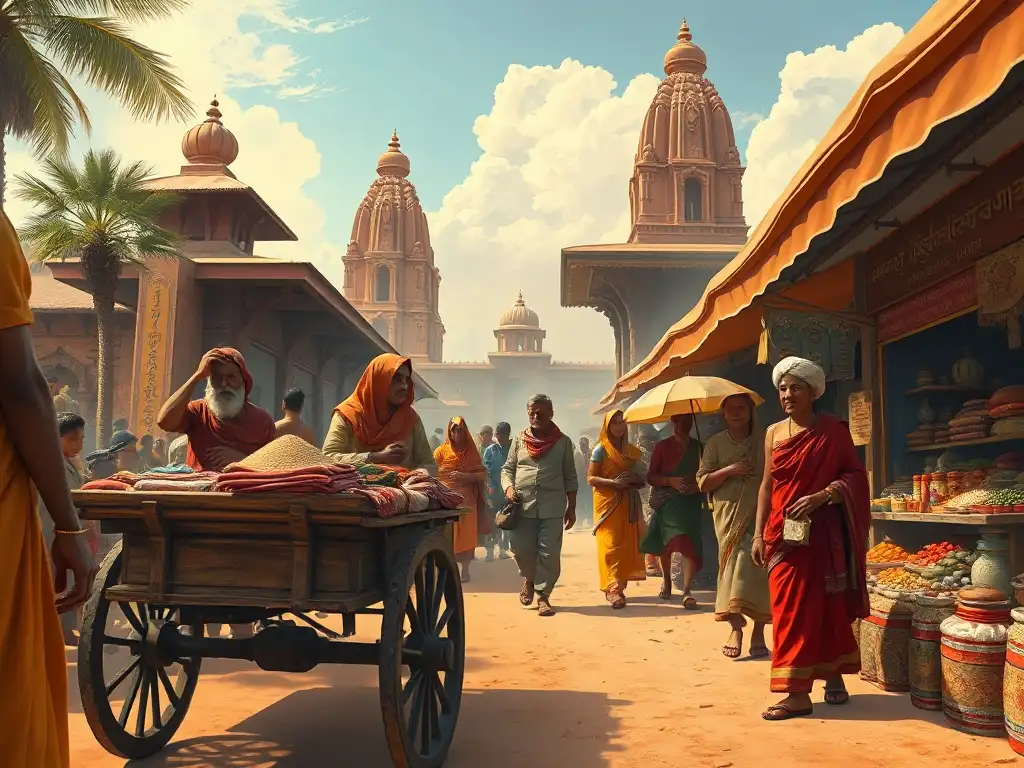
Introduction to Ancient Indian Trade Practices
Ancient Indian trade practices have played a pivotal role in shaping the economy, culture, and societal structures of the region throughout its history. From the sophisticated trade networks of the Indus Valley Civilization to the bustling markets during the Gupta Empire, the evolution of these practices reflects not only economic transformations but also cultural exchanges that have transcended borders.
This article delves into the foundations of ancient Indian trade, examining how these practices have transformed over time and influenced the modern world. By exploring the rich tapestry of trade routes, commodities, and cultural interactions, we aim to highlight the significance of ancient Indian trade practices in a historical context, while also considering their lasting impact on contemporary commerce.
Overview of Trade in Ancient India
Trade in ancient India was characterized by its diversity and complexity, encompassing a wide range of goods, services, and cultural exchanges. Key features of this trading landscape included:
- Local Markets: Villages and towns established local markets where artisans and farmers exchanged goods.
- Long-Distance Trade: Ancient Indians engaged in extensive long-distance trade, exchanging spices, textiles, precious stones, and metals with distant lands, including Mesopotamia, Persia, and beyond.
- Barter System: The barter system was prevalent, with goods exchanged directly without the use of currency, allowing for flexibility in trade practices.
The intermingling of various cultures through trade routes not only facilitated the exchange of goods but also ideas, philosophies, and technologies, fostering a sense of interconnectedness among ancient civilizations.
Importance of Trade in Ancient Indian Civilizations
The significance of trade in ancient Indian civilizations cannot be overstated. It served as a catalyst for economic growth, urbanization, and cultural development. Key points include:
- Economic Prosperity: Trade contributed to the wealth of societies, leading to the rise of urban centers like Pataliputra and Taxila.
- Cultural Exchange: The movement of traders and goods facilitated the exchange of cultural practices, languages, and religions, enriching the social fabric of ancient India.
- Political Alliances: Trade often led to diplomatic relations and alliances among various kingdoms, promoting stability and collaboration.
Trade was an essential component of ancient Indian life, influencing social hierarchies and contributing to the overall development of civilization.
The Origins of Trade Practices in Ancient India
The origins of trade practices in ancient India can be traced back to some of the earliest civilizations, notably the Indus Valley Civilization. The establishment of trade routes and systems laid the groundwork for future economic interactions.
Trade Routes Established in the Indus Valley Civilization
The Indus Valley Civilization, which thrived around 2500 BCE, showcased advanced urban planning and trade practices. Key aspects include:
- Well-Defined Routes: Major trade routes connected cities like Harappa and Mohenjo-Daro with regions as far as Mesopotamia, facilitating the exchange of goods.
- Standardized Weights and Measures: The use of standardized weights enabled accurate trade transactions, enhancing commercial reliability.
- Diverse Commodities: Goods traded included cotton textiles, pottery, and metalwork, which were highly sought after in external markets.
These trade practices set a precedent for future economic activity in India, highlighting the civilization's sophistication and its role in early global trade networks.
The Role of Maritime Trade in Early Indian Economies
Maritime trade emerged as a significant element of ancient Indian commerce, particularly during the later Vedic period and beyond. This facet of trade included:
- Sea Routes: The Indian Ocean provided vital trade routes connecting India with Southeast Asia, Africa, and the Arabian Peninsula.
- Cultural Interactions: Maritime trade facilitated cultural exchanges, introducing foreign influences in art, religion, and technology.
- Key Ports: Prominent ports like Lothal and Sopara became bustling trade centers, attracting merchants from various regions.
The importance of maritime trade in shaping ancient Indian economies illustrates not only the strategic geographical advantages of the Indian subcontinent but also the dynamic nature of its trade practices.
Key Features of Ancient Indian Trade Practices
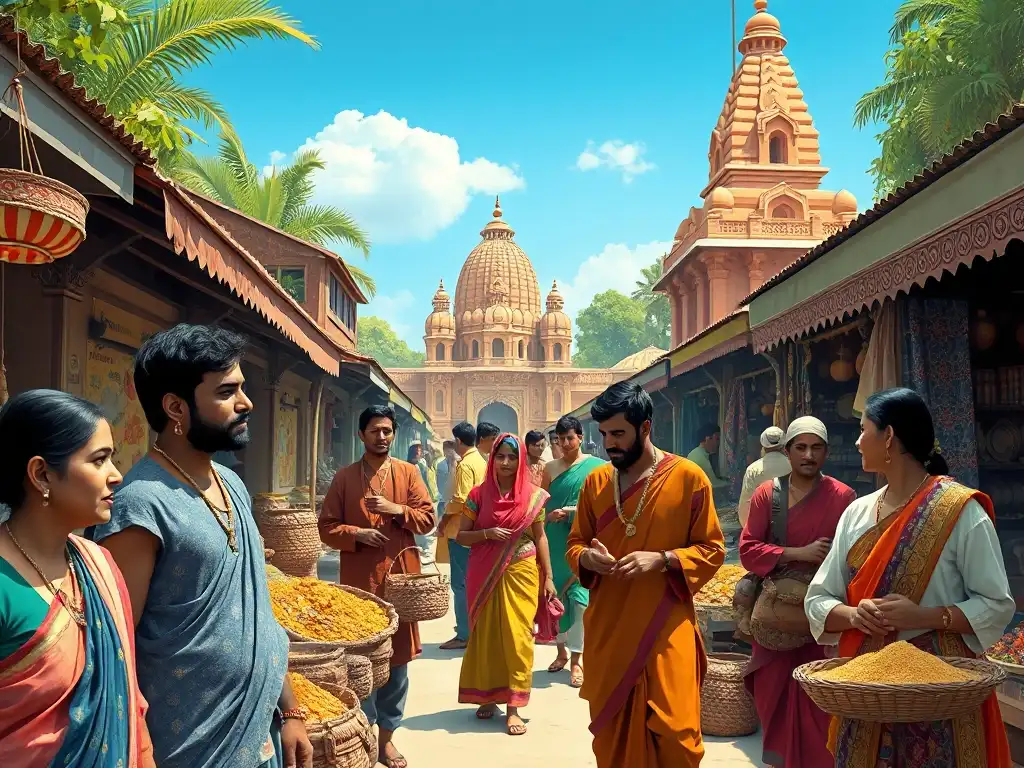
Ancient Indian trade practices were characterized by a rich tapestry of cultural exchanges, diverse trading routes, and a variety of goods that reflected the region's wealth and resources. One of the most notable features was the emphasis on the barter system, where goods were exchanged directly without the use of currency. This practice fostered strong community ties and cultural interactions but evolved with time to include various forms of currency, including metal coins, which facilitated trade over larger distances.
Another key aspect was the establishment of trade routes that connected different parts of India, as well as linking the subcontinent to other civilizations, including those in the Middle East, Africa, and Southeast Asia. These routes were not only crucial for the exchange of goods but also served as conduits for cultural and technological exchanges, significantly influencing the development of ancient Indian society.
Moreover, the guild system played a vital role in regulating trade practices. Merchants and artisans formed guilds that governed trade standards, prices, and quality of goods, ensuring fair practices and mutual support among members. This organization provided a framework that contributed to the stability and growth of trade across the region.
Barter System and Currency in Ancient India
The barter system was the foundation of early trade in ancient India, where goods and services were exchanged directly. This system worked effectively within local communities, as people could negotiate and find mutual benefit. For instance, a farmer might trade surplus grains with a potter in exchange for pottery. However, limitations arose when traders sought to exchange goods with those outside their immediate community, leading to inefficiencies and disputes over value.
As trade expanded, the need for a more standardized method of exchange became apparent. This led to the introduction of copper, silver, and gold coins, which began to circulate around the 6th century BCE, particularly during the era of the Mahajanapadas. Coins provided a convenient solution, allowing for easier transactions and facilitating long-distance trade. The use of currency also marked a significant shift in ancient Indian trade practices, promoting economic growth and enabling merchants to engage in more complex trade networks.
Goods Traded: Spices, Textiles, and Precious Metals
Ancient India was renowned for its rich variety of goods, with spices, textiles, and precious metals being among the most sought-after commodities. Spices such as black pepper, cardamom, and turmeric were highly valued, not only within India but also in international markets, leading to the establishment of extensive trade networks. These spices were often transported along the famous Silk Road and maritime routes, reaching destinations as far as Rome and China.
Textiles, particularly cotton and silk, were another significant aspect of ancient Indian trade. The craftsmanship of Indian weavers produced beautiful fabrics that were in great demand. Indian textiles were often dyed using intricate techniques and adorned with intricate patterns, making them highly prized across various cultures.
Precious metals, including gold and silver, were also traded extensively. India was known for its wealth in these resources, attracting traders from all corners of the world. The trade of these goods not only contributed to the prosperity of ancient Indian civilizations but also played a crucial role in shaping economic interactions with other cultures.
Influence of Geography on Trade Practices
Geography played a pivotal role in shaping the trade practices of ancient India. The subcontinent's diverse landscapes, ranging from the Himalayas in the north to the coastal plains in the south, created a variety of trade opportunities. The Indus Valley, with its advanced urban centers like Harappa and Mohenjo-Daro, served as significant hubs for trade due to their strategic locations along rivers that facilitated navigation and commerce.
Additionally, ancient India's extensive coastline allowed for maritime trade with neighboring countries. Ports such as Lothal and Kannauj became bustling centers of commerce, where goods were exchanged with traders from regions like the Arabian Peninsula and Southeast Asia. This geographic positioning not only enhanced trade but also facilitated cultural exchanges that enriched the Indian civilization.
Furthermore, the presence of natural resources such as minerals and fertile lands influenced the types of goods traded, directly impacting local economies and trade practices. The accessibility of these resources made certain regions more prosperous, contributing to the overall growth of trade networks throughout ancient India.
The Evolution of Trade Practices in Ancient India
The evolution of trade practices in ancient India reflects a dynamic interplay of economic, political, and cultural factors. Over time, as empires rose and fell, trade practices adapted to meet the changing needs and demands of society. The establishment of powerful empires, such as the Maurya and Gupta, played a significant role in shaping trade networks and practices across the subcontinent.
The Impact of the Maurya Empire on Trade Expansion
The Maurya Empire, established in the 4th century BCE, marked a transformative period for trade in ancient India. Under the reign of Chandragupta Maurya and later Ashoka, the empire expanded significantly, and with it, trade networks flourished. The Mauryan administration developed infrastructure, such as roads and inns, which facilitated the movement of goods and traders across vast distances.
Moreover, the Maurya Empire's policies promoted economic stability and security, encouraging merchants to engage in trade without fear of banditry or disruption. The introduction of standardized weights and measures further streamlined trade practices, making transactions more efficient. As a result, trade expanded not only within the Indian subcontinent but also with distant lands, including those in the Hellenistic world.
Trade Practices During the Gupta Empire: A Golden Era
The Gupta Empire, often referred to as a golden age of ancient India, saw a remarkable flourishing of trade practices. From the 4th to the 6th century CE, the Gupta rulers supported commerce through favorable policies and infrastructure development. This period was marked by increased urbanization, with cities like Pataliputra and Ujjain becoming major trading hubs.
During this era, trade routes expanded further, encompassing both overland and maritime connections. The Gupta Empire was known for its vibrant trade in textiles, spices, and precious stones, which were highly sought after in international markets. Additionally, the use of a standardized currency became widespread, enhancing trade efficiency and encouraging economic activity.
Culturally, the Gupta period also saw the exchange of ideas and knowledge, with trade facilitating interactions between diverse communities. This exchange led to advancements in various fields, including mathematics, science, and the arts, highlighting the profound impact of trade on the development of ancient Indian civilization. The legacy of these trade practices from the Gupta Empire continues to influence modern trade dynamics in the region.
Cultural Exchange Through Trade
The ancient trade routes not only facilitated the exchange of goods but also served as conduits for cultural interactions. As merchants traveled across vast distances, they brought with them not just commodities but also ideas, customs, and technological innovations. This cultural exchange was pivotal in shaping the social, political, and economic landscapes of various civilizations.
The Spread of Ideas and Innovations via Trade
Trade routes such as the Silk Road and maritime paths connected India with distant lands, including the Roman Empire, East Asia, and the Middle East. This connectivity allowed for the dissemination of philosophical ideas, religious beliefs, and scientific knowledge. For instance, the introduction of Buddhism to Central Asia and beyond was significantly aided by merchant activities.
Additionally, innovations in agriculture, metallurgy, and textiles were shared among cultures. Techniques for dyeing fabrics, the use of spices, and advancements in navigation and shipbuilding were all results of this rich exchange of ideas. The interactions between traders fostered a climate of learning and adaptation, leading to greater cultural sophistication in ancient India.
Influence of Foreign Cultures on Ancient Indian Commerce
Ancient Indian commerce was heavily influenced by foreign cultures, which integrated new practices and products into the local economy. The arrival of Persian traders introduced new trade goods, such as silk and precious metals, while Greek influences led to advancements in coinage and banking systems.
Furthermore, the cultural practices of foreign traders often melded with local traditions, creating a unique commercial culture. The adoption of the Persian system of weights and measures, for example, improved trade efficiency, while the artistic styles from Hellenistic influences enriched Indian art and architecture. This blending of cultures not only enhanced trade practices but also contributed to a vibrant and diverse cultural tapestry in ancient India.
Decline and Transformation of Ancient Trade Practices
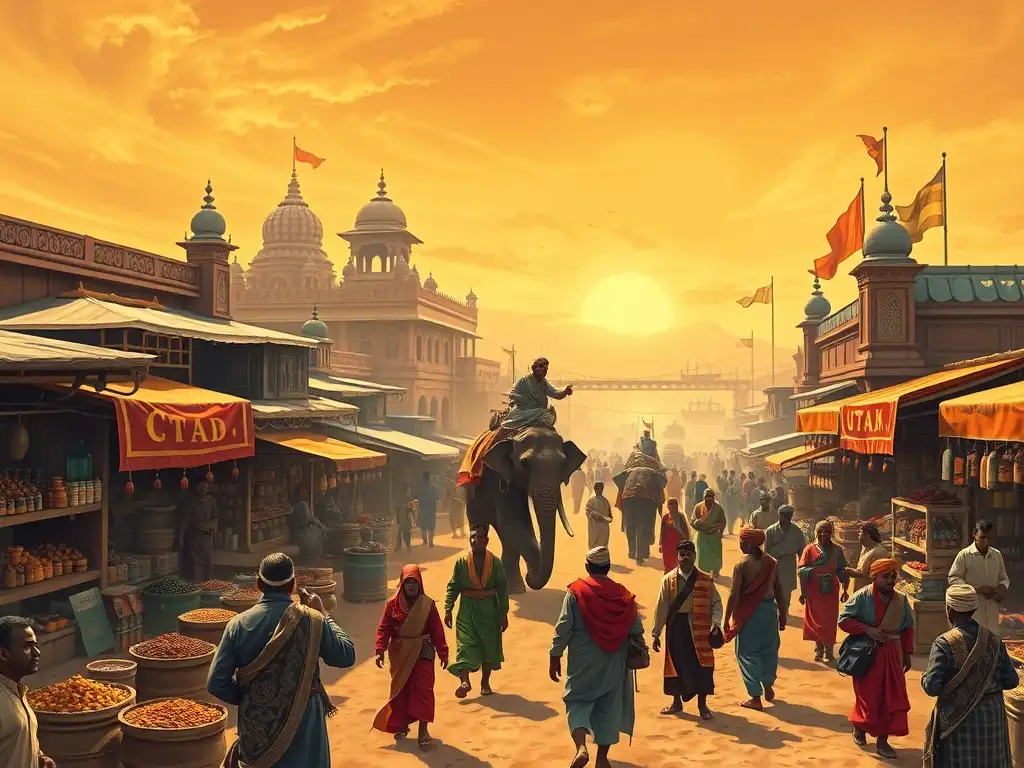
As empires rose and fell, ancient trade practices underwent significant transformations that reshaped the economic landscape of India. The decline of major trade routes and shifts in political power often dictated the ebb and flow of commerce.
Factors Leading to the Decline of Trade in Late Antiquity
Several factors contributed to the decline of trade practices during late antiquity. The fall of the Roman Empire disrupted established trading networks, leading to a decrease in demand for Indian goods like silk and spices. Additionally, the rise of regional powers often resulted in conflict over trade routes, making travel perilous for merchants.
Environmental changes, such as droughts and famines, also played a role in diminishing agricultural production, which in turn affected trade. The increased isolationism during periods of political instability further hampered the exchange of goods and ideas, leading to a stagnation in trade practices that had flourished previously.
Transition from Ancient Trade Practices to Medieval Commerce
The decline of ancient trade practices set the stage for a gradual transformation into medieval commerce. As new political entities emerged, trade began to shift towards localized markets and regional exchanges. The rise of feudalism and the establishment of guilds marked the transition toward more organized forms of commerce.
During this period, the introduction of new maritime routes and the expansion of trade networks through Islamic empires revitalized commerce in the Indian subcontinent. Goods like spices, textiles, and precious stones remained in high demand, and the development of banking systems facilitated trade. This transition laid the groundwork for the more complex and globalized trade practices that would define the medieval period and beyond, continuing the legacy of ancient Indian trade practices in a new context.
Modern Perspectives on Ancient Indian Trade Practices
Modern perspectives on ancient Indian trade practices reveal a fascinating tapestry of interactions that shaped not only the economy of ancient India but also the global trading landscape. Scholars and economists today are increasingly recognizing that these practices were not merely transactional; they were underpinned by complex social, cultural, and political dynamics. Ancient Indian trade thrived on a sophisticated understanding of commerce and market principles, which included barter systems, currency use, and trade agreements that transcended regional boundaries.
Furthermore, the emergence of trade routes, such as the Silk Road and maritime pathways, facilitated the exchange of goods, ideas, and cultures. This interconnectedness not only enriched the Indian economy but also contributed to the synthesis of diverse cultural elements, which can still be observed in contemporary practices. Modern businesses and trade organizations draw inspiration from these ancient practices, emphasizing the importance of networking and relationship-building in trade, which were central to ancient Indian commerce.
How Ancient Trade Practices Influence Contemporary Trade
Ancient Indian trade practices continue to influence contemporary trade in several significant ways. First, the concept of sustainable trade can be traced back to ancient practices where local resources were utilized efficiently, ensuring minimal environmental impact. Modern businesses increasingly prioritize sustainable practices, echoing the ancient ethos of responsible trading.
Second, the collaborative networks that were established during the ancient period laid the groundwork for today’s global supply chains. Ancient traders often formed alliances and partnerships that facilitated smoother exchanges and reduced risks, a principle that resonates with modern businesses aiming for global outreach.
Moreover, ancient Indian practices of trade regulation and standardization can be seen mirrored in modern economic systems. The use of weights and measures in ancient times has evolved into contemporary standards for quality and compliance in trade, ensuring fair practices and consumer protection.
Lessons from Ancient Indian Trade for Modern Economies
There are several lessons modern economies can learn from ancient Indian trade practices. One key lesson is the value of diversification. Ancient Indian traders dealt in a variety of goods, from spices and textiles to precious stones, allowing them to mitigate risks and capitalize on market demands. Today’s economies can benefit by encouraging a diverse range of industries to foster resilience against market fluctuations.
Another critical lesson is the importance of cultural exchange. Ancient trade not only focused on goods but also involved the exchange of ideas, technologies, and customs. This cultural intermingling enriched societies and can serve as a model for modern global trade, where fostering cultural understanding and cooperation can lead to more effective partnerships.
Finally, the adaptability shown by ancient traders in response to changing economic conditions serves as a guiding principle for modern businesses. The ability to pivot and innovate in response to market demands is crucial for sustaining growth and competitiveness in today’s fast-paced economy.
Conclusion
Summary of the Transformation of Trade Practices
The transformation of trade practices from ancient India to the modern world illustrates a significant evolution in economic thought and practice. Ancient Indian trade was characterized by a rich tapestry of systems that included barter, the use of currency, and the establishment of trade routes that facilitated not only commerce but also cultural exchange. Over time, these practices have been reshaped by technological advancements and globalization, yet the foundational principles remain relevant.
The Legacy of Ancient Indian Trade Practices in Today's World
The legacy of ancient Indian trade practices is evident in today’s global economy. The principles of sustainable trade, cultural exchange, and collaborative networks continue to influence contemporary trade practices. As businesses navigate the complexities of modern commerce, the wisdom drawn from ancient Indian trade practices offers valuable insights into building resilient, ethical, and successful trade systems. By embracing these lessons, modern economies can cultivate a trading environment that honors the past while innovating for the future.
- Introduction to Ancient Indian Trade Practices
- Overview of Trade in Ancient India
- Importance of Trade in Ancient Indian Civilizations
- The Origins of Trade Practices in Ancient India
- Key Features of Ancient Indian Trade Practices
- The Evolution of Trade Practices in Ancient India
- Cultural Exchange Through Trade
- Decline and Transformation of Ancient Trade Practices
- Modern Perspectives on Ancient Indian Trade Practices
- Conclusion
Frequently Asked Questions
What were the primary trade practices in ancient India?
Ancient India was known for its extensive trade networks that included land and maritime routes. Key goods traded included spices, textiles, and precious stones, which were highly valued in both local and international markets.
How did the Indus Valley Civilization contribute to trade?
The Indus Valley Civilization established one of the earliest known trade practices, utilizing standardized weights and measures. Their strategic location allowed them to engage in trade with neighboring regions, facilitating the exchange of goods and ideas.
What role did the Silk Road play in ancient Indian trade?
The Silk Road was crucial for ancient Indian trade, connecting India with Central Asia and beyond. It enabled the exchange of cultural and commercial goods, significantly impacting the economy and spreading Indian innovations across regions.
How did trade practices evolve during the Gupta Empire?
During the Gupta Empire, trade practices became more sophisticated with the introduction of coinage and improved transportation systems. This era saw an increase in international trade, particularly in textiles and metalwork, enhancing economic prosperity.
What impact did ancient Indian trade practices have on modern trade?
Ancient Indian trade practices laid the foundation for modern trading systems by introducing concepts like mercantilism and trade routes. The legacy of these practices continues to influence contemporary global trade dynamics and economic interactions.
Final Reflection: The Enduring Legacy of Ancient Indian Trade Practices
The evolution of trade practices from ancient India to the modern world underscores the profound impact of cultural exchange and economic innovation. Today, as globalization reshapes our economies, we are reminded that the principles established by ancient Indian traders—such as trust, negotiation, and mutual benefit—remain relevant in fostering international relationships. The lessons learned from these practices are not merely historical footnotes; they are the bedrock of our contemporary trade systems.
The influence of ancient Indian trade practices continues to resonate in our global economy, shaping how we perceive commerce and collaboration. The intricate networks established by early merchants not only facilitated the exchange of goods but also ideas, cultures, and technologies. This rich tapestry of interactions laid the groundwork for the diverse and interconnected world we inhabit today. As Mahatma Gandhi once said, “Commerce should not be a game of chance, but a game of skill.” This perspective emphasizes the importance of ethical practices and strategic thinking in trade, echoing the values upheld by ancient Indian traders.
As we reflect on the lessons of the past, let us embrace the spirit of innovation and cooperation that defined ancient Indian trade practices. I invite you to consider how these timeless principles can be applied in your own life and work.
Whether you are negotiating a business deal, collaborating on a project, or engaging in community initiatives, remember that the essence of trade is not just in the exchange of goods, but in the building of relationships and trust. By honoring the legacy of our ancestors, we can contribute to a more equitable and interconnected world for future generations.
Unveil the Trade Secrets of Ancient India!
Thank you for diving into the fascinating journey of trade practices from ancient India to the modern world! You've gained valuable insights into how these historical shifts continue to shape our commerce today. Now it’s your turn to take action and explore further.
- Explore Local Markets: Visit nearby markets and connect with vendors to learn about traditional trade practices that might still be in use today.
- Read More: Dive deeper into the history of trade by checking out both historical texts and contemporary analyses available at your library or online.
- Share Your Discoveries: Engage with friends and family! Share intriguing facts about ancient trade practices on social media or in discussion groups.
What aspect of ancient trade practices intrigues you the most, and how do you think they continue to influence our modern economy?