
The Extraordinary Drainage Systems of the Indus Valley: A Testament to Ancient Ingenuity

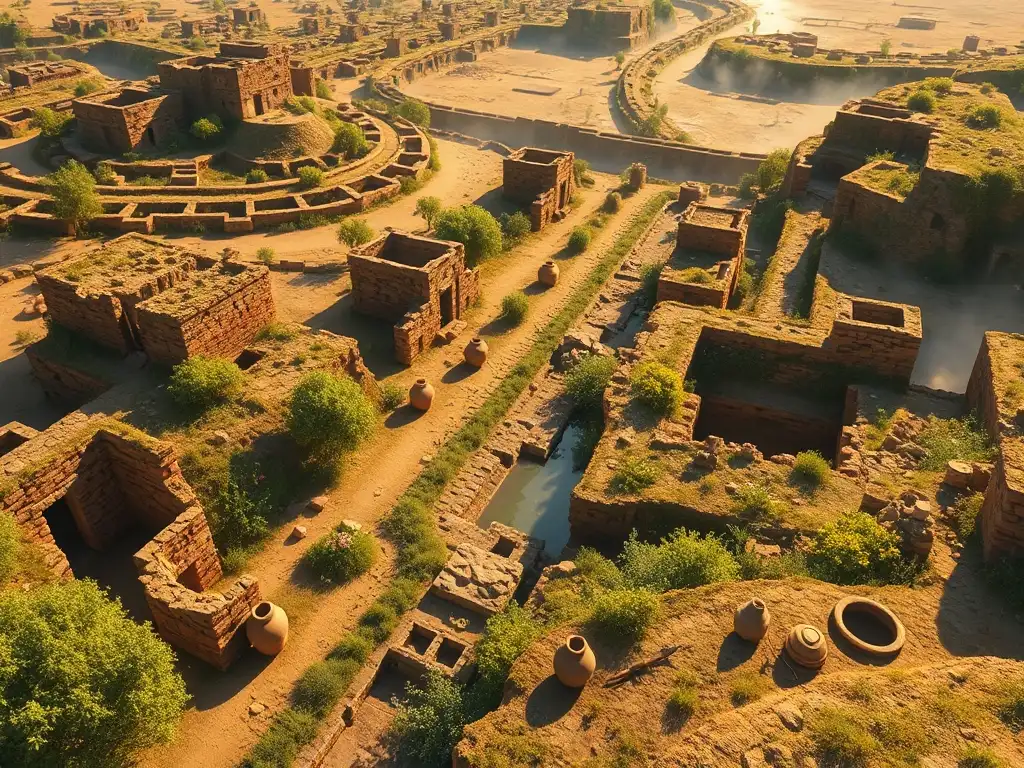
Welcome to Ancient India History, where we embark on a fascinating journey through the rich tapestry of ancient Indian civilizations. Here, we delve into the remarkable achievements that have shaped our understanding of history and culture, from the enigmatic Indus Valley to the illustrious Gupta Empire. In this article, we invite you to explore the extraordinary drainage systems of the Indus Valley, a testament to the ingenuity and advanced engineering skills of one of the world's earliest urban societies.
Prepare to be captivated as we uncover the secrets behind these ancient marvels and their significance in the evolution of urban planning. Join us in unraveling the mysteries of the past, and let your curiosity guide you deeper into the annals of history!
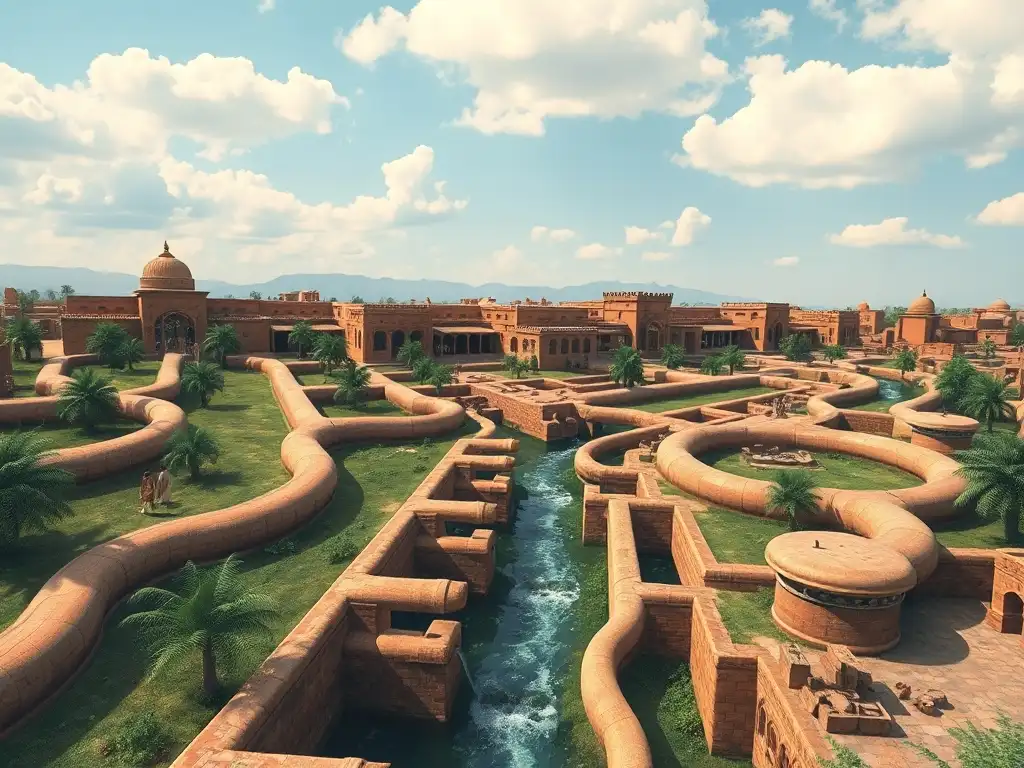
The Indus Valley Civilization, one of the world's earliest urban societies, flourished around 2500 BCE in what is now modern-day Pakistan and northwest India. Renowned for its remarkable urban planning and advanced engineering, this civilization showcased an impressive array of technologies that have left a lasting legacy. Among these technological marvels, the drainage systems of the Indus Valley stand out as a testament to the ingenuity of its people.
These complex systems not only served practical purposes but also reflected the values and priorities of a sophisticated society focused on health, sanitation, and urban management. In this article, we will delve into the history of the Indus Valley drainage systems, exploring their construction, significance, and the impact they had on the civilization's development.
Introduction to Indus Valley Civilization
Overview of the Indus Valley Civilization
The Indus Valley Civilization, also known as the Harappan Civilization, emerged approximately 4,500 years ago and spanned across a vast region that included major cities like Harappa and Mohenjo-Daro. Characterized by well-planned cities laid out in grid patterns, the civilization demonstrated advanced knowledge of architecture and urban infrastructure. The population engaged in various trades, agriculture, and crafts, which contributed to a vibrant economy.
Key elements of this civilization included:
- Urban Planning: Cities were constructed with a standardized layout.
- Architecture: Use of baked bricks and sophisticated building techniques.
- Trade Networks: Extensive trade with neighboring regions, including Mesopotamia.
Importance of Drainage Systems in Ancient India
The drainage systems of the Indus Valley Civilization played a crucial role in maintaining public health and hygiene. Unlike many ancient civilizations that often neglected sanitation, the Harappans prioritized effective drainage to manage wastewater and prevent flooding, which was essential for sustaining urban life. These systems facilitated the removal of waste and reduced the risk of waterborne diseases, showcasing the civilization's advanced understanding of urban management.
The significance of these drainage systems can be summarized as follows:
- Health and Sanitation: Minimizing exposure to contaminated water sources.
- Urban Sustainability: Supporting the growth of densely populated cities.
- Cultural Values: Reflecting the community's emphasis on cleanliness and order.
Indus Valley Drainage Systems History
Historical Context of Drainage Engineering
The drainage systems of the Indus Valley were not only innovative but also indicative of a long-standing tradition of engineering and construction. Archaeological evidence suggests that the Harappans utilized sophisticated techniques to design and implement these systems, which included a network of covered drains that ran along the streets of major cities. This engineering prowess is believed to have been influenced by earlier agricultural practices that required effective water management.
Key aspects of the historical context include:
- Engineering Techniques: Use of gradient slopes to ensure proper drainage flow.
- Material Choices: Selection of durable materials such as burnt bricks and stone for construction.
- Influence of Geography: Adaptation to the local environment and seasonal monsoons.
Key Features of Indus Valley Drainage Systems
The drainage systems of the Indus Valley were characterized by several remarkable features that highlight their sophistication:
- Complex Network: A comprehensive system of drains connected individual houses to larger community drains.
- Covered Drains: Many drains were covered to prevent odors and blockages, highlighting a concern for public health.
- Access Points: Regularly placed access points for cleaning and maintenance, demonstrating an understanding of long-term infrastructure management.
| Feature | Description |
|---|---|
| Materials Used | Baked bricks, stone, and clay |
| Design | Graded slopes for efficient wastewater flow |
| Maintenance | Access points for cleaning and upkeep |
The extraordinary drainage systems of the Indus Valley Civilization not only reveal the engineering capabilities of one of history's most advanced societies but also underscore the civilization's commitment to public health and urban living. As we explore the intricate details of these systems, we gain invaluable insights into the daily lives and technological achievements of the people who thrived in this remarkable era.
The Design and Structure of Drainage Systems
The drainage systems of the Indus Valley Civilization are remarkable examples of early urban engineering that showcase the ingenuity of ancient architects and planners. These systems were meticulously designed to manage water effectively, ensuring both the drainage of wastewater and the prevention of flooding. The layout typically included a network of covered drains running alongside streets, allowing for the efficient movement of water away from residential and public areas.
The main features of these drainage systems included a combination of large main drains and smaller lateral drains that facilitated the flow of water. The drains were often built with a slight slope to promote gravity flow, a critical factor in maintaining efficiency. This careful design demonstrates a profound understanding of hydraulics and civil engineering principles, which were advanced for their time.
Materials Used in Indus Valley Drainage Construction
The construction of drainage systems in the Indus Valley utilized locally available materials that contributed to their durability and functionality. The primary materials included:
- Baked bricks: The use of standardized, kiln-fired bricks provided strength and resistance to water erosion. These bricks were often used to line the drains, creating a smooth surface for water flow.
- Stone and clay: In addition to bricks, stones and clay also played a significant role in construction. Stone was often used for the larger drains, while clay was used to seal joints and prevent leaks.
- Mortar: A mixture of clay and sand was utilized as mortar to bind bricks together, ensuring that the drains remained robust over time.
These materials, combined with skilled craftsmanship, allowed the drainage systems to withstand the test of time, many of which are still intact today.
Layout and Organization of Drainage Systems
The layout of drainage systems in the Indus Valley was both systematic and strategic. Streets in major cities like Mohenjo-Daro and Harappa were constructed in a grid pattern, with drainage channels integrated into this design. Key features of this layout included:
- Main drains: These were larger and ran parallel to the main streets, collecting wastewater from smaller lateral drains connected to individual homes and public buildings.
- Access points: Regularly spaced access points allowed for maintenance and cleaning of the drains, ensuring they functioned effectively and reducing the risk of blockages.
- Separation from drinking water sources: The careful planning ensured that drainage systems were located away from wells and other sources of drinking water, protecting public health.
The organization of these systems reflects a sophisticated understanding of urban planning, demonstrating the importance placed on cleanliness and hygiene in ancient Indus Valley society.
The Functionality of Indus Valley Drainage Systems
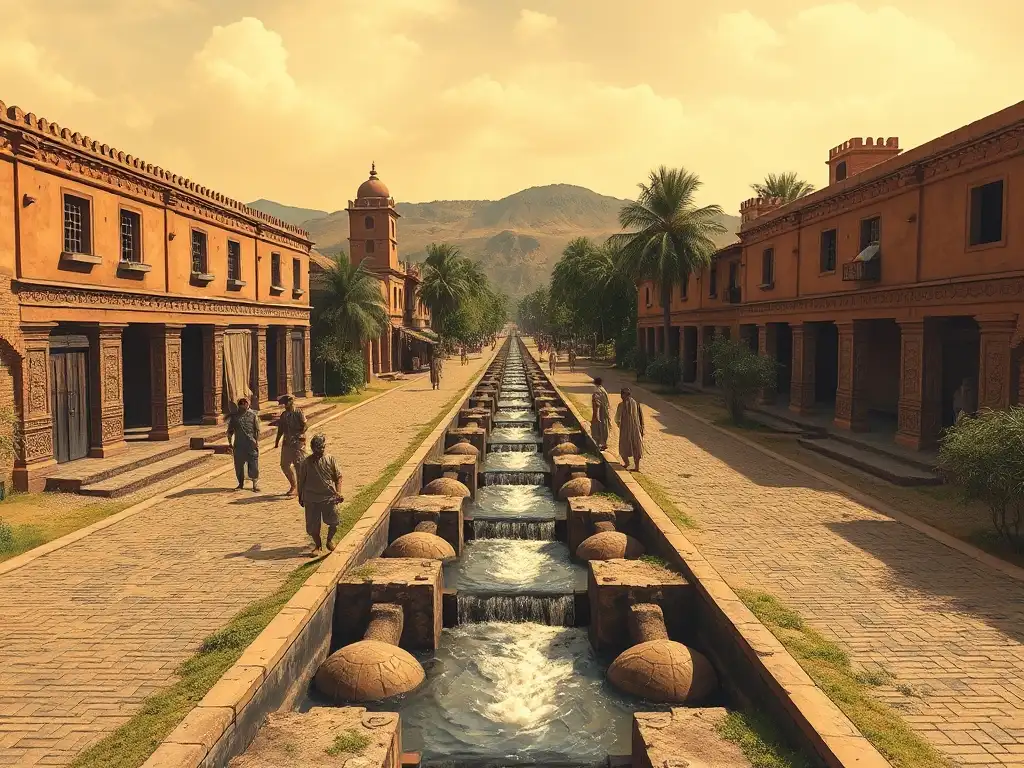
The functionality of the drainage systems in the Indus Valley was crucial to the sustainability of urban life. These systems served multiple purposes, including waste management, flood control, and public health enhancement, showcasing the advanced engineering capabilities of the civilization.
Waste Management and Sanitation Practices
The Indus Valley drainage systems were integral to waste management and sanitation practices. The efficient removal of wastewater from homes and public areas prevented the accumulation of refuse, which is critical for maintaining hygiene in densely populated urban centers. Each household was typically equipped with a private toilet connected to the drainage network, a significant advancement in ancient sanitation practices.
The implementation of such systems not only reduced the risk of disease but also reflected a commitment to public health and urban cleanliness. The civilization's ability to manage waste effectively is a testament to their sophisticated understanding of hygiene long before modern sanitation practices were developed.
Flood Control Mechanisms in Urban Planning
Flood control was another essential function of the drainage systems in the Indus Valley. The geographical location of these cities, often near rivers, made them susceptible to seasonal flooding. To mitigate this risk, the drainage systems were designed with several flood control mechanisms:
- Elevated city planning: Many settlements were built on raised ground, reducing the risk of flooding during heavy rains.
- Sloped drains: The gradient of the drainage channels facilitated rapid water movement, preventing overflow during periods of heavy rainfall.
- Retention basins: Some cities featured retention basins designed to catch excess water and slowly release it, further controlling flood risk.
These measures illustrate a proactive approach to urban planning, ensuring that the cities could withstand natural challenges while maintaining livability.
Impact on Public Health and Hygiene
The sophisticated drainage systems had a profound impact on public health and hygiene in the Indus Valley. By effectively managing wastewater and preventing flooding, these systems contributed to a healthier living environment. The removal of waste and sewage reduced the likelihood of waterborne diseases, which were a significant threat in ancient urban settings.
Moreover, the presence of private toilets and a well-organized drainage network indicates a level of societal development that prioritized the health and well-being of its inhabitants. This commitment to public health is evident in the archaeological remains, which suggest that the people of the Indus Valley Civilization were well aware of the importance of sanitation and its role in community health.
Innovations in Drainage Technology
The Indus Valley Civilization, thriving around 2500 BCE, showcased remarkable advancements in drainage technology. This ancient civilization developed a sophisticated network of drainage systems that exemplified their understanding of urban planning and engineering. These innovations were not merely functional but reflected a deep knowledge of hydrology and civil engineering.
The drainage systems were characterized by their use of standardized baked bricks, which ensured durability and uniformity. The drains were often covered with stone slabs, allowing for easy maintenance while preventing blockages. Moreover, the integration of vertical shafts allowed for proper ventilation, reducing the buildup of harmful gases. The strategic placement of these drainage systems ensured that they effectively channeled wastewater away from residential areas, emphasizing the importance of sanitation in urban environments.
Ingenious Engineering Solutions
The engineering solutions employed in the construction of Indus Valley drainage systems were truly ingenious. One of the most notable features was the use of gradient designs, where drains were constructed with a slight slope to facilitate the natural flow of water. This not only improved efficiency but also minimized the risk of flooding during monsoon seasons.
Additionally, the use of soak pits and wells played a crucial role in managing groundwater levels. These features allowed excess rainwater to percolate into the ground, helping to recharge aquifers while simultaneously preventing waterlogging in urban areas. The combination of gravity-driven drainage and innovative water management techniques showcased the advanced understanding of hydraulic engineering possessed by the Indus Valley people.
Advances in Water Management Techniques
The Indus Valley Civilization made significant advances in water management techniques that were unparalleled for their time. One key aspect was the establishment of a centralized system of drainage that connected individual houses to larger public drains. This system not only streamlined waste disposal but also maintained public hygiene and health.
Moreover, the civilization implemented meticulous planning to ensure that water was efficiently used and conserved. The presence of large reservoirs and cisterns indicates a systematic approach to collecting and storing rainwater. This foresight in water management ensured that communities had access to clean water, which was vital for both daily living and agricultural activities.
The Significance of Drainage Systems in Urban Planning
The drainage systems of the Indus Valley were integral to the civilization's urban planning, influencing the layout and functionality of their cities. These systems not only facilitated waste removal but also contributed to the overall sustainability and livability of urban environments.
Relationship Between Drainage and Urban Development
The relationship between drainage and urban development in the Indus Valley is evident in the meticulous planning of cities such as Mohenjo-Daro and Harappa. The presence of well-maintained drainage systems allowed for higher population densities, as residents could live in closer proximity without the fear of unsanitary conditions.
Furthermore, the effective management of water resources through these drainage systems supported agricultural productivity, which in turn fueled urban growth. As agricultural surplus increased, it led to the development of trade and commerce, further enhancing urban life and economic stability.
Case Studies of Major Indus Valley Cities
Examining major Indus Valley cities provides insight into the significance of drainage systems. In Mohenjo-Daro, for instance, the sophisticated drainage layout included public baths and latrines that were directly connected to a network of drains. This not only ensured cleanliness but also demonstrated a prioritization of public health.
Similarly, in Harappa, the drainage systems were designed with an understanding of the seasonal variations in rainfall. The city's infrastructure included raised platforms for buildings to prevent flooding during the monsoon, showcasing a proactive approach to urban planning. These case studies exemplify how drainage systems were central to the functionality and resilience of Indus Valley cities.
Lessons Learned for Modern Urban Planning
The ingenuity of the Indus Valley drainage systems offers valuable lessons for contemporary urban planning. Modern cities face similar challenges regarding waste management and water conservation, and the ancient techniques employed by the Indus Valley can inspire innovative solutions today.
For instance, the concept of integrated drainage systems that connect individual buildings to a larger network can be applied to modern urban designs, promoting sustainability and efficiency. Additionally, the emphasis on public health and sanitation within urban planning highlights the need for contemporary cities to prioritize these aspects as well. By learning from the past, modern urban planners can develop more resilient cities that effectively manage resources and enhance the quality of life for their inhabitants.
Preservation and Study of Indus Valley Drainage Systems
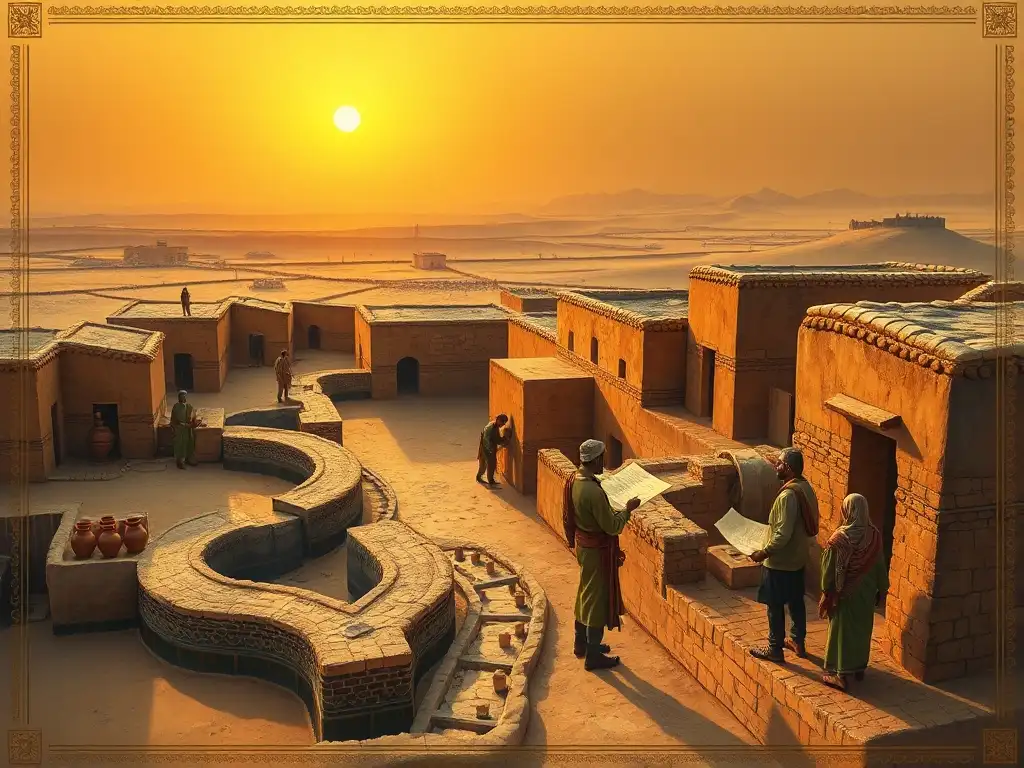
The preservation and study of the drainage systems of the Indus Valley Civilization (IVC) are crucial for understanding the technological advancements and urban planning of this ancient society. As one of the earliest urban cultures in the world, the IVC showcased remarkable engineering feats that have left a lasting legacy. Preservation efforts focus on maintaining the integrity of these ancient infrastructures while ongoing studies aim to uncover their functionalities and significance in daily life.
Archaeological Discoveries Related to Drainage
Archaeological excavations at sites like Harappa and Mohenjo-Daro have revealed intricate drainage systems that demonstrate advanced urban planning. The drainage systems were composed of covered brick drains, which were meticulously constructed to ensure efficient wastewater management. Some key discoveries include:
- Brick-lined Drains: The use of standardized baked bricks in the construction of drains, many of which are still intact, exemplifies the engineering prowess of the IVC.
- Slope and Gradient: The careful design of slopes ensured that water flowed naturally towards larger drainage channels, preventing stagnation and promoting hygiene in urban settlements.
- Public Baths: The presence of large public baths, such as those found at Mohenjo-Daro, indicates a sophisticated understanding of water management and communal sanitation.
These discoveries highlight the advanced knowledge of hydraulics and urban sanitation in the Indus Valley.
Current Research and Findings
Recent archaeological and geophysical studies continue to emerge, shedding light on the complexities of the drainage systems. Researchers utilize modern technologies such as ground-penetrating radar (GPR) and remote sensing to map out existing drainage networks and assess their conditions. Key findings include:
- Extent of the Systems: Current research indicates that the drainage networks may extend beyond previously identified areas, suggesting a more extensive urban layout than initially thought.
- Material Analysis: Studies of the materials used in the drainage systems have shown a sophisticated understanding of construction techniques and material durability, which has implications for modern engineering practices.
- Cultural Significance: The drainage systems are being reevaluated not only as functional infrastructures but also as symbols of the society’s values regarding cleanliness and public health.
These insights enhance our comprehension of how the IVC managed its urban environment.
Challenges in Preserving Ancient Drainage Systems
Preserving the ancient drainage systems poses several challenges, including:
- Urban Development: Modern construction and urbanization often threaten the integrity of the archaeological sites, leading to potential damage or complete loss of these historical structures.
- Environmental Factors: Erosion, flooding, and other natural elements can cause deterioration of the remains, making it essential to implement protective measures.
- Lack of Funding: Many archaeological sites struggle with insufficient funding for preservation efforts, hindering the ability to maintain and study these ancient systems.
Addressing these challenges is vital for ensuring that future generations can study and appreciate the ingenuity of the Indus Valley drainage systems.
Conclusion: Legacy of the Indus Valley Drainage Systems
The drainage systems of the Indus Valley stand as a testament to the engineering excellence of one of humanity's earliest urban societies. Their design and functionality not only catered to the immediate needs of the population but also laid the groundwork for future advancements in sanitation and urban planning.
Reflection on Ancient Ingenuity and Modern Implications
The ingenuity demonstrated by the IVC in their drainage systems serves as an inspiration for modern engineering. The emphasis on hygiene, public health, and effective water management showcases principles that remain relevant today. As urban areas across the globe face challenges related to waste management and sanitation, the lessons learned from the Indus Valley can guide contemporary practices in sustainable urban development.
The Enduring Influence of the Indus Valley on Modern Engineering
The influence of the Indus Valley Civilization extends into modern engineering disciplines. Concepts derived from their drainage systems are reflected in contemporary urban planning, particularly in cities that prioritize sustainability and efficient waste management. By studying the IVC's approach to drainage, engineers and urban planners can innovate solutions that honor the principles of ancient ingenuity while addressing the complexities of modern urban life. The legacy of the Indus Valley continues to shape how we think about infrastructure, sanitation, and the importance of a clean living environment.
References
The study of the Indus Valley drainage systems is supported by a range of scholarly articles, books, and archaeological reports that shed light on the ingenuity of ancient engineering practices. Here are some key sources and recommended literature for further exploration of this fascinating subject.
Key Sources for Further Reading on Indus Valley Drainage Systems
- "The Indus Civilization: A Contemporary Perspective" by Gregory L. Possehl
- This comprehensive book discusses various aspects of the Indus Valley Civilization, including its advanced urban planning and drainage systems. Possehl offers insights into the engineering techniques used and their significance for urban life.
- "Indus Valley Civilization: An Interdisciplinary Approach" edited by R. S. Sharma
- This edited volume brings together contributions from various experts in archaeology, history, and anthropology, focusing on the technological advancements of the Indus Valley, including the sophisticated drainage systems.
- "The Archaeology of the Indus Valley" by Richard H. Meadow
- Meadow's work provides detailed analyses of the archaeological findings in the Indus Valley, emphasizing the importance of drainage systems in urban planning and public health.
- "Water Management in Ancient Civilizations" by A. M. T. H. de Rooy
- This book examines the water management systems of various ancient civilizations, with a significant focus on the Indus Valley's drainage capabilities and their impact on society.
- Journal Articles from the 'Journal of Archaeological Science'
- Numerous articles published in this journal delve into archaeological studies related to the Indus Valley drainage systems, providing empirical data and analysis on the subject.
Recommended Literature on Ancient Indian Civilizations
- "Ancient India" by Romila Thapar
- Thapar’s classic text offers a broad overview of ancient Indian history, including the Indus Valley Civilization's contributions to urban planning and engineering.
- "A History of Ancient India: From 700 B.C. to A.D. 1206" by Upinder Singh
- This book provides a narrative of ancient Indian history, with discussions on technological advancements, including those from the Indus Valley, highlighting the evolution of civilization in the region.
- "Indus Valley Civilization: A Historical Perspective" by A. D. S. Chandra
- Chandra's work focuses specifically on the historical context of the Indus Valley Civilization, exploring its culture, technology, and the significance of its drainage systems within the broader historical framework of ancient India.
- "The Indus Valley: The First Great Civilization of the Indian Subcontinent" by David L. McCauley
- This book serves as an accessible introduction to the Indus Valley Civilization, with particular emphasis on its architectural marvels, including drainage systems.
These sources will not only enhance your understanding of the Indus Valley drainage systems but also provide a broader context for appreciating the technological and cultural achievements of ancient Indian civilizations.
- Introduction to Indus Valley Civilization
- Indus Valley Drainage Systems History
- The Design and Structure of Drainage Systems
- The Functionality of Indus Valley Drainage Systems
- Innovations in Drainage Technology
- The Significance of Drainage Systems in Urban Planning
- Preservation and Study of Indus Valley Drainage Systems
- Conclusion: Legacy of the Indus Valley Drainage Systems
- References
- What were the drainage systems like in the Indus Valley civilization?
- How did the drainage systems contribute to the health of Indus Valley cities?
- What materials were used in the construction of Indus Valley drainage systems?
- How do the drainage systems of the Indus Valley compare to modern systems?
- What can we learn from the Indus Valley drainage systems today?
Frequently Asked Questions
What were the drainage systems like in the Indus Valley civilization?
The Indus Valley drainage systems were highly advanced, featuring covered drains and sewage systems that efficiently managed waste and stormwater, showcasing the civilization's engineering skills.
How did the drainage systems contribute to the health of Indus Valley cities?
The sophisticated drainage systems helped maintain hygiene by preventing flooding and the accumulation of waste, which likely reduced the spread of diseases among the population.
What materials were used in the construction of Indus Valley drainage systems?
The Indus Valley drainage systems were primarily built using baked bricks and stone, which provided durability and resistance to the monsoon rains common in the region.
How do the drainage systems of the Indus Valley compare to modern systems?
The Indus Valley drainage systems are considered remarkably advanced for their time, with features that can be seen in modern urban drainage systems, highlighting a continuity of engineering practices over millennia.
What can we learn from the Indus Valley drainage systems today?
Studying the drainage systems of the Indus Valley offers insights into sustainable urban planning and the importance of effective waste management in maintaining public health in modern cities.
Final Reflection: The Enduring Legacy of Indus Valley Ingenuity
The extraordinary drainage systems of the Indus Valley civilization stand as a remarkable testament to ancient ingenuity, showcasing the advanced engineering skills and urban planning of a society that thrived thousands of years ago. In an age where modern cities grapple with infrastructure challenges, the lessons from the Indus Valley drainage systems resonate more than ever. Their sophisticated design not only highlights the importance of sanitation and water management but also serves as a reminder of the innovative spirit that can inspire contemporary solutions.
The influence of the Indus Valley drainage systems extends beyond mere historical curiosity; it shapes our understanding of urban development and environmental sustainability today. As we navigate the complexities of modern urbanization, the principles of efficient drainage and waste management remain crucial. The wisdom of the Indus Valley engineers can guide us in creating resilient cities that honor both human health and the environment. The past is not dead; it is not even past.
– William Faulkner. This quote encapsulates the idea that the lessons learned from ancient civilizations continue to inform our present and future.
As we reflect on the ingenuity of the Indus Valley drainage systems, I invite you to consider how these ancient practices can inspire your own approach to problem-solving in daily life. What can you learn from their commitment to innovation and sustainability? Embrace the spirit of inquiry and creativity that defined this remarkable civilization, and let it guide you in your endeavors. By honoring the legacy of the Indus Valley, we not only celebrate their achievements but also empower ourselves to build a more sustainable and thoughtful future.
Unveil the Wonders of Ancient Engineering!
Thank you for diving into the fascinating world of the Indus Valley’s extraordinary drainage systems. Your curiosity about ancient ingenuity has revealed the remarkable skills of civilizations from long ago! Now, let’s take the next step together to deepen your understanding and share this knowledge with the world.
- Explore further: Discover other astonishing engineering feats from ancient civilizations and learn how they influence our modern practices.
- Join the conversation: Share this article with friends and family or on social media to spark discussions about ancient innovations.
- Engage with the community: Participate in forums or local history clubs to expand your knowledge and connect with others who share your passion for ancient history.
What future innovations do you think our modern world could learn from the brilliant minds of the Indus Valley?