
Agriculture in the Indus Valley: The Backbone of Daily Life and Society

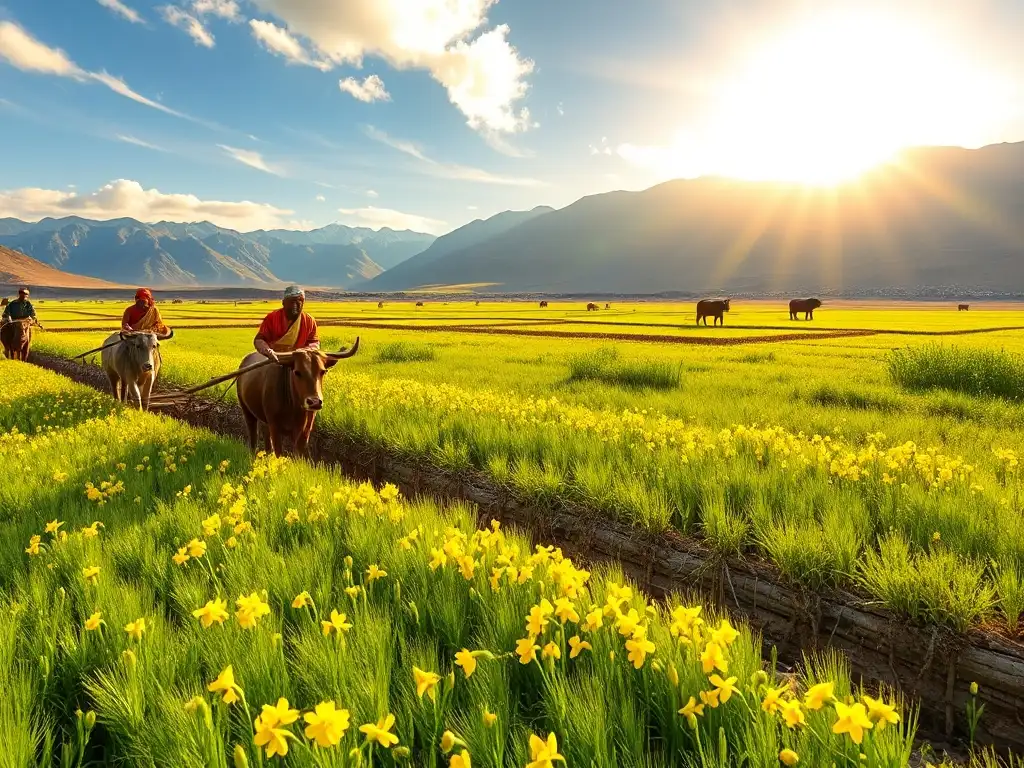
Welcome to Ancient India History, where we embark on a fascinating journey through the vibrant tapestry of ancient Indian civilizations. Here, we delve deep into the significance of Indus Valley agriculture—the very backbone of daily life and society in one of the world’s earliest urban cultures.
As you explore the intricacies of how agriculture shaped the social, economic, and cultural landscape of the Indus Valley, prepare to uncover the profound impacts of these practices that resonate even today. Join us as we unravel the secrets of a civilization that thrived through innovation and resilience, inviting you to discover more about its enduring legacy.
- Introduction to Indus Valley Agriculture Significance
- Historical Context of Agriculture in the Indus Valley
- Agricultural Practices in the Indus Valley
- Major Crops Grown in the Indus Valley
- Economic Impact of Agriculture on Indus Valley Society
- Social Structure and Agriculture in the Indus Valley
- Religious and Cultural Significance of Agriculture
- Conclusion: The Enduring Legacy of Indus Valley Agriculture
-
Frequently Asked Questions
- What role did agriculture play in Indus Valley civilization?
- How did the geography of the Indus Valley influence agriculture?
- What were the main crops grown in the Indus Valley?
- How did agricultural practices impact the economy of the Indus Valley?
- What innovations in agriculture emerged from the Indus Valley civilization?
- Final Reflection: The Enduring Significance of Indus Valley Agriculture
- Unlock the Secrets of Ancient Agriculture!
Introduction to Indus Valley Agriculture Significance
Agriculture played a pivotal role in shaping the daily life and societal structures of the Indus Valley Civilization, one of the most advanced urban cultures of ancient India. This civilization, which thrived between approximately 2600 and 1900 BCE, was characterized by its sophisticated urban planning, impressive architecture, and extensive trade networks.
At the heart of this flourishing society was agriculture, which not only sustained the population but also contributed to its economic stability and cultural development. As we delve into the significance of agriculture in the Indus Valley, we will uncover how it influenced various aspects of life, from social organization to technological advancements, and examine its lasting impact on the region's history.
Overview of Agriculture in Ancient India
Agriculture in ancient India, particularly in the Indus Valley, was marked by innovation and adaptation to the local environment. The fertile floodplains of the Indus River provided a conducive setting for the cultivation of various crops, including:
- Wheat: One of the primary staples, demonstrating advanced farming techniques.
- Barley: Used both as food and in brewing.
- Legumes: Such as lentils and peas, which enriched the soil and provided protein.
- Cotton: Evidence suggests that the Indus Valley was among the earliest cultivators of cotton, leading to the development of textile production.
The agricultural practices in the Indus Valley were characterized by:
- Irrigation Techniques:
- Use of canals and wells to manage water supply.
- Floodplain agriculture taking advantage of seasonal flooding.
- Crop Rotation and Soil Management:
- Techniques to maintain soil fertility.
- Introduction of legumes to replenish nutrients.
- Animal Husbandry:
- Domestication of animals such as cattle, sheep, and goats, which complemented agricultural activities.
These practices not only ensured food security but also allowed the Indus Valley Civilization to support large urban populations, facilitating the rise of complex societal structures.
Importance of Agriculture in the Indus Valley Civilization
The significance of agriculture in the Indus Valley Civilization extends beyond mere sustenance; it served as a foundational pillar for the civilization's growth and prosperity. Here are some key aspects highlighting its importance:
-
Economic Stability:
Agriculture provided the economic base for trade, allowing surplus production to be exchanged with neighboring regions. This trade network facilitated cultural exchanges and the movement of goods.
-
Social Organization:
The agricultural surplus enabled the growth of cities like Harappa and Mohenjo-Daro, leading to the establishment of a stratified society with specialized roles, including farmers, artisans, and traders.
-
Technological Innovations:
The need for efficient farming methods led to technological advancements, such as the development of plows and irrigation systems, which had far-reaching impacts on subsequent agricultural practices.
-
Cultural Significance:
Agriculture influenced religious and cultural practices, with deities related to fertility and harvest playing a prominent role in the spiritual life of the Indus Valley people.
The significance of agriculture in the Indus Valley Civilization is profound, intertwining with various aspects of daily life and societal development. Understanding this relationship not only enriches our knowledge of ancient Indian history but also highlights the enduring legacy of agricultural practices that continue to be relevant today.
Historical Context of Agriculture in the Indus Valley
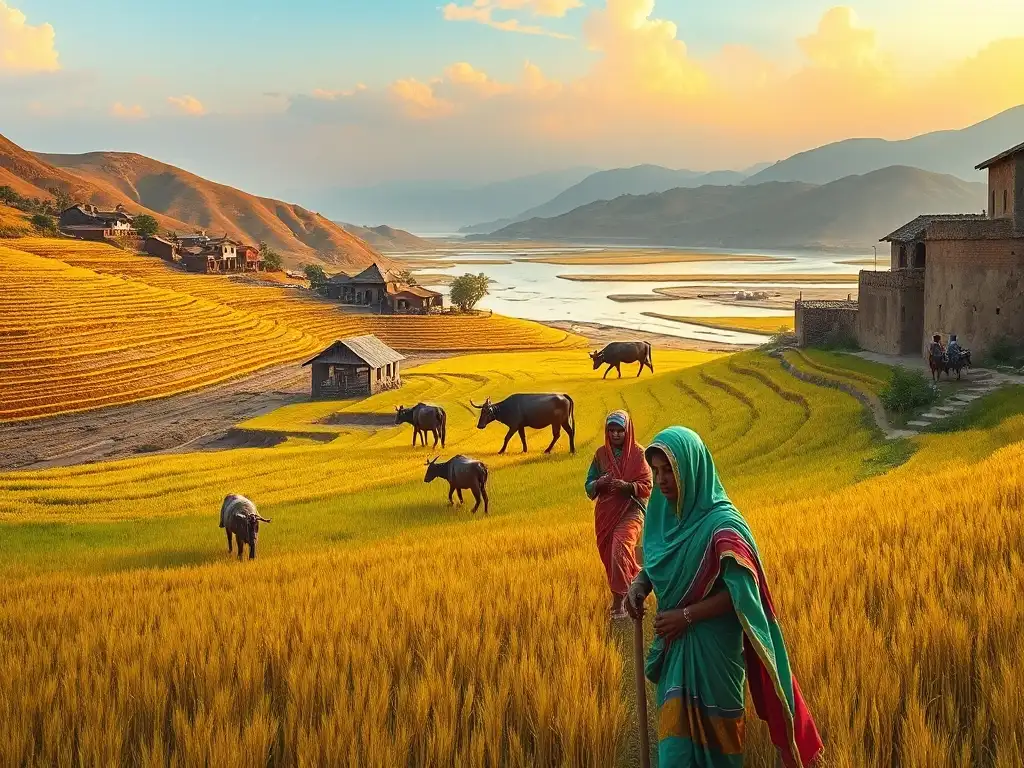
Agriculture in the Indus Valley Civilization (IVC) dates back to around 3300 BCE and played a crucial role in shaping the daily life and societal structure of its inhabitants. The strategic location of the Indus Valley, nestled between the Indus River and its tributaries, provided the necessary resources for agricultural development. This fertile land was conducive to farming, enabling the civilization to thrive and expand.
The emergence of agriculture marked a significant transition from a nomadic lifestyle to a more settled way of living. As communities began to cultivate crops, they established permanent settlements, which eventually evolved into sophisticated urban centers like Harappa and Mohenjo-Daro. The adoption of agriculture not only facilitated food production but also supported the growth of trade, social hierarchies, and cultural practices, making it the backbone of the Indus Valley society.
Geographic Features Influencing Agriculture
The geographic landscape of the Indus Valley greatly contributed to the agricultural practices of its people. The region was characterized by:
- Fertile Alluvial Soil: The alluvial plains, enriched by the annual flooding of the Indus River, provided nutrient-rich soil ideal for crop cultivation. This natural irrigation system ensured consistent agricultural yields.
- River Systems: The extensive network of rivers and streams facilitated irrigation, allowing farmers to divert water to their fields. This was essential for sustaining crops during dry periods and maximizing agricultural output.
- Diverse Topography: The varied landscape of the Indus Valley included plains, hills, and plateaus, which allowed for the cultivation of a wide range of crops. Different geographic zones supported specific agricultural practices, catering to the needs of local populations.
The interplay of these geographic features not only enhanced agricultural productivity but also influenced the social organization of the Indus Valley Civilization. Agricultural surplus led to increased trade and specialization, fostering a complex society.
Climate and Seasonal Changes Affecting Farming Practices
The climate of the Indus Valley played a significant role in determining agricultural cycles and practices. Key factors included:
- Monsoon Seasons: The region experienced distinct wet and dry seasons, with the summer monsoon providing essential rainfall for crops. The timing and intensity of monsoon rains dictated planting schedules and harvest periods.
- Temperature Variations: The climate ranged from hot summers to cooler winters, affecting the types of crops that could be cultivated. Farmers had to adapt their practices according to seasonal temperature fluctuations, selecting crops that thrived in the specific climatic conditions.
- Crop Rotation and Diversification: To mitigate the risks associated with climate variability, Indus Valley farmers practiced crop rotation and diversification. They cultivated various crops, including wheat, barley, peas, and cotton, ensuring a stable food supply and reducing dependency on a single crop.
The understanding of climate patterns and seasonal changes was vital for the agricultural success of the Indus Valley Civilization. This knowledge not only allowed for efficient farming practices but also fostered a deeper connection between the people and their environment, further solidifying agriculture's significance in their daily lives and societal structure.
Agricultural Practices in the Indus Valley
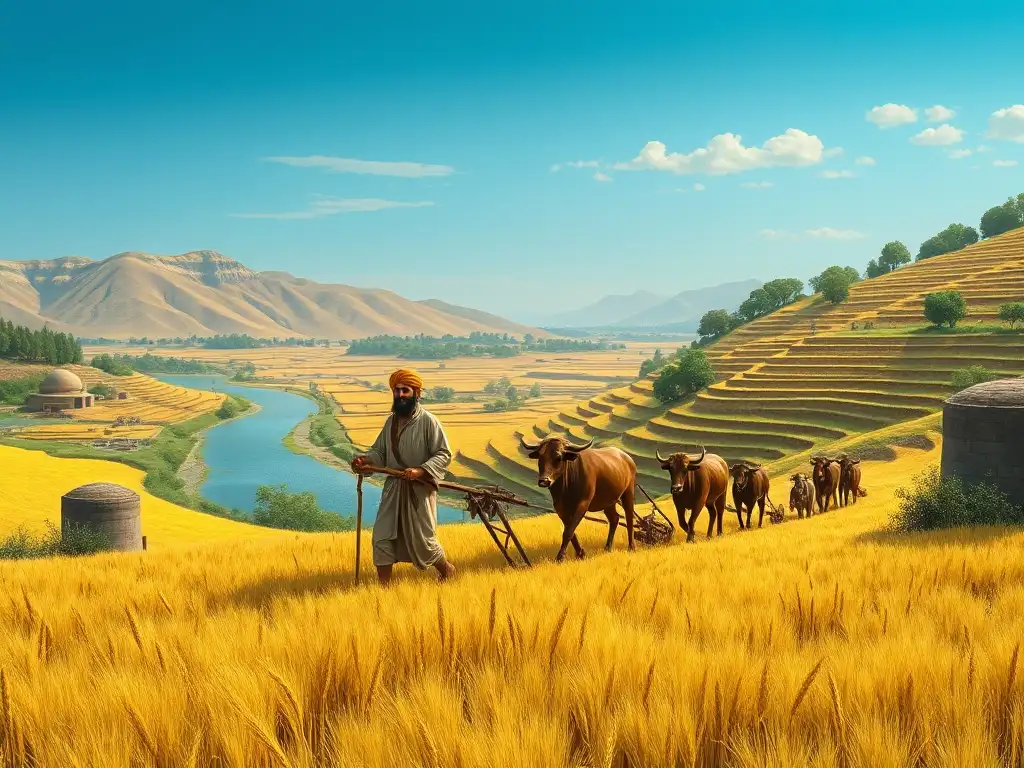
The agricultural practices in the Indus Valley Civilization (IVC) were fundamental to its development and sustainability. This civilization, which thrived between approximately 3300 and 1300 BCE, relied heavily on agriculture for food production, economic stability, and social organization. The significance of Indus Valley agriculture extends beyond mere subsistence; it played a crucial role in shaping the society, culture, and economic structures of the time.
Crop Cultivation Techniques
The Indus Valley farmers employed a variety of sophisticated crop cultivation techniques that contributed to their agricultural success.
- Crop Rotation: Evidence suggests that the farmers practiced crop rotation, allowing for the replenishment of soil nutrients and reduced pest infestations. This method ensured a more sustainable yield over time.
- Diverse Cropping: They cultivated a range of crops, including wheat, barley, peas, and cotton. The inclusion of pulses and oilseeds in their farming practices indicates an understanding of nutritional needs and market demands.
- Seasonal Planting: The timing of planting was crucial; farmers were highly attuned to seasonal changes, ensuring the right crops were sown at optimal times to maximize harvests.
The choice of crops was influenced by the region’s climate and geography, demonstrating an intimate relationship with their environment.
Tools and Technologies Used in Farming
The tools and technologies employed by the Indus Valley farmers were indicative of their advanced understanding of agriculture.
- Plows: Wooden plows, likely drawn by oxen, were used to till the soil effectively. This innovation facilitated the breaking of hard soil and allowed for better seed placement.
- Sickle: Harvesting tools such as sickles, made from flint or metal, enabled efficient collection of crops, particularly grains.
- Granaries: The construction of granaries for storing surplus grain highlights their foresight in managing food resources, ensuring food security and supporting trade.
The integration of these tools with agricultural practices underscored the significance of agriculture in daily life and the economy of the Indus Valley civilization.
Irrigation Systems and Water Management
Effective irrigation systems were crucial for successful agriculture in the Indus Valley, where the monsoon rains were unpredictable.
- Canal Systems: Archaeological findings indicate that the Indus Valley Civilization developed an extensive network of canals for irrigation. These canals diverted water from the Indus River and its tributaries to fields, allowing farmers to cultivate crops even in drier months.
- Water Storage: They constructed reservoirs and cisterns for water storage, which not only supported irrigation but also provided water for domestic use during dry periods.
- Drainage Systems: The advanced drainage systems found in cities like Mohenjo-daro demonstrate that the civilization was not only managing irrigation but also ensuring that excess water was channeled away from agricultural fields to prevent flooding.
The significance of these irrigation and water management techniques cannot be overstated; they were vital for maintaining agricultural productivity and supporting the densely populated urban centers of the IVC.
The agricultural practices in the Indus Valley were a cornerstone of its civilization, revealing a sophisticated understanding of farming, resource management, and environmental interactions. The significance of Indus Valley agriculture lies in its contributions to food production, economic stability, and the overall development of one of the world's earliest urban societies.
Major Crops Grown in the Indus Valley
Staple Crops: Wheat and Barley
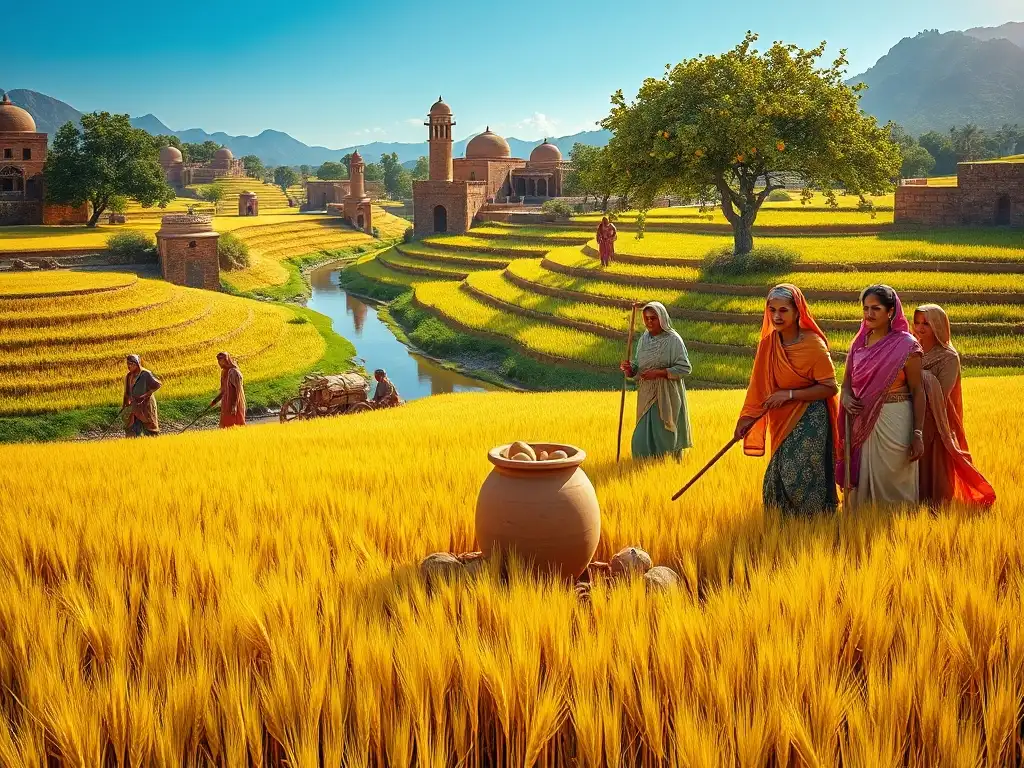
The agricultural landscape of the Indus Valley Civilization was characterized by the cultivation of staple crops, primarily wheat and barley. These grains were essential for sustaining the population and were integral to the diet of the people. Archaeological evidence suggests that the inhabitants of this region began cultivating these crops as early as 7000 BCE, making them some of the earliest known agricultural practices in human history.
Wheat, particularly Triticum aestivum, thrived in the fertile alluvial soil of the Indus Valley, benefiting from the region's irrigation systems that tapped into seasonal river flows. The domestication of barley ( Hordeum vulgare) also played a significant role, as it was not only a staple food but also used in brewing.
The climatic conditions of the Indus Valley, with its predictable monsoon patterns, allowed for reliable harvests. The ability to cultivate these staple crops ensured food security, which was crucial for the growth and stability of urban centers like Harappa and Mohenjo-Daro.
Pulses and Legumes: Nutritional Contributions
In addition to wheat and barley, the Indus Valley farmers grew a variety of pulses and legumes, which were vital for their nutritional content. Legumes such as lentils, chickpeas, and peas complemented the diet by providing essential proteins and nutrients. The incorporation of these crops into daily meals significantly enhanced the dietary variety and health of the population.
The significance of pulses in the Indus Valley agriculture cannot be overstated. Not only did they serve as a primary source of protein, but they also contributed to soil fertility through nitrogen fixation. This sustainable practice of crop rotation with pulses helped maintain agricultural productivity over centuries.
Archaeological findings, including remains of these legumes, further illustrate their widespread use and importance in the diet of the Indus Valley people. This diversity in agriculture showcased the advanced understanding of farming practices and nutrition among the ancient civilizations of this region.
Cotton Cultivation and Textile Production
One of the most remarkable contributions of the Indus Valley Civilization to agriculture was the cultivation of cotton. Evidence of cotton fibers dating back to 5000 BCE has been discovered in sites like Mohenjo-Daro, indicating that the people were not only cultivating cotton but were also skilled in textile production.
Cotton played a dual role in the society of the Indus Valley. First, it was a crucial agricultural product that supported the economy through trade, as textiles became one of the major exports. Second, the production of cotton textiles marked a significant technological advancement in the region. The Indus Valley people developed sophisticated spinning and weaving techniques, which allowed them to create high-quality fabrics that were sought after in other civilizations.
The significance of cotton in Indus Valley agriculture extended beyond mere economic value; it also had cultural implications. Cotton textiles became an essential part of clothing and daily life, reflecting the social status and identity of individuals within the society.
The agricultural practices in the Indus Valley, characterized by staple crops, legumes, and cotton, significantly contributed to the civilization's economy, nutrition, and culture, laying the groundwork for a complex and thriving society.
Economic Impact of Agriculture on Indus Valley Society
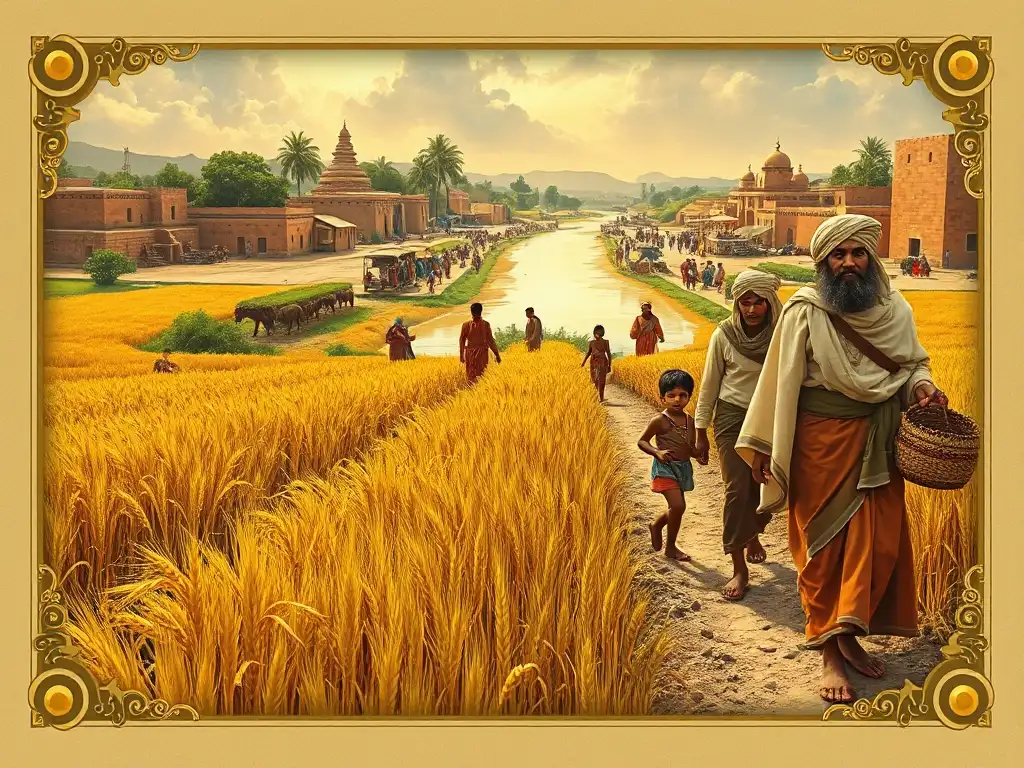
The economic impact of agriculture on Indus Valley society was profound, serving as the cornerstone of its daily life and overall prosperity. The fertile lands along the Indus River provided a conducive environment for cultivating a variety of crops, which not only sustained the population but also facilitated trade and urban development. This agricultural abundance enabled the rise of a complex economy characterized by both subsistence and surplus production.
The agricultural practices in the Indus Valley were advanced for their time, featuring sophisticated irrigation systems that maximized crop yields. The primary crops cultivated included wheat, barley, and cotton, which were vital not just for local consumption but also for trade with neighboring regions. The surplus generated from these crops played a crucial role in supporting urban centers and the emergence of a stratified society.
Trade and Commerce Linked to Agricultural Produce
The relationship between agriculture and trade in the Indus Valley was integral to its economic framework. Surplus agricultural produce became the backbone of trade networks that extended beyond the confines of the civilization itself, reaching regions such as Mesopotamia and Persia. The following points highlight this interconnectedness:
- Bartering System: Agricultural goods were often exchanged for luxury items, raw materials, and crafts from other civilizations. This bartering system facilitated the flow of goods and ideas, enhancing cultural interactions.
- Standardization of Weights and Measures: The need to regulate trade led to the development of standardized weights and measures, which were crucial for fair trading practices. This system fostered trust among merchants and established a more organized commercial environment.
- Marketplaces: The emergence of marketplaces in urban centers exemplified the significance of agricultural trade. Vendors would congregate to sell crops, textiles, and pottery, creating a vibrant commercial atmosphere essential for economic growth.
- Transportation Networks: The development of transport routes, including riverine trade via the Indus, was vital for moving surplus produce to markets, thereby facilitating broader trade connections.
Agriculture not only sustained the people but also enriched the economy through trade, making it a fundamental aspect of Indus Valley civilization.
Role of Agriculture in Urban Development
Agriculture was a catalyst for urban development in the Indus Valley, influencing the layout, architecture, and societal structures of its cities. The following factors illustrate how agriculture shaped urbanization:
- Settlement Patterns: The fertile plains and strategic irrigation allowed for the establishment of permanent settlements. Cities like Harappa and Mohenjo-Daro emerged as agricultural hubs, with populations steadily increasing due to the stability provided by consistent food sources.
- Infrastructure Development: The agricultural surplus necessitated the construction of infrastructure such as granaries, irrigation channels, and drainage systems. This infrastructure not only supported farming but also improved urban living conditions, showcasing the interdependence of agriculture and urban planning.
- Social Stratification: The wealth generated from agriculture contributed to a more complex societal hierarchy, with landowners, farmers, and laborers occupying different social strata. This stratification influenced governance, social roles, and cultural practices within urban centers.
- Cultural Advances: The stability and prosperity brought about by agricultural success allowed for cultural developments, including art, writing, and religious practices. These advances were often reflected in urban architecture and city planning.
The significance of Indus Valley agriculture extended beyond mere sustenance; it was a fundamental driver of economic activity and urbanization, shaping the very fabric of society and laying the groundwork for future civilizations in the region.
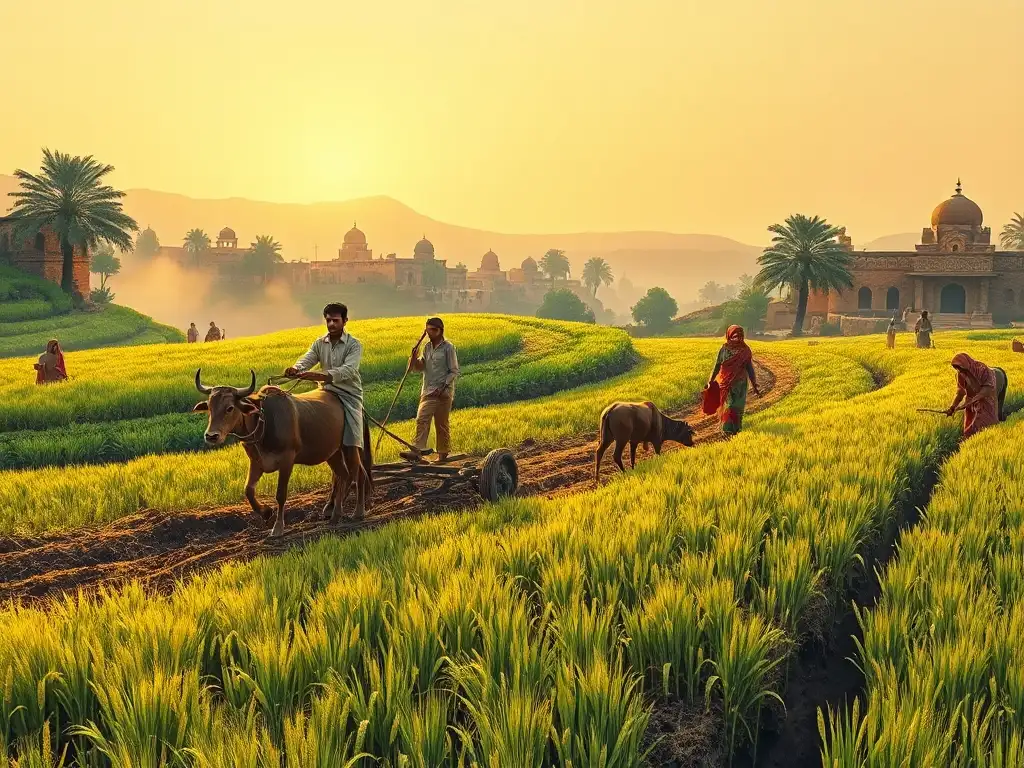
The social structure of the Indus Valley Civilization was intricately linked to its agricultural practices, which formed the backbone of daily life and societal organization. As farming communities thrived, they contributed to the complexity of social hierarchies and roles within these early urban centers. Understanding the interplay between social structure and agriculture sheds light on the significance of Indus Valley agriculture and its impact on the civilization's development.
Farming Communities and Their Organization
Farming communities in the Indus Valley were characterized by their advanced agricultural techniques and collective organization. They primarily relied on irrigated agriculture, utilizing river systems to sustain their crops. The fertile alluvial plains enabled the cultivation of various staple crops, including:
- Wheat
- Barley
- Rice
- Legumes
These crops were essential not only for sustenance but also for trade, as surplus production allowed communities to engage in commerce with neighboring regions.
Community Structure
The organization of farming communities was typically communal, with villages forming around shared agricultural practices. Each community had designated roles, often divided based on skills and tasks necessary for farming. These roles included:
- Farmers: Responsible for planting, tending, and harvesting crops.
- Artisans: Engaged in producing tools and pottery for agricultural use.
- Traders: Facilitated the exchange of surplus goods with other communities.
The collective nature of these communities fostered a sense of unity and cooperation, critical for managing irrigation systems and communal lands. Additionally, the presence of granaries indicates a structured approach to food storage and distribution, which was vital for ensuring food security during lean seasons.
Gender Roles in Agriculture and Daily Life
Gender roles within Indus Valley agriculture were likely defined by a balance of responsibilities, with both men and women playing crucial parts in the agricultural process. While specific details are sparse, archaeological evidence suggests the following:
- Men: Generally took on the heavier physical tasks associated with plowing and managing livestock. Their roles may have included overseeing planting and harvesting activities, reflecting a more public engagement with the agricultural cycle.
- Women: Often participated in sowing, weeding, and gathering, contributing significantly to the agricultural labor force. They were also responsible for processing the harvested crops, which included grinding grains and preparing food for the family.
Cultural Implications
The significance of gender roles extended beyond agriculture, influencing the social fabric of the Indus Valley civilization. Women's contributions to agriculture and food production were essential for sustaining families and communities, suggesting a level of respect and recognition for their roles.
Moreover, the presence of female figurines and symbols of fertility in archaeological sites hints at the cultural reverence for women, possibly linking agricultural fertility with feminine attributes. This cultural perspective underscores the importance of agriculture not only as an economic activity but also as a vital component of societal identity.
In essence, the social structure of the Indus Valley was deeply intertwined with its agricultural practices, shaping daily life and community dynamics. Understanding these relationships enhances our appreciation of the Indus Valley agriculture significance, reflecting its role as a cornerstone of civilization and a determinant of social organization.
Religious and Cultural Significance of Agriculture
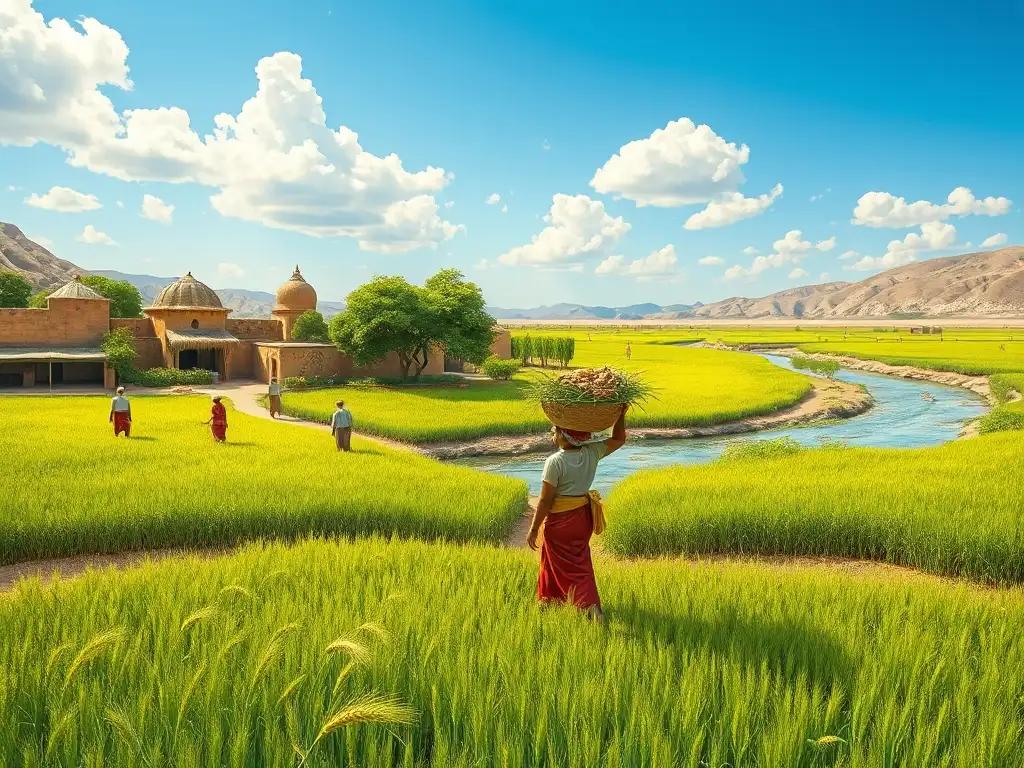
Agriculture in the Indus Valley Civilization (IVC) held a profound religious and cultural significance that extended beyond mere sustenance. The agrarian lifestyle shaped various aspects of daily life, influencing social structures, rituals, and community cohesion. The reliance on agriculture not only provided food security but also fostered a connection between the people and their environment, deeply embedding agricultural practices into their worldview.
Agricultural Festivals and Rituals
Agricultural festivals were an essential part of the Indus Valley culture, reflecting a deep reverence for the land and the fertility it provided. These festivals typically coincided with the agricultural calendar, celebrating planting and harvesting seasons.
- Harvest Festivals: Celebrated during the harvest season, these festivals were occasions for communal gatherings. They involved various activities such as dancing, singing, and feasting, which reinforced social bonds among the community members. The celebration of the harvest was a time of gratitude toward the deities believed to bless the crops.
- Ritual Offerings: Farmers would often perform rituals to invoke the favor of agricultural deities. These rituals could include offerings of the first fruits or grains to the gods, seeking blessings for a bountiful harvest. Such practices underscored the importance of divine intervention in agriculture and the belief that human efforts needed to be complemented by spiritual support.
- Seasonal Ceremonies: The cyclical nature of agriculture led to the establishment of seasonal ceremonies, marking significant agricultural events. For example, the arrival of monsoons would be celebrated with rituals aimed at ensuring adequate rainfall, crucial for crop growth.
The integration of these festivals and rituals into daily life illustrates how agriculture functioned as a communal activity, fostering a sense of identity and cultural continuity among the people of the Indus Valley.
Symbolism of Crops in Indus Valley Beliefs
In the Indus Valley, crops held substantial symbolic meaning that transcended their economic value. Different crops were associated with various aspects of life, from fertility to prosperity, and were central to the cultural identity of the civilization.
- Wheat and Barley: These staple crops symbolized sustenance and abundance. They were often associated with fertility deities, representing the life-giving properties of the earth. The cultivation of these grains was intertwined with the community's survival and economic prosperity.
- Rice: As a crop that required specific environmental conditions, rice symbolized both sustenance and the interconnectedness of nature and agriculture. Its cultivation was likely linked to rituals that reflected gratitude toward nature’s cycles, reinforcing a harmonious relationship between people and the land.
- Cotton: The cultivation of cotton was significant not just for its practical uses but also as a symbol of the flourishing trade and cultural exchange within the IVC. Cotton textiles became a marker of wealth and status, showcasing the community's craftsmanship and connection to broader economic networks.
The symbolic nature of crops in the Indus Valley illustrates how agriculture was not merely a means of sustenance but a vital aspect of the civilization’s cultural and spiritual fabric, influencing its beliefs, practices, and social structures.
Overall, the significance of agriculture in the Indus Valley extends far beyond its economic contributions, revealing a rich tapestry of cultural and religious practices that shaped the lives of its people.
Conclusion: The Enduring Legacy of Indus Valley Agriculture
The agricultural practices of the Indus Valley Civilization not only served as the foundation for daily sustenance but also played a pivotal role in shaping the societal framework of this ancient civilization. The advancements in agriculture, including the development of irrigation systems and crop diversification, laid the groundwork for a stable economy that allowed for urbanization and the emergence of complex societal structures. The significance of Indus Valley agriculture extends beyond mere food production; it was integral to trade, social organization, and cultural practices.
Summary of Agricultural Significance in Daily Life
Indus Valley agriculture was characterized by its sophisticated methods and diverse crop production, which included wheat, barley, lentils, and cotton. The use of advanced techniques such as crop rotation and irrigation systems enabled the civilization to maximize agricultural output. This abundance of resources supported a growing population and facilitated the rise of urban centers like Harappa and Mohenjo-Daro.
- Key Aspects of Indus Valley Agriculture:
- Crop Cultivation: The primary staples included wheat and barley, which were crucial for nutrition.
- Irrigation Techniques: Canals and wells were developed to ensure reliable water supply, particularly in arid regions.
- Livestock Farming: The domestication of animals such as cattle and goats contributed to agricultural productivity and provided essential resources like milk and labor.
The surplus produced through these agricultural methods allowed for trade with neighboring regions, enhancing the economic status of the Indus Valley and fostering cultural exchanges. Additionally, agricultural festivals and rituals were integral to the social fabric, reflecting the significance of farming in the daily lives of the people.
Reflections on the Influence of Indus Valley Agriculture on Future Civilizations
The legacy of Indus Valley agriculture can be seen in the agricultural practices of subsequent civilizations in the Indian subcontinent. The innovations developed during this period set a precedent for future agricultural advancements and influenced the socio-economic structures of later societies.
- Impact on Future Civilizations:
- Technological Advancements: Techniques such as irrigation and crop rotation were adopted and refined by later civilizations, contributing to agricultural efficiency across the region.
- Cultural Practices: The importance of agriculture in daily life continued to be echoed in the cultural and religious practices of future societies, demonstrating a lasting connection to the agricultural roots established by the Indus Valley.
- Economic Foundations: The agricultural surplus generated during the Indus Valley period laid the groundwork for trade networks that persisted through subsequent empires, illustrating the far-reaching economic impact of this civilization.
The significance of Indus Valley agriculture extends far beyond its immediate contributions to daily life; it fundamentally shaped the trajectory of agricultural practices and societal developments in ancient India and beyond. The enduring legacy of these agricultural innovations reflects the sophistication and adaptability of the Indus Valley Civilization, marking it as a pivotal chapter in the history of ancient Indian civilizations.
Frequently Asked Questions
What role did agriculture play in Indus Valley civilization?
Agriculture was the backbone of daily life and society in the Indus Valley, providing the essential food supply for its inhabitants and facilitating the growth of settlements.
How did the geography of the Indus Valley influence agriculture?
The fertile plains of the Indus Valley, nourished by rivers like the Indus and its tributaries, created ideal conditions for crop cultivation, making agriculture a central aspect of the civilization.
What were the main crops grown in the Indus Valley?
Farmers in the Indus Valley primarily cultivated wheat, barley, millet, and pulses, which were vital for sustaining the population and supporting trade networks.
How did agricultural practices impact the economy of the Indus Valley?
Agricultural surplus led to the development of a robust economy, enabling trade with neighboring regions and allowing for specialization of labor within urban centers.
What innovations in agriculture emerged from the Indus Valley civilization?
The Indus Valley civilization is known for its advanced irrigation systems and techniques, which significantly improved crop yields and contributed to the sustainability of their societies.
Final Reflection: The Enduring Significance of Indus Valley Agriculture
The agricultural practices of the Indus Valley civilization continue to resonate in today's world, underscoring the significance of sustainable farming methods that have stood the test of time. As we face modern challenges such as climate change and food security, the innovative techniques and community-oriented approaches of the Indus Valley offer valuable lessons that remain profoundly relevant.
The legacy of Indus Valley agriculture is not merely a historical footnote; it has shaped the cultural and social fabric of the region and beyond. The intricate irrigation systems, crop diversity, and communal farming practices established by this ancient civilization have influenced agricultural methods across generations. The past is not dead; it is not even past.
This quote by William Faulkner encapsulates how the agricultural advancements of the Indus Valley continue to inform our understanding of sustainable practices today, reminding us that history is a living entity that guides our present and future.
As we reflect on the significance of Indus Valley agriculture, I invite you to consider how these ancient practices can inspire our modern lives. How can we incorporate sustainable methods into our daily routines? Whether through supporting local farmers, adopting eco-friendly practices, or simply being mindful of our consumption, each of us has the power to contribute to a more sustainable future. Let the lessons of the Indus Valley guide us as we cultivate a deeper connection to the land and each other, ensuring that the backbone of our society remains strong and resilient for generations to come.
Unlock the Secrets of Ancient Agriculture!
Thank you for exploring the fascinating world of agriculture in the Indus Valley! You've uncovered how this vital practice shaped daily life and society, revealing the ingenuity of ancient civilizations. Now, it’s time to take your newfound knowledge further.
Here are some exciting actions you can take today:
- Dive deeper into the agricultural techniques of the Indus Valley by reading research papers or visiting online archives dedicated to ancient history.
- Share your insights! Discuss your discoveries with friends or on social media to spark engaging conversations about ancient civilizations.
- Explore related topics! Investigate how agriculture influenced trade and urban planning in other ancient cultures, broadening your understanding of historical developments.
What aspect of Indus Valley agriculture surprises you the most, and how do you think it shaped their society?