
The Connection Between External Trade and the Rise of Ancient Indian Empires

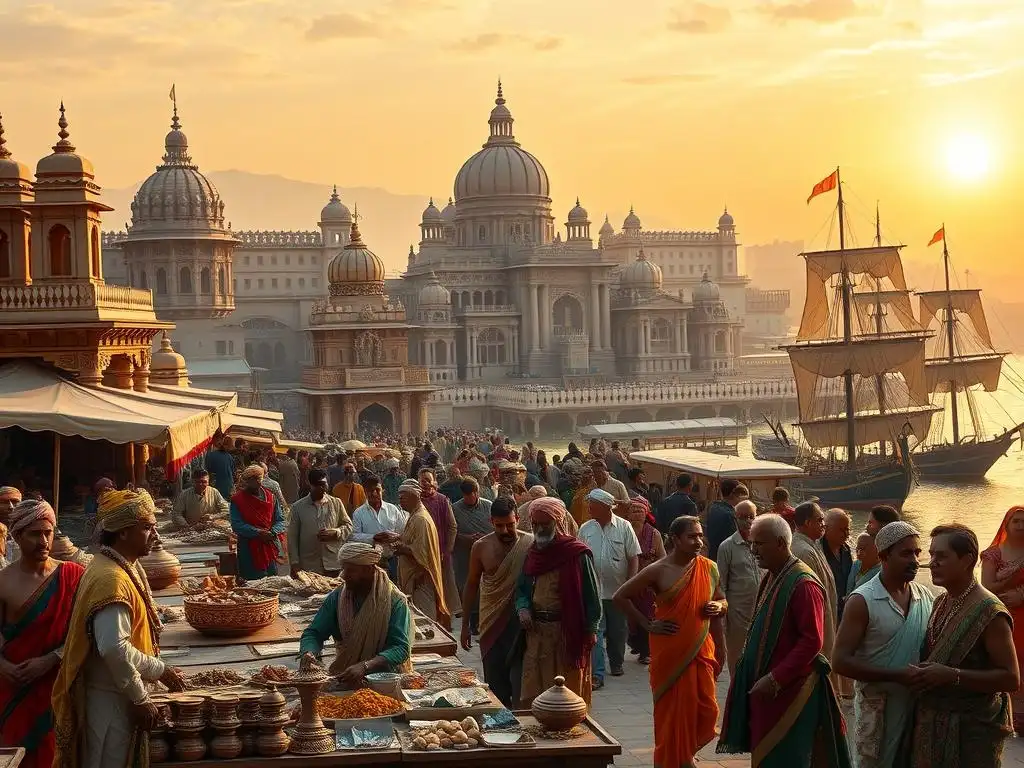
Welcome to Ancient India History, where we invite you to embark on a fascinating journey through the vibrant tapestry of ancient Indian civilizations. Discover how trade was not just a means of commerce but a powerful catalyst that fueled the rise of empires across the subcontinent. In our featured article, “The Connection Between External Trade and the Rise of Ancient Indian Empires,” we delve into the intricate networks of trade routes and their profound impact on cultural exchange and economic prosperity.
Curious to learn how these dynamics shaped the course of history? Join us as we unravel the secrets of ancient Indian trade and its pivotal role in the flourishing empires of the past!
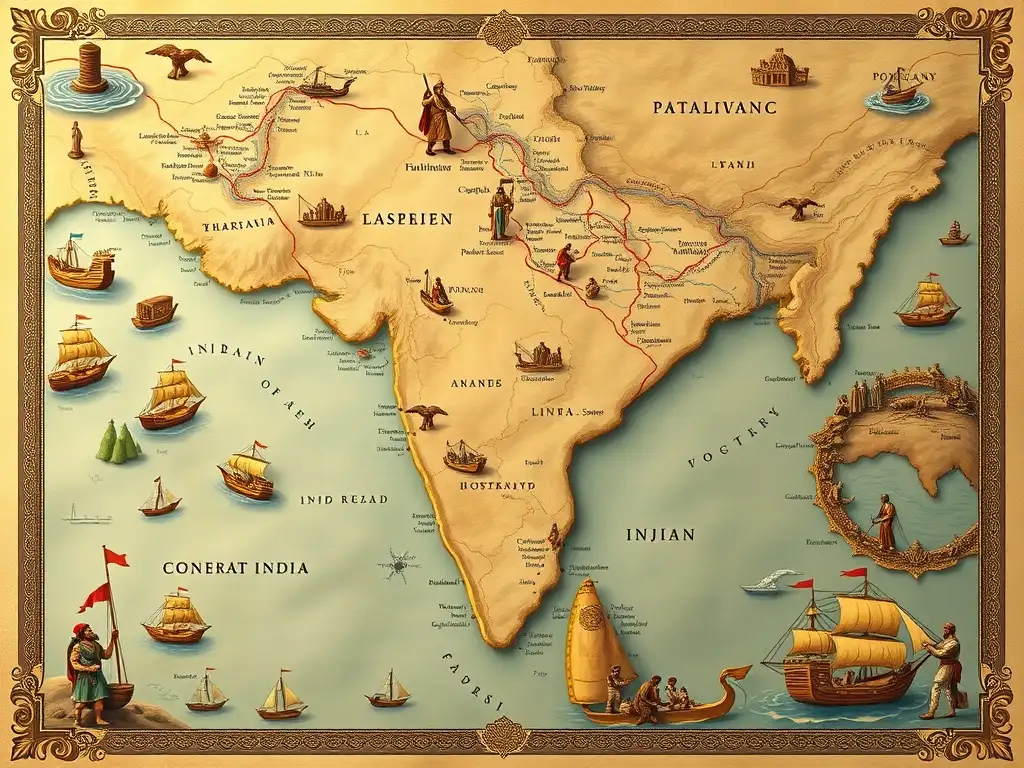
Introduction to Ancient Indian Trade and Empires
The intricate tapestry of ancient Indian history is woven with the threads of trade, commerce, and cultural exchange. From the sophisticated urban planning of the Indus Valley Civilization to the flourishing cultural and intellectual pursuits of the Gupta Empire, external trade played a pivotal role in shaping the trajectory of these great civilizations. The keyword "Ancient Indian trade and empires" encapsulates the essence of this profound interconnectedness, as commerce not only facilitated economic prosperity but also fostered the exchange of ideas, technologies, and cultural practices.
As we delve into the significance of trade in ancient Indian societies, it becomes evident that these empires were not isolated entities; rather, they were part of a vast network that spanned continents. This article aims to explore how external trade contributed to the rise and development of ancient Indian empires, examining key trade routes and their impact on the political, social, and cultural landscapes.
Overview of Ancient Indian History
To understand the connection between trade and the rise of ancient Indian empires, it is essential to first outline the historical context. Ancient India is characterized by a series of remarkable civilizations that thrived over millennia:
- Indus Valley Civilization (c. 2500-1900 BCE): Known for its advanced urban centers like Harappa and Mohenjo-Daro, this civilization engaged in trade with regions as far as Mesopotamia.
- Vedic Period (c. 1500-500 BCE): Marked by the arrival of the Indo-Aryans, this era saw the development of social structures and economic systems, including the early forms of trade.
- Maurya Empire (c. 322-185 BCE): Under the leadership of Chandragupta Maurya and his grandson Ashoka, this empire expanded significantly, benefiting from trade routes across India and beyond.
- Gupta Empire (c. 240-550 CE): Often referred to as the "Golden Age of India," this period witnessed significant advancements in science, literature, and commerce.
This historical overview lays the groundwork for understanding how trade was interwoven with the rise and sustenance of these empires.
Significance of Trade in Ancient Civilizations
Trade served multiple purposes in ancient Indian civilizations, functioning as a catalyst for economic development, cultural exchange, and political power. The significance of trade can be summarized as follows:
- Economic Prosperity: Trade facilitated the exchange of goods such as spices, textiles, and precious metals, contributing to wealth accumulation and economic stability.
- Cultural Exchange: Through trade, diverse cultures interacted, leading to the exchange of ideas, religions, and technologies, exemplified by the spread of Buddhism along trade routes.
- Political Alliances: Control over trade routes often translated to political power, enabling empires to forge alliances or exert dominance over rival territories.
This multifaceted role of trade underscores its importance in the rise and sustainability of ancient Indian empires.
The Role of External Trade in Ancient Indian Empires
As we shift our focus to external trade, it's crucial to define its parameters within the context of ancient India.
Defining External Trade in the Context of Ancient India
External trade refers to the exchange of goods and services beyond the borders of the Indian subcontinent. This trade was characterized by:
- Trade Goods: Major exports included textiles (cotton and silk), spices (pepper, cardamom), precious stones, and metalwork. In return, India imported products like wine, gold, and ivory.
- Trade Partners: Ancient India engaged with regions such as Mesopotamia, Arabia, Southeast Asia, and even the Mediterranean, forming a web of commercial relationships.
- Trade Mechanisms: Various forms of trade, including barter and later currency-based transactions, facilitated these exchanges and adaptations.
Understanding these elements is pivotal in appreciating the scale and impact of external trade on ancient Indian empires.
Key Trade Routes and Their Impact on Empires
The vast network of trade routes that crisscrossed ancient India not only facilitated commerce but also significantly influenced the development of empires. Some of the key trade routes include:
- The Silk Road: Connecting India to Central Asia and beyond, this route allowed for the exchange of silk, spices, and cultural ideas.
- The Spice Route: This maritime route enabled the transport of valuable spices from India to regions like Rome and Egypt, enhancing India’s status as a trading hub.
- Overland Routes: Routes through the Khyber Pass and various caravan paths facilitated trade with Central Asian traders, promoting economic and cultural exchange.
The impact of these trade routes on political power, cultural diffusion, and economic prosperity illustrates the profound interconnection between external trade and the rise of ancient Indian empires.
Major Ancient Indian Empires Influenced by Trade
Ancient Indian empires were significantly shaped by their engagement in trade, which facilitated not only economic prosperity but also cultural exchanges and political alliances. The flourishing trade routes connected India with various regions, such as the Middle East, Southeast Asia, and even parts of Europe. The Maurya and Gupta Empires are prime examples of how trade acted as a catalyst for growth, allowing these empires to expand their influence and develop rich cultural legacies.
Trade routes such as the Silk Road and the Indian Ocean trade network were vital for these empires, enabling them to export a variety of goods and import valuable resources. As trade flourished, it contributed to the rise of cities and urban centers, which in turn became hubs of cultural and intellectual exchange. The prosperity brought about by trade not only strengthened the economies of these empires but also facilitated the spread of ideas, religions, and innovations.
The Maurya Empire: Trade as a Catalyst for Growth
The Maurya Empire (322-185 BCE), one of the largest and most powerful empires in ancient India, utilized trade as a primary driver of its economic growth. Under the leadership of Chandragupta Maurya and later Ashoka, the empire expanded its territory, which included vital trade routes. The Mauryan administration implemented policies that promoted trade by providing security along trade routes and establishing a system of taxation that encouraged merchants to engage in commerce.
The capital city of Pataliputra became a bustling center of trade, where goods from various regions converged. The Mauryan Empire traded in textiles, spices, and luxury items, which were highly sought after in foreign markets. The extensive network of roads and waterways enabled efficient transportation of goods, fostering commercial activity. Notably, trade also played a role in the spread of Buddhism, as missionaries traveled along trade routes, leading to the establishment of Buddhist communities across Asia.
The Gupta Empire: Cultural Flourishing Through Commerce
The Gupta Empire (c. 240-550 CE) is often referred to as a golden age in Indian history, marked by significant advancements in arts, sciences, and philosophy. Trade played a crucial role in this cultural flourishing, as the Gupta rulers actively encouraged commerce with both domestic and international partners. The empire's strategic location along key trade routes facilitated the exchange of goods, ideas, and cultural practices.
During this period, India became a hub for international trade, particularly in textiles, metalwork, and precious stones. The Guptas established a strong monetary system, which provided stability and boosted trade activities. The prosperity generated from trade allowed for the patronage of scholars, artists, and philosophers, leading to remarkable achievements in mathematics, astronomy, and literature. The exchange of goods and ideas through trade significantly contributed to the cultural and intellectual legacy of the Gupta Empire, influencing future generations.
Goods and Resources Traded by Ancient Indian Empires
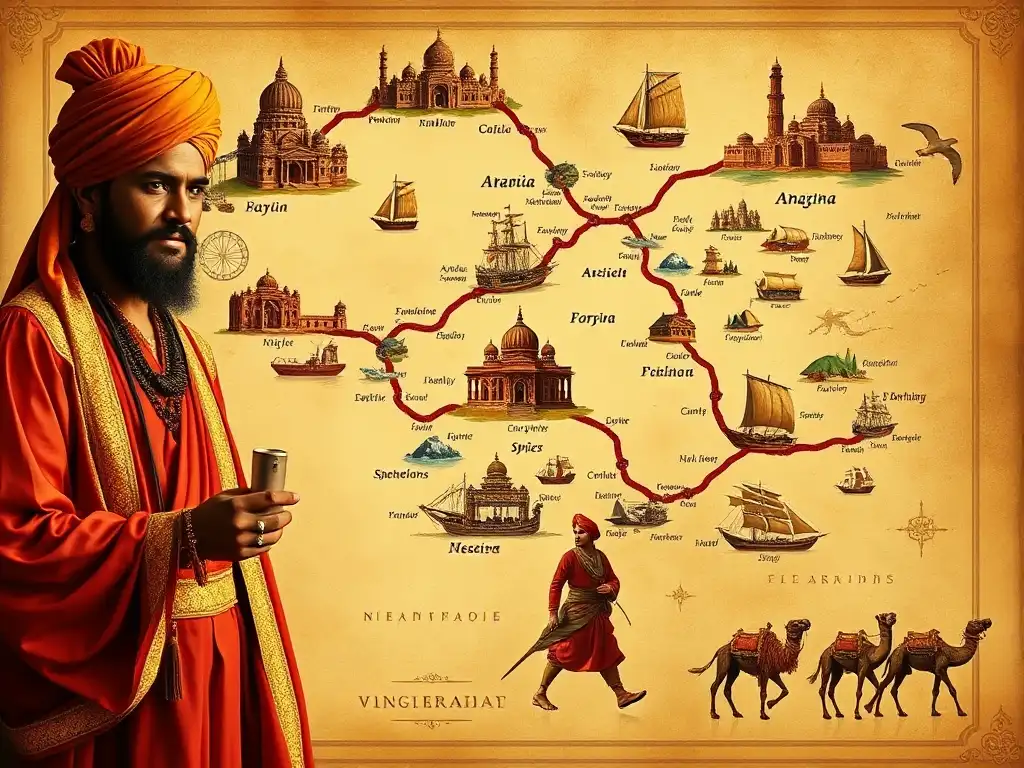
Ancient Indian empires engaged in a vibrant trade of various goods and resources, which were both exported and imported. The diversity of products traded reflects the rich agricultural and industrial capabilities of the Indian subcontinent. This section explores the key commodities that characterized ancient Indian trade and the dynamics of import and export.
Key Commodities in Ancient Indian Trade
The ancient Indian trade network was renowned for several key commodities that were highly valued both locally and in international markets. Some of the prominent goods included:
- Spices: India was a major supplier of spices such as black pepper, cardamom, and cinnamon, which were in high demand in markets across the world.
- Textiles: Indian silk and cotton textiles were prized for their quality and craftsmanship, leading to a flourishing textile trade.
- Metals: The subcontinent was rich in resources like gold, silver, and iron, which were essential for various industries and trade.
- Gems and Jewelry: India was known for its exquisite gemstones, including diamonds, rubies, and emeralds, which attracted traders from distant lands.
- Medicinal Herbs: The trade in herbs and medicinal plants was also significant, contributing to the development of traditional medicine systems.
These commodities not only enriched the empires economically but also contributed to cultural exchanges through the interactions of merchants and traders.
Import and Export Dynamics
The dynamics of import and export during the eras of ancient Indian empires were complex and multifaceted. The strategic location of India facilitated the import of various goods that were not locally available, while also enabling the export of highly sought-after commodities.
- Exports: India primarily exported spices, textiles, and precious stones, which were exchanged for luxury items, metals, and other goods from different regions. The demand for Indian goods often influenced the political and economic relationships with neighboring territories and distant lands.
- Imports: Key imports included horses from Central Asia, which were crucial for military campaigns, as well as luxury goods such as wine, glassware, and textiles from the Mediterranean regions. The influx of these imports enriched Indian culture and consumer practices.
The interplay of imports and exports led to the establishment of trade networks that transcended borders, facilitating not only economic growth but also cultural and technological exchanges that significantly influenced ancient Indian civilization.
Trade in ancient India was not merely a means of exchanging goods; it significantly influenced the social fabric and structure of Indian society. As commerce flourished, it led to the emergence of new social classes and reshaped existing hierarchies. The influx of wealth from trade created opportunities for certain groups while altering traditional roles within society.
The economic activities associated with trade facilitated mobility among various classes. Wealth generated from trade allowed merchants and traders to ascend the social ladder, challenging the long-standing dominance of the agrarian elite. This shift contributed to a more dynamic social structure, where economic capital began to play a crucial role in determining one's status in society.
Wealth Distribution and Class Dynamics
The distribution of wealth generated through trade was uneven, leading to distinct economic classes. Merchants and traders accumulated significant wealth, which often translated into power and influence. This wealth accumulation resulted in the formation of a merchant class, distinct from the more traditional land-owning aristocracy.
As trade routes expanded, urban centers became hubs of economic activity. Cities like Taxila and Pataliputra emerged as bustling marketplaces, attracting traders from various regions. This urbanization contributed to a burgeoning middle class, comprised of artisans and small traders, further diversifying the social landscape.
However, the concentration of wealth also led to disparities, with the wealthy merchant class often clashing with the traditional elite. This dynamic created tensions and rivalries, influencing political decisions and social norms within ancient Indian societies.
The Rise of Merchant Classes in Ancient India
The rise of the merchant classes in ancient India was a direct consequence of the flourishing trade networks that connected India to distant lands. As trade routes established by the Silk Road and maritime pathways expanded, merchants gained prominence and prestige. They played a pivotal role in facilitating commerce, transporting goods like spices, textiles, and precious stones across vast distances.
The establishment of trade guilds was another significant development that underscored the rise of merchants. These guilds not only provided a support system for traders but also wielded considerable influence over local economies and politics. They often had the power to regulate prices, set standards for goods, and even engage in diplomatic negotiations with foreign powers.
The prominence of the merchant class also led to the patronage of arts and culture, as wealthy traders often became patrons of artisans and scholars, contributing to the rich cultural tapestry of ancient India. This intersection of commerce and culture laid the groundwork for a vibrant society that celebrated diversity and innovation.
Influence on Urban Development and Infrastructure
The growth of trade significantly influenced urban development in ancient India. Towns and cities grew around key trading hubs, leading to the establishment of complex urban infrastructures. Markets, warehouses, and caravanserais (resting places for traders) became integral to these urban centers, facilitating the smooth flow of goods and services.
Cities such as Ujjain, Kanchi, and Madurai evolved into major trading centers, featuring advanced urban planning that included roads, drainage systems, and public amenities. This urbanization was not just a result of trade but also fueled further economic activity, as the population attracted by trade required various services and goods.
Furthermore, the need for infrastructural development to support trade, such as roads and ports, prompted advancements in engineering and architecture. The construction of ports along the western coast allowed for maritime trade with regions like the Roman Empire, enhancing trade opportunities and cultural exchanges.
Challenges Faced by Ancient Indian Traders
Despite the flourishing trade, ancient Indian traders faced numerous challenges that threatened their economic endeavors. These challenges were multifaceted, encompassing geographic, political, and economic factors that could impede trade activities.
Geographic and Political Challenges
The geographic landscape of ancient India posed significant challenges to trade. The presence of the Himalayas and vast deserts created natural barriers that complicated overland trade routes. Navigating through difficult terrains was fraught with risks, including harsh weather conditions and potential ambushes by bandits.
Moreover, political instability in various regions could disrupt trade networks. Frequent conflicts and shifts in power dynamics often led to the closure of trade routes, making it difficult for traders to reach their destinations. For instance, the rise and fall of regional kingdoms affected trade flows, as alliances and rivalries could either facilitate or hinder commerce.
Competition with Other Civilizations
Ancient Indian traders were not only competing among themselves but also faced stiff competition from merchants of other civilizations. The Persians, Greeks, and later the Arabs engaged in extensive trade networks that often overlapped with Indian routes. This competition drove traders to innovate and improve their offerings, but it also meant that Indian goods had to stand out in a crowded marketplace.
Additionally, the demand for Indian goods was countered by the emergence of local products in other regions. For example, the rise of silk production in China and spices from the Indonesian archipelago presented alternatives to Indian exports, challenging Indian traders to maintain their market share.
Economic Fluctuations and Their Impact on Trade
Economic fluctuations, such as periods of inflation or famine, had a profound impact on trade in ancient India. A decline in agricultural productivity due to climatic changes could lead to food shortages, prompting a shift in focus from trade to subsistence. Such situations diminished the purchasing power of consumers and reduced demand for luxury goods.
Moreover, fluctuations in currency value and trade policies could create uncertainty for traders. The imposition of tariffs or taxes by local rulers could discourage trade, forcing merchants to adapt to increasingly hostile economic conditions. In contrast, periods of economic prosperity often resulted in a surge in trade activities, underscoring the delicate balance that ancient traders had to navigate.
While trade was a catalyst for growth and development in ancient Indian empires, it was accompanied by a range of challenges that shaped the trading landscape and influenced the rise and fall of these civilizations.
The Legacy of Ancient Indian Trade and Empires
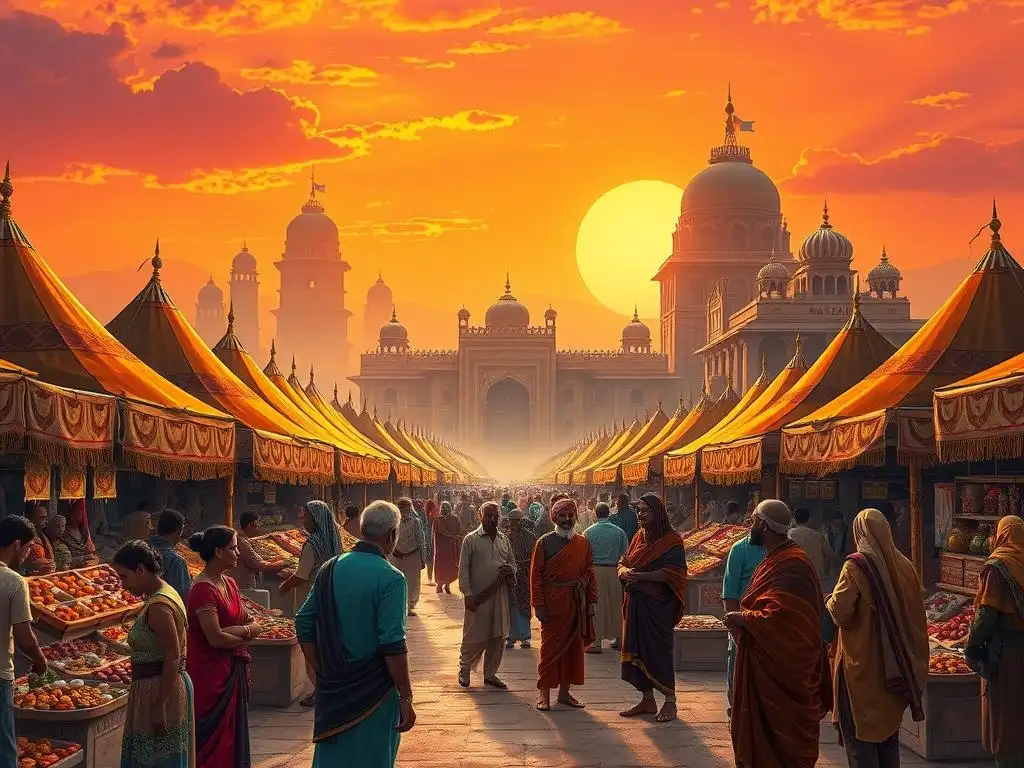
The legacy of ancient Indian trade and empires is profound, influencing not only the region but also far beyond its borders. The thriving trade networks established by civilizations such as the Indus Valley, Maurya, and Gupta empires facilitated the exchange of goods, ideas, and culture. Key trade routes, including the Silk Road and the maritime routes connecting India to Southeast Asia, played a pivotal role in ensuring the prosperity of these empires.
Goods such as spices, textiles, precious stones, and metals were highly sought after, establishing India as a vital hub in global trade. The wealth generated from trade empowered these empires, enabling them to invest in infrastructure, arts, and education. Notably, the introduction of coinage during the Maurya Empire revolutionized trade practices, enhancing economic stability and promoting commercial activities.
Today, the historical significance of ancient Indian trade is reflected in modern commerce, where the principles of trade and negotiation established during these early periods continue to resonate. The impacts of this legacy can be observed in contemporary trade practices, from the emphasis on quality and craftsmanship to the importance of cultural diplomacy in trade relations.
Long-lasting Effects on Modern Trade Practices
The influence of ancient Indian trade practices on modern trade is evident in various aspects. Firstly, the concept of trade fairs, which originated in ancient India, continues to thrive today, serving as platforms for businesses to showcase their products and foster connections. Events like the Pushkar Fair and the Surajkund Mela not only celebrate cultural heritage but also stimulate local economies through trade.
Moreover, the ancient Indian practice of barter, which allowed for the exchange of goods without the use of currency, has evolved into modern-day alternatives such as bartering platforms and community exchanges. This reflects a growing trend towards sustainability and resourcefulness in contemporary commerce.
Additionally, the principles of negotiation and trade ethics established during ancient times have laid a foundation for modern business practices. The emphasis on trust, mutual benefit, and long-term relationships in trade negotiations can be traced back to the interactions of ancient merchants, who relied heavily on reputation and integrity to maintain their networks.
Cultural Exchange and Its Enduring Influence
Cultural exchange was a significant aspect of ancient Indian trade, fostering a rich tapestry of ideas, art, and religion that transcended borders. The interactions between traders and local populations facilitated the spread of Buddhism and Hinduism, influencing cultures in regions from Southeast Asia to the Mediterranean.
Artistic expressions, including sculpture, pottery, and textiles, were also exchanged, leading to the fusion of styles and techniques. For instance, the intricate designs of Indian textiles influenced the fabric arts in Persia and beyond, creating a lasting legacy that is still appreciated today.
Moreover, the linguistic exchange that occurred through trade led to the borrowing of words and concepts, enriching languages across the regions. Sanskrit, for example, played a pivotal role in the development of many modern languages in South and Southeast Asia, showcasing the profound impact of ancient trade on cultural evolution.
Conclusion: The Intertwined Fate of Trade and Empires in Ancient India
The history of ancient Indian trade and empires is a testament to the intricate connections that shaped civilizations. The rise and fall of empires were often linked to their trade capabilities, demonstrating that economic strength is a fundamental pillar of political power.
Summary of Key Points
- Ancient Indian trade networks were crucial for the prosperity of empires such as the Indus Valley, Maurya, and Gupta.
- The introduction of coinage and trade fairs laid groundwork for modern economic practices.
- Cultural exchanges through trade enriched arts, religion, and languages, influencing societies far beyond India.
- The principles established in ancient trade continue to resonate in contemporary commerce, emphasizing trust and negotiation.
Reflection on the Importance of Trade in Shaping Civilizations
Trade in ancient India was not merely about the exchange of goods; it was a catalyst for cultural and economic development. The vibrant interactions among diverse cultures fostered innovation, encouraging societies to evolve and adapt. The connections formed through trade facilitated the sharing of knowledge and practices that shaped not only the region but also the world at large.
Understanding this rich history emphasizes the importance of trade as a powerful force in shaping civilizations, highlighting that economic relationships are integral to fostering peace, cultural understanding, and mutual growth among nations. The lessons drawn from ancient Indian trade continue to be relevant today, reminding us of the enduring impact of commerce in our globalized world.
References and Further Reading
Understanding the intricate relationship between external trade and the rise of ancient Indian empires requires a deep dive into various scholarly resources. Here are some recommended books, articles, and online resources that can provide further insights into ancient Indian trade practices and the economic foundations of empires.
Suggested Books and Articles on Ancient Indian Trade
-
"The Indus Valley Civilization: A Historical Perspective" by Jane McIntosh
This book provides a comprehensive overview of the Indus Valley Civilization, including its trade networks and economic systems. McIntosh explores the significance of trade in the development of early urban centers.
-
"Trade and Traders in Ancient India" by M. S. Keshava Iyengar
An essential read for understanding the commercial activities in ancient India, this book examines the various goods traded, the routes taken, and the impact of trade on societal development.
-
"The Economic History of India from 1857 to 1947" by B.R. Tomlinson
Although focused on a later period, this work contextualizes earlier trade practices and their influence on the economic structures that emerged in ancient India.
-
"Ancient Indian History and Civilization" by Sailendra Nath Sen
This book covers the broader historical context of ancient Indian civilization, including the role of trade in the establishment and expansion of empires.
-
"The Archaeology of Ancient India: A Historical Perspective" by R. N. Mehta
Mehta’s work delves into archaeological findings that shed light on trade practices, offering insight into the goods exchanged and the impact of trade on ancient societies.
Online Resources for Exploring Ancient Indian History
-
The Archaeological Survey of India (ASI)
The ASI's official website provides valuable resources, including reports and findings related to ancient sites that highlight trade practices and economic interactions.
-
The National Archives of India
This repository contains a wealth of documents and records that can help researchers explore the historical context of trade in ancient India.
-
Digital South Asia Library
This online resource offers access to a variety of texts, maps, and images related to the history and culture of South Asia, including information on trade routes and economic exchanges in ancient India.
-
The British Museum's Collection Online
The British Museum provides access to artifacts from ancient India, many of which relate to trade and commerce. Their database allows users to explore objects and learn about their historical significance.
-
Ancient History Encyclopedia
This resource provides well-researched articles on various aspects of ancient Indian history, including trade and its impact on the rise of empires.
These resources will serve as a valuable foundation for anyone interested in delving deeper into the connections between ancient Indian trade and the empires that flourished due to it.
- Introduction to Ancient Indian Trade and Empires
- The Role of External Trade in Ancient Indian Empires
- Major Ancient Indian Empires Influenced by Trade
- Goods and Resources Traded by Ancient Indian Empires
- The Economic Impact of Trade on Social Structure
- Challenges Faced by Ancient Indian Traders
- The Legacy of Ancient Indian Trade and Empires
- Conclusion: The Intertwined Fate of Trade and Empires in Ancient India
- References and Further Reading
- What role did trade play in the rise of ancient Indian empires?
- How did the Indus Valley Civilization contribute to ancient Indian trade?
- What were the main trade routes during the time of the Gupta Empire?
- How did external trade influence cultural exchanges in ancient India?
- What were some major goods traded in ancient India?
Frequently Asked Questions
What role did trade play in the rise of ancient Indian empires?
Trade was crucial for the economic growth and political power of ancient Indian empires. It facilitated the exchange of goods, ideas, and cultures, which strengthened their influence.
How did the Indus Valley Civilization contribute to ancient Indian trade?
The Indus Valley Civilization was known for its advanced urban planning and commercial networks. Its strategic location enabled trade with neighboring regions, fostering economic prosperity.
What were the main trade routes during the time of the Gupta Empire?
During the Gupta Empire, key trade routes included the Silk Road and maritime paths across the Indian Ocean. These routes linked India with China, Southeast Asia, and the Middle East.
How did external trade influence cultural exchanges in ancient India?
External trade allowed for the exchange of not just goods, but also ideas, beliefs, and technologies. This led to significant cultural exchanges that enriched ancient Indian society.
What were some major goods traded in ancient India?
Ancient India was known for trading spices, silks, jewelry, and textiles. These goods were highly sought after in international markets, contributing to the wealth of ancient Indian empires.
Final Reflection: The Enduring Legacy of Ancient Indian Trade and Empires
The intricate relationship between external trade and the rise of ancient Indian empires is not just a historical curiosity; it is a profound reminder of how interconnectedness shapes civilizations. Today, as we navigate a globalized world, the lessons from ancient Indian trade routes resonate with our current economic and cultural exchanges. The flourishing of empires like the Maurya and Gupta dynasties was fueled by trade, demonstrating that prosperity often hinges on collaboration and exchange. This connection is more relevant now than ever, as we witness the complexities of international trade impacting our societies.
The influence of ancient Indian trade extends far beyond its historical context; it continues to shape our cultural and social landscapes today. The rich tapestry of goods, ideas, and cultures that flowed through trade routes established a foundation for diversity and innovation. As we reflect on this legacy, we can appreciate the wisdom in the words of Mahatma Gandhi: A nation's greatness is measured by how it treats its weakest members.
This sentiment underscores the importance of equitable trade practices and cultural exchange, reminding us that our interconnectedness can foster growth and understanding.
As we conclude this exploration of ancient Indian trade and empires, I invite you to reflect on your own role in the tapestry of global exchange. Consider how your actions, whether in commerce, culture, or community, can contribute to a more interconnected and harmonious world. Embrace the lessons of the past, and let them inspire you to foster connections that uplift and empower, ensuring that the legacy of ancient trade continues to thrive in our modern lives.
Unveil the Influence of Trade on Ancient Empires!
Thank you for exploring the captivating world of ancient Indian trade and its influence on the rise of empires! Your interest in this rich history is the first step in connecting the dots between commerce and civilization. Now, it’s time to transform that knowledge into action!
Here are some exciting next steps for you to consider:
- Dive Deeper: Explore local libraries or online platforms to uncover more resources on ancient trade routes and their impact on societies.
- Join the Conversation: Share your insights about the role of trade in shaping ancient India in our community forum. Connect with fellow history enthusiasts!
- Make a Connection: Visit local museums or exhibitions showcasing ancient Indian artifacts to see firsthand what trade helped create.
What aspect of ancient trade are you most curious about, and how do you believe it shaped the identity of these empires? Share your thoughts below!