
Ancient Indian Trade and Its Impact on International Relations


Welcome to Ancient India History, where we embark on a fascinating journey through the rich tapestry of ancient Indian civilizations. Discover how the intricate trade routes of this remarkable era shaped not just the economy, but also the very fabric of international relations. In our featured article, "Ancient Indian Trade and Its Impact on International Relations," we delve into an in-depth analysis that reveals the profound connections between commerce and diplomacy in ancient India.
Prepare to be captivated as we unravel the stories behind these historic pathways and their lasting influence on the world. Join us as we explore the vibrant past and its echoes in today's global landscape!
Introduction to Ancient Indian Trade
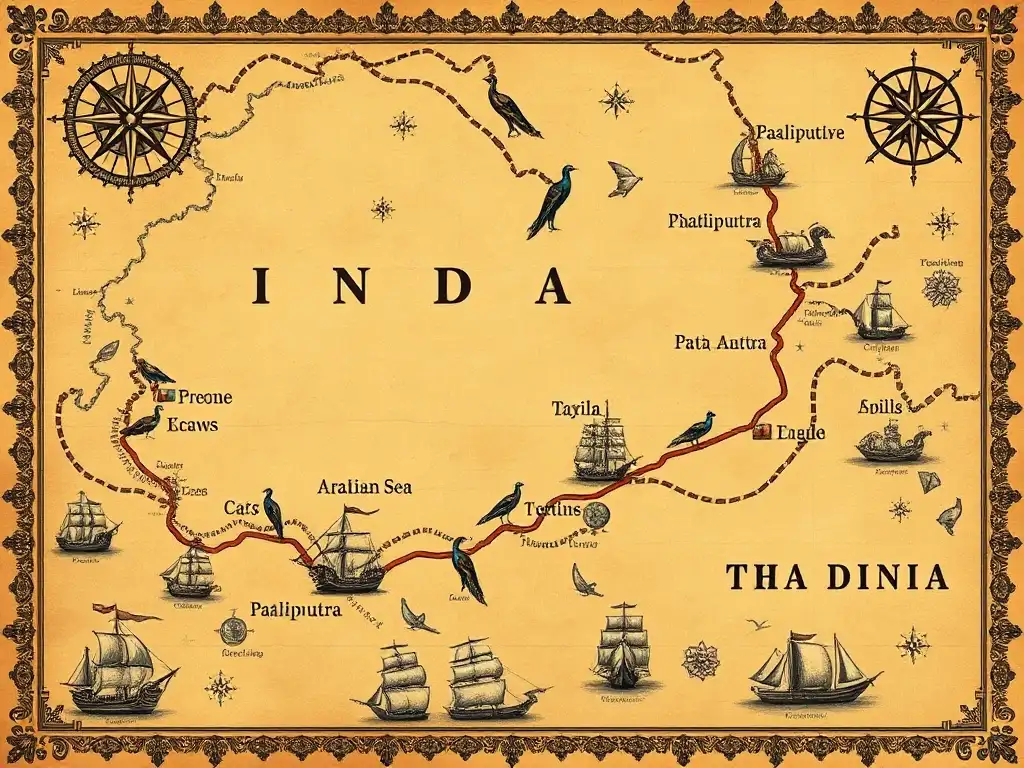
The history of ancient Indian trade is a fascinating journey that reveals the intricate connections between economic practices and international relations. From the bustling markets of the Indus Valley Civilization to the flourishing exchanges during the Gupta Empire, ancient India was a pivotal player in global trade networks. This article delves into the ancient Indian trade routes analysis, examining how trade not only facilitated economic prosperity but also fostered cultural exchanges and diplomatic relations.
Overview of Ancient Indian Trade Routes
Ancient India boasted a complex web of trade routes that connected it to various regions, including the Middle East, Southeast Asia, and beyond. Key trade routes included:
- The Silk Road: Linking India to China and Central Asia, facilitating the exchange of silk, spices, and knowledge.
- The Spice Route: Connecting India to the Mediterranean world, essential for the trade of spices, textiles, and precious stones.
- Coastal Trade Routes: Navigating through the Arabian Sea and the Bay of Bengal, these routes enabled maritime trade with distant lands like Africa and the Roman Empire.
These routes were not only crucial for the movement of goods but also served as conduits for cultural and intellectual exchanges, shaping the civilizations involved.
Importance of Trade in Ancient Indian Civilizations
Trade played a fundamental role in the economic and social fabric of ancient Indian societies. It stimulated economic growth and urbanization, leading to the rise of powerful city-states and empires. The benefits of trade included:
- Economic Prosperity: The influx of wealth from trade allowed for the development of infrastructure and public works.
- Cultural Exchange: Trade routes facilitated the sharing of ideas, art, and religious beliefs, enriching the cultural tapestry of ancient India.
- Diplomatic Relations: Through trade, ancient Indian kingdoms established diplomatic ties with neighboring regions, fostering peace and cooperation.
Key Features of Ancient Indian Trade
Types of Goods Traded in Ancient India
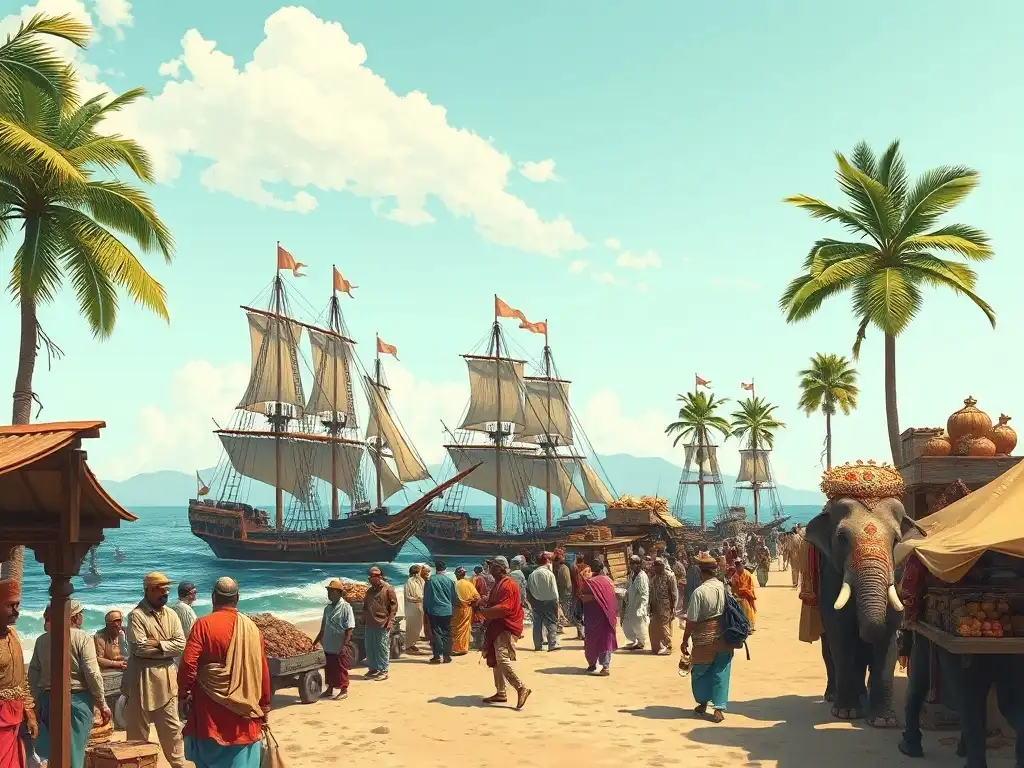
The diversity of goods traded in ancient India reflects the country's rich natural resources and craftsmanship. Some of the notable products included:
- Spices: Such as black pepper, cardamom, and cinnamon, highly sought after in international markets.
- Textiles: Including silk, cotton, and wool, renowned for their quality and intricate designs.
- Metals and Gems: Precious stones like diamonds and emeralds, along with metals such as gold and silver, were significant trade commodities.
These goods not only had economic value but also served as symbols of cultural identity and prestige.
Major Trade Routes and Their Significance
The major trade routes of ancient India were vital arteries of commerce, enabling the movement of goods and ideas. Their significance can be summarized as follows:
| Trade Route | Key Features | Impact on Trade |
|---|---|---|
| Silk Road | Land route connecting India to Central Asia | Facilitated the exchange of silk, spices, and cultural ideas |
| Spice Route | Maritime route to the Mediterranean | Enabled the trade of spices, contributing to economic wealth |
| Coastal Trade Routes | Sea routes through Arabian Sea and Bay of Bengal | Linked India to Africa and Southeast Asia, enhancing cultural interactions |
These routes were instrumental in shaping the economic landscape of ancient India and its interactions with the wider world.
Trading Partners of Ancient India
Ancient India engaged in trade with several key partners, creating a rich tapestry of international relations. Some notable trading partners included:
- Mesopotamia: Trade involved textiles and spices, fostering early diplomatic relations.
- Rome: The exchange of luxury goods, such as silk and gems, enriched both civilizations.
- China: The flow of silk and knowledge, particularly in Buddhism, influenced cultural developments.
These partnerships not only bolstered economic prosperity but also laid the groundwork for enduring cultural exchanges that shaped the course of history.
The analysis of ancient Indian trade routes unveils a complex interplay of economic, cultural, and diplomatic factors that defined the interactions between ancient Indian civilizations and their global counterparts. As we explore further, we will delve deeper into the nuances of these trade practices and their lasting impact on international relations.
Ancient Indian Trade Routes Analysis
The ancient Indian trade routes were a complex network that facilitated not only the exchange of goods but also the movement of ideas, cultures, and technologies across vast distances. These routes, both overland and maritime, played a significant role in establishing India as a key player in international trade, connecting it with various civilizations across Asia, Europe, and Africa. The analysis of these trade routes reveals the strategic importance of India in the global economy of ancient times, highlighting its contributions to cultural exchanges and the influence it exerted on international relations.
The Silk Road: Linking India with the World
The Silk Road was one of the most significant trade routes in history, connecting the East and West. Though it is often associated with the trade of silk, this network facilitated the exchange of a variety of commodities, including spices, textiles, and precious stones. India's position on the southern part of the Silk Road allowed it to become a vital link between China, Persia, and the Mediterranean regions.
Indian merchants played a crucial role in this network, transporting goods across treacherous terrains and acting as intermediaries between different cultures. The routes passing through regions like the Taklamakan Desert and the Pamir Mountains were not only vital for trade but also for the dissemination of ideas, religions, and innovations, including Buddhism, which spread from India to Central Asia and beyond. This interaction significantly impacted the civilizations along the Silk Road, fostering a rich tapestry of cultural exchange.
Maritime Trade Routes: Connecting India with Southeast Asia and Beyond
In addition to overland routes, ancient India was also engaged in extensive maritime trade, particularly with Southeast Asia, the Middle East, and even Africa. The Indian Ocean trade network was bustling with activity, where Indian ports like Lothal, Surat, and Cochin served as bustling hubs for the exchange of goods.
Indian traders exported spices, textiles, and gems, while importing gold, ivory, and other goods. The monsoon winds were pivotal for navigation, allowing traders to travel across the ocean with relative ease. This maritime connectivity led to cultural intermingling, with Indian art, literature, and religious ideas influencing regions such as Indonesia, Malaysia, and beyond. The establishment of trade routes by sea not only enhanced economic prosperity but also solidified India's role in international relations through shared cultural and commercial interests.
Land-Based Trade Networks and Their Impact
Land-based trade networks, including routes through the Deccan Plateau and connecting to Central Asia, were essential for the movement of goods and cultural interaction. The trade caravans transported a variety of commodities, including spices, metals, and textiles, which were highly sought after by neighboring regions.
The impact of these networks extended beyond commerce; they were instrumental in the political landscape of ancient India. The wealth generated from trade allowed local kingdoms to flourish, enhancing their power and influence. As a result, these networks often led to the establishment of alliances and diplomatic relations with foreign powers, as rulers sought to expand their influence and trade opportunities.
The Role of Trade in Shaping International Relations
Trade was a fundamental component of international relations in ancient India, facilitating not just economic exchanges but also diplomatic ties. The interactions between Indian traders and foreign merchants laid the groundwork for robust political alliances and cultural exchanges that shaped the region's history.
Diplomatic Relations Established Through Trade
The establishment of trade routes often coincided with the development of diplomatic relations. Indian states engaged in negotiations and treaties that fostered trade partnerships with neighboring kingdoms and distant empires. These diplomatic endeavors were essential in creating a stable environment for trade, allowing for the exchange of goods and ensuring the safety of merchants.
For instance, the Mauryan Empire established trade relations with the Hellenistic world, further promoting economic ties and cultural exchanges. Such diplomatic relationships were vital in maintaining peace and stability, which allowed trade to flourish and contribute to the prosperity of both parties involved.
Trade Treaties and Agreements in Ancient India
Ancient India witnessed the formulation of various trade treaties and agreements that were essential for regulating trade practices and protecting merchants' interests. These agreements often included provisions for tariffs, trade routes, and conflict resolution.
One notable example is the trade treaties between Indian dynasties and the Roman Empire, where both parties recognized the mutual benefits of trade in silk, spices, and other commodities. Such treaties not only facilitated trade but also solidified alliances, allowing for the peaceful coexistence of nations and promoting cultural exchanges that enriched the societies involved.
Cultural Exchange and Its Influence on Relations
The trade networks of ancient India were instrumental in facilitating cultural exchanges that had lasting impacts on international relations. As goods flowed between regions, so too did ideas, religions, and technologies. Indian merchants and travelers shared knowledge about agriculture, architecture, and various art forms, influencing the regions they interacted with.
This cultural exchange often led to the adoption of Indian practices in foreign lands, such as the spread of Hinduism and Buddhism across Southeast Asia. These interactions not only enriched the cultures involved but also strengthened diplomatic ties, as shared beliefs and practices fostered a sense of unity and cooperation among diverse civilizations. The legacy of these cultural exchanges continues to resonate in contemporary international relations, underscoring the importance of trade as a vehicle for fostering understanding and collaboration among nations.
The Impact of Ancient Indian Trade on Economic Practices
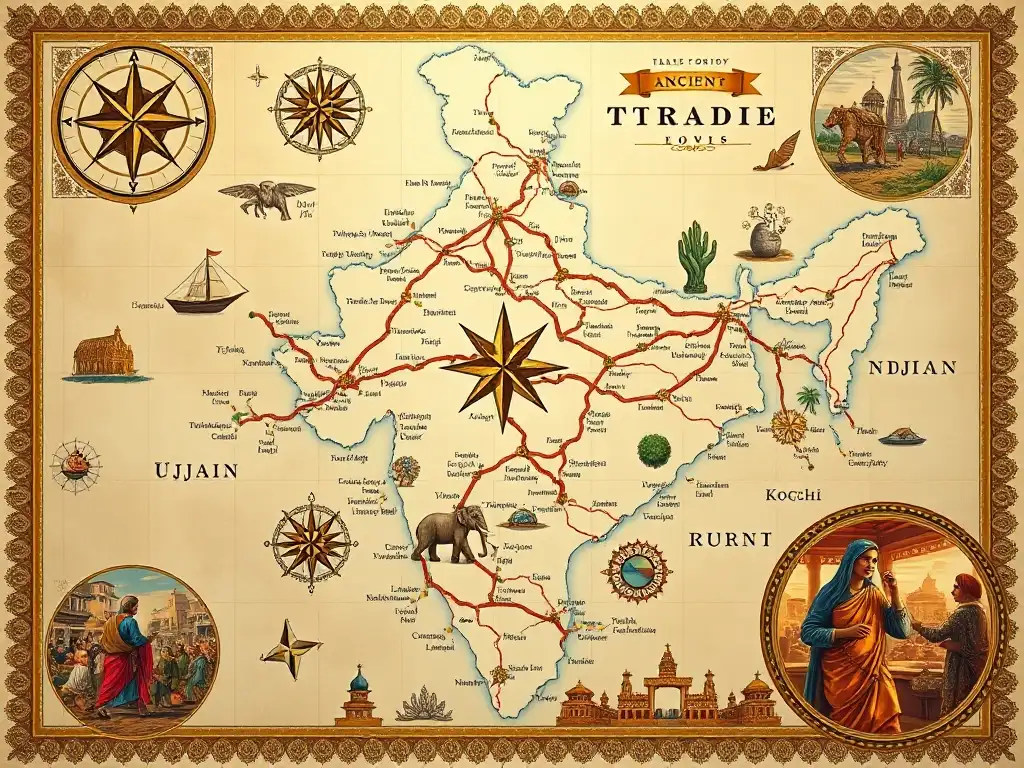
Ancient Indian trade played a crucial role in shaping not only the economy of the subcontinent but also its relationships with neighboring regions. The trade routes that connected India with other civilizations facilitated an exchange of goods, ideas, and culture, leading to significant economic transformations. This interconnectedness fostered a vibrant marketplace, where commodities like spices, textiles, and precious stones were exchanged, ultimately influencing the economic practices of both India and its trade partners. The analysis of these ancient trade routes reveals a complex network that not only boosted local economies but also laid the groundwork for future international relations.
Trade as a Catalyst for Economic Growth
The establishment of trade routes in ancient India was instrumental in catalyzing economic growth. The Silk Road and maritime routes allowed Indian merchants to access markets in Central Asia, the Middle East, and beyond, leading to a flourishing economy. The demand for Indian goods, such as silk, spices, and gems, created a vibrant trade environment that stimulated agricultural production and craftsmanship.
- Increased Production: As trade expanded, local artisans and farmers adapted their production methods to meet the needs of distant markets, enhancing overall productivity.
- Urbanization: The growth of trade centers led to the rise of cities, which became hubs of economic activity, attracting people from various regions, thus fostering urban development.
- Tax Revenue: Trade generated significant tax revenue for local rulers, which was often invested back into infrastructure, further catalyzing economic growth.
Influence of Trade on Local Economies and Communities
The impact of ancient Indian trade was not limited to large-scale economic growth; it also had profound effects on local economies and communities.
- Diversification of Local Markets: Trade introduced a variety of goods to local markets, leading to diversification in consumption patterns. This allowed communities to access products that were previously unavailable, enhancing their quality of life.
- Cultural Exchange: The interaction between traders and local populations facilitated cultural exchange, leading to the introduction of new ideas, technologies, and practices that enriched local economies.
- Social Stratification: While trade brought prosperity, it also contributed to social stratification. Merchants and traders often gained wealth and status, leading to the emergence of a distinct merchant class that influenced local governance and societal norms.
The Role of Merchants and Trade Guilds
Merchants played a pivotal role in ancient Indian trade, acting as the facilitators of economic exchange. Their influence extended beyond mere commerce; they were integral to the socio-political fabric of society.
- Trade Guilds: Merchants often organized themselves into trade guilds, which provided a framework for regulating trade practices, protecting their interests, and ensuring fair practices among members. These guilds were essential in negotiating with local rulers and securing trade rights.
- Networking: Successful merchants established networks that spanned vast geographical areas, allowing them to navigate the complexities of trade across different cultures and regions.
- Cultural Ambassadors: Merchants not only exchanged goods but also ideas and cultural practices, acting as ambassadors of their communities and contributing to the diffusion of Indian culture throughout Asia.
Conclusion: Legacy of Ancient Indian Trade in Modern Context
The legacy of ancient Indian trade is evident in various aspects of contemporary society, providing a rich tapestry from which modern economic practices can draw inspiration.
Relevance of Ancient Trade Practices Today
Understanding ancient Indian trade practices offers valuable insights into current economic systems. The emphasis on networking, collaboration, and cultural exchange can inform modern trade policies.
- Globalization: The principles of interconnectedness seen in ancient trade resonate in today’s globalized economy, where international relations are often shaped by economic interdependence.
- Sustainable Practices: Ancient practices such as local sourcing and sustainable resource management can guide modern businesses toward more ethical and sustainable practices.
Lessons from Ancient Indian Trade for Contemporary International Relations
The historical analysis of ancient Indian trade routes provides crucial lessons for contemporary international relations.
- Diplomacy Through Trade: Ancient India’s approach to trade diplomacy underscores the importance of economic ties in fostering peaceful international relations. Engaging in trade can serve as a foundation for building trust and collaboration between nations.
- Cultural Sensitivity: The success of ancient merchants was often rooted in their ability to understand and respect local cultures. This lesson remains relevant today as nations navigate complex cultural landscapes in international trade agreements.
The profound impact of ancient Indian trade on economic practices and international relations serves as a testament to the sophistication and foresight of ancient civilizations. By analyzing these trade routes, we can glean valuable insights that continue to inform and shape our understanding of global commerce today.
References and Further Reading
To gain a deeper understanding of ancient Indian trade routes and their implications on international relations, several resources can provide valuable insights. Below are recommended books and academic articles that explore various aspects of this historical phenomenon.
Recommended Books on Ancient Indian Trade
-
"The Silk Roads: A New History of the World" by Peter Frankopan
This book provides a broader context for trade routes, including the significance of Indian trade in the global exchange of goods and culture. Frankopan emphasizes the interconnectedness of civilizations, highlighting the role of India in the ancient trade networks.
-
"Ancient Indian Economy: A Historical Perspective" by A. K. Sharma
Sharma's work offers an in-depth analysis of the economic practices of ancient India, with a specific focus on trade mechanisms. It explores how trade influenced social and political structures in ancient Indian society.
-
"Trade and Traders in the Roman Empire" by J. A. Crook
While primarily focused on the Roman Empire, this book includes discussions on trade with India, offering insights into how ancient Indian trade routes affected relations with the West.
-
"The History of Indian Trade" by R. C. Majumdar
This comprehensive book details the evolution of trade in India, examining historical trade routes, commodities, and the socio-political impact of trade practices in ancient India.
-
"Merchants and Trade in Ancient India" by C. P. V. K. K. K. Menon
Menon's work provides a focused study on the merchant classes and their role in the economic landscape of ancient India, detailing the various trade routes and their implications on regional and international relations.
Academic Journals and Articles on Trade Routes and Relations
-
"The Role of Trade in Ancient Indian Political Relations"
This article, published in the Journal of Ancient Civilizations, analyzes how trade routes facilitated diplomatic ties and influenced power dynamics among ancient Indian states.
-
"Maritime Trade and Cultural Exchange in Ancient India"
Appearing in the International Journal of Historical Studies, this article discusses the significance of maritime trade routes and their impact on cultural interactions between India and other civilizations.
-
"Ancient Indian Trade Routes: An Analysis of Economic Impact"
This research paper in the Indian Economic Review provides an empirical analysis of the economic benefits derived from trade routes, focusing on both domestic and international implications.
-
"Trade Networks of Ancient India and Their Geopolitical Consequences"
Published in Asian Historical Review, this article explores how ancient trade networks shaped geopolitical relations in South Asia, emphasizing the connections between trade and territorial expansion.
-
"The Indus Valley Trade System: Evidence and Insights"
This scholarly article, found in the Archaeological Journal of India, examines the trade practices of the Indus Valley Civilization and their influence on later trade dynamics in ancient India.
These resources provide a comprehensive framework for understanding the complexities of ancient Indian trade and its far-reaching impacts on international relations.
- Introduction to Ancient Indian Trade
- Overview of Ancient Indian Trade Routes
- Importance of Trade in Ancient Indian Civilizations
- Key Features of Ancient Indian Trade
- Ancient Indian Trade Routes Analysis
- The Role of Trade in Shaping International Relations
- The Impact of Ancient Indian Trade on Economic Practices
- Conclusion: Legacy of Ancient Indian Trade in Modern Context
- References and Further Reading
- What were the main trade routes in ancient India?
- How did trade influence international relations in ancient India?
- What were the major goods traded by ancient Indian civilizations?
- How did the Indus Valley Civilization contribute to trade?
- What was the role of the Gupta Empire in enhancing trade relations?
Frequently Asked Questions
What were the main trade routes in ancient India?
Ancient India had several important trade routes, including the Silk Road and the Maritime routes connecting it to regions such as Southeast Asia, Persia, and the Mediterranean.
How did trade influence international relations in ancient India?
Trade facilitated not only economic exchanges but also diplomatic relationships, as merchants often acted as intermediaries between different cultures and nations.
What were the major goods traded by ancient Indian civilizations?
Ancient Indian traders exchanged a variety of goods, including spices, textiles, jewelry, and metals, which were highly sought after in international markets.
How did the Indus Valley Civilization contribute to trade?
The Indus Valley Civilization established early forms of trade networks with neighboring regions, using a sophisticated system of weights and measures that facilitated commercial activities.
What was the role of the Gupta Empire in enhancing trade relations?
The Gupta Empire is known for a prosperous trade environment, which led to increased cultural exchanges and strengthened international ties through economic partnerships and diplomatic missions.
Final Reflection: The Enduring Legacy of Ancient Indian Trade Routes
The intricate web of ancient Indian trade routes not only facilitated the exchange of goods but also fostered cultural connections that resonate in today's globalized world. The impact of these trade networks extends far beyond mere commerce; they laid the groundwork for international relations as we know them today. As we navigate an increasingly interconnected society, understanding the historical significance of these routes can illuminate our path forward.
The legacy of ancient Indian trade is woven into the fabric of our modern cultural and social landscapes. The exchange of ideas, religions, and technologies that occurred along these routes has shaped civilizations across continents. The words of historian K.N. Chaudhuri resonate here: Trade is not merely an economic activity; it is a bridge that connects diverse cultures and fosters mutual understanding.
This observation underscores the ongoing relevance of trade as a means of diplomacy and cultural exchange, reminding us that our shared history can guide our contemporary interactions.
As we reflect on the lessons from ancient Indian trade, let us embrace the call to foster connections in our own lives. Consider how you can build bridges in your community, promote understanding across cultures, and engage in meaningful exchanges that honor our shared heritage. The past offers us invaluable insights; it is our responsibility to apply these lessons to create a more harmonious and interconnected future.
Unveil the Rich Legacy of Ancient Indian Trade!
Thank you for diving into the fascinating world of Ancient Indian trade! By exploring this topic, you’ve uncovered how these early economic exchanges shaped international relations and cultural interactions. Now, it’s time to take action and further connect with this rich heritage!
- Dive Deeper: Explore primary texts or resources on ancient trade routes to gain further insights into their significance and impact.
- Share Your Thoughts: Discuss your findings with friends or online communities; your insights could inspire others to appreciate this rich legacy!
- Stay Engaged: Subscribe to our newsletter for more articles and updates on Ancient India's influence on today’s world.
What is one surprising fact you have discovered about ancient trade and its role in shaping relationships between cultures? We invite you to share your thoughts in the comments below!