
Exploring Urban Planning: The Ingenious Layouts of Indus Cities

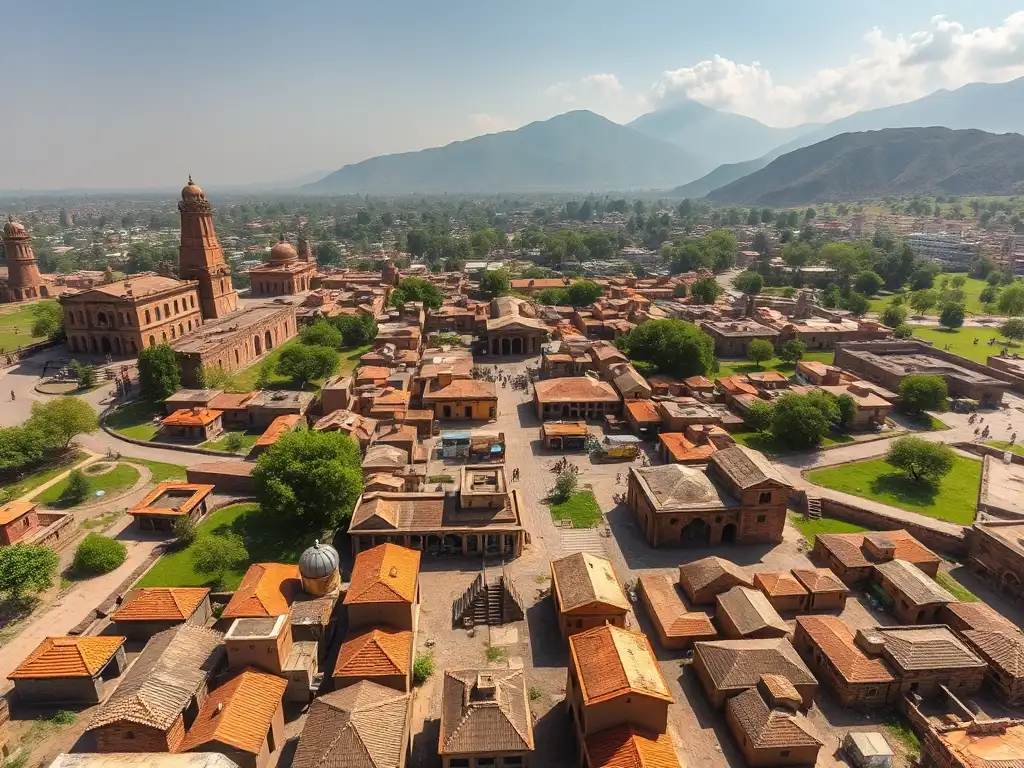
Welcome to Ancient India History, where we delve into the rich tapestry of the past that shaped one of the world's most vibrant civilizations. In our featured article, "Exploring Urban Planning: The Ingenious Layouts of Indus Cities," we uncover the remarkable urban planning techniques that defined the Indus Valley civilization.
Prepare to be captivated as we reveal the sophisticated layouts and innovations that not only reflect the ingenuity of ancient engineers but also set the stage for future urban development. Join us on this journey through time, and discover how the echoes of the past continue to influence our present!
Introduction to Indus Valley Urban Planning Techniques
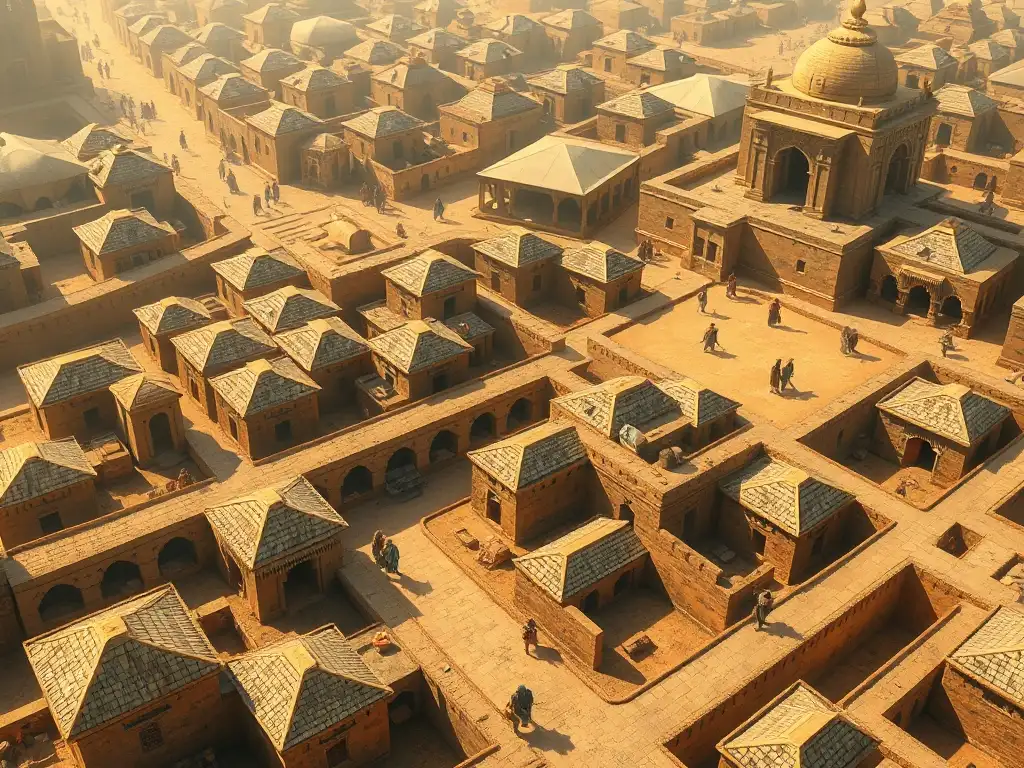
The Indus Valley Civilization, one of the earliest urban cultures in human history, is renowned for its sophisticated and meticulously planned cities, which emerged around 2500 BCE in what is now Pakistan and northwest India. This article delves into the ingenious urban planning techniques employed by the Indus Valley, showcasing how their layouts were not only functional but also reflective of a deep understanding of community needs and environmental factors. By examining the key features of Indus Valley urban planning, we will uncover the remarkable contributions of this ancient civilization to the domain of urban architecture.
Overview of the Indus Valley Civilization
The Indus Valley Civilization, often referred to as the Harappan Civilization, thrived along the fertile floodplains of the Indus River. It is characterized by its large urban centers, such as Harappa and Mohenjo-Daro, which exhibited advanced planning and architecture. These cities featured a standardized layout, suggesting a high degree of social organization and governance. The civilization is believed to have flourished between 2600 and 1900 BCE, and its decline remains a topic of scholarly debate, with factors such as climate change, river shifting, and societal changes being examined.
- Key Characteristics:
- Urban Centers: Major cities with populations exceeding 40,000.
- Trade Networks: Extensive trade routes connecting to Mesopotamia and beyond.
- Cultural Achievements: Advances in metallurgy, pottery, and script.
Importance of Urban Planning in Ancient Civilizations
Urban planning played a crucial role in the development of ancient civilizations, influencing their social structure, economic activities, and cultural practices. In the case of the Indus Valley, effective urban planning facilitated efficient resource management, improved public health, and enhanced the quality of life for its residents. The strategic layout of cities allowed for:
- Efficient Transportation: Well-defined streets and pathways enabled smooth movement of goods and people.
- Public Health: Advanced drainage systems helped prevent waterborne diseases, a significant concern in densely populated areas.
- Community Cohesion: Public spaces and communal facilities fostered social interaction and civic pride.
Key Features of Indus Valley Urban Planning
The urban planning techniques of the Indus Valley are distinguished by several remarkable features that set them apart from their contemporaries. These innovations not only highlight the ingenuity of the Indus people but also their commitment to creating sustainable and livable environments.
Grid Layouts and Their Significance
The cities of the Indus Valley were predominantly designed with a grid layout, characterized by straight streets intersecting at right angles. This systematic approach to urban design allowed for:
- Efficient Land Use: Maximizing the use of available land while providing ample space for residential and commercial activities.
- Organized Zoning: Separation of different areas for specific purposes, such as residential, industrial, and public spaces.
- Accessibility: Easy navigation for residents and traders, contributing to the overall functionality of the city.
Advanced Drainage and Sanitation Systems
One of the most impressive aspects of Indus Valley urban planning is the sophisticated drainage and sanitation systems that were implemented. Key features included:
- Covered Drains: Streets were equipped with covered drains, ensuring that waste and rainwater were effectively channeled away from living areas.
- Individual Toilets: Many homes featured private toilets connected to the drainage system, highlighting a remarkable understanding of hygiene.
- Waste Management: Regular maintenance of the drainage system indicates a well-organized approach to public health and sanitation.
Use of Fired Brick and Standardized Measurements
The construction materials and techniques utilized by the Indus Valley civilization were ahead of their time. The widespread use of fired bricks and standardized measurements allowed for:
- Durability: Fired bricks provided strength and longevity to structures, ensuring they could withstand the test of time.
- Uniformity: The standardization of brick sizes facilitated consistent construction practices, contributing to the overall aesthetic and structural integrity of buildings.
- Architectural Innovations: The combination of these materials led to the development of multi-story buildings and public structures that showcased the civilization's architectural prowess.
The urban planning techniques of the Indus Valley Civilization reflect a sophisticated understanding of community needs, environmental factors, and sustainable design principles that continue to inspire modern urban planners and architects today.
Case Studies of Major Indus Cities
The Indus Valley Civilization, known for its remarkable urban planning techniques, produced several major cities that exemplified advanced architectural and engineering skills. Among these, Harappa and Mohenjo-Daro stand out as prime examples. These cities were not only residential hubs but also centers of trade, culture, and innovation. The layouts of these urban centers reveal intricate planning, demonstrating a high degree of organizational skills and social structure.
Harappa: A Model of Urban Planning
Harappa, one of the most prominent cities of the Indus Valley Civilization, showcases a well-structured urban design that underscores its significance. The city is characterized by:
- Grid Layout: The streets of Harappa were laid out in a grid pattern, reflecting a systematic approach to urban planning. This organization facilitated efficient movement and access across the city.
- Advanced Drainage System: Harappa featured an extensive drainage system, with covered drains running along the streets and individual houses connected to this network. This innovation indicates a strong emphasis on sanitation and public health.
- Public and Private Spaces: The city had distinct areas for public activities, such as granaries and assembly halls, while residential zones were designed for privacy and comfort, illustrating a thoughtful separation of community functions.
These features not only highlight Harappa's urban planning techniques but also reflect the social and economic dynamics of its inhabitants.
Mohenjo-Daro: Innovation in City Layout
Mohenjo-Daro, another major urban center, is often regarded as a marvel of ancient urban planning. Its design included several notable innovations:
- Centralized Structures: The Great Bath, a large communal bathing area, exemplifies the importance of communal spaces in Mohenjo-Daro. This structure suggests a cultural practice centered around cleanliness and possibly ritualistic activities.
- Residential Blocks: The city was divided into blocks, with houses constructed using standardized fired bricks. This uniformity indicates advanced construction techniques and a regulated building code.
- Strategic Water Management: Mohenjo-Daro incorporated sophisticated water management systems, including wells and reservoirs, ensuring a reliable water supply for its residents. This aspect of urban planning highlights an understanding of hydrology and resource management.
The planning of Mohenjo-Daro reflects not only practical considerations but also an appreciation for communal living and public health.
Comparison of Indus Valley Urban Planning with Contemporary Practices
Examining the urban planning techniques of the Indus Valley Civilization reveals both similarities and differences when compared to contemporary urban planning practices. Understanding these aspects provides valuable insights into how ancient methods can inform modern strategies.
Similarities in Urban Infrastructure
Several elements of Indus Valley urban planning resonate with current practices:
- Grid Systems: Much like modern cities that utilize grid patterns for organization, both Harappa and Mohenjo-Daro employed this layout for efficient navigation and land use.
- Drainage and Sanitation: The emphasis on drainage systems in the Indus cities parallels contemporary urban infrastructure, where efficient waste management remains a critical concern for public health.
- Public Spaces: The inclusion of communal areas for social interaction in ancient cities is mirrored in modern urban design, which prioritizes parks and public squares to foster community engagement.
These similarities highlight a continual evolution of urban planning principles rooted in the need for organized, hygienic, and community-oriented environments.
Differences in Cultural and Environmental Contexts
While there are notable similarities, significant differences arise from the distinct cultural and environmental contexts of the Indus Valley Civilization and today’s urban settings:
- Cultural Significance: The urban layouts of Indus cities were deeply influenced by cultural practices and communal living, with structures like the Great Bath serving a religious or social function. In contrast, modern urban planning often prioritizes functionality and economic viability over cultural expression.
- Environmental Adaptation: The Indus Valley civilization was shaped by its geographical context, utilizing available resources such as rivers for water management. Modern urban planning must address diverse environmental challenges, including climate change and sustainability, which were less of a concern in ancient times.
- Technology and Materials: The early use of fired bricks and rudimentary engineering techniques starkly contrasts with today’s advanced technologies, such as smart infrastructure and sustainable materials. This evolution has drastically changed the scale and complexity of urban planning.
These differences underscore the unique challenges and considerations that ancient urban planners faced compared to contemporary practitioners, reflecting the dynamic interplay between culture, environment, and technology in shaping urban spaces.
The Influence of Indus Valley Urban Planning on Future Civilizations
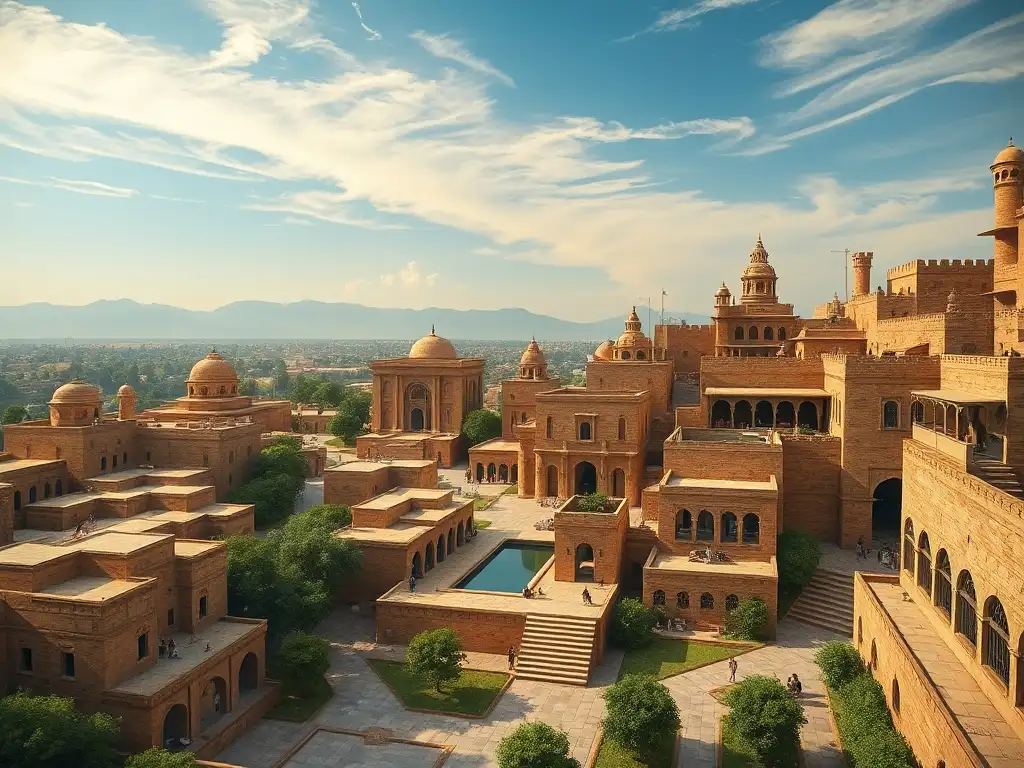
The urban planning techniques employed by the Indus Valley Civilization, which thrived from approximately 3300 to 1300 BCE, have left an indelible mark on subsequent civilizations. The meticulous layouts of cities such as Mohenjo-Daro and Harappa showcased advanced planning principles that emphasized organization, sanitation, and infrastructure. These principles influenced not only the regions surrounding the Indus Valley but also future urban developments across South Asia.
The grid pattern of streets, the presence of sophisticated drainage systems, and the standardized brick sizes reflect a level of planning sophistication that inspired later cultures. For instance, the Mauryan Empire, which emerged centuries later, adopted similar urban planning concepts, integrating wide streets and public spaces that facilitated trade and governance. The influence of Indus urban planning can be traced through various historical periods, illustrating a continuity of architectural and urban design principles that persisted through the ages.
Legacy in Indian Architecture
The legacy of the Indus Valley’s urban planning is profoundly evident in the architectural practices of later Indian civilizations. The use of standardized bricks, an innovation attributed to the Indus Valley builders, became a hallmark of Indian construction techniques. This practice ensured durability and uniformity across various structures, laying the groundwork for monumental architecture in subsequent eras.
Moreover, features such as elevated platforms, which were designed to protect buildings from seasonal flooding, were echoed in later construction methods throughout India. The principles of ventilation and light management in Indus homes also influenced traditional Indian architecture, where courtyards and open spaces are integral to residential layouts. Thus, the Indus Valley Civilization not only pioneered urban planning but also set foundational standards that would shape the architectural identity of India.
Impact on Modern Urban Planning Concepts
Modern urban planning is increasingly recognizing the significance of historical precedents, and the techniques employed by the Indus Valley Civilization serve as a case study in sustainable city design. The civilization's effective waste management systems, including covered drains and public baths, highlight an early understanding of sanitation—an essential consideration in contemporary urban planning.
Additionally, the emphasis on mixed-use spaces in Indus cities, where residential, commercial, and communal areas coexisted, resonates with modern concepts of walkable cities that prioritize community interaction. As urban centers worldwide grapple with challenges such as population density and environmental sustainability, the innovative planning techniques of the Indus Valley offer valuable insights. By learning from ancient practices, modern planners can develop strategies that enhance urban living while respecting historical legacies.
Challenges Faced in Indus Urban Development
The remarkable achievements of the Indus Valley Civilization were not without challenges. Despite their advanced urban planning, the inhabitants faced significant obstacles that influenced the development and sustainability of their cities.
Environmental Factors and Sustainability
The environmental conditions of the Indus Valley posed notable challenges to urban development. The region experienced variations in climate, shifting between periods of monsoonal rains and droughts. This variability impacted agricultural productivity, which was crucial for sustaining urban populations.
The Indus people developed irrigation systems to mitigate these challenges, yet reliance on river systems for water supply made them vulnerable to changes in river courses and flooding. Archaeological evidence suggests that significant climatic shifts may have contributed to urban decline by disrupting agricultural practices and causing resource scarcity. Thus, the interplay between environmental factors and urban planning was critical, with sustainability measures having to adapt to the challenging climate.
Socio-economic Dynamics of Urban Life
The socio-economic landscape of the Indus Valley Civilization also presented challenges to urban development. The society exhibited a degree of social stratification, with evidence pointing to varying wealth levels among its inhabitants. Such disparities could create tensions that affected urban cohesion and stability.
Trade played a pivotal role in the economy, and the cities were hubs of commerce. However, fluctuations in trade routes and economic downturns could lead to instability, impacting urban planning and resource allocation. Furthermore, the governance structures in place may not have been adequately equipped to deal with crises, leading to difficulties in maintaining infrastructure and public services. The interplay of these socio-economic dynamics ultimately shaped the growth and sustainability of Indus urban centers, revealing the complexities of urban living in ancient times.
Conclusion: The Lasting Legacy of Indus Valley Urban Planning Techniques
The urban planning techniques of the Indus Valley Civilization represent one of the most remarkable achievements in ancient city design. The cities of Harappa and Mohenjo-Daro showcase a level of sophistication that reflects advanced understanding of urban infrastructure, environmental management, and community organization. The meticulous grid patterns, sophisticated drainage systems, and standardized brick sizes not only facilitated daily life but also laid foundational principles for future urban development across civilizations.
The legacy of Indus Valley urban planning can still be seen in modern urban design principles. Concepts such as zoning, public sanitation, and infrastructure planning that were pioneered in this ancient civilization continue to influence city planning today. Furthermore, the Indus Valley exemplifies the importance of harmonious living with the environment, a lesson that is increasingly relevant in contemporary discussions about sustainable urban development.
Reflection on Ancient Innovations in Urban Design
Reflecting on the innovations in urban design from the Indus Valley Civilization reveals a deep-rooted understanding of the relationship between humans and their environment. The meticulous planning of streets and public spaces indicates a community-oriented approach, prioritizing the welfare of its inhabitants. For instance, the advanced drainage systems not only prevented flooding but also contributed to the overall hygiene of the cities, an aspect that was ahead of its time.
The use of standardized weights and measures in trade and construction also highlights the sophisticated economic system that supported urban growth. These innovations provided a framework that allowed for efficient resource management and social organization, showcasing the ingenuity of Indus Valley architects and planners. As we study these ancient systems, we gain insights into how urban planning has evolved and the principles that continue to guide modern practices.
The Importance of Preserving Historical Knowledge
Preserving the historical knowledge of Indus Valley urban planning is crucial for several reasons. First, it provides valuable lessons on sustainable development and resource management that can inform contemporary urban planning efforts. By understanding how ancient civilizations overcame challenges related to urbanization, modern planners can adopt similar strategies to address today's issues such as climate change, overcrowding, and infrastructure decay.
Additionally, documenting and studying these historical techniques fosters a deeper appreciation of our shared heritage. It enables us to recognize the contributions of ancient civilizations to the development of human society and encourages cultural preservation. The lessons learned from the Indus Valley Civilization can inspire future generations to maintain a balance between development and sustainability, ensuring that urban environments continue to thrive without compromising ecological integrity.
Further Reading and Resources on Indus Valley Civilization
For those interested in delving deeper into the urban planning techniques of the Indus Valley Civilization, a wealth of resources is available. These resources cover various aspects of the civilization, including its art, architecture, and societal structures, providing a comprehensive understanding of its contributions to urban design.
Recommended Books and Articles
-
"The Indus Civilization: A Contemporary Perspective" by Gregory Possehl
This book offers an overview of the Indus Valley Civilization, focusing on its urban planning and architecture.
-
"Mohenjo-Daro: The City of the Indus Valley Civilization" by H. D. Sankalia
An insightful examination of the archaeological findings at Mohenjo-Daro, highlighting its urban layout and infrastructure.
-
"Cities of Ancient India" by John M. Fritz and George D. S. K.
This work provides a comparative analysis of urban planning in ancient Indian cities, including those of the Indus Valley.
Online Resources for In-depth Exploration
-
Archaeological Survey of India
A governmental body that provides access to research, reports, and findings related to the Indus Valley Civilization.
-
The British Museum: Indus Valley Civilization
This resource offers digital exhibitions and articles detailing the archaeology and artifacts from the Indus Valley.
-
Indus Valley Civilization - Ancient History Encyclopedia
A comprehensive online resource that covers various facets of the Indus Valley Civilization, including its urban planning techniques.
These readings and resources not only enrich our understanding of the Indus Valley Civilization but also underscore the importance of preserving and disseminating knowledge of ancient innovations in urban planning.
- Introduction to Indus Valley Urban Planning Techniques
- Key Features of Indus Valley Urban Planning
- Case Studies of Major Indus Cities
- Comparison of Indus Valley Urban Planning with Contemporary Practices
- The Influence of Indus Valley Urban Planning on Future Civilizations
- Challenges Faced in Indus Urban Development
- Conclusion: The Lasting Legacy of Indus Valley Urban Planning Techniques
- Further Reading and Resources on Indus Valley Civilization
- What are Indus Valley urban planning techniques?
- How did the urban planning of Indus Valley cities differ from other ancient civilizations?
- What role did drainage systems play in Indus Valley urban planning?
- How did the standardized brick sizes contribute to urban planning?
- What are some examples of cities known for their urban planning in the Indus Valley Civilization?
Frequently Asked Questions
What are Indus Valley urban planning techniques?
Indus Valley urban planning techniques refer to the advanced methods used in the design and organization of cities in the Indus Valley Civilization, known for their grid layouts, drainage systems, and standardized brick sizes.
How did the urban planning of Indus Valley cities differ from other ancient civilizations?
Unlike many contemporary civilizations, Indus Valley cities featured a highly organized layout, with wide streets, well-planned residential areas, and sophisticated water management systems, showcasing their engineering skills.
What role did drainage systems play in Indus Valley urban planning?
The drainage systems in Indus Valley cities were crucial for sanitation and flood management, allowing for the effective removal of wastewater and preventing flooding, which highlighted their understanding of public health in urban design.
How did the standardized brick sizes contribute to urban planning?
Standardized brick sizes facilitated uniformity in construction, ensuring structural integrity and allowing for the efficient assembly of buildings, which was a hallmark of the Indus Valley's urban planning approach.
What are some examples of cities known for their urban planning in the Indus Valley Civilization?
Notable cities such as Harappa and Mohenjo-Daro are renowned for their advanced urban planning, featuring well-defined streets, public baths, and granaries, reflecting the sophistication of the Indus Valley Civilization.
Final Reflection: The Enduring Legacy of Indus Valley Urban Planning
The ingenious layouts of Indus cities reveal a remarkable understanding of urban planning techniques that resonate with contemporary challenges. As we navigate the complexities of modern urbanization, the principles established by the Indus Valley civilization offer invaluable insights into sustainable living and community design. Their ability to integrate functionality with aesthetics serves as a striking reminder of how thoughtful planning can create harmonious environments that endure through time.
The influence of Indus Valley urban planning techniques extends beyond historical significance; it continues to shape our cultural and social landscapes today. From the meticulous grid patterns to advanced drainage systems, these ancient innovations inspire contemporary architects and urban planners to rethink how we design our cities. As we face pressing issues like overcrowding and environmental degradation, we can draw from the wisdom of the past. The best way to predict the future is to create it.
– Peter Drucker. This quote encapsulates the need for us to actively engage with the lessons of history to forge a sustainable future.
As you reflect on the insights gained from exploring the urban planning of the Indus Valley, consider how these ancient techniques can inform your own approach to community and environment. Let the ingenuity of the past inspire you to advocate for thoughtful urban design in your own life and community. Whether it’s promoting green spaces, supporting local initiatives, or simply being mindful of how we interact with our urban surroundings, each small action contributes to a larger vision of sustainable living. Embrace the challenge to create spaces that honor both our history and our future.
Unveil the Secrets of Ancient Urban Design!
Thank you for taking the time to explore the fascinating world of urban planning in the cities of the Indus Valley! We've uncovered the ingenious layouts that shaped some of the world's earliest civilizations. Now it's your turn to dive deeper into the legacy left behind by these remarkable city planners.
Here are a few actionable steps you can take:
- Visit a local museum or archaeological site to experience the wonders of ancient urban design firsthand.
- Share this article with your friends and spark a conversation about the impact of urban planning on modern cities.
- Explore various resources on ancient architecture to broaden your understanding and appreciation of historical urban landscapes.
What aspect of Indus city planning intrigues you the most, and how do you think it could influence contemporary urban development?