
The Role of Textiles in Ancient Indian Construction Techniques


Welcome to Ancient India History, where we embark on a fascinating journey through the intricate tapestry of ancient Indian civilizations. From the architectural marvels of the Indus Valley to the profound innovations of the Gupta Empire, our rich heritage awaits your discovery. In this article, we delve into the pivotal role of textiles in ancient Indian construction techniques—a topic that uncovers the hidden connections between fabric and form, craftsmanship and culture. Are you ready to unravel the threads that wove together the very foundations of ancient India? Join us as we explore this captivating intersection of technology and artistry!
- Introduction to Textiles in Ancient Indian Architecture
- Historical Context of Textiles in Ancient India
- The Role of Textiles in Construction Techniques
- Case Studies of Textile Use in Notable Structures
- Comparisons of Textile Application Across Different Regions
- The Impact of Textiles on Modern Architectural Practices
- Conclusion
-
Frequently Asked Questions
- What role did textiles play in ancient Indian architecture?
- How did the Indus Valley Civilization utilize textiles in their buildings?
- What types of textiles were commonly used in ancient Indian construction?
- How did the Gupta Empire contribute to the use of textiles in architecture?
- Are there any surviving examples of textiles used in ancient Indian architecture?
- Final Reflection: The Enduring Legacy of Textiles in Ancient Indian Architecture
- Uncover the Secrets of Ancient Textiles in Construction!
Introduction to Textiles in Ancient Indian Architecture
The history of ancient India is a tapestry woven with diverse threads of culture, innovation, and craftsmanship. Among the many aspects that illustrate this rich heritage, textiles stand out not just as a medium of artistic expression but also as a crucial component in architecture and construction techniques. The use of textiles in ancient Indian architecture goes beyond mere decoration; it encompasses functionality, symbolism, and even structural integrity. From the intricate drapery used in temples to the innovative techniques that utilized textiles for binding and strength, the role of textiles is multifaceted and significant.
By exploring the intersection of textiles and architecture in ancient Indian civilizations, we can uncover how these materials were not only integral to aesthetic appeal but also to engineering practices. This article aims to illuminate the various ways in which textiles influenced construction techniques across different periods, highlighting their importance in the overall architectural landscape of ancient India.
Overview of the Importance of Textiles
Textiles in ancient India were far more than mere fabric; they were a representation of status, tradition, and technological advancement. The Indus Valley Civilization, for example, is known for its advanced cotton cultivation and weaving techniques, which laid the groundwork for future textile innovations. As civilizations evolved, so did the complexity and uses of textiles.
- Structural Uses: Textiles were ingeniously employed in various construction techniques, such as:
- Reinforcement in mud and thatch structures.
- Binding materials in stone and brick masonry.
- Cultural Significance: Beyond functionality, textiles played a crucial role in religious and ceremonial practices. For instance:
- Draperies adorned sacred spaces, enhancing the spiritual ambiance of temples.
- Textiles were often used in rituals, symbolizing prosperity and protection.
The importance of textiles in ancient Indian architecture, therefore, cannot be overstated. They served not only practical purposes but also enriched the cultural fabric of society.
Purpose of the Article
This article aims to delve into the intricate relationship between textiles and architecture in ancient India, focusing on their various applications and significance. By examining historical examples and construction techniques, we hope to provide a comprehensive understanding of how textiles influenced architectural practices.
The key objectives of this article include:
- Highlighting the Innovations: Discussing the innovative uses of textiles in construction and their impact on architectural stability and aesthetics.
- Exploring Cultural Context: Understanding the cultural implications of textiles in ancient Indian architecture, including their roles in religious and social ceremonies.
- Contributing to Knowledge: Providing insights that contribute to the broader understanding of ancient Indian engineering and construction techniques.
Through this exploration, we aim to shed light on the often-overlooked yet essential role textiles played in shaping the architectural legacy of ancient India.
Historical Context of Textiles in Ancient India
The Evolution of Textiles in Indian Civilization
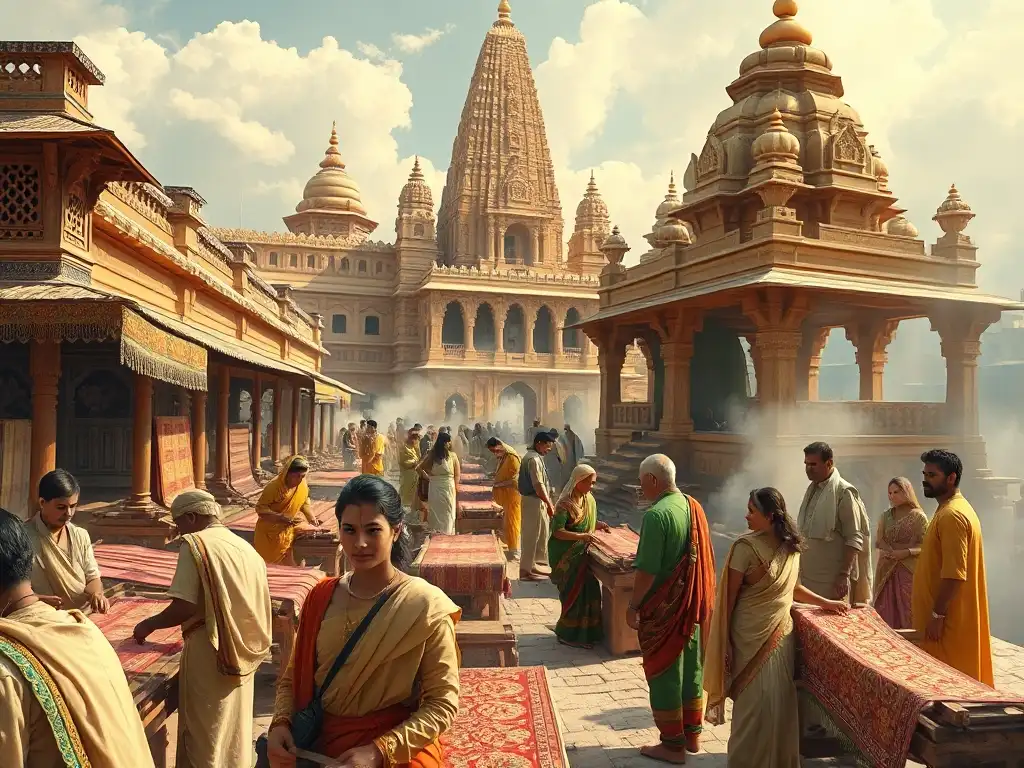
Textiles have played a pivotal role in the evolution of Indian civilization, serving not only as clothing but also as a significant aspect of trade, culture, and technology. The history of textiles in India can be traced back to the Indus Valley Civilization (circa 2500–1500 BCE), where archaeological findings, such as the remnants of cotton and spinning tools, indicate a sophisticated understanding of textile production.
- Indus Valley Civilization:
- The use of cotton is particularly notable, as the region was among the first to cultivate this fiber.
- Evidence of dyeing techniques and weaving patterns suggests that textiles were not merely functional but also artistic expressions.
- Vedic Period:
- As society progressed into the Vedic period (circa 1500–500 BCE), textiles became more varied.
- The sacred texts of this era mention various fabrics, including silk and wool, which were used in religious rituals and daily life.
- Maurya and Gupta Empires:
- The Maurya (circa 322–185 BCE) and Gupta empires (circa 320–550 CE) saw a flourishing of textile arts, with silk becoming a prominent material due to trade connections with regions like China.
- The introduction of advanced weaving technologies during this time allowed for more intricate designs, including the famed brocades and embroidered textiles, which were often used in architecture as decorative elements.
Textiles as a Cultural Symbol in Ancient Societies
In ancient Indian societies, textiles transcended mere functionality; they emerged as profound cultural symbols that reflected social status, religious beliefs, and regional identities.
- Social Hierarchy:
- Textiles often indicated the wearer’s social status, with finer fabrics such as silk reserved for the elite, while coarser materials were common among the lower classes.
- This differentiation was not only visible in clothing but also in the use of textiles in architecture, where lavishly decorated fabrics adorned palaces and temples.
- Religious Significance:
- Textiles were intricately linked to religious practices. For example, specific fabrics were designated for use in rituals and ceremonies, with colors and patterns often holding symbolic meanings.
- The use of textiles in temples, such as draping deities with richly embroidered fabrics, highlights the importance of textiles in spiritual contexts.
- Regional Diversity:
- Different regions of India developed their unique textile traditions, influenced by local resources, climate, and cultural practices.
- For instance, the silk of Varanasi, the cotton of Gujarat, and the wool of Kashmir each reflect the geographical diversity and the cultural heritage of their respective regions.
Textiles in ancient Indian architecture were far more than mere decorative elements; they were integral to the cultural and social fabric of society. As we explore the role of textiles in construction techniques, it becomes evident that their significance transcends their visual appeal, embodying the intricate interplay between culture, technology, and art in ancient India.
The Role of Textiles in Construction Techniques
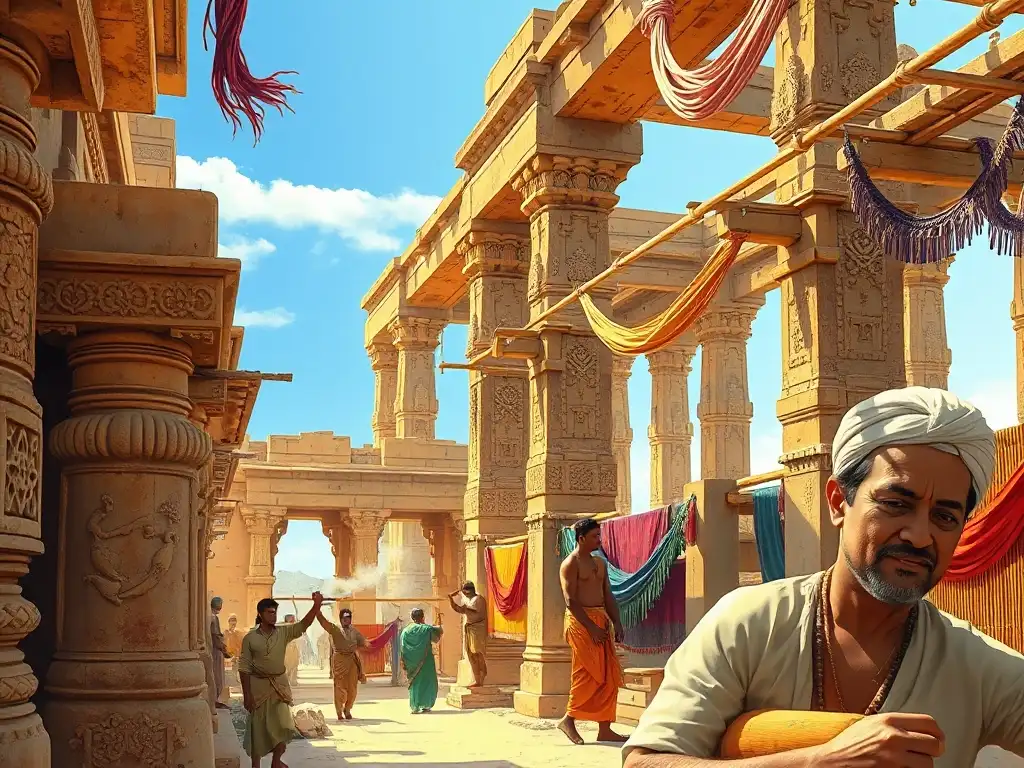
The integration of textiles in ancient Indian construction techniques showcases the ingenuity and creativity of early civilizations. Textiles in ancient Indian architecture were not merely aesthetic elements; they played vital roles in structural integrity and functional design. This section delves into the multifaceted applications and innovations of textiles within the realm of ancient construction, highlighting their significance in architectural practices.
Textiles as Structural Materials
Use of Natural Fibers in Construction
Natural fibers such as jute, cotton, and hemp were extensively utilized in ancient Indian construction. These materials were lauded for their strength, flexibility, and durability, making them ideal for various structural applications.
- Jute: Known for its tensile strength, jute was often used to reinforce mud walls, providing additional stability. Builders would create jute ropes to bind structural elements, enhancing the resilience of structures against environmental stressors.
- Cotton: Cotton fibers, with their lightweight and insulating properties, were employed in the construction of temporary shelters. They allowed for the creation of breathable spaces, which were essential in the warm climate of India.
- Hemp: Utilized for its robustness, hemp fibers were incorporated into plaster and mortar mixtures, adding structural integrity to walls and ceilings.
The innovative use of these natural materials exemplifies the resourcefulness of ancient builders, who maximized local resources to improve their construction methods.
Innovations in Textile Weaving for Architectural Purposes
The weaving techniques developed in ancient India also contributed significantly to construction practices. These innovations allowed textiles to serve diverse architectural functions.
- Tapestries and Canopies: Elaborately woven tapestries were often hung within temples and palaces, providing insulation and aesthetic appeal. These textiles not only adorned spaces but also contributed to temperature regulation, reflecting an understanding of passive climate control.
- Textile Reinforcement: Innovations in weaving, such as the creation of thicker and more resilient fabrics, enabled textiles to be used as reinforcements in structural applications. This method enhanced the load-bearing capacity of walls, particularly in regions prone to seismic activity.
- Modular Textiles: Some ancient Indian constructions utilized modular textile elements that could be easily assembled and disassembled. This flexibility facilitated the construction of temporary structures for festivals and gatherings, showcasing a dynamic approach to architecture.
Integration of Textiles in Building Designs
The integration of textiles into building designs reflected the cultural and aesthetic values of ancient Indian civilizations. Textiles served both decorative and functional purposes, enhancing the overall architectural experience.
Decorative Elements in Ancient Architecture
Textiles adorned various architectural forms, from grand temples to humble abodes. The decorative use of textiles can be seen in several dimensions:
- Wall Hangings: Intricately designed wall hangings added color and texture to interiors, transforming bare spaces into vibrant environments. These textiles often depicted religious motifs and cultural symbols, reinforcing the identity of the space.
- Ritualistic Textiles: In temples, textiles played a crucial role in rituals and ceremonies. Specific fabrics, like silk and brocade, were used for draping idols, enhancing the spiritual ambiance of the sanctum.
- Cultural Significance: The choice of colors and patterns in textile decoration often reflected social status and regional identity, making textiles a canvas for cultural expression within architectural contexts.
Functional Textiles in Construction
Beyond aesthetics, textiles served crucial functional roles in ancient construction, demonstrating their versatility.
- Insulation and Weatherproofing: Textiles were used to insulate structures against heat, cold, and moisture. For instance, woven mats were laid beneath mud walls to prevent water seepage during monsoons, enhancing the longevity of buildings.
- Support Structures: Textiles were also employed in constructing temporary support structures, such as scaffolding made from jute and bamboo. This method enabled builders to reach greater heights safely while maintaining stability during construction.
- Flexible Spaces: The use of curtains and movable partitions made from textiles allowed for the creation of flexible internal spaces. This adaptability was particularly beneficial in multi-functional buildings, where spaces could be reconfigured according to need.
The role of textiles in ancient Indian architecture extends far beyond mere decoration. They were integral to both the structural integrity and aesthetic expression of buildings, reflecting the advanced understanding of materials and design by ancient builders. The innovative use of textiles in construction illustrates a rich heritage that continues to inspire modern architectural practices.
Case Studies of Textile Use in Notable Structures

The Indus Valley Civilization
The Indus Valley Civilization (IVC), flourishing between 3300 and 1300 BCE, is renowned for its advanced urban planning and architecture. What is often overlooked is the significant role textiles played in their construction techniques and societal organization.
Textile Innovations in Urban Planning
The IVC cities, such as Mohenjo-Daro and Harappa, showcased remarkable urban planning, with well-structured streets and drainage systems. Textiles were integral to this planning, not just for daily life but also in construction methodologies.
- Cotton as a Building Material: Cotton, widely cultivated in this era, was utilized for various purposes, including insulation in buildings. The soft texture of cotton provided thermal comfort in the hot climate.
- Looms and Weaving: The presence of advanced looms allowed for the production of strong, durable textiles that could be used to reinforce other materials, enhancing the structural integrity of buildings.
Examples of Textile Applications in Structures
Textiles in the IVC were not limited to clothing; they found applications in various structural aspects:
- Banners and Canopies: Used in public spaces, these textiles provided shade and defined areas for social gatherings, enhancing community interactions.
- Reinforcement in Walls: Archaeological findings suggest that woven mats of grass and cotton were layered within mud walls, providing extra stability and resistance to weathering.
The Maurya and Gupta Empires
Transitioning to the Maurya (322–185 BCE) and Gupta (c. 240–550 CE) Empires, textiles continued to evolve, influencing architecture and aesthetic sensibilities significantly.
Advanced Textile Techniques in Major Monuments
The architectural grandeur of the Maurya and Gupta periods is marked by intricate designs and the incorporation of textiles in construction techniques:
- Temple Construction: Textiles were often used in the construction of temples, not only in decorative elements but also in practical applications. For instance, textiles were utilized in scaffolding, allowing for intricate carvings and stone placements.
- Textile Artisans: The documentation of guilds of textile artisans suggests that their skills contributed to the architectural planning of structures like the Ashoka Pillars, where woven patterns inspired stone carvings.
Textile Contributions to Architectural Aesthetics
Textiles significantly influenced the visual appeal of architectural works during these empires:
- Sculptural Textiles: The use of textiles as inspiration for sculptures can be seen in the detailed carvings on temple walls, where draped fabrics are depicted, indicating the high level of craftsmanship.
- Decorative Textiles: Richly colored fabrics adorned the interiors of palaces and temples, showcasing the wealth and cultural sophistication of the time. These textiles not only added beauty but also served to create a sense of place and identity.
The role of textiles in ancient Indian architecture is a fascinating aspect that intertwines the practical and aesthetic dimensions of construction. From the urban planning of the Indus Valley Civilization to the monumental structures of the Maurya and Gupta Empires, textiles were not merely supplementary but essential to the development and identity of ancient Indian architecture.
Comparisons of Textile Application Across Different Regions
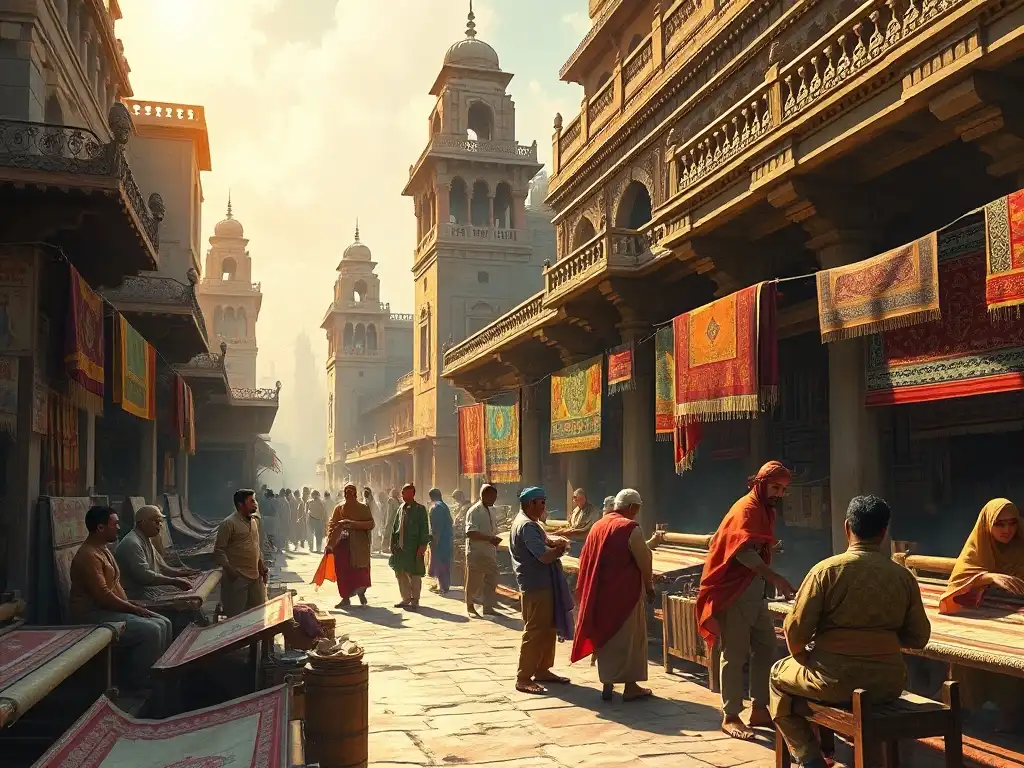
The application of textiles in ancient Indian architecture varied significantly across different regions, influenced by local materials, climatic conditions, and cultural practices. This diversity is reflected in the various techniques and styles employed by ancient builders, showcasing the intricate relationship between textiles and architecture.
Regional Variations in Textile Use in Architecture
In ancient India, textiles were not only used for clothing but also played a vital role in construction techniques. Each region exhibited unique styles and applications of textiles, which can be categorized as follows:
- Indus Valley Civilization:
- The use of cotton textiles was prevalent, with archaeological evidence suggesting their incorporation in house construction and insulation.
- Textiles were often used to cover mud structures, providing a protective layer against the elements.
- Northern India:
- In the Himalayan regions, woolen textiles were utilized for insulation in homes, crafted by local artisans skilled in spinning and weaving.
- The use of textiles in temples, such as drapes and coverings, was common, enhancing the aesthetic appeal of sacred spaces.
- Southern India:
- The architecture of temples in South India often featured intricate textile patterns in stone carvings, reflecting the cultural significance of textiles in ritual practices.
- Palm leaves and coir fibers were sometimes woven into structural elements, showcasing innovation in material use.
- Western India:
- In regions like Gujarat and Rajasthan, textiles were used as both decorative elements and structural supports in temporary constructions, such as tents and pavilions during festivals.
- The vibrant colors and patterns of textiles added a dynamic visual element to architectural spaces.
Influence of Geography on Textile Construction Techniques
Geographic factors played a crucial role in determining the types of textiles used and their applications in construction. The following elements highlight this influence:
- Climate:
- In arid regions, such as Rajasthan, lightweight and breathable textiles were favored to provide shade and reduce heat in structures. Conversely, in cooler climates, heavier textiles like wool were preferred for insulation.
- Resource Availability:
- The proximity to cotton growing areas in the Indus Valley fostered an advanced textile industry, which in turn influenced architectural practices. In contrast, regions with abundant wool resources developed techniques that utilized wool for both clothing and construction.
- Cultural Practices:
- Regional customs and traditions surrounding textiles influenced their architectural use. For example, in many temple complexes, textiles were integral to religious ceremonies, thus becoming part of the construction narrative.
- Trade Routes:
- Ancient trade routes facilitated the exchange of textile innovations and materials across regions. For instance, the Silk Road introduced new weaving techniques from Central Asia, impacting local construction methodologies.
The role of textiles in ancient Indian architecture varied greatly across regions, influenced by geography, climate, and cultural practices. Understanding these regional differences provides insight into how textiles not only served practical purposes but also enriched the architectural landscape of ancient India.
The Impact of Textiles on Modern Architectural Practices
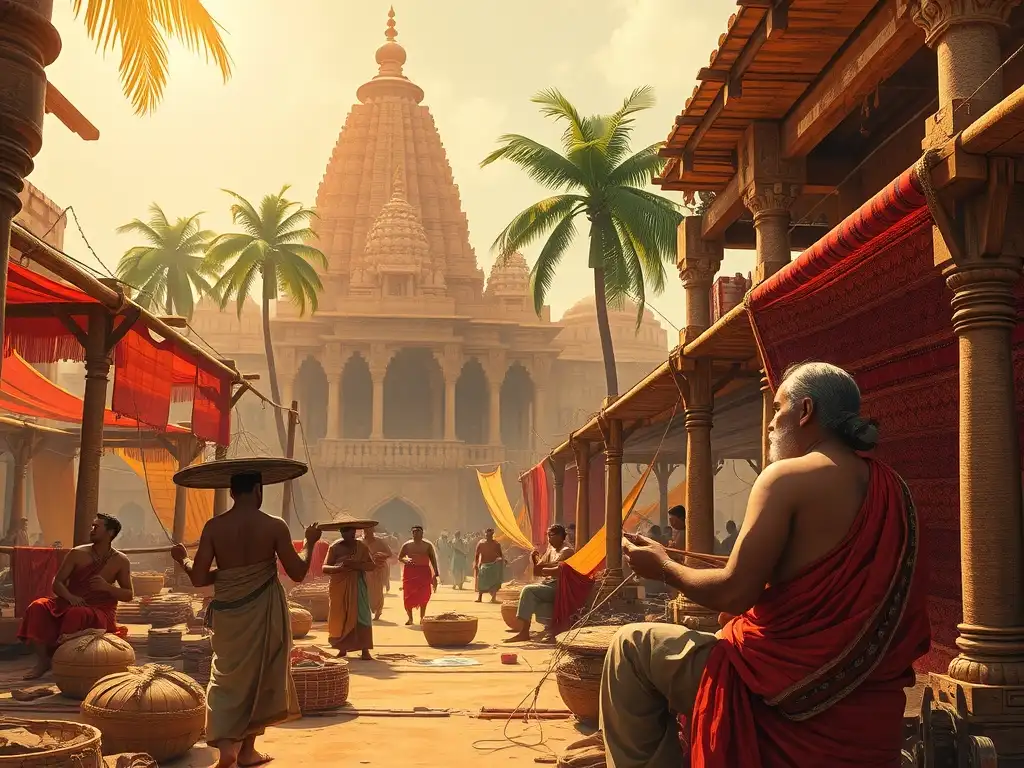
The influence of textiles in ancient Indian architecture extends far beyond their immediate utility. By examining the intricate weaving techniques and materials used in the past, contemporary architects can draw valuable insights into sustainable practices, aesthetic design, and structural innovations. Textiles in Ancient Indian Architecture were not merely decorative; they played a significant role in the construction process, impacting both functionality and aesthetics.
Lessons from Ancient Indian Textile Techniques
Ancient Indian civilizations utilized textiles not just for clothing but also as integral components in construction. The use of textiles in architecture served multiple purposes, including:
- Structural Support: Textiles were often used to reinforce structures. For instance, woven mats made from reeds or grass were incorporated into mud walls to provide additional strength and flexibility, allowing buildings to withstand environmental stresses.
- Thermal Regulation: Textiles contributed to temperature control within structures. The use of thick, woven fabrics helped in insulating buildings, keeping them cooler in the summer and warmer in the winter. This aspect is particularly relevant today as architects seek energy-efficient solutions.
- Aesthetic Elements: Beyond functionality, textiles added visual appeal to ancient structures. Intricate patterns and vibrant colors were used in tapestries and wall hangings, reflecting the cultural narratives of the time. Modern architects can learn from these practices by incorporating textiles that resonate with local culture and identity.
- Waste Reduction: The use of natural materials in textiles aligns with today's sustainable architecture movement. Ancient practices often involved minimal waste, using every part of the plant or fiber, which is an approach that modern architects are increasingly embracing.
By analyzing these ancient techniques, contemporary architects can innovate while respecting and integrating traditional knowledge.
Reviving Traditional Textiles in Contemporary Architecture
The revival of traditional textiles in modern architectural practices is gaining momentum as designers seek to blend history with innovation. This resurgence is driven by a growing awareness of sustainability, cultural heritage, and the desire for unique design elements. Some of the ways traditional textiles are being reintroduced include:
- Collaborative Projects: Modern architects are increasingly collaborating with local artisans to integrate traditional textile techniques into new structures. This synergy not only supports local economies but also ensures that the cultural significance of textiles is preserved.
- Textile-Integrated Design: Innovations such as textile-reinforced concrete and fabric-based façade systems are emerging. These designs utilize the lightweight and flexible properties of textiles, leading to structures that are both strong and visually dynamic.
- Cultural Storytelling: Architects are using textiles to tell stories. By incorporating motifs and designs that reflect local traditions, buildings become more than just a physical space; they embody the cultural narratives of the communities they serve.
- Sustainable Practices: The push for eco-friendly materials has led to a revival of natural fibers, such as jute, cotton, and hemp, in construction. These materials are not only sustainable but also provide a tactile quality that enhances the user experience within spaces.
The incorporation of textiles into modern architecture represents a fusion of the past and the future, creating spaces that honor cultural heritage while pushing the boundaries of design and sustainability. As architects continue to explore the rich tapestry of ancient Indian textile techniques, they pave the way for innovative and culturally resonant architectural practices.
Conclusion
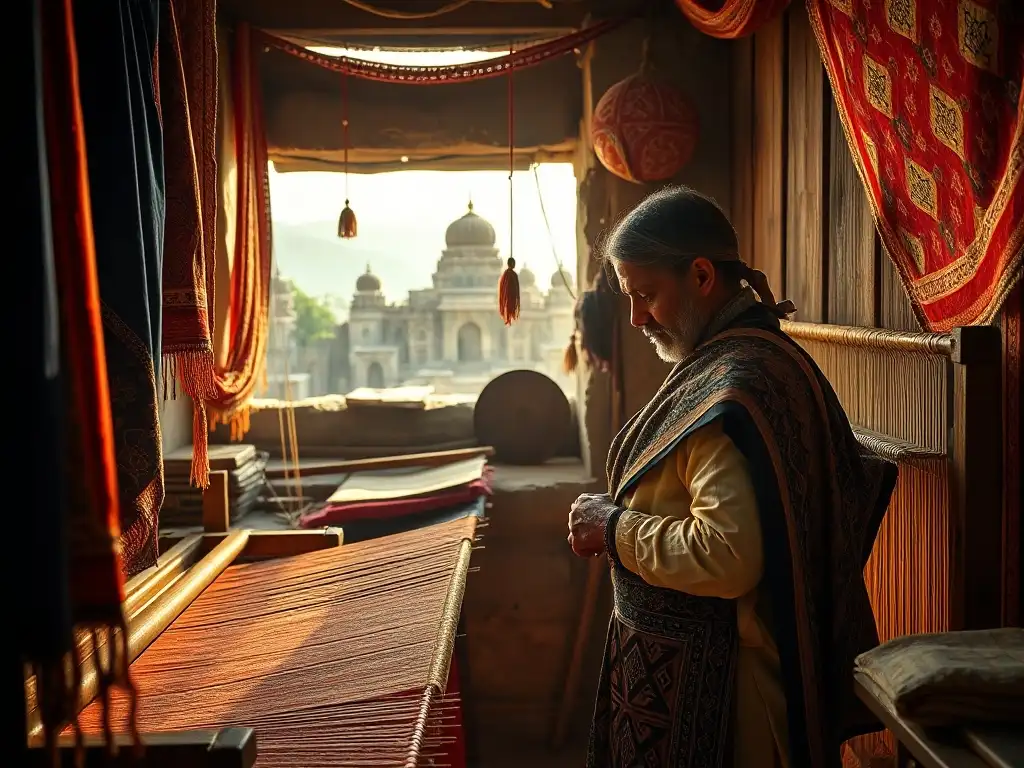
Summary of Key Points on Textiles in Ancient Indian Architecture
In examining the role of textiles in ancient Indian architecture, several key points emerge that highlight their significance in construction techniques:
- Material Versatility: Textiles were not only used for decorative purposes but also played a crucial role in structural applications. For instance, woven mats made from jute and cotton were often utilized in wall construction, providing both insulation and aesthetic value.
- Innovative Techniques: Ancient builders employed textiles in various innovative ways. For example, coir (coconut fiber) was used to reinforce mud walls, enhancing their durability against the elements. This technique demonstrates a unique blend of local resources and traditional craftsmanship.
- Cultural Symbolism: The use of textiles in architecture was deeply intertwined with cultural practices. Textiles often carried symbolic meanings, reflecting the spiritual beliefs and social hierarchy of the time. Intricate designs and patterns found on textiles were frequently echoed in architectural motifs, creating a cohesive cultural narrative.
- Functional Applications: Beyond aesthetics, textiles served practical functions in construction. For instance, textile-based scaffolding was employed during the construction of monumental structures, allowing for safer and more efficient building processes. This method showcased the ingenuity of ancient engineers in utilizing available materials to overcome structural challenges.
Final Thoughts on the Importance of Textiles in Historical Construction Techniques
The exploration of textiles in ancient Indian architecture reveals a fascinating intersection of art, technology, and culture. The multifaceted role of textiles extends beyond mere decoration; they were integral to the very fabric of construction techniques. By understanding the historical significance of textiles, we gain insight into the innovative spirit of ancient Indian civilizations.
Furthermore, the study of textiles in architecture encourages a deeper appreciation for sustainable practices that have stood the test of time. Ancient builders demonstrated remarkable resourcefulness, utilizing local materials in ways that harmonized with their environment. This legacy of ingenuity serves as an inspiration for contemporary architectural practices, highlighting the importance of integrating traditional knowledge with modern innovation.
Textiles in ancient Indian architecture represent a rich tapestry of historical significance, reflecting the complexities of cultural expression and technological advancement. As we delve into the intricacies of these construction techniques, we uncover not just the physical structures of the past, but also the vibrant stories woven into their very foundations.
Frequently Asked Questions
What role did textiles play in ancient Indian architecture?
Textiles were crucial in ancient Indian construction, serving not only as decorative elements but also as functional materials. They were used for insulation, waterproofing, and even in scaffolding.
How did the Indus Valley Civilization utilize textiles in their buildings?
The Indus Valley Civilization showcased advanced use of textiles, incorporating them in wall hangings and curtains, which indicated social status and provided aesthetic appeal to their architecture.
What types of textiles were commonly used in ancient Indian construction?
Cotton, silk, and jute were the primary textiles used in ancient Indian architecture. These materials were valued for their durability and versatility, enhancing both functionality and beauty in structures.
How did the Gupta Empire contribute to the use of textiles in architecture?
The Gupta Empire saw a significant advancement in the use of textiles, integrating them into religious and ceremonial structures. This period emphasized ornamental textiles, reflecting the empire's rich cultural heritage.
Are there any surviving examples of textiles used in ancient Indian architecture?
While many textiles have deteriorated over time, some archaeological sites and artifacts provide insights into their use. For instance, textile impressions found in ancient brickwork hint at their significance in construction techniques.
Final Reflection: The Enduring Legacy of Textiles in Ancient Indian Architecture
The exploration of textiles in ancient Indian architecture reveals a fascinating interplay between material culture and construction techniques that remains remarkably relevant today. As we navigate a world increasingly focused on sustainability and innovation, the lessons from ancient practices remind us of the profound impact that traditional materials can have on modern design. The intricate use of textiles not only served functional purposes but also enriched the aesthetic and cultural narratives of the time, underscoring the idea that architecture is not merely about structures but about the stories they tell.
The influence of textiles in ancient Indian construction continues to resonate within our cultural and social landscapes. This connection between fabric and architecture highlights the importance of integrating diverse materials to create spaces that reflect our identities. As we look around us, we see contemporary architects drawing inspiration from these ancient practices, merging textile artistry with modern construction methods. Architecture is the learned game, correct and magnificent, of forms assembled in the light.
— Le Corbusier. This quote encapsulates the essence of how textiles can transform spaces, reminding us that the interplay of light, form, and material is timeless.
As we reflect on the insights gained from the role of textiles in ancient Indian architecture, I invite you to consider how you can incorporate these lessons into your own life and work. Whether you are an architect, a designer, or simply someone who appreciates the beauty of craftsmanship, think about the stories your materials tell and how they can contribute to a more sustainable and culturally rich future. Embrace the legacy of textiles, and let it inspire you to create spaces that honor tradition while paving the way for innovation.
Uncover the Secrets of Ancient Textiles in Construction!
Thank you for diving into the fascinating world of ancient Indian construction techniques with us! You've uncovered the incredible role textiles played in creating some of history’s most enduring structures. Now, it's time to take that knowledge and transform it into action!
Here’s how you can deepen your exploration of this amazing topic and share what you've learned:
- Engage with Local History: Visit a nearby museum or historical site that showcases textiles or architecture related to ancient India, and share your insights with fellow history enthusiasts.
- Start a Discussion: Join an online forum or community focused on ancient history, and initiate a conversation about the influence of textiles on construction methods.
- Create Your Own Textile Project: Experiment with replicating a traditional textile technique used in ancient construction—share your results on social media to inspire others!
As you reflect on the interplay between textiles and construction techniques, consider this: How can the understanding of these ancient practices inspire modern sustainable construction methods today? We’d love to hear your thoughts!