
The Art of Indian Spice Blending: Elevate Your Traditional Dishes

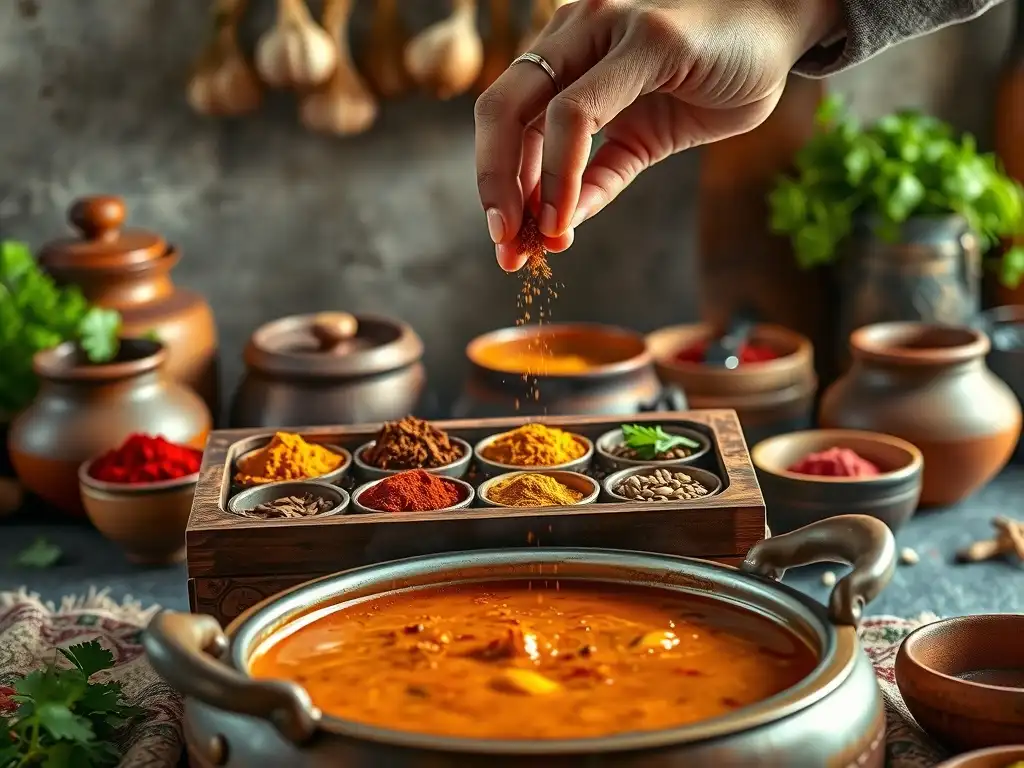
Welcome to Ancient India History, where we embark on a fascinating journey through the rich tapestry of India's past. Here, we unravel the secrets behind Indian spice blending techniques, an art form that has transformed traditional dishes into culinary masterpieces for centuries. As you delve deeper into this article, prepare to ignite your senses and elevate your cooking with the vibrant flavors that define Indian cuisine. Discover how these age-old practices not only enrich our palates but also offer a glimpse into the cultural heritage of ancient Indian civilizations. Your adventure into the world of spices begins now!
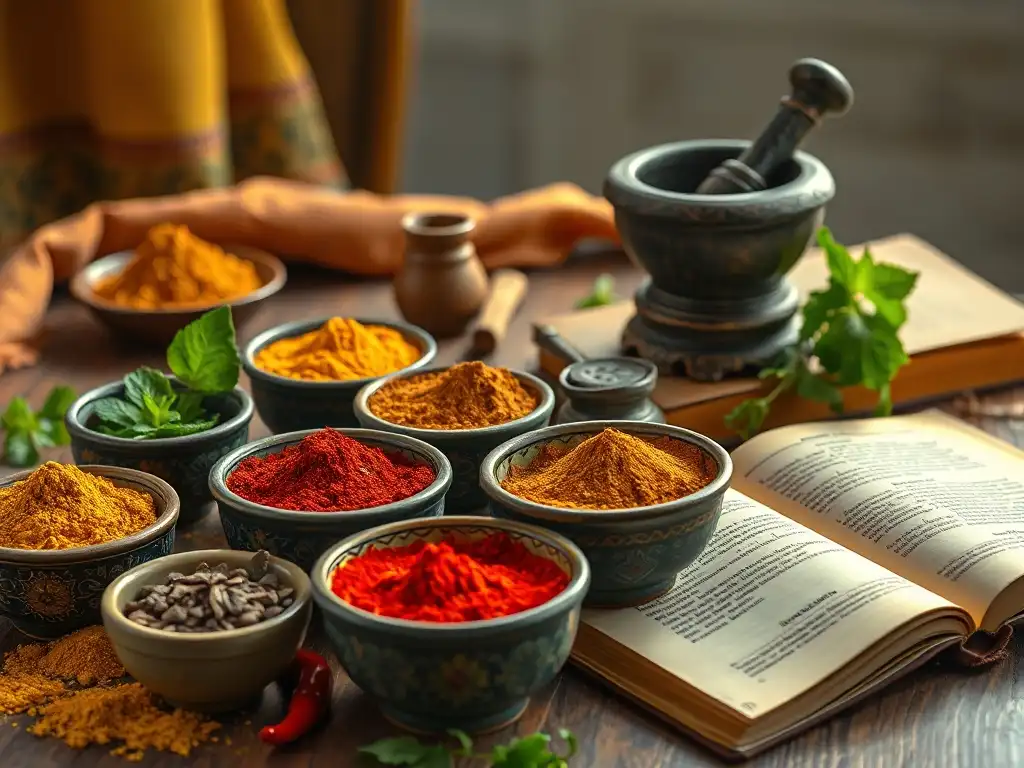
The art of Indian spice blending is a cornerstone of Indian cuisine, reflecting centuries of culinary tradition and cultural significance. This intricate practice not only enhances the flavor profile of dishes but also embodies the rich history and diverse influences that have shaped Indian cooking.
From the aromatic spices of the Indus Valley to the sophisticated blends of the Gupta Empire, understanding the techniques of Indian spice blending allows home cooks and culinary enthusiasts alike to elevate their traditional dishes. In this article, we will explore various aspects of Indian spice blending techniques, providing insights into the importance, historical context, key ingredients, and essential spices that contribute to the vibrant tapestry of flavors in Indian cuisine.
Understanding Indian Spice Blending Techniques
The Importance of Spice Blending in Indian Cuisine
Spice blending is not merely a matter of combining ingredients; it is a meticulous process that enhances the sensory experience of a dish. In Indian cuisine, spices are selected not only for their flavor but also for their medicinal properties, cultural significance, and ability to evoke nostalgia. The right blend can transform a simple meal into a celebration of taste, aroma, and health benefits. Here are a few key points regarding the importance of spice blending:
- Flavor Complexity: Spice blending adds depth and complexity, allowing cooks to create balanced flavors that excite the palate.
- Cultural Identity: Different regions of India have unique spice blends that reflect local ingredients and culinary traditions, making spice blending a vital part of cultural identity.
- Health Benefits: Many spices have anti-inflammatory, antioxidant, and digestive properties. Proper blending can enhance the health benefits of the dish.
Historical Context: Spice Blending in Ancient Indian Civilizations
The practice of spice blending in India dates back thousands of years, with evidence found in ancient texts and archaeological discoveries. The Indus Valley Civilization (circa 3300–1300 BCE) showcased early uses of spices, with remnants of mustard and turmeric found in excavations. As trade routes expanded, spices such as black pepper, cardamom, and cinnamon became integral to Indian cooking. Notable points in history include:
- Ayurveda: This ancient Indian system of medicine emphasized the use of spices for health, leading to a blend of culinary and medicinal practices.
- The Spice Trade: India became a focal point in the global spice trade, influencing culinary practices worldwide and enriching its own cuisine.
- Cultural Exchanges: The arrival of various cultures, including Persians and Mughals, further diversified spice blending techniques, leading to the creation of unique regional cuisines.
Key Ingredients in Indian Spice Blending
The magic of Indian spice blending lies in the precise selection and combination of key ingredients. Understanding these elements is essential for mastering the art of spice blending. Some of the key ingredients include:
- Whole Spices: These are often toasted and ground just before use to release their essential oils and flavors. Examples include cumin seeds, coriander seeds, and fennel seeds.
- Ground Spices: Pre-ground spices like turmeric, chili powder, and garam masala are commonly used, but they should be fresh for optimal flavor.
- Herbs: Fresh herbs like cilantro and mint are often included to enhance the overall flavor profile.
Essential Indian Spices for Effective Blending
Common Spices Used in Indian Cuisine
Several spices are staples in Indian kitchens, forming the foundation of many traditional dishes. Here is a list of some common spices integral to Indian spice blending:
| Spice | Flavor Profile | Common Uses |
|---|---|---|
| Cumin | Earthy, warm | Curries, rice dishes, chutneys |
| Coriander | Citrusy, sweet | Spice blends, marinades, soups |
| Turmeric | Bitter, earthy | Curries, rice, health remedies |
| Mustard Seeds | Pungent, sharp | Pickles, tempering dishes |
| Fenugreek | Slightly bitter, nutty | Curries, lentil dishes |
| Cardamom | Sweet, aromatic | Sweets, teas, rice dishes |
| Black Pepper | Spicy, pungent | Almost all savory dishes |
By mastering these spices and understanding their roles in blending, you can create authentic Indian dishes that resonate with the rich culinary heritage of the subcontinent. Embracing these techniques not only enriches your cooking but also connects you to the vibrant history of Indian cuisine.
Traditional Indian Spice Blending Techniques
Indian cuisine is renowned for its bold flavors and aromatic dishes, largely due to the intricate techniques of spice blending that have been passed down through generations. Mastering these techniques can elevate your cooking, making traditional dishes taste authentically rich and vibrant. The art of spice blending involves understanding the unique properties of various spices, how they interact with each other, and the methods used to prepare them. From dry roasting to grinding, each technique contributes significantly to the final flavor profile of a dish.
Spices such as cumin, coriander, cardamom, and turmeric play a crucial role in Indian cooking, each bringing its own distinct taste and aroma. The balance and combination of these spices can vary greatly, leading to an endless variety of flavors. It's not just about mixing spices; it's about knowing when and how to incorporate them into your cooking process, ensuring that their flavors remain potent and harmonious.
Dry Roasting Spices for Enhanced Flavor
Dry roasting spices is a foundational technique in Indian cooking that significantly enhances their flavor. This method involves heating whole spices in a dry pan over medium heat until they emit a fragrant aroma. The process not only intensifies the spices' natural oils but also brings out their essential flavors, making them more vibrant when blended into dishes.
To dry roast spices effectively:
- Choose the right spices: Common spices for roasting include cumin seeds, coriander seeds, mustard seeds, and black peppercorns.
- Use a heavy-bottomed pan: This helps distribute heat evenly and prevents the spices from burning.
- Keep stirring: Constant movement ensures even roasting and prevents scorching.
- Cool before grinding: Allow the roasted spices to cool completely before grinding to maintain their flavor integrity.
Dry roasting is often the first step in creating a spice blend, setting the stage for a rich flavor base in your cooking.
Grinding Techniques: Stone Mortar vs. Electric Grinder
The grinding of spices is another pivotal aspect of Indian spice blending. The choice of grinding method can greatly affect the texture and flavor of the spices.
- Stone Mortar and Pestle: This traditional method allows for better control over the grind size, resulting in a coarser texture that can add depth to your dishes. The friction of stone also helps to release the oils in the spices, enhancing their flavor. This technique is often favored for small quantities and offers a more hands-on, artisanal approach to spice preparation.
- Electric Grinder: This method is efficient and ideal for larger quantities of spices. An electric grinder provides a fine powder quickly, which is useful for blends that require a smooth consistency. However, it can sometimes overheat the spices, resulting in a loss of essential oils and flavors.
Both methods have their merits, and the choice between them often comes down to personal preference and the specific requirements of the dish being prepared.
The Role of Freshness in Spice Blending
Freshness is a critical component of effective spice blending in Indian cuisine. Spices lose their potency and flavor over time, making fresh spices essential for achieving the best results in cooking.
- Whole vs. Ground Spices: Whole spices retain their flavor longer than ground spices. Whenever possible, purchase whole spices and grind them as needed for maximum freshness.
- Storage: Store spices in airtight containers away from light, heat, and moisture. Proper storage helps maintain their potency for a longer period.
- Check Expiry: Regularly check the expiry dates of your spices. Using stale spices can lead to dull, uninteresting flavors in your dishes.
By prioritizing fresh spices, you ensure that your blends are vibrant and flavorful, enhancing the overall quality of your traditional Indian dishes.
Infusing Oils with Spices: A Flavorful Technique
Infusing oils with spices is a technique that adds depth and richness to your dishes. This method involves heating oil and adding whole spices, allowing their flavors to permeate the oil.
- Cooking Oils: Common oils used for infusion include mustard oil, coconut oil, and ghee, each imparting its unique flavor.
- Spices for Infusion: Typical spices for infusion include garlic, ginger, cumin seeds, and dried red chilies. The key is to add spices that complement the dish you are preparing.
- Method: Heat the oil gently and add the spices, cooking them until fragrant. This infused oil can then be used as a base for curries, marinades, or drizzled over finished dishes for an added flavor boost.
This technique not only enhances the flavor of the oil but also creates a versatile ingredient that can be used in various recipes.
How to Create Your Own Spice Blends
Creating personalized spice blends allows you to tailor flavors to your specific taste preferences and the dishes you love to cook. With a few basic guidelines, you can experiment to find the perfect combination of spices that resonate with your palate.
Step-by-Step Guide to Crafting Personalized Spice Blends
- Select Your Base Spices: Choose a few base spices that will form the foundation of your blend. Common choices include cumin, coriander, and turmeric.
- Add Complementary Spices: Introduce additional spices that complement your base, such as cardamom for sweetness or black pepper for heat.
- Consider Aromatics: Think about adding dried herbs or aromatics like garlic powder or onion powder to enhance the blend.
- Balance the Flavors: Aim for a balance of sweet, savory, and spicy elements. Adjust quantities to suit your taste.
- Test and Adjust: Blend your spices and taste them. Adjust as necessary, adding more of certain spices to achieve the desired flavor profile.
- Store Properly: Once you have created your blend, store it in an airtight container in a cool, dark place to maintain freshness.
Creating your own spice blends can be a fun and rewarding process, leading to unique flavors that elevate your cooking.
Popular Spice Blend Recipes
Here are a few popular spice blend recipes that you can easily make at home:
| Spice Blend | Ingredients | Use |
|---|---|---|
| Garam Masala | Coriander seeds, cumin seeds, cardamom, cinnamon, cloves | A versatile blend for various curries |
| Chaat Masala | Dried mango powder, cumin, black salt, chili powder | Perfect for snacks and chaats |
| Tandoori Masala | Paprika, cumin, coriander, turmeric, garlic powder | Ideal for marinating meats and vegetables |
| Curry Powder | Turmeric, coriander, cumin, fenugreek, chili powder | A staple for many Indian curries |
These blends serve as a great starting point for exploring the art of Indian spice blending, allowing you to immerse yourself in the rich culinary traditions of India while personalizing your dishes to suit your tastes.
Incorporating Spice Blends into Traditional Dishes
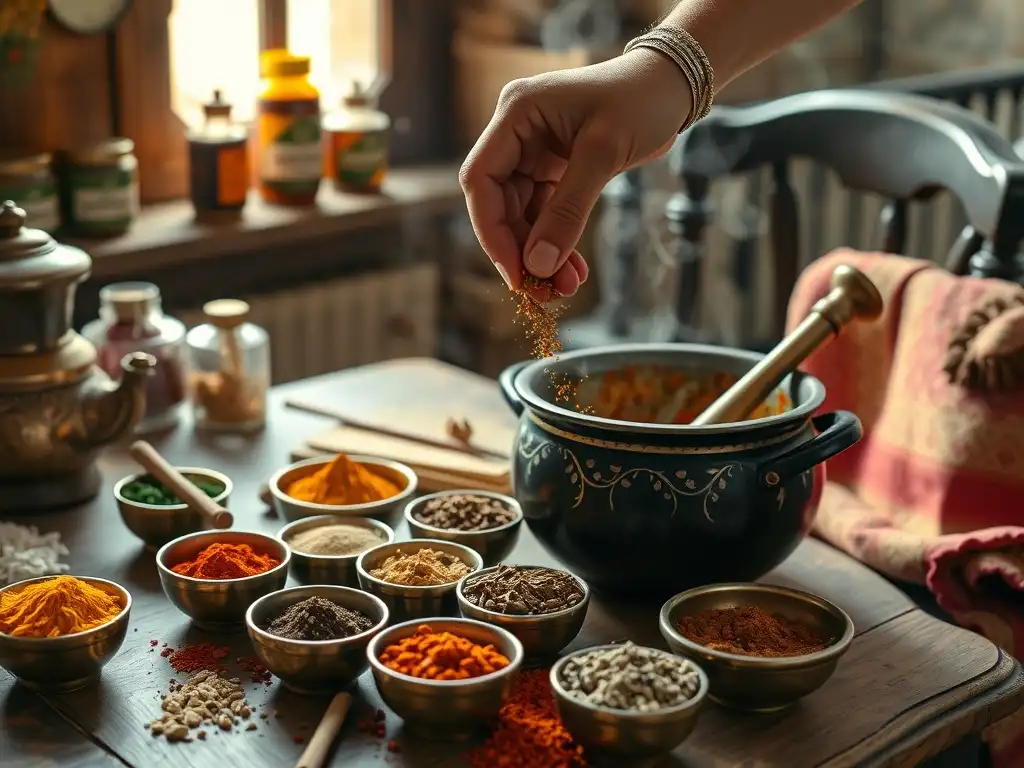
Incorporating spice blends into traditional Indian dishes is an art that not only enhances flavor but also adds depth and character to the cuisine. Indian spice blending techniques play a pivotal role in the culinary traditions across various regions. Each blend is often a reflection of local ingredients, cultural influences, and family secrets passed down through generations.
When integrating spice blends, it is essential to consider the balance of flavors. For instance, a well-crafted garam masala can elevate a basic dish into a culinary masterpiece. The key is to add spices at different stages of cooking—some early on to build a flavor base and others toward the end to preserve their vibrancy. This technique allows the spices to infuse the dish while retaining their individual characteristics, creating a harmonious flavor profile.
Transforming Curries with Signature Blends
Curries are perhaps the most popular form of Indian cooking, and the right spice blend can transform a simple curry into a dish bursting with flavor. Signature blends like Rajma Masala for kidney beans or Kadai Masala for a rich, spicy curry can significantly enhance the taste.
To achieve the perfect curry, start by tempering whole spices such as cumin seeds or mustard seeds in hot oil. This process releases essential oils and aromas, creating a fragrant base. Next, add your signature spice blend along with tomatoes or yogurt, allowing the spices to cook and meld before introducing your main ingredients. The result is a curry that not only showcases the spices but also highlights the ingredients used, creating a delightful harmony on the palate.
Elevating Rice Dishes: Biryani and Pulao
Rice dishes like Biryani and Pulao are staples in Indian cuisine, and using the right spice blends can elevate these dishes to new heights. Biryani, known for its layers of flavor, benefits immensely from the use of Biryani Masala, which includes spices like star anise, cloves, and saffron, adding complexity and depth.
For Pulao, a lighter rice dish, consider using Pulao Masala, which often features more delicate spices such as cardamom and bay leaves. The key to success with both dishes lies in the timing and layering of flavors. Cook the spices with the rice and other ingredients to allow the grains to absorb the aromatic essence, resulting in a dish that is as fragrant as it is delicious.
Spice Blending for Vegetarian and Non-Vegetarian Dishes

Indian cuisine is renowned for its versatility, accommodating both vegetarian and non-vegetarian preferences. The approach to spice blending may vary slightly between these categories, but the fundamental principles remain the same.
For vegetarian dishes, blends such as Panch Phoron—a mix of five spices—can enhance lentils, vegetables, and paneer dishes. On the other hand, non-vegetarian dishes often benefit from richer blends like Tandoori Masala, which is excellent for marinating meats before grilling or roasting. Regardless of the dish, balancing the spice heat with other flavors—like sweetness from coconut or acidity from tomatoes—will create a well-rounded and appealing meal.
Tools and Accessories for Effective Spice Blending
To master the art of Indian spice blending, having the right tools is crucial. The effectiveness of your blends can significantly depend on the equipment used, ensuring that spices are ground to the proper consistency and stored correctly to preserve their freshness.
Recommended Spice Grinders and Mortar Sets
Investing in quality spice grinders and mortar sets can make a world of difference in your spice blending journey. Electric spice grinders are convenient for quickly grinding larger quantities, whereas traditional mortar and pestles allow for more control and the ability to release essential oils through manual grinding.
Some popular options include:
- Electric Spice Grinders: Ideal for larger batches and quick use.
- Stone Mortar and Pestle: Perfect for achieving a coarse texture and releasing maximum flavor.
- Wooden Mortar and Pestle: Offers a rustic feel and is suitable for smaller quantities.
Storage Solutions for Freshness
Once you've blended your spices, proper storage is key to maintaining their flavor and potency. Airtight containers are essential to keep moisture, light, and air at bay. Glass jars with tight-fitting lids, or vacuum-sealed bags, are excellent choices for long-term storage.
Additionally, labeling your spice blends with the date of preparation can help you keep track of freshness. Store them in a cool, dark place away from heat sources to prevent degradation. Regularly checking your spices for aroma and potency will ensure that your dishes always showcase the best flavors.
Troubleshooting Common Spice Blending Issues
When blending spices, it’s not uncommon to encounter certain challenges that can affect the overall taste and enjoyment of your dishes. Understanding these issues and knowing how to address them can help you achieve the perfect blend of flavors that defines traditional Indian cuisine. Here are some common problems and their solutions:
What to Do If a Blend Is Too Spicy
If your spice blend turns out to be too spicy, there are several techniques you can use to tame the heat:
- Add Dairy: Incorporating yogurt, cream, or coconut milk can help neutralize spice levels. These ingredients provide a creamy texture that balances heat.
- Incorporate Sweetness: Adding a touch of sugar or honey can counteract the spice. This is particularly effective in curries and stews.
- Dilute the Dish: If possible, increase the quantity of other ingredients in your dish. This could mean adding more vegetables or proteins to distribute the spice evenly.
- Use Acid: A splash of lemon juice or vinegar can help to cut through the heat, bringing a refreshing tang that complements the spices.
Balancing Flavors: Sweet, Sour, and Spicy
Achieving the right balance between sweet, sour, and spicy flavors is crucial in Indian cooking. Here’s how to harmonize these components:
- Layering Flavors: Start by adding spices gradually. This allows you to taste as you go and adjust accordingly to prevent any one flavor from overpowering the others.
- Sweeteners: Use jaggery or palm sugar for sweetness. These natural sweeteners not only add sweetness but also a rich depth of flavor.
- Acidity: Ingredients like tamarind or yogurt can contribute a sour note that cuts through richness and balances the sweetness.
- Taste Testing: Regularly taste your dish as you cook. This practice helps you to adjust the balance of flavors before serving.
Preserving Aroma and Taste Over Time
The aromatic qualities of spices are integral to Indian cuisine, but over time, these can diminish. Here’s how to preserve the aroma and taste of your spice blends:
- Storage: Keep spices in airtight containers away from light and moisture. Glass jars or opaque containers work best to maintain freshness.
- Use Whole Spices: Whenever possible, use whole spices and grind them as needed. Whole spices retain their flavor longer than pre-ground alternatives.
- Avoid Heat: Store your spices in a cool, dry place, away from the stove and direct sunlight to prevent degradation of their essential oils.
- Check Expiry Dates: Be mindful of the shelf life of your spices. Discard any that have lost their aroma or have a dull appearance.
Conclusion: Mastering Indian Spice Blending for Culinary Excellence
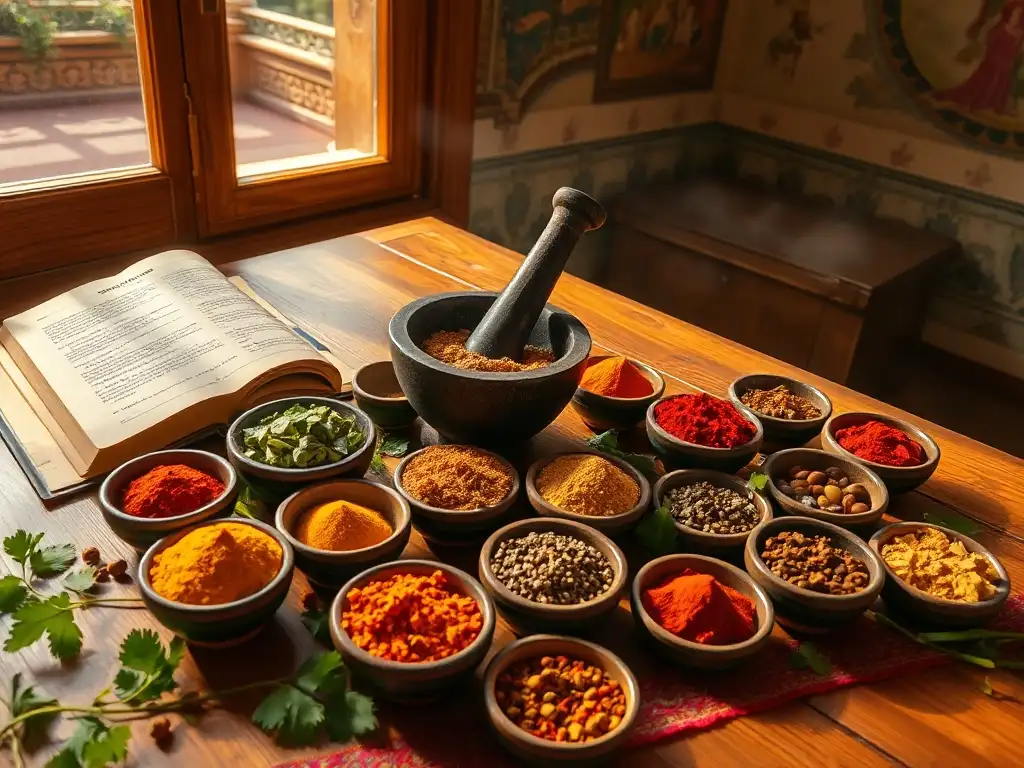
Mastering Indian spice blending techniques is not just about following recipes; it’s about understanding the intricate relationships between flavors. As you continue to explore and experiment with spices, you will develop a deeper appreciation for the art of cooking.
Encouragement to Experiment with Techniques and Blends
Don’t be afraid to experiment with different techniques and spice blends. Each region in India boasts its own unique flavor profiles—try incorporating spices from various traditions into your own cooking. The beauty of Indian cuisine lies in its adaptability and the personal touch each cook brings to their dishes. Start small, and gradually explore new combinations that resonate with your palate.
Final Thoughts on the Cultural Significance of Spice Blending in Indian Cuisine
Spice blending is an art deeply rooted in Indian culture, reflecting historical trade, regional diversity, and culinary innovation. Each blend tells a story, connecting generations and communities. By embracing these techniques, you not only enhance your culinary skills but also celebrate the rich heritage of Indian cuisine. Remember, the journey of exploring Indian spices is as rewarding as the dishes you create—so savor every moment!
Call to Action: Explore More on Indian Culinary Tourism
Engaging with the world of Indian culinary tourism opens up a treasure trove of experiences that not only tantalize your taste buds but also deepen your understanding of India's rich culinary heritage. Exploring Indian spice blending techniques is a vital aspect of this journey. Whether you are a seasoned cook or a novice in the kitchen, immersing yourself in the diverse traditions of Indian cooking can elevate your culinary skills and knowledge.
We invite you to dive deeper into this vibrant world by participating in cooking classes and culinary tours that focus on the art of spice blending. Discover the regional differences in spices and learn how to create authentic flavors that reflect the rich tapestry of Indian cuisine. Don't miss out on the opportunity to enrich your cooking repertoire and experience the cultural significance behind each spice.
Discover Authentic Indian Cooking Classes
Authentic Indian cooking classes provide a hands-on opportunity to learn about the intricate art of spice blending directly from experienced chefs. These classes often take place in various settings, from local homes to culinary schools, offering participants a unique glimpse into traditional cooking methods.
In these classes, you will:
- Learn the significance of spices: Understand how each spice contributes to the flavor and health benefits of Indian dishes.
- Practice blending techniques: Get practical experience in creating your own spice blends, from garam masala to curry powder.
- Cook regional dishes: Prepare a variety of traditional recipes that showcase the use of different spices across India.
Many classes also include a market visit, allowing you to select fresh spices and ingredients, further enhancing your understanding of Indian culinary practices.
Join Culinary Tours Exploring Regional Spice Markets
Culinary tours that focus on regional spice markets offer an immersive experience into the heart of Indian cuisine. Visiting these bustling markets provides insight into the vibrant world of spices, where you can witness the variety and freshness that contribute to India's culinary landscape.
On these tours, you will:
- Interact with local vendors: Learn about the origins and uses of various spices directly from the sellers.
- Discover unique regional blends: Taste and understand the local spice combinations that define the cuisine of different regions, such as the fiery spices of Andhra Pradesh or the aromatic blends of Kerala.
- Participate in cooking demonstrations: Many tours include live cooking sessions where you can see how spices are used in traditional dishes, allowing you to apply your newfound knowledge in real-time.
This hands-on exploration not only enhances your spice blending techniques but also deepens your appreciation for the cultural significance of these ingredients.
Additional Resources
To further enhance your understanding and skills in Indian spice blending, we have compiled a list of valuable resources that will aid your culinary journey.
Recommended Books on Indian Spice Blending Techniques
-
"The Spice Merchant's Daughter" by Aditi Kinkhabwala
This book offers a deep dive into various spices used in Indian cooking, along with techniques for blending and using them effectively in recipes.
-
"Indian Spices: The Ultimate Guide" by Charmaine Solomon
A comprehensive guide that explores the history, uses, and health benefits of Indian spices, complete with recipes and blending techniques.
-
"Masala: Indian Cooking for Modern Living" by Meera Sodha
This modern take on Indian cooking includes innovative recipes that highlight traditional spice blending methods, perfect for contemporary kitchens.
Online Courses for Traditional Indian Cooking Skills
For those looking to refine their skills from the comfort of their own home, a variety of online courses are available that focus on traditional Indian cooking and spice blending.
-
Skillshare - Indian Cooking Basics
An introductory course that covers essential techniques for cooking Indian dishes, including how to effectively blend spices.
-
Udemy - Master Indian Cooking: A Beginner’s Guide
This course offers step-by-step instructions on various Indian dishes, with a strong emphasis on understanding and using Indian spices.
-
Coursera - Culinary Traditions of India
A comprehensive program that delves into the history and techniques of Indian cooking, including modules specifically dedicated to spice blending.
By exploring these resources, you can deepen your knowledge and mastery of Indian spice blending techniques, elevating your traditional dishes to new heights.
- Understanding Indian Spice Blending Techniques
- Essential Indian Spices for Effective Blending
- Traditional Indian Spice Blending Techniques
- How to Create Your Own Spice Blends
- Incorporating Spice Blends into Traditional Dishes
- Transforming Curries with Signature Blends
- Elevating Rice Dishes: Biryani and Pulao
- Spice Blending for Vegetarian and Non-Vegetarian Dishes
- Tools and Accessories for Effective Spice Blending
- Troubleshooting Common Spice Blending Issues
- Conclusion: Mastering Indian Spice Blending for Culinary Excellence
- Call to Action: Explore More on Indian Culinary Tourism
- Additional Resources
Frequently Asked Questions
What are Indian spice blending techniques?
Indian spice blending techniques refer to the traditional methods used to combine various spices to create unique flavors in Indian cuisine. These techniques enhance the taste and aroma of dishes, showcasing the rich culinary heritage of India.
How do spices influence the flavor profiles in Indian cooking?
Spices play a crucial role in defining the flavor profiles of Indian dishes. The art of blending different spices allows cooks to achieve a balance of sweet, savory, and spicy notes, making each dish distinctive and flavorful.
What is the significance of the spice blend in Indian cuisine?
The spice blend is essential as it brings depth and complexity to Indian dishes. Each blend, such as masala, is carefully crafted to enhance specific ingredients, revealing the cultural nuances and regional variations of Indian cooking.
Can I create my own spice blends at home?
Absolutely! You can experiment with various spices to create your own custom spice blends. Start with basic spices like cumin, coriander, and turmeric, and adjust ratios according to your taste preferences.
Where can I learn more about Indian spice blending techniques?
You can explore various cookbooks, online courses, and food blogs dedicated to Indian cuisine. Many resources offer insights into the traditional techniques and recipes that highlight the art of spice blending in Indian cooking.
Final Reflection: Embracing the Essence of Indian Spice Blending
In an age where culinary experiences are increasingly globalized, the art of Indian spice blending remains a cornerstone of cultural identity and gastronomic innovation. As we navigate through diverse flavors and techniques, it becomes evident that mastering these blending methods not only enhances our traditional dishes but also fosters a deeper appreciation for the rich heritage behind them. The vibrant tapestry of Indian cuisine invites us to explore, experiment, and elevate our cooking, reminding us that every pinch of spice carries a story waiting to be told.
The influence of Indian spice blending extends far beyond the kitchen; it permeates our cultural and social landscapes, shaping our understanding of flavor and tradition. As we embrace these techniques, we connect with generations of culinary artisans who have perfected the balance of spices. This connection is beautifully encapsulated in the words of renowned chef Madhur Jaffrey: The spices are the soul of Indian cooking, and they tell the story of our land and its people.
By honoring these traditions, we not only enrich our palates but also celebrate the diversity and history that each spice represents.
As you reflect on the insights shared in this article, I invite you to take action in your own culinary journey. Experiment with Indian spice blending techniques in your kitchen, and let the flavors inspire you to create dishes that resonate with your personal story. Whether you are a seasoned cook or a curious beginner, remember that every meal is an opportunity to connect with culture, ignite creativity, and share joy with those around you. Embrace the art of spice blending, and watch as your traditional dishes transform into extraordinary culinary experiences.
Unleash Your Culinary Creativity with Indian Spices!
Thank you for taking the time to explore the fascinating world of Indian spice blending! We hope you found valuable insights to inspire your culinary endeavors. Now, it’s time to transform this newfound knowledge into action in your kitchen.
Here are a few specific ways to elevate your traditional dishes:
- Experiment with your own spice blend! Start by mixing your favorite spices to create a signature blend that enhances the flavors of your dishes.
- Dive deeper into Indian cuisine by researching authentic recipes that highlight your new spice knowledge – feel free to experiment and put your own twist on them!
- Share your spice journey with friends or on social media; inspire a community around the rich flavors and traditions of Indian cooking.
What unique spice blend will you create to reinvent a classic dish? We would love to hear your ideas in the comments below!