
Unveiling the Flavors of the Silk Route: Cooking Dishes Influenced by Ancient Trade

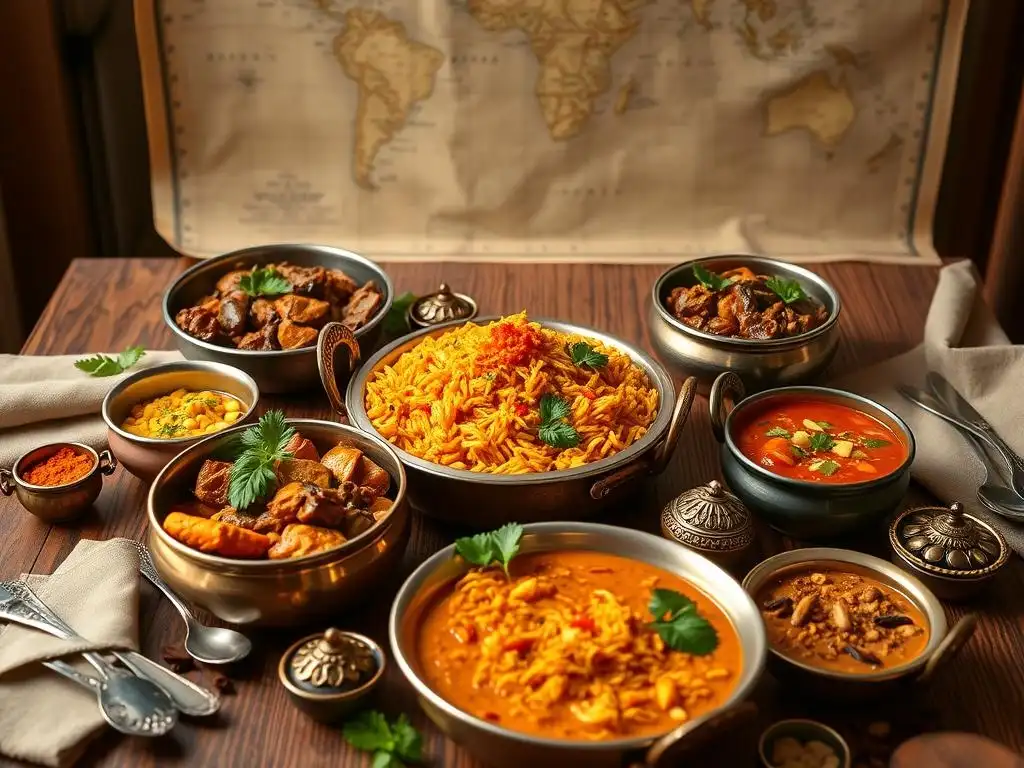
Welcome to Ancient India History, where we embark on a captivating journey through time to uncover the rich tapestry of cultures that shaped ancient Indian civilizations. In this exploration, we delve into the fascinating world of Ancient Indian trade cuisine, revealing how the exchanges along the Silk Route influenced the diverse flavors and cooking techniques that continue to tantalize our taste buds today. Prepare to be intrigued as we unveil the culinary treasures born from centuries of trade and interaction—join us as we savor the past and discover the delicious stories behind the dishes!
- Introduction to Ancient Indian Trade Cuisine
- Key Ingredients in Ancient Indian Trade Cuisine
- Traditional Dishes Influenced by the Silk Route
- Cooking Techniques of Ancient Indian Trade Cuisine
- Step-by-Step Guide to Cooking Traditional Dishes
- Exploring Regional Variations of Ancient Indian Trade Cuisine
- Tools and Products for Cooking Ancient Indian Trade Cuisine
- Conclusion: Embracing the Rich Tapestry of Ancient Indian Trade Cuisine
- Frequently Asked Questions
- Final Reflection: Embracing the Legacy of Ancient Trade Cuisine
- Embark on Your Culinary Journey Today!
Introduction to Ancient Indian Trade Cuisine
The cuisine of ancient India is a rich tapestry woven from the threads of diverse cultures, practices, and historical events. Among the most significant of these influences is the extensive network of trade routes known as the Silk Route. This ancient highway facilitated not only the exchange of goods but also the movement of ideas, cultures, and culinary practices.
As traders from different regions converged, they brought with them unique ingredients and cooking techniques that would profoundly shape the flavors of Indian cuisine. This article delves into the culinary heritage inspired by ancient trade, exploring how the Silk Route influenced traditional Indian dishes. By understanding this fascinating blend of history and gastronomy, we can appreciate the depth and variety of flavors that characterize Ancient Indian trade cuisine.
The Historical Significance of the Silk Route
The Silk Route was not merely a series of commercial pathways; it was a vibrant corridor of cultural exchange that connected the East and West. Established during the Han Dynasty in China around 130 BCE, it expanded over time, linking various civilizations, including those in India, Persia, and the Mediterranean.
- Trade Goods: While silk was the namesake of the route, a plethora of other goods traversed these paths, such as:
- Spices (like black pepper and cardamom)
- Textiles
- Precious metals
- Ceramics
- Cultural Exchange: The interactions among traders led to a melting pot of ideas and practices, including:
- Religion (like Buddhism spreading from India to China)
- Art and architecture
- Culinary practices
The significance of the Silk Route in shaping the socio-economic landscape of ancient India cannot be overstated; it facilitated not only trade but also the enrichment of cultural identities, laying the foundation for a diverse culinary heritage.
Influence of Trade on Indian Culinary Diversity
The movement of people and goods along the Silk Route introduced a myriad of ingredients and cooking techniques to Indian kitchens, leading to a remarkable evolution in culinary practices. The influence of trade on Indian cuisine can be observed in several key aspects:
- Introduction of New Ingredients:
- Exotic spices and herbs from different regions enhanced flavor profiles.
- Ingredients such as saffron from Persia and turmeric from Southeast Asia became staples in Indian cooking.
- Fusion Dishes:
- Traders exchanged recipes and cooking methods, resulting in unique fusion dishes that combined local ingredients with foreign techniques.
- For example, the Persian influence led to the creation of biryanis, which blended fragrant rice with spices and meats.
- Preservation Techniques:
- The need for preserving food during long journeys led to the development of various methods, such as pickling and drying, that are still prevalent in Indian cuisine today.
- Regional Variations:
- As trade facilitated migration, distinct regional cuisines emerged, each showcasing local ingredients and influences.
- From the spicy curries of the South to the rich gravies of the North, the diversity reflects the historical trade connections.
The interaction of trade along the Silk Route profoundly influenced the culinary landscape of ancient India, creating a dynamic and diverse cuisine that continues to thrive today. Understanding these historical connections allows us to appreciate the depth of flavors in traditional Indian dishes and their rich heritage.
Key Ingredients in Ancient Indian Trade Cuisine
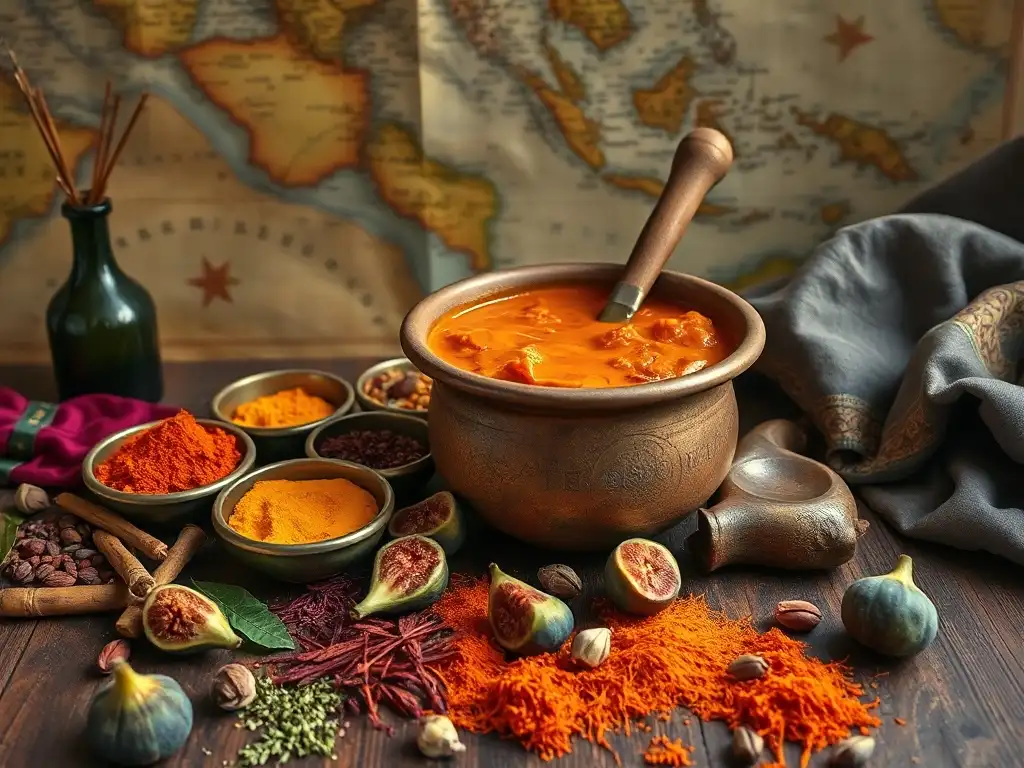
The culinary landscape of ancient India was significantly shaped by trade routes, particularly the Silk Route. This interaction not only facilitated the exchange of goods but also the blending of flavors and cooking techniques. Understanding the key ingredients used in ancient Indian trade cuisine provides insight into the rich tapestry of flavors that characterize traditional dishes.
Spices and Herbs: The Backbone of Indian Flavor
Spices and herbs were fundamental to ancient Indian trade cuisine, serving not only as flavor enhancers but also as preservative agents and medicinal components. The variety of spices exchanged along the Silk Route contributed to the distinctive character of Indian dishes.
- Black Pepper: Often referred to as "black gold," black pepper was one of the most sought-after spices in ancient times. It was traded extensively and used in various dishes, enhancing flavors with its pungent kick.
- Turmeric: Known for its vibrant color and health benefits, turmeric was a staple in cooking. Its anti-inflammatory properties were recognized long before modern science validated them, making it a valued ingredient in both culinary and medicinal practices.
- Cumin: Cumin seeds were commonly used in ancient Indian cooking, imparting a warm, earthy flavor. They were often toasted to enhance their aroma, adding depth to various curries and rice dishes.
- Coriander: Both the seeds and the fresh leaves (cilantro) of coriander were utilized to add freshness and complexity. The seeds provided a citrusy warm flavor, while the leaves were used as a garnish.
- Ginger and Garlic: Often combined, ginger and garlic formed the aromatic base of countless dishes. Their popularity can be traced back to their flavor-enhancing properties and health benefits.
Grains and Legumes: Staples of the Silk Route
Grains and legumes formed the dietary backbone of ancient Indian civilizations, providing essential nutrition and energy. The Silk Route facilitated the exchange of various grains that became integral to Indian cuisine.
- Rice: A staple food in many parts of India, rice was cultivated in various regions and became a significant part of the diet. Different varieties, such as Basmati and Jasmine, were prized for their unique textures and fragrances.
- Wheat: Wheat was essential in northern India, where it was ground into flour to make flatbreads like chapati and naan. The trade routes allowed for the introduction of different wheat varieties, enhancing the culinary diversity.
- Pulses: Legumes such as lentils, chickpeas, and pigeon peas were commonly used in ancient Indian cuisine. They provided a vital source of protein, especially in vegetarian dishes. Dals (lentil soups) remain a beloved staple in Indian kitchens today.
- Barley: Barley was often used as a food grain and in the production of beverages. Its adaptability made it a key crop along the trade routes.
Fruits and Vegetables: Seasonal Bounty from Ancient Times
The rich biodiversity of India, along with the climate, allowed for a wide variety of fruits and vegetables that played a crucial role in ancient Indian trade cuisine. Seasonal produce not only added flavor but also provided essential vitamins and minerals.
- Citrus Fruits: Fruits like lemons and limes were used to provide acidity and brightness to dishes, enhancing flavors and balancing spices. They were also valued for their preservative qualities.
- Eggplants and Gourds: Vegetables such as eggplants (brinjal) and various gourds were staples in cooking. They were often cooked in curries or stuffed, offering a versatile ingredient that absorbed spices well.
- Spinach and Mustard Greens: Leafy greens were commonly used in ancient dishes, providing both flavor and nutrition. They were often cooked down to create rich, flavorful dishes.
- Tropical Fruits: Mangoes, bananas, and coconuts were integral to both savory and sweet dishes. Mango, known as the "king of fruits," is celebrated in various preparations, from pickles to desserts.
The ingredients of ancient Indian trade cuisine reflect a history of cultural exchange and adaptation, creating a culinary heritage that continues to influence modern Indian cooking. By exploring these key components, we can appreciate the intricate flavors and historical significance of dishes that have withstood the test of time.
Traditional Dishes Influenced by the Silk Route
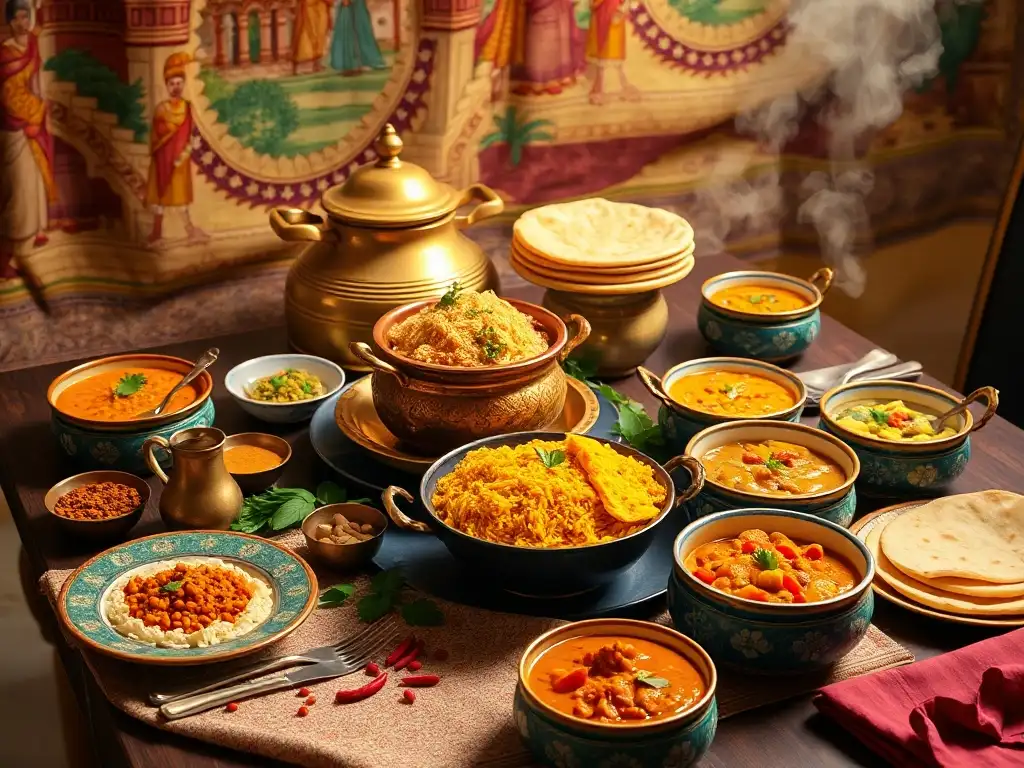
Biryani: A Fusion of Flavors from Persia to India
Biryani represents one of the most iconic dishes within Ancient Indian trade cuisine, showcasing a rich tapestry of flavors influenced by the Persian culinary tradition. This dish is believed to have been introduced to India by Persian travelers and merchants, who brought with them not only their spices but also their cooking techniques. The word "Biryani" itself is derived from the Persian word "Birian," which means "fried before cooking."
The evolution of Biryani can be traced back to various regions of India, each contributing unique ingredients and methods. For instance:
- Hyderabadi Biryani: Infused with saffron and slow-cooked with marinated meat, this version highlights the use of aromatic spices, often including cardamom, cloves, and bay leaves.
- Lucknowi (Awadhi) Biryani: Known for its delicate flavors, it is characterized by the "dum" cooking method, where the meat and rice are layered and cooked together in a sealed pot, allowing the flavors to meld beautifully.
The trade routes further facilitated the exchange of spices such as cumin, coriander, and nutmeg, which are essential to Biryani's complex flavor profile. Additionally, the introduction of dried fruits like raisins and almonds, often used as garnishes, reflects the influence of Middle Eastern cuisine.
Naan and Roti: The Bread of Ancient Trade
The breads of ancient India, particularly naan and roti, also bear the mark of the Silk Route's extensive trade network. These flatbreads have ancient origins and were staples in the diets of various civilizations, transforming with each cultural exchange.
- Naan: This leavened bread, typically made with refined flour, is often cooked in a tandoor (clay oven), a method that became popular due to the influence of Central Asian nomadic tribes. Naan is often enriched with yogurt or milk, resulting in a softer texture. Variations such as Garlic Naan and Cheese Naan reflect the incorporation of local ingredients and tastes, further highlighting the fusion of culinary traditions.
- Roti: In contrast, roti is an unleavened bread made from whole wheat flour. It represents the simplicity and nutritional value that ancient traders emphasized in their diets. The preparation of roti has remained largely unchanged, symbolizing the continuity of tradition amidst the evolving culinary landscape.
These breads not only served as essential accompaniments to various dishes but also acted as vehicles for the diverse flavors introduced through trade. The combination of spices and ingredients from different cultures has led to the creation of myriad dishes served alongside naan and roti.
Spice Blends: Garam Masala and its Historical Roots
No discussion of Ancient Indian trade cuisine would be complete without acknowledging the significance of spice blends, particularly garam masala. This aromatic blend is a cornerstone of Indian cooking, originating from the need to preserve food and enhance flavor, a practice that dates back to ancient times.
Garam masala typically includes a variety of spices, such as:
- Cumin
- Coriander
- Cloves
- Cardamom
- Black pepper
Each region in India has its own unique version of garam masala, influenced by local availability and trade. The incorporation of spices like cinnamon and nutmeg reflects the historical spice trade routes connecting India with Southeast Asia and the Middle East.
The preparation of garam masala often involves roasting the spices to develop their full flavor potential before grinding them into a fine powder. This method not only enhances the aroma but also signifies the sophistication of ancient Indian culinary practices. The use of garam masala can be seen in many traditional dishes, elevating the overall flavor and showcasing the intricate relationship between trade and cuisine in ancient India.
The Silk Route was not just a trade network for goods but a vibrant exchange of culinary traditions, making a profound impact on Ancient Indian trade cuisine that continues to be celebrated today.
Cooking Techniques of Ancient Indian Trade Cuisine
Ancient Indian trade cuisine is a fascinating blend of flavors and techniques that have evolved over centuries, influenced by various cultures along the Silk Route. The culinary practices of ancient India were not only about cooking but also about preserving and enhancing flavors, which is why specific techniques became prominent. This section delves into the traditional cooking methods that define ancient Indian trade cuisine, showcasing their significance and impact on modern cooking practices.
Slow Cooking: Preserving Flavors through Time
Slow cooking is one of the hallmark techniques of ancient Indian trade cuisine, allowing flavors to meld and deepen over time. This cooking method involves simmering food at a low temperature for an extended period, which helps in developing rich, complex flavors.
- Historical Context:
- The use of slow cooking can be traced back to the early settlements in the Indus Valley, where earthen pots were used over open flames.
- These pots allowed for even heat distribution, making it ideal for slow-cooked dishes like stews and curries.
- Benefits of Slow Cooking:
- Flavor Infusion: Ingredients such as spices, herbs, and meats release their essential oils and flavors gradually, resulting in a more aromatic dish.
- Texture Improvement: Tough cuts of meat become tender, while vegetables retain their shape and vibrant colors.
- Nutrient Preservation: Cooking at lower temperatures helps in retaining vitamins and minerals that might be lost during high-heat cooking.
- Examples of Slow-Cooked Dishes:
- Dum Pukht: A style of cooking where marinated meats and vegetables are sealed in a pot and cooked over low heat, allowing the ingredients to steam in their own juices.
- Biryani: A layered rice dish that combines marinated meat and partially cooked rice, finished together in a sealed pot to enhance flavors.
Tandoor Cooking: The Ancient Oven's Role in Cuisine
The tandoor, a cylindrical clay oven, has played a crucial role in shaping ancient Indian trade cuisine. This method not only reflects cultural influences but also contributes unique flavors and textures to dishes.
- Historical Significance:
- Originating in the Indian subcontinent, the tandoor was used as early as 3000 BCE, with evidence found in the Indus Valley Civilization.
- The tandoor was an essential tool for cooking various dishes that were integral to trade routes.
- Cooking Method:
- High Heat: The tandoor reaches temperatures of up to 900°F (482°C), allowing for quick cooking that seals in moisture.
- Versatility: It can be used for baking bread (like naan and roti), roasting meats, and even cooking vegetables.
- Culinary Impact:
- Flavor Development: The intense heat creates a unique char and smoky flavor that is characteristic of tandoor-cooked dishes.
- Health Benefits: Cooking in a tandoor requires minimal oil, making it a healthier option compared to frying.
- Notable Tandoor Dishes:
- Tandoori Chicken: Marinated in yogurt and spices, this dish is cooked to perfection in the tandoor, resulting in a tender and flavorful meal.
- Paneer Tikka: Cubes of marinated paneer grilled in the tandoor, often served with mint chutney.
Fermentation and Preservation: Techniques from Ancient Practices
Fermentation and preservation were vital techniques in ancient Indian trade cuisine, allowing communities to enhance flavors and extend the shelf life of ingredients. This practice is reflected in various traditional dishes that are still enjoyed today.
- Understanding Fermentation:
- Fermentation involves the conversion of sugars into acids, gases, or alcohol using microorganisms. This process not only preserves food but also enhances its nutritional profile.
- Ancient Indians utilized fermentation for various foods, including dairy products and grains.
- Preservation Techniques:
- Pickling: A common method to preserve vegetables and fruits using salt, vinegar, or spices, resulting in tangy accompaniments to meals.
- Dried Foods: Sun-drying fruits, vegetables, and meats was a prevalent technique that ensured food supply during trade expeditions.
- Examples of Fermented Dishes:
- Dhokla: A savory cake made from fermented rice and chickpea batter, steamed to create a light and fluffy texture.
- Lassi: A traditional yogurt-based drink that is both refreshing and nutritious, showcasing the benefits of fermentation.
By incorporating these ancient techniques into modern cooking, one can not only appreciate the historical significance of ancient Indian trade cuisine but also experience the rich flavors that have transcended time.
Step-by-Step Guide to Cooking Traditional Dishes
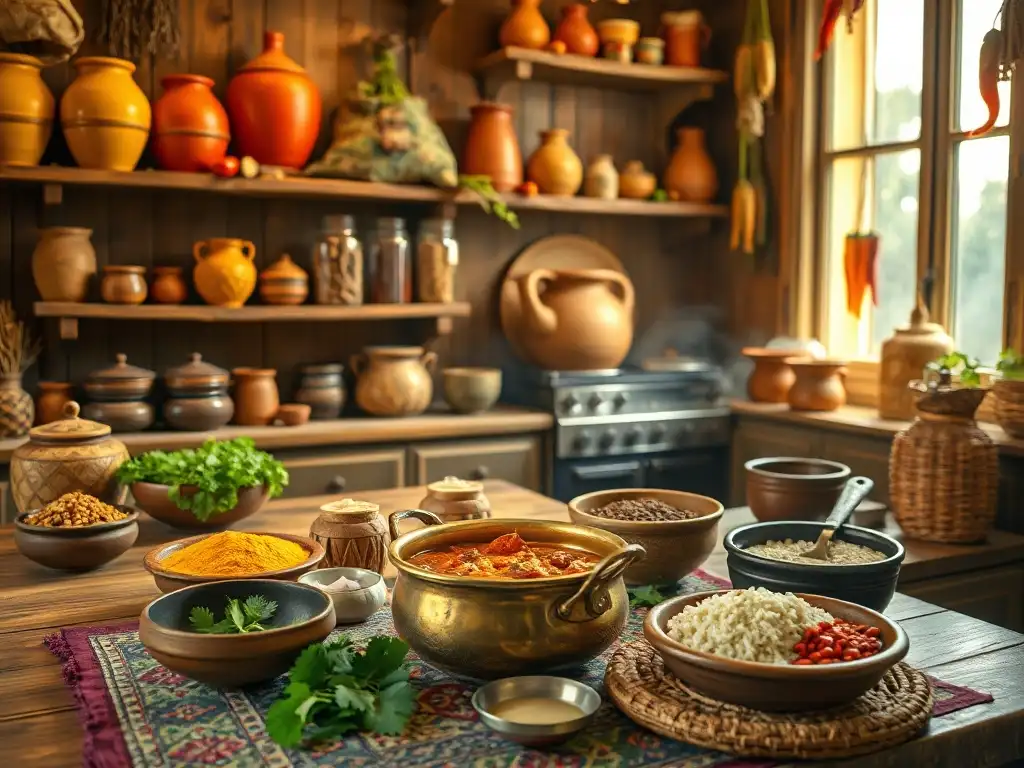
How to Prepare Authentic Biryani Inspired by the Silk Route
Biryani, a culinary marvel that has transcended borders, finds its heritage steeped in the interactions along the Silk Route. This aromatic dish showcases the fusion of spices, grains, and cooking techniques influenced by the rich tapestry of cultures that thrived along this ancient trade route. Here’s how to craft an authentic biryani that pays homage to its Silk Route origins.
Ingredients Needed for Silk Route Biryani
To create an authentic Silk Route Biryani, gather the following ingredients:
- Basmati Rice: 2 cups
- Meat (Chicken, Lamb, or Goat): 500 grams, cut into pieces
- Onions: 2 large, thinly sliced
- Tomatoes: 2 medium, chopped
- Yogurt: 1 cup
- Ginger-Garlic Paste: 2 tablespoons
- Biryani Masala: 2 tablespoons (store-bought or homemade)
- Fresh Coriander and Mint Leaves: 1/2 cup each, chopped
- Green Chilies: 2-3, slit
- Whole Spices:
- Cardamom pods (4)
- Cloves (4)
- Cinnamon stick (1-inch piece)
- Bay leaves (2)
- Cooking Oil or Ghee: 4 tablespoons
- Salt: To taste
- Saffron strands: A pinch (optional, for added flavor and color)
Cooking Instructions and Tips for Perfect Biryani
- Preparation of Rice:
- Rinse the basmati rice under cold water until the water runs clear. Soak for 30 minutes, then drain.
- Boil water in a large pot, adding salt and whole spices. Once boiling, add the soaked rice and cook until it is 70% done. Drain and set aside.
- Cooking the Meat:
- In a heavy-bottomed pot, heat oil or ghee. Add sliced onions and sauté until golden brown.
- Stir in ginger-garlic paste and green chilies, cooking for another minute.
- Add chopped tomatoes and cook until soft. Incorporate meat and cook for about 5 minutes until the meat is browned.
- Mix in yogurt and biryani masala. Cook until the meat is tender and the oil separates from the mixture. Adjust salt to taste.
- Layering the Biryani:
- In the pot with the meat, layer half of the cooked rice. Sprinkle half of the chopped coriander and mint leaves over it.
- Add the remaining meat mixture, followed by the remaining rice. Top with the rest of the herbs and saffron (if using).
- Dum Cooking:
- Cover the pot tightly with a lid. For an authentic touch, seal the edges with dough to trap steam.
- Cook on low heat for 25-30 minutes, allowing the flavors to meld.
- Serving:
- Gently fluff the biryani with a fork before serving. Pair with raita (yogurt sauce) or salad for a complete meal.
Crafting Naan from Scratch: A Culinary Journey
Naan, a staple of Indian cuisine, has been enhanced by the cultural exchanges along the Silk Route. This soft and fluffy bread perfectly complements a variety of dishes, especially biryani. Here’s a detailed guide to making naan from scratch.
Essential Ingredients for Naan
To prepare traditional naan, ensure you have the following ingredients:
- All-Purpose Flour (Maida): 3 cups
- Active Dry Yeast: 1 teaspoon
- Sugar: 1 tablespoon
- Salt: 1 teaspoon
- Warm Water: 1 cup (110°F or 45°C)
- Yogurt: 1/2 cup
- Oil or Ghee: 2 tablespoons
- Optional Toppings:
- Sesame seeds
- Chopped garlic
- Fresh herbs (like coriander)
Step-by-Step Naan Recipe with Cooking Tips
- Activating Yeast:
- In a bowl, combine warm water, sugar, and yeast. Let it sit for about 10 minutes until frothy.
- Making the Dough:
- In a large mixing bowl, combine all-purpose flour and salt. Make a well in the center and add the yeast mixture, yogurt, and oil.
- Mix until a soft dough forms. Knead on a floured surface for about 10 minutes until smooth.
- First Proofing:
- Place the dough in a greased bowl, cover with a damp cloth, and let it rise in a warm place for 1-2 hours, or until doubled in size.
- Shaping the Naan:
- Punch down the risen dough and divide it into equal portions. Roll each portion into a ball, then flatten with your hands or a rolling pin into an oval or round shape.
- Cooking the Naan:
- Preheat a tandoor oven or a cast-iron skillet over medium-high heat.
- Place the rolled naan on the hot surface. Cook for 1-2 minutes until bubbles form on the surface. Flip and cook the other side until brown spots appear.
- Finishing Touches:
- Brush the cooked naan with melted ghee and sprinkle with your choice of toppings.
- Serving:
- Serve warm, alongside your favorite curries or biryani.
With these detailed recipes, you can embark on a culinary journey that celebrates the rich heritage of ancient Indian trade cuisine, reflecting the flavors and traditions that have shaped it over centuries. Enjoy your cooking adventure!
Exploring Regional Variations of Ancient Indian Trade Cuisine
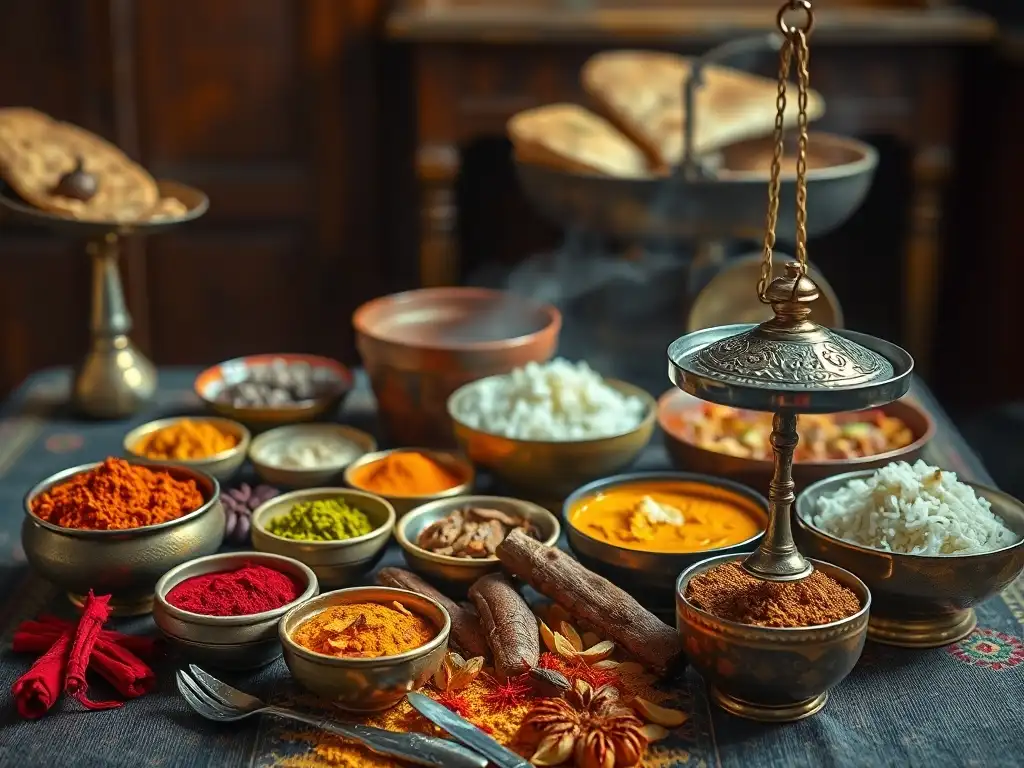
The tapestry of Ancient Indian trade cuisine is woven from the threads of cultural exchanges, regional ingredients, and cooking techniques that emerged through centuries of trade along the Silk Route and beyond. Each region of India contributed its unique flavors and culinary practices, influenced by the merchants, travelers, and the goods that passed through their lands. This section delves into the rich diversity of dishes that emerged from these ancient trade routes, highlighting how they reflect the fusion of cultures and the impact of trade on Indian cuisine.
North Indian Delicacies: The Influence of Persian Trade
North India, particularly the regions of Punjab and Delhi, experienced significant culinary transformations due to Persian influences from the Mughal Empire. The fusion of Persian and Indian flavors gave rise to a variety of dishes that are now considered staples in North Indian cuisine.
- Biryani: This iconic dish, known for its aromatic spices and tender meat, has roots in Persian cooking. The layering of marinated meat with basmati rice, along with saffron and dried fruits, showcases the Persian influence.
- Kebabs: Various types of kebabs, such as seekh and shammi, were introduced by Persian cooks. These grilled meat preparations highlight the use of spices such as cumin, coriander, and garam masala, which were further refined by Indian culinary traditions.
- Naan and Roti: The introduction of tandoor cooking from Persian kitchens transformed Indian bread-making. Naan, a leavened flatbread, became popular, often served with rich gravies like butter chicken or dal makhani.
- Korma: A creamy meat curry enriched with yogurt and spices, korma reflects the Persian love for rich flavors and was adapted to Indian tastes with local spices and ingredients.
The interplay of Persian and Indian culinary styles in North India resulted in a vibrant food culture that remains influential today.
South Indian Flavors: Coastal Trade and its Impact
The coastal regions of South India, particularly Kerala and Tamil Nadu, thrived on maritime trade routes that connected them to Arab traders, Europeans, and other Asian cultures. This exchange led to the incorporation of various spices, cooking techniques, and ingredients.
- Seafood Dishes: With abundant access to the sea, South Indian cuisine features a variety of seafood dishes, such as fish curry and prawn masala. The use of coconut milk and spices like turmeric and curry leaves reflects the region's tropical bounty.
- Sambar: This lentil-based vegetable stew is flavored with tamarind and a unique blend of spices. The dish represents a confluence of local agricultural products and the influence of trade spices.
- Idli and Dosa: These fermented rice and lentil dishes, served with chutneys and sambar, display the ancient methods of preservation and fermentation that were enhanced through trade.
- Spice Blends: South Indian cuisine is renowned for its use of spices such as black pepper, cardamom, and cinnamon, which were once traded commodities. The integration of these spices into everyday cooking showcases the importance of trade in shaping regional flavors.
The culinary landscape of South India is a testament to the lasting impact of coastal trade and the region's ability to adapt and innovate.
East and West: Unique Dishes from Trade Exchanges
The eastern and western regions of India also developed unique culinary traditions as a result of trade, each contributing distinctive flavors and techniques to the overall mosaic of ancient Indian cuisine.
Eastern Influences
- Bengali Fish Curry: The use of mustard oil and spices like panch phoron (a five-spice mix) in Bengali cuisine showcases the region's fishing culture and its connections to trade routes with Southeast Asia.
- Macher Jhol: A traditional fish curry that reflects the use of local ingredients, including various types of fish and vegetables, influenced by trade with neighboring regions.
- Sweets: The influence of trade is evident in the variety of sweets like rasgulla and sandesh, which often incorporate dairy products and sugar, both of which were traded items.
Western Influences
- Gujarathi Dhokla: This steamed snack made from fermented chickpea flour highlights the region's agricultural products and reflects influences from trade with Persian and Arab merchants.
- Rajasthani Dal Baati Churma: A dish that combines lentils with wheat rolls and sweetened crushed bread, showcasing the resourcefulness of Rajasthani cuisine in utilizing available ingredients.
- Spice Routes: The western region, especially Gujarat and Maharashtra, was pivotal in spice trade, leading to unique blends like garam masala that are integral to their culinary identity.
The diverse culinary traditions of Eastern and Western India illustrate the profound impact of ancient trade exchanges, creating a rich legacy that continues to thrive in contemporary Indian cuisine.
The exploration of ancient Indian trade cuisine reveals how the flavors and dishes we cherish today are deeply rooted in historical interactions and exchanges. By appreciating these regional variations, we can better understand the complexities of India's culinary heritage and the influences that shaped it over centuries.
Tools and Products for Cooking Ancient Indian Trade Cuisine
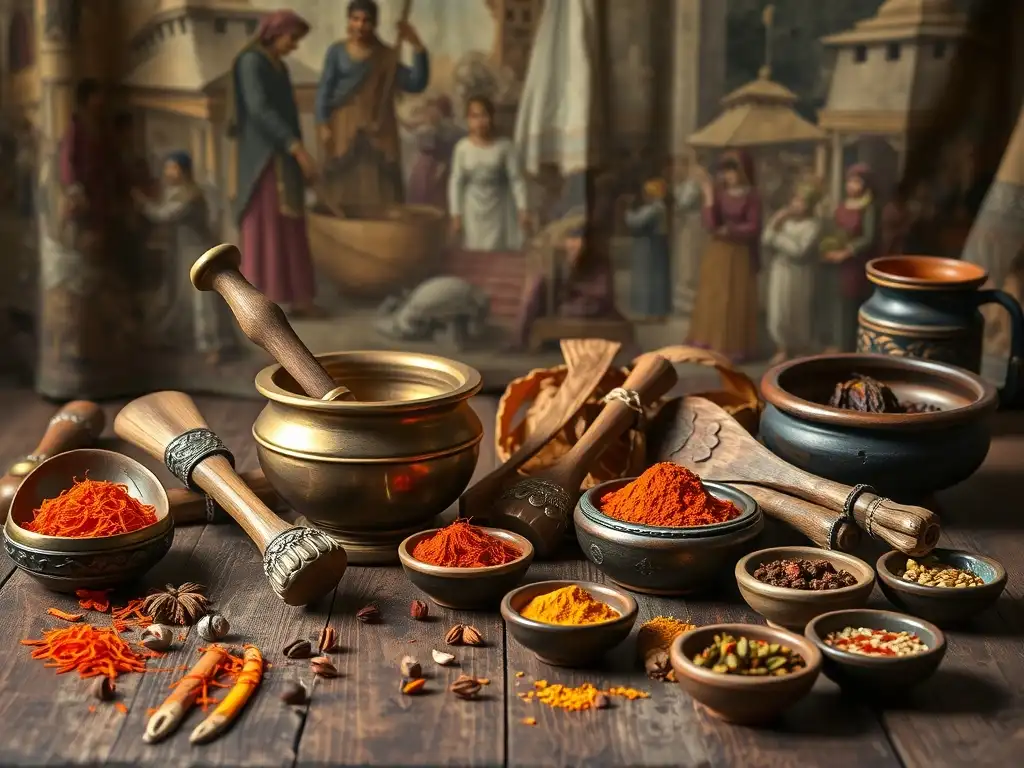
Recommended Cookware for Authentic Indian Cooking
When embarking on the journey of cooking ancient Indian trade cuisine, the right cookware is essential for achieving authentic flavors and textures. Below are some key items that are commonly used in traditional Indian cooking:
- Kadhai (Wok): This deep, round-bottomed vessel is perfect for frying, sautéing, and making curries. The heavy bottom ensures even heat distribution, which is crucial for dishes that require precise temperature control.
- Tawa (Griddle): Ideal for making flatbreads like roti and paratha, a tawa is a flat, round iron or non-stick pan that provides an even cooking surface.
- Pressure Cooker: A staple in Indian kitchens, the pressure cooker dramatically reduces cooking time for lentils, beans, and stews, making it an essential tool for preparing hearty meals quickly.
- Clay Pots: Traditionally used in many Indian households, clay pots are excellent for slow cooking. They impart a unique flavor to dishes, reminiscent of ancient cooking methods.
Best Tandoor Ovens for Home Use
Tandoor ovens are iconic in Indian cooking, especially for dishes influenced by trade routes. Here are some of the best options available for home use:
- Traditional Clay Tandoor: If you are looking for authenticity, a traditional clay tandoor is the best choice. It requires proper maintenance but offers an unmatched flavor profile for naan and kebabs.
- Electric Tandoor: For convenience, an electric tandoor allows you to enjoy the flavors of tandoori cooking without the hassle of charcoal. Many models come with temperature controls and timers for perfect cooking.
- Portable Tandoor Grills: These are compact and easy to transport, making them ideal for outdoor cooking. They often use charcoal or wood for that authentic smoky flavor.
Essential Spice Grinders for Fresh Flavors
Freshly ground spices are pivotal in ancient Indian trade cuisine. Here are some essential spice grinders to consider:
- Manual Stone Grinder (Sil Batta): This traditional tool is perfect for grinding small quantities of spices and herbs, allowing for maximum flavor release.
- Electric Spice Grinder: A versatile tool that can handle a variety of spices, this option ensures consistency and convenience, especially for larger batches.
- Mortar and Pestle: Ideal for breaking down spices, herbs, and even making pastes, this classic kitchen tool enhances the aroma and flavor of your ingredients.
Where to Find Authentic Ingredients for Ancient Recipes
Finding the right ingredients is crucial for cooking ancient Indian trade cuisine. Here are some tips on where to source these authentic ingredients:
Online Stores for Indian Spices and Grains
Several online retailers specialize in Indian spices and grains. Here are a few suggestions:
- Indian Grocery Websites: Look for dedicated online Indian grocery stores that offer a wide range of spices, lentils, and specialty grains. Examples include:
- Spices of India
- Indian Food Mart
- Amazon: A convenient option where you can find both well-known brands and specialty products, including hard-to-find spices and grains.
- Local Ethnic Grocery Stores: Many neighborhoods have ethnic grocery stores that stock a variety of authentic Indian ingredients. These stores often have fresher spices and grains compared to larger supermarkets.
Local Markets: Sourcing Fresh Produce
Visiting local markets can provide access to the freshest ingredients for your ancient Indian dishes. Here’s how to make the most of your visits:
- Farmers’ Markets: Often, farmers’ markets feature local vendors selling fresh produce, including many vegetables and herbs used in Indian cooking.
- Asian Markets: These markets typically have a wide selection of Indian ingredients, including fresh produce, spices, and specialty items like curry leaves and tamarind.
- Community Supported Agriculture (CSA): Joining a CSA can also be a great way to access fresh, seasonal produce that you can use in traditional recipes.
By utilizing the right tools and sourcing authentic ingredients, you can truly immerse yourself in the rich tapestry of ancient Indian trade cuisine, bringing the flavors of the Silk Route into your kitchen.
Conclusion: Embracing the Rich Tapestry of Ancient Indian Trade Cuisine
The culinary landscape of ancient India is a vibrant tapestry woven from the threads of diverse cultures, spices, and traditions brought together by trade routes like the Silk Route. This historical exchange not only influenced the ingredients and cooking methods of the time but also laid the foundation for what we now celebrate as ancient Indian trade cuisine. By embracing this rich culinary heritage, modern cooks can discover a world of flavors that have evolved over centuries, creating dishes that resonate with history while delighting the palate.
The Importance of Culinary Heritage in Modern Cooking
Culinary heritage is more than just recipes; it encapsulates the stories, traditions, and techniques passed down through generations. Understanding ancient Indian trade cuisine allows us to appreciate the cultural significance of each ingredient and dish. Here are a few key aspects:
- Cultural Exchange: The Silk Route facilitated the exchange of not just goods but also culinary practices. For example, the introduction of spices like saffron and cardamom transformed Indian cooking, enriching it with unparalleled flavors.
- Sustainability: Many ancient cooking methods emphasized the use of local and seasonal ingredients, promoting a sustainable approach to cooking that resonates with today's environmental concerns.
- Identity and Community: Traditional dishes often carry deep cultural significance and are central to community gatherings and celebrations, reinforcing bonds among families and friends.
By incorporating these values into modern cooking, chefs and home cooks alike can create dishes that honor their heritage while adapting to contemporary tastes.
Encouraging Exploration of Ancient Flavors in Today's Kitchen
Incorporating the flavors of ancient Indian trade cuisine into modern cooking is an exciting journey that invites culinary exploration. Here are some practical tips to encourage this exploration:
- Experiment with Spices: Begin by introducing spices that were staples in ancient Indian cooking. Consider using:
- Turmeric: Known for its earthy flavor and health benefits.
- Cumin: Adds a warm, nutty flavor to dishes.
- Fenugreek: Offers a slightly bitter and sweet taste.
- Revive Traditional Recipes: Seek out ancient recipes or adapt traditional ones. Dishes like biryani or dal can be enhanced with spices and methods that reflect their historical roots.
- Visit Local Markets: Explore local markets for fresh, seasonal ingredients. Engaging with vendors can provide insights into traditional farming and cooking practices that have persisted through time.
- Culinary Workshops: Participate in workshops or cooking classes focused on ancient Indian cuisine. These experiences can deepen your understanding and appreciation of the techniques and flavors that shaped this culinary heritage.
- Share and Celebrate: Cook and share these dishes with friends and family. Celebrating ancient flavors can foster a greater appreciation for the cultural significance behind each meal.
By embracing the rich tapestry of ancient Indian trade cuisine, modern cooks can not only enrich their culinary repertoire but also connect with a history that continues to inspire and delight. The flavors of the past are not merely relics but are alive in today's kitchens, waiting to be explored and celebrated.
Frequently Asked Questions
What is the significance of Ancient Indian trade cuisine?
Ancient Indian trade cuisine refers to the culinary practices that evolved due to trade interactions, particularly along the Silk Route, which facilitated the exchange of spices, ingredients, and cooking techniques.
How did the Silk Route influence Indian cooking?
The Silk Route served as a major trade route that introduced new flavors and ingredients to Indian cuisine, leading to the incorporation of foreign spices and cooking methods that enriched local dishes.
What are some key ingredients introduced through trade?
Spices such as pepper, cinnamon, and cumin were brought to India through trade, enhancing the depth of flavor in traditional dishes and contributing to the diversity of Indian culinary practices.
Can you name a dish that reflects the influence of ancient trade?
One notable dish is Biryani, which showcases the fusion of Persian and Indian flavors, illustrating the cultural exchange that occurred due to trade routes connecting India with other regions.
How did trade impact the cultural exchange in ancient India?
Trade fostered a cross-cultural dialogue, allowing for the exchange of not just goods, but also ideas and culinary traditions, shaping the diverse tapestry of Indian culture that we see today.
Final Reflection: Embracing the Legacy of Ancient Trade Cuisine
The flavors of the Silk Route continue to resonate in our modern kitchens, reminding us that food is not just sustenance but a bridge connecting cultures. As we explore the intricate tapestry of ancient Indian trade cuisine, we uncover the profound impact that historical exchanges have had on our culinary practices today. The spices, techniques, and dishes that traveled along these routes are not mere relics of the past; they are vibrant elements of our contemporary food culture that invite us to savor the stories they carry.
The influence of ancient trade on our culinary landscape is undeniable and ever-present. From the fragrant curries of India to the aromatic dishes of Central Asia, the Silk Route has shaped our palates and enriched our culinary heritage. This ongoing exchange of flavors and traditions fosters a sense of unity and appreciation for diversity in our global society. As the renowned chef and author Anthony Bourdain once said, Food is everything we are. It’s an extension of nationalist feeling, ethnic feeling, your personal history, your province, your region, your tribe, your grandma. It’s inseparable from those things.
This sentiment underscores the importance of understanding and celebrating the origins of the food we cherish.
As we reflect on the lessons of ancient Indian trade cuisine, let us be inspired to explore and embrace the diverse flavors that surround us. Take a moment to consider how the dishes you prepare and share can serve as a connection to the rich tapestry of history and culture.
By incorporating elements of this culinary heritage into our daily lives, we not only honor the past but also contribute to a future where food continues to unite and inspire. So, gather your spices, experiment with new recipes, and let the flavors of the Silk Route guide you on a delicious journey of discovery and connection.
Embark on Your Culinary Journey Today!
Thank you for exploring the rich tapestry of flavors inspired by the Silk Route! By diving into these ancient culinary traditions, you've unlocked a treasure trove of vibrant recipes and fascinating stories. Now, it's time to take that knowledge off the page and into your kitchen!
Here are some exciting ways to bring the Silk Route’s heritage to life:
- Create a Signature Dish: Select a recipe from the Silk Route traditions and cook it at home. Surprise your friends and family with a feast that tells a story!
- Join a Cooking Class: Look for a local or online class that focuses on Silk Route cuisine to deepen your culinary skills and connect with fellow food enthusiasts.
- Share Your Experience: Document your cooking adventure on social media to inspire others to engage with these ancient flavors.
What culinary traditions from the Silk Route are you most excited to explore and recreate in your home?