
The Influence of Ancient India on Modern Indian Cuisine: A Culinary Journey

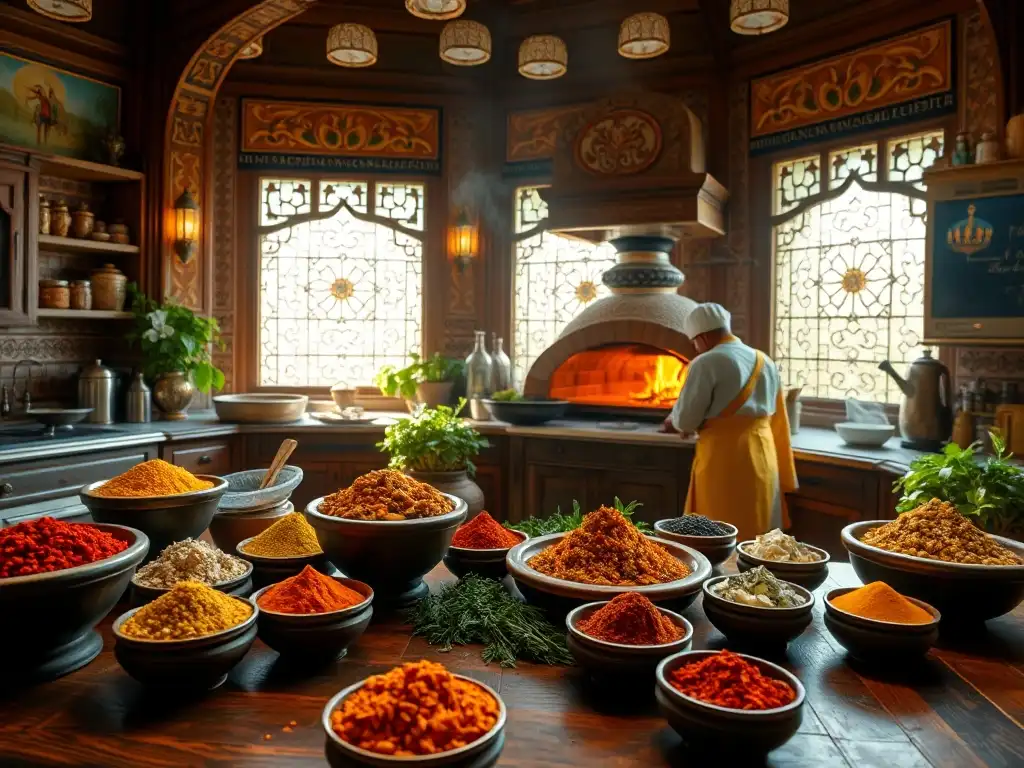
Welcome to Ancient India History, where we embark on a fascinating journey through time to uncover the rich tapestry of India's past. In this exploration, we delve into the influence of ancient Indian cuisine, revealing how the flavors and traditions of yesteryear continue to shape modern culinary experiences. Are you ready to discover the secrets behind the spices that have transcended centuries? Join us as we unravel the delectable connections between ancient practices and contemporary dishes, igniting your curiosity and whetting your appetite for more!
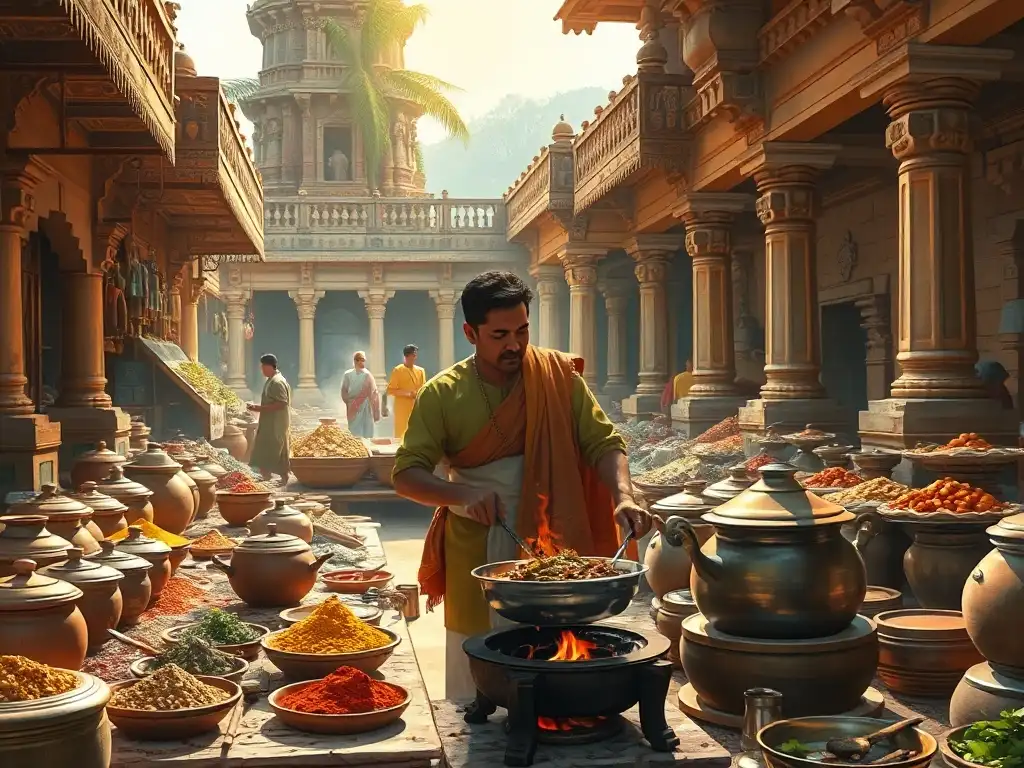
Introduction to Ancient Indian Cuisine Influence
The culinary landscape of modern India is a vibrant tapestry woven from centuries of cultural exchanges, regional diversity, and historical influences. Ancient Indian cuisine influence plays a pivotal role in shaping the flavors, ingredients, and cooking techniques that define contemporary Indian cooking. This article embarks on a culinary journey, exploring how the rich traditions established in ancient times continue to resonate in today’s kitchens. By delving into the historical roots of Indian cuisine, we can better appreciate the enduring legacy of ancient civilizations and their contributions to the diverse culinary practices we see across India today.
The Historical Background of Ancient Indian Cuisine
Understanding the roots of ancient Indian cuisine requires a look into the various civilizations that thrived on the Indian subcontinent. From the sophisticated urban planning of the Indus Valley Civilization to the philosophical and ritualistic influences of the Vedic period, each era has left an indelible mark on the culinary practices that are prevalent today.
The Indus Valley Civilization and Its Culinary Practices
The Indus Valley Civilization, one of the world’s earliest urban cultures, flourished around 2500 BCE in what is now Pakistan and northwest India. Archaeological excavations reveal that this civilization had advanced agricultural practices, cultivating a variety of grains such as wheat, barley, and rice.
- Key Features of Indus Valley Cuisine:
- Grains: Wheat and barley were staples, with evidence of bread-making techniques.
- Legumes: Pulses like lentils and chickpeas were common, indicating a balanced diet.
- Cooking Techniques: Use of clay ovens and cooking pots suggests a sophisticated approach to food preparation.
These foundational practices not only provided sustenance but also laid the groundwork for future culinary developments in India.
The Vedic Period: Spices and Rituals
The Vedic period (1500-500 BCE) marked a significant evolution in Indian cuisine, particularly with the introduction of spices and the integration of food into religious rituals. The Vedas, ancient sacred texts, contain references to various food items and their significance in rituals.
- Influential Aspects of Vedic Cuisine:
- Spices: The use of spices like turmeric, cumin, and coriander began to emerge, enhancing flavors and nutritional value.
- Rituals: Food was often offered to deities in elaborate rituals, reflecting the spiritual connection to culinary practices.
- Dietary Codes: The concept of 'Sattvic' (pure) food emerged, promoting vegetarianism and the consumption of wholesome ingredients.
The incorporation of these elements not only enriched flavors but also established a cultural context for cooking that reverberates in modern practices.
The Gupta Empire: A Golden Age for Indian Food
The Gupta Empire (approximately 320-550 CE) is often referred to as a golden age of Indian culture, including significant advancements in science, art, and cuisine. This period saw the flourishing of trade routes, which facilitated the exchange of ingredients and culinary techniques.
- Culinary Highlights of the Gupta Empire:
- Diverse Ingredients: The introduction of new fruits, vegetables, and nuts expanded the Indian palate.
- Regional Variations: Increased regional diversity in cooking styles began to take shape, influenced by geography and local customs.
- Cookbooks and Food Literature: The compilation of texts on cooking and culinary practices began, documenting recipes and techniques for posterity.
The Gupta Empire's contributions to cuisine not only enriched the culinary heritage of India but also influenced the development of regional cuisines that exist today.
As we explore these historical contexts, we can see how ancient Indian cuisine influences modern practices, leading to a unique and flavorful culinary landscape that continues to evolve while honoring its rich heritage.
Key Ingredients Influenced by Ancient Indian Practices
Ancient Indian cuisine has left an indelible mark on the ingredients we commonly use today. Many of these ingredients not only add flavor but also reflect the agricultural practices and cultural exchanges of ancient times. The influence of ancient practices can be seen in two significant categories: spices and grains/pulses.
Spices: The Heart of Indian Cuisine
Spices are arguably the soul of Indian cuisine, and their use can be traced back thousands of years. Ancient texts like the Charaka Samhita and Sushruta Samhita document the medicinal and culinary value of various spices. Common spices such as turmeric, cumin, coriander, and black pepper were not just for flavor; they served health benefits and preservation properties.
- Turmeric: Known for its anti-inflammatory and antioxidant properties, turmeric was a staple in ancient Indian kitchens. It is used in curries, rice dishes, and even beverages like golden milk (haldi doodh).
- Cumin: This spice was used in ancient cooking for its digestive benefits. It continues to be a key ingredient in various masalas and is often added to lentil dishes.
- Black Pepper: Often referred to as "black gold," black pepper was a highly prized spice in ancient trade routes, making it a significant ingredient in both culinary and economic contexts.
These spices not only enhance the flavors of dishes but also carry forward the wisdom of ancient practices into modern cooking.
Grains and Pulses: Foundation of Ancient Indian Diets
Grains and pulses formed the cornerstone of the ancient Indian diet, providing essential nutrients and energy. The cultivation of rice, wheat, barley, and lentils marked a significant development in agricultural practices, shaping the food landscape of India.
- Rice: Particularly in the southern and eastern regions, rice has been a staple for centuries, with varieties like Basmati becoming renowned globally for their aroma and taste.
- Wheat: Predominantly used in the northern regions, wheat is foundational to making various types of bread, such as roti and naan.
- Pulses: Lentils (dal) and beans are integral to vegetarian diets in India, providing protein and fiber. The use of pulses dates back to the Harappan civilization, emphasizing their longstanding significance.
These grains and pulses not only sustain the modern Indian diet but also reflect the agricultural innovations of ancient civilizations.
Cooking Techniques Passed Down Through Generations
The techniques used in Indian cooking today are deeply rooted in ancient traditions. Many methods have been refined over generations, preserving the essence of ancient culinary arts.
Traditional Cooking Methods from Ancient India
Ancient Indian cooking methods were characterized by simplicity and an emphasis on natural flavors. Techniques such as roasting, steaming, and slow-cooking were prevalent.
- Tandoor Cooking: This ancient method involves cooking in a clay oven (tandoor), which imparts a unique flavor to bread and meats. It remains popular for preparing various dishes like naan, kebabs, and tandoori chicken.
- Dum Cooking: The art of slow-cooking food sealed in an earthen pot, known as dum, was used to enhance flavors and retain moisture. This method is still widely used for biryanis and curries.
- Steaming: Steaming was a common technique for cooking rice and vegetables, promoting health by preserving nutrients.
These methods reflect a philosophy of cooking that emphasizes flavor, health, and sustainability.
Modern Adaptations of Ancient Techniques
While many ancient cooking techniques remain relevant today, modern adaptations have emerged, blending tradition with contemporary practices.
- Pressure Cooking: The introduction of pressure cookers has revolutionized the way lentils and grains are cooked, significantly reducing cooking time while retaining flavors and nutrients.
- Microwave Cooking: This modern technology allows for quick preparation of traditional dishes, making them accessible to busy households.
- Fusion Cuisine: Modern Indian chefs often experiment with ancient techniques, incorporating them into fusion dishes that blend traditional flavors with global influences.
These adaptations not only make ancient techniques more accessible but also highlight the evolving nature of Indian cuisine, ensuring that it remains vibrant and relevant in today's culinary landscape.
Popular Dishes with Ancient Indian Roots
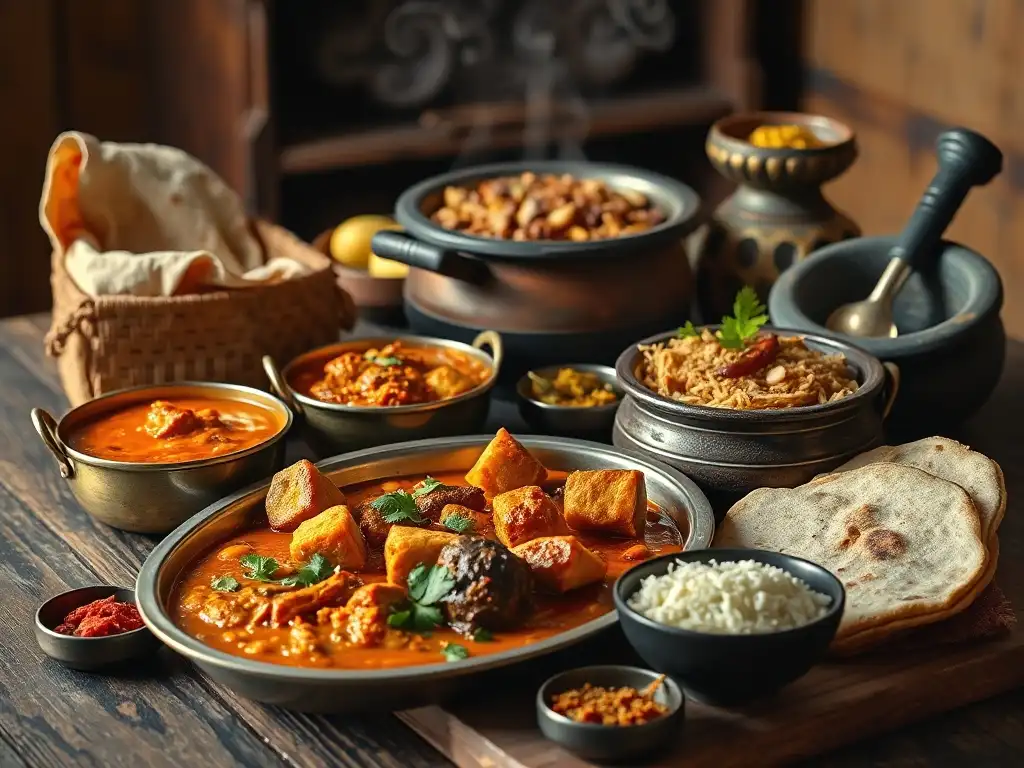
Ancient Indian cuisine has bequeathed a rich legacy of flavors, ingredients, and cooking techniques that remain integral to modern Indian dishes. Many popular dishes that are staple in Indian households today can trace their origins back to ancient times, showcasing a seamless blend of tradition and innovation.
One of the most notable dishes is Dal, a lentil preparation that has been consumed since the Vedic period. Variants of dal are now served in countless ways, from the simple dal tadka to the more elaborate dal makhani, reflecting local flavors and preferences across regions.
Biryani, a fragrant rice dish layered with marinated meat and spices, has its roots in the ancient kitchens of the Mughal Empire. Its evolution has led to various regional adaptations, such as Hyderabadi and Kolkata biryanis, each with its unique twist on the traditional recipe.
Classic Dishes with Historical Significance
Many classic dishes in Indian cuisine have significant historical contexts that not only reflect the ingredients used but also the cultural exchanges over centuries. For instance, Samosas, which are deep-fried pastries filled with spiced potatoes or meat, can be traced back to ancient Persia before making their way to India via trade routes. Today, they are a beloved snack enjoyed in homes and street food stalls alike.
Another dish with historical significance is Naan, a traditional leavened flatbread. Its origins can be traced back to the ancient Indian subcontinent and is believed to have been popularized by Mughal emperors. The dish has evolved into various forms, including garlic naan and stuffed naan, showcasing its versatility across modern dining experiences.
Contemporary Interpretations of Ancient Recipes
Modern chefs are increasingly exploring ancient Indian recipes, giving them contemporary interpretations while staying true to their roots. Dishes like Khichdi, a humble mix of rice and lentils, have been reinvented with gourmet twists, incorporating ingredients such as quinoa or exotic spices that elevate this traditional comfort food to new culinary heights.
Additionally, chefs are reviving ancient cooking methods such as slow cooking and fermentation to enhance flavors and health benefits. For example, the use of fermented batters for dosa and idli not only pays homage to traditional practices but also aligns with modern dietary trends favoring probiotics.
The Role of Regional Variations in Modern Indian Cuisine
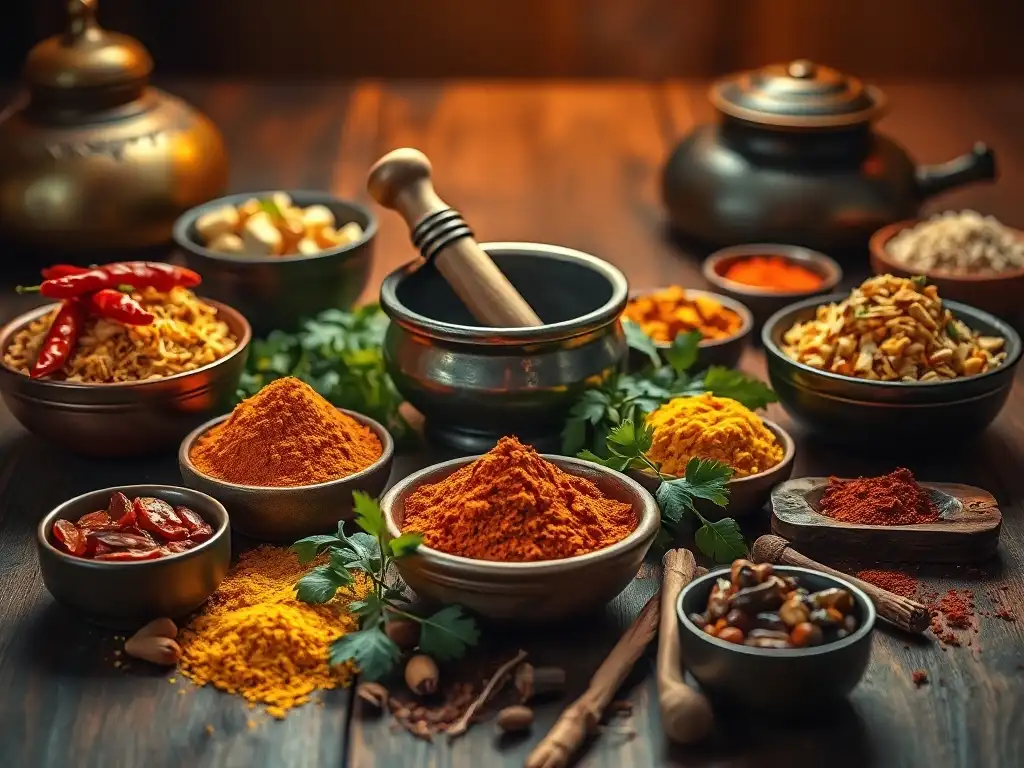
Regional variations play a pivotal role in shaping the landscape of modern Indian cuisine, reflecting the diverse cultural heritage of the subcontinent. Each region has its unique culinary identity influenced by local ingredients, climate, and historical interactions.
Influence of Geography on Culinary Practices
Geography significantly impacts culinary practices, as different regions have access to varying natural resources. The coastal areas of India, for instance, are known for their seafood dishes, such as Fish Curry, which incorporates fresh fish and coconut milk, while the northern regions rely heavily on dairy products, leading to the popularity of dishes like Paneer Butter Masala.
Moreover, the arid regions of Rajasthan have given rise to dishes like Dal Baati Churma, which use ingredients that can withstand harsh climates, showcasing how geography shapes food choices and preparation methods.
Preserving Ancient Techniques in Modern Cooking
As modern culinary practices evolve, there is a growing emphasis on preserving ancient cooking techniques that have stood the test of time. Techniques such as tandoor cooking, which involves clay ovens, remain popular for dishes like Tandoori Chicken and Naan, imparting unique flavors that cannot be replicated with modern appliances.
Furthermore, the revival of traditional spice blending techniques that have been used for centuries is becoming prominent among chefs who seek authenticity in their dishes. The meticulous art of creating spice mixes, known as masalas, not only enhances flavors but also connects diners to the rich tapestry of ancient Indian culinary traditions.
Conclusion: The Lasting Legacy of Ancient Indian Cuisine
The impact of ancient Indian cuisine on modern culinary practices is profound and enduring. Techniques and ingredients that have been passed down through generations continue to shape the flavors and dishes enjoyed today. From the intricate spice blends that characterize Indian cooking to the traditional methods of preparation, such as slow cooking and fermenting, the essence of ancient culinary wisdom remains alive in contemporary kitchens.
Moreover, the cultural exchanges along trade routes, such as the Silk Road, have enriched Indian cuisine, introducing new flavors and ingredients that were seamlessly integrated into local traditions. The use of spices like turmeric, cumin, and coriander, which have been staples in Indian kitchens for thousands of years, not only enhances the taste of dishes but also contributes to their nutritional value and health benefits.
As we savor a bowl of biryani or a plate of dosa today, we are enjoying a rich tapestry woven from the culinary heritage of ancient civilizations. This legacy is not merely historical; it is a living tradition that continues to evolve while maintaining its roots, inviting us to explore and appreciate the rich history that flavors our food.
Call to Action: Explore Ancient Indian Culinary Influences
Embark on a culinary journey to discover the rich influences of ancient Indian cuisine in your own kitchen! Start by experimenting with traditional spices and techniques that have been used for centuries. Here are a few suggestions to get you started:
- Try your hand at masalas: Create your own spice blends using whole spices to experience the depth of flavor that ancient cooks mastered.
- Explore ancient recipes: Look for traditional dishes from different regions of India, such as the hearty stews of the Indus Valley or the vibrant curries of the Gupta Empire.
- Join cooking classes: Participate in workshops that focus on ancient cooking methods, such as tandoor cooking or slow simmering, to appreciate the skill involved in these culinary arts.
- Visit local markets: Explore markets that offer traditional ingredients and spices, connecting you to the flavors that have been part of Indian cuisine for centuries.
By engaging with these practices, you not only honor the legacy of ancient Indian cuisine but also enrich your own culinary skills. Dive into the flavors and stories that have shaped one of the world's most diverse and vibrant cuisines!
- Introduction to Ancient Indian Cuisine Influence
- The Historical Background of Ancient Indian Cuisine
- Key Ingredients Influenced by Ancient Indian Practices
- Cooking Techniques Passed Down Through Generations
- Popular Dishes with Ancient Indian Roots
- Classic Dishes with Historical Significance
- Contemporary Interpretations of Ancient Recipes
- The Role of Regional Variations in Modern Indian Cuisine
- Conclusion: The Lasting Legacy of Ancient Indian Cuisine
- Call to Action: Explore Ancient Indian Culinary Influences
- What is the significance of ancient Indian cuisine in modern cooking?
- How did the Indus Valley civilization contribute to Indian cuisine?
- What role did trade play in shaping ancient Indian cuisine?
- How did religious practices influence ancient Indian culinary traditions?
- What are some modern dishes that trace their origins to ancient Indian recipes?
Frequently Asked Questions
What is the significance of ancient Indian cuisine in modern cooking?
Ancient Indian cuisine has had a profound influence on modern cooking practices, incorporating spices, techniques, and ingredients that are still prevalent today.
How did the Indus Valley civilization contribute to Indian cuisine?
The Indus Valley civilization is known for its advanced agricultural practices and the cultivation of wheat and barley, which laid the foundation for many staple foods in Indian cuisine.
What role did trade play in shaping ancient Indian cuisine?
Trade routes facilitated the exchange of ingredients and culinary techniques, allowing for the incorporation of foreign flavors and enriching the diversity of Indian cuisine.
How did religious practices influence ancient Indian culinary traditions?
Religious beliefs, such as Hindu vegetarianism and Islamic dietary laws, significantly shaped food culture and culinary practices, promoting a variety of cooking styles and dishes.
What are some modern dishes that trace their origins to ancient Indian recipes?
Many contemporary dishes, like biryani and curry, can be traced back to ancient recipes, showcasing the evolution and adaptation of flavors and ingredients throughout history.
Final Reflection: The Enduring Legacy of Ancient Indian Cuisine
The rich tapestry of ancient Indian cuisine influence continues to shape modern culinary practices, reminding us that our food is not just sustenance but a reflection of our history and culture. As we explore the intricate flavors and techniques that have transcended generations, it becomes clear that the essence of ancient culinary traditions is alive and well in contemporary Indian kitchens. This connection to the past enriches our dining experiences and fosters a deeper appreciation for the diverse ingredients and methods that define Indian cuisine today.
The impact of ancient Indian cuisine on modern culinary landscapes is profound and far-reaching. From the spices that tantalize our taste buds to the communal dining experiences that bring families together, the echoes of ancient practices are woven into the fabric of our daily lives. As noted by culinary historian Vikram Doctor, Food is a living history, and every bite we take is a testament to the cultures and traditions that have shaped us.
This ongoing influence not only preserves our heritage but also inspires innovation, as chefs and home cooks alike experiment with age-old recipes to create new culinary masterpieces.
As you reflect on the journey of ancient Indian cuisine and its influence on modern practices, consider how you can incorporate these timeless traditions into your own cooking. Embrace the flavors, techniques, and stories that have been passed down through generations, and let them inspire your culinary adventures. Whether it's experimenting with spices, exploring regional dishes, or sharing meals with loved ones, each step you take in this culinary journey is a celebration of the rich heritage that continues to nourish our bodies and souls.
Savor the Flavors: Transform Your Kitchen Today!
Thank you for joining us on this flavorful exploration of how ancient India has shaped modern Indian cuisine! You’ve discovered the rich tapestry of traditions and techniques that create the vibrant dishes we enjoy today. Now it's time to bring a taste of that heritage into your own kitchen.
Here are a few exciting actions to get you started on your culinary adventure:
- Experiment with a new recipe: Select a traditional Indian dish and prepare it at home to experience the unique flavors firsthand.
- Share your culinary journey: Post a photo of your creation on social media and tag us to inspire others!
- Join a cooking class: Find local or online classes that teach traditional Indian cooking methods, and deepen your understanding of these time-honored practices.
What traditional Indian dish are you excited to try first, and how do you think it will connect you to the rich history behind it?