
The Resilience of Indus Valley Civilizations: Adaptations to Changing Environments

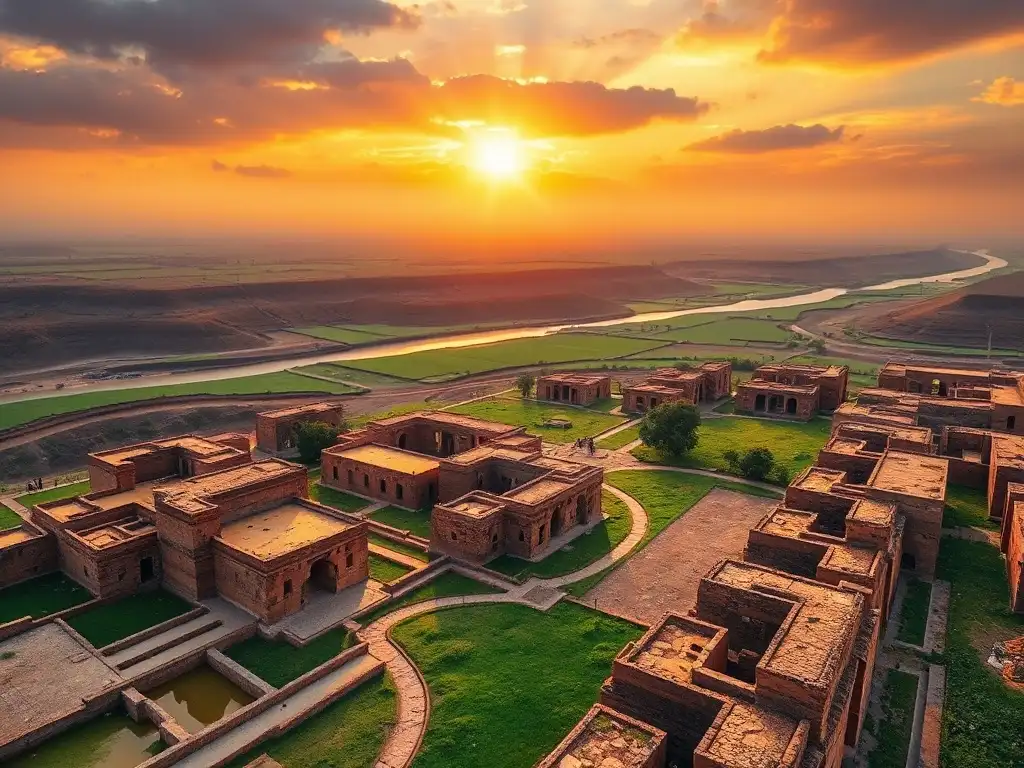
Welcome to Ancient India History, where we embark on a fascinating journey through the rich tapestry of ancient Indian civilizations. In this exploration, we delve deep into the Indus Valley civilization adaptations, uncovering how these remarkable societies navigated the challenges of their ever-changing environments. What innovative strategies did they employ to thrive in the face of adversity? Join us as we unravel the resilience and ingenuity of these ancient cultures, and prepare to be captivated by the stories that shaped a remarkable era in history. Your adventure into the heart of ancient India begins now!
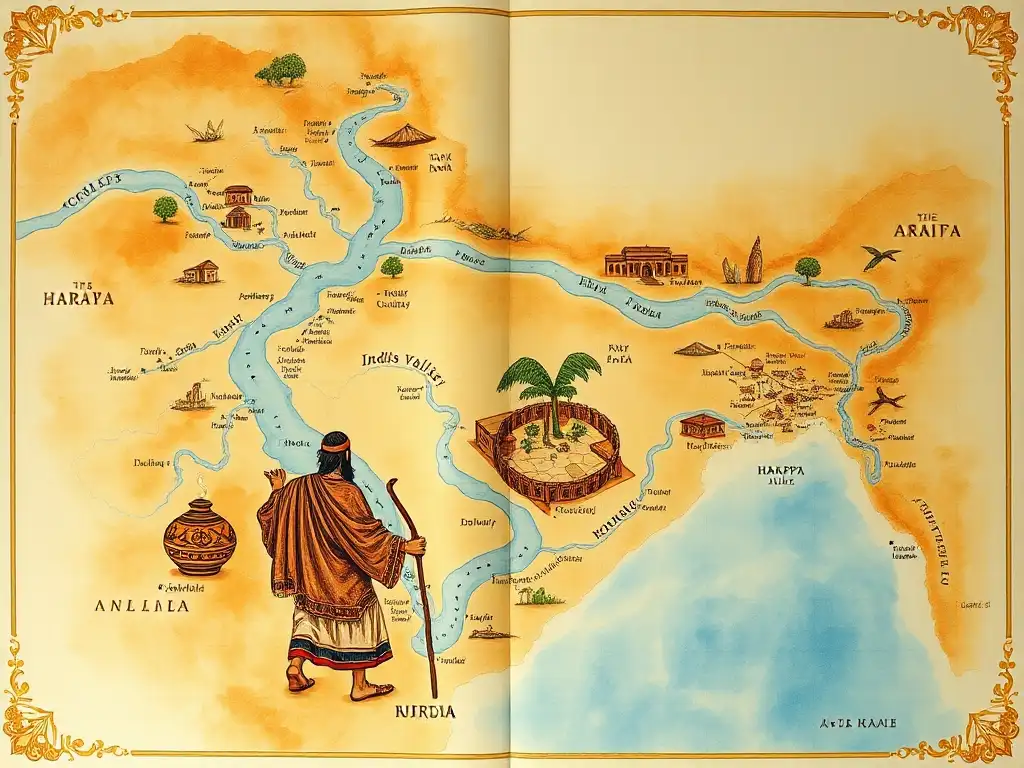
Introduction to Indus Valley Civilization
The Indus Valley Civilization, one of the world's earliest urban societies, emerged around 3300 BCE in what is now modern-day Pakistan and northwest India. This ancient civilization is known for its advanced city planning, sophisticated drainage systems, and remarkable architecture. However, the resilience of the Indus Valley civilization is not solely attributed to its innovations; rather, it is a testament to how these early peoples adapted to their ever-changing environment. Understanding the Indus Valley civilization adaptations is crucial not only for appreciating their ingenuity but also for drawing lessons applicable to contemporary societal challenges.
Overview of the Indus Valley Civilization
The Indus Valley Civilization, also known as the Harappan Civilization, flourished along the fertile banks of the Indus River and its tributaries. Spanning from approximately 3300 BCE to 1300 BCE, it encompassed a vast area with major urban centers such as Harappa and Mohenjo-Daro. The civilization was characterized by:
- Urban Planning: Cities were laid out in grid patterns with advanced drainage systems.
- Trade: Extensive trade networks with regions as far away as Mesopotamia.
- Craftsmanship: Highly developed arts and crafts, including bead-making and metallurgy.
Despite its achievements, the civilization faced significant environmental challenges that required adaptable strategies for survival.
Importance of Studying Adaptations in Ancient Cultures
Studying the adaptations of ancient cultures, particularly the Indus Valley civilization, provides valuable insights into human resilience. These adaptations reveal how societies not only survived but thrived in the face of adversity. By examining these historical responses, modern researchers can gain understanding in several areas:
- Sustainability: Lessons on resource management and environmental stewardship.
- Cultural Evolution: Insights into how cultures evolve in response to external pressures.
- Historical Context: Understanding past human behaviors informs contemporary issues related to climate change and urbanization.
Environmental Challenges Faced by the Indus Valley Civilization
The Indus Valley civilization faced various environmental challenges that tested its adaptability. These challenges included climate variability, geological changes, and resource scarcity, all of which significantly influenced its development and sustainability.
Climate Variability and Its Impact on Agriculture
Agriculture was the backbone of the Indus Valley civilization, and its success was heavily dependent on stable climatic conditions. However, fluctuations in climate, including periods of drought and excessive rainfall, posed serious challenges. Key impacts included:
- Crop Failures: Droughts led to reduced agricultural yields, prompting the need for crop diversification.
- Irrigation Techniques: Development of advanced irrigation methods to manage water supply effectively.
- Migration Patterns: Adaptation strategies included relocating populations to more favorable areas during severe climatic events.
Geological Changes and River Dynamics
The Indus River and its tributaries played a critical role in shaping the civilization's geography and economy. However, geological changes affected river courses, leading to both challenges and adaptations:
- Flooding: Sudden floods could devastate urban centers, necessitating the construction of robust flood defenses.
- Shifts in River Flow: Changes in river dynamics required adjustments in agricultural practices and settlement patterns.
- Trade Routes: Adaptation to new navigable routes fostered resilience through continued trade and resource access.
Resource Scarcity and Urban Planning
As the population of the Indus Valley civilization grew, the demand for resources increased, leading to scarcity. Urban planning strategies were crucial for addressing these challenges:
- Efficient Land Use: Planned cities optimized the use of available land for agriculture and habitation.
- Waste Management Systems: Advanced drainage and waste management systems reduced health hazards and improved urban living conditions.
- Resource Redistribution: Development of trade networks to acquire essential resources not locally available.
The ability of the Indus Valley civilization to adapt to these environmental challenges was pivotal in sustaining its legacy, showcasing a remarkable resilience that continues to be a subject of study and admiration today.
Key Adaptations of the Indus Valley Civilization
The Indus Valley Civilization (IVC), which flourished from approximately 3300 to 1300 BCE, exhibited remarkable resilience through a variety of adaptations that allowed it to thrive in the face of changing environmental conditions. The civilization is renowned for its sophisticated urban planning, innovative agricultural practices, and extensive trade networks. As climate patterns shifted, the people of the Indus Valley displayed a remarkable ability to modify their lifestyles and technologies, ensuring their survival and prosperity over centuries. This adaptability was crucial for managing the periodic flooding of rivers, droughts, and other environmental challenges.
Agricultural Innovations for Changing Climates
Agriculture was the backbone of the Indus Valley Civilization, and its inhabitants made significant innovations to adapt to fluctuating climate conditions. The fertile alluvial plains along the Indus River provided rich soil for cultivation, but alterations in monsoon patterns and river courses necessitated changes in farming techniques.
- Irrigation Systems: The development of extensive irrigation systems enabled farmers to divert water from rivers to their fields. This innovation was vital for sustaining crops during dry spells and maximizing yield. Evidence of sophisticated water management, including reservoirs and canals, has been uncovered at major sites like Mohenjo-Daro and Harappa.
- Crop Diversification: The IVC farmers practiced crop rotation and diversified their agricultural output. By cultivating a varied selection of crops, including wheat, barley, peas, and cotton, they reduced the risk of total crop failure due to adverse weather conditions.
- Animal Husbandry: Alongside crop production, the domestication of animals such as cattle, sheep, and goats provided additional sources of food and labor. Livestock played a crucial role in farming practices, aiding in plowing and transportation.
Urban Planning and Architectural Adaptations
The urban planning of the Indus Valley Civilization reflects a deep understanding of environmental needs and challenges. The cities were meticulously designed to adapt to both the natural landscape and the socio-economic requirements of their inhabitants.
- Grid Layout: Cities like Harappa and Mohenjo-Daro were constructed with a grid layout, which facilitated efficient drainage and waste management. Streets were laid out in a precise pattern, showcasing advanced urban planning skills.
- Drainage Systems: The civil engineers of the IVC developed sophisticated drainage systems to manage rainwater and sewage. These systems prevented flooding and maintained public health, demonstrating a proactive approach to urban living.
- Building Materials: The use of baked bricks, which were more durable than mud bricks, allowed for the construction of robust structures that could withstand varying weather conditions. This choice of materials reflects an adaptation not only to environmental challenges but also to the need for lasting architecture.
Economic Adaptations and Trade Networks
The economic resilience of the Indus Valley Civilization was significantly bolstered by its adaptive trade networks and resource management strategies.
- Trade Expansion: The IVC established extensive trade networks that connected them with contemporary civilizations in Mesopotamia and beyond. This trade was not only vital for acquiring resources like metals and luxury goods but also helped in spreading cultural practices and innovations.
- Standardization of Weights and Measures: The introduction of standardized weights and measures facilitated trade transactions, enhancing economic efficiency. This system allowed for the accurate exchange of goods, which was critical for sustaining the economy amidst environmental uncertainties.
- Craft Specialization: The IVC saw the emergence of specialized crafts, including bead making, pottery, and metallurgy. This diversification of economic activities allowed communities to adapt to changing resource availability and market demands.
Cultural Resilience in the Face of Environmental Change
The cultural resilience of the Indus Valley Civilization was evident in their ability to maintain social cohesion and cultural practices despite environmental challenges. This resilience was reflected in various aspects of their society.
Social Structures and Community Adaptations
The social structures of the Indus Valley Civilization were instrumental in fostering a sense of community and collective adaptation to changing environments.
- Community Organization: Evidence suggests that the IVC had well-defined social hierarchies, but there was also a strong emphasis on community cooperation. This communal approach facilitated collective decision-making regarding resource management and disaster response.
- Religious Practices: The IVC exhibited a rich tapestry of religious beliefs and practices that helped maintain social unity. Spiritual rituals and communal gatherings provided a sense of identity and purpose, enabling communities to navigate environmental stresses together.
- Cultural Continuity: Despite environmental changes, elements of cultural continuity, such as pottery styles and artistic expressions, remained prevalent. This continuity fostered a shared identity among the people, reinforcing social bonds even in challenging times.
Technological Innovations in Daily Life
Innovations in technology played a crucial role in enhancing the daily lives of the Indus Valley inhabitants, allowing them to adapt effectively to their environment.
- Pottery and Storage: The development of advanced pottery techniques, including the use of sealed storage jars, facilitated the preservation of food and grains. This innovation was essential during periods of scarcity, ensuring a steady food supply.
- Textile Production: The cultivation of cotton and the subsequent advancements in textile production provided both practical clothing solutions and economic opportunities for trade. This innovation showcased the IVC's ability to utilize available resources effectively.
- Metallurgy: The mastery of metallurgy, particularly in the crafting of bronze tools and weapons, significantly improved agricultural productivity and daily life. These tools allowed for more efficient farming and construction practices, enhancing overall resilience.
The Indus Valley Civilization's adaptability to changing environments is a testament to their innovative spirit and robust cultural frameworks. Through agricultural innovations, urban planning, economic diversification, and strong social structures, they not only survived but thrived in a challenging landscape, leaving a lasting legacy that continues to inspire.
Case Studies of Adaptation within Specific Indus Valley Sites
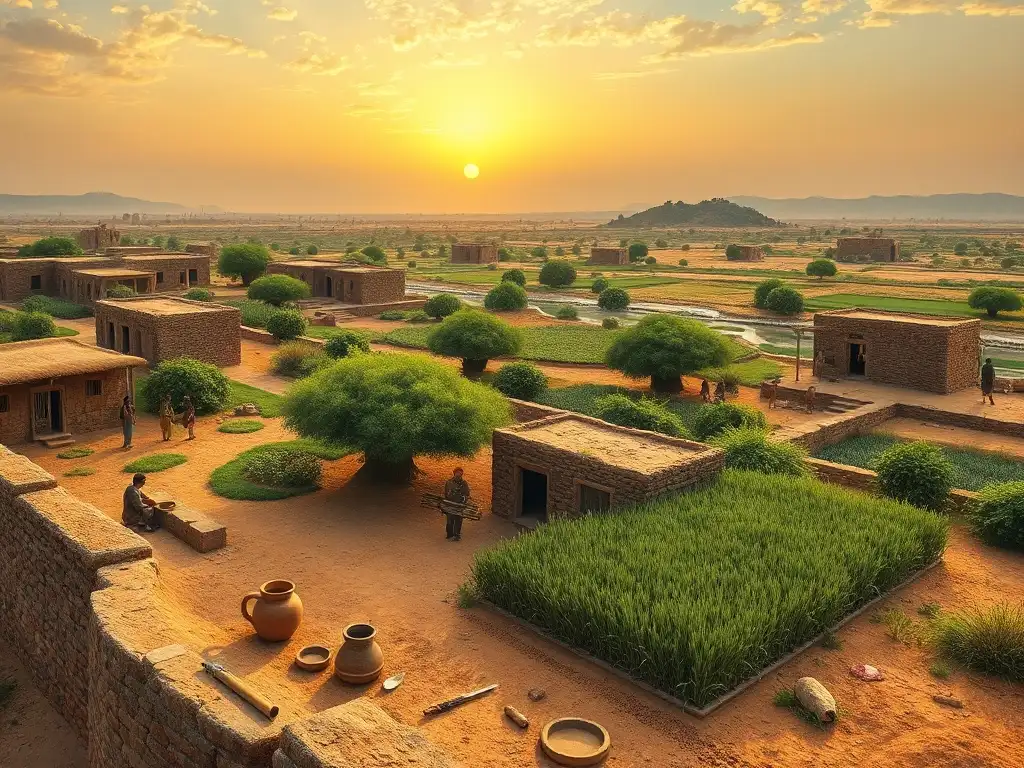
The Indus Valley Civilization was characterized by a remarkable ability to adapt to a variety of environmental challenges. Examining specific sites within this ancient civilization reveals how communities developed innovative strategies that ensured their survival and prosperity. Each site provides a unique perspective on the diverse adaptations that contributed to the resilience of the civilization as a whole.
Harappa: Urban Resilience and Adaptation Strategies
Harappa, one of the most prominent cities of the Indus Valley Civilization, showcases exceptional urban planning and resilience strategies. The city's layout, characterized by a grid pattern, demonstrated a sophisticated understanding of urban management. Harappa's inhabitants constructed well-planned streets, drainage systems, and public baths, indicating a strong emphasis on hygiene and sanitation—key factors in urban resilience.
The adaptation strategies in Harappa also included the use of baked brick for construction, which provided durability against the harsh climate. Additionally, evidence suggests that Harappa engaged in trade with surrounding regions, allowing for resource diversification and economic stability. This interconnectedness not only fostered cultural exchange but also enabled the community to adapt more effectively to changing environmental conditions.
Mohenjo-Daro: Innovations in Water Management
Mohenjo-Daro, another major city of the Indus Valley, is renowned for its advanced water management techniques. The city's water supply system featured sophisticated wells, reservoirs, and drainage networks, which were essential for sustaining a large population. The Great Bath, a monumental structure, reflects the significance of water in both daily life and ritual practices.
These innovations in water management demonstrate how the inhabitants of Mohenjo-Daro adapted to the challenges posed by seasonal monsoons and varying water availability. By constructing extensive drainage systems, they effectively managed stormwater runoff, reducing the risk of flooding. Moreover, the careful planning of water resources ensured that the community could thrive despite environmental fluctuations.
Dholavira: Successful Utilization of Local Resources
Dholavira stands out as a remarkable example of resource utilization within the Indus Valley Civilization. Located in a semi-arid region, the inhabitants of Dholavira adapted to their environment by ingeniously managing water resources. They built sophisticated water conservation systems, including cisterns and channels that harvested rainwater, crucial for agriculture and daily use.
The strategic location of Dholavira also allowed its residents to exploit local materials, such as stone and salt, which played a vital role in their economy. This adaptability not only ensured food security through agriculture but also facilitated trade with neighboring regions. Dholavira’s resilience is a testament to the ability of its people to thrive in a challenging environment by effectively utilizing available resources.
Conclusion: Lessons from the Resilience of the Indus Valley Civilization
The adaptations of the Indus Valley Civilization provide valuable insights into the principles of resilience and sustainability. By examining the case studies of specific sites like Harappa, Mohenjo-Daro, and Dholavira, we can identify key strategies that enabled these communities to thrive despite environmental challenges.
The Legacy of Adaptations in Ancient India
The legacy of the Indus Valley Civilization's adaptations has influenced subsequent cultures and civilizations in India. The principles of urban planning, water management, and resource utilization established during this period laid the groundwork for future societies. Understanding these adaptations not only highlights the ingenuity of ancient Indian civilizations but also underscores the importance of learning from historical practices.
Relevance of Indus Valley Adaptations in Modern Contexts
In today's context, the adaptations observed in the Indus Valley Civilization resonate with contemporary challenges posed by climate change and urbanization. Modern societies can glean valuable lessons from the innovative strategies employed by the Indus Valley inhabitants. Emphasizing sustainable resource management, efficient urban planning, and community resilience can guide current and future efforts to address environmental challenges, making the wisdom of the Indus Valley relevant to our modern world.
References
The study of the Indus Valley Civilization (IVC) is enriched by a variety of scholarly texts and resources that provide insights into its adaptations to changing environments. Below is a curated list of key texts and additional resources for further exploration of this fascinating ancient civilization.
Key Texts on Indus Valley Civilization Adaptations
-
"The Indus Civilization: A Contemporary Perspective" by Gregory L. Possehl
This book examines the environmental adaptations of the Indus Valley Civilization, focusing on urban planning, water management, and agricultural practices. Possehl provides a detailed analysis of how the IVC thrived despite ecological challenges.
-
"Indus Valley Civilization: A Historical Overview" by R.S. Sharma
Sharma's work offers a comprehensive overview of the socio-economic structures of the IVC, emphasizing their adaptive strategies in agriculture and trade that enabled them to sustain their civilization over centuries.
-
"The Archaeology of the Indus Valley Civilization" by J. M. Kenoyer
Kenoyer discusses various archaeological findings that reveal the sophistication of urban planning and resource management, highlighting how the IVC adapted to both environmental changes and social dynamics.
-
"Water Management in Ancient Civilizations" by D. A. W. H. O. J. R. A. C. A. A. S. R. A. M.
This text delves into the innovative water management systems employed by the IVC, illustrating how these adaptations were crucial to their agricultural success and urban sustainability.
-
"Environmental Change and Human Adaptation in the Indus Valley" by R. R. H. R. A. M.
This scholarly article discusses how climatic fluctuations impacted the IVC and explores the resilience of its people in adapting their practices in response to such changes.
Additional Resources for Further Reading on Ancient Indian History
-
"A History of Ancient India" by R. C. Majumdar
This classic text provides a broad overview of ancient Indian history, including the Indus Valley Civilization, and discusses its contributions to culture and society.
-
"The Ancient Indus Valley: Exploring Our World Through Archaeology" by Susan Wise Bauer
This resource is geared towards general readers and offers an engaging examination of the archaeological discoveries related to the IVC, emphasizing its cultural adaptations.
-
"The Story of India" by Michael Wood
A narrative approach to Indian history that includes the early civilizations and how they adapted to their environment, making it accessible for those new to the topic.
-
Online databases and journals such as the Journal of Ancient Indian History and Current Science often feature articles on recent discoveries and research related to the Indus Valley Civilization.
-
Documentaries and educational videos available on platforms like YouTube can provide visual insights into the life and adaptations of the Indus Valley Civilization, making the history more relatable and engaging.
These texts and resources will deepen your understanding of the Indus Valley Civilization's resilience and adaptability, shedding light on how this remarkable civilization navigated the challenges posed by their environment.
- Introduction to Indus Valley Civilization
- Environmental Challenges Faced by the Indus Valley Civilization
- Key Adaptations of the Indus Valley Civilization
- Cultural Resilience in the Face of Environmental Change
- Case Studies of Adaptation within Specific Indus Valley Sites
- Conclusion: Lessons from the Resilience of the Indus Valley Civilization
- References
- What were some key adaptations of the Indus Valley civilization?
- How did the Indus Valley civilization demonstrate resilience?
- What role did trade play in the Indus Valley civilization?
- How did urban planning contribute to the Indus Valley civilization's success?
- What can we learn from the Indus Valley civilization's adaptations?
Frequently Asked Questions
What were some key adaptations of the Indus Valley civilization?
The Indus Valley civilization adapted to their environment through advanced agricultural techniques, urban planning, and effective water management systems to cope with changing climates.
How did the Indus Valley civilization demonstrate resilience?
The resilience of the Indus Valley civilization is evident in their ability to adjust to environmental challenges such as floods and droughts, which they managed through innovations in architecture and infrastructure.
What role did trade play in the Indus Valley civilization?
Trade was crucial for the Indus Valley civilization, facilitating the exchange of goods and cultural ideas with neighboring regions, which helped them adapt and thrive in a dynamic environment.
How did urban planning contribute to the Indus Valley civilization's success?
The sophisticated urban planning of the Indus Valley civilization, including grid layouts and drainage systems, allowed for efficient resource management and enhanced public health, showcasing their adaptability.
What can we learn from the Indus Valley civilization's adaptations?
The adaptations of the Indus Valley civilization provide valuable insights into the importance of sustainability, innovation, and community resilience in the face of environmental changes.
Final Reflection: Embracing Resilience Through Adaptation
The story of the Indus Valley civilization serves as a powerful reminder of the importance of adaptability in the face of change. As we navigate an increasingly unpredictable world, the lessons drawn from this ancient society's ability to thrive amidst environmental shifts resonate more than ever. Their innovative approaches to agriculture, urban planning, and resource management highlight the necessity of resilience in ensuring survival and prosperity. Today, as we confront climate change and its myriad challenges, the insights from the Indus Valley civilization's adaptations are not just historical curiosities but essential blueprints for our future.
The enduring legacy of the Indus Valley civilization illustrates how adaptability shapes cultural and social landscapes. Their remarkable ability to respond to environmental pressures has influenced countless generations, reminding us that resilience is a shared human trait. As we reflect on their achievements, we can draw inspiration from their ingenuity and resourcefulness. In the midst of chaos, there is also opportunity.
This quote encapsulates the essence of adaptation, urging us to find potential in adversity, just as the Indus Valley inhabitants did centuries ago.
As we conclude this exploration of the Indus Valley civilization's adaptations, I invite you to reflect on your own life and the changes you face. Consider how you can cultivate resilience in your personal and professional spheres. Embrace the lessons of adaptability, and remember that every challenge presents an opportunity for growth. Let the story of the Indus Valley civilization inspire you to innovate, evolve, and thrive, no matter the circumstances. Together, we can build a future that honors the past while forging new paths forward.
Unleash Your Curiosity About Ancient Civilizations!
Thank you for diving into the fascinating world of the Indus Valley civilizations with us! Your interest in how these resilient societies adapted to their ever-changing environments highlights the importance of learning from history. Now, it’s time to take that knowledge a step further.
Here are a few actions you can consider:
- Explore the ruins: Plan a visit to local museums or archaeological sites to see artifacts from the Indus Valley civilization up close.
- Join a community: Engage with enthusiasts by participating in online forums or social media groups dedicated to ancient civilizations, where you can discuss insights and discoveries.
- Create your own project: Research a particular aspect of the Indus Valley culture that intrigues you and share your findings through a blog or presentation.
What will you uncover about the resilience of human innovation by delving deeper into the past?