
The Significance of Indus Valley Architecture in Historical Context

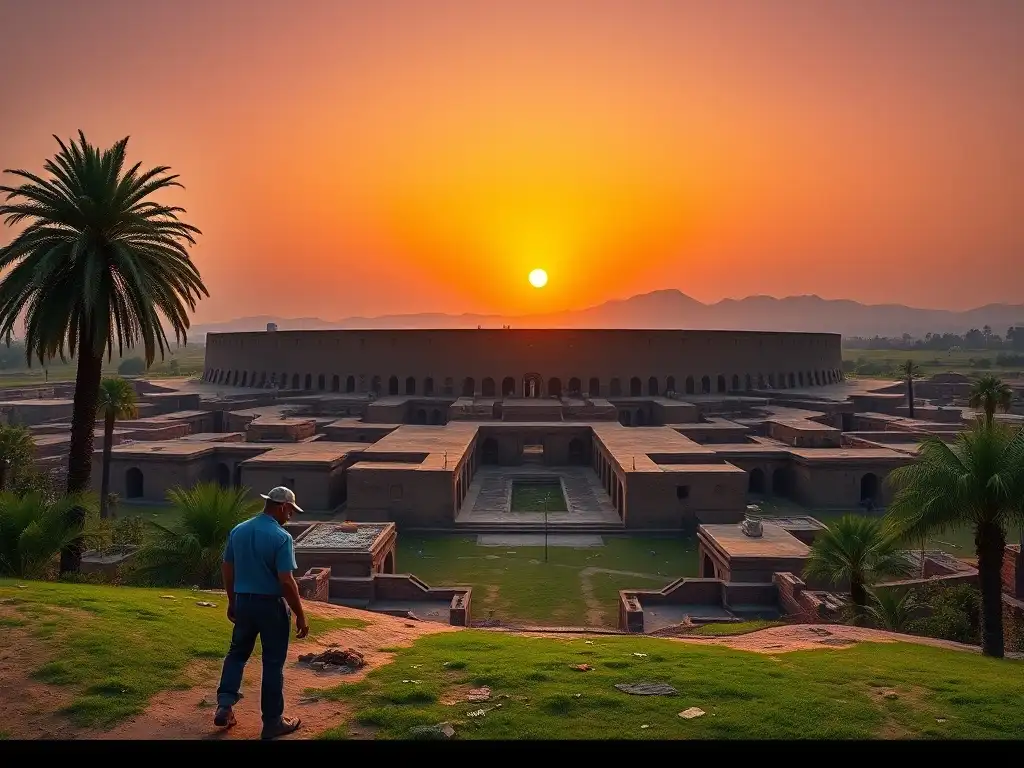
Welcome to Ancient India History, where we embark on a fascinating journey through the rich tapestry of ancient Indian civilizations. Here, we delve into the remarkable stories, cultures, and innovations that shaped the subcontinent, from the enigmatic Indus Valley to the illustrious Gupta Empire. In our featured article, discover the significance of Indus Valley architecture and its profound impact on historical context.
What mysteries lie within the ruins of this ancient civilization? Join us as we unravel the layers of history and explore the architectural marvels that continue to inspire and intrigue. Dive deeper to uncover the legacy that still resonates today!
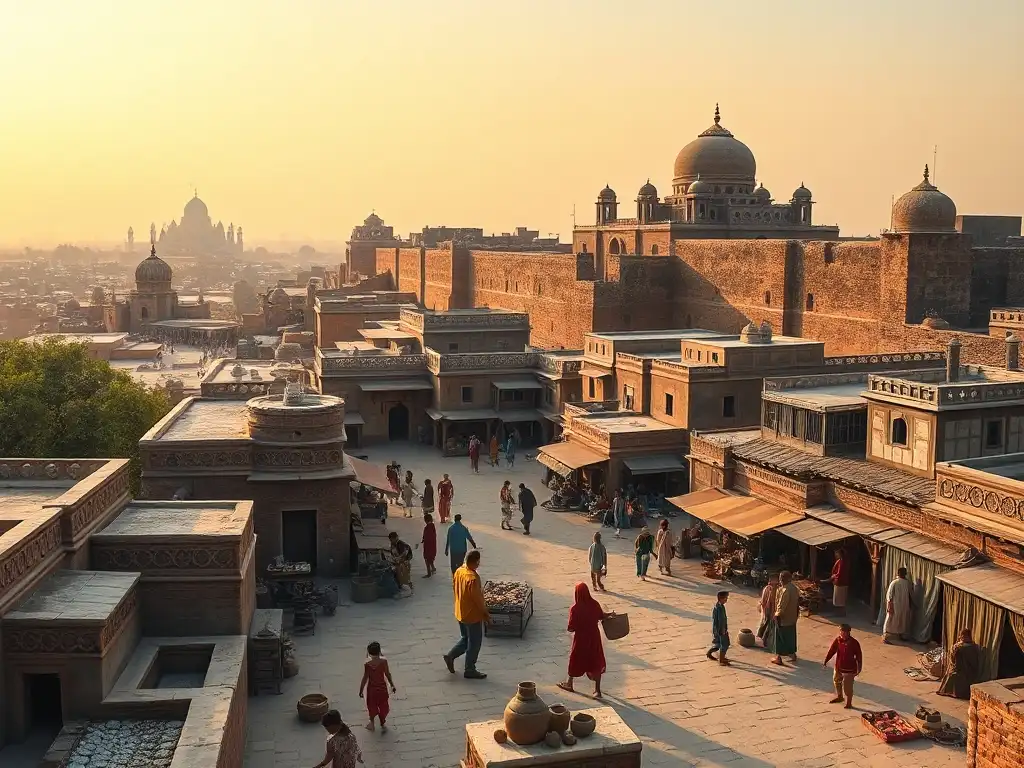
The architecture of the Indus Valley Civilization stands as a testament to the innovative spirit and cultural richness of one of the world's earliest urban societies. Flourishing between approximately 3300 BCE and 1300 BCE, this civilization, known for its advanced urban planning and architectural prowess, has left an indelible mark on the historical and cultural landscape of ancient India.
The significance of Indus Valley architecture extends beyond mere aesthetics; it reflects the socio-economic conditions, technological advancements, and cultural practices of its time. This article seeks to explore the multifaceted importance of Indus Valley architecture, delving into its defining features, historical context, and the lasting legacy it has imparted on subsequent generations.
Introduction to Indus Valley Architecture
Overview of the Indus Valley Civilization
The Indus Valley Civilization, also known as the Harappan Civilization, emerged around 3300 BCE in what is now modern-day Pakistan and northwest India. It is recognized as one of the world's earliest urban centers, alongside Mesopotamia and Ancient Egypt. The civilization is characterized by its advanced city planning, elaborate drainage systems, and standardized fired-brick construction. Major urban centers, including Harappa and Mohenjo-Daro, showcase the ingenuity of their architects and planners, highlighting a sophisticated understanding of urban design, trade, and social organization.
Key Features of Indus Valley Architecture
Indus Valley architecture is distinguished by several notable features that underscore its significance:
- Urban Planning: Cities were laid out in a grid pattern, with streets running at right angles, indicating advanced urban planning principles.
- Drainage Systems: Complex drainage systems were implemented, showcasing an understanding of sanitation and public health.
- Standardized Bricks: The use of uniformly sized baked bricks across the civilization facilitated construction and trade.
- Public Buildings: Structures like the Great Bath of Mohenjo-Daro reveal the importance of ritual and community spaces.
- Residential Architecture: Houses were typically two or more stories, constructed around central courtyards, reflecting social organization and privacy.
Historical Context of Indus Valley Architecture Significance
Timeline of the Indus Valley Civilization
- Early Harappan Phase (c. 3300–2600 BCE): Initial development of settlements and trade networks.
- Mature Harappan Phase (c. 2600–1900 BCE): Peak urbanization marked by sophisticated architecture and extensive trade.
- Late Harappan Phase (c. 1900–1300 BCE): Decline of major urban centers and gradual transformation of society.
Major Developments in Architecture Throughout History
The architectural advancements of the Indus Valley Civilization influenced subsequent architectural practices in the Indian subcontinent. Key developments include:
- Adaptation of Techniques: The use of baked bricks and drainage systems were adopted in later civilizations, including the Mauryan and Gupta empires.
- Cultural Continuity: Elements of Indus Valley architecture can be traced in later Indian art and architecture, influencing temple construction and urban planning.
- Historical Influence: The architectural legacy of the Indus Valley continues to shape contemporary discussions on urbanism and sustainable design, making it significant in both historical and modern contexts.
Understanding the significance of Indus Valley architecture not only sheds light on the achievements of this ancient civilization but also emphasizes its role in the broader narrative of human architectural development.
Architectural Innovations of the Indus Valley Civilization
The Indus Valley Civilization (IVC), flourishing from approximately 3300 to 1300 BCE, is renowned for its remarkable architectural innovations that have left a lasting legacy on urban design and construction practices. These innovations reflect the advanced understanding of urban planning, engineering, and material use among the IVC peoples. The architectural achievements of this civilization not only highlight their practical skills but also their sophisticated societal organization and cultural values.
Urban Planning and Layout
One of the most striking features of Indus Valley architecture is its meticulous urban planning. Cities like Harappa and Mohenjo-Daro were designed with a grid-like layout, showcasing a high level of organization and foresight. Streets were often laid out in straight lines, intersecting at right angles, which facilitated efficient movement and trade.
- Key elements of urban planning include:
- Zoning: Areas were designated for residential, commercial, and industrial purposes.
- Standardized Measurements: The use of uniform bricks (approximately 7:1:4 dimensions) indicates a centralized approach to construction.
- Public Spaces: Large public areas, such as the Great Bath in Mohenjo-Daro, suggest communal activities and social gatherings were integral to IVC life.
This advanced urban layout not only optimized space but also demonstrated sophisticated planning strategies that could accommodate a growing population.
Drainage and Sanitation Systems
The IVC is particularly noted for its impressive drainage and sanitation systems, which were unparalleled in the ancient world. Cities were equipped with extensive underground drainage systems that effectively managed wastewater and stormwater.
- Features of the drainage systems include:
- Covered Drains: Most homes had private toilets connected to a centralized drainage system, emphasizing hygiene and public health.
- Slope and Gradient: Drains were constructed with a slight slope to ensure efficient water flow, showcasing engineering prowess.
- Access Points: Inspection holes were built into the drains, allowing for maintenance—a testament to the civilization's foresight in urban infrastructure.
Such advanced sanitation practices not only improved the quality of life for residents but also reflected the civilization's understanding of public health and environmental management.
Use of Materials in Indus Valley Construction
The choice of materials used in Indus Valley architecture also highlights their innovative spirit. The civilization predominantly utilized locally available materials, which influenced both the aesthetic and functional aspects of their buildings.
- Commonly used materials included:
- Baked Brick: The standardization of brick size and the use of kiln-fired bricks contributed to the durability of structures.
- Wood and Stone: While less common, both materials were used for construction, particularly in larger public buildings and homes.
- Plaster and Paint: Evidence of plastered walls and painted surfaces suggests that aesthetics played a role in their architectural designs.
These materials not only facilitated the construction of robust structures but also allowed for intricate designs that reflected the cultural values of the IVC.
Cultural Significance of Indus Valley Architecture
The architecture of the Indus Valley Civilization serves as a window into the cultural and social practices of its people. Beyond functionality, it embodies the values, beliefs, and way of life of the society at the time.
Reflection of Socio-Political Structure
The architectural layout and design of IVC cities reflect a centralized authority and organized governance. The uniformity in city planning and construction implies a strong administrative system capable of coordinating large-scale projects.
- Indicators of socio-political structure include:
- Centralized Buildings: Structures like the Great Bath and granaries suggest the presence of a ruling class that managed communal resources.
- Uniformity in Design: The consistent architectural style across various cities indicates adherence to shared cultural norms and possibly centralized guidelines.
This architectural coherence signifies a well-structured society with an emphasis on order and collective identity.
Influence on Daily Life and Ritual Practices
Indus Valley architecture significantly influenced the daily lives and ritual practices of its inhabitants. The layout of homes, public spaces, and religious structures played a crucial role in shaping social interactions and community life.
- Aspects of daily life influenced by architecture include:
- Residential Layouts: Houses often featured courtyards, which promoted family gatherings and community interactions.
- Ritual Spaces: Structures that may have been used for religious or social ceremonies suggest that architecture facilitated cultural practices and rituals.
These architectural elements not only catered to the practical needs of daily life but also fostered a sense of community and cultural continuity.
Artistic Expressions in Architecture
The Indus Valley Civilization’s architecture is also characterized by artistic expressions that reveal the aesthetic sensibilities of its people. Decorative motifs, intricate designs, and the integration of art within functional structures highlight the importance of creativity in their architectural endeavors.
- Notable artistic expressions include:
- Sculptural Elements: Carvings and reliefs found in various structures indicate a skilled craftsmanship and artistic tradition.
- Symbolic Motifs: The use of geometric patterns and animal motifs likely held cultural significance, reflecting the beliefs and values of the society.
These artistic elements not only enhanced the visual appeal of structures but also served to communicate cultural narratives, thus enriching the architectural heritage of the Indus Valley Civilization.
Comparison of Indus Valley Architecture with Contemporary Civilizations
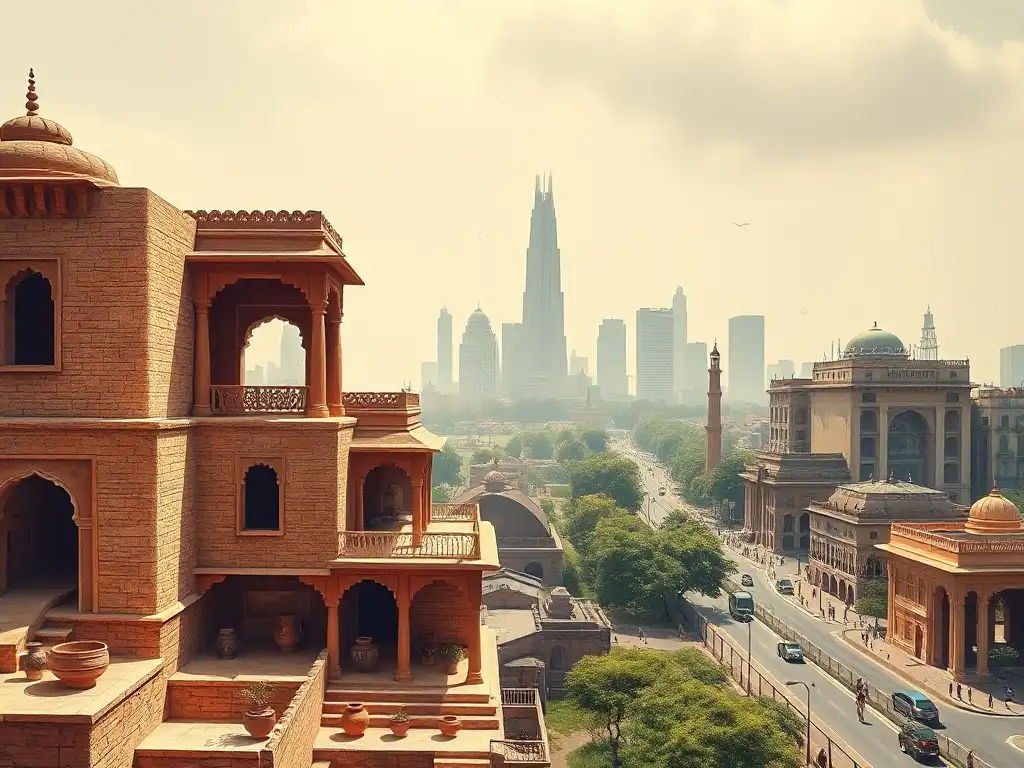
The architectural achievements of the Indus Valley Civilization, which thrived from approximately 3300 to 1300 BCE, offer a fascinating contrast to contemporary civilizations such as Mesopotamia and Ancient Egypt. Understanding these differences and similarities not only highlights the distinctiveness of Indus Valley architecture but also reveals the broader context of ancient architectural practices across different cultures. This comparison sheds light on the innovative urban planning, drainage systems, and construction techniques that characterized the Indus Valley, setting it apart as one of the earliest examples of urban architecture in history.
Indus Valley vs. Mesopotamian Architecture
Indus Valley architecture is often noted for its advanced urban planning and sophisticated drainage systems, which were more developed than those of Mesopotamia. While Mesopotamian cities like Ur and Babylon featured monumental structures such as ziggurats, Indus Valley cities like Harappa and Mohenjo-Daro emphasized the organization of space. The grid-like layout of Indus cities facilitated efficient movement and drainage, with streets often lined with mud-brick houses that had flat roofs.
In terms of materials, while both civilizations utilized clay and bricks, the Indus Valley was particularly noted for its standardized baked bricks, which contributed to the durability of their structures. Additionally, the absence of grand temples or palaces in the Indus Valley suggests a more egalitarian society compared to the hierarchical nature of Mesopotamian city-states, where the ruling elite often commissioned large-scale religious structures.
Indus Valley vs. Ancient Egyptian Architecture
When comparing Indus Valley architecture with that of Ancient Egypt, a significant difference lies in the scale and purpose of their architectural feats. Ancient Egypt is renowned for its monumental architecture, such as the Pyramids of Giza, which served as tombs for pharaohs and showcased immense wealth and power. In contrast, the Indus Valley Civilization prioritized the functionality of urban spaces over monumental structures, focusing on residential and commercial buildings.
The construction techniques also differed, with Egyptians primarily using limestone and sandstone for their grand monuments, while the Indus builders favored kiln-fired bricks. Moreover, the intricate water management systems found in Indus cities, including wells and drainage systems, highlight an advanced understanding of hydrology that was not as prevalent in Egypt until much later. This emphasis on urban infrastructure indicates a practical approach to architecture, aimed at enhancing daily life in a densely populated environment.
Legacy of Indus Valley Architecture
The legacy of Indus Valley architecture is profound, influencing not only subsequent architectural practices in India but also contributing to the broader understanding of urban planning and design in ancient civilizations. The principles of organization, sanitation, and community layout established by the Indus Valley builders have resonated through time, providing foundational ideas that can be traced in later Indian architectural developments.
Influence on Later Indian Architecture
The architectural innovations of the Indus Valley Civilization laid important groundwork for later Indian architecture. Elements such as the use of brick, urban layout, and advanced drainage systems can be seen in subsequent periods, including the Maurya and Gupta empires. The emphasis on town planning and public health found in sites like Mohenjo-Daro influenced the design of later cities, which incorporated similar principles of sanitation and accessibility.
Moreover, the aesthetic and functional aspects of Indus Valley architecture can be observed in later Indian temples and palaces that prioritized harmony with the environment, community engagement, and practicality. The legacy is evident in the continuity of urban design principles that prioritize effective land use and public infrastructure.
Preservation and Study of Indus Valley Sites
The preservation and study of Indus Valley sites have become crucial for understanding the significance of this ancient civilization. Archaeological efforts have aimed at protecting these sites, which face threats from urban development, erosion, and climate change. Institutions worldwide are now focusing on excavating, conserving, and promoting these sites to ensure that their historical importance is recognized and preserved for future generations.
Research initiatives have also expanded our understanding of the social, economic, and cultural dynamics of the Indus Valley Civilization. By employing modern technologies, such as remote sensing and GIS mapping, archaeologists have been able to reveal the complexities of Indus urbanization and its architectural significance within the broader context of ancient civilizations. The ongoing study of these sites continues to unearth new findings, enriching our knowledge of ancient India and its architectural heritage.
Conclusion
The architectural achievements of the Indus Valley Civilization stand as a testament to the ingenuity and advanced planning of one of the world's earliest urban societies. The significance of Indus Valley architecture extends beyond its physical structures; it encapsulates the cultural, social, and technological advancements of the time. The layout of cities such as Harappa and Mohenjo-Daro reveals a deep understanding of urban planning, sanitation, and community living, which has influenced subsequent civilizations in the region and continues to be a subject of study today.
Summary of the Significance of Indus Valley Architecture
The significance of Indus Valley architecture can be summarized through several key aspects:
- Urban Planning: The grid-like street layouts and organized residential areas demonstrate a sophisticated approach to urban planning, which was unprecedented at the time. This meticulous organization reflects the social structure and governance of the civilization.
- Sanitation Systems: The advanced drainage and sanitation systems, including private toilets and public baths, indicate a high level of public health awareness and engineering skills. This focus on hygiene was critical for urban living.
- Building Techniques: The use of standardized fired bricks and uniform weights and measures in construction highlights the technological advancements and trade practices of the Indus Valley people.
- Cultural Expression: Architectural features such as the Great Bath suggest the importance of ritual and communal activities, showcasing the cultural complexity of the society. Structures like warehouses and granaries reflect economic organization and resource management.
- Influence on Later Civilizations: The architectural principles established by the Indus Valley civilization laid the groundwork for urban development in subsequent Indian cultures, influencing both architecture and city planning in later periods.
Future Research Directions in Indus Valley Studies
As archaeological methods advance and technology improves, future research on Indus Valley architecture is poised to uncover even more about this enigmatic civilization. Several promising directions include:
- Interdisciplinary Approaches: Integrating archaeology with data from environmental science, anthropology, and digital modeling can provide deeper insights into the social and environmental contexts of the Indus Valley.
- Exploration of Lesser-Known Sites: While Harappa and Mohenjo-Daro are well-studied, there are numerous other sites that remain underexplored. Investigating these areas may reveal diverse architectural styles and urban layouts that contribute to a fuller understanding of the civilization.
- Technological Advancements: The use of ground-penetrating radar and 3D scanning technology can aid in mapping and understanding the spatial organization of Indus Valley sites, potentially uncovering hidden structures and features.
- Cultural Connections: Researching the connections between Indus Valley architecture and contemporary cultures in South Asia can shed light on the continuity and evolution of architectural practices through history.
- Public Engagement and Education: Increasing public awareness and engagement with Indus Valley architecture through exhibitions, workshops, and educational programs can help foster appreciation for this critical aspect of ancient Indian history.
Through these avenues of inquiry, scholars can continue to enhance our understanding of the significance of Indus Valley architecture and its lasting impact on the history of urban development in India and beyond.
- Introduction to Indus Valley Architecture
- Historical Context of Indus Valley Architecture Significance
- Architectural Innovations of the Indus Valley Civilization
- Cultural Significance of Indus Valley Architecture
- Comparison of Indus Valley Architecture with Contemporary Civilizations
- Legacy of Indus Valley Architecture
- Conclusion
- What is the Indus Valley architecture significance?
- How did Indus Valley architecture influence later cultures?
- What materials were primarily used in Indus Valley construction?
- How does the layout of Indus Valley cities reflect their society?
- What role did water management play in Indus Valley architecture?
Frequently Asked Questions
What is the Indus Valley architecture significance?
The Indus Valley architecture is significant for its advanced urban planning, sophisticated drainage systems, and use of standardized brick sizes, showcasing the engineering prowess of ancient civilizations.
How did Indus Valley architecture influence later cultures?
The architectural innovations of the Indus Valley laid the groundwork for subsequent Indian architectural styles, influencing both urban design and construction techniques in later periods, including the Maurya and Gupta empires.
What materials were primarily used in Indus Valley construction?
Indus Valley civilization primarily utilized baked bricks, mud, and wood in their constructions, which contributed to the durability and longevity of their structures, many of which still exist today.
How does the layout of Indus Valley cities reflect their society?
The layout of Indus Valley cities, characterized by grid patterns and organized streets, reflects a highly planned society with an emphasis on sanitation, indicating a strong understanding of public health and urban living.
What role did water management play in Indus Valley architecture?
Water management was central to Indus Valley architecture, evident in their drainage systems and reservoirs, which facilitated agriculture and urban settlement, demonstrating their advanced engineering capabilities.
Final Reflection: The Enduring Significance of Indus Valley Architecture
The architectural marvels of the Indus Valley Civilization remind us of the profound impact that ancient societies have on our understanding of urban planning and cultural identity today. As we navigate the complexities of modern urbanization, the ingenuity and sophistication of Indus Valley architecture serve as a beacon, illuminating sustainable practices and community-oriented design that resonate with contemporary challenges. The significance of this ancient architecture is not merely historical; it is a vital part of our ongoing dialogue about how we build our environments and shape our societies.
The influence of Indus Valley architecture extends beyond its physical structures; it has woven itself into the fabric of cultural heritage and identity. The meticulous planning and advanced drainage systems of cities like Mohenjo-Daro and Harappa reflect a deep understanding of community needs and environmental harmony. This legacy continues to inspire architects and urban planners around the world. As the renowned architect Louis Kahn once said, A great building must begin with the unmeasurable, must go through measurable means when it is being designed and in the end must be unmeasurable.
This encapsulates the essence of Indus Valley architecture—an unmeasurable impact that transcends time and geography.
As you reflect on the significance of Indus Valley architecture, consider how its principles can inform your own life and surroundings. What lessons can we draw from these ancient builders about sustainability, community, and innovation? I invite you to explore the ways in which you can incorporate these timeless values into your daily practices, whether in your home, workplace, or community. By embracing the lessons of the past, we can create spaces that honor our heritage while paving the way for a more thoughtful and interconnected future.
Unveil the Wonders of Indus Valley Architecture!
Thank you for diving into the fascinating world of Indus Valley architecture! You've learned about its significance and the profound impact it had on urban planning and culture in ancient India. Now it’s time to take that inspiration further and explore the true depth of this historical marvel.
Consider taking these next steps to immerse yourself even deeper in the wonders of the Indus Valley civilization:
- Visit local museums or historic sites related to ancient India to experience artifacts firsthand and enrich your understanding.
- Join an online forum or community dedicated to ancient architecture where you can share insights, ask questions, and connect with fellow enthusiasts.
- Create a visual timeline or artistic representation of the architectural elements of the Indus Valley that you find most captivating, and share it with friends or on social media to spark conversations.
How has the architectural ingenuity of the Indus Valley civilization influenced your perspective on contemporary urban design?