
The Maurya Empire’s Environmental Policies: Governance and Sustainability


Welcome to Ancient India History, where we embark on an enlightening journey through the rich tapestry of ancient Indian civilizations. As we delve into the fascinating world of the Maurya Empire, you'll discover not only its remarkable governance but also its groundbreaking environmental policies that laid the groundwork for sustainability. What innovative practices did they implement to harmonize with nature? Join us as we unravel the intricacies of a society that not only thrived but also cared for its environment, inviting you to explore more about the profound contributions of the Maurya Empire to history and beyond.
The Maurya Empire, which flourished between 322 and 185 BCE, stands as one of the most remarkable empires in ancient India, not only for its political and military achievements but also for its innovative governance and environmental policies. Under the leadership of Emperor Ashoka, the Mauryan administration became a model of sustainability and ecological awareness, emphasizing the importance of maintaining harmony between human activities and the environment. This article explores the Maurya Empire's environmental policies, delving into the principles of governance that promoted sustainable development and conservation practices during this transformative period in Indian history.
As we navigate through the intricacies of the Maurya Empire's approach to environmental management, we will uncover how these policies were not just a reflection of the empire's governance but also a testament to the deep cultural and spiritual values that recognized humanity's responsibility towards nature. By examining the various strategies employed, including the protection of forests, wildlife conservation, and the promotion of agriculture, we aim to highlight the significance of these early environmental policies in shaping a sustainable future for subsequent generations.
Join us in this exploration of the Maurya Empire's environmental legacy, which continues to resonate in contemporary discussions on governance and sustainability.
- Introduction to the Maurya Empire and Its Environmental Policies
- The Role of Ashoka in Promoting Sustainability
- Agricultural Policies and Land Management in the Maurya Empire
- Forest and Wildlife Conservation Strategies
- Urban Planning and Environmental Considerations
- The Maurya Empire's Approach to Trade and Resource Management
- Lessons from the Maurya Empire's Environmental Policies
- Conclusion: The Legacy of the Maurya Empire’s Environmental Governance
-
Frequently Asked Questions
- What were the key environmental policies of the Maurya Empire?
- How did the Maurya Empire address agricultural sustainability?
- Who was the prominent figure behind the Maurya Empire’s environmental initiatives?
- What role did Buddhism play in the Maurya Empire's environmental policies?
- How do the environmental policies of the Maurya Empire compare to modern practices?
- Final Reflection: The Legacy of the Maurya Empire's Environmental Policies
- Unveil Sustainable Insights for a Greener Future!
Introduction to the Maurya Empire and Its Environmental Policies

The Maurya Empire, one of the largest and most influential empires in ancient India, spanned from approximately 322 BCE to 185 BCE. Established by Chandragupta Maurya, this empire is renowned not only for its political and military prowess but also for its innovative governance strategies, including its environmental policies. These policies were pivotal in maintaining the empire's vast territories, supporting agriculture, and ensuring sustainable resource management.
Overview of the Maurya Empire
The Maurya Empire covered a significant part of the Indian subcontinent, stretching from the northern regions of modern-day Afghanistan to parts of Bangladesh. At its zenith, it was known for its centralized administration, which was highly organized and efficient. The empire was characterized by a sophisticated bureaucracy that included various officials responsible for different aspects of governance, including environmental management.
Key features of the Maurya Empire include:
- Chandragupta Maurya's Reforms: Under Chandragupta, the empire saw the establishment of a strong centralized rule, which laid the groundwork for later environmental initiatives.
- Ashoka the Great: Perhaps the most famous Mauryan ruler, Ashoka is renowned for his commitment to the welfare of his subjects and the promotion of sustainable practices, including the protection of forests and wildlife.
The Maurya Empire’s environmental policies were integral to supporting its agricultural economy and ensuring the sustainability of its natural resources.
Importance of Environmental Policies in Ancient Governance
Environmental policies in ancient governance were critical for several reasons:
- Sustaining Agriculture: Agriculture was the backbone of the Maurya Empire’s economy. Effective environmental policies helped regulate water supply through irrigation and flood control, ensuring fertile land was available for cultivation.
- Biodiversity Conservation: The Maurya rulers recognized the importance of biodiversity. They implemented measures to protect forests and wildlife, which were vital for maintaining ecological balance and providing resources such as timber and medicinal plants.
- Public Welfare: The well-being of the populace was closely linked to environmental health. By promoting sustainable practices, the Maurya Empire aimed to enhance the quality of life for its citizens, exemplified by Ashoka’s emphasis on non-violence and compassion towards all living beings.
Overall, the Maurya Empire’s environmental policies served as a model for sustainable governance, demonstrating an early understanding of the interconnectedness between humans and their environment.
Key Objectives of the Maurya Empire’s Environmental Policies
The environmental policies of the Maurya Empire were driven by several key objectives:
- Resource Management: The empire sought to manage its natural resources efficiently, ensuring that water, forests, and land were utilized sustainably to support the growing population.
- Infrastructure Development: The construction of irrigation systems, roads, and granaries facilitated agricultural productivity and trade, highlighting the importance of infrastructure in environmental management.
- Wildlife Protection: Ashoka's edicts reflect a commitment to the protection of wildlife and natural habitats. For instance, he prohibited hunting in certain areas and promoted the establishment of wildlife sanctuaries.
- Promotion of Non-Violence: Ashoka’s philosophy emphasized ahimsa (non-violence), which extended to environmental stewardship. This principle reinforced the idea that harming nature was equivalent to harming oneself.
- Education and Awareness: The Maurya rulers recognized the importance of educating the populace about sustainable practices. They encouraged the dissemination of knowledge regarding agriculture and resource management.
Through these objectives, the Maurya Empire laid the foundation for a governance model that prioritized environmental sustainability, which remains a significant aspect of discussions on ancient Indian civilizations today.
The Role of Ashoka in Promoting Sustainability

The Maurya Empire, particularly during the reign of Emperor Ashoka (268-232 BCE), is notable for its pioneering approach to environmental policies. Ashoka's governance philosophy was deeply intertwined with his commitment to sustainability, reflecting a profound understanding of the balance between human needs and the natural world. His unique perspective on leadership and responsibility towards the environment set a precedent that resonated through centuries.
Ashoka’s Philosophy on Nature and Governance
Ashoka's philosophy was heavily influenced by his conversion to Buddhism, which emphasized compassion, non-violence, and a harmonious relationship with nature. His belief system can be encapsulated in the following key tenets:
- Interconnectedness of Life: Ashoka viewed all living beings as interconnected, advocating for a respectful coexistence with nature. This principle not only guided his personal conduct but also influenced his policies.
- Sustainable Development: He recognized the importance of sustainable practices to ensure that future generations could thrive. This foresight was evident in the way he approached agriculture, forestry, and animal husbandry.
- Moral Responsibility: Ashoka perceived governance as a moral duty, where rulers were accountable for the welfare of their subjects, including the environment. He believed that a ruler's legitimacy stemmed from their ability to promote the common good.
Ashoka's philosophy laid the groundwork for his environmental initiatives, which were revolutionary for their time.
Implementation of Environmental Initiatives
To translate his philosophy into action, Ashoka implemented several significant environmental policies that reflected his commitment to sustainability:
- Prohibition of Overhunting and Deforestation: Ashoka enacted laws that restricted hunting during specific seasons and limited the killing of certain animal species. This was aimed at preserving biodiversity and maintaining ecological balance.
- Tree Planting Campaigns: He promoted the planting of trees along roadsides and in public spaces, recognizing trees as vital for both ecological health and aesthetic beauty. This initiative not only provided shade and resources but also contributed to soil conservation.
- Water Conservation Efforts: Ashoka oversaw the construction of reservoirs and irrigation systems to improve water management. These infrastructures supported agriculture and ensured a stable water supply for communities.
- Animal Welfare Regulations: His edicts included provisions for the humane treatment of animals, reflecting his belief in the sanctity of all life. This included regulations against cruelty and measures to protect animals from exploitation.
These initiatives were not mere policies but represented a comprehensive approach to governance that integrated environmental stewardship into the very fabric of the Maurya Empire.
Impact of Ashoka’s Edicts on Environmental Conservation
The impact of Ashoka’s environmental edicts extended beyond his reign, shaping the ecological consciousness of subsequent generations. Key outcomes included:
- Cultural Shift: His policies fostered a cultural respect for nature within the society, embedding environmental consciousness in the collective ethos of ancient India. This cultural shift encouraged sustainable practices among local communities.
- Legal Framework for Conservation: Ashoka's edicts served as an early legal framework for environmental conservation, influencing future rulers and their policies. The idea of legal responsibility for environmental stewardship became a part of governance.
- Long-lasting Legacy: The principles laid out by Ashoka continued to resonate through history, influencing later environmental policies in India and beyond. His approach has been cited as a forerunner to modern environmental governance, showcasing the timeless relevance of his ideas.
Ashoka's reign marked a pivotal moment in the history of the Maurya Empire's environmental policies. His innovative governance and commitment to sustainability not only enriched the ecological landscape of ancient India but also established a blueprint for future environmental stewardship. The legacy of Ashoka serves as a reminder of the enduring connection between governance and the natural world, a principle that remains critically relevant today.
Agricultural Policies and Land Management in the Maurya Empire

Sustainable Agricultural Practices in Ancient India
The Maurya Empire, known for its vast territorial expanse and significant governance, implemented agricultural policies that prioritized sustainability and productivity. One of the key aspects was the promotion of crop rotation and mixed cropping, which helped maintain soil fertility and reduce pest infestations. This approach not only enhanced agricultural yields but also ensured a steady food supply for the growing population.
Additionally, the Mauryan administration encouraged the cultivation of diverse crops, including millet, barley, and pulses, which were well-suited to varying climatic conditions across the empire. By advocating for the use of organic fertilizers, such as compost and animal manure, the empire demonstrated an early understanding of eco-friendly farming practices. These methods contributed to the resilience of agricultural systems, enabling farmers to adapt to environmental changes and mitigate the risks of crop failure.
Moreover, the Maurya Empire's emphasis on agrarian stability can be seen in its support for agricultural education. The state promoted knowledge sharing among farmers, enabling them to learn new techniques and share best practices. This educational initiative not only empowered the agricultural workforce but also fostered innovation in farming, contributing to long-term sustainability.
Irrigation Techniques and Water Resource Management
Effective water management was a cornerstone of the Maurya Empire's agricultural policies. The empire invested in various irrigation techniques to optimize water use, ensuring agricultural lands remained fertile even during dry seasons. The construction of canals and reservoirs played a pivotal role in this endeavor, facilitating the diversion of river waters to arid regions.
The Mauryan engineers were adept at creating intricate irrigation systems, including the use of wells and tanks to store rainwater. These structures not only provided essential water supplies for agriculture but also helped recharge groundwater levels, promoting ecological balance. The careful planning and execution of these irrigation projects displayed the empire's commitment to sustainable resource management.
Additionally, the Maurya Empire recognized the importance of maintaining water quality. The administration implemented regulations to prevent pollution of water bodies, ensuring that the irrigation supplies remained clean and safe for agricultural use. By promoting responsible water management, the Mauryan rulers laid the groundwork for future generations to practice sustainable agriculture.
The Role of Land Revenue Systems in Environmental Management
The land revenue system under the Maurya Empire was intricately linked to environmental management. The state employed a systematic approach to land assessment, ensuring that taxes were based on the fertility and productivity of the land. This system incentivized landowners to maintain their lands sustainably, as higher yields would translate to better economic returns.
Moreover, the Maurya Empire instituted a fair taxation policy that considered the ecological conditions of different regions. This approach allowed for flexibility in revenue collection, accommodating variations in agricultural productivity due to environmental factors such as drought or flooding. By alleviating the tax burden during challenging times, the empire promoted resilience among farmers, thereby supporting sustainable land use practices.
To further encourage environmental stewardship, the Mauryan administration offered incentives for reforestation and conservation initiatives. By promoting tree planting and the protection of natural habitats, the empire recognized the importance of biodiversity in maintaining ecological balance. These policies not only contributed to sustainable land management but also ensured the longevity of resources for future generations.
The Maurya Empire's environmental policies were characterized by a comprehensive approach to agricultural practices, water resource management, and land revenue systems, reflecting a deep understanding of sustainability that resonates with contemporary environmental governance.
Forest and Wildlife Conservation Strategies
Preservation of Forested Areas and Biodiversity
The Maurya Empire, which flourished from 322 to 185 BCE, implemented several strategies aimed at preserving its lush forests and diverse biodiversity. Recognizing the critical role that forests played in maintaining ecological balance and supporting agriculture, the Mauryan rulers established protected areas to ensure the sustainability of natural resources.
One notable strategy involved the designation of certain forested regions as protected zones where deforestation was strictly prohibited. These areas served as vital habitats for various species and helped maintain biodiversity. The Mauryan administration employed a network of forest officials tasked with monitoring these zones and enforcing conservation laws. This proactive approach not only safeguarded plant and animal life but also facilitated the sustainable extraction of forest products, such as timber and medicinal herbs, which were essential for commerce and medicine.
Moreover, the Mauryan rulers understood that a healthy ecosystem contributed to agricultural productivity. Maintaining a balance between agricultural fields and forested areas ensured that soil quality remained high and water resources were conserved. This interdependence between agriculture and forestry laid the groundwork for sustainable land use practices that were ahead of their time.
Regulations on Hunting and Wildlife Trade
Hunting was a popular activity in ancient India, including during the Maurya Empire. However, the Mauryan administration recognized the potential threats posed by unregulated hunting and wildlife trade. To mitigate these risks, the empire established strict regulations governing hunting practices, particularly for endangered species.
The edicts of Emperor Ashoka, one of the most prominent Mauryan leaders, provide insight into these regulations. Ashoka emphasized the importance of compassion towards all living beings, which translated into laws that restricted hunting during specific seasons and limited the types of animals that could be hunted. These regulations not only protected wildlife populations but also reflected a growing awareness of animal rights in governance.
Additionally, the Maurya Empire implemented a system of licenses for hunters. This system ensured that hunting was conducted responsibly and that populations of various species were monitored. By controlling hunting practices, the Mauryan rulers aimed to maintain ecological balance and avoid the depletion of wildlife resources, reinforcing the empire’s commitment to sustainable practices.
The Significance of Sacred Groves in Maurya Environmental Policies
Sacred groves played a significant role in the environmental policies of the Maurya Empire. These areas, often dedicated to local deities or ancestors, were protected by cultural and religious beliefs, which made them sanctuaries for flora and fauna. The reverence for sacred groves meant that they were rarely disturbed by human activities, providing a refuge for biodiversity.
The Mauryan administration recognized the importance of these sacred spaces and supported their preservation as part of their broader environmental policies. The existence of sacred groves contributed to the conservation of local ecosystems, as they often contained unique plant species and served as habitats for various wildlife. This cultural approach to conservation not only preserved biodiversity but also reinforced community ties to the environment.
Moreover, sacred groves played a role in educating the populace about the importance of environmental stewardship. By integrating environmental conservation with spiritual beliefs, the Maurya Empire fostered a sense of responsibility among its citizens towards their natural surroundings. This holistic view of nature and spirituality laid the foundation for sustainable practices that would resonate through Indian culture for centuries to come.
The Maurya Empire's environmental policies, particularly in terms of forest and wildlife conservation, demonstrate an early understanding of sustainability that is still relevant today. By prioritizing the preservation of biodiversity, regulating hunting practices, and honoring sacred groves, the Maurya rulers set a precedent for future governance related to environmental stewardship in ancient Indian civilizations.
Urban Planning and Environmental Considerations

City Layouts and Green Spaces in Mauryan Cities
The Maurya Empire, renowned for its extensive political and military prowess, also demonstrated advanced urban planning that significantly incorporated environmental considerations. Mauryan cities, such as Pataliputra and Taxila, were meticulously designed with a focus on both urban functionality and environmental harmony.
- City Layouts: Mauryan urban planners employed geometric layouts, often arranged in a grid pattern. This facilitated efficient movement, resource distribution, and accessibility. The cities were divided into residential, commercial, and administrative zones, promoting organized living while minimizing congestion.
- Green Spaces: Integral to the urban design were green spaces, including gardens, parks, and tree-lined avenues. These areas served multiple purposes:
- Recreational: Providing citizens with areas for leisure and social interaction.
- Environmental: Contributing to air purification and temperature regulation, which was crucial in the hot Indian climate.
- Biodiversity: Supporting various flora and fauna, which helped maintain ecological balance.
The emphasis on incorporating nature within urban settings demonstrates that the Maurya Empire recognized the importance of environmental sustainability long before it became a modern concern.
Infrastructure Development and Its Environmental Impact
Infrastructure development during the Maurya Empire was extensive and strategically planned to support governance while considering environmental impacts. Major projects included roads, irrigation systems, and public buildings.
- Road Networks: The Mauryan road systems were engineered to facilitate trade and military movement. However, the placement of these roads was often influenced by natural terrain and ecological factors, ensuring minimal disruption to existing ecosystems.
- Irrigation Systems: The Mauryans developed sophisticated irrigation techniques, including canals and reservoirs, which maximized agricultural productivity while conserving water resources. This not only supported a growing population but also helped prevent soil erosion and promoted sustainable farming practices.
- Public Buildings: Constructed using local materials, public buildings reflected an understanding of sustainable architecture. The use of stone and clay not only provided durability but also minimized the environmental footprint associated with transporting materials.
The Maurya Empire's infrastructure development exemplifies a dual focus on enhancing governance and maintaining environmental integrity.
Waste Management Practices in the Maurya Empire
Effective waste management was crucial to maintaining urban health in the Maurya Empire. The governance structures established by the Mauryas included systems for managing waste, reflecting an awareness of public health and environmental issues.
- Waste Collection: Evidence suggests that waste collection was organized within cities. Designated workers were responsible for collecting refuse, which was disposed of in designated areas, preventing unsightly and unsanitary conditions in urban spaces.
- Recycling Practices: The Mauryas practiced recycling where feasible. Materials such as clay and metals were often reused, reducing waste and the need for new resources. This not only helped in managing waste but also promoted resource conservation.
- Sewage Systems: Advanced drainage systems were implemented in major cities to manage wastewater. These systems ensured that waste was channeled away from living areas, mitigating health risks associated with stagnant sewage.
The Maurya Empire's approach to waste management highlights their understanding of the relationship between governance, public health, and environmental sustainability, setting a precedent for future civilizations.
The Maurya Empire's Approach to Trade and Resource Management

Trade Policies and Environmental Sustainability
The Maurya Empire, one of the largest and most influential empires in ancient India, implemented trade policies that not only facilitated economic growth but also focused on environmental sustainability. During the reign of Chandragupta Maurya and his grandson Ashoka, the empire established a complex network of trade routes that extended across the Indian subcontinent and beyond, integrating diverse regions and promoting economic interdependence.
One significant aspect of the Maurya Empire's trade policies was the emphasis on sustainable practices. The government encouraged the use of natural resources in a manner that would not deplete them. For instance, they regulated the extraction of timber, ensuring that forests were not over-harvested. This can be seen in the establishment of forest management practices that promoted reforestation and maintained ecological balance.
Moreover, the Mauryan administration established trade guilds that were responsible for overseeing the ethical practices of merchants. These guilds played a crucial role in ensuring that trade activities did not harm the environment. By fostering a culture of responsibility among traders, the Maurya Empire was able to promote sustainability and environmental consciousness.
Impact of Trade on Natural Resources
The trade activities of the Maurya Empire had a profound impact on its natural resources. The empire's extensive trade networks facilitated the exchange of goods such as spices, textiles, and precious stones, which were not only economically beneficial but also had implications for resource management.
- Resource Exploitation: The high demand for specific goods sometimes led to the over-exploitation of resources. For example, the extraction of certain minerals and gemstones was intensified, raising concerns about environmental degradation in specific regions.
- Biodiversity: The movement of goods across trade routes also affected local biodiversity. The introduction of new agricultural practices and crops influenced the ecosystem, leading to both positive and negative consequences. Some regions flourished with new varieties, while others faced challenges due to invasive species.
- Water Management: The Mauryan Empire recognized the importance of water resources for trade and agriculture. The construction of canals and irrigation systems not only supported agricultural productivity but also ensured sustainable water management. This infrastructure allowed for controlled water distribution, minimizing wastage and promoting efficient use.
Economic Strategies for Environmental Preservation
To mitigate the adverse effects of trade on the environment, the Maurya Empire developed several economic strategies aimed at environmental preservation.
- Sustainable Agriculture: The empire encouraged the practice of crop rotation and mixed farming, which helped maintain soil fertility and reduce the need for chemical fertilizers. This approach not only ensured food security but also contributed to environmental sustainability.
- Waste Management: The Mauryan administration implemented policies to manage waste effectively. Urban centers had designated areas for waste disposal, and there were regulations in place to prevent pollution of water sources. This proactive approach helped maintain clean and healthy environments in bustling trade cities.
- Promotion of Alternative Resources: The empire promoted the use of alternative materials to reduce pressure on natural resources. For instance, artisans were encouraged to utilize bamboo and other sustainable materials for their crafts, thereby conserving wood resources.
- Regulatory Framework: A comprehensive set of regulations governing resource use was established to ensure compliance with sustainable practices. The legal framework included penalties for over-exploitation and incentives for those who adhered to environmentally friendly practices.
The Maurya Empire's environmental policies related to trade and resource management exemplify an early recognition of the interconnectedness between economic activities and environmental stewardship. By adopting sustainable practices and implementing regulatory measures, the empire laid the groundwork for a balanced approach to governance and sustainability that resonates in contemporary discussions of environmental policy.
Lessons from the Maurya Empire's Environmental Policies
Historical Significance of Sustainable Practices in Governance
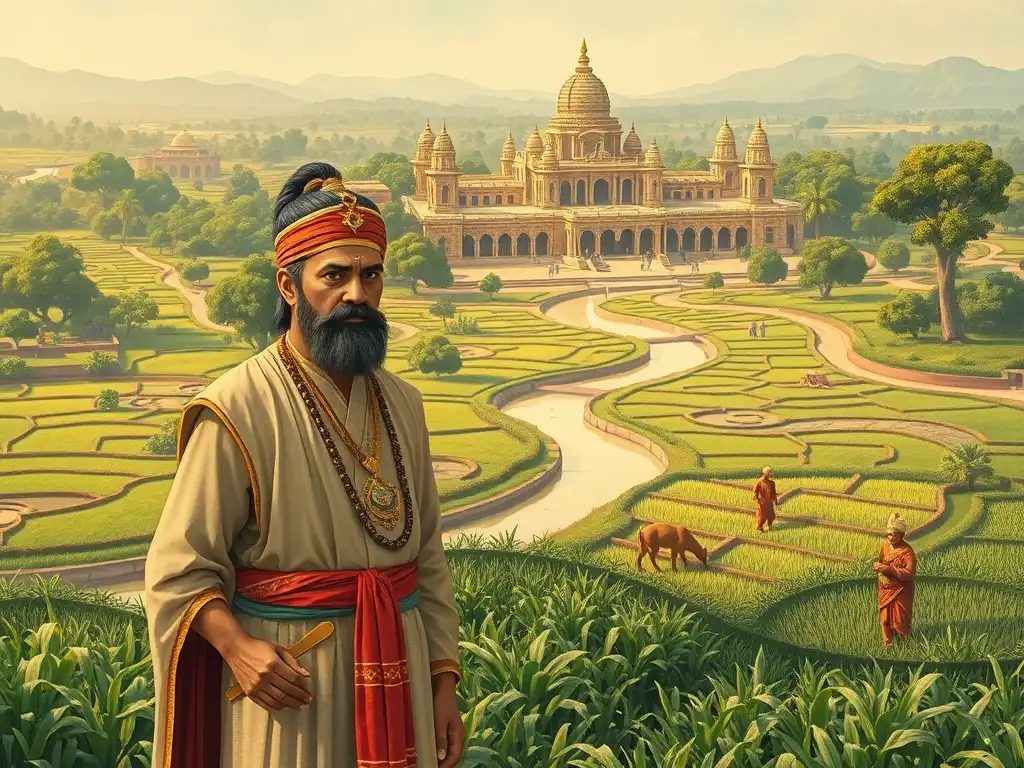
The Maurya Empire, which thrived from approximately 322 to 185 BCE, is often celebrated for its remarkable administrative and governance frameworks. One of the pivotal aspects of this governance was the implementation of environmental policies that underscored the importance of sustainability. The Mauryan rulers, particularly Emperor Ashoka, understood the intrinsic connection between governance and the environment.
Key Sustainable Practices:
- Forestry Management: The Mauryas established strict regulations on forestry to prevent deforestation and over-exploitation of natural resources. This included the preservation of sacred groves and the establishment of protected areas, which helped maintain biodiversity.
- Water Conservation: The construction of extensive irrigation systems, such as canals and reservoirs, was vital for agricultural productivity. This not only ensured food security but also demonstrated a sophisticated understanding of hydrology.
- Waste Management: The empire implemented policies for waste disposal and sanitation, which were crucial for maintaining public health and environmental integrity. Cities were designed with drainage systems that prevented water stagnation and pollution.
These practices reflect an early awareness of the need for sustainable resource management, laying a foundation for environmental governance that resonates even today.
Relevance of Maurya Environmental Policies in Modern Context
In today's rapidly changing world, the Maurya Empire's environmental policies offer valuable lessons for contemporary governance. The principles of sustainability and ecological conservation are increasingly relevant as nations grapple with climate change, urbanization, and resource depletion.
Key Takeaways for Modern Governance:
- Integrating Environmental Policies: Just as the Maurya rulers integrated environmental considerations into their governance, modern leaders can adopt holistic approaches that combine economic development with environmental stewardship.
- Community Involvement: The Mauryan emphasis on local stewardship of resources can inspire current participatory governance models, where communities are engaged in decision-making related to environmental conservation.
- Long-term Planning: The foresight exhibited by Mauryan leaders in resource management can guide modern policymakers to prioritize long-term environmental health over short-term gains.
By reflecting on these policies, modern governments can craft strategies that promote sustainability and resilience in the face of environmental challenges.
Future Implications for Environmental Governance in South Asia
The legacy of the Maurya Empire's environmental policies holds significant implications for the future of environmental governance in South Asia. With a growing population and increasing pressures on natural resources, the region faces critical challenges that require innovative solutions.
Potential Pathways Forward:
- Policy Frameworks: South Asian countries can develop integrated policy frameworks inspired by the Mauryan model, focusing on sustainable agriculture, water management, and conservation efforts that respect local ecosystems.
- Educational Initiatives: Promoting awareness and education about the importance of environmental policies rooted in historical practices can empower future generations to prioritize sustainability.
- Regional Cooperation: Just as the Maurya Empire unified diverse territories, modern South Asian nations can collaborate on cross-border environmental issues, fostering a collective commitment to sustainability.
The environmental policies of the Maurya Empire not only reflect a sophisticated understanding of governance but also provide a historic blueprint for addressing contemporary environmental challenges in South Asia. By learning from the past, we can pave the way for a more sustainable future.
Conclusion: The Legacy of the Maurya Empire’s Environmental Governance
Summary of Key Environmental Policies
The Maurya Empire, known for its remarkable governance and administrative efficiency, implemented several noteworthy environmental policies that laid the groundwork for sustainable practices in ancient India. Among the most significant policies were:
- Forest Conservation: The Mauryan rulers, particularly Ashoka, recognized the importance of forests in maintaining ecological balance. They enacted laws to prevent over-exploitation and illegal logging, thereby promoting conservation efforts.
- Water Management: The empire developed an extensive network of irrigation systems to ensure the efficient use of water resources. This included building canals and reservoirs, which not only aided agriculture but also helped maintain the region's hydrology.
- Wildlife Protection: Ashoka was particularly known for his edicts promoting the protection of animals and wildlife. He established sanctuaries and prohibited hunting in certain areas, emphasizing the need for biodiversity preservation.
- Waste Management: The Maurya Empire introduced measures for waste disposal, including designated areas for refuse. This was crucial in maintaining public health and sanitation in urban centers.
These policies reflect a profound understanding of environmental interdependence and resource management, showcasing the Maurya Empire's commitment to sustainable governance.
The Lasting Impact of the Maurya Empire on Sustainability Practices
The environmental policies of the Maurya Empire have had lasting repercussions on sustainability practices in India and beyond. Their innovative approach to governance and environmental stewardship is evident in several ways:
- Influence on Successive Dynasties: Later Indian empires, such as the Gupta Empire, adopted and adapted many Mauryan environmental practices, integrating them into their own governance structures.
- Cultural Integration of Sustainability: The values espoused by Mauryan rulers, particularly in terms of respecting nature and fostering harmony with the environment, permeated Indian culture. This cultural ethos continues to influence modern environmental movements in India.
- Historical Precedents for Policy Development: The Maurya Empire set historical precedents for environmental governance that resonate even in contemporary policy-making. Modern policymakers often look back at these ancient practices for insights into sustainable development.
- Ecological Awareness: The Mauryan emphasis on ecological balance has inspired various movements aimed at preserving India's rich biodiversity, showcasing the empire's enduring legacy in promoting environmental consciousness.
Final Thoughts on Ancient Governance and Environmental Stewardship
The Maurya Empire's environmental policies serve as a testament to the sophisticated governance practices of ancient India. Their integration of sustainability into statecraft illustrates a forward-thinking approach that prioritized ecological balance alongside economic and social development.
In modern times, as the world grapples with environmental challenges, the lessons from the Maurya Empire become increasingly relevant. Emphasizing conservation, sustainable resource management, and respect for nature can guide current and future governance models. Ultimately, the Maurya Empire's commitment to environmental stewardship not only highlights their advanced administrative capabilities but also establishes a foundational narrative for sustainable practices that resonates throughout history and into the present day.
The Maurya Empire's environmental policies are not just historical footnotes but crucial elements in understanding the evolution of governance and sustainability in human civilization. 🌱
Frequently Asked Questions
What were the key environmental policies of the Maurya Empire?
The Maurya Empire implemented policies that focused on sustainable resource management and forest conservation, which were aimed at maintaining ecological balance.
How did the Maurya Empire address agricultural sustainability?
The Empire promoted agricultural practices that were environmentally friendly, including the use of crop rotation and water conservation techniques to enhance productivity while preserving soil health.
Who was the prominent figure behind the Maurya Empire’s environmental initiatives?
Ashoka the Great, the third Mauryan emperor, is known for his commitment to social and environmental welfare, promoting non-violence and respect for nature through his edicts.
What role did Buddhism play in the Maurya Empire's environmental policies?
Buddhism, which emphasized harmony with nature, influenced the Maurya Empire's policies, encouraging practices that led to forest preservation and animal protection.
How do the environmental policies of the Maurya Empire compare to modern practices?
The Maurya Empire's focus on sustainability and resource conservation resonates with modern environmental practices, highlighting an early understanding of the need for ecological balance.
Final Reflection: The Legacy of the Maurya Empire's Environmental Policies
The environmental policies of the Maurya Empire resonate profoundly in today's context, highlighting the critical intersection between governance and sustainability. As we grapple with pressing environmental challenges, the ancient wisdom of the Maurya Empire serves as a powerful reminder that sustainable governance is not a modern invention, but a timeless necessity. The Mauryan rulers understood the importance of ecological balance, and their policies reflect a sophisticated awareness of the environment that remains relevant in our contemporary discourse on sustainability.
The influence of the Maurya Empire's environmental policies extends far beyond its historical timeline, shaping our cultural and social landscapes today. Their commitment to natural resource management and environmental stewardship can inspire modern governance frameworks. As we navigate the complexities of climate change and resource depletion, we can draw from the past to inform our future. The greatest threat to our planet is the belief that someone else will save it.
- Robert Swan. This quote encapsulates the urgency of collective responsibility, echoing the Mauryan ethos of proactive environmental governance.
As you reflect on the lessons from the Maurya Empire, consider how you can integrate sustainability into your own life and community. Embrace the idea that each small action contributes to a larger impact, and recognize your role in fostering a healthier planet. Let the legacy of the Maurya Empire inspire you to advocate for policies that prioritize environmental well-being, ensuring that future generations inherit a world where nature and humanity thrive in harmony.
Unveil Sustainable Insights for a Greener Future!
Thank you for exploring the fascinating environmental policies of the Maurya Empire with us! Your interest in governance and sustainability not only enriches your knowledge but also lays a strong foundation for understanding how ancient practices can inspire modern solutions.
Now, let’s turn that curiosity into action! Here are a few ways you can engage with this subject further:
- Dive deeper into the sustainability methods of ancient cultures by researching other civilizations that prioritized environmental governance.
- Share this article with friends or on social media to spark discussions about how historical insights can influence today’s environmental policies.
- Join or start a community group focused on sustainable practices, inspired by the rich history of environmental stewardship.
What innovative strategies from ancient civilizations do you believe we can implement today to tackle contemporary environmental challenges?