
The Significance of Trade Treaties in Ancient Indian Diplomacy

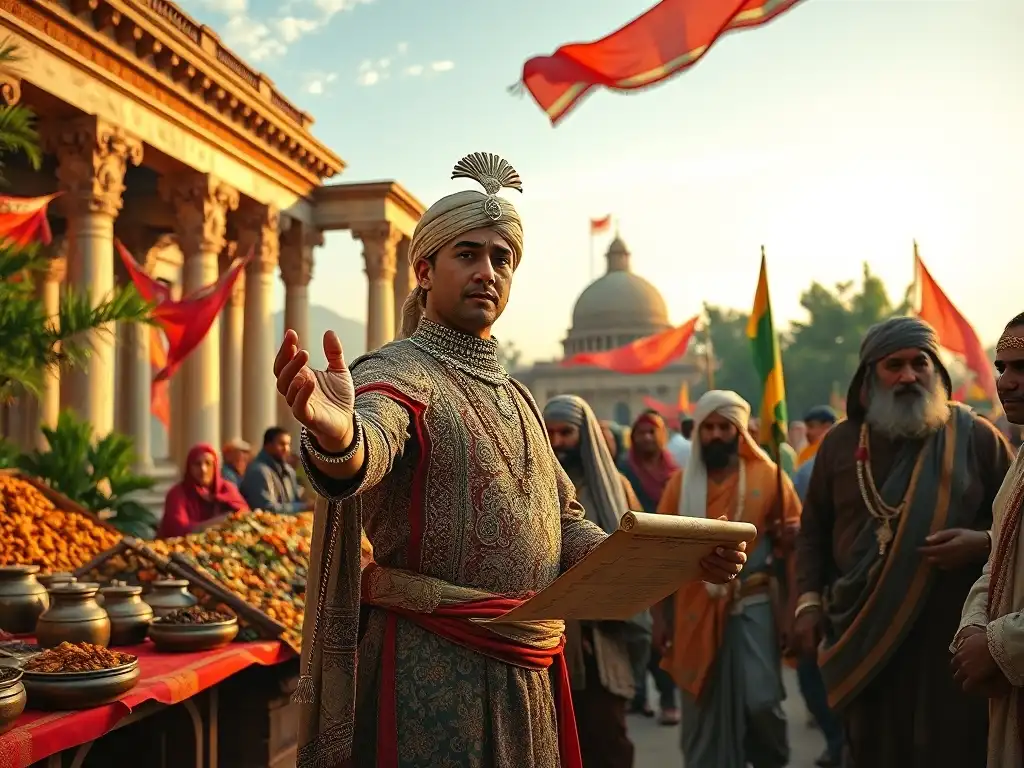
Welcome to Ancient India History, where we delve into the rich tapestry of India's past, illuminating the vibrant cultures and monumental achievements of ancient civilizations. In our featured article, "The Significance of Trade Treaties in Ancient Indian Diplomacy," we explore the intricate web of ancient Indian trade treaties that not only shaped economic landscapes but also forged diplomatic relations across borders. Prepare to uncover the fascinating stories behind these agreements and discover how they contributed to the prosperity and influence of ancient India. Join us on this journey through time, and let your curiosity lead the way!
Introduction to Ancient Indian Trade Treaties
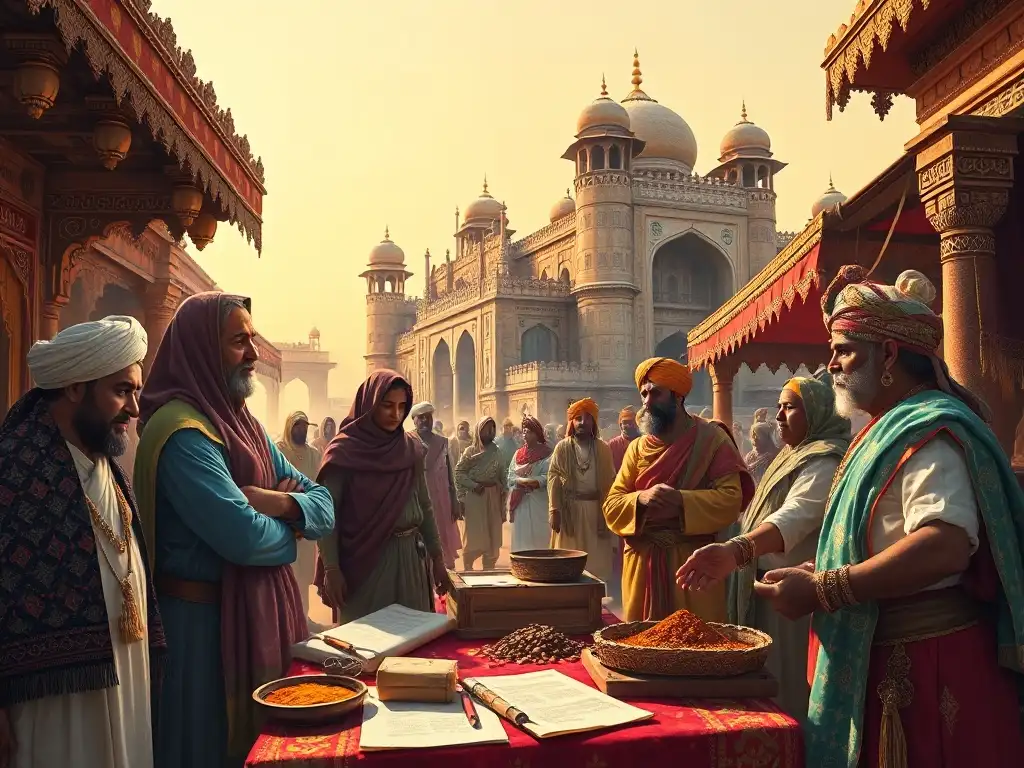
The exploration of trade treaties in ancient India unveils a complex tapestry of economic practices and diplomatic relations that played a pivotal role in shaping the subcontinent's history. Ancient Indian trade treaties were not merely agreements to exchange goods; they were essential instruments of diplomacy that facilitated economic interactions, cultural exchanges, and political alliances among various civilizations. From the flourishing Indus Valley Civilization to the influential Gupta Empire, these treaties highlight the strategic importance of trade in fostering relationships and maintaining peace among diverse communities.
Definition of Trade Treaties in Ancient India
Trade treaties in ancient India can be defined as formal agreements between different kingdoms or city-states that governed trade relations, tariffs, and the movement of merchants and goods. These treaties often included stipulations regarding the protection of traders, the resolution of disputes, and the promotion of mutual economic interests. The significance of these treaties extended beyond commerce, as they often served as a foundation for political alliances and mutual defense against common threats.
Overview of Ancient Indian Diplomacy
Ancient Indian diplomacy was characterized by a sophisticated understanding of international relations, where trade treaties played a crucial role. Diplomatic missions were often dispatched to negotiate treaties, and envoys were tasked with maintaining relationships with foreign powers. The Indian subcontinent's geographical position, situated along lucrative trade routes, made it a hub for commerce and cultural exchange. As a result, ancient Indian states engaged in diplomatic negotiations to secure advantageous trade treaties that would bolster their economies and enhance their political clout.
Historical Context of Trade Treaties in Ancient India
The historical context of trade treaties in ancient India is deeply intertwined with the region's trade routes and networks, which facilitated the exchange of goods, ideas, and cultural practices. Understanding this context is crucial to appreciate the significance of these treaties in shaping ancient Indian diplomacy.
Trade Routes and Networks in Ancient India
Ancient India was crisscrossed by a myriad of trade routes that connected it with various regions, including Central Asia, the Middle East, and Southeast Asia. Notable trade routes included the Silk Road and maritime routes that facilitated the exchange of spices, textiles, and precious stones. These networks not only contributed to economic prosperity but also enabled the flow of knowledge and cultural influences. The establishment of trade treaties along these routes was vital in ensuring safe passage for merchants and incentivizing trade among diverse cultures.
Key Civilizations Involved in Trade Treaties
Several key civilizations in ancient India played significant roles in establishing and engaging in trade treaties. The Maurya Empire, for instance, utilized trade treaties to expand its influence and secure valuable resources. Similarly, the Gupta Empire is known for its flourishing trade with foreign regions, which was bolstered by well-negotiated treaties. Other prominent civilizations, such as the Indus Valley Civilization and the Chola Dynasty, also actively participated in trade treaties that enhanced their economic and political standing.
Through these treaties, ancient Indian civilizations not only fostered economic growth but also laid the groundwork for enduring cultural exchanges that would significantly influence the region's history.
Major Ancient Indian Trade Treaties
Throughout ancient Indian history, trade treaties played a vital role in establishing diplomatic relationships and enhancing economic exchanges. These treaties were not mere agreements; they represented the intricate web of political, cultural, and economic connections among various kingdoms and empires. Some of the most significant trade treaties in ancient India involved interactions with neighboring regions such as Central Asia, the Mediterranean, and Southeast Asia.
The Indus Valley Civilization (circa 3300–1300 BCE) is one of the earliest examples where evidence suggests trade agreements, particularly with Mesopotamia. The Maurya Empire (322–185 BCE) also engaged in extensive trade treaties, as indicated by the famous Treaty of Chandragupta Maurya with the Seleucid Empire, which opened pathways for trade across vast distances. Additionally, treaties forged during the Gupta Empire (circa 320–550 CE) further solidified trade routes, enhancing cultural exchanges and economic prosperity.
Notable Treaties and Their Significance
Among the notable ancient Indian trade treaties, the Treaty of Pataliputra stands out, wherein the Mauryan Emperor Ashoka negotiated terms with Hellenistic states. This treaty not only facilitated trade in goods like textiles and spices but also initiated cultural exchanges, influencing art and philosophy between the regions.
Another significant agreement was the Treaty of Kalinga, which not only aimed at resolving conflicts but also established a framework for mutual trade benefits, enhancing the economic ties between the Mauryan Empire and the regional powers. These treaties often included clauses for the protection of merchants and the regulation of tariffs, promoting a secure trading environment.
The Maritime trade treaties during the Gupta period with Southeast Asian kingdoms, such as the Srivijaya Empire, allowed for the flourishing of trade routes over the Indian Ocean, enhancing the exchange of goods like gold, ivory, and spices, as well as cultural and religious influences.
Influential Figures in the Negotiation of Trade Treaties
Several prominent figures played crucial roles in the negotiation and establishment of trade treaties in ancient India. Chandragupta Maurya, the founder of the Maurya Empire, was instrumental in forming alliances and trade agreements that expanded his empire's reach and facilitated commerce across borders.
Another significant figure was Ashoka the Great, who, after his conversion to Buddhism, emphasized peaceful trade relations and diplomacy, leading to several treaties that promoted trade and cultural exchanges while fostering a sense of security among merchants.
In the Gupta Empire, Samudragupta emerged as a central figure in negotiating trade treaties with foreign powers, enhancing trade routes and establishing diplomatic relations that contributed to the empire’s prosperity.
Economic Impacts of Trade Treaties
Trade treaties in ancient India had profound economic impacts that shaped the region’s economy and influenced its development over centuries. By establishing formal agreements, these treaties facilitated trade and commerce, leading to increased wealth and prosperity.
Enhancement of Trade and Commerce
The establishment of trade treaties significantly enhanced trade and commerce within ancient India. By creating a framework for secure trading practices, merchants could traverse vast distances with reduced risks of piracy and conflict. The treaties often included provisions for fair trade practices, tariffs, and the protection of merchants, leading to a flourishing commercial environment.
The expansion of trade networks connected ancient India with key regions such as Central Asia, Africa, and the Mediterranean, allowing for the exchange of not just goods but also ideas, technologies, and cultural practices. This interconnectedness transformed India into a pivotal trade hub, with cities like Taxila, Pataliputra, and Ujjain emerging as bustling centers of commerce.
Influence on Economic Policies and Practices
Trade treaties also significantly influenced the economic policies and practices of ancient Indian states. The need to regulate and promote trade led to the establishment of administrative frameworks that governed taxation, trade tariffs, and merchant protections.
Kings and rulers often implemented policies that encouraged trade relations, such as reducing taxes for foreign traders or establishing trade fairs. Such policies were crucial for stimulating economic growth and ensuring a steady influx of goods and wealth into their realms.
Role of Trade Treaties in Economic Growth
The economic growth of ancient Indian civilizations was closely linked to the establishment and maintenance of trade treaties. These agreements facilitated not only the exchange of goods but also the transfer of technology and knowledge, which were vital for advancing agricultural practices, craftsmanship, and industrial techniques.
The influx of wealth from trade led to increased urbanization, the development of infrastructure, and advancements in arts and sciences. As trade flourished, so did the demand for various goods, prompting innovations and contributing to the overall economic stability of ancient Indian societies.
Trade treaties were instrumental in shaping the economic landscape of ancient India, fostering commerce, influencing policies, and driving significant economic growth, thereby leaving a lasting legacy on the region’s history.
Cultural and Political Consequences of Trade Treaties
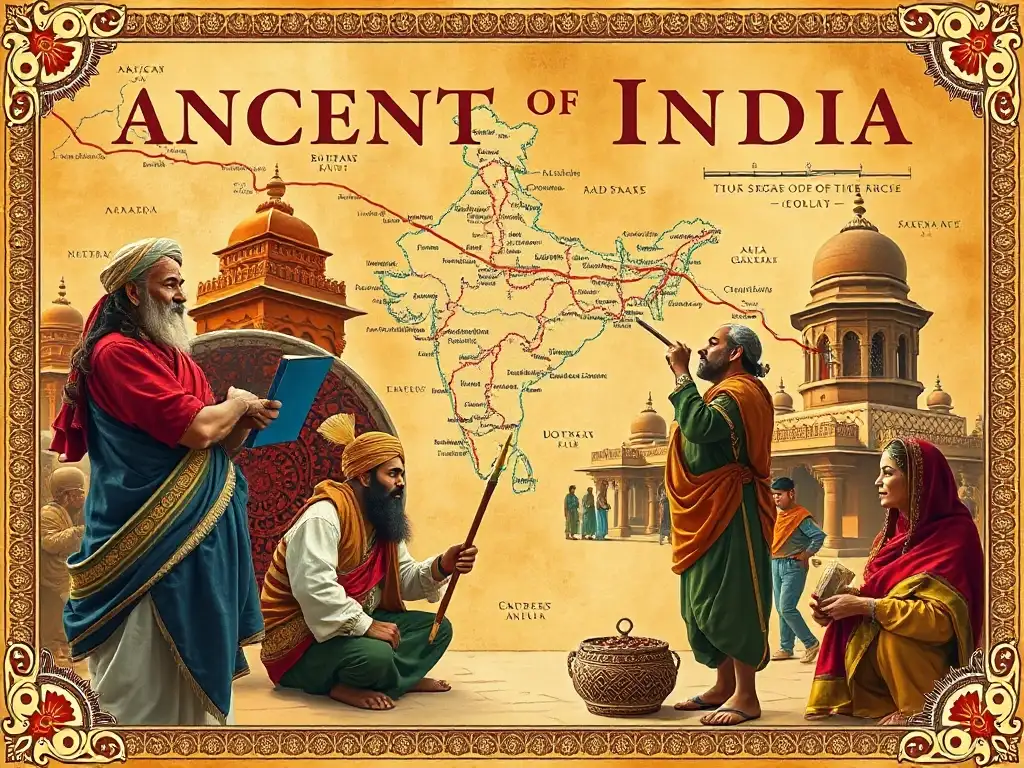
Trade treaties in ancient India played a crucial role in shaping both cultural and political landscapes. These agreements often extended beyond mere economic transactions to influence social structures, cultural exchanges, and political relations among different civilizations. The establishment of trade routes and treaties facilitated the movement of not only goods but also ideas, technologies, and cultural practices. This exchange enriched local cultures, leading to the fusion of artistic styles, religious beliefs, and languages.
Politically, trade treaties were essential for fostering diplomatic relationships. They provided a platform for negotiations and dialogue between different kingdoms and empires. Through these treaties, ancient Indian states could secure their borders, establish peace, and promote stability. The political significance of trade treaties was evident during the Mauryan and Gupta empires, where diplomatic efforts often involved trade agreements that helped maintain regional power dynamics.
Cross-Cultural Exchange Through Trade Treaties
Cross-cultural exchange was significantly enhanced by ancient Indian trade treaties, which opened up avenues for interaction between diverse civilizations. Merchants, travelers, and diplomats traveled along trade routes such as the Silk Road and maritime pathways, introducing new ideas and practices to Indian society. For instance, the influx of Hellenistic influences during the Mauryan period, following trade interactions with the Greeks, led to advancements in art and architecture, exemplified by the Gandhara style.
Moreover, trade treaties often included stipulations for cultural exchanges, such as the sharing of religious texts and philosophies. The spread of Buddhism into Central Asia and beyond is a prime example of how trade routes facilitated cultural diffusion. Additionally, the presence of foreign traders in Indian ports fostered multicultural societies where diverse customs and traditions coexisted, enriching the local culture and promoting tolerance.
Political Alliances Formed Through Economic Agreements
Economic agreements in the form of trade treaties were instrumental in forming political alliances among ancient Indian kingdoms. By entering into trade treaties, states could secure mutual benefits that went beyond commerce. For example, alliances forged through trade treaties often involved military cooperation, where allied states would offer military support in times of conflict. Such partnerships were crucial for smaller kingdoms seeking protection against more powerful neighbors.
In some cases, marriages between royal families were arranged as part of trade treaties to solidify alliances. These political marriages not only enhanced diplomatic relations but also created a sense of loyalty and unity between different regions. The significance of these alliances is illustrated during the rule of the Gupta Empire, where trade treaties with neighboring states helped consolidate power and enable economic prosperity across the region.
Challenges and Conflicts in Ancient Indian Trade Treaties
Despite their importance, ancient Indian trade treaties were fraught with challenges and conflicts. The complexities of negotiating trade agreements often led to disputes that could disrupt trade and diplomatic relations. Misunderstandings related to terms of trade, tariffs, and responsibilities could escalate into significant conflicts, sometimes resulting in the breakdown of long-standing treaties.
Negotiation Difficulties and Disputes
Negotiating trade treaties in ancient India was a multifaceted process that required careful consideration of various factors, including regional interests, economic capabilities, and cultural sensitivities. Disputes often arose from differing interpretations of treaty terms or the failure to comply with agreed-upon conditions. For instance, if one party believed the other was not honoring trade agreements, it could lead to retaliatory measures, such as increasing tariffs or restricting trade, thereby straining diplomatic ties.
Additionally, external pressures, such as the influence of powerful empires or internal strife, could complicate negotiations. The need for consensus among different factions within a state or among allied states often made reaching an agreement challenging. The intricate nature of these negotiations highlights the importance of skilled diplomats who could navigate the complexities of ancient Indian trade treaties.
Impact of Wars on Trade Treaties
Wars significantly impacted trade treaties in ancient India, often leading to their dissolution or renegotiation. Conflicts between kingdoms could disrupt trade routes, making it difficult to honor existing agreements. For instance, during the frequent power struggles in the region, such as those between the Mauryas and the Shungas, trade treaties were often sidelined, leading to economic instability.
Moreover, victorious states would frequently impose new terms on defeated rivals, reshaping trade agreements to their advantage. The post-war treaties could include punitive measures that affected trade practices and tariffs, illustrating how warfare could alter the economic landscape. Additionally, the aftermath of war often prompted a reevaluation of alliances, leading to the formation of new treaties that reflected the shifting power dynamics of the time. This cyclical relationship between conflict and trade treaties underscores the complex interplay between diplomacy and warfare in ancient Indian history.
Legacy of Ancient Indian Trade Treaties
The legacy of ancient Indian trade treaties is profound, shaping not only the economic landscape of the Indian subcontinent but also influencing its diplomatic relations with neighboring civilizations. These treaties facilitated the exchange of goods, ideas, and cultures, creating a rich tapestry of interactions that defined ancient India's place in global trade networks. Key treaties, such as those established between Indian kingdoms and foreign powers like the Persians, Greeks, and later the Romans, highlighted the importance of mutual benefit and respect in trade relationships.
Furthermore, the impact of these treaties extended beyond mere commerce. They laid the groundwork for cultural exchanges that enriched Indian society. For instance, the introduction of new products, such as spices and textiles, transformed local industries and influenced culinary practices. The mobility brought about by trade routes also fostered the spread of religions, philosophies, and artistic expressions. In this way, ancient Indian trade treaties served as a conduit for not only economic prosperity but also cultural flourishing.
Influence on Subsequent Trade Practices
The principles established in ancient Indian trade treaties have had a lasting influence on subsequent trade practices across the region. These treaties often emphasized key elements such as fairness, mutual respect, and the importance of maintaining long-term relationships, which are still relevant in modern-day trade agreements. The concept of Dharma (righteousness or duty) in trade, which promoted ethical conduct, can be traced back to these early agreements.
Moreover, ancient Indian merchants pioneered practices such as the use of standardized measurements and weights, which were crucial for fair trading. This standardization not only facilitated trade within India but also with foreign traders, leading to more structured economic interactions. The legacy of these practices can be observed in contemporary trade systems where regulations and standards are essential for ensuring smooth transactions.
Lessons from Ancient Indian Trade Treaties for Modern Diplomacy
Modern diplomacy can draw valuable lessons from the frameworks of ancient Indian trade treaties. The emphasis on dialogue and negotiation illustrated in these treaties showcases the importance of diplomatic engagement in achieving mutual benefits. For instance, the ancient practice of sending envoys to negotiate trade agreements underscores the significance of personal relationships and trust-building in diplomacy.
Additionally, the adaptability of these treaties in response to changing political and economic landscapes serves as a reminder of the need for flexibility in modern negotiations. By prioritizing collaborative approaches and recognizing the interconnectedness of global economies, contemporary diplomats can foster more effective and sustainable trade agreements. Furthermore, the focus on cultural exchange inherent in ancient treaties can inspire modern initiatives that promote not only economic cooperation but also mutual understanding among diverse cultures.
Conclusion
Recap of the Importance of Trade Treaties in Ancient Indian Diplomacy
Trade treaties played a pivotal role in ancient Indian diplomacy, acting as essential instruments for fostering economic growth and cultural exchange. These treaties were not merely contracts for the exchange of goods; they were foundational to establishing and maintaining peaceful relations between diverse cultures and kingdoms. The wisdom embedded within these agreements continues to resonate, offering insights into the art of negotiation and collaboration.
Final Thoughts on the Economic and Cultural Legacy of Trade Treaties
The economic and cultural legacy of ancient Indian trade treaties is enduring. These agreements not only facilitated the flow of goods but also allowed for the exchange of ideas and traditions, enriching the civilizations involved. As we explore the history of ancient India, it is crucial to recognize the significant role that trade treaties played in shaping its economic practices and diplomatic relations. Understanding this legacy can illuminate how ancient wisdom can inform contemporary practices, enriching both our economic interactions and cultural exchanges in today's global landscape.
- Introduction to Ancient Indian Trade Treaties
- Historical Context of Trade Treaties in Ancient India
- Major Ancient Indian Trade Treaties
- Economic Impacts of Trade Treaties
- Cultural and Political Consequences of Trade Treaties
- Challenges and Conflicts in Ancient Indian Trade Treaties
- Legacy of Ancient Indian Trade Treaties
- Conclusion
- What were the primary trade treaties in ancient India?
- How did trade treaties influence ancient Indian diplomacy?
- What were the benefits of trade treaties for ancient Indian civilizations?
- Which ancient Indian civilization was most known for its trade treaties?
- How did trade treaties impact the economy of ancient India?
Frequently Asked Questions
What were the primary trade treaties in ancient India?
Ancient Indian trade treaties, such as those with Sumerians and Egyptians, facilitated the exchange of goods like spices, textiles, and metals, enhancing economic and cultural ties between civilizations.
How did trade treaties influence ancient Indian diplomacy?
Trade treaties played a crucial role in ancient Indian diplomacy by establishing alliances and fostering peaceful relations with neighboring states, which were essential for stability and prosperity.
What were the benefits of trade treaties for ancient Indian civilizations?
The benefits included access to new markets, the introduction of foreign goods, and the spread of ideas and technologies, which contributed to the cultural richness of ancient India.
Which ancient Indian civilization was most known for its trade treaties?
The Maurya Empire is particularly recognized for its extensive trade treaties, which not only expanded its economic reach but also strengthened its political influence across Asia.
How did trade treaties impact the economy of ancient India?
Trade treaties significantly boosted the economy of ancient India by encouraging commercial activities, leading to increased wealth, and enhancing the standard of living for many communities.
Final Reflection: The Enduring Legacy of Ancient Indian Trade Treaties
The significance of ancient Indian trade treaties resonates profoundly in today's globalized world, where diplomacy and economic partnerships remain pivotal for nations. These treaties were not merely agreements; they were the backbone of relationships that fostered cultural exchange, economic prosperity, and political stability. As we navigate the complexities of modern international relations, the lessons learned from these ancient practices offer invaluable insights into the importance of collaboration and mutual respect among nations.
The influence of ancient Indian trade treaties continues to shape our cultural and social landscape, reminding us of the interconnectedness of societies. The principles of negotiation and cooperation established through these treaties laid the groundwork for future diplomatic endeavors, emphasizing the need for dialogue in resolving conflicts. As Mahatma Gandhi once said, ">An ounce of practice is worth more than tons of preaching." This quote encapsulates the essence of applying historical lessons to contemporary issues, urging us to embrace the spirit of collaboration that characterized ancient Indian diplomacy.
As you reflect on the significance of ancient Indian trade treaties, consider how their principles can be applied in your own life and community. Engage in dialogue, foster relationships, and seek common ground with those around you. In a world that often feels divided, let the legacy of these ancient treaties inspire you to build bridges rather than walls. Together, we can cultivate a culture of understanding and cooperation that honors the wisdom of our ancestors while paving the way for a harmonious future.
Unlock the Secrets of Ancient Diplomacy!
Thank you for taking the time to explore the fascinating world of trade treaties in ancient Indian diplomacy. Your interest in this rich history opens the door to understanding how these agreements shaped relationships and civilizations. Now that you've gained insights into their significance, it's time to take action and deepen your knowledge!
Here are a few steps you can take to continue your journey:
- Dive deeper into the topic: Explore academic articles and books that expand on the influence of trade treaties in ancient societies. The more you learn, the more you can appreciate their impact.
- Share your newfound knowledge: Engage in discussions with friends or on social media to inspire conversations about ancient diplomacy and its relevance to contemporary issues.
- Join a community: Connect with fellow history enthusiasts online! Seek out forums or social media groups where you can exchange ideas, insights, and questions about ancient Indian trade and diplomacy.
What aspect of ancient Indian trade treaties intrigues you the most, and how do you think they have influenced modern diplomatic practices?