
The Western Indian Festivals: A Celebration of Ancient Traditions

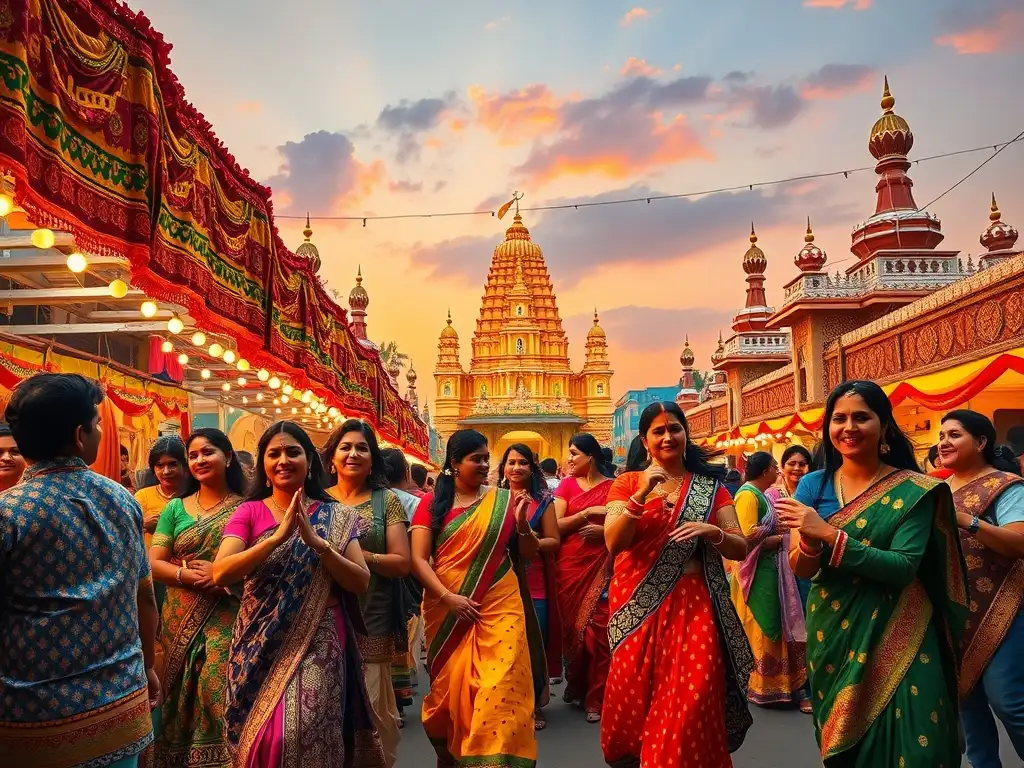
Welcome to Ancient India History, where we embark on a fascinating journey through the rich tapestry of India's past. In our featured article, "The Western Indian Festivals: A Celebration of Ancient Traditions," we delve into the vibrant ancient Indian festival traditions that have shaped the cultural landscape of this remarkable region. Discover the stories behind these time-honored celebrations and their significance, inviting you to explore the profound connections between history and heritage.
As you navigate through the vibrant colors and sounds of these festivals, prepare to unlock a deeper understanding of the ancient civilizations that thrived in India. Join us as we celebrate the legacies that resonate even today!
Introduction to Ancient Indian Festival Traditions
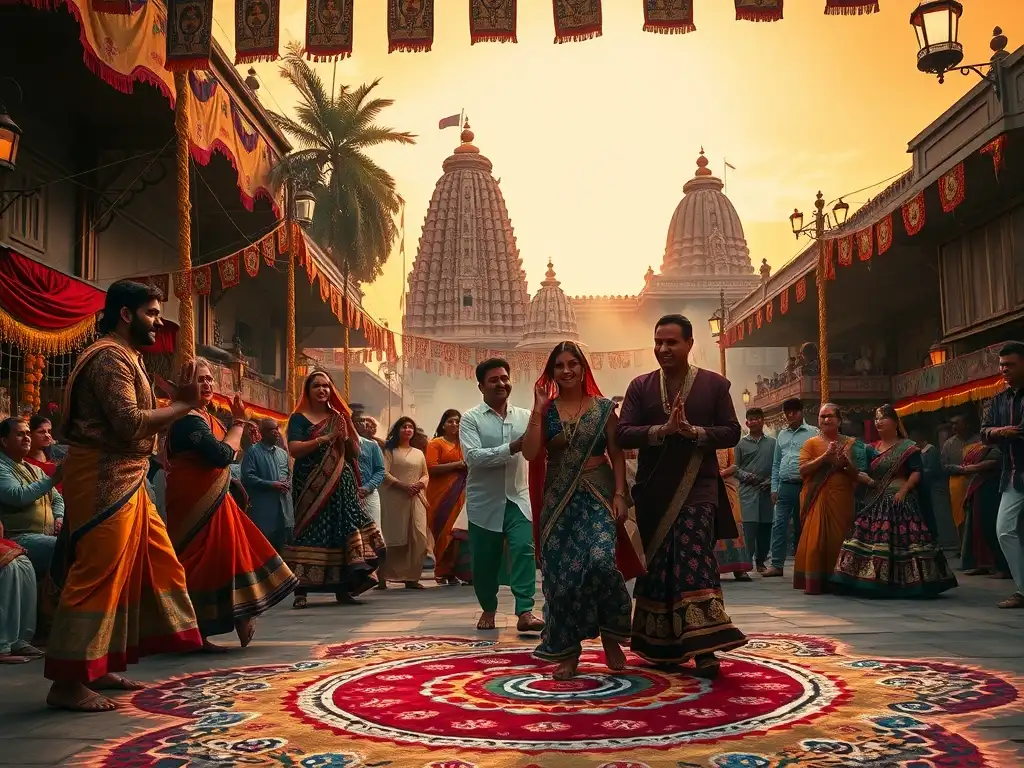
The festival traditions of ancient India represent a vibrant tapestry of culture, spirituality, and community bonding that has evolved over millennia. Festivals are more than mere celebrations; they encapsulate the values, beliefs, and historical narratives of civilizations. In Western India, the rich cultural heritage is reflected in its diverse festivals, each with unique rituals and significance.
From the colorful celebrations of Diwali to the elaborate ceremonies of Navratri, these festivals not only mark the changing seasons but also honor deities, celebrate harvests, and commemorate historical events. The ancient Indian festival traditions have laid the groundwork for the cultural practices observed today, ensuring that the legacies of past civilizations continue to resonate in contemporary society.
Overview of Western India’s Cultural Heritage
Western India is a region steeped in history, showcasing a blend of ancient traditions and modern influences. This area is characterized by its varied landscapes, from the serene beaches of Goa to the arid deserts of Rajasthan, and these geographical features have significantly influenced the local customs and festivals.
- Diverse Influences:
- The cultural fabric of Western India is woven from influences of various dynasties, including the Mauryas, Guptas, and Marathas. Each group contributed unique elements to the region's festival traditions.
- The amalgamation of Hindu, Jain, Muslim, and tribal cultures has resulted in a rich diversity of celebrations that reflect the pluralistic nature of Indian society.
- Notable Festivals:
- Festivals such as Gudi Padwa, marking the New Year in Maharashtra, and Navratri, celebrated with fervor in Gujarat, showcase the region's deep-rooted traditions and community spirit.
- The Poush Mela in Maharashtra and the International Kite Festival in Gujarat highlight the agricultural and artistic expressions of the local people.
- Rituals and Practices:
- Each festival is accompanied by distinct rituals, music, dance, and culinary specialties that enhance the communal experience. These practices serve not only as a means of celebration but also as a way to pass down ancient knowledge and traditions to future generations.
The festival traditions of Western India are a compelling reflection of its ancient heritage, offering insights into the region's historical significance and cultural richness. Through these celebrations, the essence of ancient Indian civilization continues to thrive, showcasing the enduring legacy of its people and their traditions.
- What are some major ancient Indian festival traditions celebrated in Western India?
- How do ancient Indian festival traditions reflect the region's culture?
- Are there any unique festivals in Western India that highlight ancient traditions?
- How do local communities participate in these ancient Indian festivals?
- What is the significance of rituals in Western Indian festival traditions?
Historical Significance of Festivals in Western India
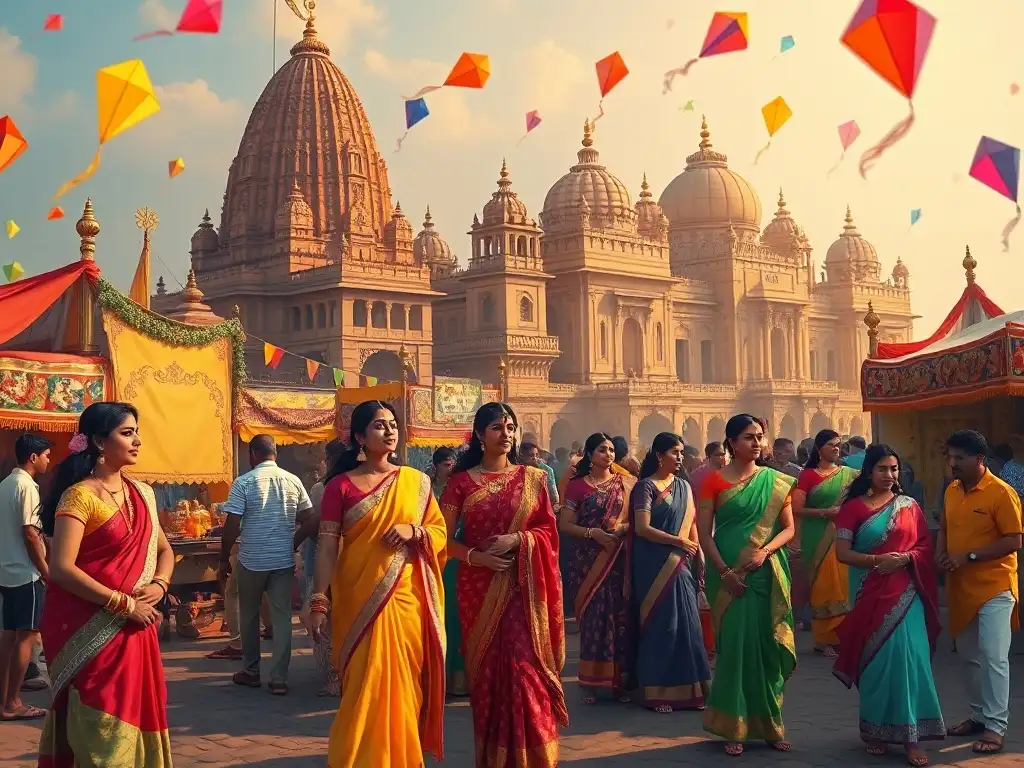
Festivals have played a pivotal role in shaping the cultural landscape of Western India, serving as a vital expression of community identity, spiritual beliefs, and social cohesion. The historical significance of these festivals lies not only in their celebration but also in their ability to reflect the values, traditions, and complexities of ancient Indian society.
The Role of Festivals in Ancient Indian Society
Festivals in ancient India were not merely occasions for celebration; they were deeply embedded in the social fabric, influencing various aspects of daily life. Here are some key roles festivals played in ancient Indian society:
- Cultural Expression:
- Festivals served as a platform for showcasing art forms, crafts, and music, thus enriching the cultural heritage.
- Traditional dances and folk performances, often seen during festivals, became essential means of passing down stories and legends.
- Religious Significance:
- Many festivals were rooted in religious practices, honoring deities and marking important mythological events.
- For instance, the festival of Makar Sankranti, celebrated in various forms across Western India, is associated with the worship of the Sun and the harvest season.
- Agricultural Cycles:
- Festivals often aligned with agricultural cycles, marking sowing and harvesting periods.
- The celebration of Gudi Padwa in Maharashtra heralds the beginning of the new year and the arrival of spring, symbolizing prosperity and abundance.
- Social Cohesion:
- Festivals acted as a binding force within communities, fostering relationships among different social groups.
- They provided opportunities for collective participation, reinforcing community bonds and shared identities.
- Rituals and Traditions:
- Seasonal rituals associated with festivals guided the rhythm of life, from birth to death, and everything in between.
- The elaborate rituals during festivals like Diwali or Navratri reflect the rich tapestry of customs passed down through generations.
Influence of Ancient Civilizations on Festival Traditions
The ancient civilizations that thrived in Western India, including the Indus Valley Civilization, the Maurya Empire, and the Gupta Empire, have significantly influenced contemporary festival traditions. Here are some notable influences:
- Cultural Syncretism:
- The interactions between different cultures, especially during periods of trade and conquest, led to a blend of traditions.
- The incorporation of local deities and customs into major festivals illustrates this syncretism, as seen in the diverse celebrations during Holi, which amalgamates various regional practices.
- Art and Architecture:
- Ancient architectural marvels, such as temples and caves, often served as the backdrop for festivals.
- The intricate sculptures and carvings found in sites like the Ajanta and Ellora Caves depict scenes of festivals and rituals, showcasing the significance of these events in ancient life.
- Trade Routes and Cultural Exchange:
- Western India’s strategic location facilitated trade with other civilizations, enriching its festival traditions with influences from outside.
- Festivals like Baisakhi, which celebrates the harvest, have roots in historical trading practices and agricultural richness shared along these routes.
- Literature and Folklore:
- Ancient texts and scriptures, such as the Mahabharata and Ramayana, provide insights into the origins of various festivals.
- Folk tales and legends associated with these texts continue to inspire festival celebrations, ensuring that ancient narratives remain alive in modern practices.
- Regional Variations:
- Diverse ethnic groups in Western India have contributed to a variety of festival traditions, each with unique characteristics and rituals.
- For example, while Navratri is celebrated across India, its observance in Gujarat, with its distinct Garba dance, highlights how local customs have shaped broader festival practices.
The historical significance of festivals in Western India is deeply intertwined with ancient traditions and civilizations, revealing a rich tapestry of cultural heritage that continues to be celebrated today. By understanding these roots, we can appreciate the enduring legacy of ancient Indian festival traditions and their role in shaping contemporary society.
Major Ancient Indian Festival Traditions in Western India
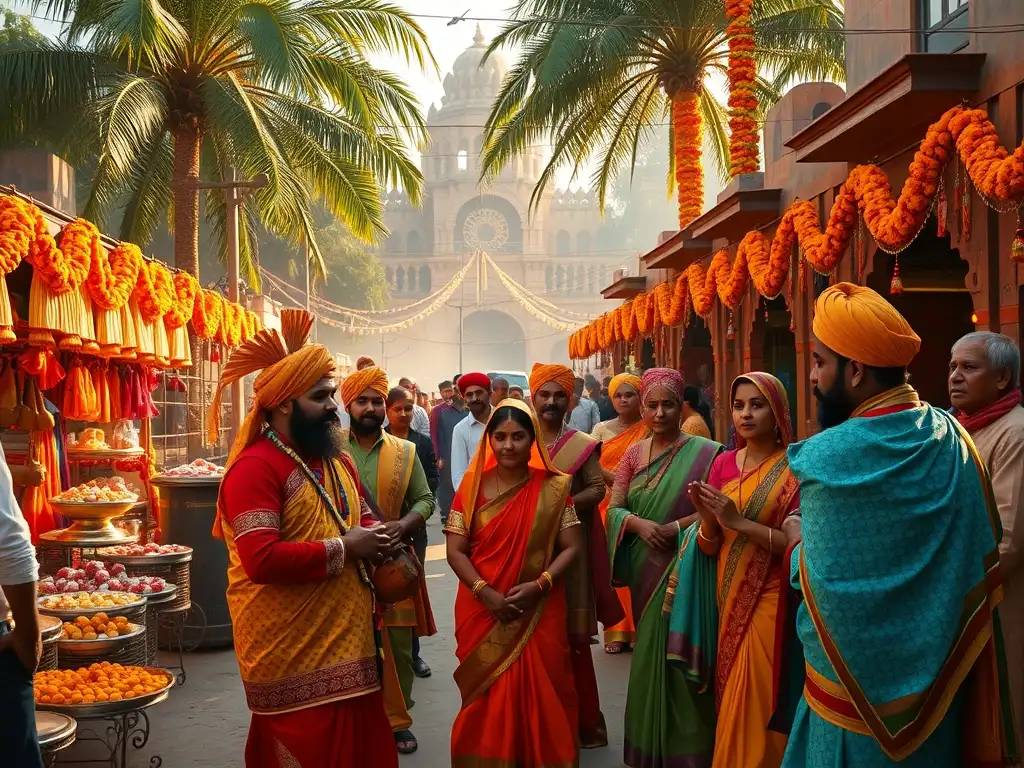
Diwali: The Festival of Lights
Historical Origins of Diwali
Diwali, known as the Festival of Lights, has its roots deeply embedded in ancient Indian culture, particularly within the context of Western Indian traditions. The festival is celebrated annually, marking the triumph of light over darkness and good over evil. Its origins can be traced back to various ancient texts, including the Ramayana, which narrates the return of Lord Rama to Ayodhya after vanquishing the demon king Ravana. This event is believed to have occurred during the Hindu lunar month of Kartika, leading to the lighting of oil lamps (diyas) to welcome Rama home.
In Western India, particularly in states like Gujarat and Maharashtra, Diwali also coincides with harvest celebrations, symbolizing prosperity and abundance. The festival is associated with the worship of Goddess Lakshmi, the deity of wealth, and is celebrated with great enthusiasm, signifying both spiritual and material significance in ancient Indian festival traditions.
Cultural Practices and Rituals of Diwali
The cultural practices surrounding Diwali are rich and varied, reflecting the diverse traditions of Western India. Preparations for the festival begin weeks in advance, with families cleaning and decorating their homes to invite prosperity. Key rituals include:
- Dhanteras: The first day is dedicated to purchasing new utensils and gold, symbolizing wealth.
- Naraka Chaturdashi (Choti Diwali): This day commemorates Lord Krishna's victory over the demon Narakasura, with early morning rituals and fireworks.
- Main Diwali Day: Families perform Lakshmi Puja, lighting diyas and bursting crackers to celebrate the goddess's arrival.
- Bhai Dooj: The festival concludes with this day, where sisters pray for their brothers' well-being.
The use of vibrant rangoli designs at the entrance of homes, exchanging sweets, and family gatherings are integral to the celebrations, showcasing the communal spirit of this ancient Indian festival tradition.
Historical Roots of Navratri
Navratri, meaning "nine nights," is a significant festival dedicated to the worship of Goddess Durga, symbolizing the victory of good over evil. Historically, Navratri's origins can be traced back to the ancient worship practices of Shakti, the divine feminine power. In Western India, particularly in Gujarat and Maharashtra, Navratri is celebrated with immense fervor, showcasing a blend of ancient rituals and regional customs.
The festival commemorates the divine battle between Goddess Durga and the buffalo demon Mahishasura, representing the struggle against evil forces. Ancient texts like the Devi Mahatmya narrate the story of Durga's fierce form, invoking her power and grace. The festival typically occurs during the lunar month of Ashvin, aligning with the harvest season, further emphasizing its agrarian roots.
Traditional Celebrations and Customs
Navratri celebrations in Western India are characterized by vibrant customs and community engagement. Each of the nine nights is dedicated to a different form of Goddess Durga, with specific rituals and celebrations that include:
- Garba and Dandiya Raas: Traditional folk dances performed in circles, accompanied by live music, symbolize joy and unity. These dances are especially popular in Gujarat, where they reflect the cultural vibrancy of the region.
- Fasting and Prayer: Devotees often observe fasts, engaging in prayers and rituals to seek blessings from the goddess. Special offerings of fruits and flowers are made at home altars.
- Navratri Pandals: Temporary structures are set up for community gatherings, where devotional songs and dances take place, fostering a sense of togetherness among participants.
- Durga Visarjan: The festival culminates with the immersion of Durga idols in water, symbolizing the goddess's return to her celestial abode after a period of earthly presence.
The rich tapestry of traditions and practices during Navratri not only highlights ancient Indian festival traditions but also reinforces the cultural identity of Western India, celebrating the enduring spirit of devotion and community.
Makar Sankranti: The Harvest Festival
Makar Sankranti is one of the most significant ancient Indian festival traditions celebrated in Western India, marking the transition of the sun into the zodiac sign of Capricorn (Makar). This festival usually falls on January 14th and is primarily a harvest festival that signifies the end of winter and the beginning of the harvest season. It is a time for joyous celebrations, community gatherings, and various cultural festivities that showcase the region's rich agricultural heritage.
Ancient Significance of Makar Sankranti
The roots of Makar Sankranti can be traced back to ancient Vedic traditions, where it was celebrated as a major solar festival. In the context of Hindu mythology, it is believed that on this day, Lord Surya (the Sun God) descends into the northern hemisphere, bringing longer days and warmer weather. This transition is seen as auspicious, symbolizing the arrival of prosperity and abundance.
Historically, Makar Sankranti was not just a day of celebration but also an important time for farmers. It marked the end of the rabi season sowing and the beginning of the harvest. Ancient scriptures mention rituals and offerings made to deities to ensure a bountiful harvest. The festival also served as a reminder of the cyclical nature of life and the importance of gratitude towards nature's gifts.
Unique Traditions and Festivities
Makar Sankranti is celebrated with a variety of unique traditions and festivities across Western India, each state adding its own flavor to the celebration. Here are some notable customs:
- Pongal Celebration (Maharashtra): In Maharashtra, Makar Sankranti is celebrated as Pongal, where people prepare a special dish made of rice and jaggery. This dish is offered to the deities as a gesture of gratitude for a good harvest.
- Kite Flying (Gujarat): One of the most iconic traditions associated with Makar Sankranti in Gujarat is kite flying. The skies are filled with colorful kites as families and friends compete to cut each other's kites, creating a festive atmosphere.
- Ritual Bathing (Maharashtra and Goa): Many devotees take a holy dip in rivers, particularly in the sacred waters of the Godavari and the Ganga, believing it to purify the soul and bring blessings for the year ahead.
- Community Feasts: Families and communities come together to share traditional sweets made from sesame seeds and jaggery, which are believed to provide warmth and energy during the winter months.
- Cultural Programs: Various cultural programs, including folk dances and music performances, are organized during the festival, showcasing the rich artistic heritage of the region.
Makar Sankranti thus not only highlights the agrarian lifestyle of ancient India but also reinforces the values of community bonding and cultural heritage, making it a cherished festival that continues to thrive in modern times.
Regional Variations of Festivals in Western India
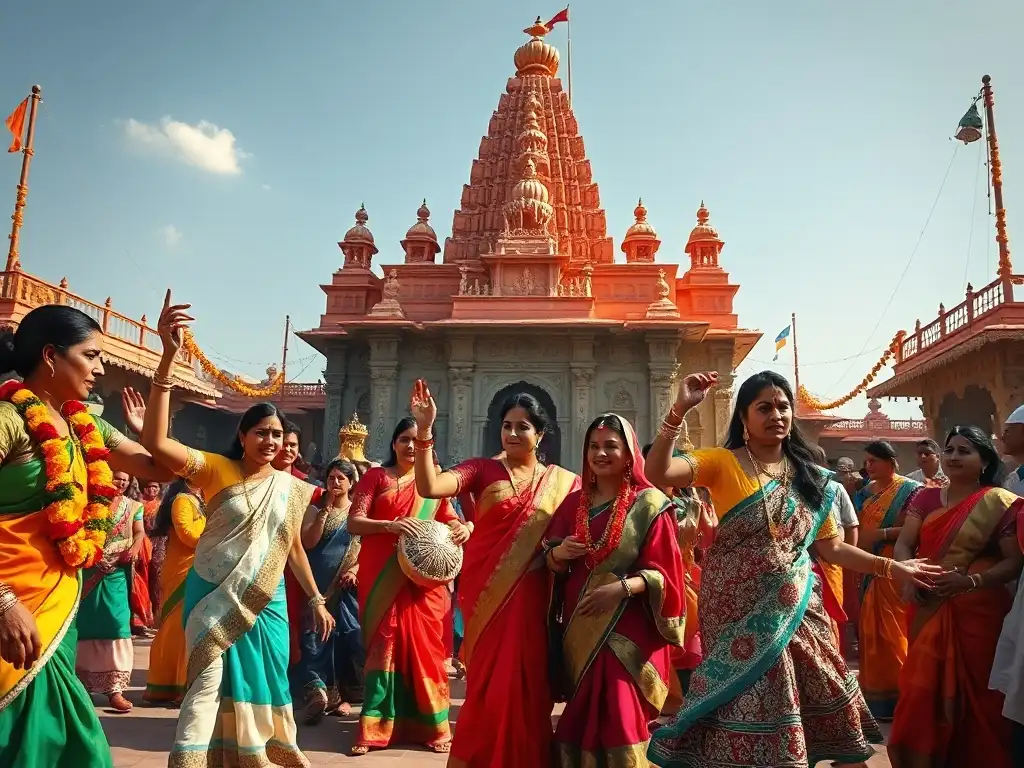
Western India is a vibrant tapestry of cultures and traditions, deeply intertwined with its rich historical background. The festival landscape in this region reflects a diverse array of practices, beliefs, and communal celebrations that have evolved over centuries. Each state in Western India showcases its unique festival traditions, making it a fascinating area for exploration.
Gujarat: Celebrations and Unique Practices
Gujarat, renowned for its lively festivals, showcases a blend of ancient traditions and modern influences. Among the most notable festivals is Navratri, a nine-night celebration dedicated to the goddess Durga. This festival is characterized by:
- Dandiya Raas: A traditional dance form where participants dance with colorful sticks, creating a vibrant atmosphere.
- Garba: Another popular dance that involves circular movements and rhythmic clapping, often performed around a statue of the goddess.
The festival not only marks a time for spiritual reflection but also strengthens community bonds. Another significant event is Uttarayan, celebrated on January 14th, which marks the end of winter solstice. During this festival, families fly kites, creating a colorful skyline. The joyous ambiance is enhanced by special snacks like undhiyu and kites.
| Festival | Date | Unique Features |
|---|---|---|
| Navratri | September-October | Dandiya Raas, Garba |
| Uttarayan | January 14 | Kite flying, traditional snacks |
Maharashtra: Fusion of Traditions and Festivals
Maharashtra's festivals encapsulate a beautiful fusion of various influences, reflecting the state's unique cultural heritage. One of the most significant festivals is Ganesh Chaturthi, which honors Lord Ganesha. The celebration is marked by:
- Grand Processions: Elaborate idols of Ganesha are paraded through the streets, accompanied by music and dance.
- Community Engagement: Local communities come together to celebrate, fostering a sense of unity and collaboration.
Additionally, Diwali, the festival of lights, is celebrated with great fervor. It signifies the victory of light over darkness and goodness over evil. In Maharashtra, Narali Purnima, which celebrates the sea, is also noteworthy. Fishermen worship the sea and offer coconut and flowers, symbolizing their gratitude.
| Festival | Date | Unique Features |
|---|---|---|
| Ganesh Chaturthi | August-September | Idol immersion, community gatherings |
| Diwali | October-November | Lighting of diyas, fireworks, family feasts |
| Narali Purnima | August | Offerings to the sea, gratitude rituals |
Rajasthan: Colorful Festivals and Their Origins
Rajasthan, known for its rich cultural heritage, celebrates a plethora of vibrant festivals that highlight its royal history and folk traditions. Teej, for example, is celebrated by women to mark the onset of monsoon. The festival features:
- Traditional Attire: Women dress in their finest clothes, adorned with jewelry, and participate in singing and dancing.
- Swinging on Jhoolas: This custom symbolizes the joy of the rains and is a visual treat.
Another prominent festival is Pushkar Camel Fair, which combines commerce with spirituality. It attracts thousands of visitors, showcasing the unique bond between humans and camels. The fair includes:
- Cultural Performances: Folk music and dance performances bring the desert culture to life.
- Camel Racing: An exhilarating event that draws crowds and showcases local traditions.
| Festival | Date | Unique Features |
|---|---|---|
| Teej | July-August | Women's celebrations, swings, folk songs |
| Pushkar Camel Fair | October-November | Camel trading, cultural performances |
The ancient Indian festival traditions of Western India are a reflection of its rich cultural diversity and historical significance. Each state's unique celebrations not only preserve age-old customs but also foster community spirit and unity among its people. From the spirited dances of Gujarat to the grand processions of Maharashtra and the vibrant fairs of Rajasthan, these festivals serve as a testament to the enduring legacy of ancient Indian traditions.
The Impact of Ancient Indian Festival Traditions on Modern Celebrations
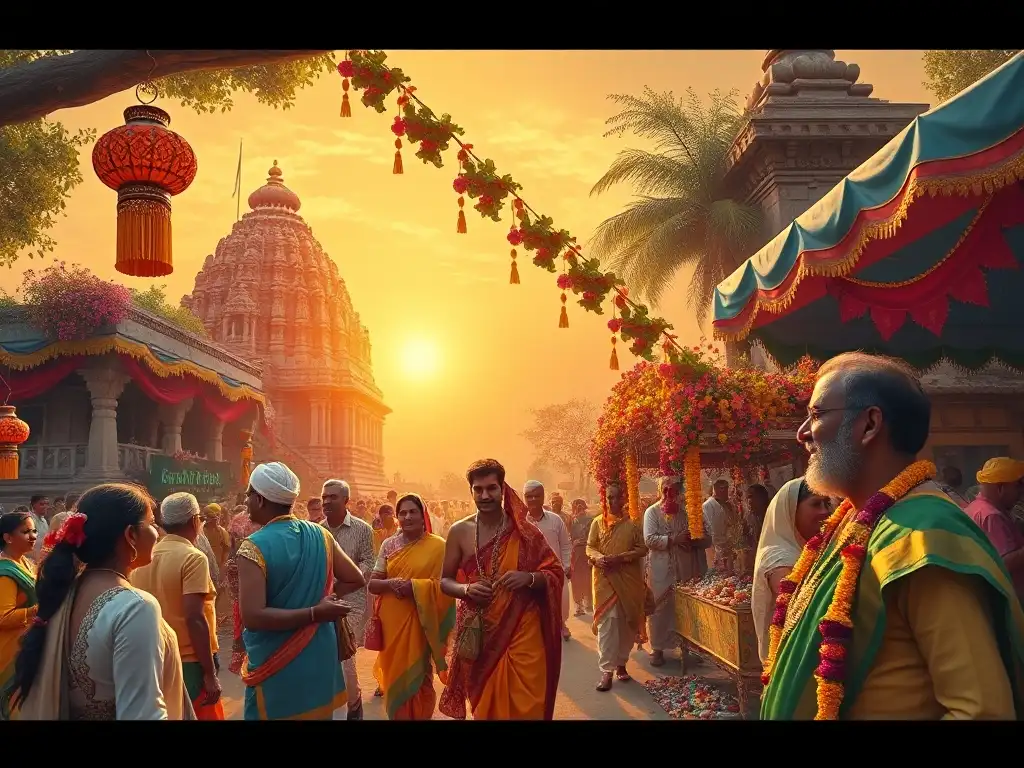
The festival traditions of ancient India have left an indelible mark on modern celebrations across the country, particularly in Western India. These ancient practices not only continue to thrive but have also evolved, reflecting both continuity and change. Understanding this impact requires a closer look at how these traditions shape contemporary festivities and contribute to a deeper cultural understanding.
Continuity and Change in Festival Practices
The festivals celebrated in modern Western India often trace their roots back to ancient traditions. For instance, Diwali, known as the festival of lights, has its origins in ancient texts such as the Ramayana, where it commemorates the return of Lord Rama to Ayodhya. Today, while the core essence of the festival remains intact, certain practices have transformed.
- Traditional Elements:
- Rituals: Many rituals, such as the lighting of diyas (lamps) and the worship of Lakshmi, have been preserved over centuries.
- Festive Foods: Dishes like ladoo and barfi, which have historical significance, continue to be central to Diwali celebrations.
- Transformations:
- Commercialization: The advent of modern marketing has led to a commercialization of festivals, with the introduction of pre-packaged sweets and decorations.
- Technology: Social media plays a significant role in how festivals are celebrated today, with families sharing their festivities online, thus broadening the audience and participation.
Moreover, festivals such as Holi, originally a celebration of the harvest and the arrival of spring, have adapted to contemporary contexts, incorporating new social themes like environmental awareness through the use of natural colors instead of harmful chemicals. This adaptability ensures that while the festivals remain rooted in ancient traditions, they also resonate with modern values and concerns.
Preservation of Cultural Heritage Through Festivals
Festivals serve as a vital thread in the tapestry of cultural heritage, acting as a means of transmitting ancient Indian festival traditions to future generations. In Western India, these celebrations foster a sense of identity and community, grounding individuals in their cultural roots.
- Educational Role:
- Festivals often incorporate storytelling and performances that narrate historical events, mythologies, and cultural values. For example, during Navratri, dance forms such as Garba and Dandiya Raas are performed, telling the story of goddess Durga's victory over evil.
- Community Bonding:
- Participating in festivals strengthens community ties, as people come together to celebrate, share meals, and engage in traditional practices. This communal aspect is reminiscent of ancient times when festivals served to reinforce social bonds and collective identity.
- Cultural Revitalization:
- Many communities actively work to revive and preserve ancient rituals that may have waned over the years. This includes restoring traditional crafts, music, and dance forms that were integral to festival celebrations.
Through these practices, ancient Indian festival traditions are not merely remembered but are actively lived and celebrated, ensuring their relevance in modern society. The festivals of Western India exemplify how cultural heritage can be preserved and celebrated, creating a bridge between the past and present while enriching the tapestry of Indian identity.
Conclusion: The Enduring Legacy of Ancient Indian Festival Traditions
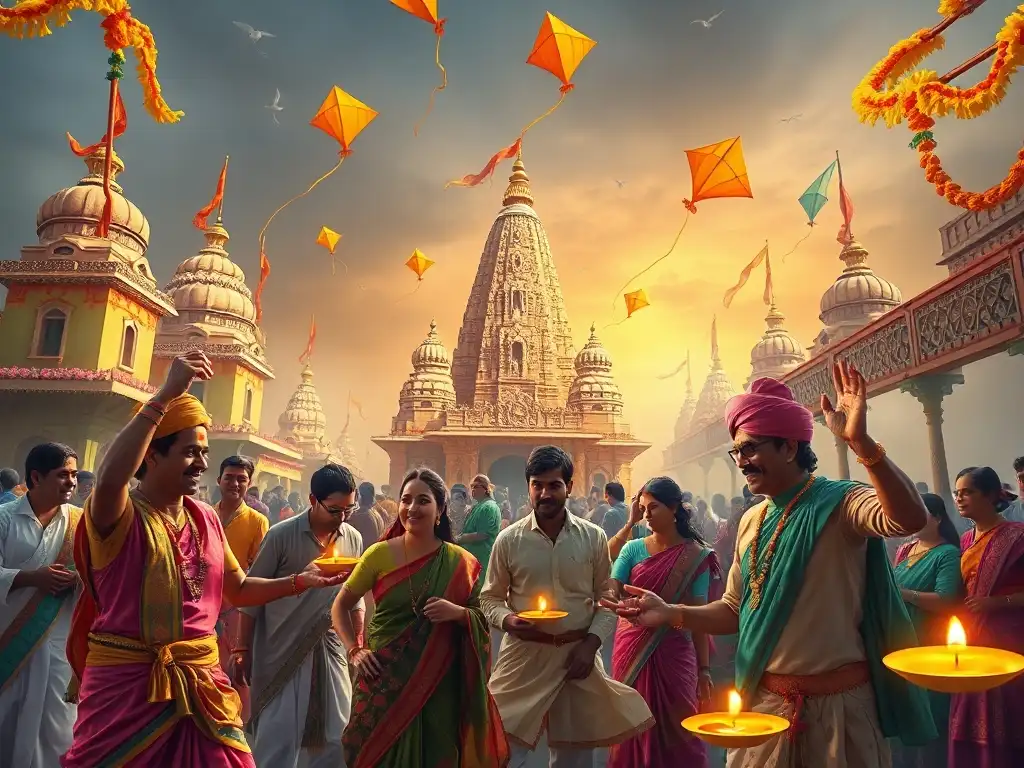
The ancient Indian festival traditions, particularly those rooted in Western India, represent a vibrant tapestry of cultural identity and historical continuity. These celebrations are not merely events on a calendar; they encapsulate the values, beliefs, and social practices that have evolved over millennia. Festivals like Diwali, Navratri, and Makar Sankranti are pivotal in connecting communities to their heritage, providing an opportunity for reflection on shared histories and collective aspirations.
The legacy of these festivals is evident in their ability to adapt and thrive, merging ancient rituals with contemporary practices. This adaptability ensures that the essence of the celebrations remains intact while allowing for innovation that resonates with younger generations. Thus, ancient Indian festival traditions continue to foster community bonds and cultural pride, showcasing the resilience of Western India’s rich heritage.
Reflections on the Importance of Festivals in Cultural Identity
Festivals serve as a cornerstone for cultural identity, particularly in the context of ancient Indian traditions. They provide a framework for individuals and communities to express their values, beliefs, and social norms. Here are several key reflections on their significance:
- Cultural Preservation: Festivals act as living repositories of history, passing down ancient rituals and narratives from one generation to the next. For instance, the intricate dance forms and music associated with Navratri not only entertain but also educate participants about their cultural roots.
- Community Cohesion: These celebrations foster a sense of belonging and unity among participants. The communal aspects of festivals, such as shared meals and collective prayers, reinforce social ties and encourage collaboration.
- Expression of Diversity: Western India is known for its rich tapestry of languages, customs, and traditions. Festivals like Ganesh Chaturthi highlight this diversity, as different regions celebrate the festival in unique ways, showcasing local customs and variations.
- Economic Impact: Festivals also play a crucial role in the local economy, driving tourism and supporting artisans, vendors, and performers. The vibrant markets that spring up during these celebrations reflect the dynamism of ancient Indian festival traditions.
Future of Ancient Festival Traditions in Western India
The future of ancient festival traditions in Western India is poised for both challenges and opportunities. As globalization and modernization continue to influence cultural practices, several factors will shape the trajectory of these traditions:
- Digital Integration: The rise of technology has created new avenues for celebrating ancient festivals. Virtual celebrations and social media campaigns can enhance participation and outreach, especially among diaspora communities. However, it is crucial to balance digital engagement with the preservation of authentic practices.
- Cultural Revitalization: Younger generations are increasingly interested in reconnecting with their heritage. Initiatives aimed at educating youth about the significance of festivals can promote active participation and ensure the continuation of ancient traditions.
- Sustainability: As environmental concerns gain prominence, there is a growing emphasis on celebrating festivals in eco-friendly ways. Practices such as using biodegradable materials for decorations and promoting sustainable tourism can help preserve the cultural significance of festivals while protecting the environment.
- Intercultural Exchange: The interaction between different cultures can enrich ancient festival traditions. Collaborations between communities can lead to innovative celebrations that honor historical roots while embracing contemporary influences.
The ancient Indian festival traditions of Western India are not only a testament to the region's rich history but also a living expression of its cultural identity. By navigating the challenges and opportunities of the modern world, these traditions can continue to thrive, ensuring that future generations remain connected to their ancestral heritage.
Frequently Asked Questions
What are some major ancient Indian festival traditions celebrated in Western India?
Western India hosts festivals like Diwali, Navratri, and Makar Sankranti, each rooted in ancient traditions that celebrate various aspects of life, such as harvest, victory of good over evil, and seasonal changes.
How do ancient Indian festival traditions reflect the region's culture?
These traditions embody the rich cultural heritage of Western India, showcasing local customs, art forms, and rituals that have evolved over centuries while retaining their historical significance.
Are there any unique festivals in Western India that highlight ancient traditions?
Yes, festivals such as Gudi Padwa and Maha Shivaratri are unique to the region and celebrate mythological events and seasonal transitions, emphasizing the region's connection to its ancient history.
How do local communities participate in these ancient Indian festivals?
Local communities engage in these festivals through traditional rituals, dance, music, and feasting, fostering a sense of unity and preserving the heritage associated with each celebration.
What is the significance of rituals in Western Indian festival traditions?
Rituals are a vital part of these traditions, as they symbolize spiritual beliefs, commemorate historical events, and reinforce cultural identity, ensuring the continuation of ancient practices for future generations.
Final Reflection: Embracing the Essence of Ancient Indian Festival Traditions
In a world that often prioritizes the new and the novel, the celebration of ancient Indian festival traditions remains a vital thread connecting us to our roots. These festivals are not merely events on a calendar; they are vibrant expressions of culture, history, and community that resonate deeply in today’s fast-paced society. As we navigate modernity, the significance of these traditions serves as a reminder of the values and stories that have shaped our identities over centuries.
The influence of these ancient traditions extends far beyond the confines of their origins, weaving a rich tapestry of cultural heritage that continues to inspire and unite people. Festivals like Diwali and Holi are not just occasions for celebration; they are powerful symbols of resilience and continuity in a rapidly changing world. As noted by cultural historian Dr. Anjali Rao, Festivals are the heartbeat of a culture, reminding us of who we are and where we come from.
This ongoing relevance highlights the importance of preserving and honoring these traditions, as they foster a sense of belonging and shared identity among diverse communities.
As you reflect on the themes presented in this article, I invite you to consider how you can engage with and celebrate these ancient Indian festival traditions in your own life. Take a moment to explore the stories behind these festivals, participate in local celebrations, or even create your own traditions that honor your heritage.
By doing so, you not only enrich your own life but also contribute to the preservation of a cultural legacy that deserves to be cherished and passed down through generations. Let us embrace these ancient traditions, allowing them to guide us in building a more connected and culturally aware future.
Unleash the Spirit of Celebration: Dive into Western Indian Festivals!
Thank you for exploring the vibrant tapestry of Western Indian festivals with us! We hope you felt the pulse of ancient traditions and the joy they bring. Now, it’s time to take that excitement further and embrace these experiences in your own life.
Here’s how you can get involved and celebrate the rich culture of Western India:
- Participate in a local festival and immerse yourself in the unique traditions and customs it offers.
- Share your experience on social media using the hashtag #IndianFestivals to inspire others to join in the celebration.
- Explore the culinary delights of these festivals by trying out traditional recipes at home, inviting family and friends to join you!
Which festival excites you the most, and how do you plan to celebrate its traditions?