
How the Western Indian Coast Shaped Maritime Trade in Ancient Times

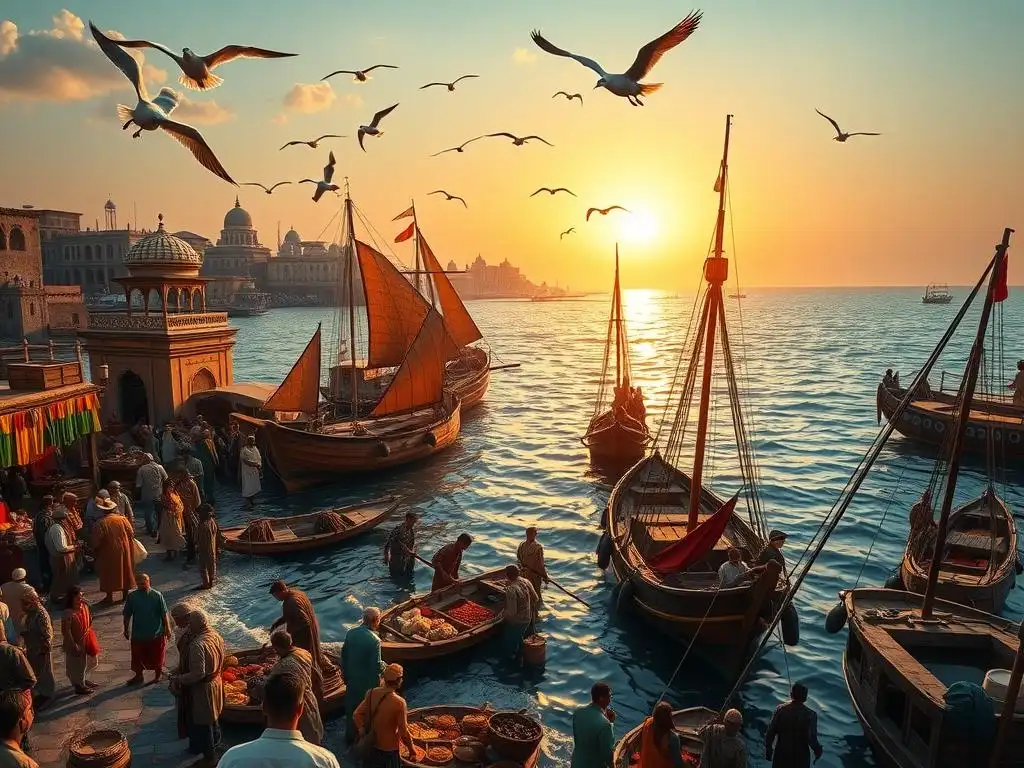
Welcome to Ancient India History, where we embark on a journey through the vibrant tapestry of India’s past. Dive deep into the fascinating world of maritime trade in ancient Western India, a crucial element that not only shaped local economies but also connected diverse cultures across the seas. As you explore our featured article, "How the Western Indian Coast Shaped Maritime Trade in Ancient Times," prepare to uncover the intricate networks of trade routes, the thriving ports, and the remarkable civilizations that flourished along the coast. Curiosity beckons—let's set sail into the depths of history together!
- Introduction to Maritime Trade in Ancient Western India
- Geographic Features of the Western Indian Coast
- Historical Context of Maritime Trade in Ancient Western India
- Cultural Influences on Maritime Trade
- Economic Impact of Maritime Trade in Ancient Western India
- Challenges Faced by Maritime Traders
- Conclusion: The Legacy of Maritime Trade in Ancient Western India
- References and Further Reading
-
Frequently Asked Questions
- What role did the Western Indian Coast play in maritime trade?
- Which ancient civilizations were involved in maritime trade along the Western coast?
- How did the geography of Western India influence trade?
- What goods were commonly traded along the Western Indian Coast?
- How did maritime trade impact the cultural exchange in ancient Western India?
- Final Reflection: The Enduring Legacy of Maritime Trade in Ancient Western India
- Set Sail into the Rich Maritime History!
Introduction to Maritime Trade in Ancient Western India
The Western Indian Coast has played a crucial role in shaping maritime trade throughout ancient history. Stretching from the Arabian Sea to the lush coastal plains of Gujarat and Maharashtra, this region was not only a hub for traders but also a melting pot of cultures, ideas, and innovations. The strategic location of the Western Indian Coast facilitated trade routes connecting India with various parts of the world, including Africa, the Middle East, and Southeast Asia.
Understanding how maritime trade flourished in this area provides insights into the economic, cultural, and technological advancements of ancient Indian civilizations. This exploration of maritime trade in ancient Western India reveals its significance and the lasting impact it had on global commerce.
Importance of Maritime Trade in Ancient Civilizations
Maritime trade was a lifeblood for many ancient civilizations, serving as a vital artery for economic growth and cultural exchange. Some key points include:
- Economic Prosperity: Coastal cities like Surat and Bharuch emerged as bustling trade centers, contributing significantly to the wealth of the region.
- Cultural Exchange: Trade routes facilitated the exchange of not just goods but also ideas, religions, and technologies between diverse cultures.
- Resource Distribution: Maritime trade allowed ancient Indians to acquire resources unavailable locally, such as spices, textiles, and precious metals.
- Innovation in Navigation: The need for efficient trading routes led to advancements in shipbuilding and navigation techniques, which were critical for long-distance trade.
Overview of the Western Indian Coast's Role in Trade
The Western Indian Coast was integral to the maritime trade network, characterized by several key features:
- Geographical Advantages:
- The coast provided sheltered harbors, making it easier for ships to dock and unload goods.
- Its proximity to major trade routes connected to the Arabian Peninsula and beyond.
- Major Ports and Trade Centers:
- Diu, Daman, and Chaul were among the prominent ports that facilitated trade and commerce.
- Historical accounts highlight Kalyan and Thane as significant trading hubs.
- Trade Goods:
- The region was known for exporting spices, textiles, and pottery, while importing precious stones, metals, and luxury items.
- Notable exports included cotton and silk, which were highly sought after in international markets.
- Cultural Impact:
- The trade routes contributed to the spread of Buddhism and Hinduism, influencing cultures across Asia.
- Interactions with foreign traders led to the enrichment of local art, architecture, and cuisine.
The maritime trade of ancient Western India not only fostered economic growth but also shaped cultural identities and laid the groundwork for future interactions between civilizations. Understanding this rich history reveals the interconnectedness of ancient societies and the importance of trade in shaping their destinies.
Geographic Features of the Western Indian Coast
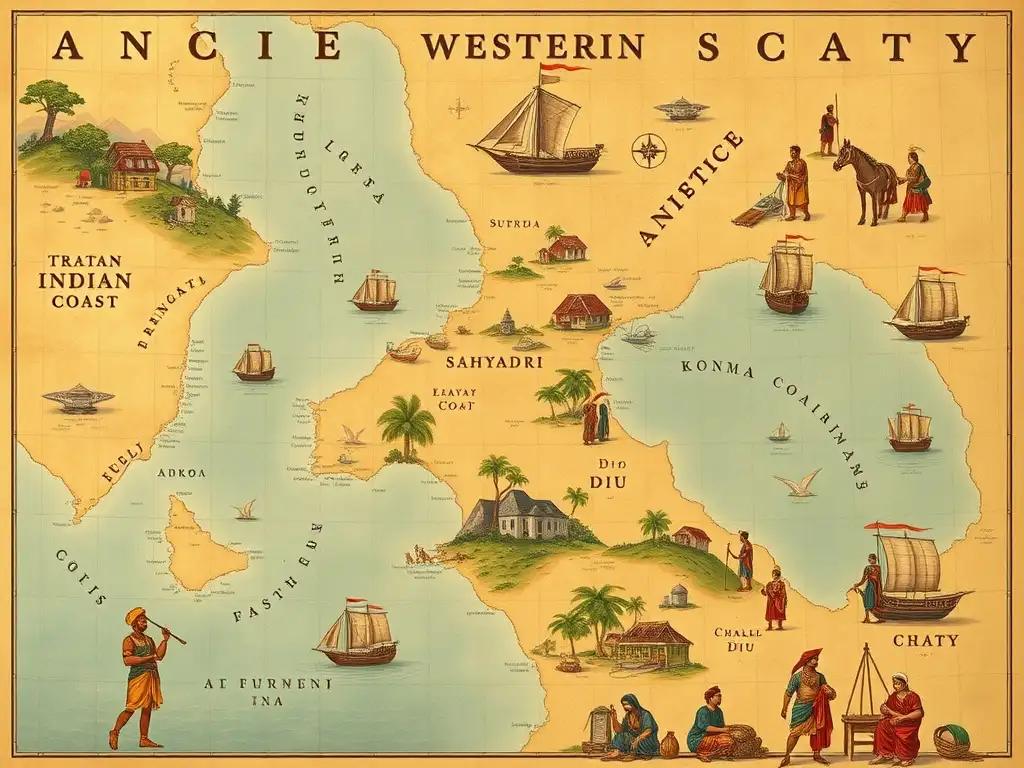
The Western Indian Coast, stretching from Gujarat in the north to Kerala in the south, is characterized by its diverse geographic features that played a significant role in shaping maritime trade during ancient times. This region boasts a mix of rugged coastlines, sandy beaches, and numerous natural harbors that facilitated the docking of ships and trading vessels.
Major Ports along the Western Indian Coast
The ancient Western Indian Coast was dotted with several prominent ports that served as bustling hubs of maritime trade. Some of the most notable ports include:
- Lothal:
- One of the earliest known ports of the Indus Valley Civilization, Lothal is often cited as a significant trade center.
- Its dockyard, which dates back to around 2400 BCE, was ingeniously designed to accommodate large vessels and links the inland city with maritime routes to Mesopotamia and beyond.
- Sopara:
- An ancient port located near modern-day Nalasopara, Sopara was a key trading post for both local merchants and foreign traders.
- Archaeological findings indicate that Sopara had extensive trade links with regions such as East Africa, the Arabian Peninsula, and Persia.
- Khambhat:
- Situated in Gujarat, Khambhat was another vital port known for its pearl fisheries and trade in textiles.
- It served as a crucial point for the exchange of goods between the Indian subcontinent and the Mediterranean world.
- Calicut (Kozhikode):
- This port city in Kerala became a central trade hub for spices, particularly during the later periods of ancient history.
- Known as the "City of Spices," Calicut attracted traders from far and wide, profoundly influencing the maritime trade landscape.
These ports not only facilitated trade but also fostered cultural exchanges, leading to the dissemination of ideas, technologies, and religious beliefs along the trade routes.
Natural Resources and Their Impact on Trade
The natural resources found along the Western Indian Coast significantly impacted maritime trade, contributing to the region's prosperity. The availability of various goods made this coastline an attractive destination for traders from different parts of the world.
- Spices:
- The Western Coast is renowned for its rich variety of spices, including black pepper, cardamom, and cinnamon, which were highly sought after in international markets.
- The spice trade was instrumental in establishing trade routes that connected India with Europe, the Middle East, and Southeast Asia.
- Textiles:
- The region's cotton and silk production flourished, leading to the creation of exquisite textiles that were traded extensively.
- Ancient Indian textiles were not only popular for their quality but also for their intricate designs, making them a valuable commodity in various markets.
- Precious Gems and Metals:
- The presence of diamond mines in the Golconda region and the availability of gold and silver in the Western Coast contributed to trade dynamics.
- These resources attracted traders from Persia and Arabia, enhancing the economic fabric of ancient Indian civilizations.
The geographic features and natural resources of the Western Indian Coast were pivotal in shaping maritime trade in ancient times. The region’s ports became thriving centers of commerce, fostering not only economic growth but also cultural interactions that enriched the tapestry of ancient Indian civilization.
Historical Context of Maritime Trade in Ancient Western India
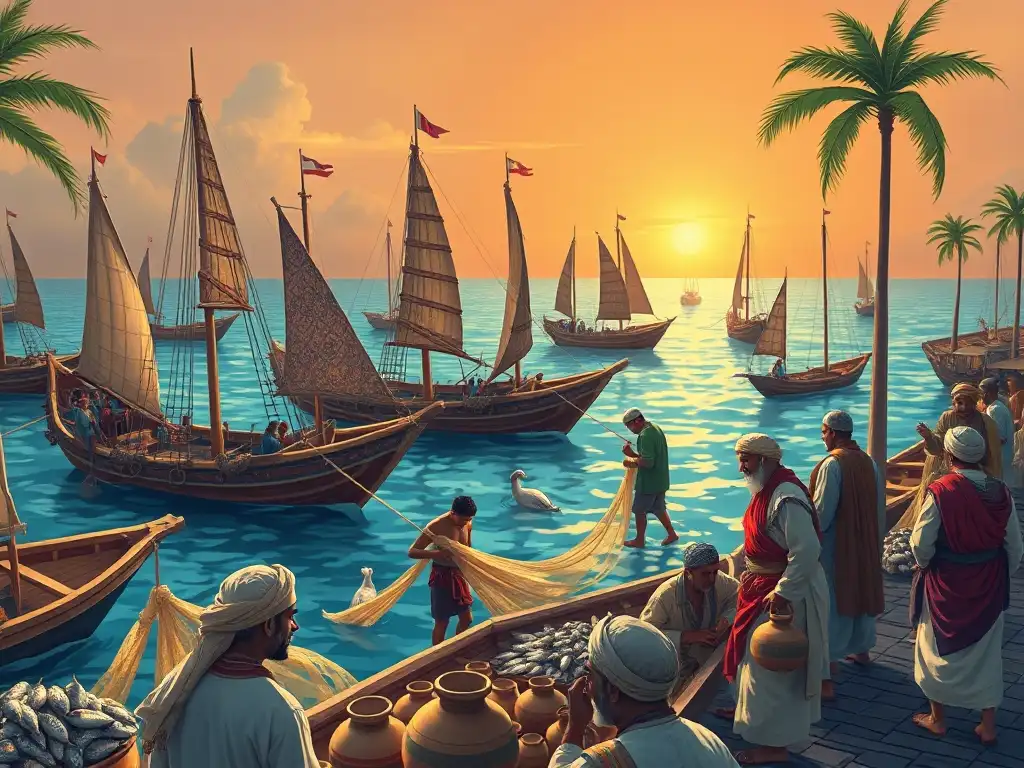
The Indus Valley Civilization and its Trade Networks
The Indus Valley Civilization (IVC), flourishing from approximately 3300 to 1300 BCE, plays a fundamental role in understanding the maritime trade of ancient Western India. This civilization, centered around cities like Harappa and Mohenjo-Daro, was strategically located near the Arabian Sea, which facilitated access to vital trade routes.
- Trade Partners: The IVC engaged in extensive trade with neighboring regions, including Mesopotamia, Persia, and even as far as Egypt. Artifacts such as seals, pottery, and metals have been found across these regions, indicating a bustling exchange of goods.
- Goods Exchanged: Major exports from the IVC included:
- Cotton Textiles: The IVC is credited with some of the earliest use of cotton, which was highly sought after.
- Metals: Copper and bronze items were traded extensively.
- Semi-Precious Stones: Lapis lazuli, carnelian, and agate were popular in trade, showcasing the IVC's craftsmanship.
- Maritime Infrastructure: Archaeological evidence suggests that the IVC developed sophisticated dockyards, such as the one found at Lothal. This facility indicates that the people of the IVC were adept at shipbuilding and navigation, which were crucial for maritime trade.
The Indus Valley Civilization’s strategic location and advanced trade networks set the groundwork for maritime commerce in ancient Western India, influencing subsequent civilizations.
Trade Routes Established during the Maurya and Gupta Empires
The Maurya (322-185 BCE) and Gupta (c. 240-550 CE) Empires marked significant advancements in maritime trade across Western India. These empires expanded trade networks, leveraging their political stability to enhance commercial activities.
- Mauryan Influence: Under Chandragupta Maurya and his successors:
- Expansion of Trade: The Mauryan Empire established trade links with regions such as Southeast Asia and the Mediterranean. This resulted in the importation of goods like silk and spices, while exporting Indian textiles and precious stones.
- Maritime Routes: Notable ports like Sopara (near modern-day Mumbai) became vital trading hubs, facilitating maritime trade across the Western Indian coast.
- Gupta Prosperity: The Gupta Empire is often referred to as the Golden Age of India, characterized by economic prosperity that fueled maritime trade.
- Cultural Exchange: The Guptas promoted trade not only for economic reasons but also as a means of cultural exchange, evident in the spread of Indian art and religious practices across maritime routes.
- Technological Advances: Innovations in shipbuilding and navigation techniques during this period greatly improved the efficiency of maritime trade, allowing for larger cargo capacities and safer voyages.
| Empire | Key Contributions to Maritime Trade | Notable Ports |
|---|---|---|
| Maurya | Expanded trade networks; established key ports | Sopara, Bharukachchha |
| Gupta | Enhanced cultural exchange; technological innovations | Broach, Mandvi |
The maritime trade during the Maurya and Gupta Empires not only boosted economic growth but also facilitated cultural interactions that shaped the region's history.
The historical context of maritime trade in ancient Western India highlights the significant contributions of the Indus Valley Civilization, followed by the expansive trade networks established during the Maurya and Gupta Empires. These developments laid a solid foundation for the rich maritime heritage that would define the region for centuries to come.
Cultural Influences on Maritime Trade
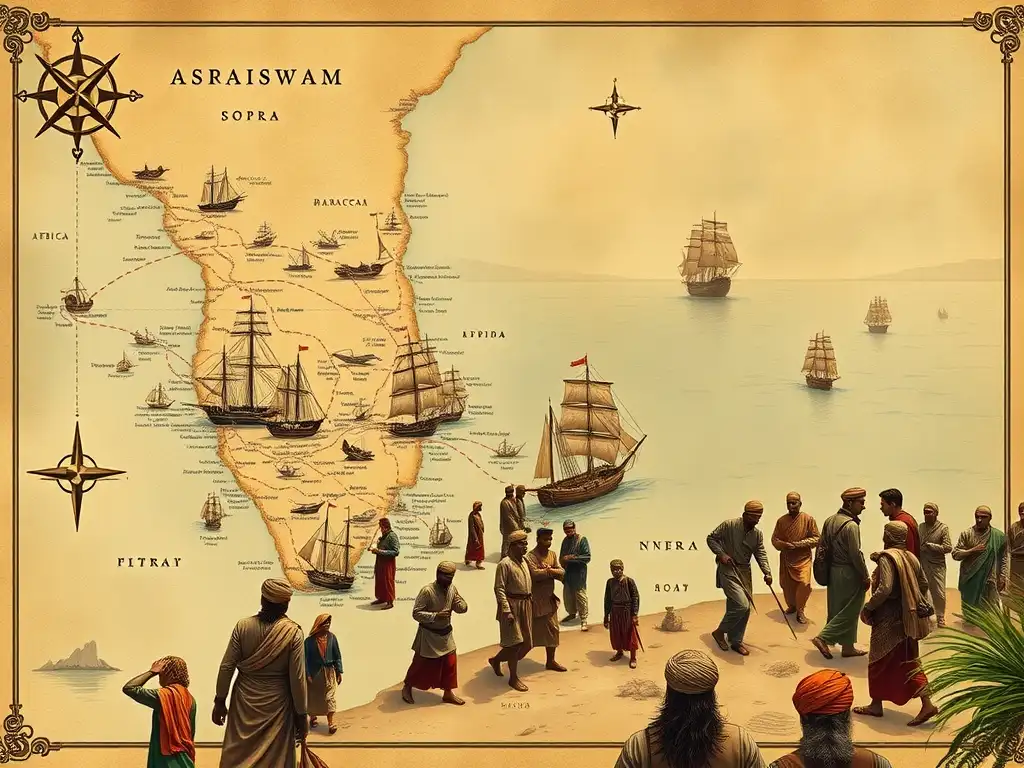
Interaction with Other Civilizations through Trade
The Western Indian Coast has historically served as a vital maritime trade hub, facilitating interactions between diverse civilizations. With its strategic location along the Arabian Sea, ports such as Surat, Kochi, and Diu became melting pots of cultures, connecting the Indian subcontinent to regions as far as Mesopotamia, Egypt, and the Southeast Asian Archipelago.
Key Influences and Interactions
- Persian Influence: The ancient Persian Empire established trade routes that extended to the Western Indian Coast. Persian merchants introduced goods like silks, jewelry, and precious stones, which influenced local craftsmanship and trade practices.
- Greek Engagement: The arrival of Alexander the Great in the 4th century BCE opened new channels of commerce. Greek traders brought with them olive oil, wine, and artistic styles, which were integrated into Indian art and trade.
- Arab Traders: From the 7th century CE, Arab merchants played a crucial role in maritime trade, introducing Islamic culture and expanding trade networks. The exchange of spices, textiles, and knowledge of navigation techniques became pivotal.
This interaction fostered not only economic prosperity but also cultural exchanges that enriched the societies along the coast. The amalgamation of various traditions led to a unique cultural synthesis that is evident in art, architecture, and culinary practices.
The Exchange of Goods, Ideas, and Cultural Practices
The maritime trade routes of ancient Western India were not just conduits for material goods but also for the exchange of ideas and cultural practices. The vibrant trade activities contributed to a dynamic cultural milieu that shaped the region's identity.
Goods Traded
The Western Indian Coast was renowned for several key exports:
- Spices: Black pepper, cardamom, and cinnamon were highly sought after in global markets.
- Textiles: Cotton and silk fabrics, especially those woven in Gujarat, were prized by traders and were a significant part of maritime commerce.
- Metals and Gemstones: The region was known for its gold, silver, and precious stones.
Cultural Practices
The exchange of goods was accompanied by the sharing of ideas:
- Religious Exchange: The spread of Buddhism and Hinduism to Southeast Asia can be traced back to maritime traders who carried not just goods but also religious texts and practices.
- Culinary Influences: Trade brought together different culinary traditions, leading to the incorporation of spices from the West Asian regions into Indian cuisine, creating a rich tapestry of flavors.
Conclusion
Maritime trade along the ancient Western Indian Coast was characterized by a complex web of interactions that influenced not only economic practices but also cultural and social dynamics. The legacy of these exchanges continues to resonate in the region's heritage, reflecting a rich history of trade, interaction, and cultural fusion that remains significant in understanding the development of ancient Indian civilizations.
Economic Impact of Maritime Trade in Ancient Western India
Contribution to Urbanization and Economic Growth
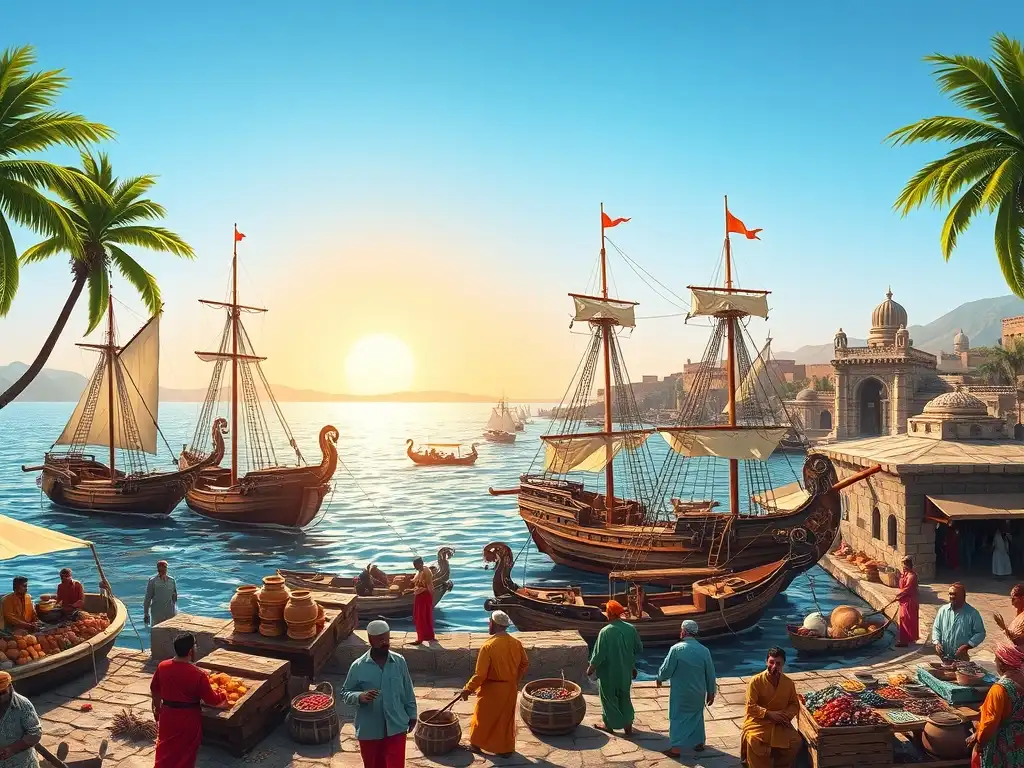
The maritime trade in ancient Western India significantly contributed to urbanization and economic growth, transforming coastal settlements into bustling trade hubs. Ports such as Sopara, Bhrigukachchha (modern Bharuch), and Kalyan became vital centers that facilitated trade with regions as far as the Roman Empire, Southeast Asia, and the Arabian Peninsula.
- Trade Routes and Network: The monsoon winds enabled predictable maritime routes, allowing merchants to establish regular trade with distant lands. For instance, the Southwest Monsoon facilitated journeys to the east, while the Northeast Monsoon supported voyages back to the west. This seasonal pattern encouraged the growth of a structured trading calendar.
- Urban Development: As trade flourished, urban centers developed around these ports. Archaeological evidence suggests that cities like Nalasopara and Nashik expanded significantly, with improved infrastructure, including roads and warehouses, catering to the increasing volume of goods. This urbanization was not only economic but also cultural, as diverse populations converged, leading to a rich exchange of ideas and practices.
- Agricultural Surplus: The demand for goods, such as spices, textiles, and precious stones, stimulated agricultural production in the hinterlands. The surplus allowed local economies to thrive, promoting trade beyond mere barter. This created a cycle of growth where urban centers supported surrounding rural areas, enhancing overall prosperity.
The Role of Merchants and Trade Guilds
Merchants played a pivotal role in the maritime trade of ancient Western India, acting as intermediaries between local producers and international markets. Their organization into trade guilds further strengthened the economic fabric of these coastal regions.
- Merchants as Cultural Ambassadors: These merchants not only facilitated trade in goods but also acted as cultural ambassadors, spreading ideas and technologies. Their interactions with foreign traders led to the introduction of new crops, crafts, and technologies, enriching the local culture.
- Formation of Trade Guilds: Guilds such as the Shreshthi and Vaishya became prominent, providing structure and support to merchants. These guilds regulated trade practices, set quality standards, and facilitated credit systems, ensuring smoother transactions. They also played a role in the social dynamics of the era, often becoming influential in local governance.
- Legal Framework and Protection: Trade guilds often negotiated with local rulers for favorable conditions, including tax exemptions and protection against piracy. This legal framework helped stabilize trade and encouraged more merchants to participate, thereby increasing the overall volume of maritime trade.
- Economic Influence: The wealth generated by these trade networks allowed merchants and guild members to invest in urban development, religious institutions, and public works, further embedding their influence in society. This symbiotic relationship between commerce and governance fostered a vibrant economic environment.
Maritime trade in ancient Western India was a catalyst for economic transformation, driving urbanization and fostering a complex network of merchants and trade guilds that shaped the region's historical landscape. The interplay of these elements laid the foundation for a thriving economy that influenced not only local cultures but also established Western India as a crucial player in ancient global trade networks.
Challenges Faced by Maritime Traders
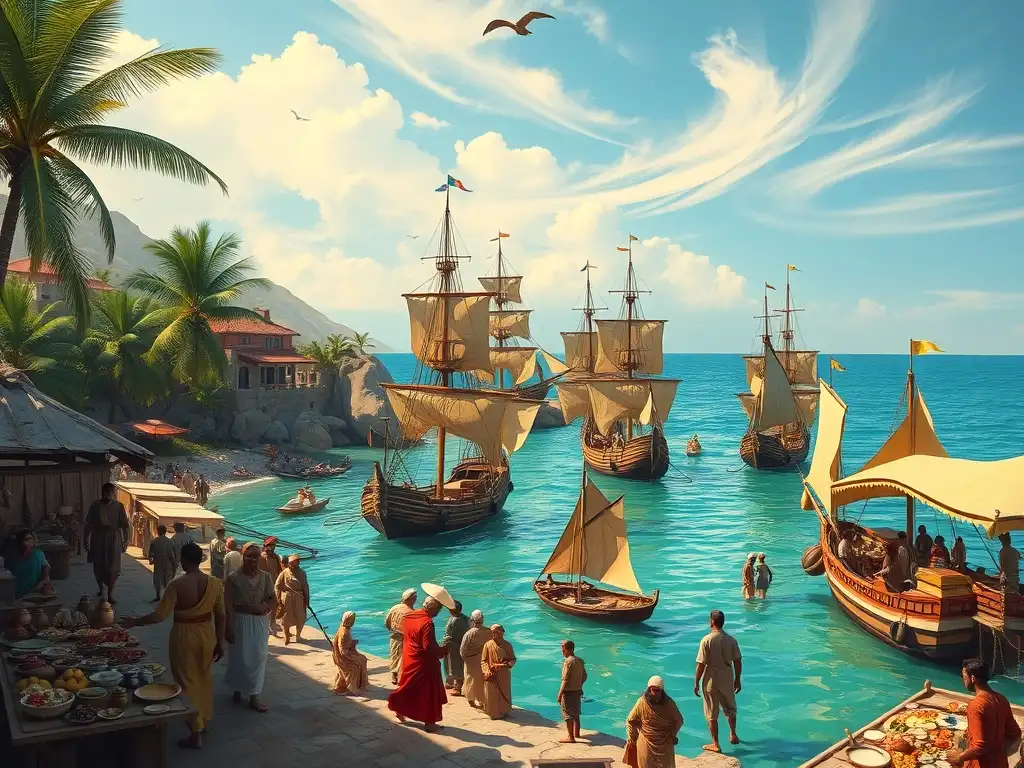
The maritime trade in ancient Western India, while thriving, was not without its challenges. Traders faced a variety of obstacles that could disrupt their activities and impact the flow of goods. Understanding these challenges provides insight into the resilience and adaptability of ancient maritime commerce in this region.
Natural Disasters and Their Impact on Trade
Natural disasters presented significant threats to maritime trade along the Western Indian coast. Factors such as monsoon winds, cyclones, and sea currents could dramatically affect the safety and predictability of trade routes.
- Monsoon Winds: The seasonal monsoon winds were a double-edged sword for traders. While they facilitated travel during certain months, the unpredictable nature of these winds could also lead to delays or shipwrecks. For instance, traders relied on the southwest monsoon (June to September) for sailing to and from ports, but any deviation could prove disastrous.
- Cyclones: The Arabian Sea is prone to cyclonic storms, particularly during the monsoon season. Historical records indicate that cyclones could wipe out entire fleets, leading to significant losses in cargo and lives. For example, records from the early centuries CE describe instances where ships anchored near the coast were caught in sudden storms, resulting in catastrophic losses.
- Tidal Variability: The tidal patterns along the Western Indian coast also posed challenges. Traders needed to time their departures and arrivals meticulously to avoid being stranded during low tide or caught in turbulent waters during high tide.
- Geological Events: Earthquakes and tsunamis, though less frequent, also had the potential to disrupt maritime activities. Ancient texts occasionally mention significant geological disturbances that impacted coastal settlements, affecting trade operations.
The cumulative impact of these natural disasters was profound, often resulting in economic downturns and forcing traders to adapt their routes and schedules to mitigate risks.
Political Conflicts and Trade Blockades
Political instability and conflicts were another major hindrance to maritime trade in ancient Western India. The region was characterized by shifting power dynamics, which often led to trade blockades and disruptions.
- Regional Kingdoms and Rivalries: The presence of various kingdoms, such as the Mauryas, Satavahanas, and later the Guptas, created a complex political landscape. Rivalries among these powers could lead to conflicts that directly affected trade routes. For instance, territorial disputes often resulted in blockades that hindered the movement of goods between ports.
- Piracy and Lawlessness: The threat of piracy was a persistent challenge for traders. Coastal areas, particularly around the Arabian Sea, were known for pirate activity that targeted merchant vessels. This lawlessness not only endangered the lives of traders but also deterred investment in maritime trade due to the risk of loss.
- Diplomatic Relations: The nature of diplomatic relationships between ancient Indian states and foreign powers also played a role in maritime trade. Trade agreements and alliances could enhance trade opportunities, while deteriorating relations could result in sanctions or outright bans on trade with certain regions.
- Infrastructural Limitations: Political conflicts often hampered the development of necessary infrastructure, such as ports and warehouses, which were crucial for sustaining maritime trade. Investment in such facilities was often deprioritized during times of unrest, leading to inefficiencies in trade operations.
The challenges faced by maritime traders along the Western Indian coast were multifaceted, ranging from natural disasters to political conflicts. These factors not only shaped the dynamics of maritime trade in ancient Western India but also influenced the broader economic landscape of the region. Understanding these challenges provides valuable insights into the resilience of ancient traders and the complex nature of their maritime activities.
Conclusion: The Legacy of Maritime Trade in Ancient Western India
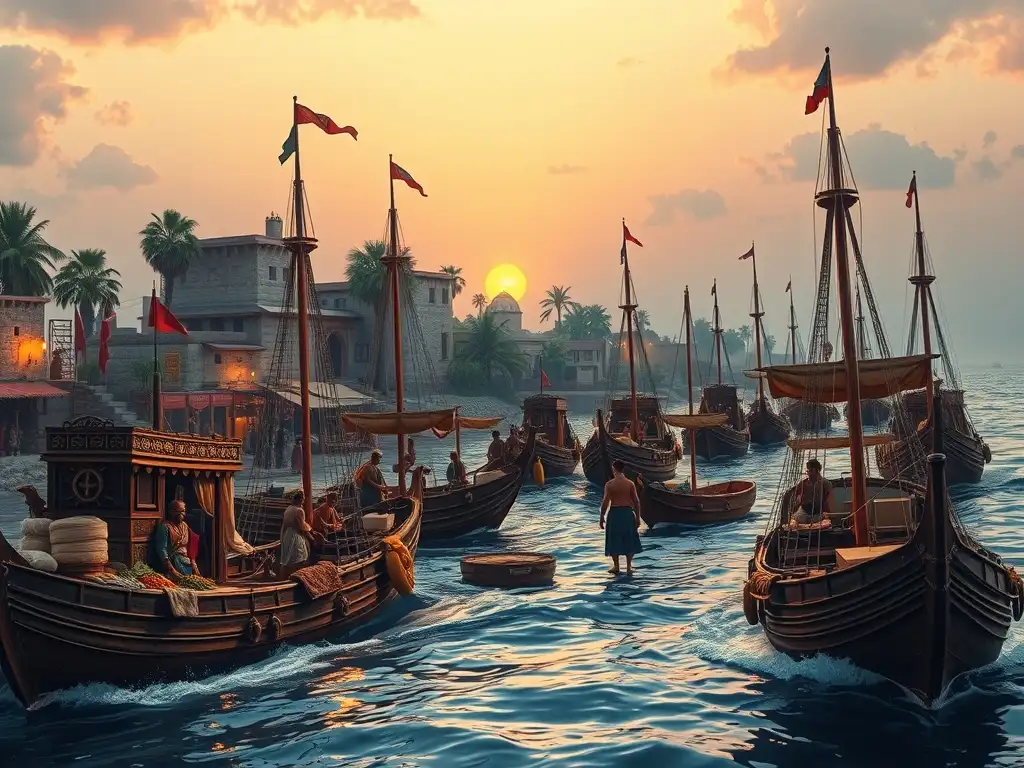
The maritime trade of ancient Western India has left an indelible mark on the region's historical and cultural landscape. The bustling ports along the Western Indian coast, such as Sopara, Bharukachchha, and Cambay, not only facilitated trade with distant lands but also served as melting pots of culture, innovation, and commerce. The intricate trading networks that emerged during this period paved the way for a vibrant economic environment that would shape the region for centuries to come.
As we reflect on the legacy of maritime trade in ancient Western India, it becomes evident that the practices and exchanges that took place during this time have a profound impact on contemporary trade dynamics. The routes established by ancient traders continue to influence modern shipping lanes and trade agreements, emphasizing the importance of this historical period in the broader context of global commerce.
Lasting Influence on Modern Trade Practices
The influence of maritime trade in ancient Western India extends beyond mere historical significance; it has sculpted modern trade practices in several ways:
- Trade Routes: The ancient sea routes utilized by traders connecting India with Africa, the Arabian Peninsula, and Southeast Asia have evolved into critical maritime corridors. Modern shipping lanes often follow similar paths, reinforcing the significance of these historical routes in today’s global trade.
- Cultural Exchange: The exchanges that occurred through maritime trade fostered not only economic relationships but also cultural interactions. This blending of cultures can be seen in the diverse culinary, artistic, and linguistic influences present in contemporary Western India, which are rooted in ancient trade practices.
- Economic Models: The cooperative trade practices and guild systems established in ancient times influenced modern business models. The concept of merchant guilds, which organized traders and protected their interests, can be traced back to this period, highlighting its relevance in contemporary commerce.
- Innovation in Navigation: The advancements in navigation techniques developed by ancient mariners laid the groundwork for modern navigation methods. The use of celestial navigation, which was practiced by ancient Indian sailors, remains a fundamental aspect of maritime trade today.
Preservation of Maritime Trade Heritage in Western India
The rich heritage of maritime trade in ancient Western India is preserved through various means, ensuring that its significance is not forgotten:
- Archaeological Sites: Numerous archaeological excavations along the Western coast, such as those at Lothal and Dholavira, have uncovered remnants of ancient ports, trade goods, and inscriptions that provide insights into the maritime activities of the time. These sites serve as vital links to understanding the complexities of ancient trade networks.
- Cultural Festivals: Modern festivals in coastal regions often celebrate the maritime traditions passed down through generations. Events that highlight local fishing practices, boat races, and traditional crafts foster a sense of community and keep the maritime heritage alive.
- Documentation and Research: Scholars and historians continue to study ancient texts, inscriptions, and trade records, contributing to a greater understanding of maritime trade in Western India. This ongoing research is essential for educating future generations about the region’s historical significance.
- Museums and Exhibitions: Museums dedicated to ancient Indian history often feature artifacts related to maritime trade, showcasing the craftsmanship and trade goods of the time. These exhibitions play a crucial role in raising awareness about the importance of maritime trade in shaping Western India's history.
The maritime trade of ancient Western India not only shaped the region’s economic landscape but also contributed to the cultural and historical identity of the area. By understanding its legacy, we can appreciate the intricate connections between the past and present, ensuring that this vital chapter in history continues to be recognized and celebrated.
References and Further Reading
Suggested Books on Maritime Trade in Ancient India
-
"The Ancient Maritime Trade of India" by R. S. Sharma
This comprehensive study delves into the intricacies of maritime trade routes established by ancient Indian civilizations, particularly focusing on the Western coast. Sharma explores the socio-economic impacts of trade on communities along the coast.
-
"Trade and Traders in the Roman Empire" by J. M. H. Williams
Although primarily focused on the Roman Empire, this book provides valuable insights into how Indian traders interacted with Roman counterparts. It sheds light on the significance of the Western Indian coast in facilitating these exchanges.
-
"Ports and Ancient Trade in the Indian Ocean" by R. P. N. Rao
Rao examines various ports along the Western Indian coast that played pivotal roles in maritime trade. This book includes archaeological findings and historical accounts, enriching our understanding of ancient trade dynamics.
-
"Maritime India: Trade and Cultural Exchanges" by S. N. D. Bhat
Bhat offers a detailed exploration of how maritime trade influenced cultural exchanges between ancient India and other civilizations. The book highlights the Western Indian coast as a central hub for these interactions.
-
"The Indian Ocean in World History" by R. A. B. McKinnon
This work provides a wider context for understanding maritime trade in ancient India by placing it within the broader spectrum of Indian Ocean trade networks. McKinnon discusses the significance of Western India’s ports and their contributions to global trade.
Academic Articles and Journals for In-depth Study
-
"Maritime Trade Networks in Ancient India"
Journal of Indian History
This article discusses the various trade networks that existed along the Western Indian coast and their implications for economic development in ancient times. It provides analytical frameworks for understanding trade dynamics. -
"The Role of Ports in Ancient Indian Maritime Trade"
Indian Ocean Studies Quarterly
This scholarly article focuses on the importance of specific ports along the Western Indian coast, analyzing archaeological evidence and historical texts. It highlights how these ports facilitated trade with other regions. -
"Cultural Interactions through Maritime Trade: A Case Study of Ancient India"
Asian Historical Review
This paper explores the cultural exchanges that occurred due to maritime trade routes, emphasizing the role of Western India in connecting different civilizations. The findings underline the significance of cultural syncretism during ancient times. -
"Economic Impact of Ancient Maritime Trade on Coastal Settlements"
Journal of Maritime Archaeology
This research article provides an in-depth analysis of how maritime trade influenced the economic structures of communities along the Western Indian coast. It employs both historical data and archaeological evidence to draw conclusions. -
"Trade Routes and Their Influence on Ancient Indian Society"
Indian Historical Review
This article examines the societal changes brought about by maritime trade. It discusses how the Western Indian coast served as a crucial link in trade networks, shaping not only the economy but also social dynamics.
These resources will provide a robust foundation for anyone interested in understanding the intricacies of maritime trade in ancient Western India, highlighting its significance in shaping regional and global economic landscapes.
Frequently Asked Questions
What role did the Western Indian Coast play in maritime trade?
The Western Indian Coast served as a crucial hub for maritime trade, facilitating exchanges between various civilizations, including traders from Africa and Southeast Asia.
Which ancient civilizations were involved in maritime trade along the Western coast?
Ancient civilizations such as the Indus Valley Civilization and the Gupta Empire actively participated in maritime trade, utilizing the coast for economic and cultural exchanges.
How did the geography of Western India influence trade?
The geography of Western India, with its natural harbors and proximity to major trade routes, significantly influenced the development and expansion of maritime trade networks.
What goods were commonly traded along the Western Indian Coast?
Traders exchanged a variety of goods, including spices, textiles, and precious stones, which were highly sought after in both domestic and international markets.
How did maritime trade impact the cultural exchange in ancient Western India?
Maritime trade led to significant cultural exchange, allowing for the spread of ideas, religions, and art, which enriched the cultural landscape of ancient Western India.
Final Reflection: The Enduring Legacy of Maritime Trade in Ancient Western India
The intricate tapestry of maritime trade in ancient Western India continues to resonate profoundly in today's global economy. As we explore the historical significance of trade routes that once flourished along this vibrant coastline, we uncover a legacy that not only shaped regional economies but also fostered cultural exchanges that laid the groundwork for modern commerce. The impact of these ancient practices is evident in our interconnected world, where trade remains a cornerstone of societal development and cultural exchange.
The influence of ancient maritime trade on the cultural and social landscape of Western India is a testament to the power of connectivity. The bustling ports and trade networks established centuries ago facilitated not just the exchange of goods, but also ideas, languages, and traditions that enriched the lives of countless communities. As we reflect on this historical narrative, we are reminded of the words of historian K. N. Choksy: Trade is the lifeblood of civilization, weaving together the fabric of society through shared aspirations and mutual benefit.
This observation underscores the ongoing relevance of trade as a unifying force that transcends geographical boundaries.
As we look toward the future, let us embrace the lessons learned from the maritime trade of ancient Western India. Consider how you can apply the principles of collaboration, innovation, and cultural appreciation in your own life. Whether through fostering connections in your community or exploring new avenues for trade and exchange, each of us has the power to contribute to a legacy of interconnectedness. Reflect on the rich history that has shaped our present and take action to ensure that the spirit of maritime trade continues to thrive in our ever-evolving world.
Set Sail into the Rich Maritime History!
Thank you for exploring the fascinating world of ancient maritime trade along the Western Indian Coast with us! You've uncovered how this vibrant region shaped commerce and cultural exchange, enriching our understanding of history. Now, it’s time to take that knowledge a step further!
Here are some exciting steps you can take:
- Dive Deeper into Research: Explore primary sources or delve into books that focus on ancient trade routes and maritime cultures. Discover hidden gems and untold stories that await your exploration.
- Join the Conversation: Share your thoughts in the comments section or connect with fellow history enthusiasts on social media. Let's engage in a meaningful discussion about the ongoing relevance of these ancient trade practices!
- Visit Local Museums or Exhibits: Look for exhibitions that highlight maritime artifacts or cultural connections to the Western Indian Coast. Immerse yourself in history through these tangible experiences.
What aspect of ancient maritime trade intrigues you the most—specific trade goods, cultural exchanges, or the evolution of maritime technology? We would love to hear your thoughts!