
Trade Routes of the Indus Valley: Connecting Ancient Worlds

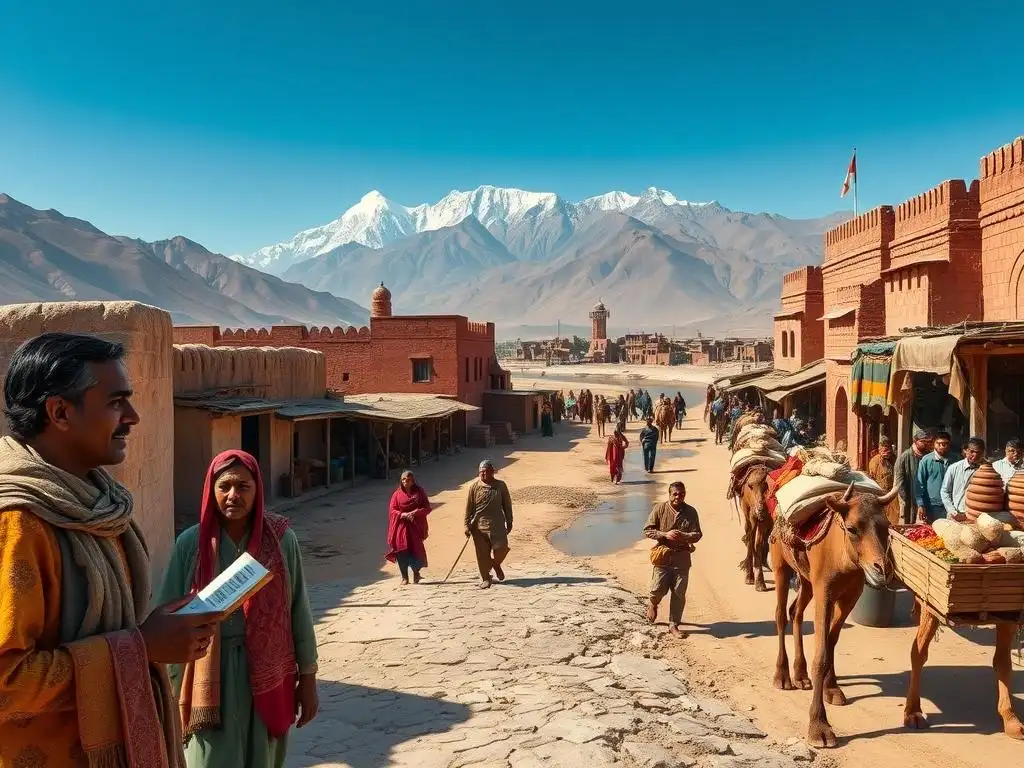
Welcome to Ancient India History! Dive into the captivating world of ancient Indian civilizations, where the echoes of the past resonate through the rich tapestry of culture, innovation, and trade. Our featured article on Indus Valley trade routes history unveils the intricate networks that connected diverse communities and fostered economic prosperity in one of history's most remarkable eras. Are you ready to embark on a journey through time that reveals how these routes shaped the ancient world? Join us as we explore the fascinating stories woven into the fabric of the Indus Valley and beyond!
- Overview of Indus Valley Trade Routes History
- Origins of Indus Valley Trade Routes
- Major Trade Routes of the Indus Valley Civilization
- Goods Traded Along the Indus Valley Trade Routes
- Cultural Exchange Through Trade
- Challenges Faced by Indus Valley Trade Routes
- The Decline of Indus Valley Trade Routes
- Legacy of Indus Valley Trade Routes
- Conclusion: The Importance of Indus Valley Trade Routes History
-
Frequently Asked Questions
- What were the primary trade routes of the Indus Valley civilization?
- How did trade influence the economy of the Indus Valley civilization?
- What types of goods were commonly traded along the Indus Valley routes?
- How did the geography of the Indus Valley affect its trade?
- What is the significance of the trade routes in understanding ancient Indian civilizations?
- Final Reflection: The Enduring Legacy of Indus Valley Trade Routes
- Unveil the Secrets of Ancient Trade!
Overview of Indus Valley Trade Routes History
The trade routes of the Indus Valley Civilization represent a fascinating aspect of ancient Indian history, showcasing the economic sophistication and interconnectedness of one of the world's earliest urban cultures. Spanning from approximately 3300 BCE to 1300 BCE, the Indus Valley Civilization was characterized by its advanced city planning, standardized weights and measures, and extensive trade networks that connected it with neighboring regions and cultures.
This article delves into the intricacies of the Indus Valley trade routes, exploring how they facilitated the exchange of goods, ideas, and cultural practices, thereby shaping the civilization's development and legacy. By examining the historical significance of these routes, we can gain a deeper understanding of the economic dynamics that fueled the prosperity of the Indus Valley and its influence on adjacent civilizations.
Significance of Trade in Ancient Civilizations
Trade played a crucial role in the development of ancient civilizations, serving as a catalyst for economic growth, cultural exchange, and technological advancement. In the context of the Indus Valley Civilization, the following points highlight the significance of trade:
-
Economic Prosperity:
The establishment of trade routes allowed the Indus Valley cities, such as Harappa and Mohenjo-Daro, to import raw materials like metals, precious stones, and textiles, which were integral to their economy. This not only enhanced local craftsmanship but also fostered wealth accumulation.
-
Cultural Exchange:
Trade was a conduit for cultural interaction, introducing new ideas, religions, and practices. The exchange of goods facilitated the spread of innovations, such as urban planning and agricultural techniques, which were influenced by interactions with neighboring regions like Mesopotamia and Persia.
-
Political Relationships:
Through trade, the Indus Valley Civilization established diplomatic ties with other cultures. The exchange of goods often led to alliances and partnerships, strengthening the influence of the Indus Valley in the broader regional landscape.
The Role of Trade Routes in the Indus Valley Civilization
The trade routes of the Indus Valley Civilization were complex networks that connected various cities and extended far beyond the subcontinent. Here, we examine their roles:
-
Land Routes:
-
Overland Trade:
The Indus Valley utilized overland routes that connected to the major trade centers of Mesopotamia and Central Asia. Goods were transported via caravans, facilitating the movement of commodities such as cotton, spices, and pottery.
-
Infrastructure Development:
The need for efficient transport led to the development of roads and way stations, enhancing trade connectivity and promoting regional economic integration.
-
-
Maritime Trade:
-
Access to the Arabian Sea:
The proximity of the Indus Valley to the Arabian Sea enabled maritime trade with distant civilizations, including those in the Persian Gulf and East Africa. This gave rise to a flourishing export market for items like beads, shell ornaments, and textiles.
-
Cultural Interactions:
Maritime trade routes not only allowed for the exchange of goods but also facilitated the flow of cultural and technological innovations, significantly impacting the evolution of the Indus Valley Civilization.
-
The trade routes of the Indus Valley were instrumental in shaping the civilization’s economic framework and cultural landscape, establishing it as a pivotal player in ancient global trade. Understanding this history enhances our appreciation of how interconnected ancient societies were and the legacy they left behind.
Origins of Indus Valley Trade Routes
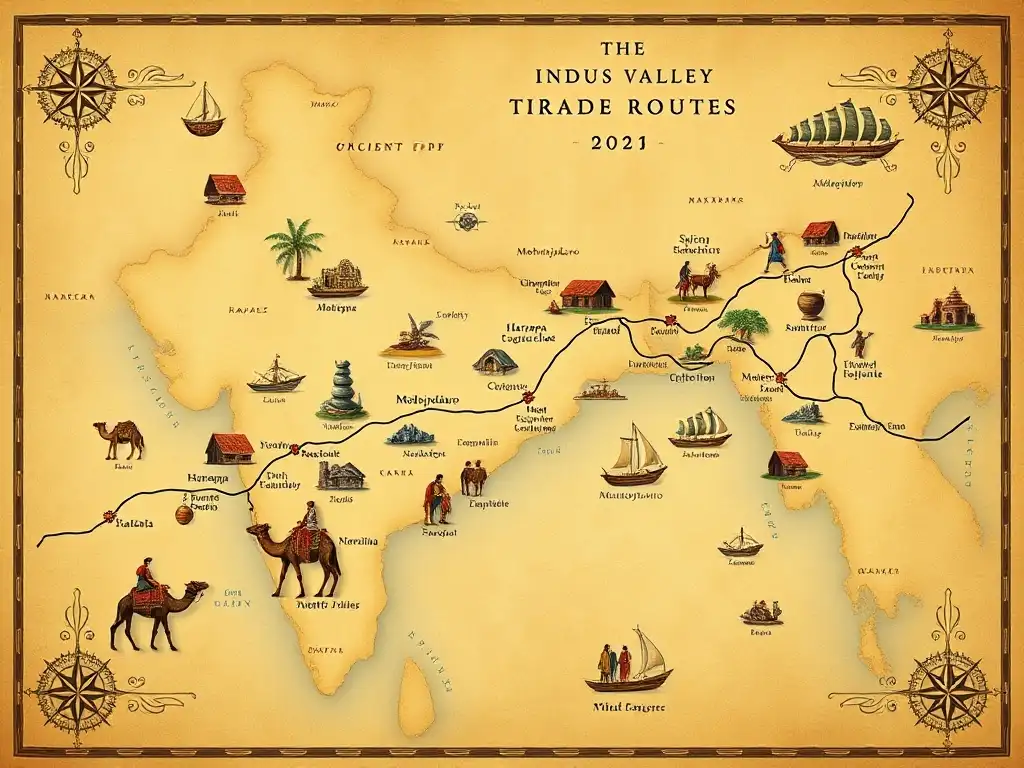
The origins of the Indus Valley trade routes can be traced back to the early development of the Indus Valley Civilization, which flourished around 3300–1300 BCE. The civilization's strategic geographic location, coupled with its advanced urban planning and economic systems, facilitated the establishment of extensive trade networks. These routes not only connected various cities within the Indus Valley but also extended to neighboring regions, thus playing a crucial role in the exchange of goods, culture, and ideas.
Geographic Features Influencing Trade
The geographic landscape of the Indus Valley was pivotal in shaping its trade routes. Several features contributed to the development and sustainability of trade:
- River Systems: The Indus River and its tributaries provided a natural means of transportation. The river systems facilitated the movement of goods and people, with towns and cities often situated along the banks. This allowed for efficient trade, as boats could easily navigate the waterways.
- Mountain Passes: The surrounding mountain ranges, such as the Himalayas and the Hindu Kush, contained passes that linked the Indus Valley to the northern regions. These passes became vital conduits for trade with Central Asia, enabling the exchange of precious resources like metals and textiles.
- Fertile Plains: The alluvial plains of the Indus River valley were fertile and conducive to agriculture. The abundance of agricultural produce not only supported local populations but also became a key export in trade with neighboring civilizations, enhancing the economy of the Indus Valley.
The combination of these geographic features created an intricate network of trade routes that facilitated commerce with regions as far as Mesopotamia, the Arabian Peninsula, and beyond.
Key Cities and Trade Centers in the Indus Valley
The Indus Valley Civilization was characterized by several key cities that served as major trade centers. Each of these cities had unique attributes that contributed to the overall trade network:
- Harappa:
- Known for its advanced urban planning, Harappa was a major trade hub. The city had a well-developed infrastructure, including streets laid out in a grid pattern and sophisticated drainage systems. Harappa was strategically located near the Ravi River, allowing for easy transportation of goods.
- Mohenjo-Daro:
- Another significant city, Mohenjo-Daro, was famous for its impressive architecture and the Great Bath, which suggests a high level of civic organization. The city's proximity to the Indus River made it a vital center for trade, particularly in cotton textiles, which were highly sought after.
- Lothal:
- Located near the Gulf of Khambhat, Lothal was an important port city. It is renowned for its dockyard, which facilitated maritime trade. Lothal’s strategic location allowed for the import and export of goods, including beads, gems, and pottery, connecting the Indus Valley with maritime trade routes.
- Dholavira:
- Dholavira was known for its water conservation techniques and served as a critical point for trade between the mainland and the coastal regions. The city's prosperity was largely due to its trade in agricultural products and its role as a transit point for goods moving to and from the western regions.
These cities were interconnected through a network of roads and waterways, creating a dynamic economic system that thrived on trade. The Indus Valley trade routes history reflects a sophisticated understanding of commerce and resource management, which laid the groundwork for future civilizations in the region.
Major Trade Routes of the Indus Valley Civilization
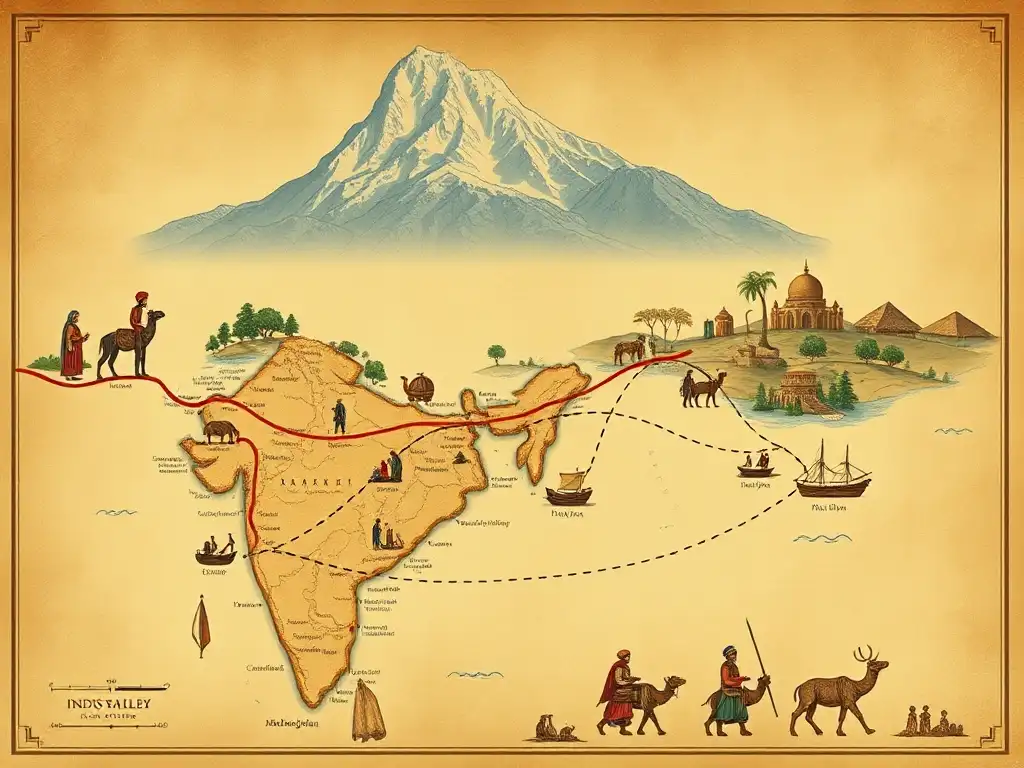
The Indus Valley Civilization (IVC), flourishing from approximately 3300 BCE to 1300 BCE, is renowned for its advanced urban planning, intricate craftsmanship, and sophisticated trade networks. The trade routes of the IVC were vital for its economic prosperity and cultural exchanges, enabling connections with various regions and civilizations. Understanding these routes provides insight into the Indus Valley trade routes history and how they contributed to the civilization's development and legacy.
North-South Trade Routes
The North-South trade routes primarily connected the IVC's cities like Harappa and Mohenjo-Daro with the northern regions, including the Himalayan foothills and the Indo-Gangetic plains. These routes facilitated the exchange of goods, ideas, and cultural practices.
- Key Features of North-South Trade Routes:
- Geographic Coverage: Spanning from the northern regions to the southern parts of the IVC, these routes traversed fertile plains and hilly terrains.
- Major Goods Traded: The trade involved agricultural products such as wheat, barley, and cotton, along with crafted goods like pottery and jewelry.
- Cultural Exchange: The movement of traders along these routes led to significant cultural interactions, influencing local practices and technologies.
The north-south routes played a crucial role in the economic stability of the IVC, allowing cities to thrive through trade with agricultural regions and the exchange of raw materials.
East-West Trade Routes
The East-West trade routes were instrumental in linking the IVC with regions to the east, such as the Gangetic basin, and west towards Mesopotamia. These routes expanded the reach of the IVC beyond its immediate geographic boundaries.
- Key Characteristics of East-West Trade Routes:
- Trade Centers: Key cities like Harappa served as vital trade hubs where merchants exchanged goods from both east and west.
- Exported Goods: The IVC exported a variety of products, including semi-precious stones, cotton textiles, and metals, which were highly valued by neighboring civilizations.
- Imported Goods: In return, the IVC imported luxury items such as copper, silver, and tin, which were essential for crafting tools and ornaments.
The East-West trade routes not only fostered economic prosperity but also facilitated the exchange of artistic and architectural influences, evident in the varied artifacts discovered at excavation sites.
Maritime Trade Connections with Other Civilizations
In addition to overland trade routes, the IVC engaged in maritime trade, utilizing the Arabian Sea to connect with other ancient civilizations, notably those in Mesopotamia and the Persian Gulf.
- Maritime Trade Details:
- Ports and Harbors: The discovery of ancient port sites like Lothal indicates that the IVC had established maritime trade networks. These ports were strategically located to facilitate shipping and trade.
- Goods Traded via Sea: Maritime trade saw the exchange of goods such as ivory, beads, and textiles from the IVC for goods like dates, pearls, and timber from other civilizations.
- Cultural Exchanges: Maritime routes enabled not only the exchange of goods but also ideas, technologies, and cultural practices, thereby enriching the IVC's civilization.
These maritime connections significantly impacted the IVC's economy and cultural landscape, highlighting its role as a key player in ancient trade networks and its influence on neighboring regions.
Goods Traded Along the Indus Valley Trade Routes
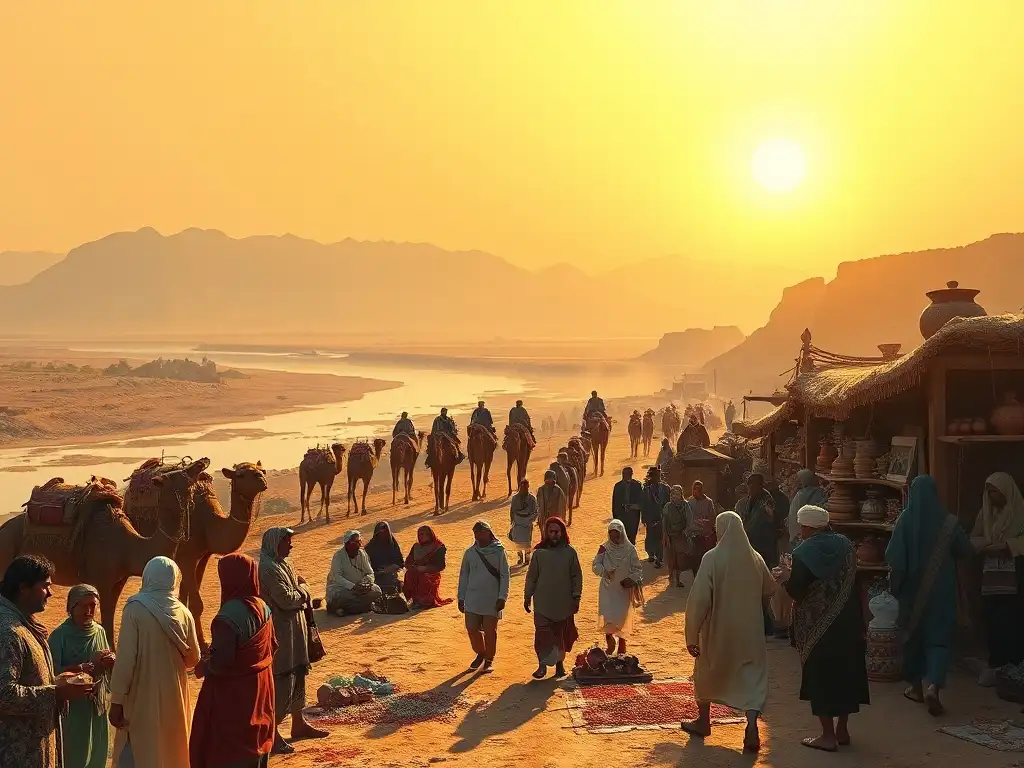
The Indus Valley trade routes were vital arteries for commerce that connected this ancient civilization with various regions, facilitating the exchange of goods, culture, and ideas. The trade network flourished due to the strategic positioning of the Indus Valley cities, such as Harappa and Mohenjo-Daro, which were well-organized and had impressive infrastructures, including dockyards and warehouses.
Common Export Products of the Indus Valley
The Indus Valley Civilization was known for its diverse and high-quality exports, which played a crucial role in their economic prosperity. Key products exported included:
- Cotton Textiles: The Indus Valley is often credited with being one of the first regions to cultivate cotton and produce textiles. The cotton was spun into fine yarn and woven into luxurious fabrics that were highly sought after by neighboring civilizations, including Mesopotamia and Egypt.
- Metals: The civilization was adept at metallurgy, crafting items from copper, bronze, and even precious metals like gold and silver. Tools, ornaments, and trade goods made from these metals were significant exports.
- Pottery: The Indus Valley potters produced a variety of pottery styles, often featuring intricate designs and glazes. These ceramics were widely traded and used for both practical and ceremonial purposes.
- Semi-Precious Stones: The people of the Indus Valley were skilled in crafting jewelry and decorative items from semi-precious stones like lapis lazuli, carnelian, and agate. These items were popular in both domestic and international markets.
- Agricultural Products: Surplus crops, including wheat, barley, and lentils, were also traded. The fertile land of the Indus Valley allowed for robust agricultural production, which was essential for sustaining trade.
The trade routes themselves were not just physical paths but also conduits for cultural exchange. As goods moved along these routes, so too did ideas, technologies, and traditions, enriching both the Indus Valley and the regions they traded with.
Importing Goods: What Did the Indus Valley Receive?
The Indus Valley Civilization was not only a hub for exports but also a recipient of various goods that enriched its culture and economy. Some key imports included:
- Luxury Items: The civilization imported luxury goods, including ivory from Africa and precious stones from regions like Persia. These items were often used by the elite classes and played a role in social stratification.
- Raw Materials: To support their industries, the Indus Valley cities imported essential raw materials. For example, tin was crucial for bronze production, and sources of tin were located in distant regions, highlighting their extensive trade networks.
- Cultural Artifacts: Interactions with neighboring civilizations led to the exchange of cultural artifacts, including religious items and artistic styles. These exchanges influenced the artistic expressions found in the Indus Valley.
- Spices: The trade routes facilitated access to various spices, which were not only used for culinary purposes but also held medicinal value. This trade with regions like the Arabian Peninsula enriched the local gastronomy.
- Grains and Livestock: The Indus Valley also imported grains and livestock from other regions, which supplemented their agricultural practices and contributed to food security.
The Indus Valley trade routes were instrumental in establishing a vibrant exchange of goods and cultural interactions. The diversity of exported and imported products highlights the sophistication of the Indus Valley Civilization and its pivotal role in the ancient world's trade networks.
Cultural Exchange Through Trade
The Indus Valley Civilization (IVC), flourishing between approximately 3300 and 1300 BCE, is renowned not only for its advanced urban planning and architecture but also for its extensive trade networks. These trade routes served as vital conduits for cultural exchange, facilitating the movement of goods, ideas, and technology between the IVC and neighboring regions.
Influence of Trade on Indus Valley Culture
Trade had a profound impact on the cultural dynamics of the Indus Valley. The exchange of goods such as cotton textiles, beads, and pottery revealed not only the economic prosperity of the civilization but also its interconnectedness with other cultures.
- Artistic Influences: The influx of foreign goods and artistic styles led to significant changes in local craftsmanship. For instance, the IVC's intricate bead-making techniques often incorporated motifs and styles from Mesopotamia and Persia.
- Religious and Ideological Exchange: Trade routes facilitated not just economic exchange but also the transmission of religious beliefs and practices. The discovery of seals featuring deities and symbols that resemble those found in contemporary Mesopotamian cultures suggests a blending of spiritual ideologies.
- Technological Advancements: The introduction of new materials and technologies through trade, such as metallurgy and pottery techniques, enhanced local craftsmanship. The use of standardized weights and measures, likely influenced by trade practices from neighboring regions, is a hallmark of IVC cities, promoting efficient commerce.
This cultural exchange fostered a dynamic society that was not only economically robust but also rich in artistic and intellectual contributions.
Archaeological Evidence of Cultural Interactions
Archaeological findings provide critical insights into the extent of the cultural interactions facilitated by the Indus Valley trade routes. These findings include:
- Trade Goods: Excavations at sites like Harappa and Mohenjo-Daro have unearthed numerous artifacts such as:
- Beads: Made from various materials including semi-precious stones, these beads reflect styles that were prevalent in Mesopotamia.
- Ceramics: The distinct pottery styles found in the IVC often exhibit similarities with those from contemporary civilizations, indicating trade and cultural exchange.
- Seals and Inscriptions: The famous Indus seals, often inscribed with script that remains undeciphered, depict animals, human figures, and various motifs, suggesting that these were used in trade transactions. The presence of similar seals in Mesopotamia reinforces the notion of interconnected trade networks.
- Urban Planning: The sophisticated urban infrastructure of IVC cities, including dockyards found at Lothal, evidences the importance of maritime trade. These dockyards facilitated trade with distant lands such as Mesopotamia and Egypt, showcasing the civilization's advanced understanding of logistics and commerce.
- Artifacts from Foreign Lands: Items such as lapis lazuli from Afghanistan and copper from Oman found in IVC sites point to extensive trade routes that connected the Indus Valley with far-reaching regions, further affirming the cultural and economic exchanges that took place.
The archaeological evidence underscores the vibrant cultural interactions fostered by the Indus Valley trade routes, revealing a civilization that was not only a center of trade but also a melting pot of diverse influences that shaped its culture and development.
Challenges Faced by Indus Valley Trade Routes
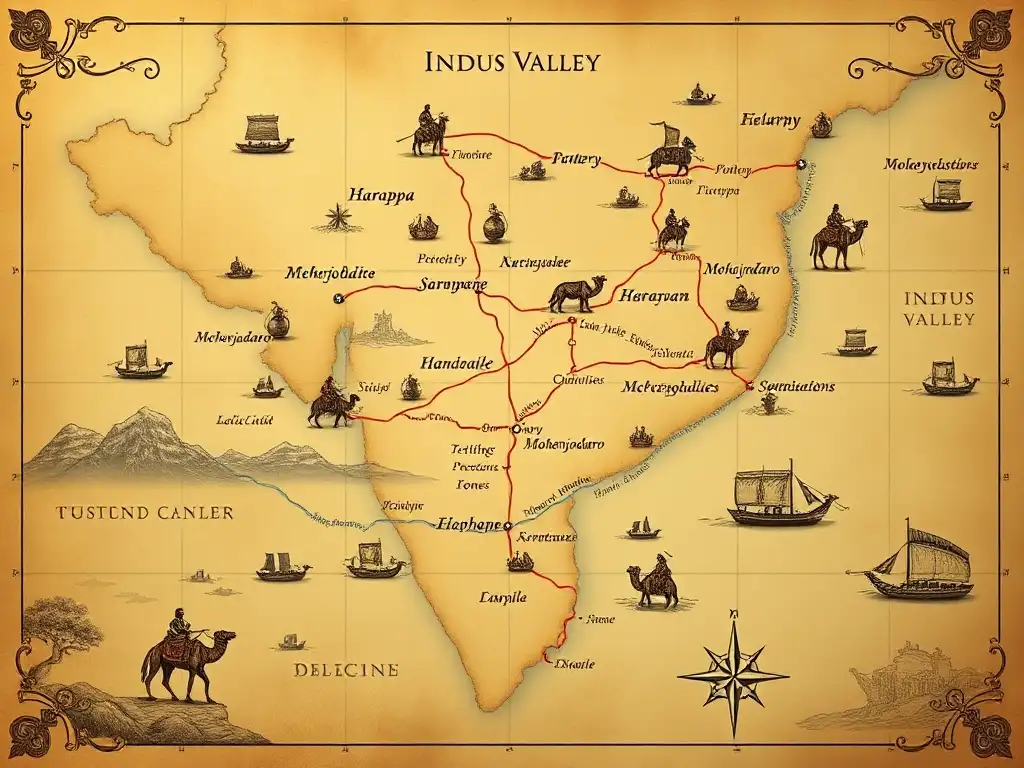
The trade routes of the Indus Valley Civilization played a crucial role in shaping the economic landscape of ancient India. However, these routes were not without their challenges. Various natural, political, and economic factors influenced the efficiency and security of trade during this period, impacting the growth and sustainability of commerce.
Natural Obstacles and Geographic Challenges
The geography of the Indus Valley posed several natural obstacles that affected trade routes. The region is characterized by diverse topography, including mountains, deserts, and rivers, which presented both challenges and opportunities.
- Mountainous Terrain: The Himalayas to the north created a formidable barrier for overland trade. The high altitudes and harsh weather conditions made it difficult for traders to transport goods across these mountains. As a result, trade routes were often limited to lower elevations or valleys, which could be treacherous during certain seasons.
- Flooding and River Navigation: The Indus River and its tributaries provided vital waterways for trade. However, seasonal flooding could disrupt navigation, damaging riverbanks and altering river courses. This made certain routes unpredictable and limited the reliability of transporting goods via water.
- Desert Conditions: The Thar Desert to the east of the Indus Valley presented its own set of challenges. The arid conditions and scarcity of resources made long-distance trade across this region arduous. Merchants had to plan their journeys meticulously to avoid getting stranded in the harsh environment.
- Climate Variability: Fluctuations in climate, such as droughts or excessive rainfall, could impact agricultural production and the availability of goods for trade. This variability led to unpredictable supply chains, making it difficult for traders to maintain a steady flow of products.
Political and Economic Factors Affecting Trade
In addition to natural obstacles, various political and economic factors influenced the dynamics of trade in the Indus Valley.
- Political Fragmentation: The Indus Valley Civilization was not a monolithic entity; it comprised multiple city-states and regions. This political fragmentation often led to conflicts and rivalries that could disrupt trade. Merchants had to navigate not only the logistics of transporting goods but also the potential for political instability.
- Trade Regulation: Local rulers and governing bodies often imposed regulations and taxes on trade, which could hinder economic activity. While some cities may have facilitated trade through marketplaces and fair practices, others could impose heavy tariffs that discouraged commerce.
- Economic Dependencies: The Indus Valley's economy was intertwined with neighboring regions, including Mesopotamia and Persia. Changes in the economic conditions of these regions, such as resource depletion or shifts in demand, could directly affect the trade routes of the Indus Valley. For instance, if a neighboring civilization experienced a downturn, it could lead to reduced trade and economic stagnation.
- Cultural Exchange and Diplomacy: The trade routes also served as conduits for cultural exchange, which sometimes required diplomatic efforts. Negotiations between different city-states or with foreign traders were crucial for establishing trust and facilitating commerce. Diplomatic relations could either enhance trade or lead to tensions that disrupted established routes.
The Indus Valley trade routes history is marked by a complex interplay of natural challenges and political factors. Understanding these obstacles provides insight into the resilience and adaptability of ancient traders in the face of adversity, reflecting the intricate tapestry of commerce that characterized this remarkable civilization.
The Decline of Indus Valley Trade Routes
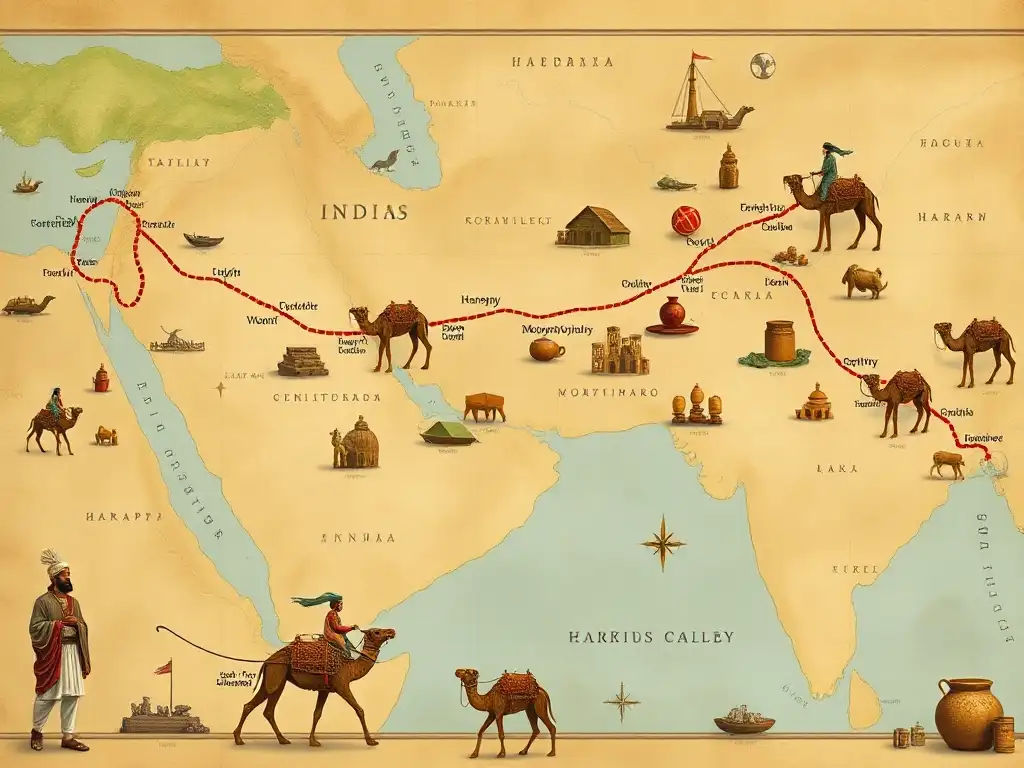
The decline of the Indus Valley trade routes marks a significant turning point in the history of one of the world's earliest urban civilizations. This decline did not happen overnight; rather, it was a gradual process influenced by a combination of internal and external factors. Understanding the circumstances surrounding this decline is crucial for comprehending the eventual fate of the Indus Valley Civilization.
Contributing Factors to the Decline of Trade
Several interconnected factors contributed to the decline of the Indus Valley trade routes:
- Environmental Changes:
- Climate Shifts: The region experienced significant changes in climate, leading to diminished monsoon patterns. This resulted in reduced agricultural yields, which were crucial for sustaining urban centers.
- River Course Alterations: The Indus River and its tributaries began to change course, leading to flooding in some areas while drying up in others. Such geographical shifts disrupted the agricultural base that supported trade.
- Economic Factors:
- Resource Depletion: Over time, the intensive agricultural practices may have led to soil depletion, reducing the productivity of farmlands. This scarcity of resources made trading less viable.
- Trade Competition: The rise of competing trade networks in neighboring regions, such as the Persian Gulf and Central Asia, may have diverted trade flows away from the Indus Valley.
- Political Instability:
- Fragmentation of Governance: As the centralized power structures weakened, cities within the Indus Valley began to fragment into smaller political units. This fragmentation likely hindered cooperative trade practices.
- Invasions and Conflicts: The arrival of new groups, possibly Aryans, led to conflicts that disrupted established trade routes and networks. The social upheaval caused by invasions could have further destabilized trade.
- Technological Stagnation:
- Lack of Innovation: While the Indus Valley Civilization was known for its advanced urban planning and craftsmanship, a stagnation in technological advancement might have limited the means to adapt to changing trade dynamics.
Impact of the Decline on the Indus Valley Civilization
The decline of the Indus Valley trade routes had profound repercussions on the civilization itself:
- Urban Decline:
- Major cities such as Harappa and Mohenjo-Daro saw a significant reduction in population as trade dwindled. The once-thriving urban centers became less populated, leading to the abandonment of many sites.
- Cultural Shifts:
- As trade routes diminished, cultural exchanges with other civilizations also decreased. This isolation likely led to a stagnation in cultural and artistic development, with fewer influences from outside regions.
- Economic Transition:
- The economy of the Indus Valley transitioned from a trade-based system to a more localized, subsistence-oriented economy. This shift would have affected the social structure, with an increase in agrarian lifestyles over urban commercialism.
- Loss of Identity:
- With the decline of trade and urban life, the distinctive identity of the Indus Valley Civilization began to erode. The emergence of new cultural groups contributed to the gradual assimilation of the Indus peoples into surrounding cultures.
The decline of the Indus Valley trade routes was not merely an economic downturn; it heralded a transformation that reshaped the very fabric of the civilization. Understanding these dynamics is essential for grasping the complexities of Indus Valley trade routes history and their lasting impact on the region's subsequent historical narrative.
Legacy of Indus Valley Trade Routes
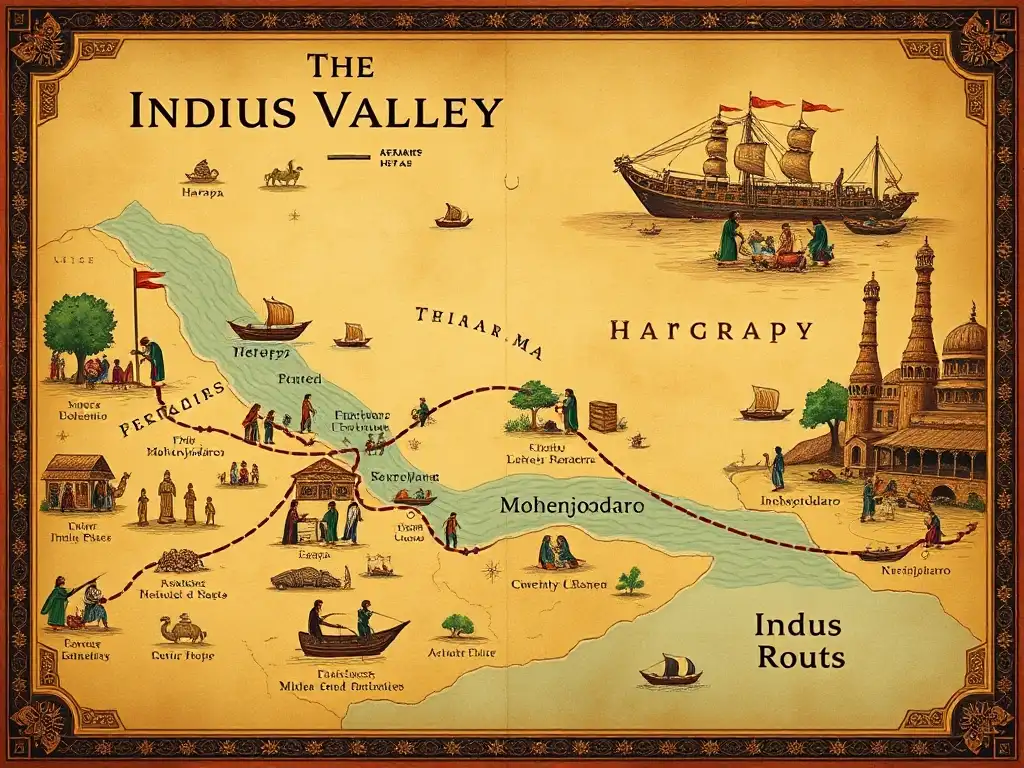
The trade routes of the Indus Valley Civilization were not merely conduits for commerce; they played a pivotal role in shaping the economic, cultural, and technological landscape of ancient India. The extensive network of paths and waterways established by the Indus Valley traders facilitated the exchange of goods, ideas, and innovations that would resonate throughout subsequent Indian civilizations.
Influence on Subsequent Indian Civilizations
The legacy of the Indus Valley trade routes can be seen in the socio-economic structures of later Indian civilizations. The trade practices initiated during the Indus Valley period laid the groundwork for the economic frameworks that emerged in the subsequent Vedic and Mauryan periods.
- Cultural Exchange: The interactions between the Indus Valley inhabitants and neighboring regions, such as Mesopotamia and Persia, fostered a rich cultural exchange. Artifacts, religious symbols, and agricultural techniques exchanged along these routes influenced the cultural fabric of later Indian societies.
- Urban Planning and Architecture: The sophisticated urban planning exhibited in Indus Valley cities like Harappa and Mohenjo-Daro set a precedent for city layouts in later Indian civilizations. The grid-like street patterns and drainage systems became models for urban development in future empires, encouraging organized settlement patterns.
- Emergence of Trade Guilds: The trade routes encouraged the formation of guilds, which became central to the economy of later civilizations. These guilds not only facilitated trade but also regulated prices and maintained quality standards, showcasing the continuity of commercial practices from the Indus Valley to the Mauryan Empire.
- Standardization of Weights and Measures: The Indus Valley Civilization is credited with developing standardized weights and measures for trade. This practice continued and expanded in subsequent civilizations, facilitating commerce across diverse regions and contributing to a more unified economic system.
The Lasting Impact on Trade Practices in the Region
The Indus Valley trade routes established a framework for commerce that had enduring effects on the region's economic practices. Over time, these routes evolved but retained foundational elements that influenced trade dynamics.
- Expansion of Trade Networks: As the Indus Valley Civilization declined, the trade routes were adapted and expanded by successor civilizations, including the Mauryan and Gupta empires. This continuity allowed for the sustained exchange of goods like textiles, spices, and precious metals, which became integral to India’s economy.
- Integration of Diverse Cultures: The trade routes acted as conduits for not just goods but also cultural practices, religions, and technologies. The integration of diverse cultures along these routes enriched the social fabric of the region, leading to a vibrant tapestry of traditions that characterized Indian civilization.
- Influence on Maritime Trade: While overland routes were significant, the Indus Valley also played a crucial role in maritime trade through access to the Arabian Sea. This maritime connection facilitated trade with distant regions, including Africa and the Middle East, which later became a hallmark of Indian trade practices.
- Enduring Economic Principles: The principles of trade established during the Indus Valley period—such as the importance of trust, reciprocity, and negotiation in trade—continued to influence business practices in the region for centuries. These principles remain significant in the economic interactions of modern India.
The legacy of the Indus Valley trade routes is profound, influencing not only subsequent Indian civilizations but also shaping trade practices that have endured through the ages. The interconnectedness fostered by these routes highlights the importance of commerce as a driver of cultural and economic evolution in ancient India.
Conclusion: The Importance of Indus Valley Trade Routes History
Summary of Key Points
The Indus Valley trade routes history highlights the intricate network of trade that connected various ancient civilizations, facilitating the exchange of goods, ideas, and cultures. Key points of this historical framework include:
- Geographical Extent: The trade routes extended not only within the Indus Valley but also reached regions such as Mesopotamia, Persia, and beyond. This geographical span underscores the significance of the Indus Valley as a central hub for commerce.
- Goods Traded: A diverse array of products was exchanged along these routes. Notable commodities included:
- Cotton textiles: The Indus Valley civilization is often credited with being among the first to cultivate cotton and produce textiles.
- Metals: The trade of copper, bronze, and semi-precious stones played a vital role in the economy.
- Agricultural produce: Grains and spices from the fertile lands of the Indus Valley were highly sought after.
- Cultural Exchange: These trade routes were essential for the diffusion of cultural practices, religious beliefs, and technological innovations across regions. This exchange enriched the civilizations involved and laid the groundwork for future interactions.
- Urban Planning: The development of cities like Harappa and Mohenjo-Daro was closely linked to their strategic locations along these trade routes, which influenced urban planning and infrastructure.
Reflection on the Trade Routes’ Role in Ancient Indian History
The trade routes of the Indus Valley were more than mere pathways for the exchange of goods; they were vital arteries of civilization that fostered economic prosperity and cultural interconnectivity. The Indus Valley trade routes history illustrates how geography and commerce shaped the development of one of the world's earliest urban societies.
These routes facilitated not only the movement of material wealth but also ideas that spurred advancements in various fields, including metallurgy, agriculture, and artisan crafts. Furthermore, the interactions between the Indus Valley civilization and neighboring regions paved the way for the subsequent evolution of trade practices in ancient India, ultimately influencing later empires like the Maurya and Gupta.
The significance of the Indus Valley trade routes extends beyond their historical context; they are a testament to the ingenuity and interconnectedness of ancient societies. Understanding this history allows us to appreciate the complex tapestry of human civilization and the enduring legacy of trade in shaping cultural and economic landscapes.
Frequently Asked Questions
What were the primary trade routes of the Indus Valley civilization?
The Indus Valley trade routes primarily connected major cities like Harappa and Mohenjo-Daro with regions such as Mesopotamia and the Persian Gulf, facilitating the exchange of goods.
How did trade influence the economy of the Indus Valley civilization?
Trade played a crucial role in the economy of the Indus Valley, as it allowed for the exchange of resources and raw materials, enhancing economic growth and stability.
What types of goods were commonly traded along the Indus Valley routes?
Commonly traded goods included cotton textiles, metals, jewelry, and spices, which were highly sought after in both local and international markets.
How did the geography of the Indus Valley affect its trade?
The geography of the Indus Valley, with its rivers and proximity to the sea, provided natural pathways for trade, making transportation of goods easier and more efficient.
What is the significance of the trade routes in understanding ancient Indian civilizations?
The trade routes are significant as they reveal the extent of cultural exchange, economic interactions, and the sophistication of ancient Indian civilizations in a global context.
Final Reflection: The Enduring Legacy of Indus Valley Trade Routes
The exploration of Indus Valley trade routes history reveals not only the intricate networks that connected ancient civilizations but also their profound impact on cultural exchange and economic development. Today, as we navigate a world increasingly defined by globalization, the lessons from these ancient trade routes resonate more than ever. They remind us that connection and collaboration are fundamental to progress, and that the threads of commerce can weave together diverse cultures into a tapestry of shared human experience.
The influence of the Indus Valley trade routes extends far beyond their historical context; they continue to shape our understanding of trade and cultural interactions. As we reflect on the interconnectedness of societies, we recognize the importance of these ancient pathways in fostering innovation and exchange. The words of historian John Keay encapsulate this sentiment: The trade routes of the past are the arteries of civilization, nourishing the growth of societies and cultures.
This observation highlights how the legacy of the Indus Valley trade routes is not merely a relic of history, but a vital part of our ongoing narrative as we seek to understand our world today.
As we conclude our journey through the trade routes of the Indus Valley, I invite you to reflect on how these ancient connections can inspire our actions in the present. Consider how you can foster connections in your own life, whether through cultural understanding, collaboration, or community engagement. Embrace the spirit of the Indus Valley traders, who bridged gaps and built relationships across vast distances. Let their legacy guide you in creating a more interconnected and harmonious world, where the lessons of the past illuminate the path to a brighter future.
Unveil the Secrets of Ancient Trade!
Thank you for diving into the fascinating world of the Indus Valley's trade routes! You've explored how these ancient roads connected diverse cultures and economies, enriching their societies. Now, it’s time to take action and deepen your connection to this incredible history.
Here are a few steps to help you engage further:
- Delve Deeper: Read more about the daily lives of traders in the Indus Valley. Understanding their stories brings history to life!
- Share and Discuss: Join our community on social media platforms and share what surprised you most about trade in ancient India. Your insights could inspire others!
- Explore Local Connections: Visit a nearby museum or historical site related to ancient trade. Discover your own connections to history right in your community.
What aspect of ancient trade routes intrigues you the most, and how do you think they influence trade in the modern world? We invite you to share your thoughts below!